
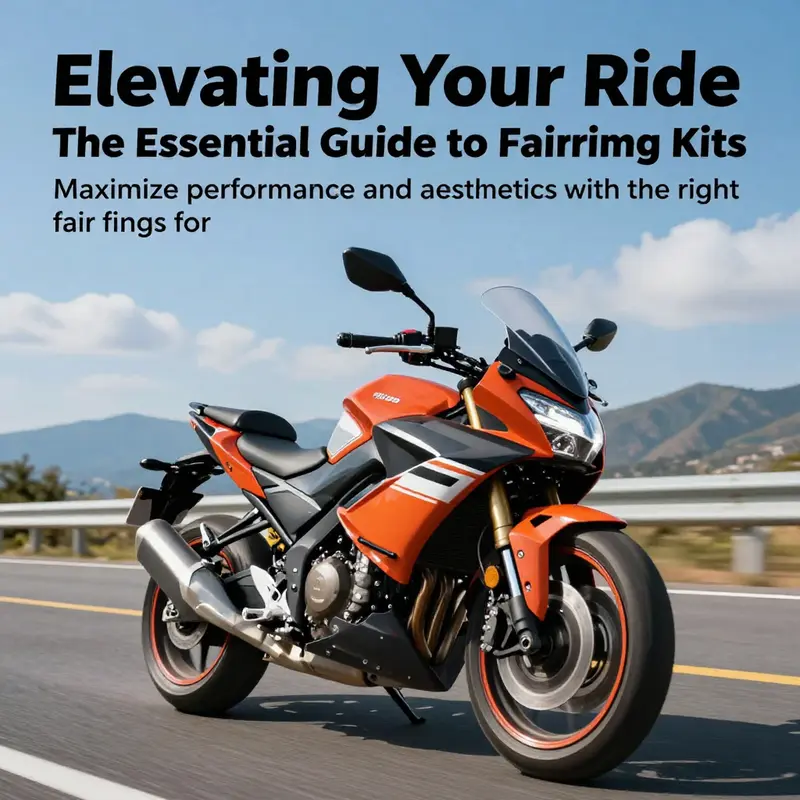
Motorcycle fairings kits play a crucial role in enhancing both the performance and aesthetics of any bike. Designed to reduce wind resistance, protect sensitive components, and improve overall comfort during rides, these kits are indispensable for riders who value efficiency and style. In this comprehensive guide, business owners will discover the significance of motorcycle fairings, the various types available, how to choose the right one for specific models, installation tips, and current market trends. Each chapter delves deeper into the world of motorcycle fairing kits, helping you understand their importance and potential for transforming any motorcycle experience.
From Shape to Speed: Understanding How Motorcycle Fairing Kits Boost Performance, Comfort, and Style
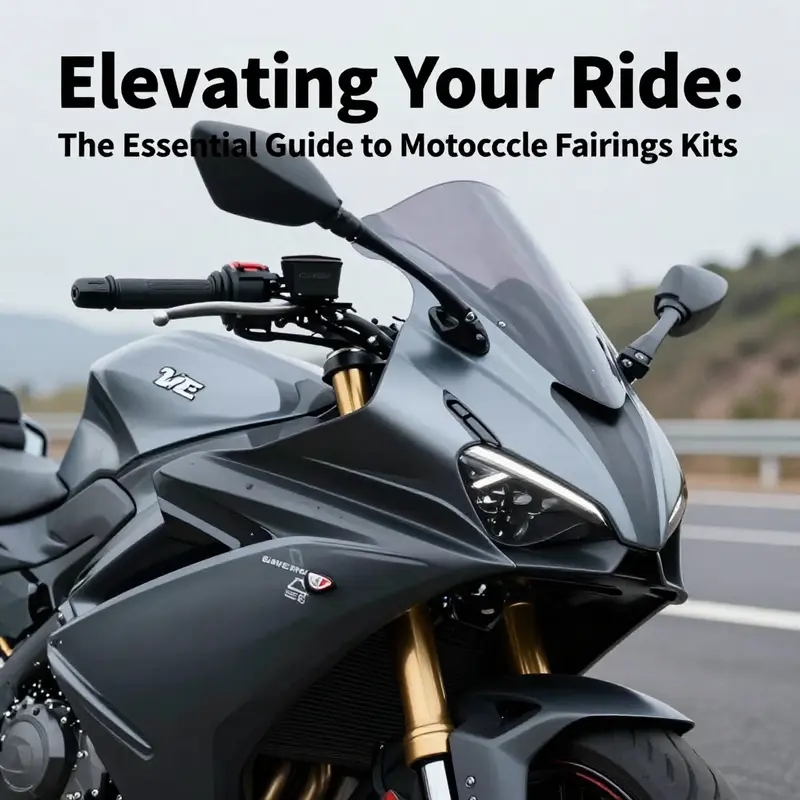
Fairings are more than a protective shell on a motorcycle. They translate aerodynamic thinking into real riding benefits. A well designed fairing kit smooths the bike’s silhouette, reduces drag, and guides air around the rider and engine. On long highway rides the wind can sap energy and attention, so a clean flow matters. When air meets a rider at speed it becomes a constant companion that can cause fatigue, jar the wrists, and even affect breathing. Fairings shield the chest, shoulders, and helmet from windblast, yielding a more focused riding rhythm and letting the wind fade to a background factor rather than the main source of effort. In addition to drag reduction, the shaping supports fuel efficiency and stability, especially at higher speeds. The same careful aerodynamics that cut drag also help with weather protection and overall ride quality. Materials are chosen for a balance of toughness and weight, commonly impact resistant ABS plastic or lightweight fiberglass. ABS handles impact and weather well, while fiberglass offers precision and a refined look where needed. A high quality kit is designed for precise fit, aligning with the bike’s contours and mounting points to minimize the need for ad hoc modifications. Precision matters because it preserves seals and fasteners, which helps maintain weather protection and reduce maintenance headaches. Beyond protection, fairing upgrades often bring improved comfort and a cohesive, factory look that respects the machine’s design while adding aero benefits. Choosing the right type of fairing is the first decision. Full fairings provide comprehensive coverage, maximizing wind protection and high speed stability, but are heavier and can complicate engine access during maintenance. Half fairings shield the upper parts of the bike while leaving the lower engine area accessible, which can improve handling and maintenance efficiency. Quarter or cafe racer style fairings favor a minimalist, vintage silhouette with modern wind deflection, appealing to riders who value traditional aesthetics with contemporary engineering. The ideal choice depends on riding style, typical speeds, climate, and how much maintenance access you want. Installation is the practical bridge between concept and performance; a kit designed to fit a specific model year reduces mounting guesswork, and precision fit pieces minimize gaps that could collect water or wind. A good install kit includes clear instructions and reliable fasteners to make self installation approachable. The result should feel like the bike was built with the upgrade in mind from the start, producing less drag, a planted front end, and a smoother overall ride in gusty conditions. The cockpit benefits from a shield that keeps instrument visibility clear while still allowing easy access for controls and gauges. Compatibility matters as well. When a kit matches the bike’s frame and mounting points, maintenance access remains straightforward and the factory aesthetics are preserved. A well matched fairing enhances stability and a coherent riding experience rather than simply adding style. For many riders, a fairing upgrade is a holistic improvement that balances performance, protection, and appearance with the machine’s original character in mind. In the end the choice of a fairing kit reflects riding goals, whether touring comfort, track ready aerodynamics, or a practical daily rider. A well selected kit can improve stability at speed, weather protection, and the visual finish of a motorcycle that has earned its miles. For those seeking model specific fit, options from brands like Kawasaki offer fitted solutions that respect the bike’s original design while delivering improved aerodynamics and protection. External resources on fairing types and benefits are available for deeper technical context if desired.
Sizing the Shield: A Practical Guide to Full, Half, and Quarter Motorcycle Fairings
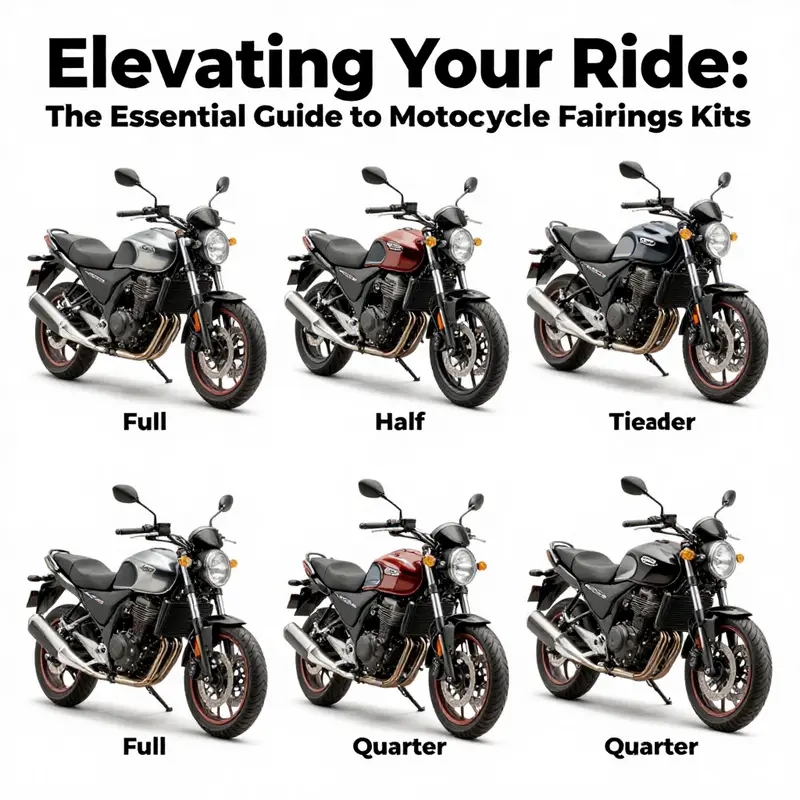
Aerodynamic bodywork does more than sleek the silhouette of a motorcycle. It acts as a shield for the rider, a barrier against wind fatigue, and a canvas for expression. The fairing kit you choose becomes a defining element of how the bike behaves at speed, how comfortable you stay on long rides, and how easy maintenance will be when the weather turns foul or road debris becomes an issue. Within this ecosystem, three primary configurations dominate the market: full, half, and quarter fairings. Each brings a distinct balance of protection, weight, accessibility, and aesthetics, and understanding those trade-offs helps a rider tailor a kit to their unique riding life. The discussion that follows treats fairings as a practical toolkit rather than a mere surface upgrade, and it centers on how the kit aligns with riding style, climate, and maintenance habits.
A full fairing wraps a rider in a continuous aerodynamic shell from the front fairing around the sides and often down toward the fuel tank and rear area. The effect is immediate and measurable: wind resistance drops substantially, high-speed stability improves, and a rider can tunnel into long highway segments with far less upper-body strain. The larger surface area is not just about speed; it also provides a broad platform for color, sponsor logos in racing contexts, and a cohesive visual that can transform a stock machine into something that reads as purpose-built. The trade-off, however, is tangible. Full fairings add mass, complicate access to engine components for inspection or maintenance, and can require careful alignment and fitment to avoid gaps that spoil the wind profile or create rattles. When installed on a bike designed for it, a full fairing can be a revelation on track days and extended touring alike, delivering a composite of wind protection and visual impact that few other upgrades match.
In contrast, half fairings strike a more modest balance. They cover the upper portion of the bike, typically including a windscreen, upper side panels, and partial protection around the engine bay, while leaving the lower block of the front end more exposed. The outcome is lighter weight and easier access to critical components for maintenance, which is attractive to riders who live with the bike on a daily basis or prefer sport-touring configurations. The wind deflection remains strong enough to reduce fatigue at moderate to brisk highway speeds, yet the rider’s legs and lower torso stay more connected to the air and the road—an experience many riders describe as more responsive handling and a more tactile sense of the machine’s geometry. A half fairing thus becomes a pragmatic compromise for those who want improved aerodynamics without surrendering too much access or adding excessive weight. It also lends itself well to mixed-use motorcycles that traverse urban confines by day and highway stretches by weekend.
Quarter fairings represent the minimalist end of the spectrum. These small, compact units focus on a clean aesthetic and modest wind interaction, often mounted near the headlight or the handlebars. The wind protection offered by quarter fairings is limited, but the payoff is compelling: the weight is minimal, the price is comparatively approachable, and installation tends to be straightforward. For riders chasing a vintage or café-racer vibe, or for those who ride in consistently warm climates where aggressive wind protection is less critical, quarter fairings deliver a lean silhouette and a nimble feel. Their lower profile can preserve a motorcycle’s maneuverability and airiness while still providing a hint of modern aerodynamics and a platform for customization. This class of fairing is less about outright comfort in gusty conditions and more about character, cost-efficiency, and ease of upkeep.
The choice among these configurations also hinges on fitment accuracy and material quality. A well-engineered kit, regardless of its coverage area, is designed to align with the bike’s actual geometry and mounting points, minimizing the need for extensive modifications. Materials such as impact-resistant ABS plastic and lightweight fiberglass offer a practical range of stiffness, impact resistance, and weight. ABS tends to deliver good durability with reasonable cost and versatility in shaping, while fiberglass can yield lighter weight and more aggressive aerodynamics in the hands of skilled fabricators. A kit built with attention to precise fitment reduces rattles, wind noise, and maintenance headaches, a factor that Derek Langston, a Motorcycle Customization Specialist, often highlights when riders report better long-term reliability after a proper upgrade. His observation echoes a common thread: a properly engineered kit can translate into fewer maintenance interruptions and more consistent comfort on the road.
Compatibility is the next crucial measure. The best kits are not simply universal shells slapped onto any model; they are crafted to match specific generations and body contours so that the resulting lines feel native to the bike. A precision-matched full fairing, for example, shapes the bike’s aerodynamics as a unified piece, not a collection of panels that must be coaxed into alignment. The same applies to half and quarter fairings. While aftermarket options abound, their real value emerges when their form and interface with stock mounting points are predictable and repeatable. For riders who enjoy customizing with an eye toward long-term maintenance, this predictability matters as much as the initial look and the wind tunnel benefits. A kit that integrates well with the rider’s maintenance routine makes it easier to remove fairings, access essential components, and perform periodic checks without the fear of forcing panels that don’t quite fit.
Riders should also consider how the chosen configuration complements the bike’s riding environment. In urban settings with stop-and-go rhythms and the occasional sudden gust, a lighter fairing may reduce steering inertia and improve maneuverability while still offering adequate wind protection for most city rides. In contrast, highway-heavy commutes and weekend open-road runs clearly benefit from the wind-shearing advantages of a full fairing, provided the rider is comfortable with the added weight and the more involved installation and maintenance. Those who spend most of their time in temperate climates may find half fairings hit the sweet spot, balancing weather protection with daily practicality. And for riders who chase a minimalist, classic stance alongside a warm-weather regime, quarter fairings can deliver the look without complicating routine maintenance or daily handling.
The conversation about fairing kits is not finished without acknowledging the installation experience. A kit that ships with clear instructions, precise hardware, and well-engineered mounting points helps mitigate the learning curve. A conscientious seller will often back their product with guidance and support, easing the path from unboxing to on-bike confidence. For riders exploring options within a brand lineup, the Kawasaki fairings category, for instance, illustrates how different kits align with specific frame geometries and mounting plans across model generations. This reference point can illuminate how a given kit will sit in real life, not just in product photos. Kawasaki fairings provides a tangible example of how fit and finish translate to riding experience, even as it remains a single window into a broader landscape of aftermarket choices.
Ultimately, the decision rests on a blend of performance goals, maintenance habits, climate realities, and budget. A rider who places premium value on high-speed stability and weather protection might lean toward a full kit, accepting the added weight and the more involved install. Someone who prizes easy engine access and everyday practicality could opt for a half fairing, preserving a balance of aero improvement and serviceability. A café-racer enthusiast or someone chasing a light-footed, classic aesthetic may find a quarter fairing perfectly suited to their needs. Across all choices, the quality of materials, the fidelity of fit, and the thoughtfulness of the design determine whether the upgrade simply looks the part or genuinely shifts the motorcycle’s behavior on the road.
In preparation for a fairing upgrade, it is worth cataloging the rider’s typical riding hours, preferred speeds, and the typical climate encountered on journeys. A thoughtful assessment helps isolate the essential features—wind protection, ease of maintenance, weight, and price—and guides a decision toward the configuration that harmonizes with that rider’s life. The end result is not just a bike decked in a new shell; it is a machine that communicates a rider’s intent, moves with greater efficiency through air, and presents a more coherent, durable platform that can carry both function and personality forward across miles and seasons. To borrow from a familiar design philosophy, a well-chosen fairing kit should feel inevitable, as if the bike were born with it, rather than an afterthought tacked on for cosmetic effect. The right choice enhances comfort, preserves access for maintenance, and elevates the overall riding experience through better aerodynamics, weather protection, and a deliberate aesthetic statement.
External resource for deeper technical context on aerodynamics and fairing design is available for those who want a detailed technical reference on a specific sport-bike fairing setup: https://www.motorcycleperformance.com/gsxr-750-fairing-guide.
Fit, Formula, and Finish: Matching the Right Fairings Kit to Your Bike Model
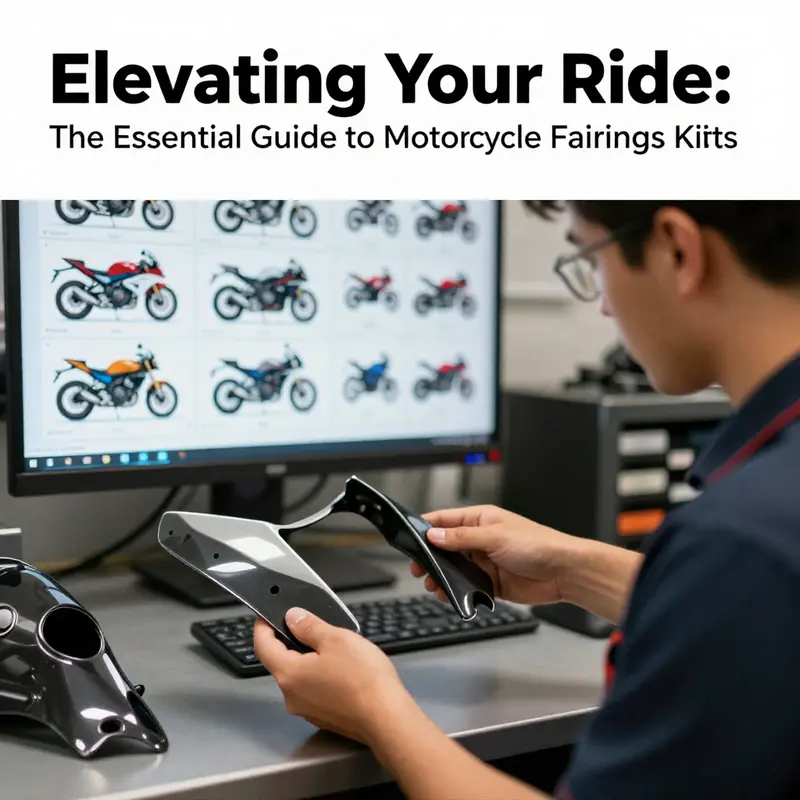
Choosing a motorcycle fairing kit is less about chasing the latest fad and more about aligning three strands of a rider’s world: fitment, material science, and riding reality. A well-chosen kit can sharpen aerodynamics, reduce fatigue, and refresh the bike’s silhouette, but the payoff hinges on how precisely the kit conforms to the machine and to the rider’s purpose. The decision starts with fitment, the nonnegotiable baseline that determines everything from wind deflection to maintenance access. A fairing kit is not a one-size-fits-all accessory. The ideal set is engineered for a specific platform, generation, and year, so it locks onto the chassis with minimal improvisation. When fitment is exact, the fairings hug the bike’s lines, the wind starts to behave, and the rider’s posture feels more contained and balanced rather than overwhelmed by turbulent air. In practice, this means looking for a kit that is designed around the exact geometry of the bike’s frame and engine bay, ensuring the panels align with existing mounting points and contours. It also means confirming that the piecework—the fairings, stay brackets, and mounting hardware—plays nicely with factory fasteners and brackets, reducing the risk that screws or clips will require forcing, grinding, or professional rework. For riders who upgrade to well-designed fairings, the reward is often a noticeable drop in buffeting and wind noise, a calmer cockpit, and a cockpit that reflects the bike’s contours rather than clashes with them. To that end, many manufacturers publish model-specific fitment information and provide installation guides that emphasize precision over approximation. It is a reminder that the most important measure of a kit’s value is not just how it looks but how it sits on the machine.
Beyond fitment, the material choice shapes performance and longevity. ABS plastic remains a common baseline due to its durability, affordability, and impact resistance. It is forgiving on street miles and everyday mishaps, absorbing small impacts without cracking in a way that keeps riders on the road. Fiberglass, meanwhile, offers a lighter option with a sturdy backbone—suitable for riders who want a more performance-focused balance between weight and strength. Carbon fiber sits at the premium end, delivering exceptional stiffness and a striking premium look, but at a price that can be prohibitive for many riders. The practical decision often rests on how the bike is used. A sport-oriented or track-capable setup might justify carbon fiber or advanced composites for the extra aerodynamics and weight savings, while a commuter or touring-oriented rider may prioritize durability and cost-effectiveness through ABS or fiberglass. The chapter on materials also highlights how higher-end applications, especially race-oriented kits, necessitate robust impact resistance and precise shaping to maximize airflow around the rider and engine, reducing drag and smoothing the transition of air across the bike’s surface. The result is a kit that not only resists fatigue and weathering but also contributes to a calmer ride at speed by maintaining predictable flow over the surfaces.
Riding style and environment are the next critical lens through which to view a fairing kit. Long-distance riders and touring enthusiasts often gravitate toward full or half fairings because these configurations deliver comprehensive wind protection, shielding the torso and upper limbs from direct airflow. A well-designed fairing with an adjustable windshield can significantly extend comfort on extended rides, reducing fatigue and helping the rider stay present and alert for longer. Track-focused riders, by contrast, may seek maximum airflow management and precision aerodynamics, where the kit’s shapes are tuned to minimize drag and improve cornering stability at high speeds. In a more minimal or café-racer aesthetic, some riders prefer a lighter or unfaired look to improve engine cooling, ease maintenance access, and preserve a classic silhouette. The trade-off is clear: greater wind protection and weather sealing usually come with increased weight, cost, and maintenance considerations, while lighter, more exposed configurations favor agility and serviceability but offer less shield from weather and wind. The best choice aligns the rider’s daily rhythm with the kit’s design philosophy, so the motorcycle remains predictable across a spectrum of speeds and road conditions.
Quality, warranty, and brand reputation form the safeguards around any purchase. When evaluating options, it is wise to prioritize suppliers who provide verified kits tailored to a range of brands and models and who stand behind their components with clear warranties. An important practical check is whether the kit includes all requisite mounting hardware and a lucid installation guide. Kits that promise a straightforward fit tend to be easier for riders to install at home, whereas highly integrated or race-specific kits may require professional installation or additional tuning for optimal results. The additional cost of professional labor is often justified by the precision fit, the integrity of the aerodynamics, and the assurance that the panels will remain secure under demanding riding conditions. For riders who value trusted sourcing, researching a supplier’s track record through reviews and corroborating testimonials can illuminate long-term performance and service reliability. The goal is to reduce the risk of misfit, panel distortion, or premature wear from poorly supported panels that rattle or crack when the bike is ridden aggressively or on rough pavement. A careful buyer will also confirm that a kit complies with local road-use regulations and emission or safety standards where applicable. This due diligence is not merely bureaucratic. It ensures that the investment in aerodynamics, aesthetics, and protection remains feasible for daily use and for occasional weekend sessions without creating legal or safety concerns.
With these pillars in mind, the decision becomes an informed negotiation between model-specific compatibility and personal priorities. The literature consistently stresses that real-world fit matters more than the kit’s appearance or the novelty of its lines. A precision-matched kit that follows the bike’s original geometry enhances stability at highway speeds, reduces wind-induced fatigue, and minimizes air noise in the rider’s helmet. It also preserves the ability to service engine components, electricals, and brackets without wrestling with misaligned panels. To explore options that reflect this emphasis, riders can browse a focused catalog that emphasizes model-era alignment and contemporary construction techniques. For readers curious about what the current year’s lineup offers, a dedicated page can be a practical starting point: New 2023 fairings. This resource highlights the latest shapes and mounting concepts designed to fit a generation’s engineering philosophy while accommodating riders who want modern aerodynamics without sacrificing compatibility with stock hardware.
In parallel, the decision framework benefits from a cautious approach to reviews and return policies. Reading credible rider experiences can reveal how a kit performs in real-world conditions, beyond glossy product photos. Return policies and warranty terms matter because they provide a safety net when something about fitment or finish does not meet expectations once the parts arrive and can be trial-fitted. A well-supported purchase will include practical guidance on installation steps, torque specifications for fasteners, and any adaptors required to align the kit with the bike’s mounting points. The aim is not merely to secure a visually striking set of panels but to achieve a durable, functionally integrated system that remains reliable across miles of road and weather.
Ultimately, the best fairing kit for any rider is one that speaks to the bike’s silhouette and the rider’s mission. The package should enhance performance through clean, purposeful aerodynamics and deliver comfort that endures through long days in the saddle. It should also respect the bike’s maintenance schedule by enabling straightforward access to critical components when service is needed. The result is a motorcycle that wears its enhancements as a natural extension of its original design, rather than as an afterthought bolted on with mismatched fasteners and awkward gaps. While the topic can seem technical, the essence is straightforward: a model-matched kit that honors fit, optimizes airflow, and stands up to the rigors of daily riding is worth the investment. For readers who want to broaden their search, trusted external guidance on reputable suppliers can offer deeper insights into pick-and-choose options, ensuring that the chosen kit aligns with both performance goals and long-term reliability. As with any major modification, the touchstone remains the rider’s confidence on the road and the sense that the bike, with its new shell, handles and feels like an integrated machine rather than a collection of parts.
External resource: a comprehensive overview of vetted fairing suppliers and their offerings can be found at a trusted industry reference: https://www.kingsmotorcyclefairings.com
Between Panels and Power: Mastering the Installation and Ongoing Care of Motorcycle Fairing Kits
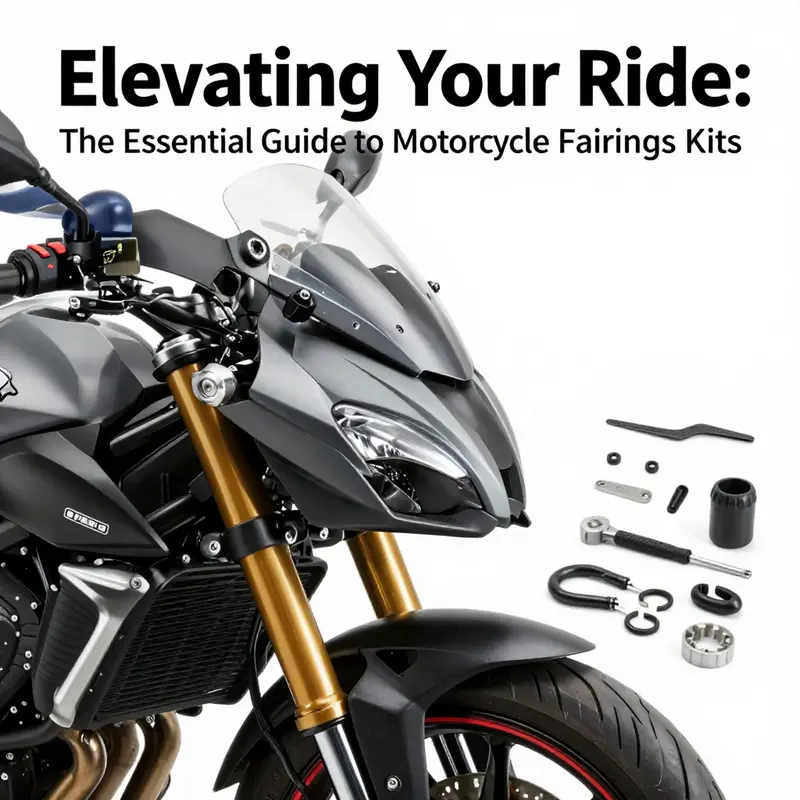
Fairings are more than a rider’s silhouette or a cosmetic flourish; they are a complex system that shapes aerodynamics, protects critical components, and defines the bike’s weather resilience. When a fairing kit is chosen with care and installed with precision, the machine feels tighter, the wind noise settles, and fatigue on long rides drops as the air hugs the rider more predictably. Yet these benefits do not materialize from a box on the shelf. They depend on a thoughtful sequence of selection, installation, and sustained maintenance. The journey from unboxing to a reliably quiet cockpit is built on disciplined steps, the right materials, and a respect for how every panel interacts with the bike’s frame, engine, and rider’s body. In this chapter, we move through that journey in a single, cohesive narrative: how to choose the right kit, how to install it so it truly fits, and how to care for it so it keeps delivering performance and aesthetics ride after ride, season after season.
A solid choice begins long before the first bolt is turned. Material quality and engineering determine the kit’s ability to withstand road debris, weather exposure, and the everyday stress of riding. ABS plastic has become a standard due to its impact resistance and resistance to UV degradation, while fiberglass offers a favorable blend of stiffness and weight that can suit more aggressive aerodynamics. The best kits emphasize precise fitment—carefully engineered to align with the bike’s existing geometry—minimizing the need for excessive trimming or improvisation during installation. The payoff is clear: fewer misalignments, less drag, and less time spent wrestling panels into place. As a Motorcycle Customization Specialist notes, riders who upgrade to well-engineered fairings report improved comfort and fewer maintenance issues over time. That insight is not just about aesthetics; it is about choosing a system that behaves like a factory accessory, not a bolt-on afterthought. It is also a reminder that cheap or loosely fitted parts can undermine performance in unpredictable ways, increasing wind noise, compromising airflow, and inviting rattles that only compound with climate changes and road conditions.
When it comes to the installation itself, following the manufacturer’s instructions is non-negotiable. The mounting points—those hard anchors that connect the fairing to the frame or subframes—must be fastened securely and evenly. If any point is loose or misaligned, the entire assembly can shift under load, creating drag and potential structural issues. A careful installer checks each point, tightens in sequence, and then verifies that fasteners are torqued to the specified values. Where the instructions call for sealants to prevent water ingress and reduce rattling, those steps are followed to the letter. The tools needed are straightforward but exact: a reliable metric toolset, a torque wrench, appropriate sealants or weatherstripping, microfiber cloths, and a soft mallet to seat panels without causing edge cracks. The aim is not to force the fairing into place but to coax it to sit flush with the bike’s lines so that aerodynamics remain unbroken and maintenance access remains straightforward.
The validation of fit is a repeated, three-part check. First, the installer visually confirms alignment across all panels, ensuring uniform gaps that signal a balanced mounting rather than a skewed assembly. Second, hinges, latches, or quick-release fasteners are tested to confirm smooth operation without binding. Third, a controlled road test—preferably at modest speeds in a safe area—checks for rattles, flutter, or buffeting, and confirms that the windscreen and shield channel air in the intended way. If the fairing blocks a radiator, interferes with a headlight, or affects any critical service access, the alignment is revisited before the ride resumes. This is how installation translates into consistent performance: precision at the installation stage reduces the probability of nagging issues during real-world riding. The market offers a spectrum of configurations, from full fairings that envelop the bike’s body to half or quarter fairings that emphasize weight, agility, and easier maintenance. Each configuration changes the maintenance equation, so the choice should reflect how the bike is used—whether for long-distance touring, urban commuting, or spirited weekend sessions—and how much time the rider is willing to allocate to care.
Maintenance, like installation, rewards regular, measured discipline. Cleaning begins with mild soap and water to remove the grime that can erode paint and degrade surface finishes. Harsh cleaners, abrasive pads, and solvent-based products should be avoided because they can dull surfaces, remove decals, or compromise the edges that maintain a clean seal. A protective coating, such as a wax or polymer sealant, can offer an additional layer of UV resistance and water beading, but it should be tested in a small area first and applied according to the manufacturer’s guidelines. The goal is a surface that sheds rain and dirt rather than one that captures and absorbs it. A routine wipe-down after riding in rain or salty conditions helps preserve the finish and reduces the likelihood of corrosion around fasteners and mounting hardware. A proper maintenance frame continues with periodic inspections.
Regular inspections are essential for keeping the fairing kit performing as designed. After long rides, after a fall, or after exposure to severe weather, the bike should be walked around and panels checked for cracks, warping, or loose fittings. Pay attention to gaps that widen with heat, edge laminates that show signs of stress, and screws that have started to loosen. If movement or new creaks are detected, reseal seams and re-torque fasteners as necessary. Rubber grommets, foam seals, and edge protection pieces are especially vulnerable to wear and compression, so they should be inspected for cracks or tears and replaced when needed. A larger fairing ensemble often means more fasteners and more seams to monitor, but this is precisely where thoughtful maintenance pays dividends: it preserves aerodynamics, reduces wind noise, and protects the bike’s core components from the elements.
Understanding the configuration you chose helps tailor maintenance routines. Half fairings, which cover only the upper front portion, expose more of the engine and lower edges to the elements and spray, so their lower mounts and seals deserve particular vigilance. Full fairings provide maximum protection and cut the wind more efficiently, but their larger surface area demands careful attention during installation and periodic upkeep; a small alignment discrepancy can become a much larger issue at highway speeds. The objective is to maintain the air management the kit promises—clear lines, predictable airflow, and a cockpit that remains quiet enough to hear critical signals from the road. When a kit integrates with a bike’s geometry rather than sitting as a separate add-on, maintenance becomes more straightforward, and the ride feels more cohesive.
For riders who want a targeted path that respects the bike’s original design language, model-specific guidance can bridge the gap between a generic fit and a true, precise relationship between bike and panel. Manufacturer resources or experienced installers can provide application notes, compatibility charts, and practical insights that reflect real-world use and durability. The closer the fit to the bike’s native contours, the easier it is to access the engine and other service points for routine maintenance, which in turn reduces downtime and the risk of damage during a repair. For riders exploring a model-aligned option, see the Honda fairings collection. This link points toward a curated, compatibility-conscious path that helps minimize additional fabrication work while preserving the bike’s iconic silhouette.
Beyond the mechanics of fit and care, a well-kept fairing kit reinforces the rider’s confidence. Aerodynamics become a stable ally rather than a source of guesswork, sealing keeps out weather, and mounting hardware remains reliable through fog, rain, heat, and road salt. The rider benefits through reduced muscular strain on long days in the saddle, steadier cornering stability, and a cockpit that stays comparatively quiet even as speed rises. That combination—comfort, protection, and performance—turns a fairing kit from a one-time purchase into a lasting component of a rider’s ongoing relationship with the machine. It is the difference between chasing the dream of a perfectly tuned ride and experiencing it, mile after mile, with minimal disruption and maximum satisfaction. The practical pathway from unboxing to ongoing care is simple in principle: choose wisely, install meticulously, and maintain consistently. The result is a fairing system that complements both the bike’s dynamic character and the rider’s ambitions.
External resource: https://www.bikeradar.com/uk/motorcycles/how-to-install-a-motorcycle-fairing-kit/
Riding the Edge: Market Trends and Innovations Shaping Motorcycle Fairings Kits
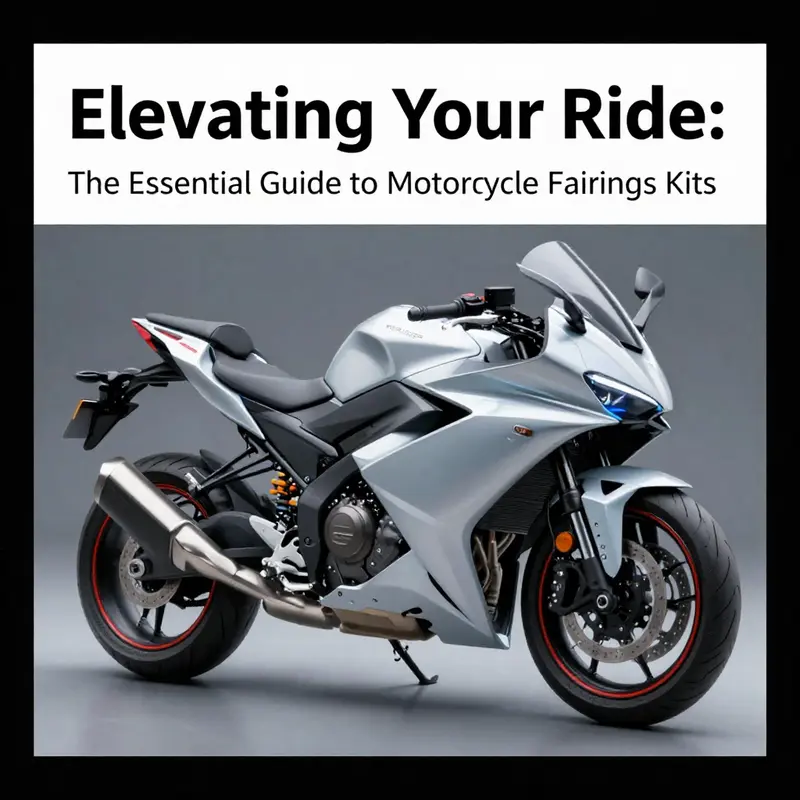
The motorcycle fairing market is in a period of rapid evolution, driven by riders who want more than just a fresh look. Today’s fairings kits are tools for efficiency, comfort, and performance as much as they are statements of style. The shift is not about replacing what exists but about refining what can be gained from a well-engineered shell that hugs the bike’s lines while delivering measurable gains at the wind tunnel and in real-world riding. As riders increasingly pursue longer journeys and higher speeds with less fatigue, the fairing becomes a critical component in the broader package of comfort, handling, and reliability. This chapter traces the current market pulse and the innovations that are reshaping every phase of its lifecycle—from design philosophy and manufacturing methods to materials and consumer expectations—while keeping a clear eye on how these shifts affect the riding experience on real roads and tracks.
A defining trend is the accelerated adoption of advanced aerodynamics in consumer-grade fairings. What started in top-tier racing has filtered down to street-legal kits, transforming how a fairing interacts with a rider and the road. Modern shapes are less about bold silhouettes and more about controlled airflow. Designers incorporate optimized channels that guide air smoothly over the rider’s torso, reducing buffeting on long straights and around sweeping corners. In some assemblies, engineers embed vortex generators and carefully contoured lips that generate small, controlled swirls of air to delay separation. The practical payoff is clear: steadier high-speed stability, reduced drag, and less wind fatigue for the rider after hours in the saddle. These aerodynamic refinements translate into more efficient rides, allowing riders to maintain speed with less physical effort and fewer maintenance concerns sparked by wind-induced stress on the upper body.
In this, the influence of racing experience remains a core driver. World Championship disciplines have long proven that every gram of drag matters and that stability at speed is as much about pressure distribution as it is about peak downforce. This ethos informs consumer kits through a design language that prioritizes smooth, predictable airflow rather than dramatic, noise-creating shapes. The result is a new generation of fairings that preserve the aggressive, sport-naked look riders crave while delivering measurable gains in cornering stability and wind management. It is a convergence of performance engineering and everyday usability that pushes manufacturers to justify premium pricing with performance benefits rather than mere aesthetics.
Manufacturing improvements are central to this shift. Injection molding, in particular, is transforming the consistency and fitment of kits. Modern tooling produces parts with tight tolerances and smooth surface finishes that respond to paint and wrap schemes with factory-like precision. The implications are tangible for riders who want a seamless appearance that blends with the bike’s original contour—no gaps, no misalignment, no rattling at speed. Precision manufacturing also reduces the time and effort required for installation. When fairings fit snugly on a specific model or series, the odds of needing extensive modifications drop dramatically. This is important for riders who value simplicity and reliability as part of their upgrade path, whether they’re preparing for a track day or a long-distance tour.
Material choices continue to balance strength, weight, and durability against UV exposure and weathering. Impact-resistant ABS and FRP remain the workhorses of mainstream kits, prized for their durability and predictable performance. ABS offers good impact resistance and a smooth surface suitable for high-quality finishes, while FRP provides a lighter weight with comparable stiffness for certain design profiles. The blend of materials often depends on the desired balance between weight savings and rigidity, especially in areas of high load or where mounting points must endure repeated stress. UV resistance remains a critical factor, particularly for riders who spend long hours in bright sun. A well-chosen combination helps ensure colorfast appearances over years of outdoor exposure, minimizing chalking and yellowing that can undermine the kit’s aesthetic value.
The market’s geographic trajectory reflects a growing appetite for high-quality, affordable fairing kits across regions that value customization without compromising reliability. North America, in particular, shows sustained interest as riders seek to upgrade wind protection, shield engine components from weather and debris, and achieve a cohesive, modern sportbike look. This demand supports a diversified lineup of upper, lower, and full fairings that can be upgraded incrementally. Riders increasingly prefer the option to tailor protection and visibility to their specific riding contexts—daily commuting, weekend canyon runs, or long-distance touring—without being forced into a single all-or-nothing solution. The practical flexibility of partial or modular kits resonates with riders who want to upgrade gradually, maintain service access, and preserve resale value.
As demand grows, manufacturers are doubling down on fitment accuracy and installation simplicity. A kit that promises a precise model-year matching footprint reduces the friction that can come with non-OEM replacements. Clear, model-accurate mounting points, manufacturer-approved hardware, and comprehensive installation guides are now baseline expectations. This trend helps ensure that even riders with average mechanical skills can achieve a clean, secure fit and maintain ease of maintenance. Warranties and robust after-sales support have become signals of confidence and commitment to long-term reliability. The emphasis on compatibility is particularly important for riders who want to protect the engine and frame area from road spray, stones, and spray while preserving the bike’s original lines.
Within this evolving landscape, the value proposition of fairings is shifting. Beyond the visual upgrade, fairings are increasingly appreciated as wind protection and protection against road debris. Long rides become more comfortable, and the risk of fatigue-related error decreases when a rider spends fewer hours battling direct airflow. The fairing’s ability to shield components also matters for longevity, especially in weather-exposed regions or rough road conditions. The longer a kit lasts and the easier it is to service, the more cost-effective it becomes over the life of the motorcycle. In this context, a well-chosen kit transcends aesthetics and becomes an investment in comfort, efficiency, and maintenance ease.
Riders weighing their options now consider not just the look of a kit but its integration with the bike’s overall silhouette and ergonomics. The best designs respect the bike’s original aesthetics while offering a contemporary, aggressive presence. They align with modern lighting, instrument clusters, and aerodynamics so that upgrades feel cohesive rather than piecemeal. This harmonization is a subtle but critical factor in how riders perceive the value of a fairing upgrade. The result is a market in which the most successful kits are those that provide a practical, model-specific fit, a robust balance of weight and strength, and a support ecosystem that makes installation straightforward and maintenance straightforward as well.
Riders seeking a category-oriented approach can still pursue a tailored look without sacrificing fit. For those who want a more integrated approach, upper fairings that draw the eye upward toward a rider’s line of sight can offer a sportier stance, while lower fairings provide protection for the lower engine and frame. This modularity supports a spectrum of preferences—from the café racer to the fully faired sportbike—without forcing a single blueprint onto every rider. It also allows shops and enthusiasts to curate a selection that reflects regional riding styles and personal aesthetics. A practical reminder is the importance of selecting a kit that matches the exact model year and design language of the bike, ensuring the lines flow and the gaps close correctly. The difference between a kit that feels aftermarket and one that looks integrated is often in that alignment and in the ease of installation.
For riders who want a sense of the broader ecosystem, one helpful touchpoint is to explore category pages that curate kits by brand families. For example, the Yamaha fairings category offers a gateway to a range of options that emphasize compatibility and a cohesive aesthetic across the bike’s design language. Such resources help riders gauge what a modern kit can deliver in terms of fit, finish, and performance while maintaining the freedom to mix and match elements for a personalized build. This approach mirrors the market’s broader trend toward modularity and model-specific design, where the goal is to deliver a factory-like fit and finish in a rider-friendly package.
As the industry continues to mature, the focus on quality, fitment, and performance will likely intensify. The best kits will be those that demonstrate a clear return in ride comfort, handling, and protection, as well as in perceived value. The convergence of racing-inspired aerodynamics, precision manufacturing, and durable materials will push fairings from cosmetic upgrades to essential components that shape the riding experience. The dialogue between riders and manufacturers will grow more sophisticated, with feedback loops that refine fitment, ease of installation, and longevity. In this mutually reinforcing dynamic, riders gain confidence to push their machines further, and manufacturers gain a clearer mandate to deliver products that blend performance with practicality. The resulting market will reward those who balance innovation with accessibility, ensuring that upgrading a bike’s skin remains an attainable, meaningful step in the broader journey of motorcycling.
External resource: For a broader technical perspective on motorcycle aerodynamics, see SAE International’s resources on aerodynamics at https://www.sae.org/topics/aerodynamics.
Final thoughts
In conclusion, motorcycle fairings kits not only elevate the aesthetic of a motorcycle but significantly improve performance, comfort, and maintenance ease. Understanding the different types available helps riders and business owners make informed decisions tailored to their specific models and stylistic preferences. The growing market trends reveal innovations that further enhance bike capabilities, making it crucial to stay updated on this dynamic field. As motorcycle enthusiasts continue to seek ways to optimize their riding experience, the right fairing kit proves to be an invaluable investment, blending form and function effectively.