
Introduction
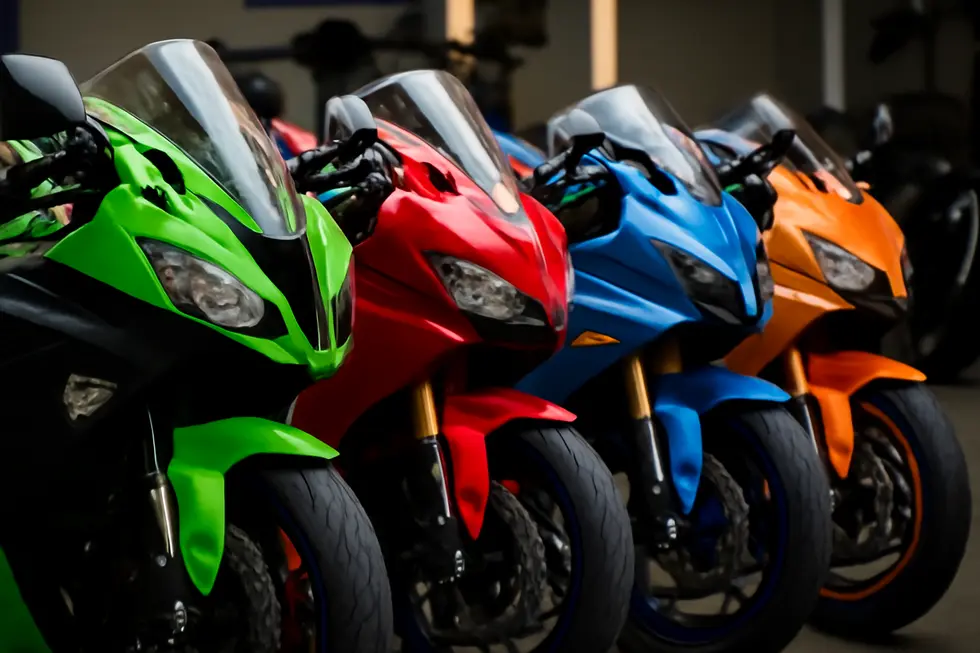
Motorcycle fairings are more than aesthetic upgrades; they are vital tools that enhance performance, protect critical components, and offer customization possibilities for biking enthusiasts. For business owners in the motorcycle industry, understanding the nuances of motorcycle fairings can open up new avenues for growth and customer satisfaction. In this in-depth guide, we will explore the design and material composition that makes fairings essential for performance, the critical role they play in aerodynamics, the wealth of customization options available, current market trends influencing pricing and availability, and best practices for installation and maintenance. By the end, you’ll have a comprehensive understanding of how motorcycle fairings serve as a foundation for both operational success and customer satisfaction.
Tables of Contents
Chapter 1: Optimizing Performance: The Role of Aerodynamics in Motorcycle Fairings
- Maximizing Speed and Stability Through Aerodynamic Design and Material Choices in Motorcycle Fairings
- Embracing Sustainable Materials in Motorcycle Fairings Design
Chapter 1: Optimizing Performance: The Role of Aerodynamics in Motorcycle Fairings
1. Maximizing Speed and Stability Through Aerodynamic Design and Material Choices in Motorcycle Fairings
Motorcycle fairings are not merely aesthetic enhancements; they are engineering marvels that dramatically influence aerodynamic efficiency, a critical factor in motorcycle performance. By utilizing advanced design methodologies and materials, fairings play a pivotal role in sculpting a rider’s experience at high velocities. The design features of motorcycle fairings are crafted meticulously to minimize wind resistance, enhancing both speed and stability. Fairings envelop the motorcycle’s engine and frame, effectively reducing drag when traveling at high speeds. This is particularly evident in race-style noses, which are designed to generate downforce, a necessary component for stability when exceeding 100 mph.
Integrating ventilation ducts into the high-performance fairings allows them to direct airflow toward crucial areas like the radiator and brakes, facilitating cooling while ensuring the overall aerodynamic integrity remains uncompromised. A notable example is the Harley-Davidson Sharknose fairing, which employs computational fluid dynamics (CFD) modeling to enhance efficiency and reduce helmet buffeting during high-speed rides—essential for long-distance touring models. Moreover, aerodynamic profiles in headlight fairings, equipped with windshields, further slice through air resistance, significantly improving stability and fuel economy in models like the Harley Dyna and FXR.
The materials used in crafting motorcycle fairings are equally significant, as they directly impact the performance and efficiency of the motorcycle. Lightweight and high-stiffness materials are prioritized to maintain aerodynamic shapes without added weight. Carbon fiber, with its woven strands set in epoxy resin, emerges as the material of choice for racing fairings, offering an outstanding strength-to-weight ratio that allows manufacturers to create ultra-light structures that support aerodynamic efficiency. In contrast, ABS plastic serves as a more budget-friendly alternative for standard fairings, though it comes at the expense of additional weight compared to carbon fiber solutions.
Fiberglass is commonly employed in touring fairings, striking a balance between aerodynamic performance and practical application. It allows for washable surfaces and greater durability in rugged riding conditions. To ensure that designs withstand environmental wear and tear, various paint finishes, such as gloss or metallic coatings, are applied, adding minimal weight while providing protective qualities.
Nonetheless, these aerodynamic improvements are not without trade-offs. Fairings can introduce fragility, leading to increased vulnerability during crashes. They also require precise installation to prevent any fitment issues that might disrupt airflow and negate their efficiency benefits. Consequently, fairings are often favored by sport and track riders prioritizing performance, while everyday commuters may prefer the practicality of sturdier designs. Ultimately, the selection of materials and design features in motorcycle fairings is integral to maximizing the rider’s experience, emphasizing the delicate balance between efficiency, safety, and speed.
2. Embracing Sustainable Materials in Motorcycle Fairings Design
The landscape of motorcycle fairings is shifting, driven by an urgent need for sustainability without sacrificing performance. Designers and manufacturers are increasingly exploring material innovations that can lessen environmental impact while enhancing durability and aesthetics. Bio-based engineering plastics, such as Honda’s Durabio, represent a pioneering approach in this domain. Crafted from renewable biomass sources like corn or wheat, Durabio offers a unique combination of scratch resistance, UV stability, and a finish that often eliminates the need for additional painting, thereby significantly reducing production energy and emissions.
However, as manufacturers adopt new materials, they must also navigate the complex sustainability trade-offs associated with traditional materials. ABS plastic is commonly used for its robust impact resistance and repairability. Still, it poses challenges due to its petroleum-based origin, which ties it to the fossil fuel industry and its associated carbon footprint. Fiberglass, another popular choice, boasts a cost-effective and moldable profile but suffers from difficulties in recycling, leading to high end-of-life impacts.
Carbon fiber composites are often hailed for their unmatchable strength-to-weight ratio, making them ideal for performance bikes, yet their production processes remain energy-intensive and the conventional epoxy employed is notoriously hard to recycle. Advances in the field, such as the use of recyclable resin systems and thermoplastic composites, are emerging as viable alternatives that promise improved lifecycle performance and facilitate easier recycling and remanufacturing.
Another exciting direction is the development of recyclable thermoplastic composites. These materials can be remelted and reformed, positing them as ideal candidates for mass production in motorcycle fairings, provided the challenges of high-temperature forming and jointing are effectively managed. The introduction of post-consumer feedstocks, recycled ABS, and reclaimed fibers supports a circular economy, allowing previous waste materials to become valuable inputs in new production processes.
The emphasis on Design for Disassembly further enhances the eco-friendliness of motorcycle fairings. By creating modular designs that prioritize easy repair and replacement of damaged sections, manufacturers not only reduce waste but also extend the lifecycle of the product. A lifecycle assessment (LCA) approach becomes invaluable, allowing companies to quantify the embodied carbon and operational advantages derived from weight reduction strategies.
As the industry veers towards greater environmental accountability, navigating the delicate balance between performance and sustainability will remain a pivotal challenge. The road ahead for motorcycle fairings is paved with opportunities for innovative materials and mindful design that respects our planet while catering to enthusiasts’ needs.
Final thoughts
Understanding the multifaceted role of motorcycle fairings in modern biking can empower business owners to effectively meet customer needs. By integrating knowledge of their design, impact on performance, customization options, market trends, and installation practices, businesses can enhance their offerings and align them with customer expectations. As motorcycle enthusiasts seek both performance enhancements and aesthetic improvements, those who stay informed and adaptable within this niche will undoubtedly drive growth and success.
Upgrade your ride with UltimateMotorX’s premium motorcycle fairings—durably crafted, precision-fitted, and stylish. Meeting OEM standards for easy installation, our collection suits upgrades or replacements. Shop now for fast shipping, secure checkout, and expert support. Give your bike the ultimate quality it deserves!
About us
At UltimateMotorX, we’re rider-founded experts in top-tier motorcycle fairings. We source premium materials, partnering with trusted manufacturers for perfect fits and durability. Enjoy expert advice, hassle-free returns, and seamless shopping. Ride with confidence—style and quality guaranteed!