
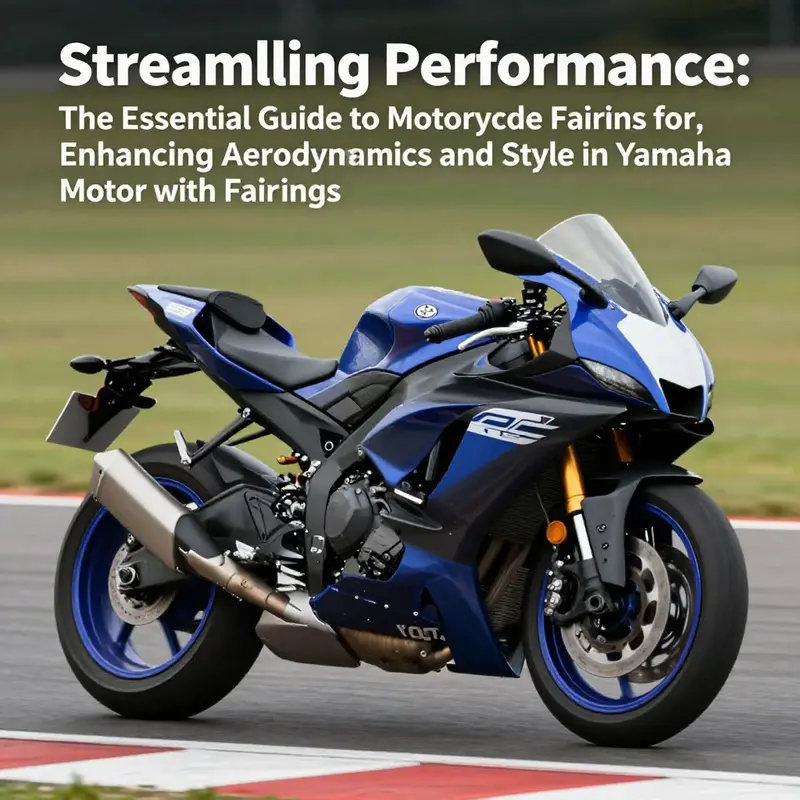
Motorcycle fairings are vital for Yamaha motorcycle performance, boosting aerodynamics, aesthetics, and rider comfort. As motorcycle enthusiasts and business owners, understanding fairings is crucial for maximizing the appeal and functionality of these vehicles. This article explores the types of fairings, where to purchase them, popular Yamaha models, key buying considerations, and the aftermarket options available. Each chapter will provide essential insights, enabling you to make informed decisions that enhance your offerings and your customers’ experiences.
Engineered Canopies: The Essential Types of Yamaha Fairings That Shape Speed
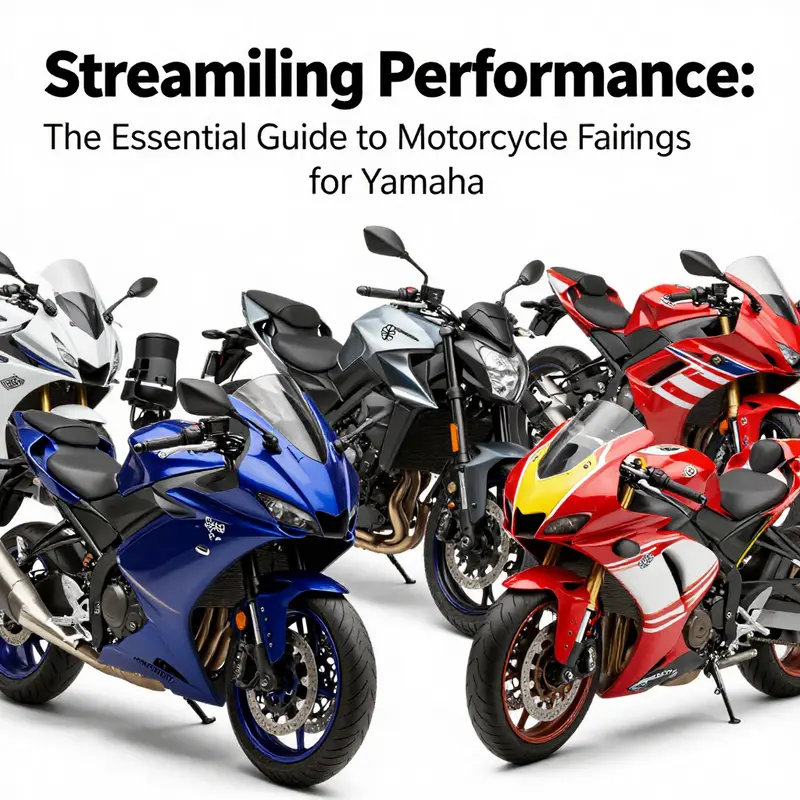
In the creatures of modern motorcycling, the fairing is more than a stylish shell. It is an engineered canopy that stitches together aero efficiency, rider comfort, and the visual language of a brand known for race-bred performance. For Yamaha, the fairing ecosystem blends purpose and identity. It wraps around the bike to manage flow, reduce drag, and tame wind pressure at high speed, while also framing the rider in a silhouette that’s instantly recognisable on the street or the track. When you look closely at the architecture of a Yamaha sport bike—whether it’s the snarling lines of the R1, the lithe aggression of the R6, or the muscular stance of the MT-10—you’re witnessing a deliberate conversation between form and function. The fairing is the translation layer where air, rider, and machine exchange information. It is, in short, speed made visible.
To understand Yamaha’s fairing vocabulary, one can start with the most recognizable category: the full fairing. On high-performance models like the R1 and the younger siblings in the R-series, full fairings envelop the front and sides in a continuous sculpture. This design achieves maximum aerodynamic efficiency by guiding air along a single, uninterrupted path. It also creates a race-inspired presence, the kind of profile that signals intent even when the bike is stationary. Yet full fairings are not mere cosmetics. They contribute to stability at speed by shaping the flow over the handlebars and under the belly of the bike, reducing buffet and smoothing the transition to lift-off in lean. For riders who want a coherent appearance with clean lines from nose to tail, the full fairing offers a complete, unified look that complements Yamaha’s sport-oriented tuning.
Equally important in the Yamaha lineup, and often overlooked in casual conversations, are the rear fairing components. The tail cover—the rear fairing or rear tail cover—appears as a subtle, sometimes almost skeletal, extension at the bike’s back end. Yet its impact on the overall aerodynamic profile is tangible. By guiding wake away from the rider and reducing turbulent eddies behind the seat, rear fairings contribute to smoother trailing flow, which translates into more confident handling at the edge of grip. This is a practical improvement that owners notice when they push a bike toward its redline. The rear section is frequently sold as a replacement or upgrade part, especially for models that see frequent track use or cosmetic wear over time. The FJ series, the MT family, and sport models across Yamaha’s lineup all rely on this rear component to complete the fairing’s geometry and to maintain a cohesive, race-ready stance.
Front cowl design sits at the other end of the spectrum. The front cowl is the most exposed element of the fairing, wrapping around the headlight cluster and the forward air intake. Its shape governs how air enters the radiator and cooling ducts, how air flows around the forks, and how the rider experiences pressure on the chest and helmet. The cowl’s curvature and edges influence not only cooling efficiency but also the bike’s polar wind signature—the way the wind stream hugs the bike and flows past the rider’s posture in a tuck. On models like the R1/R1M and MT-10, the front cowl becomes an expressive canvas for Yamaha’s aerodynamic philosophy: aggressive lines that carve through air while preserving rider clarity and wind protection. In practical terms, the front cowl is where most riders notice the first benefits of a fresh fairing, particularly when upgrading from a more minimalist setup that prioritizes streetfighter vibes over air management.
Alongside the front and rear anchors, side panels play a critical role. These side fairings extend along the bike’s midsection, hugging the engine bay and seating area. Their contour influences cross-sectional flow around the fuel tank, rider legs, and lower torso. The side panels contribute to the bike’s overall silhouette, but they also host mounting points, vents, and sometimes integrated channeling that guides air toward intercoolers or radiators on certain configurations. In Yamaha’s design language, side panels are the connective tissue between the front fairing and the tail, ensuring the visual rhythm remains uninterrupted from the wheel to the rider’s line of sight. For sheltering and protection, they shield components from road debris while maintaining the bike’s sleek, uninterrupted profile.
Not every Yamaha rider will opt for a fully enclosed shell. Partial fairings—often called half fairings—offer a different balance of aesthetics and practicality. Bikes with naked or streetfighter styling, including the MT family, benefit from these lighter, more accessible forms. Partial fairings reduce weight and simplify maintenance access while preserving a bold, muscular stance. They bring a street-smart contrast to Yamaha’s fairing lexicon, where the bike’s naked charisma is preserved, yet the rider still enjoys wind protection, improved aerodynamics, and a more finished engine presentation. In practice, this means riders can enjoy a more customizable look without surrendering performance gains, especially in city cruising or winding backroads where maneuverability and weight distribution matter.
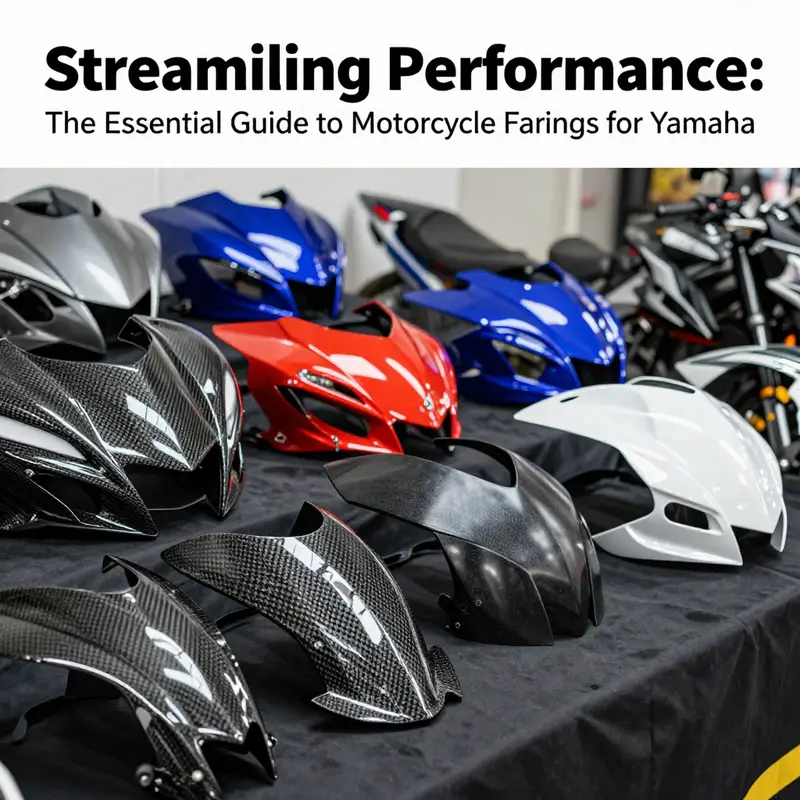
A growing portion of Yamaha’s fairing ecosystem is defined by aftermarket and custom options. Enthusiasts seek materials that push the boundaries of both looks and performance. Carbon fiber emerges as the standout material for those chasing the premium blend of stiffness, lightness, and striking finish. A 3K full carbon fiber fairing, for instance, can be found as an upgrade for models like the R1/R1M, MT-10, and R6 (2015+). The appeal is twofold: the weight savings help with acceleration and handling, while the high-end weave communicates a race-bred narrative that is instantly legible on the track or in the pit lane. However, carbon fiber comes at a premium price, and some riders prefer ABS plastic or fiberglass for everyday durability, easier repair, and a broader aftermarket ecosystem. The choice often boils down to the intended use of the bike—track-focused machines may justify carbon’s performance edge, while street bikes benefit from the resilience and cost-effectiveness of plastic composites.
The purchasing landscape for Yamaha fairings blends practicality with availability. For many riders, the most convenient route is a well-curated marketplace that guarantees fitment and provides a broad catalog. The Yamaha fairings category—whether you’re chasing full sets, individual components, or model-specific shells—offers a spectrum of options. When searching for a complete or partial solution, compatibility is the first compass. Each fairing part must align with the exact model year and trim. This alignment is essential to ensure correct mounting points, color-matching opportunities, and overall fit. The material choice then informs installation considerations. Carbon fiber, while aesthetically striking and mechanically efficient, may require precise fitting and professional mounting to preserve its integrity and finish. Plastic variants often present fewer installation hurdles and can be easier to repair or repaint, making them a practical choice for everyday riders who value a balance of cost and durability.
The installation journey itself deserves thoughtful attention. Some fairings come with pre-drilled hardware and detailed mounting instructions, while others—especially custom or carbon options—demand professional fitting. This is not merely about aligning holes; it is about preserving panel gaps, ensuring proper seal against weather, and maintaining the bike’s aerodynamics. The result should be a seamless surface that appears as one integrated sculpture rather than a collage of mismatched panels. A well-executed installation preserves the visual language of Yamaha’s lines and ensures the rider benefits from the full aerodynamic potential of the new shell. This is where the decision between full, partial, or aftermarket fairings reveals its pragmatic core: some riders chase a pristine, race-ready look, while others seek a practical upgrade that enhances reliability, repairability, and daily comfort.
The broader narrative of Yamaha fairings is not confined to performance alone. These shells contribute to the bike’s personality and its relationship with the rider. A fully faired R1 or R6 communicates speed and precision through its silhouette. A MT-10 wearing a properly proportioned fairing says street-ready power and controlled aggression. A YZF-R125, with its MotoGP-inspired fairing geometry, emphasizes compact aerodynamic efficiency and a suspension setup tuned for a smaller, nimble profile. Even smaller machines like the Zuma 125 or Mio, which use simpler fairing parts, reflect a design ethic that values cohesion between form and function, even on models that remain practical and approachable for everyday riders. In every case, the fairing system is a conscious decision to manage air while shaping the rider’s sense of connection to the bike’s intent.
For readers contemplating their next upgrade or restoration, a careful consideration of model compatibility, material choice, and installation approach is essential. It is not merely about swapping panels; it is about reimagining how air flows around the rider, how the bike communicates its purpose, and how the lines of the machine align with the rider’s stance. The Yamaha fairing ecosystem offers a rich spectrum of options—from the aerodynamic completeness of a full fairing to the lean efficiency of a half fairing, from high-performance carbon fiber dreams to robust, weather-tolerant plastics. The right combination depends on the rider’s goals: street-use, track ambitions, aesthetic preferences, and budget. Integrating an appropriate fairing set is a thoughtful act of engineering and taste, a way to tune the machine’s balance between speed, protection, and personality.
To explore a curated range of Yamaha fairings, you can visit the Yamaha fairings category and browse model-specific options that align with your bike’s year and trim. The category serves as a gateway to compatible, high-quality choices that respect the science of aerodynamics while celebrating Yamaha’s racing heritage. As you consider your next upgrade, remember that the fairing is where art meets engineering. It is the shield that makes speed feel controllable, the contour that communicates rider intent, and the finish that completes Yamaha’s iconic silhouette on both street and circuit. For a practical starting point, you can review the category that aggregates Yamaha fairings and use the model-year filter to narrow to exact fitment, ensuring your investment pays dividends in fit, finish, and performance.
External resources offer broader context for sourcing and comparison. If you’re exploring marketplace options and want to see a broad range of full fairings for Yamaha, a well-known online marketplace provides options and fast shipping, with listings that often include fitment guarantees. This kind of resource can supplement model-specific research, helping you gauge pricing, availability, and aftermarket coverage across different brands and finishes. As with any performance upgrade, it pays to combine the discipline of compatibility checks with the excitement of a fresh, race-inspired shell that honours Yamaha’s engineering ethos. For a practical search reference, you can explore a broad Yamaha fairings listing on a major marketplace to compare finishes, materials, and pricing. https://www.ebay.com/sch/i.html?nkw=Motorcycle+Full+Fairings+for+Yamaha&sacat=0
Internal linking note: To explore a curated range within the same topic, see the Yamaha fairings category on the preferred source site for model-specific options and mounting considerations: Yamaha fairings on Ultimate MotorX. This link directs readers to a focused catalog that aligns with the chapter’s emphasis on compatibility, materials, and installation realities, helping you move from concept to a precise, real-world upgrade.
Sourcing Yamaha Fairings: The Rider’s Guide to Aerodynamics, Fit, and Style
Fairings are more than skin on a bike. On Yamaha sport machines they are an integrated system that governs airflow, wind protection, stability, and the way the machine presents itself to the world. In practical terms, the right fairings can shave seconds off a lap, smooth out turbulent handling at high speed, and give a rider a windless, confident ride that rewards long sessions as much as short bursts of tempo. This chapter looks at how Yamaha riders—whether chasing track times, city commutes, or weekend canyon carving—select, source, and fit fairings that align with both performance aims and personal style. The conversation moves beyond appearance to the conditions that fairings must endure: constant exposure to air pressure, weather, and road debris, as well as the risk of misfit when parts are swapped between year ranges or different trim levels. In short, the journey from idea to install is a balance among compatibility, material choice, and the reality of the rider’s goals.
To begin, it is useful to distinguish the two broad fairing categories that most Yamaha riders encounter in the market. Full fairings sweep the bike from nose to tail, enclosing the front and sides in a unified shell. They are the default choice on purpose-built sport bikes where every gram of drag matters and every line is tuned for maximum forward thrust. Partial or half fairings, by contrast, embrace a more exposed stance. They suit naked or streetfighter-style ensembles, where a rider may prioritize maneuverability, ease of access, and a more modular aesthetic. Between these poles lies a spectrum of aftermarket and custom options that blend the two approaches, offering a hybrid look or a tailored fit for specific weather or track demands. The decision is seldom only about looks; it is about how the fairing framework behaves as air moves past the bike at speed and how well it aligns with the rider’s body position.
Material choice is the next critical factor. Plastic variants—often ABS or fiberglass—provide resilience against impact and a relatively forgiving price point. They are reliable workhorses for riders who value practicality and long-term availability. Carbon fiber, meanwhile, represents the premium end of the spectrum. It excels where weight savings and stiffness offer tangible benefits, especially on high-reaction machines that carve through corners and demand precise rider input. Full carbon fiber sets are optimized for strength-to-weight efficiency and a high-end finish. In practice, many riders choose carbon fiber for the weight savings and the distinct, race-inspired aesthetic, while others opt for plastic when budget, repairability, or local riding conditions tilt toward durability and lower replacement cost.
The decision framework becomes even more nuanced when considering aftermarket and custom options. Aftermarket fairings come in a range of finishes—from factory-like replications to abstract, artistically inspired motifs—and in a variety of prep levels. They may require more careful mounting because their tolerances diverge from OEM, especially when mounting points have been altered or reinforced. Custom fairings take the concept further, offering unique geometry or integrated features such as stealth venting or race-inspired ducting. The trade-offs here include fit precision, the potential need for professional alignment, and the longer lead times that bespoke work often entails. Whether one leans toward a clean OEM-inspired silhouette or a bold, self-made statement, the path from concept to cockpit is paved with small but meaningful technical decisions about fit, alignment, and compatibility.
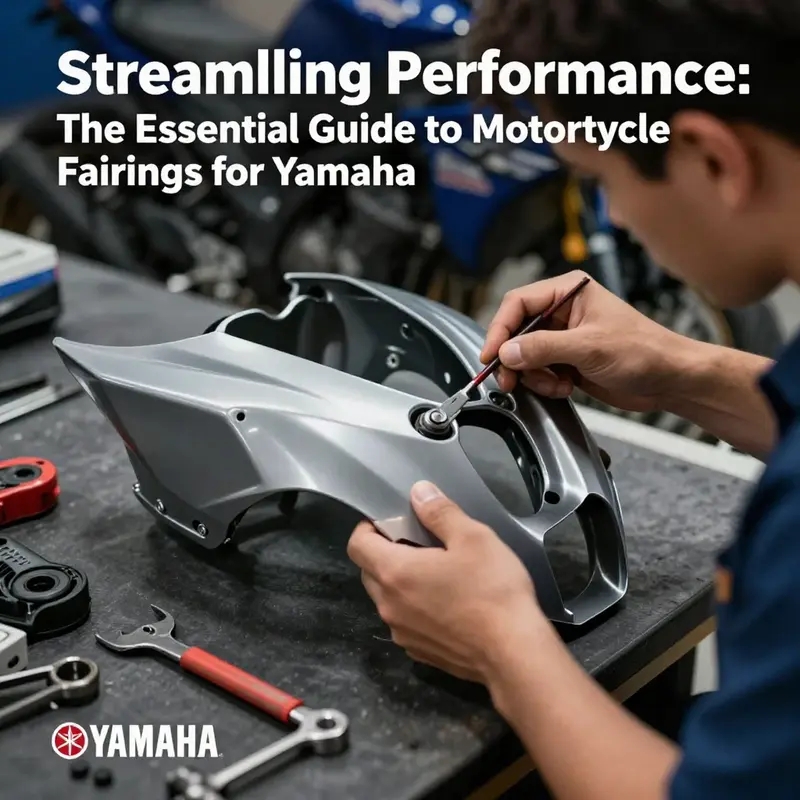
The installation phase deserves attention not as a formal hurdle but as a series of practical steps that protect long-term performance. Mounting points must align with the bike’s frame and subframes, and fasteners should be selected to handle vibration without loosening. Carbon fiber units, while strong, can be more sensitive to surface preparation and paint layering, so a careful approach to bonding and finishing is essential. Professional installation is sometimes the wisest route, especially when a fairing kit includes intricate inner panels or requires reconfiguring radiator guards, wind deflectors, or belly pans. Even when the work is performed at home, spending time on proper gasket preparation, sealing against the elements, and ensuring consistent panel gaps pays off in reduced wind flutter, sharper steering response, and a cleaner overall look.
Riding style and climate considerations naturally steer the conversation about fairing design. A rider who spends long hours in variable weather will value a fairing that directs flow to the rider’s torso while minimizing buffeting at the shoulders and hands. A track-focused rider may favor a fully faired shell with tight tolerances and aggressive rake that locks in stability at high speeds. In both cases, the goal is a balanced package where the fairing does not introduce new drags while still delivering the protection and stiffness needed for confident handling. Aesthetics come into play too, but they are not a separate numerator on the equation. The design language of a fairing—how its lines trace the bike’s frame, how the wind flows around the rider’s arms, and how smoothly the shell accepts paint and decals—interacts with the rider’s sense of identity and the bike’s presence on the road.
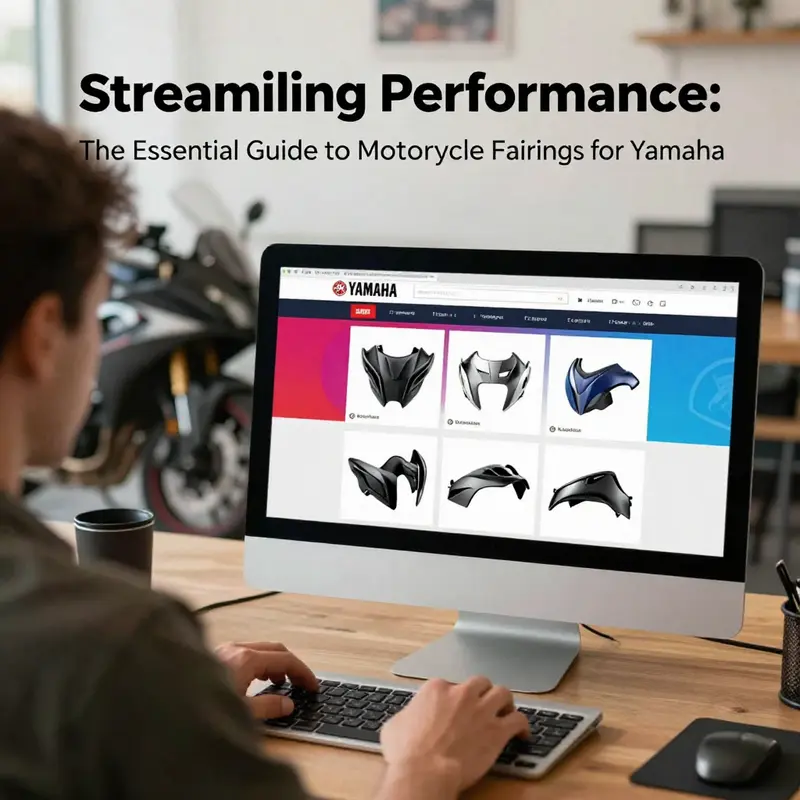
For those who approach the market with a practical eye, sourcing options are plentiful across the web. Online marketplaces and specialty retailers aggregate a broad spectrum of fairings suitable for Yamaha machines, offering everything from OEM-replica panels to modern, high-performance aftermarket sets. When evaluating options, a rider should confirm model-year compatibility and trim level, as these small distinctions determine whether attachment points, ventilation ducts, and mounting brackets align correctly. It is easy to fall into a mismatch trap if one assumes that “Yamaha” alone guarantees a perfect fit. The most reliable sources provide detailed fitment guides, inclusive of model-year ranges and, where possible, notes about any required sub-assembly or rework. The ultimate determinant is a clean, hassle-free install that maintains the bike’s original sense of geometry while delivering the expected improvements in aerodynamics and appearance.
A pragmatic way to browse is to explore a dedicated Yamaha fairings category, which aggregates options by market relevance and compatibility. This approach helps a rider compare full versus partial sets, or a complete carbon fiber package against a plastic alternative, without wading through pages of unrelated products. For a curated category that emphasizes Yamaha fairings, see Yamaha fairings. This resource approach keeps the journey efficient and focused on the question: which fairing ensemble fits one’s needs at the right price and with a sensible installation path? While browsing, it is useful to keep a shopping checklist in mind: verify exact model year and trim, assess material composition, review fitment documentation, and consider whether the seller provides a clear return policy if fitment proves imperfect.
Pricing dynamics reflect the material and the level of customization. Carbon fiber sets command a premium, given the manufacturing complexity and durability benefits. Plastic variants are more affordable and easier to repair or replace after a mishap. Beyond material, the source matters. OEM-replica panels may offer precise fitment, while generic aftermarket panels grant flexibility in styling and colorways. In any case, a rider should anticipate a degree of variation in finish and weight across suppliers, and plan for color-matching and potential repainting if the chosen scheme requires a perfect external match with existing components. The practical upshot is that the total cost of ownership for fairings includes not just the sticker price but also shipping, potential color work, and the possibility of professional installation. A careful buyer accounts for these factors before committing.
One of the most important elements of a successful purchase is ensuring the fairing’s compatibility with the bike’s wiring, mounting hardware, and instrument cluster clearance. Some aftermarket kits reimagine the bodyline, which could affect airflow around the radiator or the clearance for turn signals and mounting brackets. A careful buyer reviews the instructions, compares them with the bike’s geometry, and asks questions if anything looks ambiguous. If a kit requires modifications—even small ones—consider whether you are comfortable with that approach or whether a more conservative option would be preferable. The end goal is a seamless integration that preserves the bike’s aesthetics and functionality without compromising safety or serviceability. With that foundation, a rider can confidently choose between a full, race-inspired shell and a more restrained, utilitarian setup that suits daily riding and occasional track days alike.
When it comes to turning selection into reality, the buying journey should remain efficient and transparent. Reliable platforms provide clear fitment notes, photos of mounting points, and the opportunity to review past buyer experiences. An informed buyer cross-checks twice: the panel’s shape and the bike’s geometry, and the panel’s weight and finish with the rider’s expectations for performance and aesthetics. With careful planning, even a first-time install can feel like a smooth upgrade rather than a daunting project. For those seeking guidance beyond personal experience, a broad range of online resources and community forums can illuminate common fitment quirks, common paint-related considerations, and practical tips for achieving a showroom-worthy finish.
In closing, sourcing Yamaha fairings is about combining a sound understanding of aerodynamics, a clear sense of personal riding goals, and a pragmatic approach to fit and finish. The right combination blends form and function into a package that rewards both rider confidence and visual appeal. A fairing set is not merely an accessory; it is a carefully chosen system that shapes the bike’s interaction with air, rider, and road. When approached with diligence—careful compatibility checks, material awareness, and a thoughtful installation plan—it becomes possible to elevate both performance and presence. For readers who want a central hub to explore Yamaha fairing options, the linked Yamaha category above provides a focused starting point. And for broader learning about how gear choices influence riding dynamics, practitioners often turn to trusted, widely available resources that present practical guidance without overwhelming the decision-making process. External resources can supplement hands-on knowledge, such as RevZilla, which offers educational content and product guidance to complement hands-on fitment and trial testing. The result is a riding experience that feels both reimagined and authentic, a blend of aerodynamic efficiency and personal style that aligns with the rider’s routes, weather, and aspirations.
External resource: https://www.revzilla.com
null

null
null
null
null
null
Final thoughts
To thrive in the motorcycle industry, business owners must understand the significance of fairings in enhancing performance and appeal. From different types to popular models and key purchasing considerations, fairings remain essential components of any Yamaha motorcycle. By leveraging the information provided, you can better inform your customers, enhance their riding experience, and ultimately boost your business’s reputation in the market.