
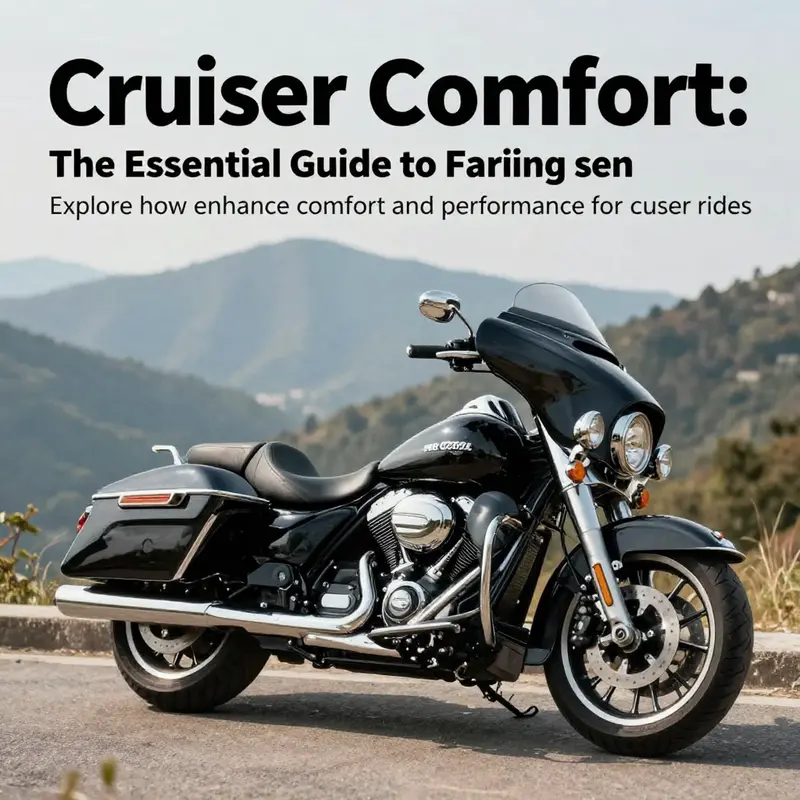
Motorcycle fairings play a crucial role in enhancing the overall riding experience for cruiser enthusiasts. Designed to balance aesthetic appeal with functional benefits, fairings serve both protective and aesthetic purposes. They cater specifically to the relaxed riding style characteristic of cruisers and are available in various designs to suit different preferences and riding conditions. Understanding the importance of fairings not only helps business owners in the motorcycle industry tailor their products but also aligns their offerings with the needs of their clientele. This article will explore the role of motorcycle fairings in enhancing rider comfort and performance, the material considerations that ensure quality and safety, and a comparative analysis of half and full fairings for cruisers.
Wind, Comfort, and Character: Redefining Cruisers Through Fairing Design
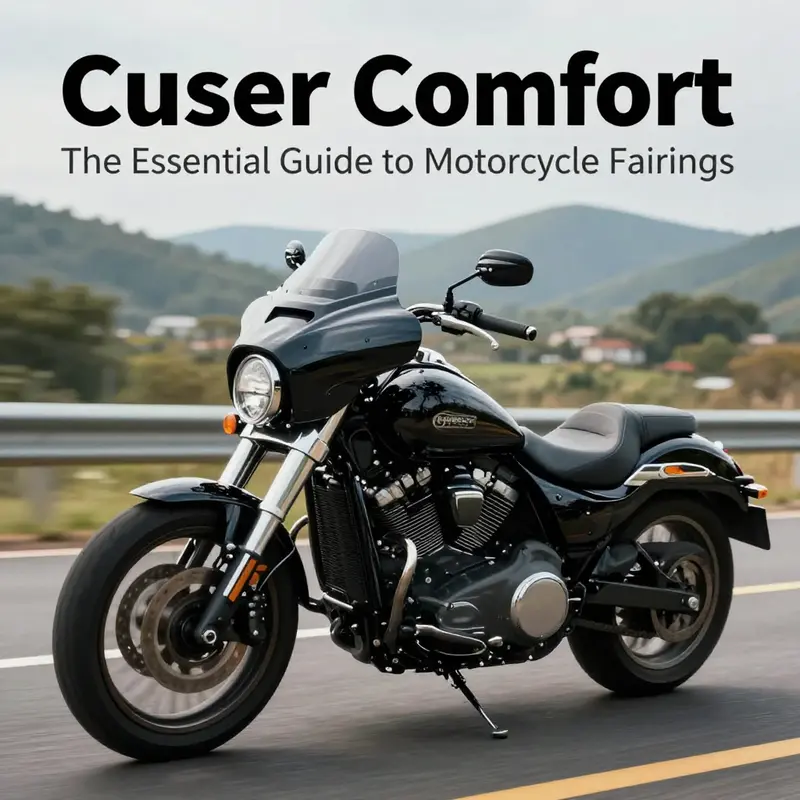
Crusiers have long stood apart in the motorcycle world for their laid‑back posture, low‑riding ergonomics, and a sense of wind‑soaked adventure that feels closer to a wind‑swept coastline than a racetrack straightaway. Yet on a long ride, even a cruiser with its relaxed seating can become a test of stamina if the wind slices across the cockpit with unchecked ferocity. This is where motorcycle fairings for cruisers step in as a quiet but decisive partner in the riding experience. They are not simply cosmetic accessories hung on the front of a bike; they are functional systems designed to shape the rider’s comfort, the machine’s efficiency, and the overall character of the ride. In shaping the profile of a cruiser, fairings balance two primary objectives: easing the rider’s load by smoothing aerodynamic pressure and shielding sensitive components from weather and debris, while also enhancing the bike’s stance and aesthetic appeal in a way that complements the cruiser’s personality. The result is a cohesive harmony where form and function reinforce each other rather than compete for attention.
To understand the role of fairings on cruisers, it helps to look at how their geometry interacts with wind at moderate to midrange speeds, which is where most cruising happens. Sport bikes chase down aerodynamics at high speeds; cruisers, by contrast, want a wind flow that is calm and predictable, reducing buffeting and fatigue over hours in the saddle. A half‑fairing, often paired with a compact windscreen, begins the process by deflecting the immediate gusts that meet the rider at chest level and shoulder height. A full fairing, while less common on traditional cruisers, offers a greater buffer zone around the engine bay and steering head, which can translate to steadier handling at freeway speeds and cleaner airflow around the rider and passenger. The windscreen’s height and rake are not mere stylistic choices; they establish the first line of wind interaction and can determine how much of that air is directed over the rider’s helmet or around the upper torso. The goal is not to produce a ‘sleek’ profile at every velocity but to create a sheltered pocket that minimizes fatigue and allows the rider to maintain a relaxed posture for longer periods.
A fundamental benefit of well‑designed cruiser fairings is reduced wind buffeting. Buffeting—the turbulent, fluctuating airflow that can pester the head and helmet—becomes more pronounced as a rider changes posture or shifts position on the bike. A thoughtfully crafted fairing streamlines the path of air around the rider, creating smoother intervals of pressure and reducing the need for constant micro‑adjustments to stay balanced. The practical upshot is a smoother ride with less physical strain, which translates into longer days in the saddle and more miles of enjoyable weather‑exposure rather than pain management. This smoothing effect also has a downstream impact on fuel efficiency. Aerodynamic resistance is not just about speed; it is about the energy required to push air aside. When a fairing minimizes this resistance even modestly, the engine runs with a little less throttle input to maintain highway pace, and that translates into a measurable gain in efficiency over extended trips.
The materials chosen for cruiser fairings—typically impact‑resistant ABS plastic or lightweight fiberglass—play a crucial role in this performance equation. ABS plastic offers a balance of rigidity, impact resistance, and cost, while fiberglass provides a stiffer, often lighter alternative with greater potential for sculptural shapes and precise fitment. Both materials must endure exposure to sun, rain, temperature swings, and road grime, so UV resistance and color stability become practical concerns as well. A well‑engineered fairing resists fading and cracking, reducing the maintenance burden and keeping the bike looking sharp after thousands of miles. It is not uncommon for riders to notice that a high‑quality fairing keeps the inner fairing from rattling and the windscreen from rattling at highway speeds, two details that contribute to a calmer ride experience.
Beyond wind comfort, fairings contribute to rider protection in ways that extend to weather and debris. A cruiser that spends long days on mixed back roads and highways confronts a spectrum of elements—windblown rain, dust, small stones, and spray from passing traffic. The right fairing helps deflect these hazards away from the rider’s chest and arms, which not only improves ride quality but also reduces the chance of weather‑related exposure that could cause a rider to tense up or slow down. Integrated features such as weather seals around the edges and well‑designed gaps for the windshield reduce the odds of water intrusion, especially during light rain or misty days where even an aperitif of spray can dampen the ride. Some modern kits go further, incorporating built‑in LED lighting for improved visibility or small storage compartments that tuck away essentials without sacrificing aerodynamics. Each of these attributes contributes to a more controlled environment around the rider, turning what could be a gusty, draining experience into a ride that remains comfortable and predictable.
The practical benefits extend to the machine’s own durability and maintenance costs. A sturdy fairing doesn’t just shield the rider; it shelters critical components such as the radiator, intake ducts, and the engine’s upper region from road debris and the elements. Debris impact can lead to chipped paint or more serious issues over time, particularly on bikes that spend regular time on less than pristine roads. A fairing that forms a tight, well‑sealed enclosure helps to minimize that exposure, reducing the frequency of minor repairs and touch‑ups. For riders who log long distances, the cumulative savings of reduced maintenance can be meaningful, not only in dollars but in the consistency of the ride’s feel—less vibration transmitted through the frame and fewer opportunities for irritated components to call out for attention between trips.
There is also a design philosophy at work that informs how fairings affect the riding experience beyond measurable wind data. Cruisers embody a blend of lines and silhouette that celebrate tradition, comfort, and a sense of personal space on the road. A fairing that respects those lines—neither clashing with the bike’s iconic shape nor diminishing its stance—contributes to a cohesive visual narrative. In other words, the fairing becomes a vehicle of expression as much as a practical shield. The mounting system, the curvature of the panels, and the way the wind deflects around the rider’s shoulders all speak to the bike’s personality. For many riders, this is not about chasing the smallest possible drag coefficient; it is about preserving a feeling of openness around the rider while still delivering shelter from the wind. A well‑considered fairing does not overwhelm the bike’s lines; it complements them, making the entire machine feel more integrated and purposeful.
For riders who lean toward long‑distance touring or daily commuting, the benefits of a capable fairing grow even more pronounced. Touring models in the cruiser family expand on the basic concept by introducing more extensive fairing shapes and a broader wind shelter. These fairings often come with integrated amenities that address comfort on multi‑hour journeys. Think of heated elements in seats and grips, or integrated mounting points for contemporary accessories that can transform the bike into a rolling office or a command center for a cross‑country journey. In such builds, the fairing is not a standalone cosmetic panel; it is a central platform that governs rider comfort and the bike’s functional range. The better the fairing is at controlling the rider’s exposure to air and weather, the more the rider can focus on the journey rather than the discomfort, fatigue, or weather changes along the way.
From a maintenance perspective, installing a high‑quality fairing kit should be considered an upgrade that carries long‑term value. Precision fitment reduces the need for cutting, filing, or fabricating to make it work with a specific model. A kit that aligns with the bike’s frame geometry and mounting points minimizes the risk of rattles, misalignment, or creeping gaps that collect moisture or accumulate dirt. It also makes future disassembly for service more straightforward, which is particularly valuable for riders who prefer to perform basic upkeep themselves or who rely on a trusted shop for more complex work. In the words of Derek Langston, a motorcycle customization specialist, riders who upgrade to well‑engineered fairings often report improved comfort and fewer maintenance issues over time. That sentiment resonates with anyone who has spent hours in the saddle and learned to value the interplay between design, material choice, and practical durability.
Of course, not all fairings are created equal, and the process of selecting the right kit for a cruiser requires thoughtful consideration. The first decision is the scope of protection you want: a half‑fairing that covers only the upper front portion or a more substantial full fairing that wraps around the sides and sometimes into the lower engine bay. The half‑fairing is typically enough for wind deflection at moderate speeds and offers a mid‑range compromise between protection and weight. A full fairing, while heavier and more complex to install, can produce a more pronounced aerodynamic shelter and stronger protection from weather and road spray. For riders who prioritize pure touring comfort, a larger fairing that includes a well‑designed windscreen, reinforced mounting points, and weather sealing can be the difference between a ride that feels effortless and one that becomes a test of endurance on a long day.
In choosing materials, weight and rigidity are essential considerations. ABS plastic, when engineered with multi‑layer finishes and careful edge detailing, resists impact and UV exposure while staying relatively economical. Fiberglass, while often lighter per volume and capable of more aggressive sculpting, requires careful handling and finishing to avoid stress cracking and moisture ingress. The choice between them hinges on how the bike will be used, the rider’s preferences for styling, and the level of customization desired. Fitment precision is not merely a matter of aesthetics; it is a safety and comfort issue as well. A poorly fitting fairing can rub against wiring or frame components, create unwanted wind vortices, or even loosen at speed, which would negate the stability and comfort advantages the fairing is supposed to deliver. Therefore, the ordering process from a reputable source becomes as important as the design itself, because a kit that relies on exacting tolerances will likely deliver a smoother upgrade experience and longer-lasting performance.
As with any substantial accessory, the decision to install or upgrade a cruiser’s fairing should be grounded in how you ride. For riders who log long hours on the road, the benefits of shielding, wind control, and integrated features can transform a daily commute into an approachable, even enjoyable, experience. For weekend wanderers who chase scenic routes with a passenger, the fairing should contribute to a calmer wind pattern around both riders, distributing strain more evenly and reducing fatigue on longer legs of the journey. Because the rider’s position is a core element of comfort, fairing design that respects the natural angles of the rider’s torso, arms, and neck is crucial. A well‑designed fairing works with the rider’s posture rather than against it, guiding the streamlines of air to complement the rider’s shape rather than fight against it. And because cruiser culture often embraces a certain nostalgia, the aesthetic tone of the fairing—how it mirrors the bike’s chrome, paint, and overall silhouette—creates a synergy that is as much about identity as it is about function.
In practice, a fairing’s impact becomes most evident when the bike is not just parked on a showroom floor but rolling down the highway, where the rider and passenger are shielded, the machine maintains a quiet, controlled momentum, and the overall experience feels cohesive. The fairing does its job not by shouting for attention but by receding into the background, letting the rider’s own energy, faith in the machine, and sense of freedom take center stage. The best fairings achieve a delicate balance: they improve comfort and efficiency, offer practical weather protection, and preserve the bike’s character. They become a trusted companion rather than an aftermarket add‑on. That is the essence of their value in the cruiser ecosystem. To illustrate how these principles translate into real‑world catalog options without naming specific products, consider how a broad fairing category can align with a rider’s preference for a certain air pocket around the torso, whether you’re choosing a compact kit for lighter touring or a more extensive configuration for cross‑country adventures. A fairing is, at heart, a practical instrument for shaping the riding environment, allowing the rider to decide how much wind, weather, and noise to invite into the cabin of the motorcycle.
If you want to explore how fairing design translates into real options for a particular brand spectrum, you can browse the catalog for a better sense of how different manufacturers approach the balance of coverage, weight, and integration. For example, the Yamaha fairings category provides a reference point for how a single lineup might offer multiple configurations to fit various cruiser frames while maintaining a consistent aesthetic language. This approach—matching coverage to the rider’s preference for wind management without compromising the bike’s overall silhouette—remains a common thread across many brands and model families. The emphasis is on achieving a calm, controlled wind experience that supports the bike’s lines rather than overpowering them, while offering practical features that enhance everyday usability and long‑haul comfort. In this way, fairings become a unifying element that ties together performance, comfort, durability, and personal expression in the cruiser riding experience.
As the conversation around fairings evolves, riders are increasingly aware that the best solutions are those that respect the bike’s existing character while extending its capabilities. A good fairing kit should feel like a natural extension of the motorcycle, not a separate add‑on. It should respond to the rider’s needs—offering genuine improvements in ride quality, weather protection, and load management—without demanding intrusive modifications or a heavy maintenance burden. The evolving landscape of cruiser fairings reflects a broader trend in motorcycling: the fusion of traditional aesthetics with modern engineering to deliver a riding experience that is both comfortable and capable. The result is a more inviting, more versatile motorcycle that invites longer journeys and a wider range of riding styles, from lazy Sunday cruises to spirited weekend escapades. In this sense, fairings become not simply a feature but a philosophy—one that places rider comfort, predictable handling, and enduring durability at the heart of the cruiser experience.
To deepen the reader’s sense of how these pieces fit together, consider the role of the fairing in the context of a modern cruiser’s overall systems. The fairing interacts with the bike’s suspension geometry, steering dynamics, and weight distribution. Even small changes in panel alignment or wind deflection can influence how the front end feels at highway speeds and how stable the bike remains when encountering gusts or uneven pavement. The rider’s sense of safety often hinges on these subtle cues, and a well‑designed fairing helps create a calm, predictable platform that invites confident cornering, steady cruising, and smooth throttle response. For passengers, the effect can be equally meaningful, with a more comfortable wind envelope and reduced wind blast translating to a more relaxed passenger experience and, by extension, a more enjoyable ride for both occupants. Ultimately, the fairing’s impact extends beyond the rider’s comfort to the bike’s longer‑term viability as a travel companion capable of handling extended trips with less fatigue, fewer upkeep concerns, and a stronger sense of fulfillment after each ride.
An ongoing challenge for riders and shops alike is to balance personal taste with practical needs. The right fairing kit should be a tailored choice, not a one‑size‑fits‑all solution. For some riders, a sleek, low‑profile fairing that preserves the bike’s lines is paramount, while others may prioritize the added shelter and space offered by a larger configuration. The installation process matters too; a kit designed with straightforward mounting points, standardized hardware, and clear instructions reduces the time and complexity of the upgrade, making it more accessible for riders who want to tackle the project themselves or work with a trusted technician. In addition, the opportunity to customize the finish—color, texture, and gloss level—helps ensure the fairing harmonizes with the bike’s paint and chrome, reinforcing the overall look rather than creating a jarring contrast.
Ultimately, the conversation about cruiser fairings circles back to a simple but powerful idea: the riding experience is not defined solely by speed or horsepower but by the comfort, control, and confidence a rider feels on the bike. A well‑designed fairing can magnify those qualities, turning a routine ride into a more enjoyable, less demanding adventure. It becomes a practical investment in the rider’s wellbeing and the bike’s longevity. It enables longer horizons and more varied routes, all while preserving the distinctive charm that defines cruiser culture. The fairing thus serves as a bridge between the machine and the rider, a careful compromise between protection and personality, and a quiet engine of comfort that, when properly chosen and installed, enhances both the journey and the destination.
For readers who want to explore more about how fairings can be integrated into a cruiser’s design language without losing sight of the practical benefits, consider exploring the broader catalog of fairing options available for different models and styles. A representative example of how these principles carry into brand‑level planning can be seen in the catalog’s structure, where panels, screens, and mounting systems are presented in a way that highlights compatibility, ease of installation, and the anticipated riding experience. In particular, a fairing category that emphasizes modularity and precise fitment offers a useful template for riders who want a customized balance of wind protection and aesthetic alignment with their bike’s existing lines. The key is to seek a solution that respects the bike’s original design intent while providing meaningful improvements in comfort, efficiency, and protection. When done thoughtfully, upgrading to a high‑quality fairing becomes part of a broader journey—one that embraces comfort on long rides, reliability on every mile, and the personal expression that makes each cruiser uniquely its rider’s own.
Internal link for additional perspective on category options: Yamaha fairings.
External resource: Motorcycle Fairings Explained.
Armor That Fits the Ride: Material Realities for Cruiser Fairings
Fairing assemblies on cruisers do more than screen wind from a rider’s chest and shoulders. They shape how a bike feels over long miles, how it performs at cruising speed, and how its look communicates the rider’s taste for comfort and class. When we talk about material considerations in cruiser fairings, we are really talking about a balance between quality, durability, and safety that holds up through the billow of a crosswind, the sting of a highway glare, and the inevitable wear of road salt, UV exposure, and sunlight. The two most common materials—fiberglass and carbon fiber—offer distinct trade-offs, and the choice often defines the bike’s comfort, handling, and maintenance profile as much as it does its trophy appearance. For riders who spend hours on the saddle or who cover long distances, the material becomes a partner in the ride, not merely a cosmetic shell. The decision is seldom purely aesthetic; it is a practical calculus that weighs how a fairing will behave in real-world weather, how easy it is to repair, and how much lifetime value it provides through protection and stability.
Fiberglass fairings have a long, pragmatic pedigree in the cruiser world. They are an economical entry point into upgraded aesthetics and wind deflection, which matters when the bike is fitted with a windscreen and side panels that must blend with a relaxed rider posture. Fiberglass has good impact resistance, a trait that matters when your bike is parked near crowded venues or takes the occasional bump during a weekend ride. The material’s robustness under impact is a real advantage for riders who want durable everyday gear without scouting for premium spare parts. Another practical plus is repairability. When a fiberglass panel suffers a ding or small crack, skilled technicians can repair the damage with resin patches, sanding, and repainting to a seamless finish. That ease of repair helps cruisers stay on the road without the fear of a total panel replacement, which can quickly become a sizable project.
Yet fiberglass has a weight penalty that cannot be ignored. Compared with carbon fiber, it carries more mass, and that extra weight can influence handling at lower speeds and, over time, affect fuel efficiency during long trips. For a bike whose charm lies in a relaxed, low-effort riding experience, added weight on the fairing surface translates into slightly stiffer steering feel and more energy expended to maintain a steady roll. The weight factor also interacts with overall ride quality; heavier panels demand careful integration with mounting hardware to avoid vibrations that could travel up the forks into the rider’s hands. In practice, a well-engineered fiberglass kit minimizes these effects through precise fitment and secure fastenings, but the baseline reality remains: fiberglass is a robust, cost-efficient option that favors durability and repairability over the featherweight performance edge that carbon fiber can deliver.
Carbon fiber fairings, by contrast, set a higher bar for strength-to-weight and premium look and feel. The strength-to-weight ratio matters not just for performance at speed, but for how the bike behaves when buffeted by air at cruising velocity. A lighter fairing reduces gyroscopic inertia in the front end and can translate into crisper steering and a more responsive feel when the throttle is rolled open or the rider shifts position to manage the wind. That improved ride dynamics is particularly appealing on long-distance tours, where every marginal gain in efficiency and comfort compounds over hundreds of miles. The finish of carbon fiber is notable as well. When finished with a high-quality clear coat, carbon fiber panels exude a refined, modern aesthetic that complements the cruiser’s silhouette without looking incongruous against chrome or matte paint schemes. For some riders, that premium finish is part of the allure of upgrading, signaling a blend of performance and luxury that suits a touring-oriented machine.
But carbon fiber comes with a price tag that is not merely higher upfront. The raw material and manufacturing processes involve specialized fabrication, resin systems, and quality-control steps that push the cost well beyond typical fiberglass kits. Repairs, if needed, tend to be more complex and sometimes require replacement rather than patching. The repair work for carbon fiber panels often demands a technician skilled in composite layups and curing processes, especially if the fairing includes shaped contours and integrated stiffeners. This reality can translate into longer downtime and higher maintenance costs if a panel sustains a deep impact or fatigue damage. In practice, carbon fiber fairings pair a light, confident ride with a striking visual statement and a premium perception of durability, but this comes at a premium that historically reserved such upgrades for riders who prize performance alignment as much as aesthetics.
Beyond the core materials, safety and structural integrity hinge on more than just a panel’s core. Cruiser fairings shield sensitive engine components and exposed fasteners from road spray, debris, and weather, and they also contribute to the bike’s overall stability by shaping airflow around the rider and front end. In this sense, the material choice interacts with the fairing’s geometry to determine how much wind deflection is achieved, how uniform the deflection is across a range of speeds, and how well the windscreen works in concert with the rider’s seated posture. The safest and most durable installations meet industry standards for impact resistance and UV stability, ensuring the panels do not become brittle under sun exposure or process-induced stress cracking when exposed to temperature fluctuations and road heat. These standards matter on cruisers that celebrate long-distance travel, where a compromised panel can not only fail on impact but degrade gradually through sun exposure, losing rigidity and producing a loose, rattling feel that erodes rider confidence.
For cruiser owners, the decision invariably comes down to use-case fit. A rider who spends weekends exploring backroads and long highway stints will likely prioritize an alloy of comfort, durability, and cost that fiberglass can deliver with well-engineered fitment. The mid-range choice—fiberglass with UV-stable coatings and carefully designed mounting points—often hits the sweet spot between robust protection and the ability to recover from road blemishes without resorting to a full replacement. In contrast, a rider who targets cross-country touring as a regular habit may be drawn to carbon fiber for its lightness and the premium aesthetic that enhances the bike’s touring persona. The lighter weight contributes to longer feel and better high-speed stability in gusty conditions, while the lustrous finish reinforces the touring bike’s premium image. Even within carbon fiber, there are gradations: some panels use higher-density weave and premium resin systems to optimize stiffness and appearance, while others emphasize a balance between weight savings and cost containment, aiming to deliver a convincing performance upgrade without breaking the bank.
Quality and fitment precision are as critical as the material itself. A well-made fiberglass kit should feature consistent resin distribution, precise edge radii, and panel contours that align with the bike’s geometry. Poorly manufactured panels can exhibit warping, misalignment with mounting points, or resin voids that become cracking points after exposure to heat and vibration. The same risks apply to carbon fiber, albeit in a different context: misaligned layups or inconsistent stitching can lead to weak points that fail under impact or fatigue. In the cruiser segment, where rider comfort and long-term durability are paramount, such defects translate into more frequent maintenance, more aggressive repair work, and shorter system life for the fairing installation overall. In short, what looks visually superb can degrade quickly if the underlying manufacturing tolerances or material integrity are not up to standard. The safest course is to insist on kits that come from reputable manufacturers who publish—or at least can demonstrate—certified test results for impact resistance, UV stability, and environmental aging.
The practical path to selecting materials begins with acknowledging what the fairing is asked to endure. Cruisers travel through sun, rain, and the occasional hailstorm, all while carrying rider and gear at a relaxed, fatiguing pace that tests endurance more than outright speed. A fairing kit must withstand UV exposure that can degrade colors and resin, resist cracking under flexing and vibrations, and remain securely fastened through temperature swings that can stress mounting points. In this context, fiberglass’s resilience against weather and its straightforward repair profile become compelling, especially when the installation is supported by a well-fit mounting framework and a finish that guards against UV fade. For those who demand maximum lightness and a high-gloss, race-inspired aesthetic, carbon fiber’s premium presence and exceptional stiffness deliver a measurable performance edge, provided the rider can justify the higher up-front investment and the longer-term repair considerations.
The decision is rarely made in a vacuum. For many cruiser owners, the fairing is not a standalone upgrade but part of a broader package—an integrated system that may include heated grips, a cruise-control-enriched riding experience, and even touring-specific conveniences like integrated GPS displays and discreet audio interfaces. The installer’s skill becomes part of the story here: a fairing kit must not only fit the bike but also play nicely with the rider’s ergonomics and creature comforts. Good fitment reduces wind-induced buffeting, minimizes vibration transmission to the handlebars, and helps preserve the rider’s posture over long hours. In turn, a well-fitted fairing protects engine compartments from weather intrusion and debris, reducing maintenance costs over the life of the bike. The balance between comfort and protection is what defines a cruiser’s upgraded appearance as a practical touring asset rather than a cosmetic flourish.
In this light, a pragmatic approach is to consider fiberglass as a sensible baseline for most riders who value durability and repairability at a reasonable cost. A guitar-case analogy is apt here: you want a shell that can take a few knocks, be repainted when the colors fade, and still return to service after a small hit. If the rider’s budget allows and the bike’s performance goals align with high-end performance and aesthetics, carbon fiber emerges as a compelling choice, offering a lighter, stiffer, more premium-looking fascia that can underscore a touring cruiser’s capacity for sustained, comfortable pace over long distances. Either way, the key is a fairing that integrates seamlessly with the bike’s geometry, shielding important engine elements while creating a stable, wind-managed ride rather than a brittle ornament that cracks at the first big road ripple.
A practical framework for decision-making, then, can be distilled into three questions: How important is weight savings to the riding experience? How much is the up-front investment and potential repair complexity worth for the expected miles? And how critical is UV resistance and long-term color stability to the rider’s aesthetics and maintenance routine? Answering these questions begins with a candid appraisal of riding style, storage conditions, climate, and the total cost of ownership over the bike’s life cycle. It also means acknowledging the value of fitment precision. Even the finest material cannot realize its potential if the fairing is ill-fitted or lacks the engineering rigor to hold up under daily use. The rider who answers these questions honestly is more likely to select a material that balances comfort, durability, and long-term value rather than chasing the latest trend or the most expensive finish.
For comprehensive guidance on material grades, quality standards, and performance metrics related to motorcycle fairings—including specific recommendations for cruiser models—refer to this authoritative resource: Motorcycle Fairing Kits: Material Comparison – CarInterior (published December 2025). In addition, those exploring current-year options can browse the general updated inventory to gauge what is available in the market today: 2023 new. This link can help readers see how a modern fairing kit aligns with contemporary design trends and fitment possibilities that respond to weight, stiffness, and aerodynamics concerns without locking them into a single brand or configuration.
The dialogue about materials is not merely about choosing between fiberglass and carbon fiber; it is about aligning the bike’s architecture with how the rider intends to use it. A cruiser’s identity—its posture, its wind comfort, its visual language—depends as much on the skin as on the bones beneath it. The material choice should feel almost invisible in use: the rider should sense a shield from the wind that is efficient yet flexible enough to respond to shifting lines in the rider’s torso and arms. When that objective is achieved, the fairing ceases to be a passive shell and becomes an active part of the riding experience, smoothing the ride with predictable deflection while preserving the bike’s iconic silhouette. That marriage of form and function is what elevates a well-chosen fairing from a cosmetic upgrade to a true, lasting enhancement of cruising pleasure.
As a final reflection, the material decision is a collaboration between rider preference, mechanical compatibility, and the realities of the open road. If the goal is to maximize comfort and keep upkeep manageable, fiberglass with a durable finish and precise fitment offers a dependable, long-lasting solution. If the rider’s priorities tilt toward performance, lighter weight, and a premium aesthetic that echoes the tourer ethos, carbon fiber can deliver a more restrained yet highly effective upgrade—provided the budget and maintenance considerations are acceptable. Either path benefits from an honest appraisal of riding conditions, maintenance routines, and the bike’s overall ergonomics. The right material choice, in the end, will feel less like a deliberate engineering constraint and more like a natural extension of the rider’s intent: to ride farther, more comfortably, and with a look that speaks to the rider’s sense of proportion and taste for durability.
Wind, Heritage, and the Long Ride: Weighing Half and Full Fairings for Cruiser Motorcycles
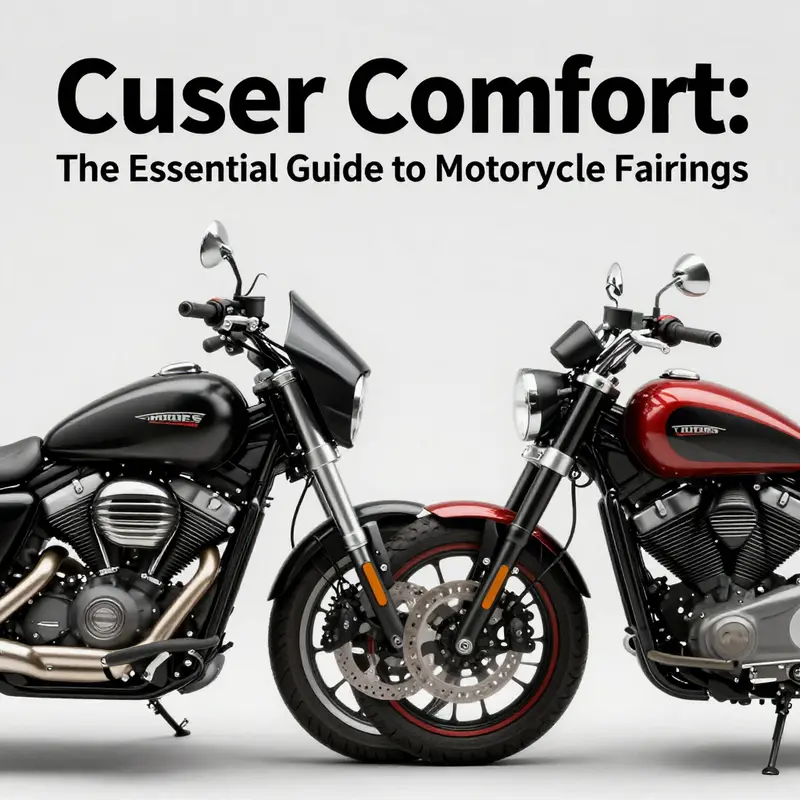
Cruiser riders tend to prize a certain poetry of motion: relaxed seating, a broad horizon, and a bike that feels as comfortable at sunrise as it does at sunset. The fairing a rider chooses is more than a cosmetic flourish; it is a shield, a posture modifier, and a statement about how a machine will keep its rider company on long, meandering roads. In the world of cruisers, fairings walk a careful line between form and function. They must soften the wind without erasing the bike’s relaxed silhouette, and they must protect vital components without turning the machine into something it is not meant to be. The decision between a half fairing and a full fairing embodies this balance. It is not merely about wind protection, but about how the ride feels over hundreds or thousands of miles, how the bike presents itself to onlookers who value heritage as much as horsepower, and how maintenance realities line up with daily riding habits. The exploration of these two configurations begins with a closer look at what each design is trying to accomplish, and then widens to consider how materials, fitment, and real-world riding habits shape the outcome for the rider who wants comfort, visibility, and character in equal measure.
Half fairings, in their essence, are a focused shield. They extend from the handlebars down toward the top of the engine, sometimes curving around the sides enough to channel air away from the chest and head. The result is a wind deflection that reduces buffeting at moderate to higher speeds without compromising an open, traditional cruiser silhouette. This design keeps the front of the bike approachable and honest in its lines, a nod to the heritage of the bike and its rider community. The wind still finds its way to the rider, but not with the same force or randomness as a naked bike or a fully exposed cockpit. The rider’s posture remains relatively upright, with hands on wide bars and shoulders that still feel the bike’s presence rather than being pressed into the tank by a fully enclosed wind envelope. The visual appeal of half fairings is often closely tied to the cruiser’s aesthetic language—the chrome accents, the luxury-grade paint, the way the fairing seems to part the air rather than swallow the rider whole. This is a design that respects the heritage of the machine while acknowledging the practical realities of high-mileage comfort.
Full fairings, by contrast, are changes in scale—the front, the sides, and often part of the rider’s field of vision are embraced by a single continuous shell. They deliver a different wind story. The air is more smoothly redirected, creating a barrier against weather and debris and carving a path toward what riders often describe as a steadier, more composed ride at sustained highway speeds. For long-distance touring or variable weather, the wind shield becomes not only more protective but more predictable. The rider’s torso and head experience less lateral turbulence, and the bike’s character shifts from a relaxed, open-class silhouette to something that reads as both touring-capable and sport-savvy in the same breath. This can be aesthetically compelling for riders who want their cruiser to morph into a longer-range machine without sacrificing the sense of purpose that drew them to cruising in the first place. Yet the broader enclosure comes with a price. The cruiser’s silhouette, which has long celebrated an uncluttered, classic profile, can appear more aggressive or even sport-oriented when a full fairing dominates the lines. Purists may see this as a departure from the brand’s original spirit, while others will welcome the added aerodynamic discipline and the shielding benefits that support a broader riding envelope.
A practical comparison reveals that half fairings strike an appealing middle ground. They offer meaningful wind deflection and reduced buffeting without fully transforming the bike’s character. In fact, a 2024 review by Motorcycle.com highlighted this nuance, noting that half fairings “deliver substantial wind protection without sacrificing the cruiser’s iconic profile,” a sentiment that resonates with riders who want comfort without surrendering heritage. The analysis captures a common thrill of cruising: riding a bike that feels familiar at a standstill but more composed at speed. The half-fairing path tends to keep the rider in a familiar posture while letting the wind do less harm on longer legs of the journey. It is a choice that respects the bike’s original design language and invites riders to enjoy the wind on their terms rather than submitting to the wind’s full force.
The spectrum widens when considering full fairings intended for touring-oriented cruising. These configurations are more than a protective shell; they act as aerodynamic partners for the engine and the rider. By smoothing airflow across the hands, chest, and head, full fairings can reduce fatigue over hours of highway riding and can help stabilize the ride in gusty conditions. The added shielding also means the rider experiences less wind-driven stress on the neck and shoulders, which in turn translates to longer practical ride times before fatigue sets in. From a maintenance perspective, the enclosure also provides a measure of protection for the bike’s more delicate elements, such as exposed plastics, spokes, or surfaces that can benefit from reduced exposure to debris or road spray. In practical terms, this means less frequent cleaning of sensitive components and reduced maintenance downtime between trips. The touring-minded cruiser, often equipped with comfort-focused features like heated seats, cruise control, integrated GPS, and Bluetooth connectivity, becomes a compact, self-contained system for cross-country adventures. The fairing, in its role as a mediator between rider and road, helps deliver the promise of long-range comfort and reliability.
Choosing between these two paths is rarely a matter of one being categorically better than the other. It is a question of what riding life looks like for the individual. A rider who spends a great deal of time in city traffic or on winding back roads may value the nimble, open feel of a half fairing. The wind is but one factor among many in a city commute, and the rider may enjoy the bike’s lines as much as the wind’s response. For someone who plans longer highway stints, infrequent stops in varying weather, and a desire for an even, shielded windstream, a full fairing can be a compelling companion. The decision becomes a blend of personal preference and practical needs, with the rider’s usual climate, typical riding speed, and distance per outing shaping the final choice.
If the aim is to preserve the classic cruiser vibe while improving ride quality, many riders gravitate toward half fairings as their default upgrade. They can deliver a more comfortable ride without concealing the bike’s punchy personality or altering the line of the machine beyond recognition. The half fairing respects the bike’s proud silhouette and the rider’s seat-to-handlebar relationship, while still offering a meaningful upgrade in wind management. It is a solution that aligns with a certain creed of cruising—time on the road, a watchful eye on the horizon, and a bike that feels like an extension of the rider’s own intentions.
On the other hand, for riders who define their cruising as a long-haul undertaking, the full fairing often becomes the practical anchor of the journey. The wind’s bite is softened through long miles, weather changes are faced with less physical strain, and the bike becomes a platform for exploration rather than a display of heritage alone. The original silhouette may be altered, yet the truth of the cruiser experience—comfort, confidence, and a sense of cruising’s gentle rhythm—can be enhanced by the reliable shelter of a full fairing. The rider ends each day refreshed rather than worn down, with the wind’s weight redistributed to the fairing rather than shouldering the rider alone. These are the subtleties that separate an afternoon ride from a multi-day odyssey, and they sit at the core of the half-versus-full fairing debate for cruisers.
When it comes to materials and fitment, the story becomes practical rather than purely aesthetic. High-quality fairings are typically molded from impact-resistant ABS plastic or from lightweight fiberglass, each with its own set of trade-offs. ABS offers resilience against minor impacts and UV resistance, which are critical for preserving finish and structural integrity in sun-drenched climates. Fiberglass can be lighter or stiffer, depending on layup and construction, and may allow for more precise shaping. Regardless of material, fitment precision stands as a pivotal factor. A well-engineered kit can align snugly with the bike’s lines, minimize gaps, and reduce flex that could contribute to rattles or fatigue over time. A poorly manufactured fairing, by contrast, can fail under real-world conditions—exposing fasteners, warping under heat, or creating misalignment that compromises safety and increases repair costs. In the words of a respected customization specialist, riders who upgrade to well-engineered fairings often report improved comfort and fewer maintenance issues over time. While the quote speaks to the broader value of quality, it is particularly true when the fairing is designed with the bike’s geometry in mind and built to endure the harsher realities of long-distance riding.
Another layer to consider is how fairings impact the bike’s protection of critical components. A properly designed fairing deflects road spray, small debris, and weather elements away from the instrument cluster, engine intake, and electrical harnesses. This shielding translates into reduced maintenance tasks and less risk of weather-induced wear over the years. It also preserves the bike’s aesthetics, ensuring the rider can enjoy the look of the machine for longer without the visible toll of road exposure. Yet the protective role of a fairing is only as good as its integration with the bike’s overall architecture. A fairing that clashes with the rider’s line of sight, or one that forces a rider into an uncomfortable wind angle, can negate the benefits of even the best materials. The best fairings act as an extension of the bike’s design ethos, neither overpowering the silhouette nor neglecting rider comfort. In practice, that means considering not only the fairing’s shape and size but also how it interacts with the riding position, the motorcycle’s aerodynamics, and the rider’s personal preferences.
From a maintenance standpoint, the decision to go with a half or full fairing is also a question of how much effort a rider is willing to invest in upkeep. Half fairings typically require less material to install and may be easier to replace if damage occurs. They can also offer easier access to certain engine areas for basic maintenance tasks, given their partial enclosure. Full fairings, with their comprehensive coverage, can complicate access to some components but bring with them a lull in weather exposure that reduces certain wear patterns and can simplify debris-related cleanup in some climates. The sum of these considerations is a rider who can tailor maintenance routines to the bike’s new wind shield and shell system, rather than wrestling with the consequences of a bare front end.
As a result, the choice of fairing becomes a reflection of riding life. A rider who wants to protect sensitive instruments and enjoy longer rides with less wind fatigue may opt for a full fairing and an integrated touring setup. A rider who prizes a minimalist aesthetic, a pure cruiser silhouette, and a more intimate sense of wind can find the half fairing more satisfying. The decision hinges on the rider’s typical miles per ride, climate, and tolerance for wind while piloting the bike through open roads.
Internal linkage and broader catalog access can also influence this choice. For riders who want to explore fitment options across brands and see what a precise fit might entail, a catalog such as the Honda fairings collection provides a clear sense of how a fairing can be designed to match a given chassis. This kind of resource helps a rider understand the geometry, mounting points, and style language that define a fairing’s compatibility with a bike’s frame and bodywork. See the Honda fairings catalog for a representative sense of how fitment can be realized in practice: Honda fairings catalog.
The ride’s emotional core, however, remains the rider’s relationship with the road. A half fairing will likely keep the bike feeling more honest, more connected to the wind and the rider’s sense of speed. It is the choice for those who want to preserve the cruiser’s feel—the low seat, the low bars, the way the road breathes between the wheels. A full fairing, in contrast, holds the rider more securely in a cocoon of air and glass, promising a steadier cruise over miles of highway and a shielded cockpit that invites longer days on the road. The balance a rider seeks rests on the willingness to engage with two core questions: how much wind buffering is enough, and how much of the bike’s enduring identity is willing to be set aside for that buffer.
This is not a debate with a single winner. It is a dialogue about a bike’s purpose, the rider’s daily life, and the road’s unpredictable weather. A well-chosen fairing, whether half or full, can become a stealth partner—one that makes the bike feel more capable without demanding a radical shift in riding style. When set against a broader touring mindset, the fairing becomes a facilitator of experiences: smoother highway passages, more predictable weather resistance, and a ride that remains comfortable after hours of exposure to the elements. The rider’s hands remain on the bars, the eyes can stay focused on the road ahead, and the bike continues to tell the story of a thoughtful, well-used machine that travels with purpose and grace.
In the end, the comparison of half versus full fairings for cruisers is a study in how wind, weight, and silhouette converge with comfort and practicality. The half fairing favors heritage and everyday usability, offering meaningful wind relief without compromising the bike’s iconic lines. The full fairing targets the long-haul experience, trading some classic openness for greater wind shielding and a more controlled ride profile. Both configurations have a rightful place in the cruiser ecosystem, and both can coexist with modern tech, comfort features, and durable materials. For riders who want to refine their motorcycles into capable touring companions without losing the soul of the cruiser, the decision becomes less about choosing a side and more about choosing the path that aligns with the miles ahead. The road invites different kinds of journeys, and the fairing is the instrument that tunes the ride to suit them.
External resource: For further insights into choosing the best motorcycle fairings in 2025, see Motorcycle Fairing Guide 2025: https://www.motorcycle.com/2025-motorcycle-fairing-guide
Final thoughts
Understanding motorcycle fairings is vital for business owners in the motorcycle market, as these components significantly affect rider comfort and performance. Choosing high-quality materials, accurately assessing the needs of cruiser riders, and knowing the differences between half and full fairings can lead to better product offerings and increased customer satisfaction. Ultimately, investing in well-designed motorcycle fairings aligns with the goals of enhancing the riding experience and fostering long-term relationships with clients.