
Introduction
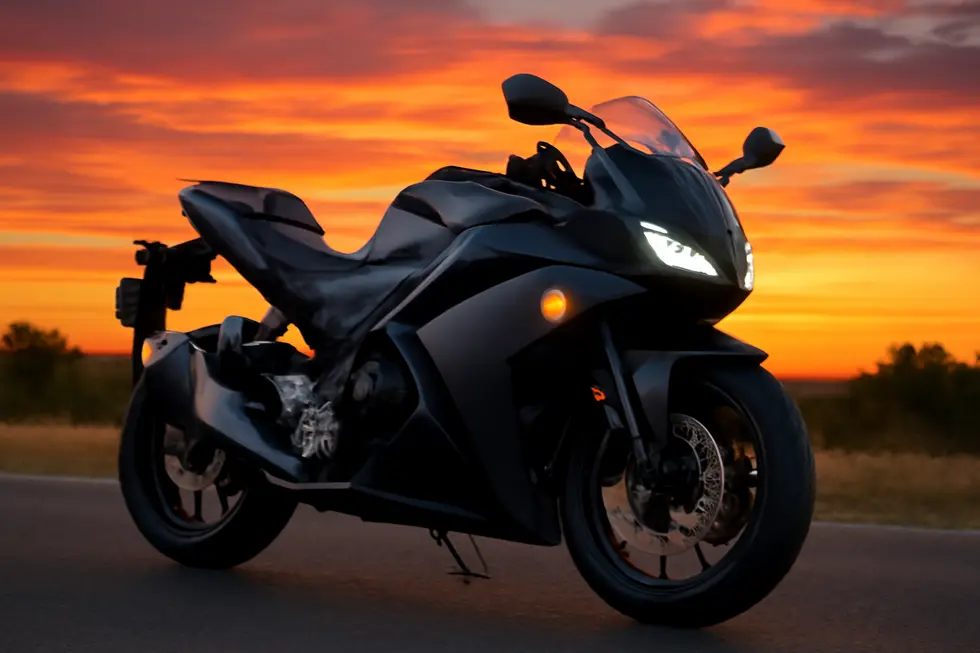
Motorcycle fairings have emerged as essential components for not only enhancing aesthetics but also improving aerodynamics and rider protection. As a business owner in the motorcycle industry, understanding the nuances of fairings will empower you to make informed decisions for your products or services. This comprehensive overview will delve into the different types of motorcycle fairings and their specific functions, the materials commonly used and their implications on performance, and ultimately the role of fairings in enhancing motorcycle performance and rider safety. By examining these aspects, you’ll gain insights into how fairings can influence buyer choices and enhance the overall riding experience.
Tables of Contents
Chapter 1: Understanding the Aerodynamics of Motorcycle Fairings for Enhanced Performance
- The Aerodynamic Edge: How Fairings Transform Motorcycle Performance
- Material Choices: How They Shape Motorcycle Fairings and Enhance Functionality
- Enhancing Rider Safety and Comfort Through Aerodynamic Design
Chapter 1: Understanding the Aerodynamics of Motorcycle Fairings for Enhanced Performance
1. The Aerodynamic Edge: How Fairings Transform Motorcycle Performance
Motorcycle fairings wield transformative aerodynamic functions that significantly elevate motorcycle performance across various parameters. These functions—ranging from reducing drag to improving rider comfort—are intricately designed to enhance not just the experience of riding, but also the machine’s capabilities on both the road and racetrack.
Central to the performance of fairings is their ability to reduce drag, which is pivotal for achieving higher speeds and improved fuel efficiency. The streamlined design of full fairings minimizes turbulent airflow around the bike and rider, effectively creating a smoother passage through the wind. This reduction in drag can yield substantive benefits, including an increase in highway fuel economy and a slightly enhanced top speed, as the motorcycle experiences less resistance.
In addition to drag reduction, fairings play a crucial role in managing downforce and load. Fairings that incorporate aero features like wings or winglets effectively generate downforce, which serves to enhance traction and stability as bikes reach higher speeds. This increased vertical load presses the tires more firmly against the road surface, significantly boosting cornering grip and straight-line control. By mitigating the tendency to wheelie during rapid acceleration and providing a planted feeling in turns, these design elements contribute to the bike’s overall handling dynamics.
Equally important is the control of lift and pitch stability facilitated by fairing designs. The interplay of aerodynamic pressures across the bike can perplex novice riders with unwanted shifts in balance, particularly during braking or cornering. Thoughtful fairing geometry, which may include strategically placed aero components, helps accomplish an even distribution of aerodynamic forces. This balance is vital for maintaining optimal steering response and controlling pitch, which affects how the bike behaves during dynamic maneuvers.
Moreover, sophisticated fairing designs can counteract the effects of crosswinds and lateral stability challenges. Bikes equipped with well-shaped fairings can resist the push of sudden gusts or maintain composure in leaning scenarios, allowing riders to handle their machines with greater confidence and precision.
A fundamental aspect of aerodynamics also involves cooling management. By incorporating ducting and integral cooling paths, fairings allow for efficient air routing to essential engine components. This balance of aerodynamic smoothness against cooling needs ensures that the motorcycle can perform optimally without overheating, despite the potential drag penalty that larger ducts might impose.
Finally, it is crucial to address how material choices further enhance aerodynamic advantages. The incorporation of high-performance materials like carbon fiber in fairing designs allows for intricate shapes that excel in minimizing both weight and drag. The result is a motorcycle that remains aerodynamic while leveraging the benefits of advanced engineering for peak performance.
As riders and manufacturers strive for the perfect balance between speed, stability, and rider comfort, motorcycle fairings emerge as essential components that harmonize these outcomes. The thoughtful integration of fairings epitomizes a quest to enhance how machines speak to the whims of wind and speed, establishing a dynamic relationship between rider and motorcycle that is both exhilarating and efficient.
2. Material Choices: How They Shape Motorcycle Fairings and Enhance Functionality
Motorcycle fairings, integral components of many modern bikes, derive their efficiency and functionality from a variety of materials, each selected for its unique characteristics that cater to aspects like aerodynamics, safety, weight reduction, and visual appeal. These choices are not merely aesthetic; they have a significant impact on a motorcycle’s overall performance, rider comfort, and maintenance requirements.
ABS Plastic stands out as one of the most commonly used materials for standard motorcycle fairings. Known as Acrylonitrile Butadiene Styrene, ABS is a thermoplastic celebrated for its robust impact resistance and lightweight attributes. This material is often produced using injection molding, which allows for precise shaping and cost-effective replication. Its widespread adoption in models like the Honda CBR650R exemplifies how ABS provides an ideal blend of durability and performance without imposing excessive costs on manufacturers or consumers. However, riders need to be cautious of using harsh cleaning agents, as these can degrade the integrity of ABS over time.
Another notable candidate in the lineup is Polycarbonate, also known by the brand name Lexan. This transparent thermoplastic shares the impact-resistant properties of ABS but excels in scenarios demanding clarity—such as in windshields or clear fairing sections. By providing visibility without sacrificing strength, polycarbonate comes into play particularly in performance and touring bikes where sightlines are critical. This material is often sourced through specialized suppliers, reflecting the more niche requirements of advanced motorcycle designs.
For high-performance applications, Carbon Fiber emerges as the material of choice, especially in racing and custom builds. Its impressive strength-to-weight ratio, coupled with resistance to corrosion, positions carbon fiber as a premium option among enthusiasts aiming to enhance their bike’s handling, speed, and overall performance. While this material offers aesthetic benefits—often dressing a bike in a sleek, modern guise—it remains more expensive and is less prevalent in standard consumer models. With its use predominantly in competitive environments, carbon fiber represents the pinnacle of motorcycle fairing technology.
When evaluating the functionality of these materials, it becomes clear that motorcycle fairings do much more than enhance appearance; they are vital for reducing wind resistance, thereby improving speed and stability. The selected material directly affects maintenance protocols; for example, ABS requires protection from prolonged UV exposure to prevent fading and cracking. As the industry evolves, advanced materials like Windform composites are beginning to emerge, promising further enhancements with competitive properties suited for specialized applications.
Ultimately, the interplay of these materials shapes not just the functionality of motorcycle fairings but also influences the riding experience itself, intertwining performance, protection, and style into a seamless design. Choosing the right material becomes crucial for manufacturers and riders alike, ensuring that fairings fulfill their intended roles without compromising the motorcycle’s integrity or the rider’s satisfaction. For deeper insights into the engineering of motorcycle components, further exploration of advancements in materials science can illuminate the path forward.
3. Enhancing Rider Safety and Comfort Through Aerodynamic Design
Motorcycle fairings serve not only an aesthetic purpose but play a crucial role in enhancing rider safety and comfort. By incorporating an external aerodynamic shell, fairings reduce the rider’s exposure to the elements, deflect debris, and facilitate a smoother airflow that significantly improves stability. The impact of these factors cannot be underestimated, as they contribute directly to a safer and more enjoyable riding experience.
One of the primary benefits of motorcycle fairings is their passive impact protection. They help shield vulnerable bike components such as the headlight and chassis from wear and potential damage during low-speed falls. Designed with the intent to distribute forces, fairings mitigate repair costs and protect the rider from sharp or heated components in the event of a crash. Many manufacturers produce dedicated protection bars that enhance this function further by channeling forces away from the fairing panels and towards sturdier mounting points on the frame.
In terms of aerodynamic stability, fairings excel by streamlining airflow around both the motorcycle and rider. This reduction of turbulence and buffeting significantly contributes to maintaining control at higher speeds, making long rides less fatiguing. Riders often find that well-designed fairings allow for prolonged periods of comfortable riding by minimizing the physical strain experienced due to wind resistance.
Wind protection is another critical element. Fairings designed for full or sport-touring configurations effectively divert forceful airflow away from the rider’s chest and helmet, considerably lessening wind pressure. This is particularly beneficial on highway journeys or extended rides, where sustained wind can lead to muscular fatigue. Riders often report feeling less exhausted after a long day in the saddle when well-fitted fairings are utilized.
The shielding function of fairings also extends to weather and debris protection. They act as barriers against rain, road spray, insects, and small debris, improving visibility and comfort. During cooler weather, fairings help retain heat by blocking cold airflow, which can hinder rider dexterity—a crucial aspect for maintaining control over the motorcycle.
Moreover, fairings contribute to noise reduction. By altering the airflow pattern around the helmet, effectively mitigating wind noise, they allow riders to maintain focus, thereby enhancing concentration on the road. This reduction of cognitive load is invaluable, especially during longer or noisier rides.
While the advantages are clear, it is essential to recognize the trade-offs. Larger fairings can increase the surface area exposed to crosswinds, impacting handling. Added weight from fairing components can affect maneuverability, particularly in low-speed situations, and repair costs can be high if fairings are damaged. However, careful selection of fairing types—whether full for touring or minimal designs for urban environments—can optimize both safety and performance. Therefore, understanding the interplay between comfort, safety, and the specific riding context is vital for maximizing the benefits that motorcycle fairings deliver. For further insights into fairing designs and their various applications, explore related resources on motorcycle protection and aerodynamics.
Final thoughts
Motorcycle fairings play a pivotal role in defining the riding experience, impacting not only the aesthetic appeal of the motorcycle but also enhancing its performance and safety. By understanding the various types, materials, and their associated benefits, business owners can better cater to customer needs and offer tailored solutions. As you consider incorporating motorcycle fairings into your business offerings, keep in mind the intricate balance of form, function, and rider comfort that these components provide. This awareness will support your strategic decisions, ultimately leading to better customer satisfaction and increased sales.
Upgrade your ride with UltimateMotorX’s premium motorcycle fairings—durably crafted, precision-fitted, and stylish. Meeting OEM standards for easy installation, our collection suits upgrades or replacements. Shop now for fast shipping, secure checkout, and expert support. Give your bike the ultimate quality it deserves!
About us
At UltimateMotorX, we’re rider-founded experts in top-tier motorcycle fairings. We source premium materials, partnering with trusted manufacturers for perfect fits and durability. Enjoy expert advice, hassle-free returns, and seamless shopping. Ride with confidence—style and quality guaranteed!