
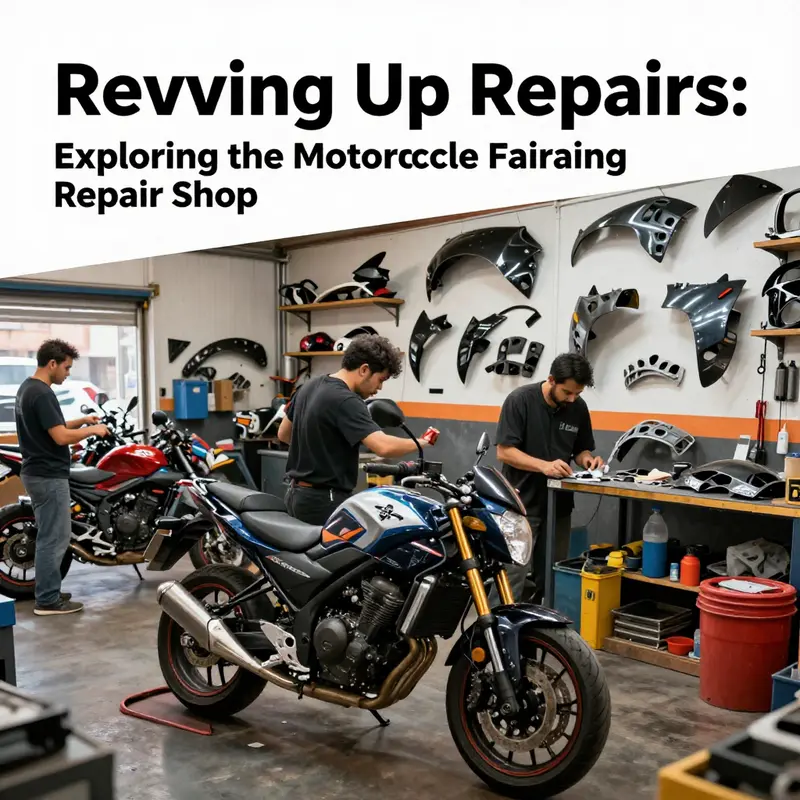
Motorcycle fairings, often seen as aesthetic enhancements, play a crucial role in safety and aerodynamics. As essential components of motorcycle construction, their repair and maintenance are vital for enthusiasts and daily riders alike. This article evaluates motorcycle fairing repair shops, shedding light on the latest technological advancements, economic impacts in the industry, and the cultural significance of these services. By understanding these facets, business owners can effectively navigate the growing demand for repair solutions and the broader market dynamics.
How Technology is Rewriting Motorcycle Fairing Repair: Precision, Durability, and the New Shop Workflow
How Technology is Rewriting Motorcycle Fairing Repair: Precision, Durability, and the New Shop Workflow
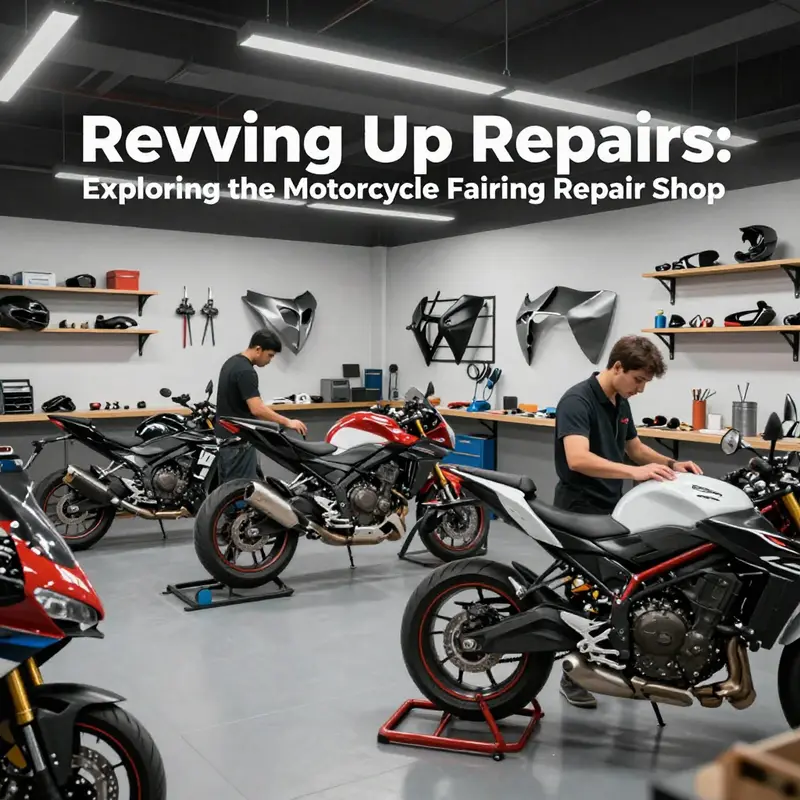
The workshop floor of a modern motorcycle fairing repair shop feels different than it did a decade ago. Tools that once relied on the eye and steady hand now cooperate with sensors, software, and engineered materials. This change is not cosmetic. It reshapes what shops can promise, how technicians diagnose damage, and how riders decide between a professional repair and a do-it-yourself patch. The shift centers on three intertwined advances: smarter materials, digital design and inspection, and automated surface finishing. Together they raise repair quality, shorten turnaround times, and reduce long-term failure. They also demand new skills and a rethinking of shop workflow.
At the heart of material innovation are high-performance resins and composite reinforcements. These formulations bond more effectively to common fairing substrates. They offer greater flexibility without sacrificing tensile strength. When a technician blends a modern resin into a crack, the cured joint moves with the fairing under vibration. This reduces the chance of re-cracking. Reinforcement layers, often composed of lightweight fabrics or micro-composite tapes, restore structural integrity with minimal added weight. The result is a repaired panel that retains the original fit and mounting geometry. That matters for aerodynamics and user safety.
Nano-coatings have complemented structural advances. A thin, engineered layer applied after repair creates a barrier against UV degradation and fine abrasion. It does not simply sit on the surface. These coatings interact at the molecular level with paint and substrate, improving scratch resistance while preserving gloss. For riders who value show-quality finishes, such treatments extend the life of the repair and protect underlying layers from environmental stress.
Alongside materials, digital tools have altered how damage is assessed and how parts are recreated. Portable 3D scanning devices capture the exact contours of a damaged cowl. Scans are rapid and non-contact. They preserve delicate edges and complex geometry that are difficult to measure by hand. With a digital model in hand, technicians can manipulate surfaces in CAD software. Distortions from an impact can be reversed virtually. Gaps and misalignments become measurable, and a technician can plan reinforcement placement with precision.
CAD-driven workflows also enable exact-fit fabrications. When a fairing is beyond repair, a digital model can be used to print a mold or produce a replica panel. Additive manufacturing bridges the gap between design and physical form. Shops that adopt this approach can match original mounting points and steadying ribs. This reduces the time needed for trial-and-error fitting and minimizes material waste. It also broadens the shop’s capabilities, allowing the production of rare or discontinued panels without long lead times.
Inspection has moved from visual checks to non-destructive testing. Thermal imaging can reveal subsurface delamination. It detects temperature anomalies caused by trapped air or separated layers. Technicians combine thermal data with ultrasonic scans to map internal damage accurately. This fusion of techniques prevents unnecessary tear-downs and conserves original material when possible. It also uncovers hidden compromise that, if left untreated, could compromise rider safety.
Electrostatic painting and robotic spray systems have redefined finish quality. Electrostatic methods increase paint adhesion and reduce overspray. Robotic sprayers apply even layers and maintain consistent distances. The combination yields thinner, more uniform coats. That produces a durable finish without hiding subtle surface transitions. For complex color matches, real-time color-matching software reads an existing finish and calculates paint blends. This is invaluable for matching aged or discontinued factory colors. What once required trial mixes and long dry times can now be achieved accurately in a single session.
Shops that integrate these technologies see improved throughput. Cloud-based management platforms coordinate the sequence of repair tasks. They track the life cycle of a part from intake to delivery. Technicians consult digital repair plans from a centralized dashboard. Inventory levels of raw resins, reinforcement fabrics, and paint components update in real time. Customers receive clear updates on status and expected completion dates. This transparency reduces follow-up calls and enhances perceived value.
Technology also changes how shops price and present services. With precise digital estimates, repair scopes become specific. A measured plan can itemize resin work, reinforcement placement, surface preparation, and finishing. This clarity helps prevent scope creep. It also fosters trust, because customers can see the planned interventions. When layered with warranties tied to specific materials and processes, these transparent estimates shift expectations. Riders are more willing to invest in higher-quality repairs when the shop can demonstrate technical rigor.
Adoption brings challenges. Training is front and center. CAD proficiency, scanning operation, and NDT interpretation require focused learning. Shops must invest in both hardware and human capital. The return, however, can be substantial. Faster diagnostics reduce bay time. Better first-time-fit reduces rework. Superior finishes attract customers who might otherwise replace panels entirely.
Supply chains adapt as well. Shops increasingly source OEM-equivalent fasteners and specialty materials from aftermarket networks. Having reliable suppliers for fiberglass tapes, advanced resins, and touch-up pigments is critical. Some shops maintain a library of digital part models for popular motorcycles. This library accelerates turnaround for common models and reduces the friction of reproducing parts. For niche or vintage bikes, a shop with scanning and reproduction capability can become a destination for riders seeking faithful restorations.
These technological shifts also affect the DIY segment. Repair kits remain relevant for small chips and hairline cracks. Manufacturers of kits have incorporated improved resins and brass insert repair systems. They package clear instructions that borrow techniques from professional shops. However, the threshold between a DIY fix and a professional intervention has grown clearer. Complex delamination, structural damage, and precision color matching still favor shops with advanced tools.
A practical example of technology in action emerges when a sportbike’s lower cowl returns battered from a road slip. A modern shop begins with a 3D scan, producing a high-resolution map of the damage. Thermal imaging then reveals delamination around the mounting bosses. Rather than trimming and guessing reinforcement placement, the technician imports the scan into CAD, designs a reinforcement pattern, and prints a mold for the repair patch. A high-performance resin, selected for flexibility and adhesion, bonds the patch to the existing substrate. After curing, a robotic sprayer applies primer and base coats matched by color software. A nano-coating seals the finish. The repaired panel fits with minimal adjustment and the mounting bosses retain original alignment. The entire flow reduces subjective decisions and speeds completion.
Environmental and regulatory considerations are changing shop practices too. Electrostatic painting cuts volatile emissions and reduces material waste. Waterborne primers and low-VOC formulations are becoming standard. Shops that commit to these methods reduce their environmental footprint and stay ahead of compliance demands. Waste handling is more precise as well. Resin offcuts and contaminated cloths enter controlled disposal streams. This care is both responsible and necessary as regulations tighten.
Customer experience evolves along with the tools. Shops use detailed before-and-after galleries to show the repair journey. Time-lapse captures of scanning, reinforcement application, and finishing educate riders and highlight professional craftsmanship. These narratives reinforce the value of paying for quality. Clear warranties and digital repair records give riders peace of mind. A documented repair history increases resale value and informs future maintenance.
Integration into race and track-day environments is another frontier. Repair shops that serve track communities must balance speed with durability. Rapid curing resins and streamlined digital planning make onsite or rapid-turn repairs feasible. A shop that masters these techniques can offer same-day returns for minor structural fixes. This service appeals to teams and riders who need reliability under high stress.
Despite the clear benefits, widespread adoption remains uneven. Smaller shops may resist investment due to cost. Others hesitate because of workflow disruption during implementation. The smartest shops approach change incrementally. They start with a single scanner or a color-matching system. They train one technician as a CAD lead. As experience builds, they add automated spraying or thermal imaging. This phased approach spreads cost and reduces downtime.
Looking forward, several trends will likely continue. Scanners will become faster and more affordable. Software will automate more of the repair planning process. Machine learning may assist in damage classification, offering repair suggestions based on thousands of past jobs. Materials will keep improving, with tougher, lighter coatings and resins that cure faster at lower temperatures. Each advance will further narrow the visible distinction between a repaired panel and its factory-new counterpart.
For riders, these changes mean better outcomes. Repairs last longer, fit better, and look truer to the original. For shop owners, technology raises the bar for what constitutes professional repair. It also opens avenues for new services, such as reproduction of discontinued panels. For technicians, the work becomes part craftsmanship and part technical problem solving. The result is a more resilient industry, capable of meeting both aesthetic and safety standards.
As shops evolve, they must balance precision with practicality. Not every job requires full digital reproduction. Yet, when the work demands high fidelity, modern tools deliver. A well-equipped shop now combines material science, digital modeling, and automated finishing into a coherent workflow. In doing so, it transforms damaged fairings into reliable, beautiful parts that riders can trust.
For practitioners looking to explore how these technologies are applied in professional contexts, a useful reference is the service overview offered by an industry resource. It outlines authorized service practices and the integration of advanced techniques. (https://www.h-d.com/en-us/service/authorized-service)
For riders shopping for replacement or performance panels, many shops maintain curated inventories of parts by model. For example, technicians often reference model-specific fairings such as “fairings for YZF” when planning repairs or reproductions. (https://ultimatemotorx.net/product-category/yamaha-fairings/fairings-for-yzf/)
The path forward is incremental improvement, driven by better materials and smarter tools. As shops adopt these advances, repair quality will continue to rise. That benefits riders and strengthens the reputation of professional fairing repair services.
Wings on the Workbench: How Motorcycle Fairing Repairs Reconfigure the industry’s Economic Engine
The repair shop that specializes in motorcycle fairings sits at a quiet yet crucial hinge of the industry, a place where damage is converted into extended life, and where the economic ripples of everyday decisions travel outward through manufacturers, suppliers, and riders. The fairing is more than a shell. It governs aerodynamics, influences fuel efficiency, and carries the visual identity of a machine. When a panel is damaged, the repair process starts a chain of economic activity that touches materials, labor, logistics, and design choices. In this light, repair shops are not merely service providers; they are structural nodes in a broader system that seeks to balance performance, affordability, and sustainability. As the market for aftermarket parts expands, understanding how these shops contribute to the lifecycle of bikes—and to regional economies—becomes essential for anyone who wants to picture a resilient future for motorcycling.
At the heart of the fairing repair economy is the lifecycle extension of high-performance composites and polymers that commonly constitute modern panels. After an impact or long-term exposure to sun and heat, these materials can endure microcracking, delamination, or color fading. A skilled technician approaches the problem with a blend of chemistry, craftsmanship, and practical problem-solving. Resin application must be calibrated to match the original stiffness and impact resistance. Sanding must be precise enough to create a seamless surface that takes paint evenly and resists future wear. Color matching is rarely a cosmetic afterthought; it is a calculable step that preserves both the aesthetic value and the resale or reuse potential of the bike. The final UV-resistant coating is not simply protective; it is a finishing touch that determines how quickly a panel can return to service and how long it will stay in service. When done well, these steps mitigate waste by returning a damaged panel to a nearly original state, reducing the need for a full replacement and lowering the overall cost of ownership for riders and fleets alike.
This cycle of repair and restoration aligns with broader shifts in how consumers value durable goods. In an era of growing awareness around waste and resource use, the ability to repair rather than replace translates into tangible savings for individuals and storefronts. The economics are not merely about the price of a repaired part but about the cost of the downtime the bike would incur if it were out of service while awaiting a new panel. For fleet operators—commercial riders, delivery services, or rental fleets—reliability and availability are critical. A repair shop that can perform high-quality restoration quickly reduces downtime, enabling fleets to stay on the road and maintain steady revenue streams. The ripple effects extend beyond a single bike to the broader network of supply and demand that supports fairing repair ecosystems.
Within this ecosystem, regional clusters matter as much as the repair bench itself. In manufacturing hubs where a dense network of suppliers and producers concentrate—regions known for advanced plastics, composite materials, and precision tooling—repair infrastructure has evolved in step with production. The proximity of repair facilities to the centers where fairing components are designed, molded, and painted can shorten turnaround times and lower logistics costs. This proximity also supports a feedback loop: repair shops encounter recurring failure modes, learn which materials hold up under real-world stresses, and pass those insights back to manufacturers and distributors through informal channels as well as formal after-sales programs. The result is a more responsive and resilient market in which both makers and maintainers adapt to evolving demands. When a region hosts both robust manufacturing and skilled repair talent, the entire local economy benefits from faster repairs, more reliable service networks, and a stronger reputation for quality that draws riders from farther afield.
Tariffs and policy wiggle into this story with a measurable impact. An IMR Survey conducted in 2025 indicated that 38.6% of repair shops reported cost increases due to tariffs on imported repair materials and components. The numbers reveal more than a price uptick; they signal how international friction reshapes procurement strategies, supplier diversification, and ultimately pricing for customers. Shops respond by recalibrating their sourcing mix, seeking locally produced replacement parts, and leaning on regional manufacturers who can offer stable pricing and reliable lead times. In places such as major manufacturing belts, where parts are produced with automation and injection-molding techniques, the shift toward domestic or regional supply becomes a strategic choice rather than a reaction to cost spikes. The implication is not simply lower tariffs but greater supply chain resilience as local production capabilities mature to fill gaps left by international disruption. The ability to source locally, in turn, echoes back into regional employment—technicians and production line staff benefit from steadier demand and opportunities for upskilling.
If the economic logic of repair shops hinges on lifecycle extension and regional robustness, the social and labor dimensions deserve equal attention. Fairing repair requires a blend of hands-on skill and a growing familiarity with design constraints, materials science, and environmental considerations. Skilled labor is a scarce resource in many markets, and shops often become training grounds for apprentices who learn how to judge resin flow, surface preparation, and color science. This translates into a form of human capital development that sustains more than a single business. When a shop trains an apprentice who later contributes to a larger network of technicians, the positive externalities include higher overall service quality, lower repair times, and the emergence of a more professional repair culture. Those benefits ripple outward to suppliers, who gain confidence that their materials will be used effectively and consistently, and to insurers or operators who value predictable outcomes and longer asset lifespans.
To understand the economic stability these shops offer, consider the way demand can be stabilized by the availability of repair services and the corresponding aftermarket ecosystem. When customers know that a local shop can restore a fairing to near-original condition, confidence in continued ownership rises. This confidence translates into steadier demand for raw materials—resins, coatings, sanding compounds, UV stabilizers, and fillers—that feed both local shops and regional manufacturing pipelines. Conversely, when a market relies too heavily on new-part replacements, the supply chain becomes more vulnerable to price volatility and stockouts as demand concentrates on a single category of product. The repair shop, by sustaining the value of existing assets and deferring replacements, helps flatten peaks and troughs in material demand, contributing to a more predictable economic rhythm for both suppliers and manufacturers.
Adaptation becomes the operational art of this economic landscape. Shops facing tariff-induced price changes or supply disruptions respond in multiple ways. Many have turned to locally produced replacement parts and components that can be integrated with their repair processes. The story here is not one of resistance but of intelligent reallocation of resources. Local sourcing is often paired with modern workshop technologies that streamline the repair workflow—precise adhesive bonding, automated surface finishing, and efficient color-matching systems that reduce the risk of repeat calls. When a shop can lean on a regional manufacturing network that emphasizes precision and repeatability, profitability can be preserved even as external conditions shift. In places where injection-molded panels and automated painting capabilities are already well established, shops can combine these strengths with their repair expertise to offer a broader set of services, such as panel repair that integrates seamlessly with new part installations or color-coordinated paint jobs that match a bike’s existing livery. This integrated service approach resonates with riders who seek speed, reliability, and aesthetic cohesion in a single visit.
Beyond the shop floor, the economic significance of fairing repairs extends into the way communities perceive motorcycling and manage environmental impact. The practice of repair aligns with circular economy principles: it extends the useful life of expensive components, reduces material waste, and curtails the energy and emissions associated with producing and transporting new panels. For riders and fleets, the environmental calculus becomes part of decision-making. Choosing repair over replacement can lower a bike’s overall carbon footprint, especially when the repair pathway emphasizes high-quality restoration rather than a patchwork fix. The environmental message, though often indirect, enriches the business case for repair shops by aligning with broader public expectations about sustainability and responsible consumption. As cities and regions face growing pressure to minimize waste and tighten resource cycles, the repair shop can position itself not only as a profit center but as a steward of a more sustainable urban mobility ecosystem.
In this intricate web, the repair shop acts as a translator between design intent and real-world constraints. Designers and manufacturers envision fairings that are light, strong, and easy to repair, but production realities, material limits, and cost targets shape what is feasible. Repair professionals, with their intimate knowledge of how panels behave after impact, become a crucial source of feedback. They highlight where materials fail, where coatings crack, and how lab-based tests translate to field conditions. This feedback loop, though often informal, helps raise the overall quality of future products and informs decisions about material choices, repairability, and aftercare. In turn, manufacturers and suppliers who listen to repair shops can develop more robust, repair-friendly lines that satisfy riders’ expectations for durability and cost control. The end result is a more resilient value chain where repairability is not an afterthought but an integral criterion in product development and procurement planning.
As markets evolve, the link between repair shops and the broader consumer experience becomes clearer. Riders increasingly value speed, transparency, and control over the lifecycle of their machines. A skilled repair shop can provide a clear articulation of options: whether a damaged panel can be restored to a near-original state, whether a partial replacement is more cost-effective, or whether a full panel replacement makes more sense for long-term performance. This clarity helps customers make informed decisions and fosters trust in the repair ecosystem. The consequence is a more stable demand pattern for both skilled labor and material inputs, which, in turn, supports regional business ecosystems that rely on skilled trades and manufacturing know-how. The net effect is a more resilient market that can weather global supply chain pressures and shifting tariff landscapes without sacrificing speed, quality, or affordability.
Within this broader narrative, a single internal link helps readers explore a concrete example of the kinds of parts families that repair shops commonly engage with. For readers curious about the variety of panels and how they are categorized, the Honda fairings category offers a representative cross-section of common repair workflows, from replacement panels to color-matched finishes and composite-layered assemblies. This surface shows how a repair shop’s scope can extend beyond a repair to include coordinated services around color, texture, and branding consistency. It is not meant to imply endorsement of any specific supplier but to illustrate how a repair shop’s day-to-day work connects to a wider catalog of parts and options that customers can consider.
Looking ahead, the economic outlook for motorcycle fairing repair shops will likely hinge on several converging trends. Demand for durable, repairable components will rise as riders and fleets seek cost certainty in a volatile market. The growth of regional manufacturing hubs—especially in zones with advanced injection molding and automated painting capabilities—will support faster, more cost-effective repairs and parts sourcing. Skilled labor will continue to be a scarce but increasingly valued resource, driving wages, training programs, and apprenticeship pipelines. And as environmental responsibility becomes a more explicit business concern, repair shops that can demonstrate measurable reductions in waste and energy use will gain credibility with customers who want both performance and sustainability. The chapter thus captures a microcosm of industrial resilience: a field where technical expertise, local ecosystems, and strategic sourcing converge to extend the value of assets and stabilize the broader market.
For researchers and practitioners seeking a gateway to the manufacturing and sourcing dynamics behind fairing repairs, one authoritative guide offers a detailed map of global supply channels and strategic considerations. It frames the discussion around how buyers source from major manufacturing regions with an emphasis on reliability, quality, and long-term partnerships. The guide provides a complementary perspective to the local, shop-level experience described here, illustrating how micro-level repair decisions intersect with macro-level trade flows and policy environments. This broader context helps explain why repair shops matter beyond their four walls: they are integrators of materials, labor, and knowledge that sustain the entire ecosystem of motorcycle maintenance and ownership.
To connect this discussion with practical resources, readers can explore targeted maintenance and replacement options within the broader catalog of components that repair shops commonly work with. The internal link mentioned earlier offers a window into the kinds of panels and finishes that repair professionals frequently engage with, while the external resource anchors the chapter in a larger discourse about sourcing strategies, supply chain resilience, and industry standards that shape repair practices across jurisdictions. Taken together, the chapter presents a holistic view of how motorcycle fairing repairs do more than fix cosmetic damage—they help stabilize demand, nurture regional manufacturing ecosystems, and promote sustainable ownership in a sector where technology and design continually push the boundaries of what is possible on two wheels.
External resource for further reading:
- Motorcycle Fairing Supplier Guide: Sourcing from China for B2B Buyers: https://www.motorcyclefairingsupplier.com/guide-sourcing-china-b2b-buyers
Internal reference for related content:
- Honda fairings category: https://ultimatemotorx.net/product-category/honda-fairings/
More Than Plastic: How Fairing Repair Shops Shape Motorcycle Culture and Community
Motorcycle fairings carry more than wind; they carry meaning. They shape first impressions. They protect engines, riders, and the bike’s lines. For many riders, the fairing is the motorcycle’s personality. Repairing that personality after a crash or scrape becomes an act of care. It is an investment in continuity. It also signals membership in a community that values endurance, skill, and taste.
Fairing repair shops sit at the crossroads of utility and identity. They fix cracks and reattach panels. They also restore color, correct contours, and preserve memories. Repairs often begin as practical responses to damage and cost. Replacement fairings can be expensive, even for modest models. When replacing becomes unaffordable or undesirable, repair becomes the sensible choice. But the decision seldom ends at price. Repair preserves originality. It maintains customized paintwork. It honors decades of accumulated mods. In short, repair honors the story of the bike and its rider.
This sense of stewardship gives repair shops a cultural role. Riders bring bruised plastics and battered pride. They expect mechanical competence and artistic sensibility. Shops answer with technical skill and aesthetic judgment. Technicians smooth stress fractures, blend repairs into original curves, and match colors to a precise shade. The result matters. A high-quality repair can resurrect a bike’s presence on the road. A poor fix becomes an ugly sign of neglect.
Fairing repair is also an expression of sustainability. Repairing retains materials and reduces waste. It keeps aftermarket production from expanding for the wrong reasons. When riders choose repair, they slow the cycle of consumption. That choice connects to a wider cultural shift toward conservation. In many garages and shops, the values of reuse and repair are deliberately cultivated. Customers who care about environmental impact appreciate this. They see the repair shop as an ally in responsible ownership.
Beyond sustainability, repair work nurtures craftsmanship. A skilled technician learns how different plastics behave under heat. They master bonding agents, reinforcement methods, and finish techniques. They practice sanding gradients and color matching until the seams disappear. This expertise often passes down through apprenticeship. Shops that invest in training help keep these crafts alive. That vocational lineage strengthens the motorcycle community’s cultural fabric.
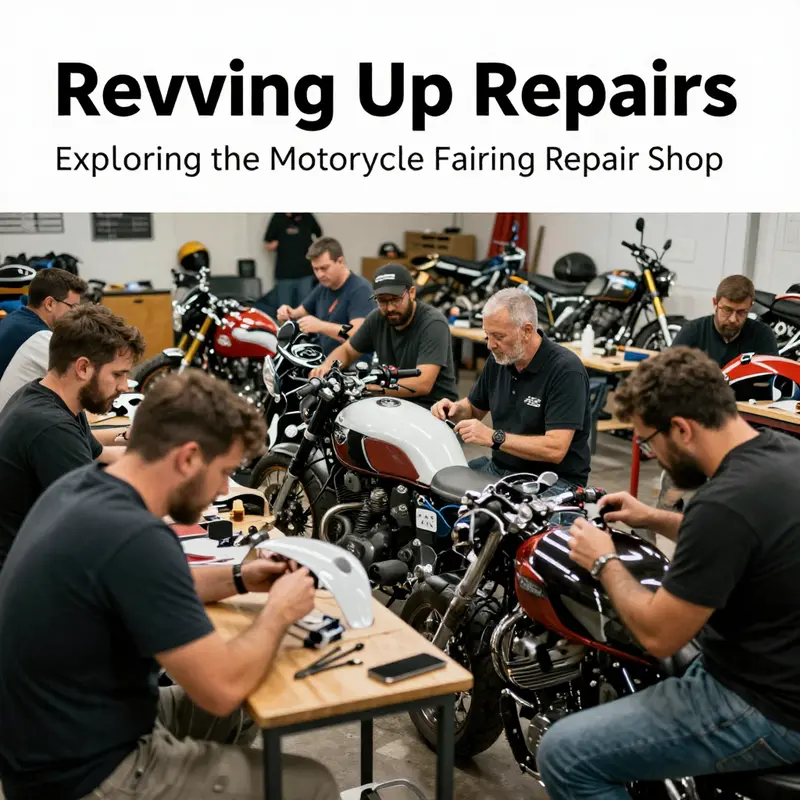
Repair shops also function as social spaces. They are more than service providers. Many become local hubs where riders compare stories. People swap tips about road conditions, routes, and parts. Staff may offer insights into upgrades, or recommend a riding school. These exchanges foster trust. Over time, a customer base forms around shared experiences and mutual respect. The shop becomes a node in a larger network of clubs, online communities, and events. That network multiplies the value of a well-executed repair. A restored fairing can spark compliments at a meet-up and start conversations that lead to friendships.
Digital platforms play a powerful role in this cultural exchange. Short video sites and forums amplify repair techniques. Riders post step-by-step clips showing how to fix a cracked panel. These clips celebrate technique and resourcefulness. They reduce mystery around repairs. They also create micro-celebrities within the community. Viewers learn when a simple glue-and-reinforcement method will suffice. They also learn when professional help is necessary. The result is a layered ecosystem. Some riders perform DIY repairs. Others prefer professional restoration for more complex damage. Shops benefit either way. The visibility of repair content increases demand for services that promise a flawless finish.
Repair culture intersects with customization culture. Fairings are an obvious surface for personalization. Paint schemes, decals, and sculpted additions communicate identity. Riders approach repair with a dual purpose. They want structural soundness. They want the look to remain coherent. Skilled shops navigate both goals. They can seamlessly integrate repairs into existing custom work. They can also help riders refine their aesthetic. This advisory role elevates the repair shop from mechanic to creative collaborator.
This collaboration has economic implications. A quality repair can preserve resale value. It can also reduce long-term ownership costs. Rather than replacing panels and paying high material and shipping fees, customers often find repairs more cost-effective. Shops serve riders who care about investment and preservation. They also serve riders who prize performance and safety. A repaired fairing that restores aerodynamic balance can preserve handling characteristics. In some cases, repairing a structural fairing element is essential for continued safe riding.
Insurance dynamics also influence repair choices. Insurers may offer replacement as the default. Yet policyholders who wish to keep original parts often request repair. Shops that work with insurers navigate claims, estimates, and approvals. Their ability to document work and justify repair costs matters. Transparent communication about what can and cannot be restored builds trust. Likewise, shops that provide clear warranties help customers feel confident about repair decisions.
The availability of aftermarket parts and repair kits complements these commercial relationships. Kits enable informed riders to take on minor fixes. Aftermarket components provide alternatives when damage is severe. Shops often coordinate parts procurement. They know which aftermarket pieces balance price, fit, and finish. This role saves customers time. It also keeps work within trusted hands, ensuring correct installation and paint integration.
As technologies evolve, so do repair methods. New resins, adhesives, and reinforcement techniques improve outcomes. Advanced color-matching tools and spray systems make repaints less detectable. Some shops now incorporate digital tools. Scanners capture panel geometry. 3D printers create internal mounts and supports. These additions do not replace the human touch. Instead, they expand the shop’s capacity to restore authenticity. A well-equipped shop uses technology alongside manual skills to achieve durable, subtle repairs.
The cultural significance of repairing fairings also extends to inclusivity within the motorcycle world. As more diverse groups take up riding, repair shops become welcoming places for riders of all backgrounds. Shops that emphasize education and empathy attract a broader clientele. Offering transparent pricing, clear explanations, and learning opportunities helps demystify maintenance. This approach strengthens community ties and creates a sense of belonging.
Repair shops can further shape culture by engaging in outreach. Hosting workshops or clinics teaches basic repair skills. Sponsoring local rides or safety classes embeds the shop in community life. These activities position the shop as more than an economic entity. They make it a cultural steward. The social capital generated by such involvement often translates into long-term loyalty and word-of-mouth referrals.
Events and club culture also elevate the role of fairing repair. At rallies and track days, repaired bikes stand as testaments to resilience. A bike that returns to the road after surgery invites admiration. Stories of how a fairing was salvaged become part of a rider’s legend. Shops that craft these narratives—by showing before-and-after photos, or by explaining their techniques—help build brand identity without selling products. They sell stories, and stories stick.
The identity preserved through fairing repair is not only personal. It is historical. Classic models and rare paint schemes often cannot be replaced without losing value. Repair shops that specialize in older plastics and paints serve collectors. They keep heritage machines on the road. This role contributes to a living history of motorcycling. Museums, collectors, and enthusiasts rely on the technical memory preserved in these shops. In this way, fairing repair becomes a practice of cultural preservation.
Economic ecosystems form around this preservation. Local suppliers, painters, upholsterers, and logistics services benefit from repair work. Specialty powder coaters or decal artists get referrals. Independent shops often subcontract to a network of artisans. This web sustains small businesses and keeps specialized skills in circulation. When a community values repair, it invests in the trades that make repair possible.
The fate of a bike’s appearance can also influence rider behavior. Riders who take pride in their machine often ride more carefully. They invest in protective gear like sliders and frame protectors. They consider track-day setups and commuter priorities differently. Repair shops contribute to this behavioral feedback loop. By advising on protective measures and demonstrating the cost of neglect, shops help reduce future damage. That preventative counsel is a softer but powerful form of cultural influence.
Finally, consider the emotional dimension. A repaired fairing can restore more than looks. It restores confidence. It restores memories of a favorite ride. Shops that recognize the emotional stakes of their work build deeper customer relationships. A technician who appreciates the sentimental value of a scratched fairing treats the repair as care. Those customers remember the kindness and skill.
In sum, fairing repair shops do much more than mend plastic. They preserve identity, sustain craft, and knit communities together. They reduce waste and preserve value. They act as cultural nodes, where stories, skills, and social bonds coalesce. The repaired fairing is a small object with outsized cultural importance. It signals resilience. It signals care. It keeps riders connected to their bikes, and to each other.
For riders seeking practical guidance about when to repair and when to replace, a detailed resource can help clarify options and costs. See the Motorcycle Fairing Replacement Guide for a deeper look at what to consider: https://www.carinterior.com/motorcycle-fairing-replacement-guide-what-to-look-for/.
For riders interested in exploring aftermarket options and model-specific fairings, browsing a focused product category can be useful. One example is a collection of fairings for popular sport bikes like YZF models, available at fairings for YZF.
Together, repair knowledge, accessible parts, and community practices ensure that fairing repair shops remain vital. They keep machines on the road. They keep culture alive. They transform damage into opportunity, and loss into a renewed sense of belonging.
Final thoughts
The motorcycle fairing repair shop serves as a critical nexus where technology, economics, and societal values intersect. By embracing modern advancements in repair techniques and understanding their economic contributions, shop owners can elevate their businesses. Furthermore, recognizing the cultural significance of fairing repairs helps foster community ties and enhance customer loyalty. As awareness of the need for motorcycle maintenance grows, positioning a fairing repair shop at the forefront of this industry not only addresses consumer needs but also contributes positively to the motorcycle culture.