
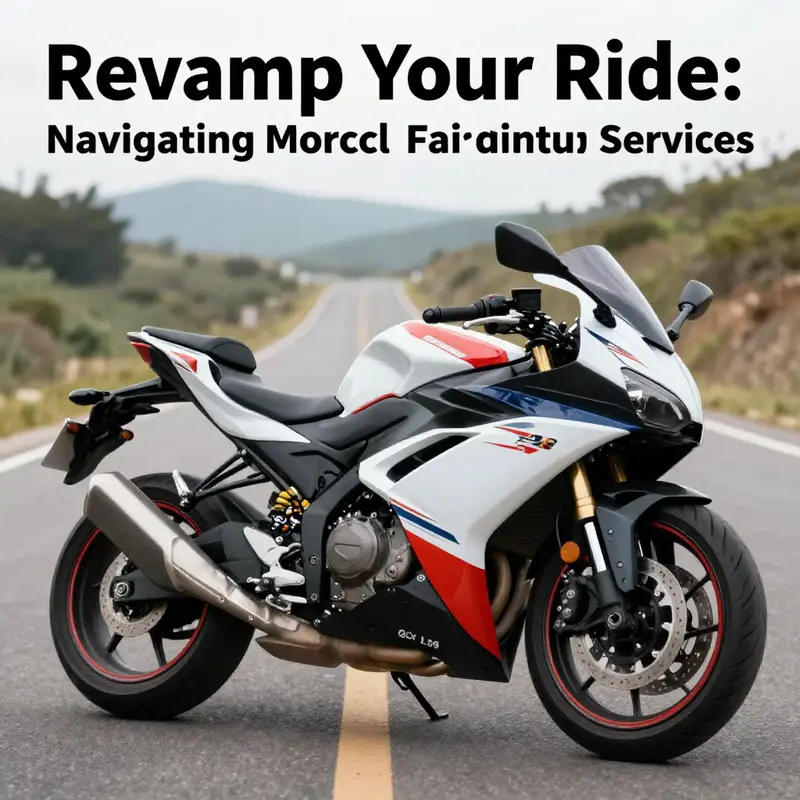
Motorcycle fairing painting is essential for aesthetics and protection. This process requires meticulous attention to detail, ensuring that each curve and contour of your bike is expertly handled. As a business owner, understanding these services will help you better serve your customers or perhaps even elevate your offerings. This article lays out key considerations such as recognizing specialized shops, evaluating their previous work, and understanding potential costs without compromising on quality. Each chapter will deepen your insight into finding the best motorcycle fairing painting services nearby.
Contours and Coats: Navigating Local Motorcycle Fairing Painting Near Me
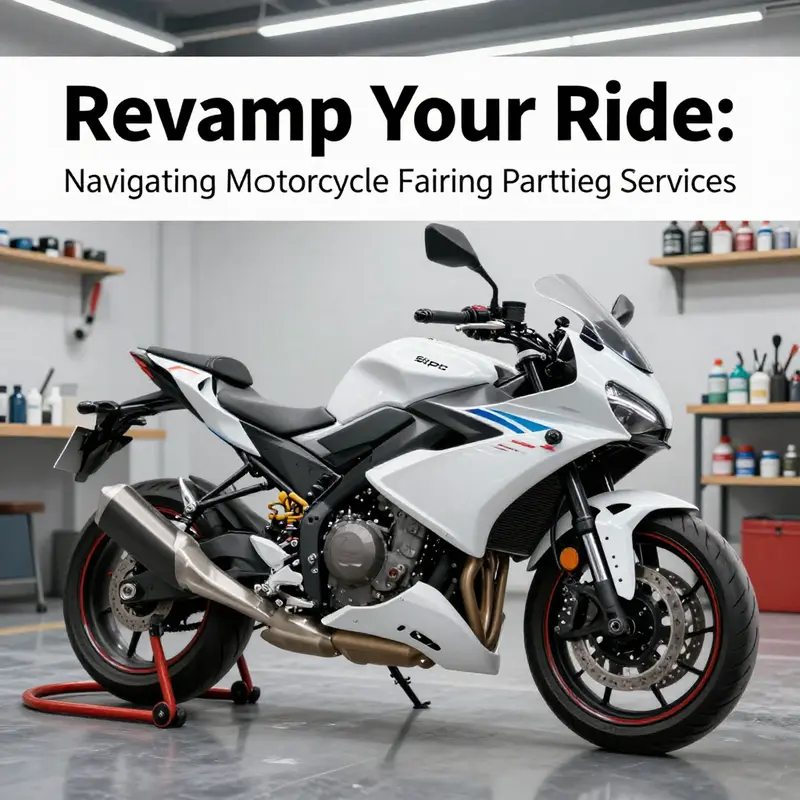
The motorcycle you ride is more sculpture than machine in how it presents itself. The fairings, with their sweeping curves and sharp angles, are the canvas where color, light, and shape meet. When you search for motorcycle fairing painting near you, you’re really looking for a partner who can translate your vision into a durable, factory-like finish that can survive wind, UV exposure, and the daily grind of riding. The choice isn’t merely about color selection or gloss level; it’s about precision, technique, and a shared understanding of how a painted plastic surface responds to the pressing realities of riding. In this chapter, we explore how to navigate the local options with eyes that balance artistry and practicality, while also noting when broader manufacturing options might be worth considering for larger scale needs. The path you take will shape how your bike feels to the touch, how it looks at a glance, and how long that look lasts in the glare of sun and miles between service intervals.
Local specialty shops dominate the most relevant landscape for fairing painting near me because they bring the right blend of proximity, nuance, and accountability. These shops aren’t merely garages with spray guns; they’re studios that treat plastics with care, understand the peculiarities of motorcycle gloss finishes, and maintain spray booths, proper ventilation, and curing environments that plastics-based coatings demand. The skill set here hinges on three core capabilities. First is precision with curves. Fairings aren’t flat panels; they are forms with compound curvature, composite layers, and recessed edges that require meticulous masking and spray technique to avoid pooling, orange peel, or sags. Second is color fidelity. Matching an existing base color or reproducing a two-tone scheme, a matte finish, or a pearlescent effect across multiple panels requires a practiced eye and robust color-control systems. Third is durability. The coatings must stand up to sun, heat, moisture, and the flex of plastic, with coatings and primers that adhere well to ABS or fiberglass composites and respond predictably to temperature changes and impact.
Within a local context, you will often encounter shops that emphasize customization as a core strength. They know riders want more than a showroom finish; they want something that captures personality, racer heritage, or a stealthy, understated tone. The process they employ tends to be transparent and iterative, designed to keep you informed from the first inquiry to the last clear coat cure. A good local shop will typically begin with a thorough assessment, sometimes involving test panels that demonstrate how your chosen color sits against the existing body lines, how it couples with black accents or metallic flecks, and how the finish will respond to light at various angles. This step matters, because what looks right in a showroom light may behave very differently in direct sunlight or under street lighting. Expect conversations about the difference between matte and gloss finishes, the texture of a satin look, and the feasibility of custom patterns like racing stripes or subtle graphics. The goal is not to rush a decision but to translate your preferences into a practical specification that can be executed on the panels with consistent results across the entire bike.
A portfolio matters more than a long list of promises. In a specialized shop, portfolios aren’t trophies on a wall; they’re references in the form of completed projects. When you review past work, you’re watching for craftsmanship in the seams where plastics meet each other, the way edges are finished, and how any repairs—if needed—are addressed so that the final paint job looks continuous. You’ll want to see examples of color matching across adjacent panels, whether the shop can reproduce factory hues or deliver custom tones with subtle depth. You’ll also want to observe finishes in different lighting: a glossy, mirror-like coat and a durable satin or matte finish have distinct behaviors under direct sun and garage lighting. The best portfolios convey not just outcomes but the approach—the steps taken, the level of surface preparation, and the attention given to masking and edge control. If you can’t find enough real-world examples, ask for a few recent project photos and the story behind each finish. A reputable shop will be forthcoming with details about the challenges encountered and how they solved them, rather than offering vague assurances.
When you request a detailed estimate, you’re not simply asking for a price. You’re asking for a map of the entire project. A clear quote should itemize labor and material costs, including primer, base coat, and top clear coat, as well as any additional expenses such as disassembly, reassembly, or the cost of repairing minor scratches or dents that become apparent during prep. The number you receive should reflect a careful assessment of the panels’ condition and a realistic plan for masking all junctions, vents, and attachments. It should also indicate the expected turnaround, which matters if you’re using your bike as a daily rider or if you’re balancing the project with a race schedule. Comparing multiple quotes can be enlightening, as it reveals how different shops price the same tasks and where they see potential value in the process. Yet be wary of quotes that come back with vague language, unclear line items, or a lack of detail about materials and curing times. A robust quote is a sign of a shop that has done its homework and is confident in delivering the agreed finish.
Red flags are not always obvious at first glance. If a shop cannot produce a concrete portfolio, or if the conversation drifts into vague estimates that feel more like guesses, those are reasons to pause. Silence on important questions about masking strategy, surface preparation, or curing conditions is another warning. Professionalism extends beyond the paint booth; it’s evident in how quickly a shop responds to inquiries, how they explain the process, and how they handle requests for revisions or color samples. A lack of patience or clarity in communication often foreshadows problems in the actual project, especially when it comes to aligning color expectations with what can be delivered. The right local partner will treat your questions seriously, provide tangible examples, and walk you through the plan with a respectful, collaborative approach.
If you’re prioritizing convenience or you want a faster turnaround, the local market frequently provides options that accommodate quick scheduling and nearby pickup. You’ll find shops that can accommodate last-minute requests, offer drop-off windows that fit a rider’s work schedule, and provide a clean, organized space where you can observe the process discreetly. In these environments, the exchange of information tends to be straightforward, with checkpoints where you can review progress and request minor adjustments while the project is underway. Yet speed should not come at the expense of quality. A rushed finish, particularly on a curved surface, is a telltale sign that corner-cutting may be in play. The best local painters balance speed with meticulous prep, using well-maintained spray equipment, controlled environments, and curing practices that minimize risk to the finish’s longevity. The aim is to achieve a finish that looks as fresh after months of sun and rain as it does on the opening day, while still respecting your timeline and budget.
For riders who crave the most direct path to a specific visual identity, the local ecosystem also opens doors to collaboration on nonstandard finishes. Matte, satin, or high-gloss looks can be complemented by subtle metallic flecks, subtle tonal shifts, or ghosted graphics that appear under certain light. Custom patterns—whether subtle pinstripes or bold graphic elements—require more rigorous masking and a well-planned die-cut approach to ensure the pattern flows cleanly across panel seams. In this context, the conversation with a painter becomes almost artistic. You’re not merely choosing a color; you are defining how the finish interacts with light, how it breathes on the curves, and how it reads in motion. The truth is that a great result often rests on collaborative dialogue, an iterative approach, and a shared sense of what a “factory finish” should imply in the rider’s everyday life.
As you weigh the broader landscape, it’s also useful to keep in mind the global manufacturing context. For business buyers or for those who anticipate larger-scale needs—perhaps a team-ready livery or multiple bikes—the ecosystem in Guangdong’s manufacturing hubs can offer cost efficiencies and scalable consistency. In these settings, factories with advanced polymer injection molding, automated painting lines, and bonded warehouses near major ports can deliver large volumes with uniform quality. They offer strategies like Delivered Duty Paid (DDP) shipping, which minimizes the downstream burden of customs and duties for North American, European, and Australian operations. Lead times can be reduced by substantial margins through vertically integrated supply chains. While this is a compelling option for bulk orders or commercial fleets, individuals seeking a one-off or a small stretch of color usually find the local, specialized shop’s hands-on care more aligned with personal taste and quick, accountable turnarounds. The key is to recognize which path suits your needs: the local studio that treats your fairings as a bespoke project or the factory network that emphasizes throughput and scale.
Another practical dimension is how you search and select options within your own vicinity. The phrase motorcycle painters near me often yields a broad pool of technicians and shops, some of which specialize in plastic coatings and refinishing, others that approach painting as a broader automotive service. The best outcomes tend to emerge when you sample a few options—review their portfolios, ask to see cured panels under daylight, and request color-matching comparisons against a swatch or an existing panel. When you do identify a shop with the right mix of craft and reliability, you’ll also want to confirm the maintenance plan for your finish. Inquire about recommended washing practices, space for garage storage, and whether the coating system chosen includes UV stabilizers and clear coats designed to resist yellowing over time. The right finish should be not only visually striking but also resilient against the daily realities of riding: the grit of road spray, the occasional abrasion from debris, and the flex that comes from high-speed wind and temperature shifts.
The journey toward a successful fairing paint job, however, doesn’t end with the first conversation or even with the first mock-up. It continues through the finish itself: the curing phase, the final inspection, and the reassembly that brings the bike back to full, ride-ready form. During curing, environmental controls matter. Temperature and humidity can influence how the clear coat hardens, how well it levels, and how resistant it is to micro-scratches during handling. A professional shop will provide guidance on how long to wait before reassembling components, how to gently wipe down the surface without suggesting harsh cleaners, and how to store the bike to prevent dust or contamination from settling on the fresh finish. The final inspection should cover edge joins, panel gaps, and the reaction of the coating around fasteners and vents. Any telltale signs—runs at the panel junctions, mismatched edges, or uneven gloss across curves—should be addressed before you leave the shop with your freshly painted fairings.
From a rider’s perspective, the finish’s appearance is inseparable from its feel. A factory-like gloss conveys a sense of newness; a matte or satin finish can project a different character, one that emphasizes lines and contours rather than reflections. The texture of the surface—how smooth it feels to the touch and how uniform it looks under varying light—speaks to the level of surface preparation that occurred before the first coat was sprayed. A well-prepared surface will show minimal texture when viewed up close, with even color depth and a consistent reflection that makes panel joins disappear into the overall silhouette. The right shop doesn’t just deliver color; it delivers a sense of cohesion—the feeling that every panel belongs to a single, thoughtfully designed piece that rides as a complete visual experience rather than a patchwork of separate parts.
Within this narrative of local craft and global capability lies a practical framework you can apply as you begin your search. Start by identifying shops that emphasize specialization in motorcycle painting rather than general auto body services. Request their portfolios, and don’t hesitate to push for details about their prep work, masking techniques, and the types of primers and clear coats they favor. Ask for a detailed quote that breaks down labor and materials. And listen carefully to how they describe the process, including the curing protocol and any guarantees on color stability or finish durability. If you sense hesitancy or vagueness, that is a clear signal to move on. A reliable partner will welcome your questions and provide precise, experience-backed explanations.
For those readers curious about the broader supply chain possibilities, it’s worth noting that the market offers scalable alternatives while reminding us that personal connections still matter when you want a unique, precise look. Large-scale suppliers bring efficiency and predictability, but they may fall short of delivering the nuanced customization a rider seeks for a single bike. Conversely, local specialists offer intimacy, a collaborative spirit, and hands-on fidelity to your preferences, with the added benefit of being able to preview and adjust in a tangible way. The best outcome often blends these perspectives: a local studio that can manage a custom color or finish with the same care a factory-line process would deploy, supported by a supplier network that can provide materials, color references, or additional finishes if a rider’s project scales up in the future.
If you’re ready to explore the catalog of options that sits behind a few of these conversations, a good way to orient yourself is to browse the fairings’ product-category pages that catalog the kinds of finishes and textures commonly requested in this field. These pages offer a practical glimpse into the range of possibilities—from solid base colors to metallics, pearlescents, and special effect finishes—without committing you to a particular brand or style. They can serve as a neutral starting point for discussions with a local painter, helping you translate intangible dreams into concrete, testable outcomes. For a straightforward view of available fairing-related configurations, you can explore the fairings product category page as a reference point and see how different finishes are described, what textures are supported, and how the vendor presents the options in a structured way. This kind of exploration can inform your conversations with the shop and help you articulate your own preferences with clarity.
To keep the narrative grounded in your local reality, it’s useful to anchor expectations with a practical plan. Start by deciding on the level of personalization you want: do you prefer a faithful reproduction of a classic color, a subtle enhancement that highlights the bike’s lines, or a bold custom design that makes a statement even at a distance? Then consider the maintenance reality of your chosen finish. Gloss finishes often require gentler cleaners and more frequent polishing to maintain their mirror-like look, while matte or satin finishes tend to hide minor imperfections better and can be more forgiving if you ride through challenging weather. Your local painter can guide you on maintenance, including how to clean, what products to avoid, and how to protect the finish from common hazards like abrasive dust or chemical cleaners. This guidance is one of the most valuable benefits of working with a true specialist: the long-term care plan that ensures your investment remains satisfying for years of riding.
As you finalize your decision, remember that the landscape surrounding motorcycle fairing painting near me is not simply about getting a color on a panel. It is about entrusting a shared craftsmanship process that respects the bike’s form, the rider’s identity, and the unpredictable conditions of the road. It is about choosing a partner who can anticipate issues, propose practical solutions, and deliver a finish that not only looks right in a showroom but endures when the bike is ridden through wind, rain, and sun. It is about balancing the immediacy of a quick aesthetic update with the longer arc of protection and maintenance that a well-executed paint job provides. In that balance lies the answer to the core question: how best to achieve a fairing finish that feels native to the bike and reliable for the road ahead.
For readers who want a compact reference as you begin conversations with potential shops, consider exploring the broader catalog of fairing options available through category pages that organize finishes, textures, and styles. This approach helps you set practical expectations and frame the discussion around what can be realistically achieved on your bike. When you have a clear sense of the finish you want, you can translate that into questions about prep quality, curing times, warranty terms, and maintenance plans. The best shops will welcome this level of detail, provide a transparent roadmap, and invite you to participate in small checks along the way to ensure the final result aligns with your vision. In the end, the right choice will be the one that makes your ride feel both personal and enduring, a blend of art and engineering that stands up to the miles and the seasons you ride through.
Finding the Right Fairing Painter Near You: How to Spot Quality, Costs, and Local Specialists
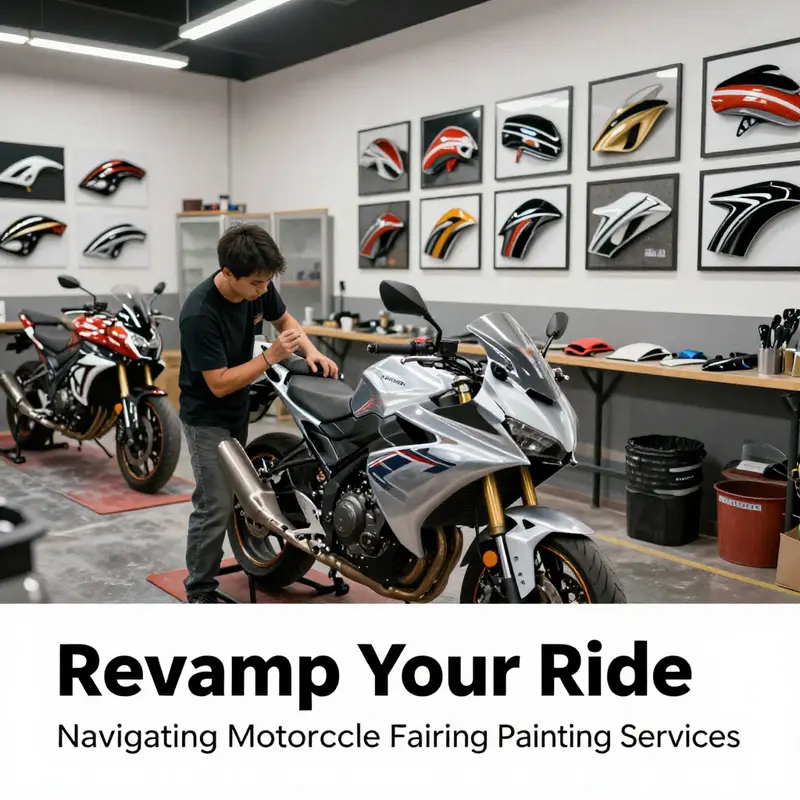
Choosing where to entrust your motorcycle fairings is more than a convenience decision; it defines how your bike looks and performs for years. The curves, vents, and fastener points on modern fairings demand more than a quick spray. A good shop blends technical skill, consistent materials, clear pricing, and responsive service. Read as a single, practical guide that walks you through what to look for, how to compare options near you, and why a few regional differences matter.
Start by narrowing your search to specialists. Shops that focus on motorcycle painting know the peculiarities of fairing plastics and fiberglass. They understand how colors behave over curved surfaces and which primers and clear coats bond best to different materials. General body shops may paint cars well, but motorcycles have tighter tolerances and more compound curves. A specialist will typically show precise masking, edge blending, and consistent texture across panels. Look for signs of practiced technique: even edges, no orange-peel texture unless specified, and consistent color from every angle.
A visible portfolio is a practical test. Reputable painters keep a record of before-and-after photos, work-in-progress shots, and samples of finishes they have produced. Examining a portfolio lets you judge color matching, finish quality, and the range of styles a shop can execute—matte, gloss, two-tone, gradients, or complex patterns. Ask to see whole projects rather than isolated close-ups. Whole-project photos reveal whether the shop can maintain flow and alignment across multiple parts. If a shop resists sharing real cases or provides only stock images, take that as a warning.
Quotes reveal much about a shop’s professionalism. A reliable estimate breaks down labor, materials, and extra charges. Materials should include primer, base coat, clear coat, and any special additives or topcoats. Labor should account for disassembly and reassembly, sanding, repairs, and the actual spraying time. Additional expenses could cover repair of scratches, filling small cracks, or film wrap services. Ask for a written estimate with a realistic timeline and payment terms. Comparing multiple written quotes helps expose unusually low prices that may hide subpar materials or skipped steps.
Inspect the workspace when you can. A clean, organized spray area with proper ventilation and filtered airflow indicates attention to detail. Look for separate prep and paint booths. Proper equipment—pressure pots, regulated compressors, and high-quality spray guns—matters. A tidy shop is more likely to control dust and overspray, which makes a visible difference in the final finish. If a shop cannot accommodate an in-person visit, request high-resolution photos of their booths and equipment.
Ask about materials and methods. Not all paints and clear coats are equivalent. A quality shop should name the types of primer and clear coat they use and explain why they choose them. For example, certain primers adhere better to ABS plastic; others smooth rough surfaces more effectively. Clear coats differ in UV resistance and hardness. Matte and satin finishes require different clear coats and often a different prep process. Confirm whether the shop blends color across adjoining panels or paints parts separately. Blending provides a seamless appearance on the bike, but it takes more time and skill.
Understand the process before the paint hits the booth. A typical professional workflow includes consultation, sanding and prep, repair or filling if necessary, primer application, base color, and multiple layers of clear coat. Between each coat, technicians check for runs and dust, often wet-sanding to smooth imperfections. Ask how many clear coats they apply and whether they buff and polish the final finish. Also clarify who is responsible for removing hardware and whether the quote includes reassembly. Missing hardware charges can inflate a final bill unexpectedly.
Warranty and post-service support separate an amateur from a dedicated pro. A good shop stands behind its work with a warranty on paint adhesion and defects. Warranties vary, but ask about duration and what’s covered. Also ask how they handle chips, fading, or clear coat failure. Some shops offer touch-up services or a follow-up inspection after a set period. Clear communication and written guarantees offer peace of mind, particularly with high-end or custom finishes.
Pay attention to lead times and scheduling. Popular specialists often book in advance, and certain finishes require curing time. Ask for an estimated start date and completion date. Tight turnaround promises may indicate rushed work. Good shops give realistic timelines and explain the steps that determine length. If you need both mechanical work and painting, find a shop that coordinates timelines effectively. Some shops provide one-stop service that covers both painting and mechanical maintenance. This can simplify logistics and reduce the risk of damage during transport.
Watch for red flags. If a shop is vague about pricing, refuses to show past work, or fails to answer technical questions, walk away. High-pressure sales tactics or unusually low bids are suspicious. Be cautious if technicians seem hurried or if the shop can’t explain its prep process. Also be wary of shops that speak poorly of competitors; professional shops focus on their own strengths rather than disparaging others. Communication is part of quality: if staff are patient, clear, and willing to answer questions, you’re likely dealing with a shop that values customer experience.
Regional options often reflect local strengths and specialties. In one coastal city, a neighborhood shop has built a reputation for fair pricing and skilled technicians. They handle accident repairs and specialize in motorcycle paint jobs, serving riders who need steady, reliable service without a premium price. In a northern city known for its finishing techniques, a customization shop focuses on color accuracy and Guangzhou-style finishing. They offer full repaints, custom color work, and restoration. Their process emphasizes consultation, design, contract-signing, execution, and post-service support, giving clients a clear path from idea to finished bike. For riders who need both painting and mechanical work, a shop in a regional hub provides one-stop services: painting, engine tuning, and electrical repairs. Combining services minimizes transport and ensures that mechanical disassembly and reassembly are handled by the same team responsible for the finish.
If you are interested in wraps as an alternative to paint, some shops specialize in both painting and film wrapping. These shops often work on a range of brands and models and operate within larger auto centers. They may offer wrap options for full coverage, partial accents, or protective films. Wraps can be a good choice for reversible color changes or for adding complex graphics without irreversible paint work. Choose a provider with proven wrap installations on similar fairings. Proper edge sealing, heat treatment, and post-install inspection are signs of an experienced wrapper.
Compare price versus value carefully. A low price may save money upfront but cost more later if the finish fails. Ask about the longevity of the materials used and verify the curing and baking processes. Understand whether the shop uses automotive-grade or industrial paints, and whether their clear coat has UV protection. When comparing quotes, factor in warranty coverage, materials, and visible craftsmanship from their portfolio. A slightly higher quote that includes top-quality products, careful prep, and a warranty often represents better long-term value.
Use customer feedback and direct contact to verify reputation. Online reviews give a broad sense of customer satisfaction, but read them critically. Look for consistent mentions of workmanship, timeliness, and how shops handle problems. Recent photos and follow-up responses to complaints show an active, responsible business. Calling the shop and asking specific questions about a past project you saw in their portfolio tests their transparency. Professional shops will happily explain their choices and offer references.
When you decide on a shop, get everything in writing. The contract should include the agreed scope, paint codes or color samples, an itemized cost breakdown, expected start and completion dates, warranty terms, and the payment schedule. Include responsibilities for parts removal and reinstallation. If custom graphics or patterns are involved, attach the design mockup to the contract. A clear agreement reduces misunderstandings and gives you a basis for recourse if something goes wrong.
Finally, plan logistics. Transporting a bike for paint work often requires disassembly to avoid overspray on mechanical components. Ask whether the shop provides pickup and delivery or if you must arrange it. If you keep your bike in the shop during mechanical work, ensure it will be stored safely. Also inquire about how they protect finished parts during reassembly and transit. Proper crating and padding prevent chips and scratches.
If you want to explore replacement or aftermarket fairings alongside painting services, you can review parts options categorized by make and model. For example, if you intend to change fairings before painting, reviewing the Kawasaki fairings category helps identify compatible parts and styles. https://ultimatemotorx.net/product-category/kawasaki-fairings/
For regional details and contact information about the customization shop mentioned earlier, visit the Baotou service reference provided in the research materials: https://www.bao-tou-paint.com
This approach—specialist selection, portfolio checks, clear quotes, on-site inspection, material verification, warranty review, and careful logistics—lets you choose a shop with confidence. Your bike’s finish is a long-term statement. Invest the time to compare options, and you’ll get a result that matches your vision and lasts for seasons on the road.
Anatomy of a Local Paint Job: The Cost-Craft Equation for Motorcycle Fairings
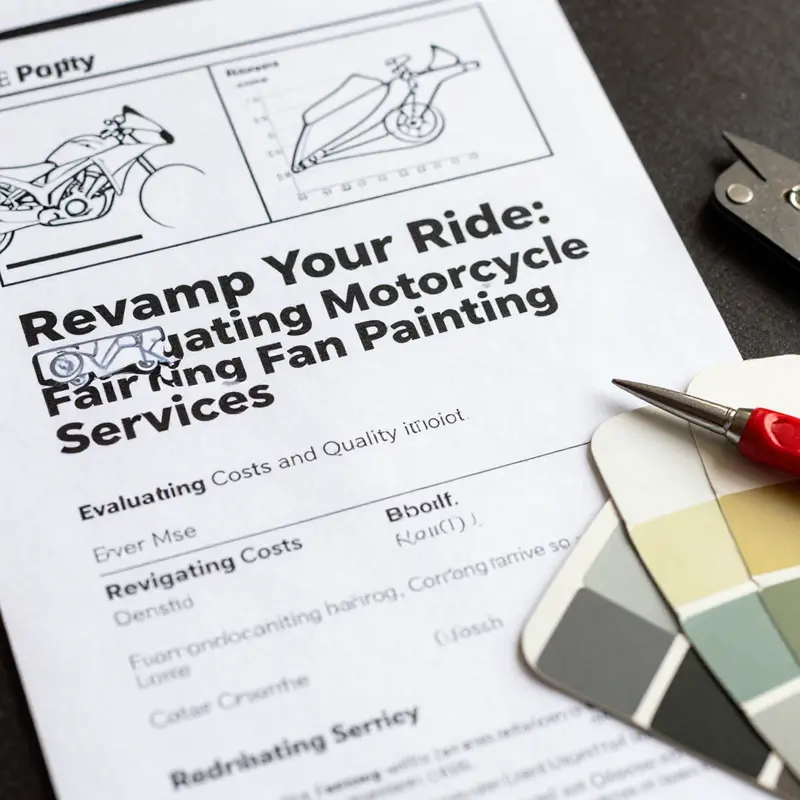
Choosing to refresh the look of your bike by painting the fairings is more than a cosmetic decision. It is a collaboration with craft, process, and timing that happens closest to where you ride. The decision space sits at the intersection of price, durability, and personal style, and it commands a practical approach because the results affect not just appearance but the bike’s resale value, aerodynamics in the wind, and even how you feel while you ride. In a market where the cheapest option can tempt you with a low-stakes price tag, the more meaningful choice is the shop that can translate your vision into a finish that lasts and ages well under heat, UV exposure, and the friction of road debris. This chapter unpacks that cost-craft equation, staying anchored to the realities of local motorcycle fairing painting near you, where the best outcomes come from specialization, transparent processes, and a clear path from quote to finish.
First, recognize why specialization matters. Motorcycle fairings are not simply panels that sit on a chassis; they are curved, composite, and often molded with complex shapes and subtle lines. The spray technique has to follow every contour without sags, drips, or over-spray on adjacent components. A shop that treats fairing painting as a core specialty will bring a different level of muscle memory to masking delicate edges, selecting primers that adhere to plastics or composites, and applying base coats that yield consistent color across multiple pieces. In contrast, a general auto body shop might handle metal panels with ease but still struggle with plastic prep, edge masking around mounting points, or color matching on molded surfaces. The practical upshot is that a local, dedicated painter—one who routinely handles motorcycle fairings—often delivers tighter tolerances on color, sharper edge lines, and a finish that withstands the rider’s daily exposure to sun, rain, and heat.
That expectation anchors the cost discussion as well. The price you pay for a paint job is never flat; it reflects a bundle of choices and constraints. A basic repaint with standard finishes can fall in a wide range, typically between a few hundred and a little over a thousand dollars. The stretch from $300 to $1,600 captures variations in panel count, surface condition, and paint system. If the work includes new decals, color-matching to a precise baseline, or a gloss that resists chalking in brighter sun, the bill climbs. When you add custom graphics, airbrushing, or unique finishes—gloss versus matte, metallics, candy colors, or pearlescent effects—the price climbs again, typically from $800 up to well over $2,500. These figures are not arbitrary; they’re the product of not only labor hours but the subtle art of material selection, surface preparation, and post-paint protection.
The preparation stage, in particular, is the largest cost driver and the most consequential. Preparation is not mere sanding; it is a sequence of critical steps that establish a durable foundation for the finish. Sanding removes imperfections, scuffs the existing surface for better adhesion, and levels any irregularities. Priming fills in pores and provides a uniform base for the color layer. Surface repair work may involve filling dents, smoothing scratched areas, and addressing any cracks or delamination in the fairing substrate. Each of these steps adds time and material costs, but skipping or rushing them invites problems later. A well-prepared surface reduces the risk of adhesion failure, solvent bubbles, or finish wear in high-traffic areas like the lower edge of a fairing where rocks and debris tend to strike. The cost of this preparation should be visible in the detailed estimate; if it’s not, that is a red flag.
Paint quality also matters. The choice between OEM-grade paints and high-gloss or specialty finishes affects both appearance and longevity. OEM-grade finishes are formulated for compatibility with bike plastics and coatings, and they typically yield a robust, even color that ages gracefully. High-gloss finishes can look striking but may require more stringent color-matching work to ensure the final sheen and depth are consistent across all panels. Specialty finishes—metallics, pearlescents, or matte textures—introduce another layer of complexity and cost, because they demand precise mixing, controlled lighting during application, and added layers of clear coat to lock in the effect. In every case, the shop’s transparency about paint brand families and the type of clear coat used matters when you weigh the expected durability and the time until the next refresh.
Color matching is a quiet but powerful determinant of value. There is nothing more frustrating than a color mismatch between panels or a shade that shifts under different lighting. Skilled painters use reference chips, lamp-controlled color perception, and sometimes accept a sample panel from you to calibrate the mix. They may also perform multiple passes or test spray panels to confirm color alignment before committing to the entire job. Your ability to review a portfolio—past work that demonstrates successful color matching on bikes with similar contours—is a practical way to gauge this competency. A portfolio is not vanity; it’s a litmus test for whether the shop can deliver something that looks right in natural light and in street lighting after dusk. If the shop’s gallery or case studies omit examples of color-matched work or show uneven finishes upon close inspection, that should raise concerns about long-term satisfaction.
Transparency in pricing is the bridge between expectation and reality. A reliable shop will provide a detailed written estimate that breaks down labor, materials, and any ancillary costs. Labor covers the actual painting time, masking, and assembly or disassembly if parts must be removed for access or protected during the process. Materials include primers, base coats, primers for plastics if needed, and multiple coats of clear finish. Additional items—like touch-up work on minor scratches, dent repair, or removal of fasteners—should be itemized. In a well-scoped quote, you’ll also see the number of stages, the type of masking used on complex edges, and the curing time recommended by the paint manufacturer. A clear price breakdown helps you compare apples to apples across different shops and reduces the risk of “small print” charges sneaking in after you’ve given the go-ahead.
However, price alone is not a verdict. There is a temptation to chase the lowest price as a shortcut to a good outcome, but low quotes often reflect corners in preparation, cheaper or incompatible paint systems, or compressed timelines. The most reliable signal of value is the combination of a robust portfolio, clear communication, and a detailed, itemized estimate. Look for a shop that explains not only what is being done but why each step matters. For a panel as visible as a bike’s fairing, every extra hour spent on masking or edge preparation pays back in the absence of costly touch-ups or premature wear. When you’re weighing quotes, compare the scope of work line by line: does one shop include extensive dent repair while another does not? Are they factoring in disassembly and reassembly? Do both offers account for compatible clear coats and cure times? A truthful, thorough quote often reflects the professionalism you expect in the final result.
As you weigh these variables, turn to the shop’s process as a predictor of quality. The best shops insist on masking all surrounding components, using edge protectors, and performing multiple stages of sanding and priming before color is introduced. They protect the bike in a dust-free booth or controlled environment, and they control humidity and temperature to optimize curing. They will explain the importance of each stage, from base color to clear coat and subsequent polishing. They will also outline aftercare: how long to wait before washing, what cleaning agents to use, and how to avoid hard impacts that can crack or mar a fresh finish. Durability is not about a single hour under a spray gun; it is the cumulative effect of meticulous surface preparation, correct paint system selection, and disciplined curing conditions.
Color decisions matter, too. Some riders want a simple, clean finish that mirrors the original palette, while others seek bolder identities—graphics, stripes, or fully custom artwork that requires testing and revision. In custom designs, anticipate a longer timeline and more iterations. Each design phase—sketch, mock-up, stencil, and final application—adds to the cost but also increases the likelihood of a result that precisely matches your vision. The best shops view this as a collaborative process rather than a one-way transaction. You should feel invited to review proofs and discuss adjustments, not handed a fixed plan with no room for feedback.
An honest local painter will also help you consider the practical aspects of repainting versus replacing components. If fairings are cracked, warped, or structurally compromised, repainting may not be a durable option. In such cases, replacement with new or used panels and then painting to match can be a better investment, preserving the structural integrity of the bike while achieving the look you want. The decision is influenced by labor costs, the availability of panels, and the feasibility of achieving a seamless match with existing parts. A thoughtful shop won’t push you toward replacement as a default; instead, they will explain whether repainting is feasible and what you can expect in terms of color harmony and longevity. This is precisely the kind of guidance that translates into value over time rather than immediate savings.
DIY is another fork in the road. Some riders consider painting their own fairings as a weekend project, hoping to save money. The reality is that a professional finish requires specialized tools, a clean environment, and a practiced hand. Even small mistakes in masking or airbrushing can ruin a panel, and the cumulative cost of correcting errors can exceed the price of a professional job. If you’re drawn to DIY, view it as a learning experience with an acceptance that the final appearance may be imperfect and require subsequent professional intervention. The take-home message is simple: a skilled painter’s work is often the most cost-effective route when you measure the long-term durability and the confidence you want when you ride.
What should you expect in the final phase? After the paint cures, a careful evaluation follows. The shop should recheck color consistency across all panels under several lighting conditions, test-fit the pieces, and perform any necessary reassembly with attention to mounting points and hardware compatibility. They may advise a light polish to enhance gloss and remove minor dust nibs or texture differences that can occur in the final clear coat. A well-executed finish will show even color depth, uniform gloss, and edges that look crisp rather than blurred. This is where the portfolio and the in-person examination of prior work become essential. A good painter’s reputation rests on the visible proof of careful craft, not on promises made in a predawn appointment.
If you are exploring options locally and want to anchor your choice in practical terms, consider how close the shop’s capabilities are to your goals. Do you want a simple, clean repaint that preserves and extends the life of your current panels, or are you chasing a bold, personal statement with graphics and texture? Your answer will shape the balance you strike between cost and craft. A straightforward repaint for a tired finish may justify a mid-range price that emphasizes prep quality, while a high-visibility design or a complex color system should command a premium that pays for design collaboration, color accuracy, and the final sealing layers. In both cases, a shop that speaks plainly about the steps, offers a transparent line-item quote, and demonstrates a track record of durable, high-quality work is best positioned to deliver satisfaction and value.
For riders who want a tangible next step, a simple cue is to review the shop’s past work directly. Look for finished projects with clean edge lines around logos, flawless color matching on multi-panel sets, and a finish that remains smooth after a light wipe-down. If you notice frequent post-service touch-ups in the gallery, that can indicate ongoing issues with adhesion or color stability in their previous projects. Conversely, a portfolio that shows a consistent progression of challenging jobs—curved fairings, complex color blends, and multiple panel color matching—speaks to a shop’s capability and reliability.
In this practical ecosystem, the right local option is the one that aligns price with process and expectation. The cost can be a proxy for the level of preparation and care the shop will apply. The quality should manifest as color harmony across panels, edge crispness, and a finish that stands up to the realities of riding—road grit, sun exposure, and the rough handling of daily use. When you walk away with a well-documented quote, a confirmed schedule, and a sense that the shop has the expertise to honor your design intent, you have found a partner who can translate your vision into a durable, visually compelling reality. If you’re curious about model-specific panel options later in your project, you can explore a practical reference to CBR fairings as a model of how related parts are organized and priced in market catalogs. See the option labeled CBR fairings for context and related visuals.
External resource for broader guidance on locating top-rated motorcycle paint shops: https://www.carinterior.com/motorcycle-paint-shop-near-me
Final thoughts
Finding the right motorcycle fairing painting service is crucial for businesses focused on customer satisfaction and quality. By understanding the necessary details of the painting process and carefully selecting specialists, you can ensure that your customers receive top-notch services that enhance the visual appeal and protection of their motorcycles. Remember to evaluate previous work, ask for detailed quotes, and be wary of any signs that indicate a lack of professionalism. Emphasizing these aspects will not only elevate your offerings but also build trust and credibility within your community.