
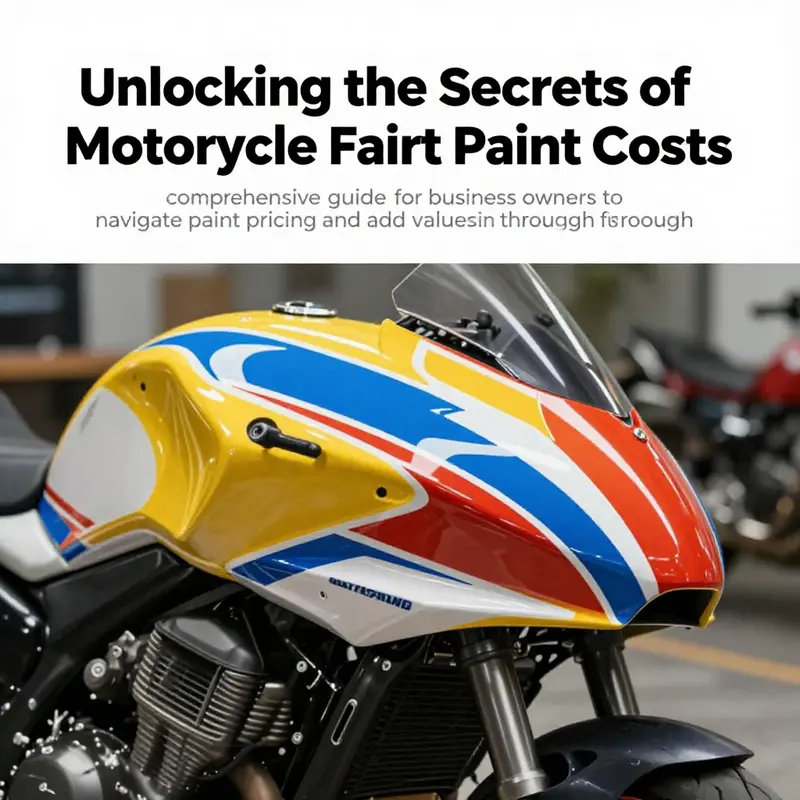
Understanding the cost of painting motorcycle fairings is essential for business owners in the motorcycle industry. With a basic paint job ranging between $300 to $600, knowing the differences between simple and complex designs can significantly influence your pricing strategy and service offerings. This article delves into the intricacies of motorcycle fairing paint costs, providing a detailed breakdown, examining the influencing factors, comparing different service costs, and discussing the long-term value of investing in quality paint jobs. Each chapter will equip you with the insights necessary to enhance your business and cater to customer needs effectively.
null
null
The Price of the Finish: Unraveling What Shapes Motorcycle Fairing Paint Costs
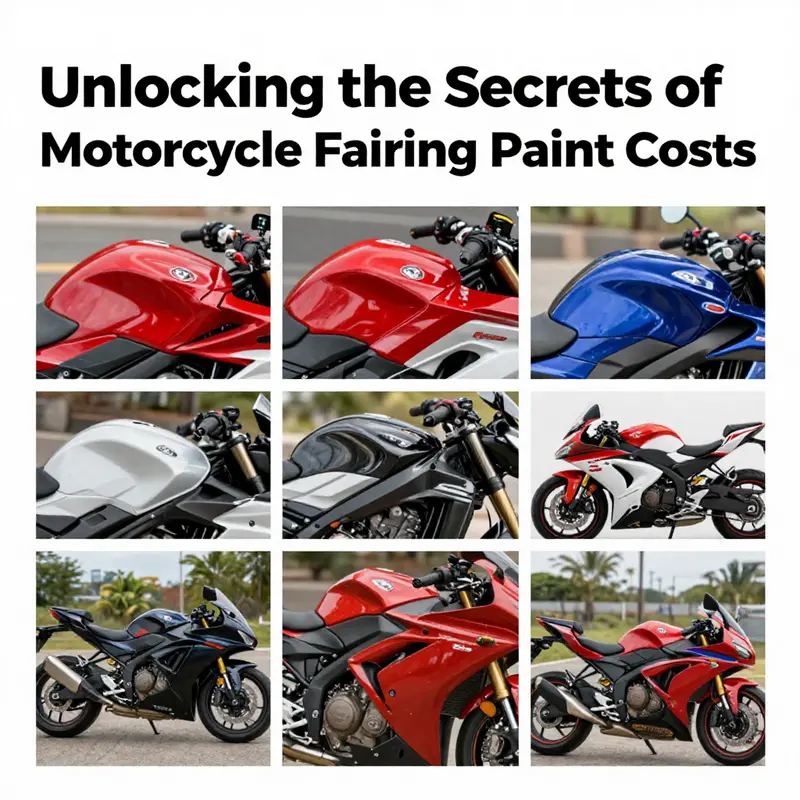
A motorcycle’s appearance often makes the first impression, and the finish on its fairings is where that impression is made most vividly. The cost of painting motorcycle fairings is not a single number but a spectrum driven by choices, condition, and context. When a rider asks for a price, the shop’s answer depends on a mix of materials, labor, and the particular story the bike is asking to tell. To understand how that final figure arrives, it helps to walk through the core factors in a narrative that ties together quality, design, repair work, and the economic realities of where a shop operates. It is a conversation that begins with the simplest question—how much does a basic repaint cost?—and ends with a nuanced picture of how a more elaborate finish can swing the price widely. In the simplest terms, the sticker price reflects the value of the finish you want, plus the effort required to achieve it, and the environment in which the work happens.
Paint quality and type sit at the heart of the pricing puzzle. The paint itself is more than color; it is a package of pigments, resins, and stabilizers that determines tone, depth, durability, and how well the color matches across multiple panels. Standard automotive paints, which many basic jobs use, provide reliable color with predictable results and are typically more affordable. When a rider wants something beyond the ordinary—metallic flares, pearl interlays, or specialty finishes that shift in light—suppliers may source premium, sometimes imported, formulations. These premium paints bring a price tag that sits well above standard coatings. It is not unusual for premium finishes to command costs in the higher hundreds per liter, even approaching the lower end of a thousand per liter depending on the effect and the color base. The practical effect is that a single-character, single-color repaint can stay within a modest range, while a finish with depth and shimmer quickly becomes more expensive as material costs rise. The painter’s choice of finish becomes a cost driver in two ways: the per-liter price of the paint, and the amount of paint needed to cover a fairing accurately. In most cases, a complete fairing job requires more than a little bit of paint wash and topcoat; it demands adequate coverage, proper adhesion, and a uniform look that lasts under sun and rain.
Closely tied to the choice of paint is the design’s complexity. Motorcycle fairings are not flat canvases; they are curved, multi-piece structures with random angles, seams, and hidden edges. A simple, smooth single-color application may be straightforward, but any attempt to create depth, shading, or a multi-color scheme multiplies the labor. Masking becomes a delicate art. The painter might be masking inner surfaces, detailing edges, or creating crisp color lines along curves and joints. The more intricate the design, the more time is spent preparing, masking, painting, and rechecking color alignment across panels. Each panel must align perfectly with the next to avoid color shifts and visible seams. The final finish should feel seamless, which is a sign of skilled labor and a mark of a well-executed project. The labor intensity associated with complex designs translates directly into higher quotes. In many shops, the hourly rate for a skilled motorcycle painter reflects that precision, with the shop expecting to recover not just a wage but the specialized expertise that reduces the risk of a botched finish. The interplay between complexity and skill is central: the more complex the design, the more the job tends to cost, even if the material costs are not dramatically higher.
Preparation work is the silent engine behind any paint job’s price tag. A fairing that arrives clean and intact can accelerate the process, while damage requires substantial intervention. Surface preparation encompasses a broad range of tasks: removing old coatings, repairing dents, addressing cracks, filling gouges, and smoothing the surface to a primer-ready state. Each of these steps consumes time and materials. In some cases, a damaged fairing might require bodywork that resembles a small restoration project. Sanding, body filler, priming, and a test-fit of panels all contribute to labor hours and material usage. Even when the outward appearance is deceptively simple, there may be micro-surface imperfections that demand meticulous attention. The better the initial condition, the less time the shop must devote to repair work; the more repairs that are needed, the more the cost climbs. This is not mere pedantry; prep work determines the quality of the final result. A glossy, even finish hinges on a flawless base, and that base rests on the quality of the repair and the cleanliness of every surface involved. In practice, the prep stage often becomes the most variable portion of the project and the most impactful on overall price, because it is where a fairing either becomes a straightforward repaint or a careful restoration with extended timelines.
Labor costs and technician skill sit at the heart of the service price. The craft of painting a motorcycle fairing is a specialized skill that blends precision, an eye for color, and mastery of the spray process. The technician’s experience affects not only the appearance but also the longevity of the finish. An experienced painter can achieve near-perfect color matching, reproduce metallic flecks with precision, and apply clear coats that resist clouding and yellowing. While beginners can deliver good results, the premium for skilled labor reflects a lower risk of errors, fewer reworks, and a more durable final look. The economics of labor also reflect the shop’s overhead and wage structures. In urban centers with higher rents and wages, labor rates are typically higher than in rural areas. That geographical difference translates into price variance for the same level of work. It is common to see a noticeable gap in quotes from city-based shops versus smaller towns for similar finishes, even when the design and paint choice are alike. The human factor—how carefully a painter works, how well they control spray patterns, and how consistently they color-match across panels—often determines whether a job looks factory-new or merely presentable. The cost, in other words, is as much about craft as it is about materials.
Geographical location and market dynamics also shape the final price. The work of painting fairings traverses a regional economy: rents, utilities, local demand, and even the typical wage scale in a given place all influence quotes. Shops in large metropolitan corridors tend to have higher overhead, and often those costs are passed on to customers. In contrast, shops in smaller towns may offer more competitive pricing while still delivering quality work. The practical upshot is that the same job can look dramatically different depending on where it is done. Seasonality adds another layer of price movement. When riding season peaks in spring and summer, demand for paint services can tighten the schedule and push prices up. In off-peak months, some shops offer promotions or extended promotions as the equipment sits idle. The broader market conditions at the time of service—whether a shop is booked out weeks in advance or has immediate capacity—play a subtle but real role in the final quote. For customers who plan ahead, this can translate into better scheduling and, occasionally, favorable pricing.
Taken together, these factors produce a price range that starts with the basics and climbs toward the more elaborate. A straightforward, single-color repaint for a standard fairing is commonly cited in the industry as roughly a few hundred dollars—often quoted around three hundred to six hundred dollars. This range reflects the balance of material cost, labor, and a basic finish. When a project calls for multiple colors, intricate graphics, or specialty effects like metallics or pearlescents, the price moves upward. The labor intensity required for careful masking and color separation, along with the cost of premium finishes, can raise the total by a significant margin. In the context of the numbers provided by industry sources, premium paints can run as high as five hundred to a thousand dollars per liter, while conventional paints may be in the two-hundred-to-five-hundred-dollar range per liter. Although a single fairing may not consume a full liter of paint, the actual amount used depends on coverage, color density, and the need for base and clear coats. The broader takeaway is clear: the finish is a product of both materials and labor, and both are sensitive to choices about color, depth, and protection.
It is also worth considering the practical options that riders weigh when they plan a repaint. A customer who is primarily concerned with restoring factory color and finish might opt for a more conservative approach, sticking to solid color, a basic level of preparation, and a durable clear coat. Such a choice can keep costs closer to the lower end of the spectrum while still delivering a fresh, eye-catching appearance. On the other hand, a rider chasing a show-ready look—perhaps with a custom color, multi-layer finishes, or detailed airbrushing—will likely see the price climb further. The added complexity requires greater care in color matching, specialty equipment, and more comprehensive curing processes. In this space, budgeting for the job becomes a dialogue about priorities: how close to an OEM look, how much personal expression, and how durable the result should be under the elements and the road. In many cases, the decision is not simply “paint or not paint” but which path provides the best balance of aesthetics, durability, and value for the rider’s specific needs.
To translate these abstractions into practical planning, consider how various factors interact. If you anticipate using premium finishes with a complex color scheme, you should expect a higher total investment than a straightforward, single-color job. If the fairing is pristine and requires little preparation, the cost can be contained. If you’re located in a major city, you should anticipate higher estimates, but you may also benefit from shorter wait times and better access to specialized technicians who can achieve a flawless finish. If the bike is a collector or a high-value piece, the premium for expert color matching and meticulous panel alignment may be particularly worthwhile. In all cases, the best approach is transparency: obtain a detailed quote that itemizes paint type, color or finish, prep work, masking, panel preparation, and any decals or clear coats. A well-structured quote helps you see exactly where the cost comes from and where you might trim without sacrificing the finish quality.
As a practical guide, the pricing logic can be summarized as follows: the base cost reflects the fundamental labor and the typical supply chain for a standard finish; the next tier accounts for design complexity and color strategy; the premium tier captures high-end materials, rare finishes, and expert-level color matching; and location and demand provide the final read on what the market will bear at a given time. It is valuable to approach painting fairings with a method that blends these factors. Start with a realistic yet flexible plan: pick a finish that fits your aesthetic goals, be honest about the fairing’s condition, and prepare to discuss how much of the work can be done in-house, whether you can supply some materials, or whether the shop will handle everything from prep to sealant. A good shop will help you navigate these options and give you a transparent, itemized estimate that makes sense for your bike and your budget.
For riders who want to see a tangible sense of how finishes are presented and to explore possible design directions within a broad spectrum of fairing options, a visit to a fairings catalog can be informative. This resource offers a wide range of styles and fitments that can inspire color and finish decisions, while still respecting the practical constraints of your project. For example, you can browse the fairings catalog here: BMW fairings catalog. The catalog approach helps frame decisions about whether a look should be minimalist or dramatic, which in turn influences cost through the level of detail required in masking, color separation, and finish application. It is a reminder that the finish is a conversation between identity and capability: the more the design leans into personality, the more the process demands exactness and time, and accordingly, the more the cost climbs.
In the end, the cost of painting motorcycle fairings is a function of choices and constraints rather than a fixed price. The numbers exist to guide early budgeting: a basic single-color repaint sits around a modest base range, while premium finishes and intricate designs push the total upward. The specifics—brand of paint, depth of color, number of colors, complexity of masking, and the quality of the repair work—shape the final quote. The geographic setting and the shop’s workflow further color the numbers, often in predictable patterns: urban shops tend to be more expensive but quicker, while rural shops may offer a lower price with longer wait times or different scheduling realities. The elements of demand and seasonality add a subtle drift to pricing as well, with peaks in the riding season and offsets during the off-season when shops seek to fill their calendars. Regardless of where a rider stands in the decision process, approaching the project with clear goals and an understanding of these dynamics empowers better conversations with shops and more predictable outcomes.
External resources can provide a broader sense of the pricing landscape and give practical steps for evaluating quotes. For a broader overview of how costs and services line up, an external guide offers a structured look at painting and replacement decisions. See the external resource here: https://www.bikeexif.com/motorcycle-fairing-paint-cost-guide
In sum, the price you pay for a painted fairing reflects more than the cost of pigment. It passes through the sieve of quality and type, design complexity, preparation needs, technician skill, place of business, and the rhythm of the market. By understanding these levers, riders can better predict the trajectory of a quote, ask informed questions, and align expectations with the finish they want. A fairing repaint is, ultimately, a partnership between owner and craftsman: a shared commitment to restoring or elevating a motorcycle’s surface while honoring the bike’s identity and the rider’s vision. The more thoughtfully that partnership is defined at the outset, the more likely the final finish will be both stunning and enduring, a true reflection of value realized in every curve and line of the bike’s profile.
The True Canvas: Costs, Craft, and Choices in Motorcycle Fairing Paint
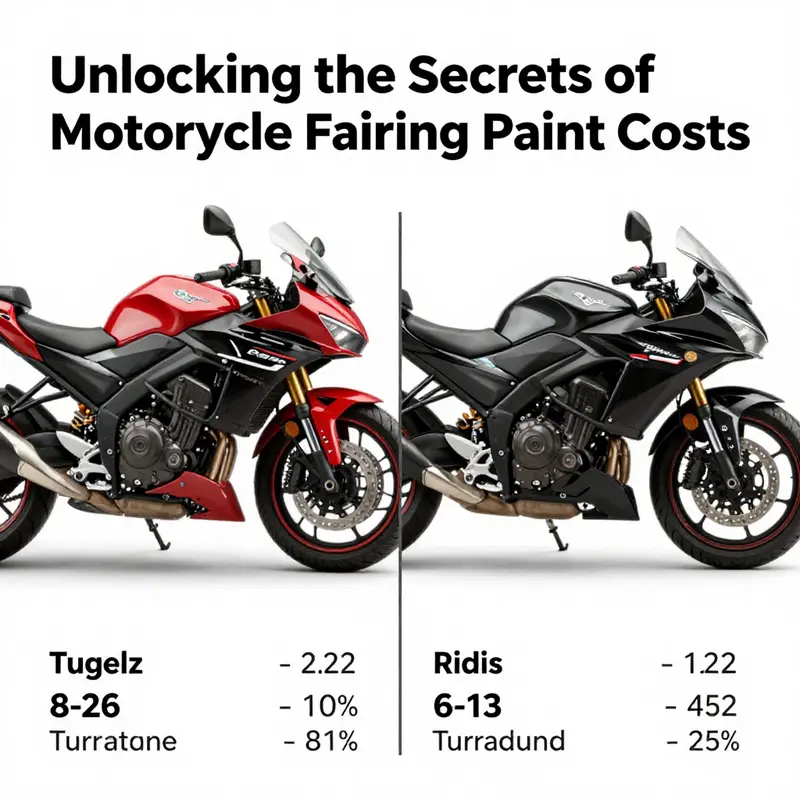
Paint on motorcycle fairings is more than color: it’s a balance of service type, materials, and craft. It must endure weather, road debris, UV exposure, and time, while delivering a look that matches the rider’s intent. In this chapter, we explore how the choice of service, the quality of materials, and the skill of the technician come together to influence the final bill. The goal is to illuminate not only what you pay, but what you gain or sacrifice at each price tier, so you can plan for maintenance, durability, and the kind of finish that best suits your motorcycle’s character and your riding life.\n\nAt the heart of the cost are three levers: service type, material quality, and the expertise behind the work. The service type defines the scope and complexity of the job. A basic color change on prepped panels is the most affordable and quickest path to a refreshed appearance, typically including a primer, base color, and a clear coat applied with standard shop materials. In practical terms, the basic paint job can be a fast route to rejuvenation for a faded factory color or a simple hue change. Prices for this tier generally fall between $300 and $600, and the job usually lands within an 8- to 12-hour window. The finish can look solid at first, but it may lack the depth, scratch resistance, or long-term UV stability of higher-grade work. The value here is immediacy and affordability for riders who want a clean, uniform finish without diving into customization or performance-grade materials.\n\nIf your aim is a turnkey replacement where the fairings themselves are swapped in rather than painted, you’ll encounter a different price structure. A full fairing swap (labor only) can range from $100 to $300, with a typical timeline of 3 to 6 hours. This option is ideal when the rider has sourced pre-painted or aftermarket fairings and simply needs an expert to remove the old components and install the new ones without the complexities of painting. The labor is largely in disassembly and reassembly, alignment, and reconnecting brackets or wiring. The potential risk in this path is that aftermarket fairings may have fitment quirks that require additional fiddling. If the project also includes color matching or blending with other panels, labor can migrate into a more expensive tier. The swap approach makes sense for riders who want a faster turnaround or who have found a particular look in a pre-painted kit that matches their bike’s lines and stance. It is not a solution for changing color or finish on the existing panels; rather, it is a way to upgrade or refresh the exterior using ready-to-install components.\n\nFor riders who crave personality, a Custom Multi-Layer Paint is the pinnacle of expression and costs, typically ranging from $800 to $2,500 or more, with the clock running from 15 to over 40 hours. This is the realm of layered finishes, tailored color transitions, complex masking, and perhaps airbrushed artwork or decals. A multi-layer approach begins with meticulous surface preparation—careful sanding, filler where needed, and a high-quality primer designed to foster adhesion and prevent cracking. Then come multiple base coats that can include metallics, pearls, or special effect finishes, each step requiring careful curing, scuffing, and re-coating. The final clear layers deliver depth, gloss, and a protective shield that can resist road grime and UV degradation for years if properly maintained. The art here is not simply to enclose color but to sculpt light and shade across the planes of the fairing, turning a flat panel into a three-dimensional canvas. The process is labor-intensive, with a higher susceptibility to flaws that can show up under close scrutiny, which is why premium shops emphasize controlled environments, dust-free booths, and top-tier materials. The result is a show-ready, long-lasting finish that can transform a bike’s mood and curb appeal, often making it a focal point in shows or high-end street builds.\n\nMaterial choices are the quiet engines behind every paint choice. The material family spans primers, base coats, clear coats, and special-effect finishes. The primer is the bridge that ensures the color adheres uniformly to the plastic or fiberglass substrate of the fairing. A high-quality primer minimizes peeling and pinholes, and it also helps with color accuracy. The base coat is where the color depth is formed, and it is the layer that most riders can see and feel first. A standard base coat may suffice for a solid, bright color, but those seeking depth or reflectivity may opt for metallics, pearls, or candy colors, each introducing its own cost premium. Clear coats, the final guardians of gloss and UV protection, determine how long the color lasts and how well they resist micro-scratches and environmental exposure. In premium finishes, ceramic-based or highly durable UV-resistant clear coats extend the life of the paint and ease maintenance, often improving resale value or long-term satisfaction. It is not just about looks; higher-quality materials can reduce micro-damage and fading over time, offering a lower cost of ownership when maintenance is factored in across years.\n\nThe skill and reputation of the shop and technician add another layer of value. A well-regarded technician with extensive experience in panel prep, color matching, and finishing tends to charge more, but the premium often translates into better consistency, fewer reworks, and a longer-lasting finish. Paintwork that is performed to exacting standards will feature precise color matching across all fairing panels, consistent gloss, and a robust clear coat that resists micro-scratches and UV damage. Warranties are another signal of quality; the most trusted shops often back their work with warranties that cover color peeling, clear coat failure, and severe color fading for a defined period. For riders, this can be a prudent investment if the bike spends a lot of time outdoors or in climate conditions that accelerate wear. It also helps explain why two similarly priced paint jobs can yield very different lifetime experiences. The more a rider trusts a shop’s track record, the more confident they can be about the durability and the final look.\n\nWithin this framework, the decision between DIY and professional painting remains a central tension. DIY paint kits, commonly priced around $100–$200, promise autonomy and affordability. But the learning curve is steep. Mastering surface preparation, color matching, and the arc of curing times requires patience and disciplined technique. The reality is that many DIY projects end up with rework, micro-scratches, or peeling that creeps in after a few rides. Hidden costs accrue here: wasted materials, sanding dust embedded in corners, or accidental solvent damage to adaptors or seals. Even with practice, achieving the ultra-smooth finish and showroom depth that a pro can deliver demands a controlled environment and calibrated equipment. For a rider contemplating a show-stopper or a long-term commitment to a specific color and finish, the math often gravitates toward a professional route. It is not merely about avoiding mistakes; it is about counting the value of time, patience, and the potential for a flawless finish that endures.\n\nColor strategy plays a significant role in total cost as well. A single-color job is the least expensive path; it minimizes masking, reduces the probability of color drift, and simplifies curing. When logos, decals, or intricate designs come into play, the cost climbs quickly. The more panels involved, the greater the opportunity for color mismatch or edge bleed. If a rider envisions complex layers, gradients, or airbrushed imagery, the price can escalate into the premium tier. A practical approach is to plan the design around the fairing geometry—allowing color to emphasize the lines and contours of the bike rather than fight against them. The conversation with the shop should include how much of the design will be hand-painted versus masked and sprayed, and how the edges will meet across adjoining panels. A well-executed multi-layer scheme not only looks spectacular but also reads as a durable finish when judged by the eye at various angles and lighting conditions.\n\nThe cost discussion often reaches a practical conclusion with a long view. For riders who want a durable, uniform color that refreshes rather than redefines the bike’s identity, the basic route suffices. It delivers a respectable aesthetic without demanding a significant upfront investment. For those who crave a new identity, a stronger shade family, or a design that turns heads on the street or at a concours, the custom multi-layer route offers the highest degree of expression and protection. For anyone choosing to install new fairings rather than repaint, the labor-only swap provides a cost-effective path to transform the bike’s exterior, but it also eliminates the nuance of a painted finish on original panels. In all cases, the quality of the result will hinge on three pillars: the chosen materials, the skill and reliability of the shop, and the level of preparation invested before any paint touches the surface. The most durable, high-quality finishes are rarely accidental; they are the product of meticulous surface prep, controlled environments, and the thoughtful layering of color and protection.\n\nFor readers who want to explore aftermarket possibilities while keeping the process grounded in cost realism, a quick route to broader options can be found in a comprehensive catalog of fairings and related components. This resource offers a window into the kinds of panels you might consider when planning a swap, restoration, or color change, and it can help frame decisions about fit, finish, and compatibility with your bike’s frame and mounting points. fairings catalog\n\nAs you map out your next paint project, keep in mind that the numbers above reflect typical ranges observed across the industry. Specific pricing will depend on local market conditions, the shop’s overhead, the complexity of the design, and the exact materials chosen. It is wise to request a written estimate that breaks down the base price, the materials, any preparation work, and the expected labor hours. A well-documented quote helps you compare apples to apples and understand where you might invest more for quality versus where you can conserve without compromising durability. It also allows you to time the project in a way that minimizes downtime if the bike is a daily rider or a showpiece.
The Enduring Value of Motorcycle Fairing Paint
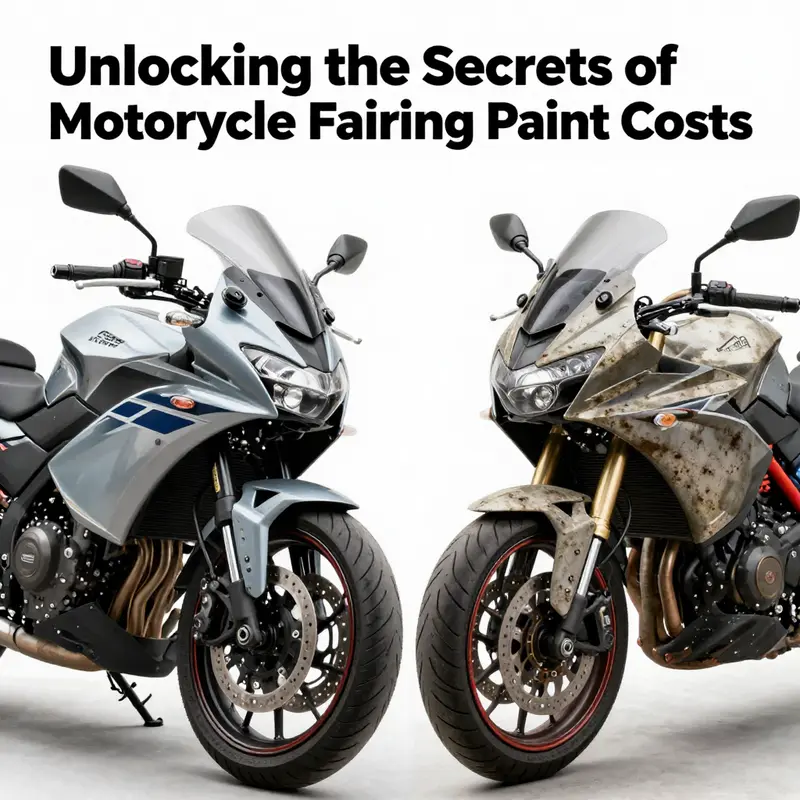
Paint on motorcycle fairings offers more than aesthetics. A quality finish protects the substrate from moisture, salt, UV exposure, and minor impacts, helping reduce long-term maintenance costs. While base costs for a single-color finish can be modest, higher-end finishes, multiple layers, and protective clear coats add upfront value that can pay off through durability and resale appeal. Maintenance—gentle washing, proper cleaners, and timely touch-ups—extends the life of the paint and sustains gloss and color integrity. From a resale perspective, a well-maintained finish signals careful ownership and can contribute to higher perceived value and faster sale times. Modern protective strategies, including clear coats and removable films, offer flexibility to refresh the look without full repainting. In summary, investing in high-quality fairing paint can be a strategic stewardship choice that preserves both appearance and bike longevity.
Final thoughts
In conclusion, the cost of motorcycle fairing painting not only reflects the materials and labor involved but also contributes significantly to the perceived value of your services. By understanding the specifics of what influences these costs, comparing offerings, and recognizing the long-term benefits of investing in quality, business owners can better position themselves in a competitive market. Strategic pricing and quality service can elevate customer satisfaction, fostering loyalty and enhancing profitability in the motorcycle industry.