
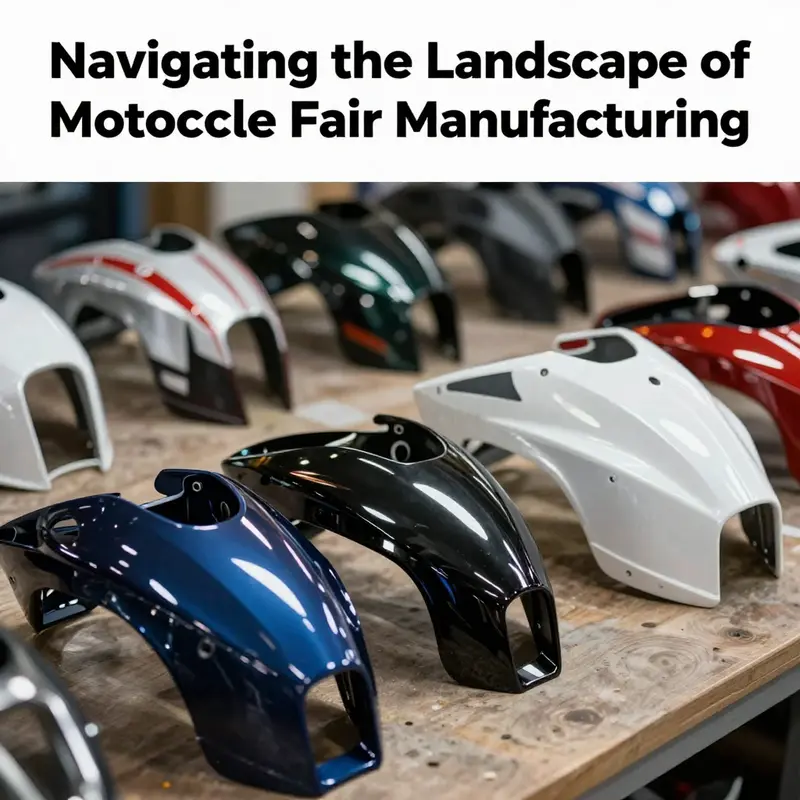
As the motorcycle industry evolves, the importance of quality motorcycle fairings becomes paramount. These crucial components not only enhance aerodynamic performance but also contribute to the visual appeal of motorcycles. Understanding where these fairings are manufactured, who the key players are in the industry, and the latest innovations in manufacturing processes can provide business owners with the necessary knowledge to source effectively and enhance their product offerings. This article delves into the core manufacturing hubs, identifies key manufacturers, explores technological advancements, and highlights B2B platforms that streamline sourcing motorcycle fairings.
Core Manufacturing Hubs That Drive the Global Motorcycle Fairing Industry
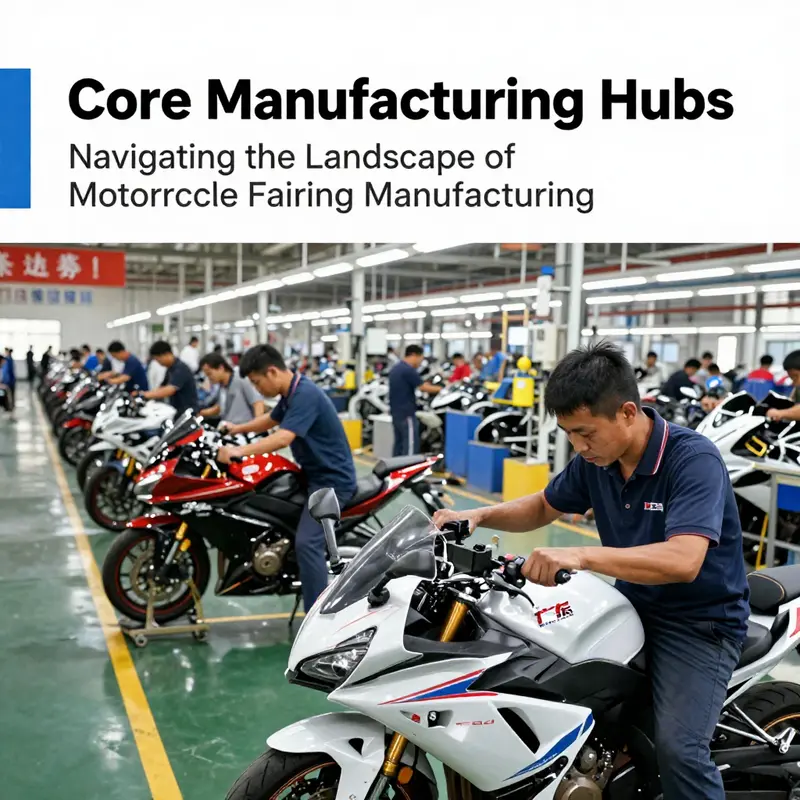
The core manufacturing hubs for motorcycle fairings sit primarily in China, with Guangdong Province emerging as the most significant and integrated center. This is more than a regional convenience; it is the product of decades of clustering, specialization, and a dense network of supporting industries that together shape how fairings are conceived, designed, and delivered to customers around the world. In Guangdong, and especially in the corridors around Guangzhou and Foshan, a remarkable ecosystem has evolved. Thousands of factories operate with a high degree of vertical integration. They don’t merelyproduce the shell of a fairing; they design the molds, run high-precision polymer injection molding, apply UV-resilient coatings, and manage automated painting lines. The result is a level of integration that shortens production cycles in meaningful ways, with lead times that can be cut by a substantial margin compared to more dispersed supply chains. The impact on speed and reliability is palpable, and for buyers who require rapid prototyping and quick scaling, those reductions in cycle time can be the difference between a project stalling and a launch moving forward on schedule.
This core cluster’s strength also comes from proximity to major export hubs. The neighborhood around Nansha and Shekou ports provides a gateway to global markets, making cross-border logistics efficient and predictable. For many operators, this translates into simpler clearance, smoother freight handling, and the potential for Delivered Duty Paid (DDP) arrangements that minimize the administrative load on buyers. In practice, suppliers with bonded warehouses can offer customers a seamless import experience, where duties and taxes are settled upfront through the supplier’s network. Such arrangements not only speed up delivery but also reduce the risk of unexpected costs or delays at the border. It is a practical advantage for brands and distributors who want to keep a lean supply chain and avoid the bureaucratic friction that can accompany international sourcing.
The Guangdong cluster is not a single monolith. It is a network of specialized capabilities that complement one another within a shared industrial culture. Some factories focus on the initial design and tooling, providing stage-gate support from concept through production-ready molds. Others excel at high-precision polymer injection molding, where tolerances, surface finish, and part consistency are critical to fit and aero performance. Yet others specialize in the finish and coating stages, delivering UV-resistant layers that maintain gloss, color stability, and protective performance even under long-term sun exposure. The most advanced facilities in this ecosystem combine several of these competencies under one roof, enabling rapid iteration and integrated quality control. In many cases, an order for a new fairing line can move from concept to first batch in just a matter of weeks, thanks to this vertically integrated flow.
Beyond the sheer scale and speed, the Guangdong region has cultivated a robust quality and compliance infrastructure. Local manufacturers pursue certifications, process controls, and traceability to satisfy stringent standards that international buyers expect. The presence of seasoned toolmakers and mold designers also matters. A well-crafted mold is not just a one-off tool; it anchors production quality over many cycles and through countless color and finish variants. The ability to refine mold accuracy in response to prototype feedback reduces the number of later-stage revisions, which in turn mitigates risk and keeps development timelines on track. In practice, this means a project can move from initial concept to validated production more efficiently, while maintaining high fidelity to design intent.
Vietnam, Indonesia, and other regional hubs also contribute to the global picture, but Guangdong remains the backbone of scale and speed. It is complemented by critical clusters in Zhejiang and Fujian that broaden the spectrum of capabilities available to fairing programs. Zhejiang, renowned for its work in composite materials and precision engineering, adds a layer of advanced techniques that help manufacturers push into lighter, higher-performance configurations. The region’s strength lies in material science, multimaterial integration, and the ability to push the boundaries of how fairings can be formed and finished when performance demands intensify. This capacity complements Guangdong’s strengths in mass production, tooling, and finish logistics, enabling a broader range of products to be brought to market with both efficiency and quality.
Fujian’s role is distinct and increasingly important for specific production streams. It has emerged as a specialized cluster for precision plastic injection molding, an essential technique for producing high-quality fairings that must meet exacting OEM requirements. Fujian suppliers often focus on tight tolerances, repeatable cycles, and consistent quality across higher volumes. This specialization is a strategic complement to Guangdong’s broad manufacturing base, ensuring that even when a project calls for precise, OEM-grade components, there is a robust supply chain nearby with the capability to deliver consistently.
Taken together, these hubs form a triad that underpins the global motorcycle fairing supply chain. The Guangdong cluster handles the bulk of volume, velocity, and end-to-end capability, while Zhejiang contributes advanced materials know-how and design sophistication, and Fujian provides precision injection molding capacity with tight tolerances. This combination yields advantages that extend well beyond the factory floor. It supports a supply ecosystem that can adapt quickly to changing demand, a critical factor as consumer preferences, model lines, and regulatory environments fluctuate across continents. Buyers benefit from a one-stop or near-one-stop experience: design support, tooling and prototyping, high-volume production, surface finishing, and logistics all anchored in a tightly knit network that shares standards, processes, and expectations.
For buyers navigating this landscape, the procurement path is enriched by specialized platforms and catalog ecosystems. A major advantage of Guangdong’s scale is the breadth of available suppliers who can align on common quality benchmarks, share testing protocols, and demonstrate capabilities via a portfolio of prior work. This is where credible sourcing platforms and trade channels come into play. Prospective buyers often rely on established platforms to filter suppliers by technical capability, quality certifications, and responsiveness, then cross-check with references and past project outcomes. It is not merely about price; it is about reliability, predictability, and the capacity to meet precise OEM specifications—attributes that Guangdong’s integrated ecosystem is particularly well-suited to deliver. Within this dynamic, B2B buyers commonly seek a single point of accountability that can manage the entire pipeline—from tooling and material selection to finishing and packaging—while maintaining consistent performance across multiple product iterations and brands.
For those who need to locate exact matches for specific design requirements or compatibility across different model lines, the search can expand into catalogs and supplier listings that organize parts by function, material, and process capability. In this regard, a broad catalog or procurement channel that can present a diverse range of fairing configurations and finishes becomes an invaluable resource. While it is common to consult catalogs and supplier pages, it is equally important to assess a supplier’s technical depth, the robustness of their quality management systems, and their ability to deliver on tight timelines. In practice, buyers increasingly rely on platforms that not only list products but also provide detailed specifications, certifications, and a track record of successful deliveries. The goal is to translate a broad market of suppliers into a curated shortlist that can move forward with test runs, sample pieces, and pilot production.
In terms of the broader supply chain strategy, the Guangdong cluster’s advantages extend to logistics and regulatory efficiency as well. The region’s integration with port facilities translates into shorter transit times to major markets in North America, Europe, and Australia. The ability to leverage port proximity, bonded warehousing, and DDP shipping reduces the risk of customs delays and unexpected charges. This is particularly meaningful for brands that must manage several product lines and timelines simultaneously. The standard of reliability that Guangdong manufacturers have cultivated underpins a risk-managed approach to supply. When a partner can promise not only quality but also predictable delivery dates and transparent pricing, it becomes feasible to coordinate global launches with confidence.
One practical consequence of this ecosystem is its impact on product development cycles. A design team working with Guangdong manufacturers can move rapidly from concept to prototyping to pilot production, with feedback loops integrated into the same facility network. Close collaboration between design engineers, mold makers, and finish specialists accelerates iteration. Engineers can test fit, adjust materials, and refine surface characteristics while maintaining alignment with manufacturing feasibility. This collaborative potential is not merely a convenience; it is a core capability that enables faster market entry and more responsive product management. It also supports customization at scale. A global brand seeking to offer a range of aesthetic or functional variants can rely on China’s core hubs to absorb the variability that accompanies customization, while still delivering consistent quality and reliable lead times.
The narrative of China’s manufacturing hubs also intersects with the evolving demands of sustainability and responsible production. The scale and efficiency of Guangdong’s ecosystem lend themselves to continuous improvement in energy management, waste reduction, and material optimization. The capacity to centralize tooling, process controls, and coating technologies supports cleaner, more efficient production lines. In the long run, this convergence of scale, speed, and sustainability can reshape the competitive landscape by allowing suppliers to offer not only cost advantages but also more responsible and transparent sourcing practices. The combination of mature process infrastructure, capable suppliers across multiple provinces, and robust logistics networks creates an environment where fairings can be produced at scale without sacrificing the precision, finish, and performance demanded by global brands.
To summarize, the global motorcycle fairing supply chain rests on three core Chinese hubs—Guangdong as the mass-production and integrated-capability engine, Zhejiang as the material science and design innovation hub, and Fujian as a precision injection-molding specialist. Guangdong’s scale supports rapid development and fast time-to-market, while Zhejiang and Fujian extend the range of technical options, surface finishes, and tolerances that designers and OEMs require. This triad makes it possible for buyers to navigate a vast, highly capable ecosystem with confidence. It also reveals why many industry players rely on a combination of in-region production partners and carefully curated cross-border logistics plans to maintain competitive lead times without compromising quality. The end result is a global supply chain that can absorb demand fluctuations, maintain high standards, and deliver consistent outcomes across varied markets. It is the interplay of scale, specialization, and logistics that defines the chapter of motorcycle fairing manufacturing in the modern era.
For readers who want to explore specific supplier capabilities or browse a catalog of regional offerings, a targeted approach can be particularly effective. A robust procurement search can filter providers by process capability, adherence to quality certifications, and demonstrated performance in past projects. When engaging with suppliers, it helps to prioritize those who can provide end-to-end visibility, including mold design and testing, material selection, coating and finishing, assembly, and logistics. This end-to-end capability is what sets the Guangdong cluster apart and makes it a dependable platform for global brands seeking both scale and precision. As the chapter moves from the descriptive geography of hub clusters to the practical implications for sourcing and partnerships, the next section will examine how procurement platforms are used to navigate this landscape, how to evaluate supplier readiness, and how to balance cost, speed, and quality in a way that aligns with broader business goals.
Internal link reference for further procurement context: Honda fairings
External resource for additional context on modern supply chains and manufacturing how-to: https://www.mckinsey.com/business-functions/operations/our-insights/the-case-for-digital-supply-chain
Carving the Wind: How Guangdong’s Motorcycle Fairing Makers Shape the Global Industry
The modern motorcycle fairing ecosystem is not a collection of isolated workshops but a living, interconnected network. To read it rightly, one must start with the geography of production, where decades of industry clustering in southern China have forged a remarkably efficient model. Guangdong Province, especially its urban cores of Guangzhou and Foshan, is the beating heart of this world. It is here that a vast cast of specialized manufacturers—mold designers, polymer processors, surface treatment experts, and automated painters—operate as a vertically integrated rather than a fragmented supply chain. The result is a production system that can move with the speed and precision modern riding demands. The logic of this cluster is straightforward: when designers, toolmakers, material scientists, and finishers sit in close proximity, knowledge flows become instantaneous, iteration cycles shrink, and the barrier to new aerodynamic concepts drops dramatically. The effect on delivery times is measurable: lead times shrink by as much as forty-five percent compared with non-integrated suppliers. The advantage is not only speed; it is resilience and refinement. A supplier who can design the mold, run polymer injection, apply UV-resistant coatings, and perform automated finishing can respond to a customer’s change in direction in days rather than weeks, a critical capability when a new model year or a fresh racing silhouette demands exacting tolerances and consistent color performance under varied climates and UV exposure.
The logistics web around these manufacturing hubs compounds the efficiency. Nansha Port and Shekou Port stand as international gateways that streamline customs clearance and export workflows. Local firms frequently maintain bonded warehouses that support “DDP”—delivered duty paid—arrangements, which shield international buyers from complex import paperwork and tax calculations. Such arrangements are not mere conveniences but strategic choices that align with the expectations of OEMs and aftermarket distributors who sell into multiple markets with stringent timetables and high service levels. In practice, this means a complete product journey—from concept to shipment—can be compressed into a single, predictable flow. The combination of robust local capabilities and proximity to major shipping arteries translates into shorter cycles, lower working capital requirements, and the ability to scale up or down with demand without sacrificing quality or consistency.
Within this ecosystem, Guangdong’s dominance is not merely numeric. It is qualitative. The region hosts a dense network of firms that can cover the spectrum of fairing creation: from the earliest stage of mold design to the final, weather-resistant finish. This vertical integration enables cost optimization that is hard to replicate in more dispersed manufacturing models. It also fuels a culture of collaboration across disciplines. Specialists in carbon fiber composites, UV-resistant coatings, and high-precision injection molding can coordinate their work as if part of one company, aligning technical specifications, surface aesthetics, and mechanical tolerances with little friction. This is crucial in a market where even a minor deviation in the thickness of a fairing panel can alter aerodynamics, weight distribution, or fitment on a whole family of motorcycle platforms.
Among the many players contributing to this edge, several names recur for their reputation, capability, and reliability. Yonghan Moduo (Foshan) Automotive and Motorcycle Parts Co., Ltd. embodies the classic Guangdong model: a comprehensive, one-stop manufacturing partner that can take a project from concept to packaging. Guangzhou Rich Technology Co. specializes in high-quality fairing production and leverages its experience to assist buyers with parts that meet the demands of serious riders and technical teams alike. Dongguan Hongyi Carbon Fiber Technology Co., Ltd. pushes the envelope in materials science, applying carbon fiber composites to create lighter, stiffer, and more aerodynamically efficient fairings for premium applications. Shenzhen Oya Ri New Materials Co. further demonstrates the innovation strain in the region, delivering material solutions that support customization at scale.
These firms are not just suppliers; they are part of a broader procurement ecosystem that includes reputable manufacturing platforms and disciplined quality assurance practices. For buyers seeking precise matches for specific models or variations, the path often runs through established procurement channels that can vet capabilities, certifications, and case histories. Chinese platforms that aggregate supplier information provide visibility into production capacity, lead times, and quality-control track records. Companies can evaluate whether a potential partner has the right mix of tooling, automation, and coating technology to deliver consistent, repeatable results—even for niche or highly regulated markets. The emphasis on capability rather than mere price is a hallmark of the Guangdong model: the most reliable suppliers combine technical competence with supply-chain transparency and robust after-sales service.
The story of modern fairings also highlights the central importance of innovation in aerodynamics and materials. Collaboration between manufacturers and brands demonstrates how modern fabrication translates into real-world performance. In a representative scenario, a well-known aerodynamics partner worked with a leading motorcycle maker to refine a fairing silhouette for improved airflow, stability at high speeds, and reduced drag. The collaborative outcome was not only a more efficient shape but also a finish that endures exposure to harsh weather without fading or cracking. While the specifics of that partnership remain confidential, the underlying pattern is clear: design engineers and process engineers converge in the same geographic and organizational space, sharing data, test results, and manufacturing feedback to tighten the loop between concept and customer experience. It is a practical demonstration of how the region’s manufacturing ecosystem elevates performance across the board, from aesthetics to handling to fuel efficiency.
For buyers navigating the global market, the Guangdong cluster offers a combination of scale, reliability, and specialization that can be hard to match elsewhere. The regional advantages extend beyond production lines to include access to a broad catalog of compatible components and services. In an increasingly modular industry, where firms may need to assemble a fairing kit with integrated mounts, windscreen options, and finishing accessories, the value of a well-knit local supply chain becomes evident. The capacity to coordinate parts with strict tolerances, deliver on tight lead times, and provide consistent quality across different manufacturing lots translates into lower risk during new model launches or program refreshes. It is this dynamic that sustains China’s position as a global powerhouse for fairing production, attracting both OEMs seeking reliable long-term partners and aftermarket distributors who demand agility and accountability.
As the market evolves, buyers are often guided by practical research and credible references. When exploring supplier options, a broad evaluation framework helps ensure long-term collaboration is fruitful. Production capability is only one pillar; quality certifications, process control, and the ability to respond to engineering changes must be weighed alongside cost. In this context, international buyers increasingly rely on trusted platforms to filter suppliers by capability, then use direct correspondence and audits to gauge their readiness for sustained engagements. The Guangdong ecosystem makes this approach efficient, because the density of capable firms makes it possible to shortlist multiple partners and conduct parallel due diligence without sacrificing speed.
The procurement perspective also emphasizes the importance of seamless cross-border logistics. The presence of bonded warehouses near major ports reduces the friction of importing into markets with complex regulatory landscapes. For many buyers, the decision to work with suppliers in Guangdong is driven by total cost of ownership rather than raw unit price. Freight, duties, and currency fluctuations are buffered by a mature logistics network and flexible delivery models. In short, the region’s integrated approach creates a predictable, scalable pipeline from design to delivery that fits both OEM programs and aftermarket lineups.
The market reality today is that a large proportion of the world’s fairing demand is served by Asian manufacturers. Guangdong and nearby provinces anchor the supply chain with a dense web of specialists—each with a clear role, each able to contribute to a faster, more reliable product cycle. The value chain is not just about making a fairing shell; it is about delivering a system that integrates with the entire motorcycle, including mounting hardware, surface treatment, and coatings that preserve gloss and color under sunny climates and humid environments alike. For buyers, this translates into a more resilient supply base, a greater capacity to iterate, and a clearer path from engineering intent to visible performance on the road.
As a reference point for readers who want to explore related procurement resources, one can consult a widely used supplier guide that catalogues fairing materials, capabilities, and manufacturing partnerships. This external resource provides a broad view of how suppliers present their strengths and how buyers can map capabilities to project requirements. It also illustrates how platforms facilitate due diligence, contact initiation, and mass-customization strategies that are becoming standard practice in the industry. To gain deeper insight into supplier profiles and the kinds of information buyers typically evaluate when selecting partners, readers can access the guide here: [Motorcycle Fairing Supplier Guide].
In the broader conversation about fairing manufacture, it is helpful to recognize a family of brands that illustrate the spectrum of offerings across the market. Online catalogs often feature extensive fairing lines aligned with different brands and model generations, including aftermarket and OEM-oriented products. A practical takeaway for buyers is to treat the catalog not as a shopping list but as a map of engineering trade-offs. Some items emphasize lightness and stiffness, others prioritize scratch resistance or color-fast performance, and still others optimize airflow around the rider’s body. The Guangdong ecosystem supports all of these goals through a combination of material science prowess, precision manufacturing, and meticulous finishing. For readers who want to traverse this landscape through a brand-neutral lens, exploring a curated set of product categories can be enlightening. A convenient entry point is the Yamaha fairings category, which offers a window into how aftermarket lines organize parts while highlighting common interfaces, mounting patterns, and aesthetic options. The link to that catalog is provided here for quick reference: Yamaha fairings.
The Guangdong model is not a closed system; it is an adaptable framework that invites collaboration. It accommodates the needs of established brands as well as new entrants who want to explore aerodynamic refinements, lighter materials, and faster development cycles. Carbon fiber, in particular, has moved from a niche material to a mainstream option for high-performance fairings. The ability to incorporate carbon fiber into a composite skin or core can yield meaningful gains in stiffness and weight, translating into better handling and reduced energy consumption at speed. Yet the use of advanced materials is not universally required; the most successful programs combine intelligent design with manufacturing discipline. In practice, this means designers working closely with process engineers, material suppliers, and coating teams to ensure that every stage—from resin selection to primer adhesion and topcoat durability—contributes to a reliable, repeatable product.
The chapter’s arc returns to the essential insight: the global market for motorcycle fairings runs on the strength of a well-coordinated supply chain. Guangdong’s industrial clusters, with their dense supplier networks and end-to-end capabilities, offer a template for how to balance speed, cost, quality, and customization. The region’s proximity to major shipping hubs, its development of bonded logistics, and its culture of collaboration across disciplines all contribute to a compelling value proposition for both manufacturers and distributors. This is not merely about making a shell; it is about delivering a complete, high-performance system that supports the rider’s experience, from the first twist of the throttle to the quiet, confident glide through long highway straights.
For readers who want to pursue practical next steps, the approach is straightforward but needs discipline. Start by mapping core needs: model compatibility, required tolerances, surface finish preferences, and post-processing requirements. Then assess production capabilities, including tool design, injection molding proficiency, and coating technology. International buyers should verify certifications and quality-control processes to guard against inconsistencies across batches. Finally, build a procurement strategy that leverages the Guangdong ecosystem’s strengths—rapid iteration, strong after-sales support, and flexible delivery options—without compromising on safety and performance.
An integral part of this strategy is cultivating relationships with trusted local partners who can translate design intent into manufacturable realities. In one representative cluster narrative, a Foshan-based manufacturer known for its one-stop service portfolio demonstrates how a single partner can handle concept, tooling, polymer processing, surface finishing, and packaging. Such a partner is well positioned to support both aftermarket distributors seeking quick replenishment and OEMs pursuing long-term supply contracts. And the broader market continues to respond to these efficiencies with increased confidence, which is essential as the global community of riders and builders pushes toward more ambitious aerodynamic concepts and more sustainable manufacturing practices.
In sum, the story of motorcycle fairing manufacturing is written in the language of location, capability, and collaboration. Guangdong’s industrial architecture has evolved into a living system that not only elevates product quality but also accelerates the pace of innovation. It is a reminder that in a field where small tolerances matter and customer expectations travel at the speed of a passing wind, the pathway from design to delivery must be as smooth as the surface of a well-finished fairing. The winds of change are channeled through the work of skilled engineers, the discipline of advanced materials, and the logistics resilience that makes global distribution feasible. This is how Guangdong’s fairing makers continue to shape the wind—for riders, brands, and markets around the world.
External resource for further reading: Motorcycle Fairing Supplier Guide.
Smart, Lighter, and Integrated: How Innovation Is Redefining Motorcycle Fairings and the Engines Behind Their Manufacture
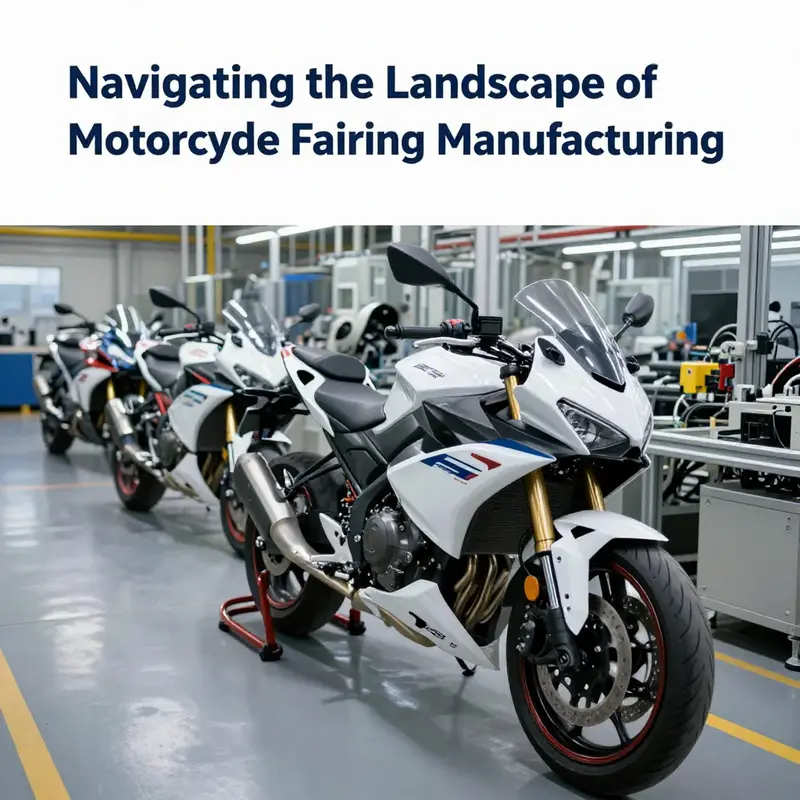
The evolution of the motorcycle fairing has moved well beyond its original role as a protective shell. Today’s fairings are high-performance components that blend aerodynamics, aesthetics, and intelligent integration. This transformation has a direct bearing on how manufacturers organize their operations, invest in materials, and rethink design workflows. In regions that have long served as manufacturing powerhouses for two-wheeled components, such as Guangdong in southern China, the shift toward smarter fairings is especially pronounced. Guangdong’s dense ecosystem of more than sixty percent of specialized fairing producers has matured into a vertically integrated tapestry. Molds, high-precision polymer injection, UV-resistant coatings, and automated painting lines now sit in close proximity to logistics hubs, enabling rapid iterations and shorter cycles that translate into tighter delivery times for customers around the world. The proximity to major international gateways such as ports and bonded warehouses further shortens the path from design desk to showroom floor, a logistical advantage that most buyers value just as much as material performance. This convergence of capabilities creates a unique environment where material science, design optimization, and manufacturing discipline meet in a tightly coordinated chain of value, and it is within this environment that the future of fairings takes shape.
Material innovation sits at the core of the modern fairing story. The race to reduce weight without sacrificing strength has driven a steady migration from traditional resins toward advanced composites. Carbon fiber and high-strength, lightweight polymers now form the backbone of many performance-oriented fairings. The gains are not merely about speed or acceleration; they extend to handling, braking stability, and energy efficiency. Lighter fairings translate into reduced rotational inertia, which in turn improves maneuverability and rider feedback during rapid sequence of maneuvers on track or street. Beyond weight, these materials offer improved fatigue resistance and superior surface finishes that interact more reliably with paint and coatings across countless heat cycles and UV exposures. The result is a durable exterior that maintains gloss and color integrity, an important factor for consumer appeal and brand differentiation. The Guangdong ecosystem has absorbed these material advances and translated them into scalable, repeatable processes that can meet high-mrequency production demands while preserving the performance envelope that riders expect.
A parallel thread to material science is the evolution of design methodologies that exploit the full potential of new materials. Topological optimization has emerged as a practical approach to sculpt fairings with hollow, high-stiffness ribs and strategically placed mass for optimum load distribution. In racing-related research, for example, teams have used topology-driven designs to reimagine the internal fairing spider that supports an external shell. The study demonstrated that a lighter, yet stronger internal structure can be achieved without compromising resilience under aerodynamic loads. Such insights ripple through the manufacturing process: they enable leaner tool paths, less waste in cutting and trimming, and more efficient use of raw materials. In practice, this means a fairing can achieve the desired stiffness-to-weight ratio with less material, which aligns with sustainability goals while delivering the performance gains that riders chase. The Guangdong manufacturing cluster has positioned itself to translate these design efficiencies into real-world parts by combining topological optimization with robust production technologies and rigorous quality controls.
Additive manufacturing, or 3D printing, complements both material advances and topology-driven design. The ability to produce complex geometries with relatively low capital expenditure allows for rapid prototyping and on-demand customization. In the context of fairings, 3D printing accelerates the iteration cycle for internal fixtures, mount points, and even lightweight lattice structures that would be difficult and costly to fabricate with traditional tooling. For race teams and OEMs alike, the ability to test a new geometry and validate it under realistic loads before committing to expensive tooling reduces risk and speeds up development timelines. As a consequence, a broader spectrum of riders can experience personalized fairings that fit their ergonomics and riding style, while manufacturers can maintain smaller inventories of customizable configurations without sacrificing production efficiency. The Guangdong supply chain has embraced this capability by weaving 3D-printed parts into prototyping studios alongside injection-molded components, enabling a more fluid exchange between design and production stages.
A further strand of innovation lies in the electronic integration of smart components within fairings. Modern riders increasingly expect more than aerodynamic performance; they want data-driven feedback and enhanced safety features embedded in the shell that encases their machine. Sensors, lighting, and integrated electronics have begun to migrate from auxiliary add-ons to core aspects of a fairing’s identity. Wind sensors, pressure sensors, and environmental monitors can be embedded within fairings to assess airflow, ride dynamics, and even tire or brake system temperatures. Lighting arrays, integrated into the exterior geometry, can provide improved visibility and communicate rider status or alerts to both the rider and surrounding traffic. This level of integration requires not only sophisticated electronics and wiring but also precise manufacturing tolerances to ensure longevity in harsh operating conditions. The Guangdong manufacturing cluster has responded with coordinated processes that align electronic assembly with traditional composite and polymer production, supported by in-line inspection and burn-in testing to verify reliability before shipment. The result is a fairing that does more than streamline air; it becomes a conduit for performance data and rider safety, signaling a broader shift in how the component is perceived in both racing and consumer markets.
In this broader movement, the practical realities of supply chains and manufacturing operations cannot be ignored. The Guangdong hub does more than supply parts; it offers a fully embedded ecosystem that attunes product design to manufacturing realities. The regional advantage translates into shorter lead times, greater customization flexibility, and lower risk for international buyers who need reliable quantity, quality, and delivery predictability. The 45 percent reduction in production cycles is not merely a statistic; it is a fundamental shift in how companies compete on speed as well as on material science. For buyers, that translates into a more agile procurement process where prototypes can be scaled into full production with less friction, and changes in design or fitment can be absorbed mid-cycle with minimal disruption. In a market shaped by rapid consumer preference changes and evolving regulatory or safety standards, such responsiveness represents a decisive competitive edge.
The practical choices that manufacturers make—what materials to advance, which design methods to adopt, where to invest in additive manufacturing, and how to plan for electronics integration—are all shaped by the interactions among suppliers, designers, and customers. Within the Guangdong ecosystem, a network of companies acts as a living lab where new ideas can be vetted through prototypes and small-batch runs before broader adoption. This is not simply a regional advantage; it is a blueprint for how a modern manufacturing landscape can fuse design exploration with scalable production. The resulting parts are not only lighter and more durable; they also embody a feedback loop where field experience informs material choices, and new manufacturing techniques enable previously impractical design concepts. In turn, customers experience a more complete value proposition: faster access to cutting-edge fairing solutions, greater assurance of quality and fitment, and the confidence that innovations will translate into measurable performance gains on the road or on the track.
To place this in the broader procurement context, buyers seeking model- or fitment-specific options often rely on established sourcing platforms that curate supplier capabilities, certifications, and past performance. The Guangdong ecosystem, with its mature vertical integration, is well-suited to support both standard production and more specialized, on-demand programs. The region’s logistics infrastructure—proximity to major ports, bonded warehouses, and tax-simplified delivery models—helps ensure a smooth path from design file to final part. In practice, that means a buyer can source a catalog of standard fairings and then press for a few bespoke features, such as a tuned internal channeling or a lightweight lattice insert, without facing a protracted development delay. It is this blend of cutting-edge materials science, advanced design, and production discipline that makes the Guangdong model a reference point for the industry and a practical blueprint for global buyers seeking to understand where mature manufacturing capabilities intersect with rapid innovation.
Representative manufacturing players in this cluster illustrate the breadth of capabilities available within a single region. For example, firms that began as general automotive or motorcycle components suppliers have evolved into specialized fairing houses, offering everything from advanced composite layups to UV-coated, painted finishes and automation-driven assembly lines. The presence of dedicated texturing, coating, and finishing stations within the same supply chain reduces hand-offs and accelerates the overall cycle. In addition, several local entities have developed competencies in carbon fiber processing and custom resin systems, enabling performance-oriented fairings to meet even the most demanding weight, stiffness, and thermal management requirements. Alongside these specialized manufacturers, procurement platforms and trade channels play a crucial role in connecting buyers with suitable suppliers. Platforms such as Made-in-China.com, for instance, can help buyers screen for suppliers who demonstrate the right combination of technology capability, quality certifications, and responsiveness. Such platforms offer a structured lens through which buyers can compare supplier capabilities, review past engagements, and assess lead times and pricing. This integrated approach to sourcing—where platform-driven visibility meets regionally anchored manufacturing excellence—underpins the practical realities of today’s fairing market and helps explain how innovations quickly move from laboratory concepts to shop-floor implementations.
For readers considering a more model-agnostic view of the market, it is worth noting how the ecosystem accommodates both racing-focused performance and consumer-oriented styling. The same fundamental innovations—lighter materials, optimized internal structures, and smarter integration—apply across applications, from high-end race bikes to street-oriented machines. The variable lies in the tailoring of the final product: the curves and contours, the locations of mounting points, the types of coatings used to resist weathering, and the degree to which embedded electronics are deployed. A race team might demand ultra-light carbon fiber shells and a highly optimized internal spider, while a consumer model may prioritize aesthetics, heat dissipation for integrated electronics, and a package that blends with the bike’s overall design language. The Guangdong ecosystem is well-suited to support both ends of this spectrum, delivering the engineering rigor demanded by competition and the repeatable quality required for mass-market production.
As buyers and designers increasingly expect a single, coherent experience from concept to delivery, the role of the manufacturer evolves. It is no longer enough to produce a shell that looks the part; the modern fairing must perform under real-world conditions, integrate with sensors and dashboards, and align with the brand’s engineering philosophy. The manufacturers who succeed in this environment are those who harmonize advanced materials science with design optimization and manufacturing discipline while maintaining a robust, responsive supply chain. In this sense, the Guangdong cluster exemplifies a holistic approach: a place where the boundaries between material research, product design, and process engineering blur, and where the end product—a lightweight, durable, and intelligent fairing—embodies the convergence of many specialist disciplines. Buyers who understand this integrated value proposition can leverage the cluster’s strengths to secure fairings that meet exacting performance targets without sacrificing reliability or lead times.
Within this integrated ecosystem, an example of cataloged versatility can be seen in the broader catalog offered by established fairing lines. For buyers exploring ready-to-ship options, platforms and manufacturers within the Guangdong hub have developed interfaces that can accommodate various model families and finishes. An internal link to a broader catalog of fairing options illustrates how standardized lines coexist with customization capabilities. For those seeking a practical reference on the range of fairings available, consider exploring the BMW fairings page, which showcases the breadth of a standardized line and the potential to tailor finishes and mounting interfaces to specific bikes. This kind of reference point helps buyers understand how standardized modules can be adapted to fit a wide range of motorcycles while preserving the performance and aesthetic goals of the design.
All of these developments, materials, and methods point toward a common trajectory: motorcycle fairings are becoming more intelligent, lighter, and better integrated with the rest of the motorcycle and its electronics. This shift is not just about one component; it reflects a systems-level approach to optimization that touches design, manufacturing, supply chain, and after-sales service. For the industry, it means embracing a more dynamic, data-driven relationship with customers and a more collaborative approach with suppliers. It also means that buyers can expect faster access to state-of-the-art solutions, proven through rigorous testing and supported by a robust network of regional producers, logistics services, and procurement platforms. The fairing, once a separate piece of the motorcycle ecosystem, is increasingly a connector—between aerodynamics and handling, between rider data and safety systems, and between regional manufacturing strengths and global market ambitions. The Guangdong model offers a concrete illustration of how that integration can be achieved and sustained in a way that benefits innovation, performance, and the economics of scale.
External resources to deepen this exploration include the ScienceDirect study cited in contemporary literature, which provides a detailed account of how structural optimization, materials innovation, and smart integration are shaping the next generation of motorcycle components. For further reading: https://www.sciencedirect.com/science/article/pii/S2352146522002978
B2B Platforms as the Fast Lane for Sourcing Motorcycle Fairings: From Guangdong Hubs to Global Markets

B2B platforms have quietly become the main arteries through which the modern motorcycle fairing ecosystem breathes. They are not merely meeting places for buyers and sellers; they are orchestration hubs where design intent, material science, tooling, production scheduling, and logistics converge. When a distributor or an OEM seeks a composite or polymer fairing that must survive the rigors of sun, rain, abrasion, and high-speed airflow, the first move is often to survey a network of capable manufacturers that can translate a two-dimensional sketch into a finished part with exacting tolerances. In this context, the B2B landscape becomes a filter and a multiplier. It filters out factories that cannot scale or certify, and it multiplies opportunities by exposing buyers to a wider array of materials, finishes, and process capabilities than any single buyer could assemble on its own. The result is a more competitive, more transparent market where lead times shrink and the risk of misfit parts declines as buyers gain access to verified suppliers, issue-by-issue performance data, and real-time availability.
The beating heart of the global motorcycle fairing sector sits in China, with Guangdong acting as the central nervous system. The Guangdong region, especially the corridors of Guangzhou and Foshan, has developed a dense, vertically integrated ecosystem that supports every stage of fairing production. It is not unusual for a single campus to house a mold design studio, high-precision polymer injection molding, UV-stable coating lines, and automated paint shops, all within a few kilometers. This kind of clustering matters beyond convenience. It reduces the cycle time from concept to delivery, often shaving as much as 45 percent from the procurement-to-shipment timeline. The proximity to world-class ports such as the adjacent Nansha and Shekou hubs further accelerates cross-border movement. Goods can move from factory floor to ocean deck in days rather than weeks, and with bonded warehouses and DDP (delivered duty paid) arrangements, the importers can bypass a swath of customs formalities that once stalled projects or forced costly holdbacks.
This ecosystem is not just about speed; it is about a complete, coherent value chain. The vertical integration found in Guangdong means a customer can move from a CAD file to a finished fairing with minimal handoffs. A typical journey begins with precise tooling and prototyping. Local toolmakers and mold designers understand the tolerances and auto-body aesthetics required by motorcycle brands, and they work in concert with manufacturers who run ABS, PC/ABS blends, and reinforced plastics through automated injection lines. The coatings—abrasion resistance, UV stability, color fastness, and gloss retention—are treated in parallel streams rather than as an afterthought. The paint shop, often equipped with robotic spray booths and curing ovens, integrates seamlessly with the assembly line. When all these steps are tightly synchronized, the production cycle shrinks, and the delivery clock becomes as predictable as a well-tuned engine.
The Guangdong cluster has also adapted to the broader realities of global trade. A number of suppliers have established bonded warehouses and can operate under tax-suspension regimes that enable a faster, smoother DDP style delivery. This approach is especially attractive to international buyers who seek to minimize the friction of import duties, VAT, and local taxes at the destination. In practice, it translates into a single, predictable landed cost and a precise handover at the port of entry, with the supplier shouldering the customs complexity up to the door of the customer distribution center. For buyers, this level of logistics sophistication is not a luxury; it is a competitive necessity that allows them to forecast inventory levels more accurately and to offer faster replenishment cycles to their own customers.
The Guangdong ecosystem thrives in part because of the breadth of capabilities available under one roof. It is not unusual to find highly capable suppliers who can support a spectrum of design and material choices. For example, a Foshan based manufacturer might operate a full chain from mold fabrication and precision injection molding to the application of UV curable coatings and the final assembly. In other cases, specialized players in nearby cities focus on high performance materials such as carbon fiber composites tailored for lightweight, rigid, and crash resilient fairings. The ability to combine these capabilities under a single, often co located supply chain reduces integration risk for buyers and accelerates product development cycles. It also creates opportunities for iterative design, enabling rapid testing of alternate materials, finishes, and geometries without incurring the expense of repeated logistics or new supplier onboarding.
Within this landscape, representative manufacturers and procurement platforms illustrate how a buyer can move efficiently from concept to market. For instance, a Foshan based firm like a comprehensive auto and motorcycle components producer exemplifies how a single supplier can deliver end to end services—from initial design concepts to packaging and logistics. Such a company can translate a model specific requirement into a customized fairing set, perform testing for fitment on a fleet of bikes, and coordinate the final packaging for international shipment. Meanwhile, Guangzhou and Dongguan host entities that emphasize advanced materials and high precision manufacturing. A firm like Guangzhou Rich Technology focuses on high quality fairing production and relies on global procurement networks to secure price competitive materials with reliable consistency. In Dongguan, carbon fiber specialists push into the realm of high end performance fairings that demand lightness, stiffness, and surface finishes that stand up to the sun and the rain at track speeds. Shenzhen based material innovators push the envelope on specialized resins and composite systems that yield new levels of durability without compromising weight. Taken together, these players illustrate the breadth of option sets available to buyers who begin their search on a B2B platform and then narrow down to the best fitting partners.
For buyers looking for precise model compatibility or limited edition variants, such as the 2003 GSXR 1000 class, the procurement path can be especially sensitive to the quality of supplier vetting and the depth of catalog coverage. Platforms that reveal certifications, past project references, and parts multiple application experience become invaluable. In practice, buyers often rely on established B2B marketplaces to screen for the most relevant Chinese suppliers, then leverage direct contact to confirm fitment data, bonding methods, and post sale support. These checks reduce the risk of misalignment between a fairing and a bike mounting points, wind tunnels, and aerodynamics. Specialists who operate at the intersection of design, manufacturing, and international logistics tend to offer the most value here because they can translate brand level requirements into actionable production specs and then manage aftercare, warranty, and returns in a way that preserves long term relationships.
Among the concrete examples in this ecosystem are a handful of well known regional players and procurement channels. One Foshan based enterprise offers a full lifecycle service that covers design, prototyping, tooling, production, and packaging. It has built a robust supply chain that can accommodate small batch volume testing for OEMs and larger batch runs for distributors. Guangzhou based technical firms concentrate on higher precision fairings, with a focus on tolerances and finishes that meet international standards. Dongguan carbon fiber specialists demonstrate how advanced materials are no longer exclusive to premium segments; rather, they are increasingly integrated into a broader range of performance minded products as costs come down and processing becomes more efficient. Shenzhen material science players further expand the palette by introducing new resins and composite systems designed to improve impact resistance and surface longevity under field conditions. For a buyer evaluating a potential partner, a practical checklist emerges: the supplier’s capability to scale, the quality certifications they hold (such as ISO standards), the track record of successful collaborations, and the speed and reliability of response through the procurement cycle. In practice, these checks flow through the B2B platform’s verification features and through direct conversations about capacity, tooling lead times, and production scheduling.
The role of B2B platforms extends beyond listing capabilities. They function as dynamic marketplaces where buyers and suppliers negotiate terms, share technical data, and align on delivery schedules. Reputable platforms provide verified supplier profiles, performance indicators (lead times, defect rates, on time delivery), and secure transaction mechanisms that reduce counterparty risk. In addition, many suppliers display case studies or product catalogs that illustrate their capabilities with multiple materials, finishes, and customization options. This transparency helps buyers compare importers with domestic sellers and decide where a particular fairing’s combination of fit, finish, and price best serves the end customer. The Guangdong cluster’s advantage is magnified in such contexts because buyers can test multiple designs, request samples, and observe how different suppliers respond to customization requests, all within a compact geographic footprint that keeps logistics predictable and manageable.
For readers who want to narrow their sourcing journey to a specific platform, Alibaba.com stands out as a central gateway for a global audience. This platform hosts a curated showpiece of motorcycle fairing suppliers that span regions including Guangzhou and Zhejiang, among others. The page provides supplier profiles, product specifications, certification status, minimum order quantities, and real-time transactional data. These elements collectively support a disciplined supplier evaluation process, enabling importers to balance cost, quality, and delivery reliability with a clear view of each supplier’s capabilities. The platform also extends a layer of security through supplier verification and integrated logistics coordination, helping customers feel confident before placing sizable orders. For those who need to compare a broader range of options, the marketplace acts as a first pass filter that can illuminate possibilities that a single factory floor cannot. It also supports structured negotiations, where terms such as payment schedules, quality control plans, and post delivery service levels can be negotiated in a standardized, auditable way.
As buyers move from initial inquiry to concrete procurement, the experience on B2B platforms becomes one of guided exploration rather than episodic sourcing. The Guangdong ecosystem complements these platforms by offering a ready made, diverse supplier base that can meet a spectrum of requirements—from value driven, high volume orders to high performance, low volume, high certification programs. The most successful sourcing strategies marry the breadth and speed of B2B platforms with the depth of Guangdong’s vertical manufacturing networks. A buyer can begin with a broad search on a platform to understand the landscape, then identify a handful of suppliers with proven profiles, and finally request samples or pilot runs to evaluate fitment, material choice, and finishing quality. In this way, the platform becomes not just a listing service but a collaborative workspace where engineering, manufacturing, and logistics teams co create a fairing solution that meets both aesthetic and functional demands.
There is also a practical, day to day dimension to this approach that deserves emphasis. When buyers consider specific vehicle platforms or model variants, they often rely on platform enabled filtering to identify compatible fairings quickly. For brands with globally distributed audiences, the ability to source standard configurations or region specific variants from Guangdong suppliers translates into shorter lead times and more predictable inventory planning. At the same time, the same suppliers can accommodate bespoke requests such as lightweight versions using carbon fiber or enhanced impact resistances coatings while preserving the efficiency of production lines. In such cases, buyers may find it advantageous to compare carbon fiber capabilities with traditional polymer options to weigh the performance benefits against cost and delivery implications. The Guangdong cluster has shown that manufacturers who can present multiple material pathways each with clear data on weight, stiffness, impact resistance, and repairability tend to win long term partnerships because they enable customers to adapt to changing market demands and evolving regulatory frameworks without retooling entire supply chains.
For those who want to explore knowledge bases and catalog depth beyond a single platform, one practical recommendation is to consult specialized directories and procurement guides that map supplier strengths to specific requirements. In practice, buyers use these resources to differentiate between generalist assembly houses and specialists who offer high end finishes or advanced materials. They also track certifications, past project references, and production capacity as part of their due diligence. A well structured evaluation often includes a mix of standard catalog items and custom design options. The ability to seamlessly mix stock products with bespoke builds—supported by transparent lead times and clear quality assurances—helps buyers move faster through the development cycle and reduces the risk of late stage changes that can disrupt schedules.
To illustrate the breadth of catalog breadth and the ease with which buyers can explore options, consider a practical way to view one brand or category of fairings. For a sense of the breadth of catalog across popular brands such as Honda, see the Honda fairings category. This category demonstrates how a single platform can organize numerous variants by model and year, while suppliers within the Guangdong network can offer scalable production for both mass market and niche models. By using such internal pathways, buyers can quickly align their engineering requirements with production realities, ensuring that the final fairings meet fit, finish, and durability standards across a broad spectrum of motorcycles and riding conditions. The synthesis of platform capabilities and Guangdongs manufacturing prowess creates a sourcing environment where design intent and production execution move together, not apart.
In sum, the B2B platforms for sourcing motorcycle fairings function as critical enablers of speed, quality, and global reach. They empower buyers to compare supplier capabilities, verify certifications, and coordinate complex logistics in ways that would be far more cumbersome through traditional, paper based procurement. They also enable a practical, iterative approach to product development, allowing teams to test materials, finishes, and assembly methods on a scalable timeline. Buyers who leverage these platforms in concert with Guangdongs integrated supply chains gain access to a robust set of options—from cost effective standard parts to high performance, custom engineered fairings. And they do so with the confidence that comes from working with suppliers who can demonstrate traceable capabilities, consistent quality, and a commitment to meeting the demands of a dynamic, multinational market.
If you are mapping a sourcing plan for a new line or a revamp of an existing model, consider using a two track approach. Start with a platform based scan to identify a short list of potential partners whose catalogs align with your technical requirements. Then, layer in the Guangdong ecosystem depth by engaging a few suppliers who can provide prototyping, tooling, and full scale production in a tightly coordinated fashion. This blended approach helps ensure that the journey from prototype to production is smooth, predictable, and scalable. And as you navigate the vendor landscape, keep in mind the practical realities of international trade: the need for robust QA, clear documentation, and a logistics plan that accommodates both small pilot runs and large volume manufacturing. The synthesis of B2B platforms and Guangdongs manufacturing prowess represents a powerful, efficient route to bring high quality motorcycle fairings to market on a global scale, with the flexibility to adapt as styles, technologies, and rider expectations evolve.
External resource: Alibaba.com – Motorcycle Fairings Suppliers. https://www.alibaba.com/showroom/motorcycle-fairings.html
Final thoughts
Understanding the ins and outs of motorcycle fairing manufacturing can empower business owners to make informed decisions when sourcing these components. By focusing on key manufacturing hubs like Guangdong, leveraging the capabilities of top manufacturers, staying abreast of innovations, and utilizing efficient B2B platforms, businesses can ensure they acquire quality fairings that meet their market demands. This comprehensive exploration serves as a foundation for navigating the motorcycle fairing landscape effectively.