
Introduction
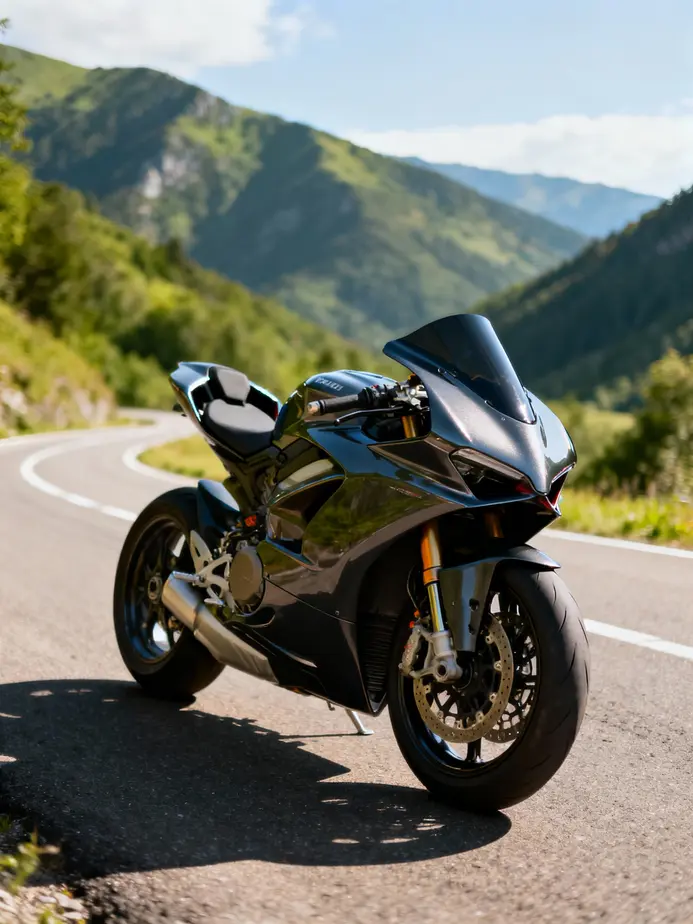
Motorcycle fairing kits serve as critical components in enhancing both the functionality and appearance of sport bikes. Business owners in the motorcycle industry can significantly benefit by understanding these aftermarket bodywork sets. In the first chapter, we will delve into the aerodynamic enhancements these kits provide, fostering improved performance and safety. Next, we’ll explore the economic aspects of motorcycle fairings, highlighting their affordability compared to OEM options and the financial advantages of offering these products. Finally, we will discuss the realms of customization and aesthetics, illustrating how varied designs and personalized touches can attract a wider clientele, ultimately driving sales and customer satisfaction.
Tables of Contents
Chapter 1: Harnessing the Wind: Unlocking the Potential of Motorcycle Fairings for Optimal Aerodynamic Performance
- Exploring How Motorcycle Fairing Kits Optimize Aerodynamics and Enhance Riding Dynamics
Chapter 2: Understanding the Multifaceted Benefits of Motorcycle Fairing Kits
- Balancing Economics and Practicality: The Real-World Impact of Motorcycle Fairing Kits
Chapter 3: The Financial Implications of Upgrading Your Motorcycle Fairings
- Maximizing Value: A Thorough Cost Analysis of Motorcycle Fairings Kits
Chapter 1: Harnessing the Wind: Unlocking the Potential of Motorcycle Fairings for Optimal Aerodynamic Performance
1. Exploring How Motorcycle Fairing Kits Optimize Aerodynamics and Enhance Riding Dynamics
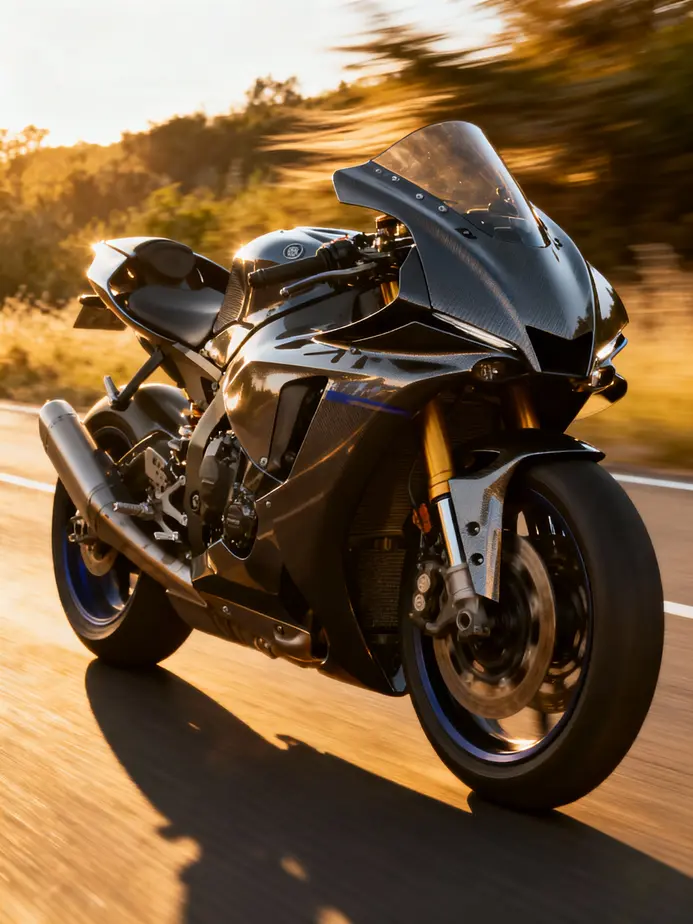
Motorcycle fairing kits serve as pivotal accessories for riders seeking to enhance not only the aesthetic appeal of their bikes but also their aerodynamic efficiency. By meticulously designed to reduce drag and manage airflow, these kits play a crucial role in improving overall performance. The relationship between fairing design and aerodynamic dynamics is complex, yet understanding it can significantly alter your riding experience.
Types of Fairings and Their Aerodynamic Roles
Fairings are not just a cosmetic enhancement; they fundamentally change how a motorcycle interacts with the wind. Various types of fairings, each with its unique aerodynamic properties, exist to cater to different riding preferences and styles.
-
Batwing Fairings: Primarily designed for touring motorcycles, batwing fairings act as physical shields that deflect oncoming air over and around the rider. This design minimizes turbulence, drastically reducing helmet lift and chest pressure. This is particularly useful for long-distance touring where comfort is paramount, allowing riders to maintain higher speeds with less fatigue.
-
Full Fairings: Offering extensive coverage, full fairings envelop the bike and rider, creating a streamlined profile that directs airflow efficiently. This minimizes drag and enhances cooling for critical engine components by effectively channeling air. The aerodynamic benefits of full fairings are evidenced by their use in racing environments, where even the slightest reduction in wind resistance can mean the difference between victory and defeat.
-
Half Fairings: As a middle ground between functionality and aesthetics, half fairings cover the upper part of the motorcycle without fully enclosing the bike. They provide some wind protection and help reduce drag while allowing easier access to the engine. Riders interested in both performance and customization often opt for half fairings.
-
Ducktail Fairings: Characterized by their shortened profile that focuses on the rear of the motorcycle, ducktail fairings are engineered to minimize turbulence generated behind the bike. This design encourages a more aerodynamic outline, ultimately improving stability at higher speeds.
-
Touring Fairings: Typically equipped with adjustable windscreens, touring fairings provide the flexibility needed to optimize rider comfort for varying conditions. Riders can adjust their wind protection depending on speed and weather, tailoring their experience for optimal performance.
Aerodynamic Testing Methods
The effectiveness of these fairing designs is often validated through sophisticated aerodynamic testing methods such as computational fluid dynamics (CFD) simulations and wind tunnel experiments. The application of CFD enables designers to visualize and manipulate airflow over different shapes, allowing them to hone designs that effectively eliminate drag.
For instance, studies have demonstrated that certain fairing shapes can achieve remarkable drag reduction—some sources citing potential reductions exceeding 10%. Similarly, in the realm of cycling, where aerodynamic efficiency is critical, tailored designs have been shown to reduce drag by over 9%, leading to significant improvements in performance.
The design objectives are straightforward: optimizing airflow around the motorcycle to reduce overpressure on the rider’s front and enhance stability overall. Air flowing cleanly around the bodywork allows the bike to cut through oncoming wind more effectively, resulting in both enhanced speed and fuel efficiency.
Key Benefits of Improved Aerodynamics
One of the foremost advantages of investing in quality fairing kits is the significant reduction in drag. By improving airflow over and around the motorcycle, riders can enjoy enhanced fuel efficiency—sustained speeds can yield improvements of up to 10%. Such savings not only amplify your riding range but also speak to the long-term viability of your investment in performance upgrades.
Furthermore, improved aerodynamics promote stability, enhancing handling and ride comfort. Smooth airflow tends to provide a more stable ride at high speeds, which can be a crucial factor in racing or when embarking on long highway journeys. Reduced wind buffeting minimizes fatigue, allowing riders to maintain focus and control over extended periods.
Aerodynamic benefits are also tailored to cater to different riding styles. For example, a sportbike rider might prefer full fairings that maximize speed and stability at racing speeds, while a touring enthusiast may choose batwing fairings for superior comfort during long rides.
Potential Drawbacks
Despite their advantages, the addition of fairing kits is not without its drawbacks. One notable downside is the increased weight that can accompany these enhancements. The additional mass may affect low-speed maneuverability, making sharp cornering more challenging. Riders accustomed to lightweight performance might find handling altered, especially in urban settings where agility is paramount.
Moreover, motorcycles equipped with handlebar-mounted fairings can exhibit increased sensitivity to crosswinds. This can necessitate a more cautious approach to cornering, particularly on open highways where gusts are more common. Lastly, if fairings are poorly fitted, they can alter handling dynamics unexpectedly, leading to an unreliable ride.
Material Considerations for Optimal Performance
The materials used in constructing fairing kits significantly influence their aerodynamic efficiency and overall performance. Lightweight materials, such as high-grade fiberglass or aerospace-grade carbon fiber, are often preferred for their strength-to-weight ratio. These materials not only reduce the total weight of the motorcycle but also ensure the integrity of the fairing under high-speed conditions.
Compatibility with the motorcycle’s geometry is crucial. Well-designed fairings that seamlessly conform to the bike’s natural shape minimize turbulence. In contrast, misaligned or ill-fitted fairings can create disruption in airflow, negating any potential aerodynamic benefits.
As riders evaluate their options, understanding the relationship between fairing design, material choice, and aerodynamic performance becomes paramount. With countless designs available, it’s advisable to consider specific riding goals and preferences to select a fairing kit that aligns with one’s unique requirements. Whether pursuing aesthetic upgrades or tangible performance gains, the right fairing can work wonders for both the bike and the rider.
By understanding the multifaceted nature of motorcycle fairings, enthusiasts can make informed choices that enhance not just the aesthetic appeal of their motorcycles but also their dynamics and overall riding experience. Adaptable, efficient, and intrinsic to the motorcycle’s functionality, fairing kits will continue to make waves in the riding community, promising smoother rides and improved performance.
In conclusion, motorcycle fairing kits are more than just functional accessories; they are integral in defining the aerodynamic characteristics of a motorcycle. Whether for enhanced speed, efficiency, or comfort, the right fairing installation can genuinely transform a bike. Through careful selection and customization, riders can harness the wind, unlocking a realm of exhilarating possibilities on the open road. The importance of proper fit and material cannot be overstated, as they directly correlate to the intended aerodynamic benefits. To take a deeper dive into specific options available for popular motorcycle brands, check out this extensive resource on BMW fairings.
Chapter 2: Understanding the Multifaceted Benefits of Motorcycle Fairing Kits
1. Balancing Economics and Practicality: The Real-World Impact of Motorcycle Fairing Kits
Motorcycle fairing kits represent a convergence of engineering excellence and aesthetic prowess, serving not only as decorative elements but as significant contributors to performance improvements. The correlation between motorcycle fairing kits and aerodynamic efficiency is well-documented; these aftermarket or OEM upgrades are engineered to reduce drag, enhance fuel economy, and stabilize high-speed handling. While the potential for enhanced performance is compelling, equally important are the economic implications and practical considerations riders must weigh when deciding to invest in these modifications.
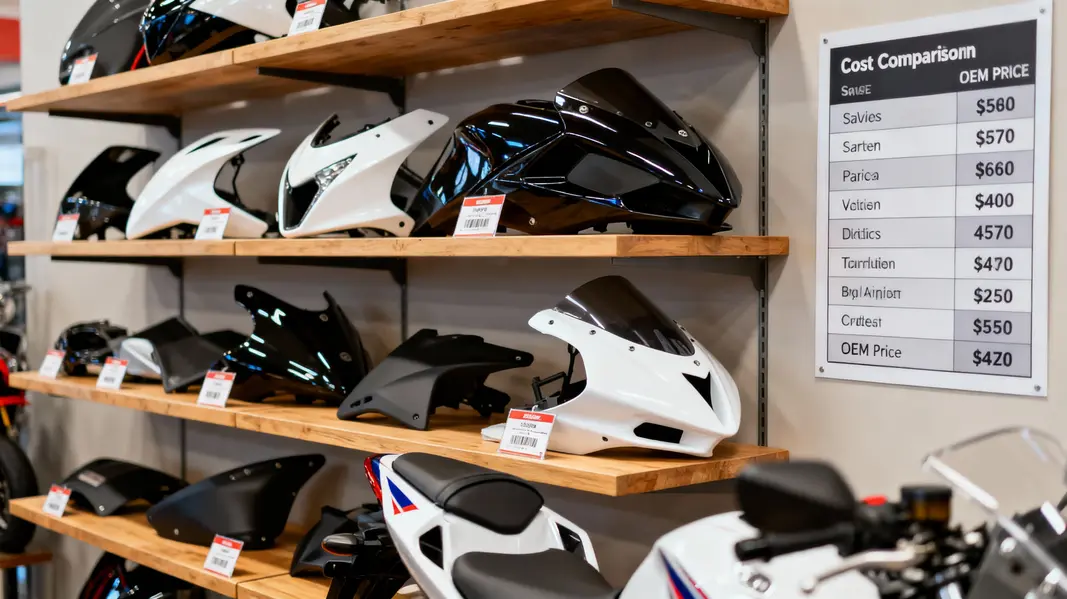
When considering the economic impact, fairings can offer substantial fuel savings particularly for those who engage in regular riding. For a motorcycle that averages 40 miles per gallon (MPG), achieving a fuel efficiency improvement of as little as 10% can mean a savings of approximately $100 to $300 per year. These savings, while seemingly modest, can effectively offset the initial investment in a fairing kit, which ranges from $100 to over $2,000 depending on factors such as the materials used—common options include lightweight fiberglass or durable ABS plastic—and brand affiliations which can add a premium to purchase price. Moreover, the high-quality and precision-engineered fairing kits can potentially increase the resale value of a motorcycle, signaling to prospective buyers that the previous owner was invested in maintaining performance and aesthetics. This is particularly visible in models like the 2026 Harley-Davidson Low Rider ST, which features the FXRT-inspired fairing that appeals to both enthusiasts and collectors.
However, the economic advantages presented by fairing kits do not come without additional considerations. Installation poses a challenge as many frame-mounted options require specialized mechanical skills, often leading riders to seek professional help. This can add unexpected costs and, if improperly installed, may result in altered handling characteristics due to increased sensitivity to crosswinds or compromised motorcycle balance. Notably, while enhancing aerodynamic efficiency, riders should remain aware of the potential trade-off in terms of added weight and the changes to their motorcycle’s responsiveness brought about by incorrect fitment.
From a practical standpoint, the aerodynamic benefits of motorcycle fairing kits are striking. They work to streamline the airflow around the rider, notably minimizing wind buffeting and turbulence. For riders who frequently travel at highway speeds or engage in long-distance touring, fairings serve as formidable windbreaks, significantly enhancing rider comfort and reducing fatigue. For instance, styles such as batwing fairings offer not only aerodynamics but also improved weather protection, allowing riders to feel more secure against elements while enjoying their rides.
Additionally, the modern iteration of motorcycle fairings incorporates advanced materials—carbon fiber features in performance-driven designs like the 2026 Aprilia RSV4 X-GP. These materials reduce overall weight, which can be critical for racing applications where optimizing power-to-weight ratios is paramount. The seamless integration of modern technology has revolutionized fairing design, enabling high-performance configurations that enhance cornering grip by threefold compared to traditional setups.
On the flip side, some riders may find themselves grappling with the drawbacks that heavier setups present, especially in scenarios requiring nimble maneuverability through tight environments or during crosswind conditions. Therefore, choosing the right fairing design—whether opting for full fairings or half-style kits—can play a vital role in aligning personalization with performance needs. Model-specific compatibility checks become essential to achieving an ideal balance between functionality and comfort.
Furthermore, eco-conscious riders may appreciate that motorcycle fairing kits can mitigate emissions by promoting lower fuel consumption. This not only supports individual budgets but also aligns with broader environmental considerations, as reduced gasoline usage directly correlates to diminished carbon footprints. By adopting enhancements that enable more efficient operation, the motorcycle community contributes significantly to environmentally sustainable initiatives for the future.
Ultimately, rider satisfaction is paramount. Many find themselves enamored with the comfort offered during long rides when equipped with high-quality fairing setups. Riders who favor performance enhancements will inevitably weigh the aerodynamic gains against potential steering and handling modifications necessitated by the new additions. Thus, whether for casual cruising or competitive racing, the importance of understanding both the economic and practical implications of fairing kits is clear.
In conclusion, motorcycle fairing kits serve as a manifestation of the intricate relationship between design, functionality, and rider experience. From economic benefits to practical applications, they exemplify enhancements that do not merely upgrade aesthetics but alternatively contribute to a more refined and enjoyable riding experience. As riders evaluate these kits, considerations surrounding cost, installation, and compatibility should guide their decisions to ensure optimal integration with their unique riding style. For those considering aftermarket options, exploring the specific fairing models available for their motorcycle make and model can lead to a well-informative choice that enhances the overall riding experience.
Chapter 3: The Financial Implications of Upgrading Your Motorcycle Fairings
1. Maximizing Value: A Thorough Cost Analysis of Motorcycle Fairings Kits
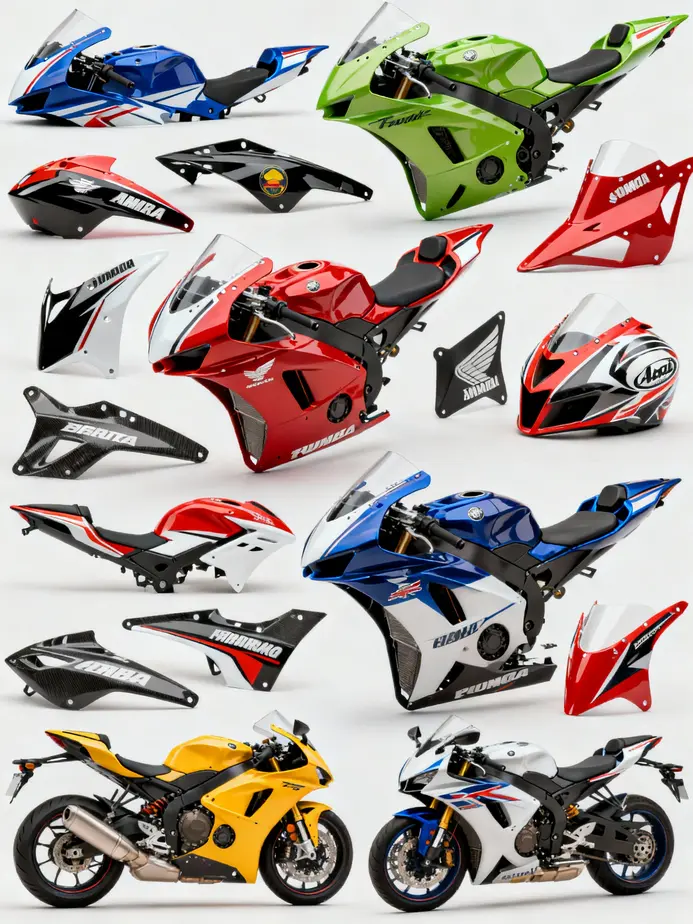
Motorcycle fairing kits present a blend of aesthetic enhancement and functional benefits, but purchasers must carefully evaluate their economic impact. The cost of these aftermarket bodywork sets typically ranges between $150 and $2,000+, influenced heavily by factors such as material selection, design complexity, and the distinction between OEM and aftermarket options. This analysis delves into the cost structure of motorcycle fairings, providing insights into the economic aspects to consider before making a purchase.
Understanding Pricing Dynamics
At the core of fairing kits pricing, one finds significant disparities based on the type of materials used. The most accessible options are typically made from ABS plastic, known for its durability and cost-effectiveness, with prices for aftermarket kits landing in the $180 to $400 range. Mid-range fiberglass options, priced between $200 and $600, offer a blend of customization and slightly elevated resilience. In contrast, carbon fiber kits, revered for their lightweight nature and performance boosts, range dramatically from $600 to over $2,000, underscoring the premium associated with high-performance components.
Initial Costs and Installation Expenses
The direct expenses for motorcycle fairings extend beyond just the purchase price; factors such as installation labor must also be accounted for. Professional installation costs can vary widely, ranging from $150 to $300, depending on the complexity of the fairing attachment and the shop’s hourly rates. For enthusiasts opting for DIY installations, while upfront costs can be averted, there may be hidden costs related to tools and potential mistakes that could require professional intervention.
Additionally, potential restocking fees may come into play when items are returned, particularly if incorrect sizes or designs are ordered. It’s vital for buyers to factor in these possible exchanges into their overall budget, ensuring that their financial planning accommodates unexpected changes.
Evaluating Lifespan and Cost Efficiency
An essential aspect of the economic equation is the lifespan of different fairing materials. ABS kits typically last around 4 to 6 years, while the sturdier carbon fiber variants can exceed 8 years, offering potential savings in the long term. This longevity may justify a higher initial expense, particularly for riders who plan to keep their motorcycles for an extended period.
The mid-range fiberglass options also present compelling qualities, balancing durability and aesthetic appeal for café or vintage motorcycles, enduring between 5 and 8 years. In assessing these factors, it’s clear that prioritizing durability may lead to wiser financial decisions, especially for those who frequently ride or expose their bikes to various elements.
Breakdown by Kit Types
Fairing Type | Average Price Range | Ideal For | Average Lifespan | Economic Insight
— | — | — | — | —
OEM Full | $800–$1,200 | Stock/Touring Models | 7–10 Years | High initial outlay but offers supreme durability.
Aftermarket ABS Kit | $180–$350 | Budget/Custom Riders | 4–6 Years | Best value for everyday biking needs.
Fiberglass Half | $250–$500 | Café/Vintage Bikes | 5–8 Years | Offers customization; important to inspect seams for quality.
Carbon Fiber | $600–$2,000+ | Show/Track Use | 8+ Years | Premium product providing weight savings, crucial for performance.
This table illustrates the varied options available, allowing riders to make informed decisions based on their specific requirements and budget constraints.
Additional Costs to Consider
Beyond the initial investment in fairings, riders should also evaluate other modifications that may influence their motorcycle’s overall performance and appearance. Wrapping fairings, for instance, can provide a fresh aesthetic without the hefty price of premium fairings. Partial wraps might cost between $200 and $600, while full professional wraps can exceed $1,500, whereas DIY options might range from $180 to $650, potentially reducing costs but requiring careful execution to minimize waste.
Wrapping can effectively transform a motorcycle’s look, emulating the aesthetic of more expensive materials like carbon fiber without the associated costs. Furthermore, if you purposefully leverage this tactic, it can add substantial value to a bike while circumventing prolonged downtimes associated with fairing replacements or customizations.
Similarly, riders looking to enhance airflow and cooling for touring models might consider tank lift kits, priced at about $100 to $300. These modifications can further elevate riding comfort and may indirectly complement the effects of new fairings, resulting in optimized performance.
Long-term Economic Considerations
When analyzing the long-term economical impacts of fairing kits, several factors emerge that warrant careful consideration. For instance, warranties accompanying fairing kits can significantly influence perceived value, with more extended guarantees suggesting confidence in product durability and serviceability. Additionally, ease of installation, particularly plug-and-play designs, can minimize potential labor costs and downtime, thereby maximizing the cost-effectiveness of the purchase.
Riders must also be cautious about the reputability of their chosen suppliers. Established aftermarket sources tend to provide not only quality products but also reliable customer service and support, thereby reducing risks associated with poor fit or durability issues. While carbon fiber kits present attractive performance benefits, their higher costs should be weighed against the overall benefits they deliver, particularly for regular riders who seek both aesthetics and practicality.
Conclusion
In the grander scheme, selecting motorcycle fairings kits encompasses much more than a simple transaction; it requires a nuanced understanding of both immediate and long-term financial implications. By maximizing cost efficiency through careful choices of material, considering installation options, and weighing the benefits against possible alternative modifications, riders can achieve not only a practical upgrade but also an economically sound investment in their motorcycles. Evaluating these elements ensures that enthusiasts get the most value from their fairing kits, aligning with their riding lifestyle and aspirations while honoring their financial commitments.
For those exploring specific models, resources such as motorcycle fairings kits tailored for specific brands can provide further insights, ensuring that both aesthetic and performance needs are met efficiently.
Final thoughts
Motorcycle fairing kits stand as a multifaceted solution for improving performance, providing economic advantages, and allowing for personalized aesthetics. Business owners who understand these aspects can leverage them to cater to their clients’ needs effectively. Investing in quality fairing kits not only enhances the riding experience but can also lead to increased customer loyalty and revenue. Ultimately, embracing these aftermarket innovations positions your business favorably in a competitive market.
Upgrade your ride with UltimateMotorX’s premium motorcycle fairings—durably crafted, precision-fitted, and stylish. Meeting OEM standards for easy installation, our collection suits upgrades or replacements. Shop now for fast shipping, secure checkout, and expert support. Give your bike the ultimate quality it deserves!
About us
At UltimateMotorX, we’re rider-founded experts in top-tier motorcycle fairings. We source premium materials, partnering with trusted manufacturers for perfect fits and durability. Enjoy expert advice, hassle-free returns, and seamless shopping. Ride with confidence—style and quality guaranteed!