
Introduction
Honda motorcycle fairings are a pivotal component in both street and performance segments, shaping rider comfort, aerodynamics, and brand perception. For business owners—retailers, distributors, aftermarket shops, and service centers—making informed decisions about fairing types, materials, and sourcing can directly influence margins, lead times, and customer loyalty. This guide consolidates core insights drawn from current Honda fairing ecosystems: the broad spectrum of fairing types (street/ touring, sport/ race, batwing/cruiser, and custom aftermarket), common materials and their tradeoffs, fitment dynamics, and the principal vendors shaping the market. By understanding how each element affects installation, repairability, and finish, business operators can build smarter procurement strategies, design competitive offerings, and position their services to meet diverse rider needs. The four chapters that follow connect the dots between product design, operational considerations, and practical buying decisions, ensuring that stock decisions and service capabilities align with real market demand for Honda motorcycle fairings.
Tables of Contents
Chapter 1: Chapter 1: Motorcycle fairing Honda — Types and Purpose
- Honda Fairings Reimagined: The Convergence of Aero, Material Science, and Sustainability in a Changing Lineup
- Chapter 1: Motorcycle fairing Honda — Types and Purpose: Safety, Society, and Cultural Adoption of Honda Fairings
- Chapter 1: Honda Fairings Reimagined – From Aerodynamics to Society: Safety, Culture, and Global Adoption
Chapter 1: Chapter 1: Motorcycle fairing Honda — Types and Purpose
1. Honda Fairings Reimagined: The Convergence of Aero, Material Science, and Sustainability in a Changing Lineup
Fairings are more than a shield from wind; they embody a disciplined negotiation between aerodynamics, rider comfort, and the visual language that defines a brand. In Honda’s lineup, this negotiation plays out across sport machines that crave clean airflow, dedicated touring machines that reward long hours on the road, and cruisers whose style hinges on bold wind protection. The result is a continuous evolution in form and function, where the same core purpose—reduce fatigue, improve stability, mount essential components—drives diverse configurations. For a broader sense of how fairings are categorized and the materials that inform their behavior, see the motorcycle fairings guide.
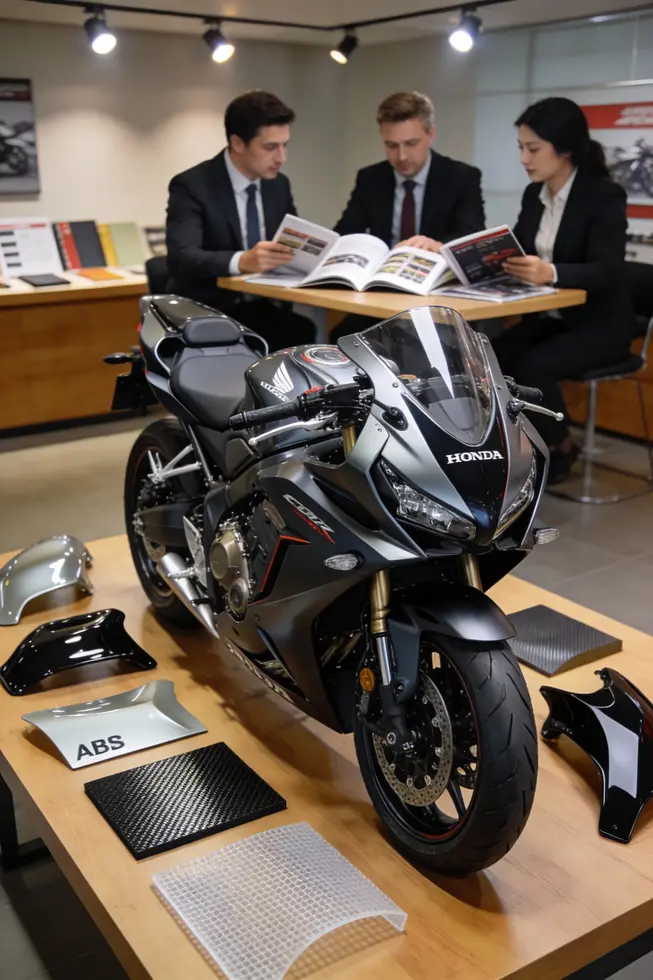
Types of fairings span from full sport kits that wrap the bike in a single sculpted shell to lighter, modular setups for urban and entry‑level models. Partial kits meet the needs of scooters and streetbikes with three‑piece configurations that balance cost and protection. There are also specialized components, such as headlight fairings and cruiser Batwing styles, that adjust wind deflection and rider exposure while contributing to a model’s silhouette. Across these forms, the category emphasis shifts with riding context: sport fairings chase aerodynamic efficiency and tight fitment, while adventure and touring variants emphasize durability, weather sealing, and UV resistance. The aftermarket ecosystem mirrors this spectrum, offering a vast range of ABS‑based options for model‑specific fitment alongside fiberglass and composite pieces for niche or track‑ready builds. The practical implications of choosing one route over another extend beyond appearance; each material choice affects weight, impact resistance, repairability, and the likelihood of paint work or trimming required for a precise fit. This is where the materials discussion becomes central. The most common material in mass‑market fairings remains ABS plastic for its balance of cost, impact resistance, and form stability. For race‑oriented kits or custom pieces, fiberglass provides a straightfoward, repairable option, while carbon fiber or kevlar‑carbon composites deliver peak strength‑to‑weight ratios for speed seats at the track. A newer material story adds Durabio, a bio‑based polymer derived from renewable sources, which marks a meaningful shift in how Honda approaches aesthetics and performance. Demonstrations of Durabio began in high‑demand riding contexts with unpainted yet colored panels offering excellent optical clarity, scratch resistance, and UV stability. Honda has highlighted its environmental edge, noting reduced emissions in certain processing steps and potential carbon reductions in specific applications. The material’s appeal grows strongest in adventure and touring segments where harsher weather and longer exposure demand resilience, yet it remains a point of ongoing evaluation for sport components that prize stiffness and heat tolerance. Durabio sits alongside recycled content initiatives, with bumper‑derived polymers and polypropylene used in luggage housings, mudguards, and related parts, illustrating a broader push toward circular material practices without sacrificing performance. This dual track—bio‑based and recycled content—reflects a broader strategy to trim reliance on finite resources while preserving the cosmetic and aerodynamic integrity that riders expect. Nevertheless, trade‑offs persist. Some high‑end sports applications still favor traditional plastics or alternate composites to optimize stiffness and heat resistance under track conditions. And while Durabio enables color without paint and reduces certain emissions, many components still require painting or trimming to achieve a perfect fit across model variants. The aftermarket remains heavily anchored in ABS, ensuring broad compatibility even as manufacturers experiment with novel materials. In the broader arc of Honda fairings, material choices shape not only performance and aesthetics but also cost structures and lifecycle considerations, forecasting how future fairings will balance aerodynamics, durability, and sustainability in a global market that continually pressures efficiency and supply chain resilience as it evolves toward the next generation of rider experiences.
2. Chapter 1: Motorcycle fairing Honda — Types and Purpose: Safety, Society, and Cultural Adoption of Honda Fairings
Beyond their mechanical function, Honda fairings operate as social artifacts. They encode a rider’s relationship to speed, weather, and community. In everyday riding, the choice between a full sport kit, a simple plastic body panel, or an advanced composite arrangement signals not only performance ambitions but personal values—efficiency, aesthetics, and durability. On sport-oriented machines, full fairings sculpt the air to reduce drag and stabilize handling at high speeds, while on adventure or touring bikes, panels made from newer bio-based materials emphasize durability and reduced maintenance. The market’s tension among plastic ABS, fiberglass, and carbon fiber traces a larger shift in how riders balance cost, weight, and risk. When manufacturers adopt bio-based panels that can be left unpainted or finished without a traditional paint job, the conversation shifts from simply patching a shell to rethinking production footprints. In short, fairings are no longer just wind deflectors; they are statements about technology, cost, and responsibility, shaping both rider expectations and industry direction.
Safety and comfort are woven into the design. A well-fitted fairing channels a cleaner, steadier airflow over the rider, reducing fatigue on long commutes and smoothing the gusty turbulence that can destabilize a rider at the edge of lean. Debris and weather, once a constant nuisance, are more consistently repelled behind a carefully contoured shell. Yet the same road conditions that reward aerodynamic efficiency also demand precision: gaps, misaligned mounts, or poorly chosen mounting hardware can create dangerous flutter or rattles. Since fairings may be sold as complete kits or as individual panels, compatibility by model and year matters, and some setups require separate mounting kits or brackets rather than relying on built-in fittings. These practical realities link material choice to rider safety: carbon fiber offers strength with minimal weight but can crack under impact, while ABS remains forgiving and approachable but heavier. The result is a continuum where form and fit support not just speed, but everyday safety, especially as riders mix street use with occasional track days and long tours where reliability is essential.
Beyond safety, fairings influence the social life of motorcycling. With aftermarket ecosystems expanding cost-effective options, riders inherit a spectrum of aesthetic opportunities—gloss, matte, metallic, or even transparent bio-based panels that reveal the engineering beneath. This flexibility invites personalization through finishes and decals, turning a stock machine into a canvas of identity that can reflect race heritage, regional pride, or personal storytelling. The accessibility of affordable kits encourages owners to keep older bikes on the road, reducing waste and expanding community participation in events, builds, and social media conversations. However, the process often involves painting or decal work, and many kits arrive unpainted or in generic colors, requiring fitment tweaks to achieve a seamless look. Dealers and makers emphasize paint preparation and finishing as part of the ownership experience, which can add time and cost but also unlocks a shared culture of craftsmanship. In this sense, fairings help democratize design: the rider’s choice becomes public, shared in clubs, forums, and gatherings, amplifying Honda’s broader story of reliability with a vibrant, stylistic voice.
The societal impact of these choices extends beyond aesthetics. Material innovations such as Durabio not only reduce production emissions by skipping traditional paint operations but also align with a growing cultural emphasis on sustainability. That shift resonates in communities that value responsible manufacturing and resource stewardship, reinforcing a collective desire to keep riding accessible without compromising planetary health. The resulting culture embraces repairability, modular upgrades, and the idea that personal expression can coexist with environmental responsibility. Together, these threads—safety, accessibility, aesthetics, and sustainability—shape how Honda fairings are perceived, purchased, and cherished across regions and riding communities. For a concise overview of fairing types and materials, see the motorcycle fairings guide.
3. Chapter 1: Honda Fairings Reimagined – From Aerodynamics to Society: Safety, Culture, and Global Adoption
Fairings on Honda motorcycles embody more than a shell of plastic and carbon; they are a visible intersection where engineering meets everyday riding, aesthetics meet tradition, and a rider’s experience is shaped by design choices. Within this chapter, the emphasis on types and purpose expands into how these shells influence safety, fuel economy, and the cultural imagination around two wheels. The spectrum begins with full fairing kits crafted for sportbikes, where seamless curves, injection-molded ABS, and carefully integrated panels create an aerodynamic envelope. Such configurations are designed to minimize drag, preserve rider stability at speed, and reduce fatigue on long stretches of highway. They also serve as canvases for color and branding, turning a motorcycle into a statement of intent as much as a tool for performance. On the other end of the spectrum lie partial or replacement fairings tailored for cruisers, dirt bikes, and small-displacement machines. These options emphasize wind protection and practicality while maintaining a distinctive silhouette. The Batwing style, for instance, channels wind around the rider to ease long-haul comfort, even when speed is less of a priority than all-weather usability. Material choices mirror the intended use: ABS plastic remains the workhorse for everyday riding because it blends affordability with impact resistance; fiberglass serves as a versatile option for entry-level race sets and custom pieces; carbon fiber, while costlier, offers the best strength-to-weight ratio for equipment that leans toward competition. In practice, many riders weigh durability, repairability, and integration with existing hardware when selecting parts, and a growing number of manufacturers push the envelope with advanced materials like bio-based Durabio. This kind of innovation supports a broader shift toward sustainable production without sacrificing the protective and aerodynamic roles fairings play on modern machines, including popular adventure-touring and long-distance models that prioritize endurance over outright speed.
The purpose of Honda fairings, at their core, is threefold: aerodynamics, protection, and personalization. Aerodynamically aligned contours reduce wind resistance and rider fatigue, while strategically placed windscreens and contouring protect the engine and rider from debris and weather. Beyond safety, fairings influence handling and stability by shaping the airflow around the bike, a factor riders notice most on highway segments and in crosswinds. Protection is not limited to impact resistance; fairings shield heat-sensitive components and, in some configurations, incorporate heat shields that preserve performance under demanding conditions. Personalization follows closely, as fairings offer paintable surfaces, decals, and optional add-ons that reflect individual taste or racing heritage. The cultural resonance of this ecosystem grows as riders blend heritage with modern materials, a dynamic visible in the broader aftermarket scene, where thousands of styles and configurations enable riders to express identity while preserving practical function.
From a societal lens, the fairing story reflects a larger trend toward sustainable manufacturing and responsible consumption. Materials like bio-based polymers and recycled composites point to greener production pathways that reduce paint dependence and energy use, aligning with eco-conscious riding communities. The aftermarket landscape—offering compatible, OEM-fit ABS bodywork at accessible price points—enables a broad base of riders to refresh or customize their machines without purchasing new bikes, fueling a robust secondary market and a culture of continual renewal. In this sense, Honda fairings contribute to a social fabric where performance, safety, and style are accessible across a spectrum of riders, from weekend cruisers to race-ready track enthusiasts.
For readers seeking a practical compass, a comprehensive guide to the mechanics, fitment, and material implications of fairings can illuminate decision-making as you weigh full kits against partials, or ABS against carbon, based on your riding goals. See the motorcycle fairings guide for a detailed overview of options and trade-offs: motorcycle fairings guide 2.
As the chapter advances, the next sections will connect this overview to the real-world choices riders face when selecting and fitting fairings, highlighting how economic and cultural contexts shape what riders expect from Honda fairings in different regions and riding communities.
Final thoughts
Across Honda fairings, business decisions hinge on aligning product type with rider needs, material performance with cost targets, and fitment logistics with service capabilities. By segmenting inventory into street and touring, sport and race, batwing cruiser, and custom aftermarket lines, retailers can tailor pricing, turnover, and after-sales support to deliver consistent value. Material choices should match the intended use; ABS offers durability and cost efficiency for everyday riders, fiberglass supports affordable race builds, and carbon fiber serves performance-focused customers at a premium. Clear fitment strategies—whether OEM style complete kits or modular pieces with defined mounting requirements—minimize returns and warranty friction. Finally, partnering with reputable vendors that provide model-specific fitment data, brackets, and finishing options helps reduce install time and improve customer satisfaction. This holistic approach positions dealers and shops to capture growing demand for Honda motorcycle fairings while preserving margins and brand integrity.
Upgrade your ride with UltimateMotorX’s premium motorcycle fairings—durably crafted, precision-fitted, and stylish. Meeting OEM standards for easy installation, our collection suits upgrades or replacements. Shop now for fast shipping, secure checkout, and expert support. Give your bike the ultimate quality it deserves!
About us
At UltimateMotorX, we’re rider-founded experts in top-tier motorcycle fairings. We source premium materials, partnering with trusted manufacturers for perfect fits and durability. Enjoy expert advice, hassle-free returns, and seamless shopping. Ride with confidence—style and quality guaranteed!