
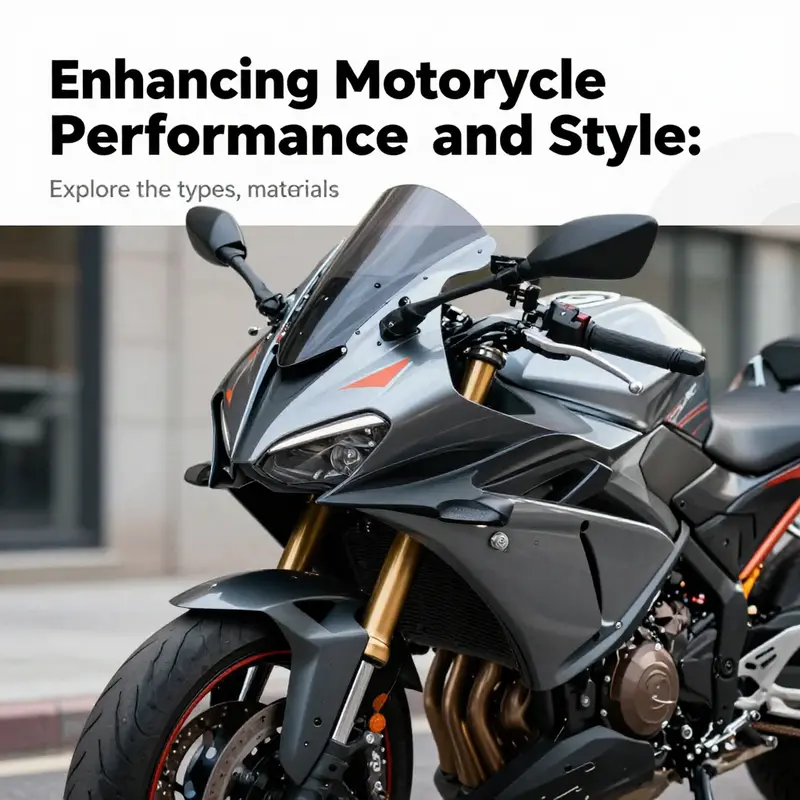
Motorcycle fairings play a pivotal role in enhancing both the aesthetic appeal and aerodynamics of motorcycles. As critical components, they serve to shield riders from wind, rain, and road debris, while also improving performance by reducing drag. Understanding the various types of fairings—full, half, and quarter—can help business owners make informed decisions about the products they offer or use. Additionally, exploring materials such as ABS plastic, fiberglass, and carbon fiber reveals how these choices impact durability and cost. The relationship between fairing design and aerodynamics is essential for optimizing motorcycle performance, which is a key selling point for dealerships and aftermarket providers. Finally, delving into installation and maintenance practices ensures that both retailers and consumers can keep their motorcycles in optimal condition. Each chapter will unpack these elements, creating a comprehensive understanding of motorcycle fairings and their significance.
Exploring Motorcycle Fairings: An In-Depth Look at Full, Half, and Quarter Designs
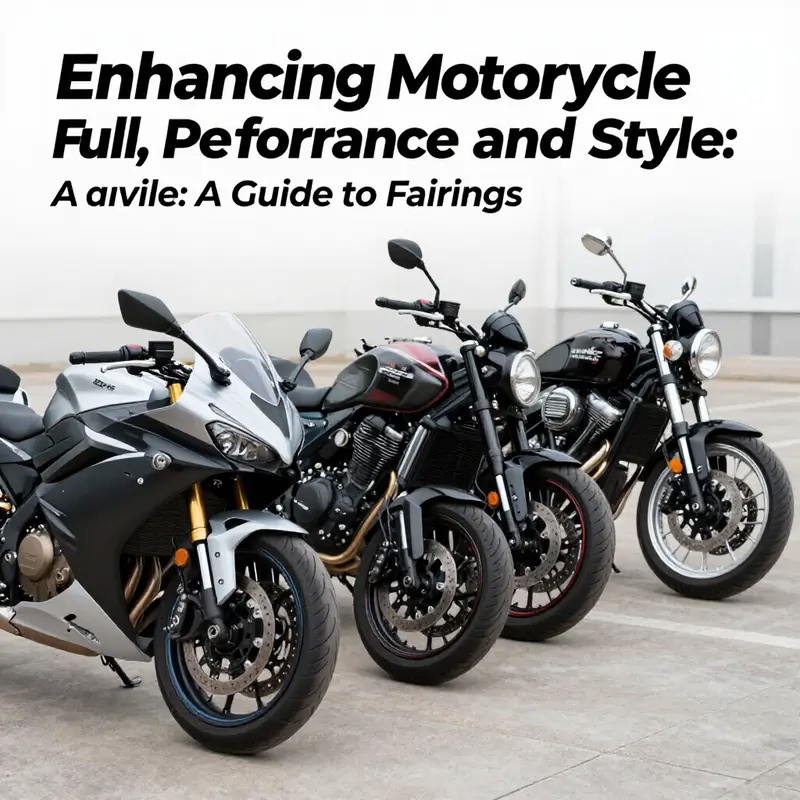
Motorcycle fairings are essential components that not only define a motorcycle’s aesthetics but also significantly influence its performance on the road. Designed to streamline airflow around the bike, fairings reduce aerodynamic drag, protect the rider from the elements, and enhance overall handling and stability. The types of motorcycle fairings available—full, half, and quarter—cater to different riding styles, preferences, and performance needs, making them crucial considerations for riders.
Understanding Full Fairings
Full fairings cover a substantial portion of the motorcycle’s front, including the engine and frame. These designs, typically found on sport bikes, are synonymous with high-speed stability and rider protection. By enclosing the motorcycle almost entirely, full fairings drastically reduce wind resistance, enabling the bike to slice through the air with greater efficiency. This aerodynamic advantage is particularly beneficial at high speeds, where every bit of drag reduction counts.
One of the defining features of full fairings is the level of protection they afford the rider. Not only do they shield against wind, but they also provide a buffer against rain and debris, which is particularly crucial for those who ride in diverse weather conditions. Additionally, full fairings contribute to a sleek and aggressive look that many riders find appealing. The complexity of full fairings, however, has its price. Their larger surface area means that when it comes to repairs or replacement due to damage, costs can rise significantly compared to simpler fairing types. Despite the initial investment or repair costs, the performance benefits usually justify this expense for serious riders.
Analyzing Half Fairings
Half fairings offer a compromise between the extensive coverage of full fairings and the minimalist approach of quarter fairings. By providing coverage to the front portion of the bike, particularly around the handlebars and instrument cluster, half fairings maintain some level of wind protection while also allowing a glimpse of the rider’s stance and the bike’s design. Commonly seen on naked bikes or standard motorcycles, half fairings bring a distinctive style that appeals to those who favor a more exposed look.
Despite their aesthetic appeal, half fairings do have limitations. Their design offers moderate wind deflection but lacks the comprehensive protection that full fairings provide. Riders may find themselves more exposed to wind turbulence, especially at higher speeds, which can impact comfort and fatigue over long distances. Nevertheless, many riders appreciate the blend of performance and style that half fairings provide, making them a popular choice for both casual riders and those who prefer city riding.
Discovering Quarter Fairings
Quarter fairings represent the minimalist side of motorcycle fairing designs. These small panels are typically situated around the headlight or at the front of the handlebars, designed more for aesthetic enhancement than aerodynamic function. While they do contribute minor aerodynamic benefits, their primary purpose is to add visual flair and style to the motorcycle. They are frequently found on café racers and sports-touring models, where a streamlined, retro look is favored.
The appeal of quarter fairings lies in their ability to customize a motorcycle without significantly altering its performance characteristics. Riders often select them for personalization, allowing for unique designs that express their individuality. Additionally, quarter fairings are less expensive and easier to install or replace compared to full and half fairings, making them an accessible option for riders looking to upgrade their bike’s appearance without a hefty financial commitment. However, potential buyers should be aware that while they enhance the bike’s look, they will not provide substantial wind protection, which can be a drawback for those prioritizing comfort during rides.
Choosing the Right Fairing
Selecting the appropriate fairing type is a critical decision for motorcycle enthusiasts, dictated by various factors such as riding style, climate, maintenance requirements, and budget. For riders focused on performance, particularly in racing or high-speed scenarios, full fairings may be the optimal choice due to their superior aerodynamic properties and rider protection. Conversely, riders who prefer a balance of style and functionality might find half fairings to be more suited to their needs, particularly in more urban settings where agility and accessibility are priorities.
For those who appreciate personalization or a minimalist look, quarter fairings provide an attractive option. They’re especially popular among riders who engage in short-distance rides where comprehensive wind protection is less of a concern. Regardless of the choice, it is imperative to ensure compatibility with the specific motorcycle make and model prior to purchase, particularly when considering aftermarket fairings.
The Role of Materials in Fairing Performance
The materials used in crafting motorcycle fairings significantly influence their durability, weight, and overall performance. Original equipment manufacturer (OEM) fairings typically utilize high-grade ABS plastic for its strength and impact resistance, making it an ideal material for fairing construction. This robustness contributes not only to the fairing’s longevity but also to its ability to withstand the rigors of the road.
Although OEM fairings are known for their quality, many aftermarket fairings now offer competitive alternatives. Materials such as fiberglass and carbon fiber are increasingly being adopted in aftermarket designs. Fiberglass, while heavier than ABS, can be molded into various shapes, providing aesthetic customization at a reasonable price. Carbon fiber, on the other hand, is valued for its lightweight properties and exceptional strength, albeit at a higher price point.
Incorporating advanced features can also elevate the performance of fairings. Many modern designs now include elements like strakes—small aerodynamic fins—that enhance stability and handling, particularly during aggressive riding or racing. By directing airflow effectively, strakes can reduce front wheel lift and improve contact with the road, yielding a more confident riding experience. Riders interested in high-performance applications should seek fairings that feature such innovations to ensure maximum efficiency and control.
Ultimately, the decision on which fairing to select can greatly depend on riders’ expectations concerning performance, style, and their budget constraints. For those seeking customized solutions, a wealth of aftermarket options exists across various brands, allowing for tailored fitments and looks. For additional options tailored to specific brands such as Honda, resources like specialized guides can be invaluable, providing insights into model-specific considerations.
Regardless of whether a rider opts for full, half, or quarter fairings, the enhancement of a motorcycle’s functionality and aesthetic appeal is undeniable. To explore fairing options specific to your motorcycle brand, such as those offered for BMW, Honda, Ducati, and more, refer to specialized motorcycle fairing categories. Understanding the distinctions and practical implications of each type of fairing can greatly enhance a rider’s experience, making the journey not only safer but also more enjoyable.
For a deeper dive into the intricacies of motorcycle fairing design and the various types available, you can consult this comprehensive resource: Motorcycle Fairings – Types, Properties, and How It Enhances Industrial Performance which outlines their role in optimizing motorcycle performance.
Choosing the Right Material for Motorcycle Fairings: A Deep Dive into ABS Plastic, Fiberglass, and Carbon Fiber
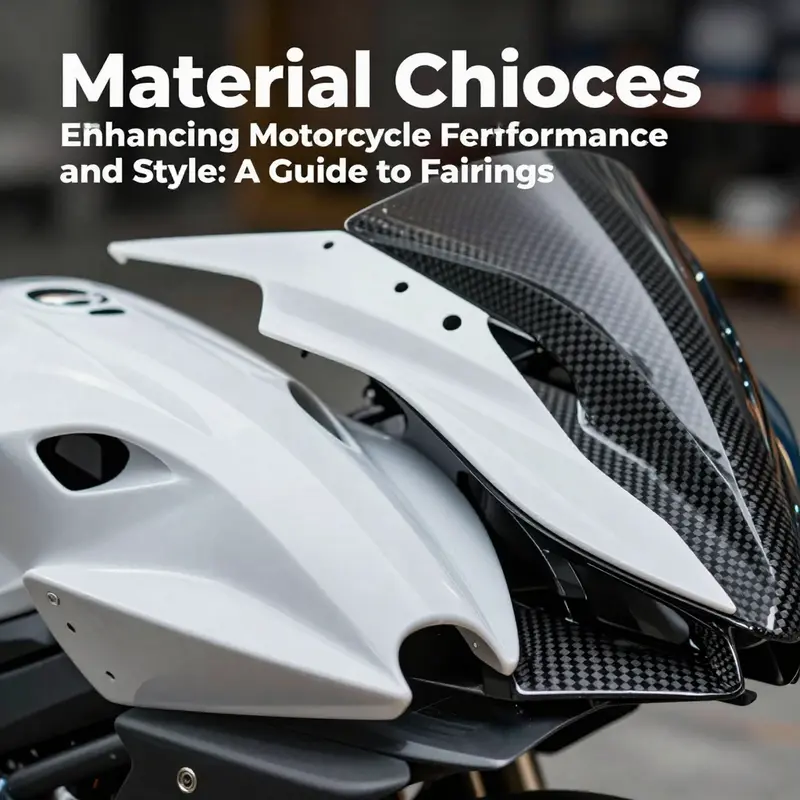
When it comes to motorcycle fairings, the choice of material can significantly influence performance, durability, and overall aesthetic appeal. Among the most popular materials are ABS plastic, fiberglass, and carbon fiber, each offering distinct advantages and disadvantages based on their unique physical properties. Understanding these materials will help riders make informed decisions tailored to their specific needs, whether they’re casual commuters or competitive racers.
ABS plastic (Acrylonitrile Butadiene Styrene) is the go-to material for original equipment manufacturer (OEM) fairings, predominantly due to its favorable combination of strength, resilience, and cost-effectiveness. The manufacturing process for ABS plastic is mature and streamlined, resulting in affordable fairings without compromising on quality. This thermoplastic possesses exceptional impact resistance and is relatively easy to work with, making it ideal for everyday riders who need reliable fairings that withstand the rigors of daily commutes and casual riding.
Another strength of ABS plastic is its surface compatibility; it can be easily painted to match the bike’s aesthetics. However, it does come with some drawbacks. While it performs admirably under normal conditions, ABS plastic can suffer from structural issues under sustained high speeds or extreme conditions. Prolonged exposure to high-speed airflow could lead to minor deformation, especially in fairings that are not well-reinforced. Furthermore, in the case of severe impacts, ABS is prone to cracking or permanent deformation, which can necessitate costly repairs or replacements.
Moving up the performance ladder, fiberglass emerges as a premium option that strikes a balance between durability and weight. Comprising a matrix of glass fibers embedded in a polymer resin, fiberglass is renowned for its impressive strength-to-weight ratio, making it a preferred choice for sport and custom motorcycles. Fiberglass fairings can be molded into complex aerodynamic shapes, adding not just to visual appeal, but also to performance on the track. When crafted correctly, these fairings reduce drag and enhance overall handling, particularly at higher speeds.
Despite its numerous advantages, fiberglass is not without its limitations. The material is heavier than both ABS and carbon fiber, which can hinder performance in certain applications, especially when every ounce counts on the racetrack. In addition, fiberglass is less resistant to sharp impacts compared to its counterparts. Under duress, it may develop internal micro-cracks that are not visible to the naked eye, leading to potential long-term issues which can be costly and complex to repair. Moreover, the production and finishing process for fiberglass can be labor-intensive, necessitating skilled craftsmanship to achieve the desired quality in both strength and appearance. This craftsmanship can translate into higher costs, making fiberglass a choice more suited for those who prioritize performance and style over budget constraints.
At the zenith of motorcycle fairing materials is carbon fiber, a material associated with high performance and luxury. The appeal of carbon fiber lies primarily in its incredible strength-to-weight ratio; it is much lighter than both ABS and fiberglass while maintaining a superior structural integrity. This result is hugely beneficial in racing conditions, where the reduction in weight translates into faster acceleration, improved handling, and enhanced braking capabilities.
Moreover, carbon fiber exhibits excellent resistance to extreme temperatures and is less susceptible to UV degradation compared to its alternatives. This makes it particularly suited for high-performance motorcycles and custom builds designed for speed and aesthetic excellence. However, these advantages come at a hefty price. The cost of carbon fiber fairings is significantly higher than ABS or fiberglass, which can deter the average rider from selecting this exceptional material. Additionally, while carbon fiber is known for its rigidity, it can still suffer from catastrophic failures if subjected to sharp impacts. Unlike ABS, which will typically crack, carbon fiber can experience internal delamination, resulting in invisible damage that compromises safety.
The choice among ABS plastic, fiberglass, and carbon fiber ultimately comes down to specific rider requirements, including riding style, budget, and maintenance preferences. Casual riders who prioritize practicality and affordability may find ABS plastic to be the most suitable option, offering good protection and decent performance at a lower price. Conversely, fiberglass might be the best choice for those looking to unleash their bike’s full potential, particularly for riders who participate in racing or want a distinctive custom look.
For enthusiasts focused on performance and willing to invest, carbon fiber can provide phenomenal benefits, delivering both aesthetic allure and unmatched performance on the road and track. It’s crucial to consider each material’s characteristics and how they align with individual priorities, ensuring better choices when selecting a fairing style that will enhance both the motorcycle’s appearance and performance.
In summary, the intricacies of material choices for motorcycle fairings reveal a landscape of strengths and weaknesses. ABS plastic excels in affordability and everyday reliability. Fiberglass finds its niche in high-performance and customized builds, while carbon fiber serves elite racers who demand the best in performance and design. By understanding these material distinctions, riders can better navigate the choices available, ensuring they select fairings that enhance their experience on two wheels, without overlooking the critical aspects of compatibility and longevity.
For those interested in exploring specific options available for their motorcycles, detailed guides can provide invaluable information. Visit sources like Motorcycle Fairing Materials: ABS, Fiberglass, and Carbon Fiber Explained for further insight into the subject.
Unleashing the Power of Aerodynamics: How Motorcycle Fairings Enhance Performance
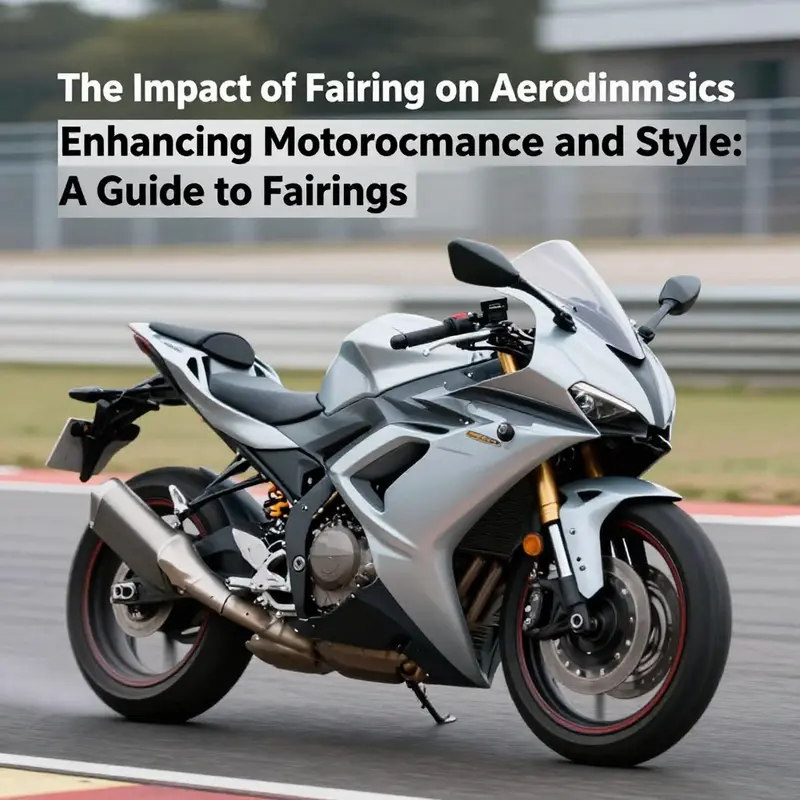
When it comes to motorcycle design and performance, aerodynamics plays a crucial role, particularly regarding fairings. Motorcycle fairings serve not just as aesthetic enhancements but as practical components central to a bike’s performance and efficiency. They are engineered to reduce drag, improve stability at high speeds, and enhance the overall riding experience. With various types of fairings available, understanding their distinct characteristics helps riders make informed choices that align with their riding styles and preferences.
Understanding Fairing Types and Their Aerodynamic Impact
At the forefront of motorcycle fairings are full fairings, which deliver exemplary aerodynamic efficiency. Covering most of the motorcycle’s body—including the front, sides, and rear—these fairings channel airflow in a manner that minimizes turbulence. This drastically decreases drag, allowing riders to achieve higher speeds with less effort. The benefits are palpable; not only can full fairings improve fuel efficiency, but they also enhance rider comfort by protecting against wind and weather elements, making them a necessity for sport bikes and supersports where speed and stability are paramount.
Conversely, half fairings offer a blend of performance and practicality. Typically designed to shield the headlight and the upper fork area, half fairings strike a balance that appeals particularly to track riders and highway commuters who value reduced wind buffeting while maintaining easy access to essential bike components for maintenance. These fairings are lighter than full fairings, contributing to improved agility in handling, which can be a significant advantage in both competitive and everyday riding scenarios.
For those seeking minimalistic options, semi-fairings cover just the front portion of a motorcycle, generally including the headlight and upper fuel tank. While they enhance basic aerodynamic characteristics and provide moderate wind protection, their design does not offer the same level of coverage as full or half fairings. However, they are favored on touring and commuter models, as they offer practicality and are often lighter and less costly to replace.
Regardless of the type chosen, the material used in the construction of fairings can greatly influence their performance and durability. OEM fairings typically use high-grade materials such as ABS plastic known for its strength and impact resistance. Thankfully, many aftermarket fairings now provide similar advantages at reduced prices. Materials like fiberglass or carbon fiber can also be utilized, blending aesthetics with performance, though they often come with higher repair and replacement costs. Choosing the right material thus requires consideration of budget, riding style, and the specific conditions under which the motorcycle is deployed.
Performance Advantages Enhanced by Fairing Design
The aerodynamic profile provided by fairings directly relates to riding dynamics. Full fairings are engineered to direct airflow smoothly over the motorcycle, significantly lessening aerodynamic drag. Such design enhances high-speed stability and minimizes rider fatigue during long rides. Riders can experience increased maneuverability and comfort while maintaining balance and control, particularly in challenging weather conditions.
Half fairings also contribute meaningfully to ride quality, largely relieving wind pressure that can lead to fatigue. This type of protection is vital for riders who often traverse long distances or travel at high speeds. By striking a balance between aerodynamic efficiency and practical considerations, half fairings cater well to diverse motorcycling needs.
In terms of performance enhancement, strakes—small aerodynamic fins incorporated into certain fairing designs—can drastically improve handling precision. In racing situations, for example, these elements reduce front wheel lift, enabling the bike to hug the road better during tight turns. The use of such advanced design features underscores the importance of understanding fairing function, as they can make a measurable difference in both competitive and recreational riding experiences.
However, the advantages of motorcycle fairings do not come without limitations. While many fairings effectively reduce wind resistance, some designs—particularly semi-fairings—might not provide adequate protection for the lower body, which can lead to discomfort during extended rides. This highlights a critical trade-off: for riders prioritizing aerodynamic performance, it is essential to consider both upper and lower body protection to mitigate fatigue.
Additional Concerns and Considerations
Another factor to consider is noise at high speeds. Fairings may not always diminish sound levels effectively without additional components such as windshields. Thus, riders aiming for a quieter ride should factor this element into their choice of fairing. Additionally, the repair costs can be steep, particularly for those opting for custom or carbon fiber alternatives. Although these materials offer superb performance, the implications of damage or wear can strain budgets should replacements or repairs be needed.
Heat management is also a prospective issue; while fairings play a pivotal role in aerodynamics, they can inadvertently trap heat around the engine, affecting cooling performance. A well-designed fairing takes into account airflow around engine components to prevent overheating, yet improper configuration can complicate an otherwise streamlined riding experience.
Ultimately, the right fairing alignment with a rider’s goals and riding conditions can yield substantial improvements in performance and overall riding comfort. The aesthetic of motorcycles equipped with appropriate fairings is also worth noting; a well-designed fairing can transform an ordinary bike into a work of art, attracting attention not only for its functionality but also for its style. This customization often leads to a more personalized riding experience, wherein the rider connects with their motorcycle on a deeper level.
As riders delve deeper into motorcycle customization and performance enhancements, knowledge about fairings becomes indispensable. Each type of fairing provides unique advantages and limitations, necessitating a careful assessment based not just on performance needs but also on daily usage, maintenance preferences, and budgetary constraints. While looking at aftermarket options, it’s crucial to ensure compatibility with the specific make and model of the motorcycle to avoid the pitfalls of mismatched components affecting performance.
Riders exploring further insights into motorcycle fairing design, structure, and application will find expansive resources and discussions that provide detailed technical perspectives on the subject matter. For an authoritative resource, the Wikipedia page on motorcycle fairings offers a comprehensive overview, though practical guides specific to brands like Honda may provide tailored advice for model-specific inquiries. Appreciating the nexus of aerodynamics, function, and aesthetics where motorcycle fairings reside can enhance not just riding quality but the entire motorcycling experience.
Elevating Customization: Exploring the World of Motorcycle Fairings
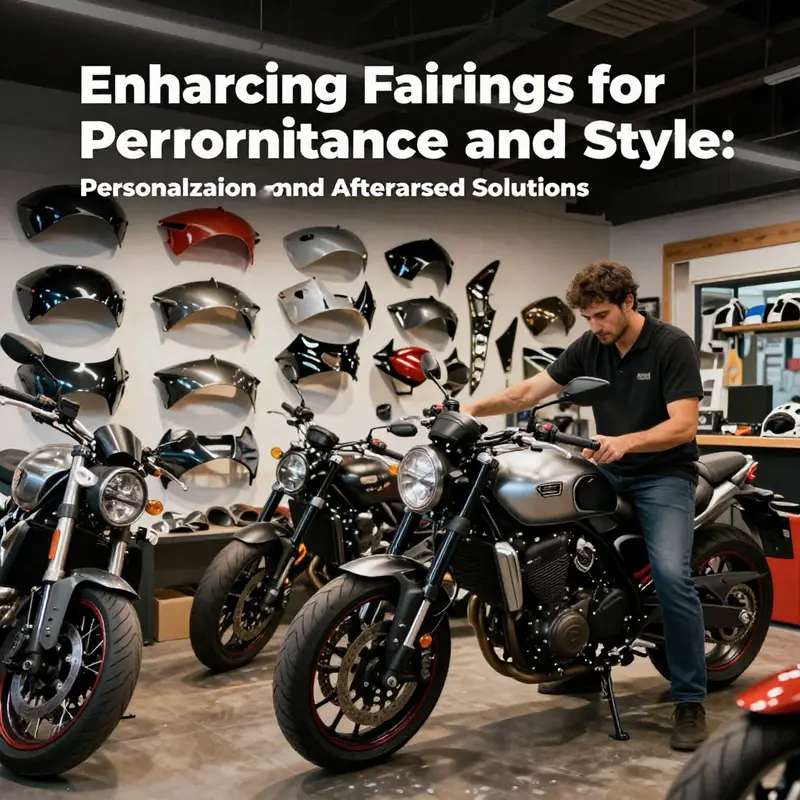
In the realm of motorcycling, the quest for individuality and performance often leads enthusiasts to explore the exhilarating world of custom motorcycle fairings. These bespoke components serve not only to enhance the aesthetics of a bike but also to optimize its aerodynamic capabilities, offering riders a unique blend of style and functional performance. Unlike standard factory offerings, custom fairings allow for creativity and personalization, letting riders express their unique identities on the open road or racetrack.
The essence of custom motorcycle fairings lies in their versatility. Riders can choose from a myriad of styles and designs, from sleek and aggressive looks typical of sport bikes to more subdued tones befitting touring and cruiser models. Personalization can come in many forms, ranging from the application of custom colors and graphics to unique shapes that alter a bike’s silhouette. This extensive range of options empowers riders to select a fairing that not only complements their motorcycle’s design but also aligns with their individual riding styles and preferences.
In the pursuit of high-quality custom fairings, it is essential for riders to consider a few key aspects. Foremost, the durability and fitment of the fairings should be paramount. Riders looking to customize bikes such as the 2003 GSXR 1000 should seek reputable suppliers known for precision-engineering their products to ensure proper fitting and lasting performance. Among the noteworthy suppliers, companies specializing in high-end custom parts have emerged prominently in the global market, often distinguished by their emphasis on quality, materials, and customer service.
A critical player in the manufacturing landscape for motorcycle fairings is the Guangdong Province in China. Recognized as a pivotal manufacturing hub, this region boasts advanced infrastructure and expertise in crafting lightweight yet durable materials like fiberglass and ABS plastic. For instance, manufacturers such as Guangzhou Renzhi Motorcycle Parts Co., Ltd. and Guangzhou Tengchang Motorcycle Parts Co., Ltd. have set benchmarks for reliable production projects, ensuring strong customer feedback mechanisms that guarantee satisfaction and trust in their products. Companies in this area are known for their scalable production capabilities which can cater not only to mass orders but also to small batch requests failing to compromise on quality.
When considering the aesthetic side of custom fairings, various options come into play. Full fairing kits provide comprehensive coverage for sport bikes, delivering maximum aerodynamic efficiency while serving as a striking visual statement. Conversely, those seeking a mix of coverage and style might explore half fairings, which strike a balance between protection and a naked bike appearance. Quarter fairings, though minimal, can also offer subtle aesthetic enhancements without the bulk of larger fairings.
Additionally, custom or aftermarket fairings introduce endless opportunities for riders to tailor their bikes to specific performance objectives. The intricate designs can include features like strakes, which are small aerodynamic fins intended to enhance stability and handling. This can be particularly beneficial for racing applications where high speeds are essential, as they help in reducing front wheel lift during aggressive acceleration. Riders can thus achieve not just a personalized look but also improved performance tailored to their riding style.
While selecting a custom fairing, understanding the material composition is vital. Many OEM fairings utilize high-grade materials like ABS plastic due to their superior durability and impact resistance. However, the aftermarket scene has evolved with competitive options available at lower price points. Riders can now find fiberglass, carbon fiber, and advanced composites that provide aesthetics and performance. These materials often come custom-molded and designed to ensure they maintain the motorcycle’s integrity while enhancing its overall look. With improved manufacturing technologies, choosing lightweight but robust materials can significantly enhance a motorcycle’s handling and agility.
Riders are also advised to consult professional suppliers who specialize in custom fairings before making purchases. There is no substitute for expert guidance when navigating the complex landscape of motorcycle customization, as experienced providers can deliver tailored solutions that meet diverse needs while adhering to safety standards. This is particularly true for specific bike models where compatibility plays a critical role, ensuring every fairing fits flawlessly without compromising the motorcycle’s integrity.
The measure of a good fairing goes beyond just appearance; performance and safety are critical. Fairings must not only withstand the rigors of varied riding conditions but also be designed with optimal weight distribution. Reducing weight can contribute immensely to improving overall performance, particularly in race scenarios where every gram counts. This aspect highlights the essential balance between aesthetics and practical implementation in motorcycle fairing customization.
Another essential factor to consider when customizing fairings is the rider’s climate conditions. For riders in diverse weather scenarios, certain materials or designs may provide better protection against the elements, such as rain, wind, or intense sunlight. Ensuring the selected fairing is built to withstand local conditions can enhance comfort while riding and prolong the lifespan of each component.
Ultimately, choosing the right custom motorcycle fairings requires careful consideration of various factors including riding habits, objectives, and environmental conditions. Riders should carry out thorough research into manufacturers, read reviews, and reach out for expert opinions. Engaging with fellow motorcycle enthusiasts and forums can provide additional insight into the best suppliers and practices for successful customization.
For those seeking a curated selection of motorcycle fairings that cater to myriad preferences, there are specialized websites offering extensive catalogs for specific makes and models of bikes. These online platforms facilitate a seamless shopping experience by organizing offerings efficiently, making it simpler for riders to find exactly what they seek. Moreover, consulting professional guides and references can unveil nuances in fairing preferences tailored to specific motorcycle models—ensuring that every customized design not only looks great but performs effectively as well.
To find a more detailed supplier guide and support your custom fairing journey, you may explore this valuable resource.
In an era where personalization is key, the motorcycle fairing custom market stands as a testament to the spirit of innovation and self-expression among bike enthusiasts. Understanding the available options and ensuring that quality and compatibility align with one’s vision is critical in achieving a desired outcome that reflects both identity and performance.
Enhancing Performance and Longevity: Expert Tips for Installing and Maintaining Motorcycle Fairings
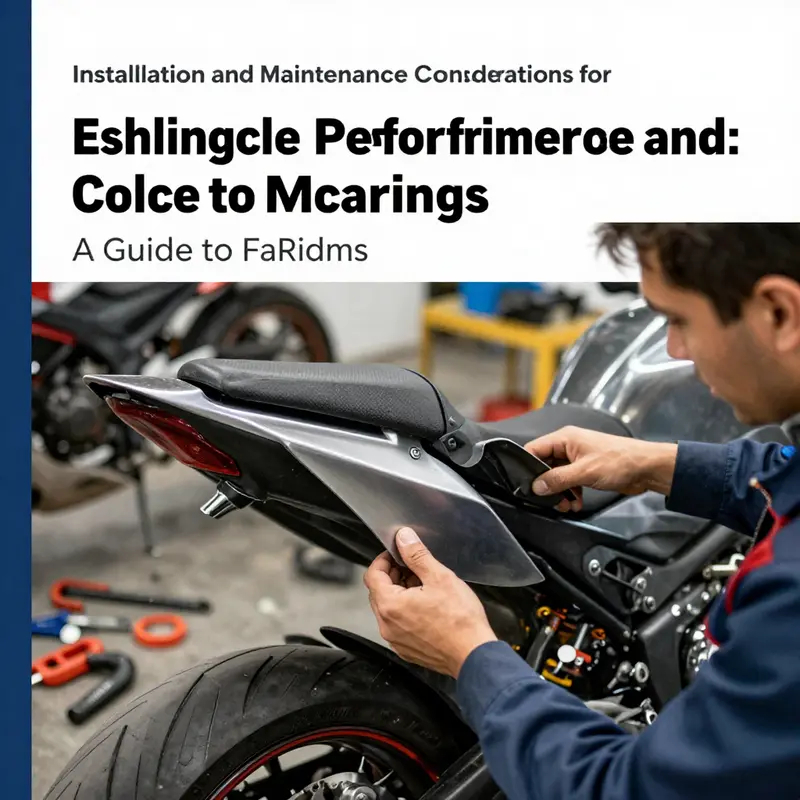
Installing and maintaining a motorcycle fairing is not merely about aesthetics; it’s a vital process that impacts safety, performance, and the overall riding experience. Fairings are designed to shield the engine and frame from external elements, improve aerodynamic efficiency, and enhance the overall look of your motorcycle. However, the effectiveness of these benefits hinges on proper installation and vigilant maintenance. Here, we delve into expert tips and best practices to guide riders through the complexities of fairing installation and maintenance.
Installation Considerations
When it comes to installing a fairing, adhering to the manufacturer’s specific instructions is paramount. These guidelines are crafted to ensure that the installation is secure and that the fairing performs as intended. Begin the process by gathering the necessary tools, which typically include standard wrenches and screwdrivers. Depending on the motorcycle make and model, additional specialty tools may be required. It is crucial to ensure you have everything prepared before you start, as leaving a tool behind mid-installation can lead to errors or unfinished work.
One of the first tasks during installation is to inspect all mounting points and fasteners. Look for any signs of wear, corrosion, or loosening that could weaken the attachment over time. Since many motorcycles are ridden in various weather conditions, such inspections should become part of your routine maintenance, especially after longer rides. Fasteners can vibrate loose, and without regular checks, a fairing could detach while riding, leading to a hazardous situation.
An equally crucial element of the installation process is ensuring that the fairing is correctly aligned. Misalignment can not only affect the aesthetics but can also influence performance by causing unwanted drag on certain parts of the motorcycle. Take your time to make sure everything is fitted neatly and securely before tightening the fasteners to the specified torque settings outlined in the manufacturer’s guide.
Maintenance Considerations
Once the fairing is installed, the next step is ongoing maintenance to protect your investment and improve the durability of your motorcycle’s aesthetics. Regular cleaning is the first step toward proper maintenance. Use mild soap and water, steering clear of harsh chemicals that could harm the paint or finish. Abrasive materials like scrub pads can scratch the surface, leading to an unattractive appearance and potential moisture accumulation in cracks.
In addition to cleaning, applying a protective coating is highly recommended. Products such as wax or specialized polymer coatings not only enhance shine but also offer protection against UV rays and minor scratches. This layer acts as a shield, preserving the fairness of the fairing made from composite materials like fiberglass or ABS plastic. When your bike is exposed to the sun or road grime, this protective barrier can be critical in maintaining both performance and appearance over time.
Regular inspections of the fairing will help catch any potential issues before they escalate. Look for signs such as cracks, chips, or any warping that could compromise its integrity. Damage can occur from various sources, including minor accidents and rough riding conditions. Timely repairs are essential—if left unchecked, a small crack can grow into a significant fault that may require a complete replacement of the fairing.
Securing the Fairing
Apart from ensuring that your fairing is installed correctly, securing it is essential to maintain safety while riding. An improperly attached fairing can become loose or detached, leading to visibility issues and instability at high speeds. Always double-check that every mounting point is tightly secured before taking your motorcycle out for a ride. A quick pre-ride inspection can save you from serious potential hazards.
Consider investing in higher-quality fasteners if you plan to use aftermarket fairings. These may include stainless steel bolts or lock washers designed to minimize loosening due to vibrations. Installation with these enhanced components adds an additional layer of security, ensuring your fairing stays attached even under optimal riding conditions.
Aftermarket Customization
Many motorcycle enthusiasts opt for aftermarket fairings to personalize their bikes or to achieve better performance characteristics. When selecting aftermarket options, ensure they are compatible with your motorcycle model. Conduct thorough research and consult reviews or forums related to your specific make and model to avoid issues during installation. These customization opportunities offer a great chance to express personal style and potentially increase functionality.
Many materials are used in the production of aftermarket fairings, such as fiberglass, carbon fiber, and high-grade ABS plastic. Each material comes with unique benefits, and understanding their characteristics can influence your selection process. For instance, while carbon fiber is lightweight and offers aesthetic appeal, it often comes with a higher price tag. On the other hand, ABS plastic is durable and commonly utilized for OEM fairings. Weigh your options based on riding habits, climate conditions, and budget when making your decision.
Looking for Authority
For riders looking for detailed, model-specific guidance on fairing installation and maintenance, it’s advisable to consult the official technical manual provided by their motorcycle manufacturer. Resources like the RIFLE Fairing Installation Guide is an excellent tool, as it includes step-by-step procedures and critical safety information tailored to their fairing products. Access this guide to deepen your understanding and ensure that your installation adheres to the best practices established by manufacturers.
In closing, understanding the installation and maintenance considerations of motorcycle fairings empowers riders to enhance their machines’ safety, performance, and aesthetics. The effort invested in proper installation, routine maintenance, and regular inspections pays off in both the longevity of the fairings and the overall riding experience. Whether you’re sticking with OEM fairings or diving into the world of custom aftermarket options, following these best practices will keep your motorcycle both looking sharp and performing optimally on the road.
Final thoughts
Understanding motorcycle fairings significantly enhances the knowledge of business owners in the motorcycle industry. From recognizing the different types of fairings to selecting appropriate materials, each decision impacts both the performance and appeal of motorcycles. Furthermore, insights into aerodynamics provide a competitive advantage when marketing these products. Customization not only personalizes motorcycles but also boosts sales through aftermarket opportunities. Finally, emphasizing proper installation and maintenance guarantees customer satisfaction and fosters long-term relationships. As the market continually evolves, being informed about these aspects positions business owners for success.
undefined
About us
undefined