
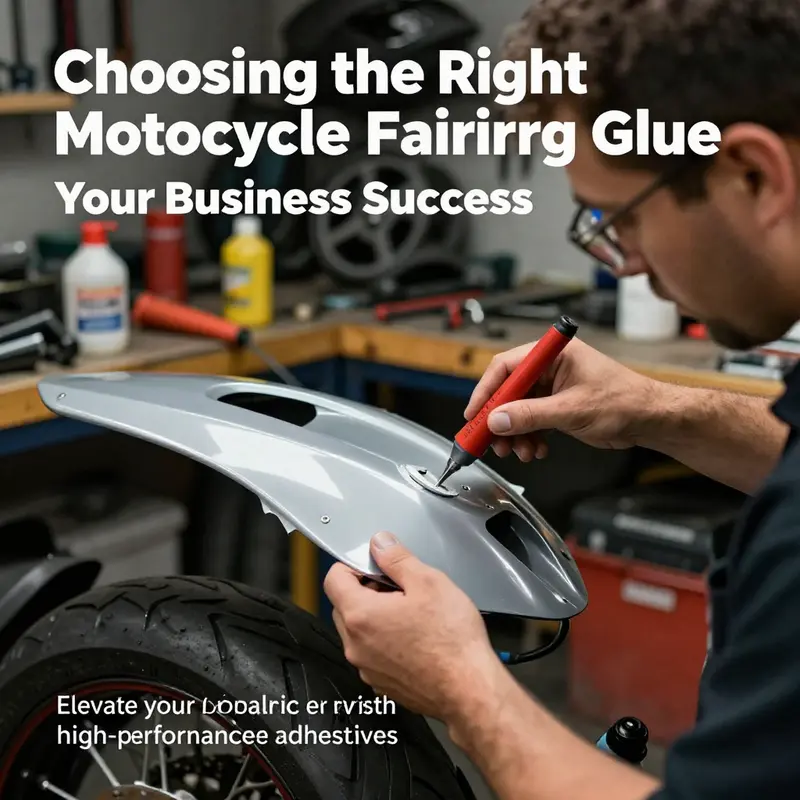
For businesses involved in motorcycle repairs and parts supply, the quality of adhesives used in fairing installations is paramount. Selecting the right motorcycle fairing glue can significantly impact the durability of repairs and the overall satisfaction of your customers. This article breaks down the options available, technical considerations, and the market trends to equip business owners with essential insights into optimizing their repair services. Each chapter delves deeper into various aspects of motorcycle fairing glue, ensuring a comprehensive understanding that aids in making informed choices for their business.
Bonded Under Pressure: Selecting High-Performance Adhesives for Motorcycle Fairings
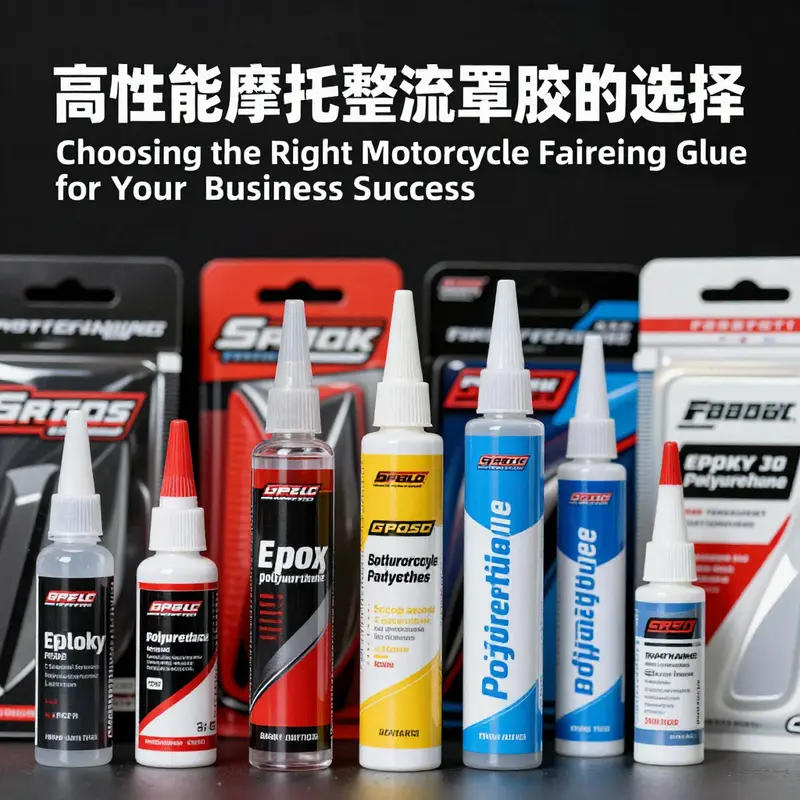
The motorcycle fairing is more than a cosmetic shell. It is a carefully engineered surface that slices through wind, shields delicate components, and channels cooling air while bearing the constant stress of vibration, temperature swings, and the occasional impact from road debris. In a design where every gram of weight matters and every millimeter of clearance counts, the adhesive that holds the fairing to the chassis, brackets, or neighboring panels plays a pivotal role. The choice of glue is not a footnote but a foundational decision that influences aerodynamics, durability, and even rider safety. When you ask a material to bond plastics or composites under rolling loads and varied weather, you are inviting it to perform across a spectrum of harsh conditions. That is why the topic of high-performance adhesives for motorcycle fairings deserves a disciplined, design-aware approach rather than a quick, one-size-fits-all solution. The goal is not merely a bond that sticks now, but a bond that endures heat, UV exposure, and relentless vibration through thousands of miles of riding and the shifting seasons.
In this realm, three broad adhesive families dominate the conversation: epoxy, polyurethane, and acrylic. Each brings a distinct balance of strength, flexibility, and environmental resilience, along with varying demands for surface preparation and cure. The decision hinges on how the fairing joint behaves in real life. Some sections must resist high loads where the panel must stay rigidly connected. Others benefit from a touch of give to absorb shocks and reduce the risk of cracking around joints and transition areas. And there are fast-fix scenarios where a quick-drying adhesive buys time for a rider facing a track day or a long road trip with a damaged panel that cannot wait for a full repair. Understanding the strengths and limits of these families helps you tailor a solution that honors the material of the fairing—whether it is ABS, PC, fiberglass, or carbon fiber—and aligns with the performance expectations for your bike.
Epoxy adhesives are often the first name that comes to mind when the priority is strength and long-term stability. They form rigid, cohesive bonds that resist creep and maintain structural integrity under sustained loads. In the context of a high-performance fairing, epoxy offers excellent shear strength and good resistance to heat and moisture after cure. When a joint is tasked with carrying load or connecting critical sections that experience torsion, bending, and wind pressure, an epoxy bond can be the quiet workhorse that keeps panels firmly in place for seasons. Yet this strength can come at the cost of some stiffness. Epoxies tend to be less forgiving of differential movement between dissimilar materials and can become brittle in extreme thermal cycling or after UV exposure over many years. A hardened epoxy joint is durable, but if the surrounding plastics and brackets expand and contract at different rates, micro-movements may eventually invite micro-cracking or debonding if the joint is not properly prepared or if the cure is not well controlled. Consequently, when opting for epoxy in fairing applications, the process and conditions matter as much as the chemistry. Surface preparation must be meticulous: clean, dry surfaces free of oil and release agents; mechanical abrasion to create a receptive profile; and precise mixing and application according to the adhesive’s technical data. The cure must be protected from immediate mechanical stress or thermal shock during the initial stage when the bond is still soft enough to yield. In practice, epoxy-based bonds excel in permanent installations, repairs of structural joints, or locations where a high load transfer is required. They shine in terms of ultimate sheer strength and chemical resistance, and they reward a rider with peace of mind during long rides and race events alike. For those who intend the fairing to hold its shape under aerodynamic pressures and the rigors of road grime, epoxy often emerges as the most reliable choice for repairs and mounting that demand enduring performance.
Polyurethane adhesives offer a different set of advantages that can be crucial in a dynamic riding environment. They bring a measured elasticity to the bond, a property that helps absorb road vibration, flex slightly with temperature changes, and dampen impact loads that would otherwise transfer directly into the panel-to-bracket interface. In many plastic-to-plastic joints common in fairings—whether ABS, PC, or mixed-material assemblies—polyurethanes deliver a balanced combination of adhesion and flexibility. This makes them particularly attractive for areas of the fairing that experience repeated flexing or contact with fenders, bracketing, or inner surfaces where airflow and gusts impose intermittent loads. A polyurethane bond can tolerate the micro-movements that occur as the bike climbs and dives into corners or thumps over uneven pavement, reducing the risk of crack initiation at the joint. The cure often proceeds with a faster pace than traditional epoxies, yet still yields a robust, durable bond when the surfaces are properly prepared and the correct mix or formulation is chosen for the substrate. Compatibility with common plastics used in fairings is a vital consideration; polyurethane adhesives tend to display excellent adhesion to ABS and PC, and some formulations can also bond to fiberglass and certain composites with proper surface treatment. The trade-off is clear: you gain elasticity and resilience, but you may sacrifice some ultimate rigidity and heat resistance relative to a rigid epoxy. For riders seeking a compromise—bond strength that handles vibration without making every panel behave like a rigid plank—a polyurethane bond can deliver predictable performance and resilience under a broad range of conditions.
Acrylic adhesives occupy a different niche, often serving as quick-acting, clean, and simpler bonding solutions. Acrylics can cure rapidly, which makes them attractive for field repairs or when a minor, non-load-bearing bond is needed to secure a panel temporarily while a more permanent repair can be planned or executed. They bond well to a variety of plastics and metals, and their rapid cure can minimize downtime. However, acrylics generally do not deliver the same long-term strength or environmental resistance as optimized epoxies or high-performance polyurethanes, particularly under sustained wind load and UV exposure. In practice, acrylics are best suited for non-structural joints, temporary fixes, or as an adjunct to other adhesives where quick setting helps accelerate the repair workflow. They can also be part of a staged solution: a quick-setting acrylic to hold a panel in place while a more durable epoxy or polyurethane bond fully cures in parallel, or for sealing edge seams to reduce water ingress while the main structural bond matures.
The chapter’s practical takeaway is straightforward: for high-performance fairings, epoxy remains the most reliable option when strength and long-term rigidity are the primary goals, especially in joints that bear load or transfer aerodynamic forces. If the design calls for a degree of resilience and vibration damping, a polyurethane adhesive offers a balanced alternative that mitigates the risk of cracking due to flex or thermal movement. In scenarios where speed and provisional holding are crucial, an acrylic adhesive provides a useful tool for quick, non-structural bonding. It is not a universal substitute for the more robust systems but can complement them in a carefully considered plan. In any case, the effectiveness of the bond hinges not only on the adhesive category but on a disciplined sequence of surface preparation, material compatibility, and controlled curing.
Material compatibility is the invisible hinge that ties the entire choice to real-world outcomes. ABS and PC plastics, which dominate many modern fairings, present different surface chemistries and affinities for adhesives. A joint that bonds well to ABS may not perform as reliably on PC, and vice versa. Where multiple substrates meet, the adhesive system must be chosen with the least common denominator of adhesion in mind, or else the risk of differential movement becomes the weak link in the chain. For carbon fiber or fiberglass sections, the bonding approach often differs again, as the composite’s matrix, weave orientation, and surface finish influence how forces are transmitted through the bond line. The safest practice is to conduct a small-scale test on a representative scrap of the same material to observe cure behavior, adhesive spread, and any color or surface reaction that might indicate incompatibility. This preparation step is not merely procedural; it is a risk mitigation strategy that keeps a rider’s project on track and reduces the chance of an unforeseen debonding after the first stretch of highway.
With the materials and mechanics in mind, surface preparation becomes the handshake that initiates a durable bond. A clean, dry substrate is non-negotiable. Oils, waxes, silicone residues, and old coatings act like tiny barriers that defeat adhesion. The standard protocol begins with cleaning to remove contaminants thoroughly, followed by mechanical roughening to create a micro-profile on the surface. Light abrading with a medium grit and subsequent wipe-down with an appropriate solvent or isopropyl alcohol ensures the surface is receptive. In some cases, a primer or conversion coating can improve wet-out, but it is essential to follow the adhesive’s technical data exactly, because primers can also adversely affect the bond if not matched to the substrate and resin system. Once the surface is prepared, it is wise to perform a patch test with a small amount of adhesive on a non-critical area. This test helps confirm not only the bond’s initial grip but also any unintended material interactions that might manifest as surface whitening, discoloration, or a slow, tacky cure. A bond line should be maintained at a clean, controlled thickness—too thick a layer introduces voids and weakens the joint, while too thin a layer risks squeeze-out and poor coverage of the intended interface. The joint should be clamped or held in place precisely until the adhesive achieves sufficient strength to resist handling. For epoxy, this might mean several hours of initial cure and a full cure over 24 hours or more, depending on formulation and ambient conditions. For polyurethane, the cure can be shorter, but care must be taken not to disturb the part during gel time. In all cases, avoid exposing the adhesive to rain, direct sunlight, or rapid temperature swings during the early stages of cure. Controlling the environment around the joint is as much a part of engineering the bond as choosing the correct resin or polymer.
Application details matter as much as the chemistry itself. Some adhesives require mixing two components in precise ratios, with a pot life that dictates how long you have to apply and position the panels before the bond begins to set. Others are single-component systems that cure with ambient moisture or heat. Regardless of the chemistry, the practitioner must manage the time window between surface preparation, adhesive application, and final assembly to minimize the risk of dust or debris sticking to the surface or the joint being disturbed while the adhesive begins to set. For complex fairing assemblies, consider the use of temporary mechanical fasteners or alignment fixtures during the initial positioning. This approach helps ensure that the bond line remains consistent and the parts mate correctly. It also makes it easier to rework the joint if alignment needs adjustment before the cure reaches a irreversible stage. The end state of the bond is a stable, aerodynamic surface that looks right and performs under wind and weather. The rider’s confidence in the fairing’s integrity is built on the quiet, steady performance of these hidden bonds.
In practice, a well-planned adhesive strategy for high-performance fairings emphasizes three pillars: correct material choice, disciplined surface preparation, and controlled curing. The right epoxy bond will often deliver the long-term rigidity needed for panels that encounter repeated aerodynamic loads, engine heat, and road vibration. The right polyurethane bond will provide resilience against micro-movements and temperature-induced expansion and contraction, reducing the likelihood of crack initiation at the interface. The quick-set acrylic option can be a practical companion for emergency or temporary repairs, enabling riders to reach a point where a more robust bond can be applied with proper cure time. The key is to tailor the approach to the specific panel geometry, substrate, and expected service conditions of the bike you are working on. When the goal is to restore a fairing’s function while preserving its shape and finish, the bond itself becomes part of the chassis’ performance envelope rather than a mere afterthought.
To ground these principles in a practical mindset, imagine a scenario in which a fairing panel on a sport bike must endure the winds of a mountain road and the bounces of a pothole-riddled descent. The panel attaches to a bracket that is mounted to a frame with a precise alignment. In such a case, an epoxy bond to the critical joint, where load transfer is highest, can provide the stiffness and long-term integrity needed to prevent fatigue-driven crack growth. If the joint is near an edge or a corner that experiences repeated flexing during cornering and braking, a polyurethane bond might be preferable for its damping qualities. For a quick field repair where a panel has loosened and rider confidence is dwindling, a curing acrylic can keep the panel in place long enough to reach a workshop for a more thorough repair. Across these decisions, the rider benefits from an adhesive strategy that is explicit about substrate compatibility, environmental expectations, and the joint’s load profile. In other words, the adhesive plan should be a documented part of the fairing design, not an afterthought of maintenance.
For riders who want to explore further how these adhesives perform in real-world conditions, it helps to consider a broader technical perspective. The literature and industry guides emphasize that epoxy resins deliver superior bonding strength and thermal stability, making them a staple for load-bearing joints and critical assemblies. Polyurethane adhesives are praised for resilience under dynamic loads and their compatibility with a broad range of plastics. Acrylic systems offer rapid setting and ease of use for less demanding joints or temporary fixes. The nuanced takeaway is that no single adhesive solves every problem. A thoughtful combination, aligned with material science, reduces risk and extends the service life of the fairing while maintaining aerodynamic integrity and rider safety. The recommended approach is to start with a clear assessment of the joint’s function, assemble a short list of compatible adhesive types, perform small-scale tests, and then implement a curing plan that respects both the adhesive’s chemistry and the bike’s operational environment.
If you are considering repairs or upgrades across a variety of fairing panels—whether you are restoring a classic Honda fairing, upgrading a Yamaha shell, or replacing a damaged Ducati section—the underlying logic remains the same. A disciplined process centered on substrate compatibility, surface preparation, and controlled curing will yield the best long-term results. The takeaway is not just about sticking panels together; it is about engineering a bond that respects the materials, the loads, and the rider who depends on them. For riders who want to explore the topic further, a deeper dive into the specific substrate categories and their adhesive compatibilities can be enlightening. For example, if you are working with Honda fairings, you may find it helpful to examine how different adhesive systems interact with ABS and PC blends commonly used in those shells. See more on Honda fairings to understand the practical implications of substrate choice and bonding strategies in a real-world context.
In closing, the art of selecting high-performance adhesives for motorcycle fairings is less about chasing a universal winner and more about aligning the bond with the bike’s operational realities. Epoxy offers the stiff, durable backbone for structural joints; polyurethane provides resilience against vibration and temperature shifts; acrylics offer speed for field fixes or non-structural bonds. A deliberate, tested, and environment-aware approach yields results that ride beyond the workshop—clear, confident in performance, and faithful to the engineering intent of the fairing system. The dialog between material science and practical riding wields a simple truth: the strongest part of a well-built fairing is often the bond that stays unseen but never fails when it matters most. For those who wish to explore this topic with a broader lens or a case study on specific models, the learnings translate across platforms and disciplines, helping riders keep their fairings true to form, no matter the road ahead.
External resource for deeper technical context: https://www.motorcycleparts.com/technical-guides/epoxy-vs-polyurethane-for-motorcycle-bodywork-repairs
Technical Essentials for Mastering Motorcycle Fairing Glue: From Surface Preparation to Seamless Restoration
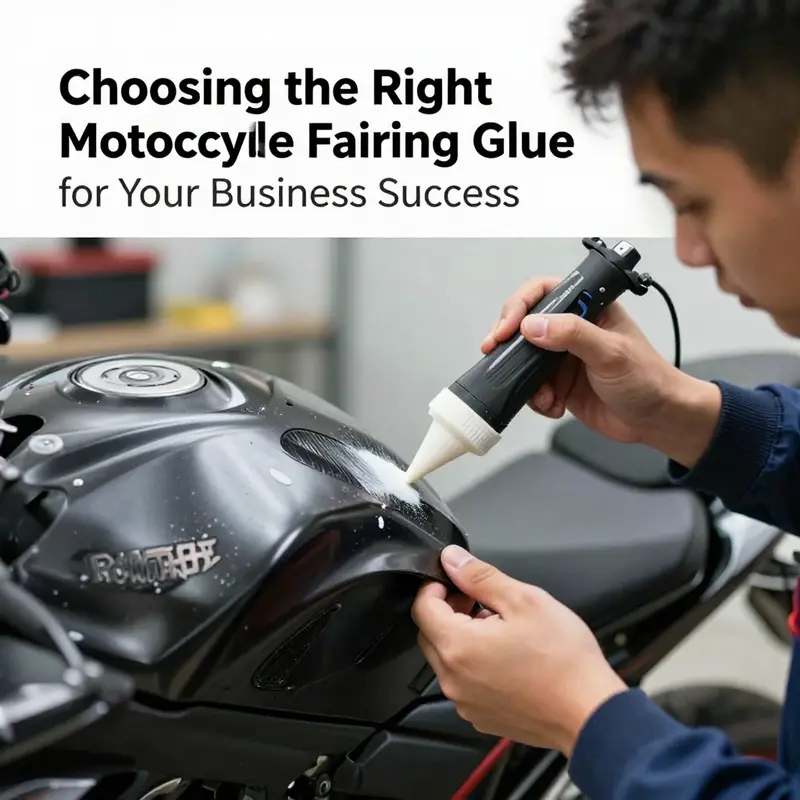
Repairing a motorcycle fairing is as much a test of materials science as it is a test of patience. The fairings that cloak modern motorcycles are light, often made from polypropylene or various sheet plastics and composites. They are designed to resist impact, yet they need to flex just enough to absorb road vibrations and temperature swings. When a crack forms or a panel splits, the goal of repair is not merely to reseal a seam but to restore the structural integrity and the smooth silhouette that keeps air flowing cleanly over the bodywork. This chapter draws together the essential technical points for using glue on motorcycle fairings into a cohesive process. It emphasizes selecting the right adhesive type, preparing the surface, controlling heat, and executing a filling method that yields a durable bond and a seamless finish. The practical approach here is aimed at riders who want reliable results without specialized welding equipment, yet who are willing to follow a disciplined sequence.
A first, fundamental consideration is material compatibility. Fairings are not a single material; many are polypropylene or other polyolefins, some are polycarbonate blends, and others may be reinforced with fiberglass or composite layers. The adhesive category matters because not all glues behave the same on every plastic. Epoxy adhesives offer high rigidity and strong shear strength, which makes them a solid choice for repairs where the goal is to restore stiffness at a joint that will experience load. Polyurethane adhesives, by contrast, bring notable flexibility and impact resistance, which helps absorb vibration and thermal movement without cracking again. Then there are specialty plastic glues designed to bond plastics effectively across temperature and weather cycles. In practice, a repair often benefits from a staged approach: selecting an adhesive system that can handle the expected load, supplemented by careful surface preparation and a controlled filling process. When you choose a repair path, you’re balancing stiffness, fatigue resistance, and the ability to tolerate a little movement without failing.
The preparation phase is not glamorous, but it is decisive. Cleanliness is the only non-negotiable; it governs the strength and longevity of the bond. Begin with a thorough cleaning of the damaged area and a margin around it. A degreasing solvent such as acetone is commonly recommended because it evaporates quickly and leaves little residue. The aim is to remove oil, wax, dust, and any old coatings that might hinder adhesion. However, acetone is highly volatile and flammable, so perform the work in a well-ventilated area away from open flames, and protect skin and eyes from contact. After wiping with acetone, allow the surface to dry completely. If there is any remaining gloss or micro-scale texture, a light scuff with fine-grit sandpaper can help by creating a micro-mechanical key for the adhesive to grip. But avoid aggressive sanding that could remove substrate material or alter the fairing shape more than needed.
For larger cracks or complex fractures, a preheating step can help. A controlled application of heat with a heat gun or a low-temperature welding tool can soften the edges of the crack and soften surrounding plastic just enough to improve flow of repair material. The key word here is control. Excessive heat can deform the fairing, cause warping, or burn the surface. The flame or heat should be applied with a steady, moderate technique, moving along the crack rather than focusing on one spot. The film of softened plastic then serves as a better canvas for the subsequent bonding material to merge with the surrounding substrate. In this context, the repair sticks or rods used for plastic welding are selected to match the same base resin as the fairing material. When heated to the right temperature, these rods melt and blend with the substrate to form a unified mass. The practice mirrors traditional welding concepts, but the chemistry is tailored to plastics and the filler material’s own compatibility with the original polymer.
Choosing the right repair material is the next pivotal decision. The most reliable repairs rely on a repair material that shares the same base resin as the fairing. If the fairing is polypropylene, the repair filler should be polypropylene-based; if it is a polycarbonate blend, the repair material should be compatible with polycarbonate. This compatibility is not merely about chemical affinity; it affects how the melted filler behaves during curing, how it bonds at the interface, and how it responds to temperature changes after the repair is complete. The approach generally favors a split workflow: first create a robust interior bond by bringing melted filler into the crack, and then create a smooth exterior surface by trimming and finishing. The interior bond is what carries most of the load; the exterior finish is what keeps the repair nearly invisible and ready for repaint if desired.
The repair sequence is best understood as a staged process of heat and fill rather than a single, forceful melt. With the damaged panel stabilized and the surfaces cleaned, begin by aligning the crack as closely as possible to its original plane. One practical technique is to bring the repair rod close to the crack’s edge and preheat the edge gradually using the welding tool or heat gun to the melting range of the chosen filler. The goal is not to push a continuous bead all at once but to feed the melted resin along the crack in short, measured increments. As you approach the damaged area, use a tool to lightly press and smooth the interface so that the molten repair material fills the fracture with minimal air gaps. Work in small segments, letting each section cool just enough to hold its position before moving to the next. This careful, segmented approach reduces the risk of trapped air, which can become the origin of future cracks or delamination.
A common mistake is attempting to force-fit a broken edge directly back together and then coax it to fuse with excessive heat. That method tends to create weak points where the material has been overstressed or overheated. Instead, adhere to a gradual refill strategy. Bring the glue or rod material to the crack edge, melt at a controlled rate, and push forward along the seam while maintaining even contact pressure. Use a flat, clean tool to guide the molten material and to keep the fill uniform. The objective is to produce a consistent, gap-free fill that bridges the crack and yields a cohesive interior structure. If the repair is substantial, it may require multiple passes to achieve full depth and density without creating a bulge on the exterior surface.
Cooling and deburring follow the fill stage. Allow the bonded area to cool and cure according to the adhesive’s instructions. In practice, a typical cure window is on the order of 10 to 15 minutes for initial hardening, followed by longer-term curing that strengthens the bond. Do not disturb the repair during this critical period. Once the material has solidified, trim any raised filler using a sharp blade or careful sanding to bring the surface back to a flush plane with the surrounding fairing. The aim is not to erase the repair but to integrate it so smoothly that the seam is barely perceptible. After trimming, a more refined sanding sequence can begin. Start with a coarser grit to flatten any irregularities, then progress toward finer grits, finishing with a very fine abrasive to minimize feather edges and to prepare for paint if color restoration is desired.
Aesthetics matters as much as strength. Even if the repair is structurally sound, the visible seam can catch the eye. A practical path to an almost invisible repair involves a two-tier finishing approach. First, use a flexible filler or the same repair material to fill minor irregularities along the surface, keeping the fill slightly below the surrounding plane to avoid a ridge. Then sand the surface progressively to a smooth, even texture. If color restoration is desired, apply a matching paint layer or a clear coat that can deepen the gloss and help visually blend the repaired area with the rest of the fairing. In this regard, color matching and paint finish are not afterthoughts but integral parts of the repair workflow. They ensure the repair not only holds up under wind and weather but also maintains the aesthetic continuity that rider and observer expect from a well-kept motorcycle.
Throughout this process, one guiding principle remains constant: do not attempt a direct, full-strength “weld” of fractured sections. The best practice is to achieve a gradual, engineered bond that fills the crack incrementally and that allows the material to recover its shape and stiffness through controlled cooling. The ambient environment plays a non-trivial role as well. A dry, clean, dust-free workspace is essential. Debris and moisture can compromise both the adhesive cure and the surface finish. For outdoor or garage-work scenarios, consider a modest enclosure or a clean, ventilated area sheltered from wind and temperature extremes. The curing dynamics are sensitive to humidity and temperature; a modest indoor climate supports consistent results and reduces the risk of warping or surface defects.
What about the role of adhesives versus mechanical fasteners? In many repairs, a combination approach yields the best long-term performance. Adhesives provide a uniform distribution of stress across the bond line and help seal joints against moisture. However, where practicality allows, mechanical fasteners or clamping strategies can supplement the bond. For example, during curing, light clamps or temporary fixtures can help hold the assembly in the correct position and minimize movement that would introduce gaps or misalignment. Once fully cured, those external constraints are removed, and the adhesive is left to bear the loads it is designed to handle. The integration of adhesive and mechanical support is a pragmatic means to balance strength, weight, and aerodynamic integrity. When done with care, the result is a fairing that behaves like a single-piece shell rather than a repaired composite, maintaining the same contour and stiffness that the original design intended.
Beyond the repair itself, consider the long-term environment the fairing faces. Exposure to sunlight, temperature cycling, rain, and road salts can influence adhesive performance over time. UV resistance, thermal expansion compatibility, and moisture resistance all matter. In practice, selecting an adhesive system that has been tested or recommended for automotive plastics is wise. The goal is to minimize the risk of embrittlement or delamination after months of exposure to sun and spray. The final step in the process—final finishing and optional color matching—serves not only to improve aesthetics but also to help protect the repaired area. A well-finished surface reduces the risk of micro-scratches that could propagate into cracks, and a proper clear coat can shield the repair from weathering while preserving color uniformity.
A practical macro-view of the repair flow helps integrate this knowledge into a single, repeatable routine. Start with a clean, dry surface. Degrease with acetone, ensuring adjacent areas remain unaltered by the solvent. Lightly abrade the interface to create adhesion keys. If needed, warm the surrounding plastic just enough to ease the subsequent melt-fill step while avoiding deformation. Select the repair material compatible with the resin family of the fairing, and apply the glue or filler in short, controlled increments along the crack. Move steadily, keeping heat distribution uniform to minimize porosity. Allow the interior bond to cure, then trim and refine the external surface. Finish with sanding and color restoration as needed, and take a moment to inspect the entire panel for any signs of residual movement or gaps. This approach, while simple in description, aligns with careful practice and disciplined execution that yields durable, aesthetically pleasing results.
For readers seeking reference on bodywork repair workflows, the Motorcycle Mechanics Institute’s guide offers detailed procedures and safety considerations that support the steps described here. While it cannot replace hands-on practice, it provides a solid technical backbone for understanding how professional repair workflows translate to at-home applications. As you pursue this craft, remember that the repairs you perform should respect the integrity of the original design. When done well, a repaired fairing not only looks (nearly) new but behaves as a cohesive element of the motorcycle’s aerodynamic envelope. If you are looking to explore broader options for fairings and related panels, you can browse the Honda fairings catalog as a practical starting point for understanding standard panel geometries and mounting interfaces. Honda fairings maintains a broad collection that reflects common design cues across modern bikes and can serve as a reference point for how repair joints should align with factory contours.
In closing, the technical essence of using glue for motorcycle fairings rests on three pillars: material compatibility, meticulous surface preparation, and a disciplined, multi-step filling process that emphasizes gradual, uniform deposition and careful cooling. When these elements come together, a cracked fairing can be restored to near-original strength and appearance without the need for more invasive methods. The chemistry of the adhesive system, the physics of heat transfer, and the tactile discipline of controlled filling all converge to produce results that riders can trust on daily commutes or weekend rides. The artistry of a seamless repair lies not in a single dramatic technique but in the quiet persistence of following a well-structured sequence, tuned to the specific resin family of the panel and to the environmental conditions at the time of repair.
External resource for deeper context and safety considerations: https://www.mmi.edu/motorcycle-bodywork-repair-guide/
Riding the Glue Frontier: Market Trends and Future Prospects for Motorcycle Fairing Adhesives
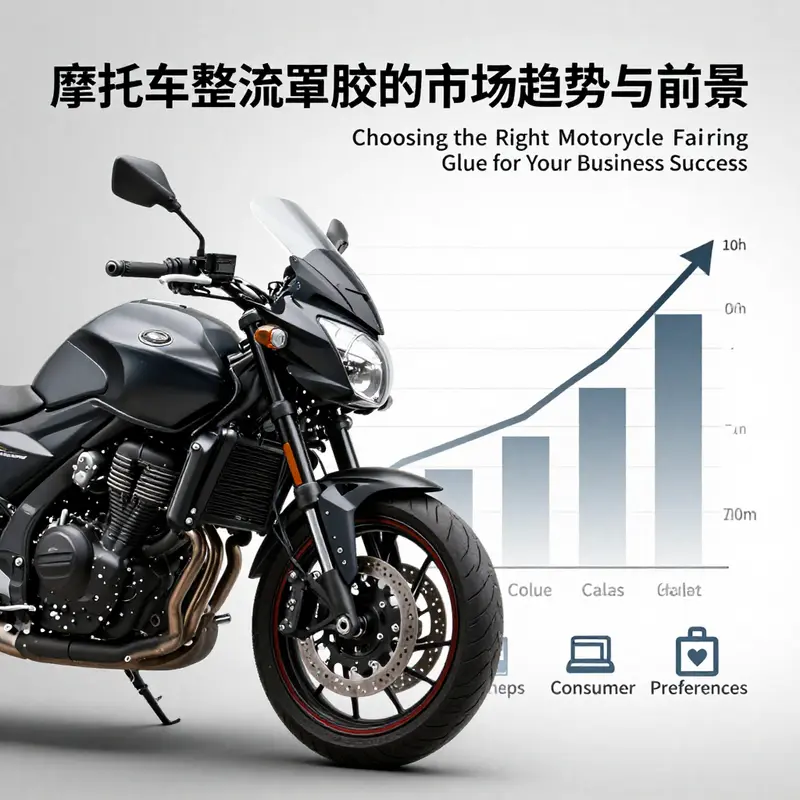
Bonding is the quiet backbone of the motorcycle fairing ecosystem. While riders admire the sculpted lines and aerodynamic silhouettes that give a bike its face, the chemistry that keeps those panels attached under wind, rain, and vibration often stays unseen. Yet as the global market for motorcycle fairings expands—driven by new models, customization culture, and a broader appetite for lighter, more efficient machines—the glue that binds plastic and composite components becomes a more strategically important factor than any single bolt or bracket. The story of motorcycle fairing adhesives is not merely about sticking two pieces of plastic together; it is about a synchronized march of materials science, manufacturing scale, and consumer expectation that together shape the mid- to long-term trajectory of the entire fairing industry. When one looks at the market through this lens, the trajectory appears less as a niche technical challenge and more as a fealty to quality, reliability, and form that underpins the modern riding experience.
To ground the discussion in observable dynamics, it is helpful to acknowledge the broader market context in which fairing adhesives operate. Across the globe, the motorcycle fairing market is forecast to grow steadily over the coming years, supported by the ongoing demand for both light and mid- to heavy-displacement motorcycles. The expansion is not merely a function of vehicle sales; it reflects deeper shifts in consumer expectations around aesthetics, aerodynamics, and personalization. Analysts project a compound annual growth rate that hovers in the vicinity of six to seven percent through the next several years for the overall fairing market, with regional variations shaped by manufacturing capability, regulatory environments, and consumer preferences. In numerical terms, figures from earlier years suggest a global fairing market in the hundreds of millions of dollars, with estimates showing the market expanding from a substantial base toward an even more expansive footprint by the end of the decade. A parallel, occasionally cited estimate places the market size in a similar range and notes a sustained momentum into the 2030s. While these assessments discuss the fairings as a whole, the glue and sealant layer that binds the panels is inseparable from that growth curve. As production scales up and model diversity widens, the demand for reliable, durable, and weather- and vibration-tolerant bonding solutions grows in tandem.
From a demand perspective, the drivers of growth in fairing adhesives are intimately tied to how fairings themselves evolve. The push toward lighter, more rigid shells—often using advanced plastics and composite laminates—requires joints that can transfer load, resist impact, and maintain form across a spectrum of temperatures and environmental conditions. Consumers, meanwhile, are increasingly drawn to customized or retrofit fairings that reflect personal style without compromising performance. Each new design requires not only a precise fit but a robust bond that will endure through cycles of acceleration, braking, and road surface chatter. In this ecosystem, the adhesive becomes less a generic component and more a performance-critical ingredient, integrated at the design stage by engineers who value longevity as much as appearance.
When we examine the upstream implications of this demand, it becomes evident that the market for high-performance adhesives designed for plastics and composites is on a成长 path alongside the fairing market itself. The rise in production volumes, the expansion of aftermarket customization, and the need for reliable repair options all contribute to a stronger demand signal for adhesives that can offer enduring bond strength, resilience to weathering, and compatibility with a variety of substrates. The result is a virtuous cycle: as fairings become more sophisticated and varied, the adhesives that bind them must match that sophistication, and as those adhesives improve, they enable designers to push the envelope further in terms of form and function. This cycle reinforces the intuitive notion that the future of motorcycle fairings is inseparable from the performance, durability, and sustainability of the glues and sealants employed in both manufacturing and service.
From a materials science standpoint, there are several canonical adhesive families that have proven especially relevant to fairings. Epoxy adhesives offer exceptional structural bonding strength and long-term durability, making them well suited for joints that must resist repeated mechanical loads and temperature swings. Those properties are valuable in primary load paths or in areas where fairings must maintain structural integrity after impact or collision events. Polyurethane adhesives bring a different suite of advantages: enhanced elasticity and energy absorption, which help dampen vibrations and reduce the risk of crack initiation under cyclic loading. This combination of toughness and resilience is particularly important for exterior panels exposed to the rigors of riding conditions, where small deformations can propagate into larger issues if the bond remains too stiff or too brittle. Beyond these two families, there are specialized adhesives formulated specifically for plastics and composites commonly used in fairings. These products are engineered to balance adhesion, cure speed, flow characteristics, and environmental resistance, ensuring a reliable bond even when faced with UV exposure, temperature cycling, and moisture intrusion.
The operational realities of applying these adhesives—whether in original equipment manufacturer (OEM) assembly lines or in aftermarket repair shops—heighten the importance of surface preparation, protocol adherence, and process control. No adhesive can perform up to its potential if the bonding surfaces are contaminated with dust, oils, or old coatings. The recommended practice is meticulous cleaning followed by light abrasion to create a micro-roughness that improves wetting and mechanical interlock. The subsequent bonding process must respect the manufacturer’s instructions for curing time, gap tolerances, and environmental conditions. In practice, this means that technicians and engineers must coordinate mechanical, chemical, and climatic controls to achieve an optimal bond that remains durable over time. The upshot is that the market for fairing adhesives is not only a technology story but also a training story: as products evolve, so does the skill set required to deploy them effectively, whether in mass production or custom fabrication bays.
All of these considerations naturally feed into the design space for future fairing adhesives. A key trend is the shift toward multi-functional adhesives that can address bonding and sealing in one step, reducing assembly time and opportunities for moisture ingress at joints. The move toward thinner, lighter shells increases demand for high-strength bonds with precise curing behavior, so engineers increasingly favor formulations with controlled modulus and cure kinetics that can be tuned to specific panel geometries and environmental exposures. The market is also noticing a demand for adhesives with improved environmental profiles—low volatile organic compound (VOC) emissions, reduced odor during curing, and compatibility with recycling streams at end-of-life. As the fairing ecosystem gravitates toward sustainable manufacturing practices, adhesive suppliers respond with formulations designed to minimize environmental impact without compromising performance. In some regions, regulatory expectations around safety, emissions, and waste management are already shaping procurement choices, nudging manufacturers toward more responsible bonding solutions.
To illustrate how design choices and material chemistry intertwine, consider the breadth of fairing design across brands and model families. The same underlying material system can behave differently depending on substrate thickness, weave, resin content, and corner radii. A fairing that uses a more flexible polymer matrix might benefit from a tougher, more elastic adhesive that can absorb impulse without cracking, while a rigid, high-modulus panel could rely on a bond that offers maximum shear strength to resist panel deformation. This design-to-adhesion coupling means that the market for fairing adhesives must be viewed as a collaborative space where engineers, material scientists, and suppliers co-create solutions that align with product aesthetics, weight targets, manufacturing throughput, and serviceability. It is this collaborative, cross-disciplinary dynamic that sustains the forecast of steady growth for the fairing adhesive segment in the context of a vibrant, expanding motorcycle market.
Within this broader frame, one can observe how the variety of fairing configurations across popular platforms underscores the importance of a flexible adhesive strategy. A capsule of evidence is found in the diversity of fairing offerings across major brand lineups and aftermarket options. For instance, readers exploring different fairing ecosystems can gain a sense of this diversity by examining the online catalog of a well-known category that specializes in a broad range of fairings—ranging from sportbike to touring designs and beyond. A quick glance at the Honda fairings category, for example, reveals the sheer heterogeneity of shapes, mounting schemes, and panel interfaces that engineers must accommodate. Each variation implies different bonding geometries and substrate interactions, challenging adhesive developers to deliver formulations with sufficient tack, bonding strength, and longevity across multiple use-cases. The presence of such diverse design slates reinforces the argument that the market for fairing adhesives will grow in lockstep with the broadening palette of fairing designs. For readers curious to explore the manufacturing and aftermarket ecosystem from a brand-specific perspective, the Honda fairings category offers a tangible window into how design diversity translates into bonding requirements and field performance. See Honda fairings for a representative snapshot of this diversity.
With these considerations in mind, the forecast for motorcycle fairing adhesives remains positive but calibrated by practical realities. High-volume OEM production tends to favor adhesives that cure quickly and streamline assembly while delivering repeatable performance across thousands of units. In contrast, the aftermarket and repair segments often prioritize ease of use, field repairability, and resistance to unplanned exposure to fuel, cleaning agents, and road salts. The synthesis across these sectors is a resilient demand for high-performance, durable, and adaptable bonding solutions that can be customized to substrate chemistry, panel geometry, and climate exposure. The competitive landscape for adhesives thus rewards suppliers who can deliver not only a product with excellent intrinsic properties but also robust technical support, comprehensive surface preparation guidance, and clear curing protocols that minimize the risk of bond failure in the field. In a market where reliability translates directly into rider safety and customer satisfaction, this blend of chemical performance and service excellence becomes a decisive differentiator.
The future-looking lens reveals several actionable implications for stakeholders across the supply chain. First, OEMs and suppliers should continue investing in joint development that aligns adhesive performance with evolving fairing materials, including hybrid plastics and lightweight composites. Second, process optimization—through methods such as controlled dispensing, precision timing, and real-time quality monitoring—will help ensure consistency across high-volume production; these operational advancements often yield tangible improvements in yield and post-assembly performance. Third, the rise of customization and personal tech integration in motorcycles means more frequent and varied bond lines, which calls for modular adhesive systems and adaptable curing strategies rather than one-size-fits-all solutions. Fourth, sustainability considerations will increasingly shape product development, pushing for formulations with lower emissions and end-of-life recyclability that do not compromise joint integrity. Finally, knowledge transfer and training will become an explicit part of market expansion, as technicians and engineers need to understand surface preparation, joint design, and cure mechanics to unlock the full potential of the available adhesive chemistries.
All of these dynamics collectively portray a market that is not only expanding but also evolving in sophistication. The adhesive in a motorcycle fairing is no longer simply a material choice; it is an integral element of product architecture that must harmonize with high-performance plastics, aesthetic ambitions, and the realities of global supply chains. In this light, the fairing adhesive market is positioned to ride the crest of ongoing innovation in polymer chemistry, materials engineering, and manufacturing excellence. For practitioners, researchers, and enthusiasts seeking to understand how the bond commingles with design and demand, the message is clear: the future belongs to those who understand not just the strength of a bond, but the conditions under which it thrives, and the design flexibility that makes that bond a reliable partner across riding seasons, miles, and models.
As a final reflection, the interconnectedness of design, materials, and manufacturing becomes apparent when we consider the overall ecosystem in which fairing glues operate. The adhesive is a bridge between form and function, enabling designers to craft sculptural panels that grip the wind with minimal weight while resisting the daily test of weather and road. It is also a facilitator of customization, allowing riders to swap, repair, or enhance panels without compromising safety or performance. The market signals—steady growth, broad substrate compatibility, and a push toward more sustainable formulations—tell a story of an industry maturing gracefully, one that recognizes adhesive technology as a lever for better bikes and better riding experiences. In this sense, the forecast for motorcycle fairing adhesives is not just about keeping panels attached; it is about ensuring that every curve, every joint, and every finish meets a standard of durability and beauty that riders have come to expect. The glue, in other words, is as much a part of the ride as the engine or the chassis, quietly accelerating the industry toward a future where performance, style, and resilience ride together.
External resource for adhesives: https://en.wikipedia.org/wiki/Adhesive
Final thoughts
In the dynamic realm of motorcycle repairs, selecting the appropriate fairing glue is a business-critical decision that can influence customer satisfaction and service quality. High-performance adhesives, such as epoxy and polyurethane, alongside specialized motorcycle glues, offer robust solutions that meet the demands of the industry. By understanding the technical application and staying ahead of market trends, business owners can position themselves for success, ensuring that their repair services not only meet but exceed customer expectations, ultimately contributing to long-term business growth.