
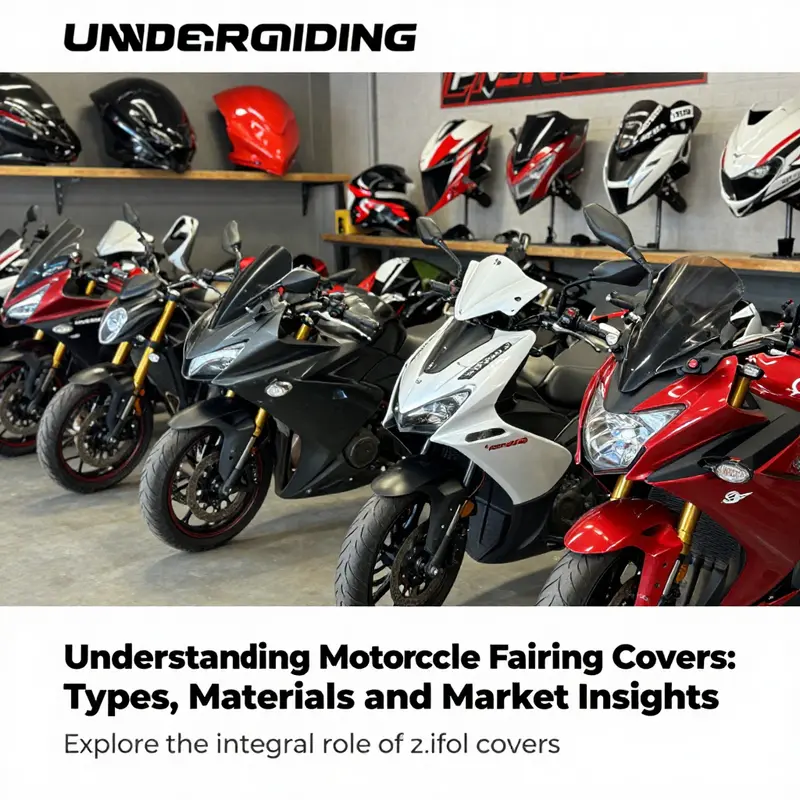
Motorcycle fairing covers play a crucial role in enhancing the performance, safety, and style of motorcycles. As an essential component for any motorcycle, these covers provide aerodynamic efficiency, protect riders from various elements, and allow for personal expression through customization. This article delves into the various types and functions of motorcycle fairing covers, the advanced materials and technological features that define modern options, and an analysis of market trends and compatibility with specific motorcycle models. By understanding these aspects, business owners can make informed decisions regarding products that meet the demands of today’s motorcycle riders.
流线之外的守护与风格:摩托车整流罩的类型、功能与未来演进
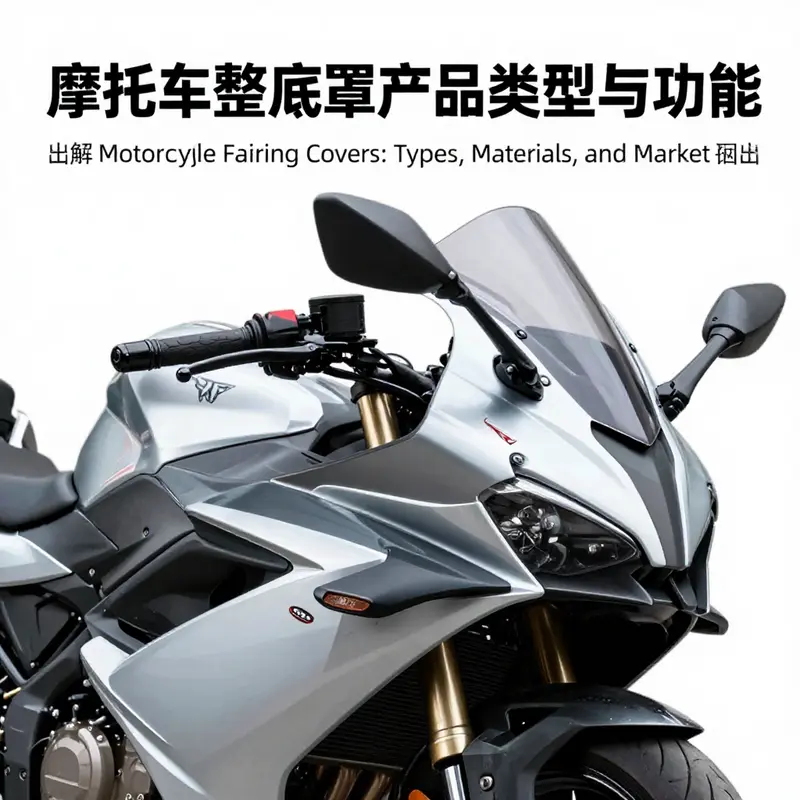
在速度与稳定性交错的摩托世界里,整流罩(fairing)早已超越了单纯的外壳覆盖。它像一枚精密的空气动力学元件,既是风阻与气流的调音师,也是对行驶安全、舒适与个性表达的综合承载体。通过对材质、安装位置与功能的深刻理解,我们可以看到一个系统发展的全景:不同类型的整流罩在不同场景下以各自的方式提升性能,保护骑手与发动机,同时提供足够的空间来体现个人风格。正因为如此,理解整流罩的产品类型与核心功能,是把摩托车改装或原厂配件升级落到实处的前提。为了把这一切讲透,它不是以一组孤立的部件来呈现,而是以一个连续的工程叙事来展开,讲述从材料选择到气流管理,再到未来趋势的完整图景。
在探讨具体类型之前,我们可以先把整流罩的作用放在更广的设计目标上来审视。最直接的作用是改善空气动力学性能。通过流线型的轮廓设计,整流罩让高速行驶更加稳定,降低风噪和风压对骑手的冲击,从而提升操控性与疲劳管理。其次,整流罩承担保护职责,包裹发动机、仪表盘以及下部机身,防止雨水、泥水、碎石等侵扰,延长部件寿命。再往深处看,整流罩还是美学与个性化的载体。通过纹理、颜色、材料与表面处理,骑手可以在同一车型上呈现完全不同的视觉语言,形成独特的外观气质。正是这三重功能的叠加,使整流罩成为改装与个性化的核心件之一。要真正理解它的多样性,就要从两大维度来分类:材料与安装位置。后者决定了覆盖的范围与气路导向的重点,而前者则决定了重量、强度、耐热性以及成本的权衡。
从材料的角度看,整流罩的常见类型可以分为塑料、碳纤维、玻璃纤维以及与之搭配的金属支撑结构等。ABS/工程塑料是最广泛使用的选择,其优点在于成本较低、加工灵活、耐腐蚀,能够实现复杂的曲面和大规模生产。对于日常骑行和大众改装来说,这是一个性价比极高的解决方案。碳纤维则以极高的强度重量比著称,常用于追求极致性能与视觉冲击的高端改装件。它能显著降低整车重量,提升动态响应和转向灵敏度,但成本也相对更高,加工与维护的门槛也更高。FRP(玻璃纤维增强塑料)在强度与可塑性之间提供了另一种折中方案,适合定制化设计和赛车级场景,尽管重量通常略重于碳纤维。金属框架或金属结构部件则更多作为外覆盖的支撑与连接载体,与外部覆盖材料组合使用,确保整体刚性和抗撞击能力。模块化设计逐渐成为趋势,许多整流罩件的拆装、更换与组合都被设计成可互换的模块,以便于日常维护、快速修复以及根据需求进行个性化调整。
在安装位置上,整流罩的分类进一步丰富。全整流罩覆盖车头、油箱和大部分车身,提供最佳的空气动力学效果,同时塑造完整的流线轮廓;半整流罩则多覆盖前部和仪表区域,兼顾视觉效果与易维护性,适用于日常街道驾驶与某些巡航风格的车型。还有侧整流罩、尾部整流罩、前挡泥板与发动机保护罩等不同部位的设计,它们各自承担着美观、导流、散热保护等特定功能。全方位覆盖的全整流罩往往对导流路径进行精细设计,以实现车轮前后气流的最佳分配;而侧部与尾部的设计则更强调外观的线条延展与气流在车身横向的分布效果。前挡泥板作为入口前方的第一道导流屏障,既要阻挡泥水与碎石,又要避免对轮胎散热造成干扰,因而需要在强度、韧性与气动阻力之间取得平衡。发动机保护罩则更多聚焦于底盘保护与低速冲击的缓冲,确保关键部件在路面不平或小型碰撞中保持完好。总之,位置决定功能,材料决定强度,而两者的协同则决定整流罩在真实骑行中的表现。
将注意力转回到骑行体验的核心层面,整流罩对舒适性与控制性的贡献往往被低估。高速巡航时,整流罩的气流导向不仅影响车头的稳定性,也影响骑手的风压分布。良好设计的导流叶片和气流通道可以减小迎风对胸腔和头部的直接冲击,大幅降低颈肩部肌群的紧张程度。这种舒适性在长途或夜间骑行中尤其显著,往往直接转化为骑手的专注度与驾控自信。此外,整流罩对散热系统的协同工作也不可忽视。某些设计在导风道中设有进气口与排气引导、甚至是排热板结构,帮助发动机和散热系统保持最佳工作温度,避免因高温导致的性能下降或热衰减。这种综合的热管理能力,使整流罩成为整车空气动力学与热力学优化的重要组成部分。
在美观与个性化方面,整流罩的设定也越来越贴近时尚与工艺美学。多样的表面处理——如哑光、光泽、碳纤维纹理及水转印图案——让同一车型在视觉上呈现出迥然不同的气质。对于追求独特风格的骑手而言,定制化的颜色、纹理甚至小型贴花,都能极大增强个性表达。正因如此,整流罩在改装市场中的地位稳步上升:它既是“第一层外衣”,也是“气场语言”的重要载体,能够让车辆在街道或赛道上以独特的辨识度脱颖而出。与此同时,许多生产商与改装商也在探索与车载系统的智能集成方向。未来的整流罩可能嵌入传感器、可调节导流叶片,甚至与车辆的电子控制系统联动,形成更动态、更自适应的气流管理体系。这样的演进将把整流罩从传统的被动外覆,转变为主动、数据驱动的性能部件。
市场层面的现实也在推动这场变革。大量的市场调研显示,消费者在选择整流罩时,往往权衡四大要素:重量、气动性能、耐用性与成本。对于日常使用者,性价比往往优先;而对于追求极致性能的骑手,碳纤维或高强度材料的投入则是换来更高速度稳定性与操控性的关键。除了材料与设计,模块化与易维护性也成为决定购买决策的重要因素。模块化的拆装设计不仅缩短了维护时间,也让车主可以在不同的骑行风格之间快速切换。更重要的是,环保与可持续性议题正在渗透到整流罩的制造链条之中。越来越多的厂商在探索可回收材料、低碳生产工艺与生命周期评估,以实现更绿色的出行。
在整合与应用层面,理解整流罩的类型与功能对任何打算改装或升级的骑手都极具价值。选择合适的材料组合与安装位置,可以在不牺牲安全的前提下,获得更好的气动效应与更舒适的驾乘体验。此外,考虑到不同车型的需求差异,合适的模块化设计能提供更灵活的匹配方案,使得改装工作更高效、维护更方便。对于想要探索更多可能性的人来说,相关的整流罩目录可以作为入门与扩展的桥梁。
若你正在寻找一个广泛且可拓展的整流罩目录,相关的产品系列与分类页面将提供多样选择,帮助你从基础款到高端定制之间找到平衡点。探索该领域时,链接的目录可以作为起点,逐步引导你了解不同材料、安装方式与设计风格的组合效果,从而做出更明智的决策。你也可以通过对比不同模块的可替换性,评估未来升级的成本与收益。与此同时,应该将体验放在核心位置:试着在不同路况下感受整流罩带来的空气流动与声学表现,观察风阻降低带来的稳态与操控性变化。
为了便于你在实际操作中进行对比,下面给出一个便于进一步研究的参考路径:先从全整流罩的气动表现入手,了解其对头部与肩部区域的保护效果,然后再评估侧整流罩和尾部设计在视觉线条与气流分配上的作用。接着,关注材料选择对重量与耐用性、热管理之间的权衡。在这个基础上,考虑是否需要模块化设计来实现未来的快速调整与维修。最后,把颜色与纹理作为“可见的性能指标”来评估它们对整体气场与个性表达的贡献。
如需深入了解具体的整流罩目录及相关选项,可以参考以下分类页面以获取更全面的视野:yamaha-fairings。这类页面不仅显示不同材料与安装类型的组合,也为你提供了可对比的尺寸与适配性信息,帮助你从宏观的设计理念逐步落到具体的部件选择。
此外,在理解材料与设计原则的同时,别忘了关注外部资源对整流罩行业演化的洞见。一个有代表性的参考资源链接可以帮助你把握市场趋势与技术前沿,从而在实际购买时提升判断力。作为延展阅读的一个外部参考,请查阅以下链接以获取更具体的产品化信息与用户反馈:https://www.amazon.com/dp/B0BZVWQKJL。这类外部资源可以提供真实用户的使用体验、参数说明与配送服务等信息,帮助你形成全方位的评估矩阵。
总结而言,摩托车整流罩不仅仅是外观升级的一个选项,而是综合考虑空气动力学、部件保护、驾驶舒适性和个人风格的工程解决方案。通过对材料、安装位置与功能的系统化理解,你可以在不同的骑行场景中实现最佳的性能与体验。随着可持续性与智能化趋势的推进,整流罩的设计语言将继续演化,成为车辆整体性能矩阵中一个越来越重要的节点。对于热爱速度、追求安全与渴望个性的骑手而言,选择合适的整流罩,是一项值得投入的长期改装与投资。
The Material Language of Speed: Engineering the Modern Motorcycle Fairing Cover
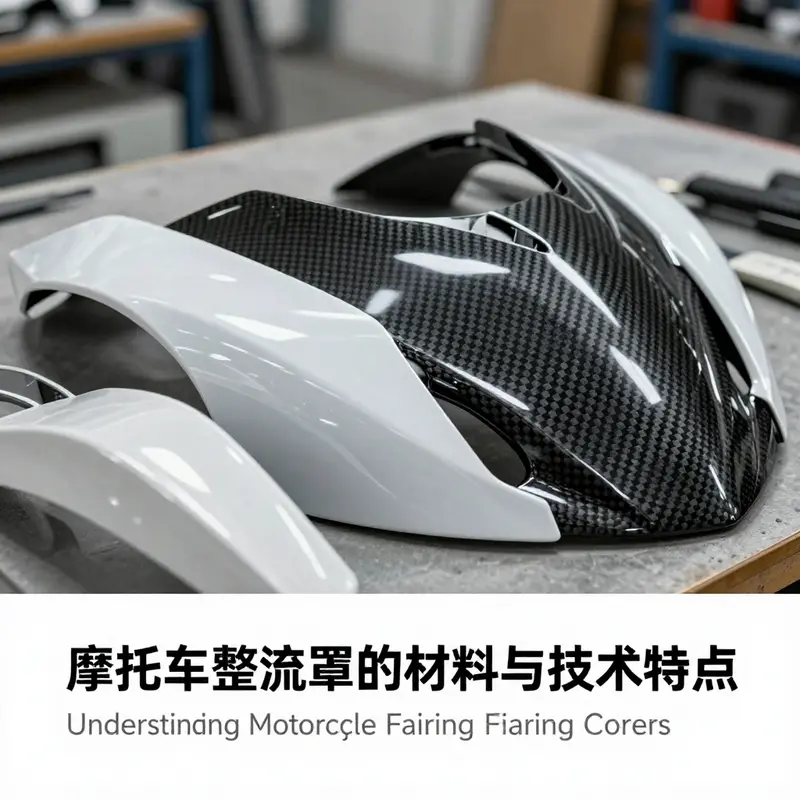
The motorcycle fairing is often read as a single snapshot of style—a glossy contour that makes a bike look fast even when it sits still. Yet beneath the gloss lies a disciplined interplay of engineering choices that determine how the vehicle cuts through air, how it shields rider and engine from the elements, and how reliably it holds together at speed. A well-designed fairing cover is not merely a cosmetic shell. It is a composite statement of aerodynamics, protection, durability, and manufacturability, stitched together with material science and careful attention to thermal behavior and surface finish. When we examine the materials and technologies that shape modern fairings, we begin to see how every millimeter of curvature is informed by a balance of forces: wind, heat, impact, and the practical realities of mass production. The result is a language of speed that is as much about science as it is about silhouette, a language spoken in polymers, resins, and carbon fibers that translate performance into form.
At the heart of many contemporary fairings lies engineering plastic—a family of materials chosen for their lightness, rigidity, chemical resilience, and ease of manufacture. A representative approach uses a blend that combines ABS with a polyamide component, fortified with a mineral filler to tune stiffness and dimensional stability. This class of materials excels in injection molding, a process essential for achieving the complex, aerodynamically pure surfaces that modern fairings demand. The mechanical side of the story is compelling: a high bending modulus keeps the surface from warping under the aerodynamic loads encountered at high speed, preserving the intended line and ensuring a tight fit against the bike’s frame. In real terms, a modulus on the order of a few thousand megapascals translates into a panel that resists deflection when air pressures press against it in a crosswind or during rapid acceleration. Temperature performance matters, too. The heat deflection temperature in the region of a hundred and thirty degrees Celsius, when properly processed, provides confidence that the fairing can withstand proximity to engine heat without softening or deforming in daily riding or on a hot summer day.
But strength and stiffness are only part of the equation. Notched impact resistance figures, which describe how the material behaves under sudden impacts or irregular loads, matter for safety and for the long life of the component as it endures gravel spray, road debris, and the occasional misjudged curb strike. A material that absorbs energy efficiently helps prevent catastrophic cracks and allows a rider to walk away with less concern about minor hailstorms of grit. The practical side of manufacturing also hinges on flow characteristics of the molten polymer during molding. A predictable, consistent melt flow enables the creation of integrated features such as ventilated ducts, subtle radii, and seamless transitions between panels. When a resin flows well, designers can craft thinner walls in some regions to shave weight without sacrificing stiffness, all while maintaining surface quality that looks right and resists scuffing and UV exposure. The result is a fairing that not only aligns with the bike aesthetically but also maintains dimensional integrity and appearance over the life of the vehicle.
In the spectrum of materials, carbon fiber stands as a high-performance counterpoint to standard engineering plastics. Its appeal rests on a remarkable strength-to-weight ratio, a property that translates directly into performance benefits: a lighter fairing reduces unsprung weight, decreases the moment of inertia during maneuvering, and can contribute to crisper handling and more immediate throttle response when combined with an optimized chassis. But the advantages go beyond sheer mass. The anisotropic nature of carbon fiber allows designers to tailor stiffness along specific directions through deliberate fiber architecture, shaping how the panel resists bending and how it channels airflow. This is particularly effective in fine-tuning downwash, lift, and local pressure distributions around the bike’s leading edges and undercuts. When well executed, carbon fiber composites can also deliver a matte or high-gloss finish that reads as premium without additional paint layers, which in turn reduces weight and potential coating anomalies. The caveat here is cost and repairability. Carbon fiber components typically command a premium and demand careful handling and repair strategies, especially on race-oriented builds where damage can propagate across plies if not addressed properly. Nevertheless, the performance envelope that carbon fiber enables—precise shaping, low weight, high fatigue resistance—remains compelling for both track teams and discerning street riders who pursue a mix of performance and aesthetic aggression.
The practical trade-offs between these materials shape decisions across the market. Engineering plastics, often blended with minerals and reinforced with fibers, deliver everything needed for mass production: robust impact resistance, good surface quality, favorable molding economics, and a broad palette of finishes. Carbon fiber, by contrast, is a statement of premium engineering—lightweight, stiff, and visually striking, with an aura of race-borne performance. The choice between these directions is not simply a matter of cost; it is a calculation about the intended use, the climate, the potential for customization, and the maintenance someone is prepared to invest. Even within a single bike platform, designers might choose a hybrid approach: polymer panels for the majority of the surface, with carbon fiber reinforcements in critical zones or in sections where a particular contour must carry more precise aero characteristics. The modularity of modern fairings supports such mixed material strategies, allowing for the integration of various functions—intake vents, airflow guides, and protective features—without compromising the overall geometry.
Beyond raw materials, the technology surrounding fairing covers increasingly embraces integrated functionality. It is common to see panels designed with built-in air channels that direct air toward the engine and radiator or away from sensitive electronics, a design choice that improves thermal management during sustained high-speed operation. The surface finish is not an afterthought; it is part of the airflow story. A carefully executed matte or gloss finish can reduce glare and influence boundary layer separation, subtly shaping the way air adheres to the surface. In high-performance builds, additional features such as underwing elements or side-skirt extensions are designed to generate a controllable downforce or to manage flow around the upper fork area, smoothing the transition from front to midsection and guiding wake away from the rider. The sophistication of these details grows with the bike’s ambition, and so does the need to predict their effects with precision. Computational fluid dynamics, wind-tunnel validation, and real-world testing converge to verify that every contour serves a purpose rather than merely delivering a look.
At the same time, modular design strategies are redefining how fairings are bought, fitted, and maintained. A modular approach enables the easy replacement of damaged sections or the customization of accents and colorways without retooling the entire shell. This matters not only for aesthetics but for weight and structural integrity. A modular side panel that can be swapped out after a crash or during a race-season refresh reduces downtime and extends the useful life of the overall fairing system. In practice, this means more affordable maintenance and more opportunities for riders to experiment with different appearances or aerodynamics—an important consideration in a market where personal expression and performance can coexist. Pairing the modular concept with a mix of materials—high-stiffness plastics in critical load-bearing zones, carbon fiber in high-stress aero regions—allows designers to optimize each area for function while staying within budget constraints and production realities.
Market realities further shape the material conversation. On one end, everyday riders benefit from the durability and affordability of engineering plastics, with fairings designed for routine maintenance, straightforward repairs, and repaint compatibility. On the other end, enthusiasts and racers push for the lightest possible configurations and the most exacting aero shaping, where carbon fiber or advanced composites become the preferred route. Between these poles, the fairing ecosystem offers a spectrum of choices, including surface finishes that resist weathering, color-stable coatings, and UV-resistant polymers that keep the visual appeal intact for years of exposure to sun and rain. The result is a landscape where materials are not a single choice but a set of coordinated decisions that align with performance goals, maintenance philosophy, and budgetary boundaries. As such, the modern motorcycle fairing cover embodies more than a shell; it is a curated assembly of materials and techniques crafted to meet the demands of speed, safety, and style.
Evaluating the lifecycle and sustainability impacts of these materials also enters the design calculus. More manufacturers are exploring recycled or recyclable content for fairing shells, aiming to align with greener riding. This is easier with certain engineering plastics, where recyclability profiles can be integrated into the resin system, allowing scraps and trimmed pieces to be reprocessed. Carbon fiber presents a more complex challenge because of its composite nature, which complicates recycling, but researchers are exploring reclamation routes or compatibility with recyclable resins that do not compromise stiffness and heat resistance. The ongoing push toward sustainable mobility pushes material selection toward a balance among performance, manufacturability, and end-of-life considerations. It is not unusual to see a shift toward resin systems that maintain strength while reducing environmental impact, paired with design innovations that maximize energy recovery during production and minimize waste.
Looking ahead, emerging ideas point toward “smart” fairings that integrate sensors and adaptable airflow elements. Imagine fairings with embedded sensors that monitor temperature, vibration, and boundary-layer behavior, feeding data to onboard systems or to the rider’s display. Adjustable air-ducts or actively controlled mini-vanes could be deployed to optimize airflow depending on riding mode, speed, or weather. While still a developing concept, such smart integrations highlight the direction of travel: beyond passive protection and passive aerodynamics, future fairings will actively participate in the vehicle’s performance envelope. The shift will require materials that accommodate sensors and actuators without compromising the structural integrity or adding unnecessary weight. It will demand manufacturing processes that can embed electronics and maintain surface quality for long periods under outdoor exposure. And it will require designers who can balance these new capabilities with the timeless requirements of fit, finish, and reliability.
In the context of real-world riding, the value of a well-chosen fairing material becomes clear not in a single metric but in a composite of performance indicators. Aerodynamic efficiency translates to reduced drag and smoother airflow around the rider, contributing to stability at high speeds and improved fuel efficiency in city or highway conditions. Mechanical robustness protects the rider from wind pressure, rain, and debris while safeguarding the engine, gauges, and fuel system from heat and water ingress. The aesthetic dimension, though often underestimated in engineering discussions, influences rider confidence and identity, encouraging riders to tune and customize their machines. The blend of plastics and composites, the careful layout of vents and guides, and the option to mix materials all converge to deliver a fairing that is as much an instrument of performance as it is a canvas for personal expression. The fairing cover thus emerges as a living system—an evolving interface that straddles the boundary between aerodynamic science and artistic form.
For those seeking a hands-on sense of how these categories are organized in the broader ecosystem, a practical reference to the category pages can be illuminating. See the Yamaha fairings collection for a representative sense of how different panels and styles are organized and marketed across platforms. This internal perspective helps connect the theoretical material choices with the real-world products that riders encounter when shopping or upgrading their machines. Yamaha fairings offer a glimpse into how a category can be segmented and presented, reflecting the real-world trade-offs between coverage, airflow management, and aesthetic customization.
From a design and engineering standpoint, the materials and technologies discussed here are not abstract. They are the tangible factors that determine how a fairing behaves in high-speed wind, how it withstands road grit and heat, and how it can be repaired or updated after miles of use. The data points—modulus, heat deflection, impact resistance, and flow characteristics—are not numbers to memorize; they are the levers that engineers pull to shape the rider’s experience. When these levers are tuned correctly, the resulting fairing cover becomes a proficient partner in acceleration, cornering, and endurance riding. It becomes a contributor to the vehicle’s overall efficiency, its visual language, and its reliability under adverse conditions. And as materials science advances, riders can expect fairings that are lighter, stronger, and more adaptable than ever before, while still delivering the timeless appeal of a well-designed silhouette. In this ongoing dialogue between form and function, the fairing is both shield and signal—protecting the rider and proclaiming the machine’s purpose at every angle of the road.
External reference for deeper material specifics and case studies on material performance in motorcycle fairings can be found here: https://www.souliao.com/techcenter/123456789.html
摩托车整流罩的适配车型与市场格局:材料、设计与全球供应链的协同演进
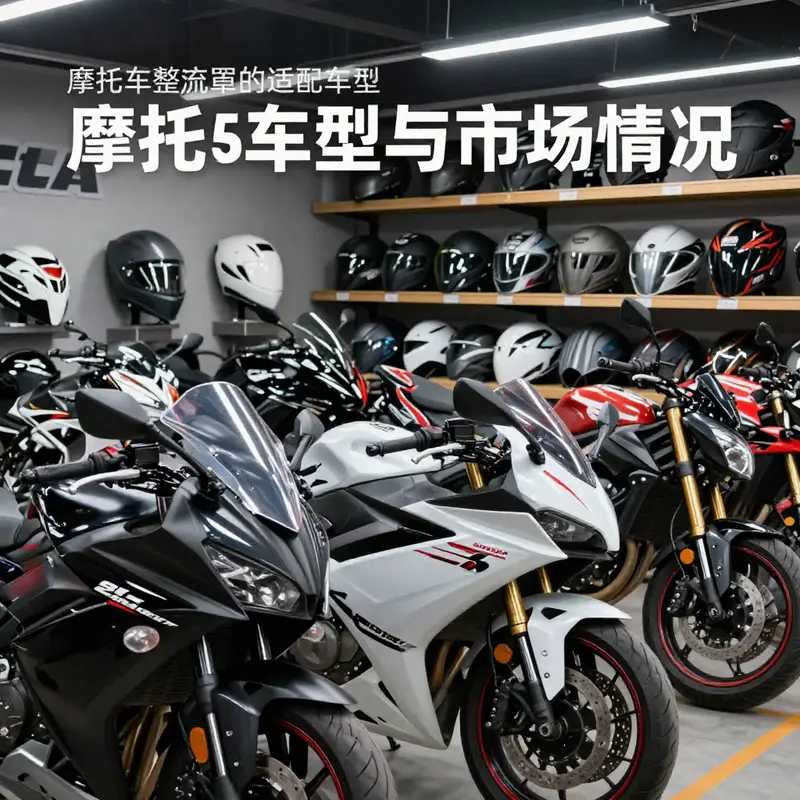
作为摩托车外观的核心之作,整流罩早已从单纯的保护部件演变为一个复杂的空气动力学系统。它不仅决定了车辆在高速稳定性上的表现,也影响着散热、声学体验、耐用性与个性风格的传达。在全球范围内,适配车型的多样性与市场格局的变化,正推动整流罩行业向着更专业化、可定制化和高效生产的方向发展。对设计师、改装爱好者以及量产厂商而言,理解整流罩的适配逻辑,意味着在满足不同 rider 需求的同时,能够构建更为精准的供应链与服务网络。这一章将把注意力聚焦在三个维度:车型适配的生态、材料与制造的演变,以及市场结构与全球分工如何共同塑造当前的行业景观。为了实现这一点,必须以材料科学、工程工艺以及消费市场的动态为基础,讲述整流罩如何在多元化的需求中实现整车性能与美学的平衡,同时避免把注意力局限在个别型号或单一市场上。只有这样,整流罩的设计与采购才会在更广的产业语境中获得意义。
在适配车型方面,市场上存在明显的分层:一侧是面向特定车型的定制化前后整流罩和配套导流件,另一侧则是更具通用性的模块化组件,便于跨车型改装与维护。前者在高端运动和赛道场景中尤为受追捧,因为定制化的轮廓和缝线对风洞优化、进气导流及冷却系统的整合有直接作用。后者则以成本效益与灵活性著称,适合需要快速更换外观或为不同季节与赛事需求做准备的骑手。无论是哪一种,核心原则是一致的:整流罩必须与车身的线条、进气口、灯组和仪表盘之间建立和谐的气流通道,避免相互干涉,并尽可能降低整车重量,同时提升结构强度。
在具体的车型生态中,品牌与车型的多样性体现了市场对定制化解决方案的强烈需求。制造商与改装厂商往往以型号定位来划分产品线,辅以通用件的互换性来扩大覆盖面。这种策略不仅缩短了新品面世的周期,也为后续的维护和修复提供了便利。对于消费者而言,选择一套合适的整流罩,意味着需要考量自身骑乘风格、使用场景(日常通勤、长途旅行、城市赛道或娱乐性改装)、以及对外观和品牌印象的偏好。这些因素共同决定了市场对不同材料、价位和加工工艺的需求分布。
材料与工艺的进步,是推动适配车型和市场格局共同演化的另一大驱动力。早期的整流罩多以通用塑料为主,强调轻量、成本与耐候性。如今,塑料材料在 ABS(或其他工程塑料)基础上不断提升,从而在兼容性、耐久性和抗腐蚀性方面获得显著提升。对追求高性能的用户而言,碳纤维复合材料成为实现极致强度重量比、以及希望呈现运动感视觉效果的偏好选择。碳纤维前鼻、侧导流板等部件在高端改装领域尤其受欢迎,除了减轻重量,它们还能带来更锐利的视觉冲击和更具攻击性的线条气质。然而,碳纤维部件的成本仍然高于塑料件,因此市场上通常采用混合材料策略,将关键受力区域和美观部位集中于碳纤维,而其他部位则采用高强度塑料或复合材料,以实现性能与成本的平衡。
模块化设计则把材料优势与用户需求进一步放大。通过可拆卸、可替换的面板和连接件,整流罩系统能更容易地进行维护、升级或换装。这一点在跨季度、跨地区销售的供应链中尤为重要。模块化不仅缩短了新款面世的时间,还提升了不同车型之间的通用性,甚至允许车主在同一辆车上尝试不同风格的外观而非购买全套替换件。与此同时,集成的功能逐步走向多元化:从简单的导流板、进气口和排汽管保护,到更复杂的热管理解决方案,如导流与排气口位的协同设计。这些创新提升了散热效率,降低发动机舱温度峰值,且不明显增加风阻。对于市场而言,这些技术进步不仅提升了性能,还赋予改装件更多的定制空间,让消费者的选择不再局限于外观,而是延伸到空气动力学与热管理的综合优化。
在全球市场的版图中,几乎所有地区的消费群体都在以不同的节奏推动整流罩需求的增长。中国作为重要的生产与出口基地,承载着大量生产与组装活动,并通过跨境电商平台将产品推向欧洲、北美、东南亚与南美市场。这种全球化布局意味着同一款整流罩的设计需要满足多区域的法规、认证以及风格偏好。一方面,企业需要在材料采购、工艺标准与质量控制上保持国际一致性;另一方面,又必须留出足够的灵活性,以适应不同市场对表面处理、颜色、纹理和贴花风格的偏好。正是在这种张力之中,供应链的协同与快速响应能力成为决定成败的关键。
从价格区间看,整流罩的成本构成正在向更广的镜像分布靠拢。基础款多以塑料件为主,成本较低,适合日常改装和入门级用户;而高端的碳纤维件,尤其是定制化的前部整流罩或关键承载部件,价格会显著提高。这种分层不仅体现在工艺与材料上,也体现在服务体验上。对许多消费者而言,选择不仅仅是为了外观提升,更是对长期维护、可替换性与二手市场价值的综合考量。市场研究表明,全球范围内有越来越多的消费者愿意为模块化、可升级的系统投入额外成本,以确保在不同使用场景下获得最佳气动性能和外观表达。
对行业参与者而言,了解适配车型的多样性意味着更好的市场定位与产品组合策略。整流罩的设计往往需要在风洞数据与实际道路测试之间找到平衡点,这就要求设计团队既具备美学视角,又具备工程分析能力。与此同时,供应链网络的结构也在发生变化:原材料供应、模具制造、表面处理、涂装以及成品组装等环节,各自承担着不同的风险与效率目标。一个稳定的全球供应网络不仅能保障产能与交付,还能通过标准化接口降低跨区域改装的难度。对经销商而言,这意味着可以在不同市场以更一致的价格和质量提供产品,从而提升用户信任度和品牌忠诚度。
在描述这一切时,我们不可忽视一个事实: riders 的需求正在从“只是看起来酷”转向“整体系统的性能与体验”转变。外观、气流、热管理、噪声控制与耐用性共同构成了真正的价值。整流罩系统因此成为连接车型平台、材料科学、制造工艺与消费行为的桥梁。品牌与制造商通过深化车型适配、提升材料与工艺、打造模块化与智能化的解决方案,在市场竞争中寻求更高的性价比与更长的产品生命周期。这种协同演进并非偶然,而是技术、市场与文化共同推动的结果。通过理解适配生态、材料与工艺的演变,以及全球市场分工,我们才能真正把握整流罩在未来出行中的角色与潜力。
如果你在考虑个性化改装,且希望镜头般的视觉冲击与实用性并重,不妨浏览专门为特定风格或品牌定位的整流罩类别页面,如 Yamaha fairings 页面。这类页面通常汇集了按品牌与车型划分的选件,便于比较不同风格的外观与气动特征,帮助你更清晰地判断哪些设计最符合你的骑乘需求与审美预期。 Yamaha fairings
展望未来,整流罩的发展将继续沿着材料轻量化、气动优化、热管理集成以及智能化集成的方向前进。行业的竞争焦点不再仅仅是表面的美观,而是在于如何通过突破性的设计与高效的制造,使整流罩成为提升整车性能、舒适性与安全性的全方位系统。这要求制造商在研发阶段就将跨学科协同作业放在核心位置:空气动力学、材料科学、表面处理、电子集成与用户体验共同构成一个不可分割的设计框架。只有在这样的框架下,适配车型的多样性才能转化为可持续的市场增长,而不是变成碎片化的成本负担。外部参考资源也持续为这一领域提供新的数据与洞察,帮助从业者把握趋势、降低风险、提升产品竞争力。
Final thoughts
Motorcycle fairing covers are not merely aesthetic upgrades; they are vital components that enhance rider safety, comfort, and vehicle performance. As the market continues to evolve with innovations in materials and technology, understanding the key features and compatibility across motorcycle models becomes essential for business owners. This knowledge enables them to cater to diverse rider preferences, ensuring they offer products that resonate with both functionality and personal style.