
Motorcycle fairing bras are increasingly recognized as essential accessories for bike enthusiasts aiming to preserve their motorcycle’s aesthetic and structural integrity. These protective covers are crafted to shield the delicate fairing of your motorcycle from the detrimental effects of the road environment, including scratches, UV exposure, and debris. As motorcycle business owners, understanding the components, functional benefits, availability, and warranty options of fairing bras can be advantageous both for your inventory and in guiding customers through their purchasing decisions. Each chapter of this article will delve deeper into aspects such as the design and materials used in fairing bras, their functional benefits, market availability, and customer support factors—including warranties—that ensure customer satisfaction.
Armor by Design: The Design, Materials, and Practical Craft of Motorcycle Fairing Bras
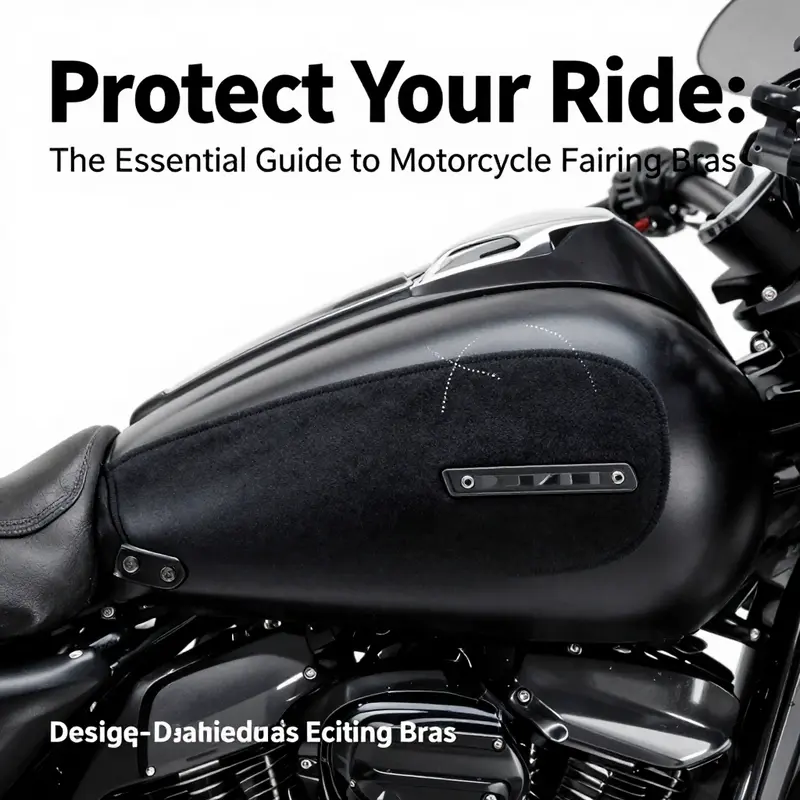
A motorcycle fairing bra is a deliberate engineering choice that protects the front end while maintaining the bike’s silhouette. It shields the fairing from stones, UV exposure, and minor impacts, acting as a sacrificial layer that can deform slightly without transferring damage to the core panels. The design aligns with the contour map of the fairing, using precise cutting, reinforced edges, and sometimes flexible junctions to accommodate small deformations during a fall. Aerodynamics matter: the surface must stay smooth to avoid added drag or disturbed airflow, with careful transitions at the windscreen and intake ducts. Many designs offer integrated mounting points for lights, cameras, or indicators and use quick release or magnetic attachments to swap configurations in different riding environments. Fitment hinges on model specific geometry, with CNC cut templates to ensure a precise match and to avoid interference with air paths or cooling. Materials range from HDPE for impact resistance and lightness, ABS for rigidity, to CFRP for high strength to weight, each with tradeoffs in stiffness and fracture behavior; coatings or films add abrasion resistance and even self healing capabilities, while foam liners dampen vibration. Installation emphasizes flush edges, even padding contact, and secure attachments that avoid pulling the fairing. Aesthetics matter as well: finishes can match or contrast with the bike livery, preserving lines while allowing decals to show. The value proposition extends beyond protection: reduced maintenance, higher resale appeal, and reliability with warranties. In practice, the best designs harmonize protection with aerodynamics and customization, delivering a surface that stays discreet, durable, and ready for varied riding conditions.
Guarding the Front Line: The Functional and Aesthetic Value of a Motorcycle Fairing Bra
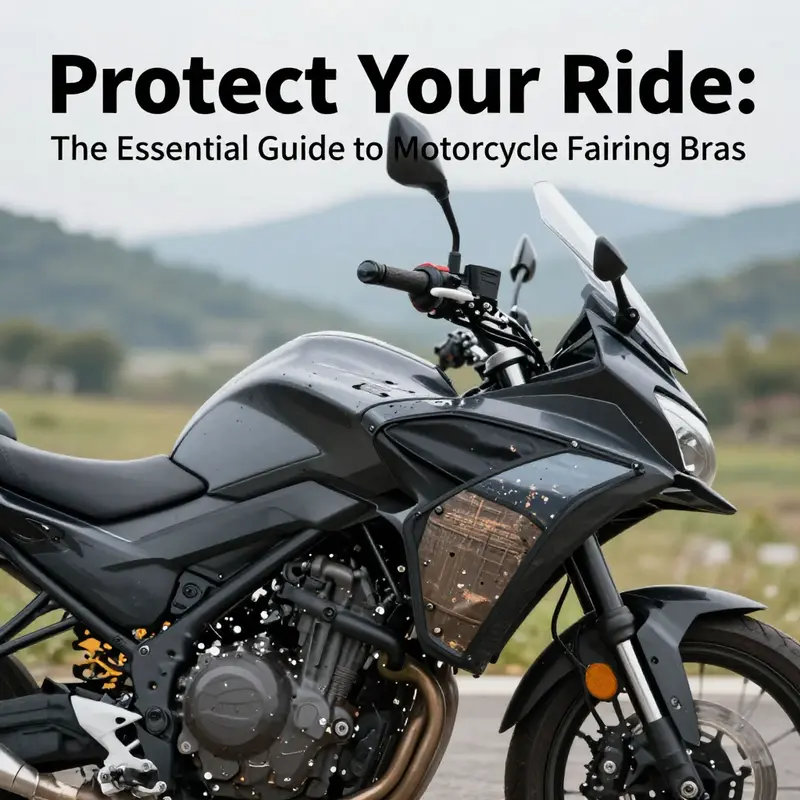
A touring motorcycle comes to life in the way its front end meets the road. The fairing, with its sweeping curves and glossy panels, is both a canvas and a shield. A motorcycle fairing bra is a deceptively simple accessory that sits over the bike’s front portion, but its impact is real and lasting. It is not merely a decorative layer; it is a practical shield designed to absorb the first blows of daily use, the subtle beating of UV light, and the inevitable encounters with road grit. What seems like a small add-on becomes a thoughtful component of a rider’s long-term strategy for protecting a machine that carries both function and identity. The bra’s value emerges most clearly when you consider the journey from daily commute to long-distance tour. On a long ride, the front of a bike faces not just wind and weather but a cascade of tiny projectiles—stone chips, dust, and the occasional bug that, over time, can dull paint and degrade clarity. A well-fitted fairing bra acts as a sacrificial layer, taking the hits so the underlying finish and the integrity of the fairing remain pristine. In practice, the bra’s protective role is both physical and perceptual, shaping how a bike looks after thousands of miles and how its owner feels about the investment of time and care that keeps it looking and performing at a high level.
The core of the protective equation lies in the material itself. A typical fairing bra for touring models is crafted from non-abrasive, fleece-backed vinyl. This specific combination matters. The fleece backing provides a soft internal surface that minimizes the risk of micro-scratches when the bra is installed or adjusted, even if the rider brushes against the bike or the cover shifts slightly in windy conditions. The vinyl exterior offers durability and a smooth, easy-to-clean surface. It resists water and dirt while maintaining a gentle touch on the fairing’s paint and clear coat. This material pairing is deliberate: it balances grip, protection, and respect for the finish. The result is a cover that not only protects the surface but also preserves the tactile feel of the bike’s exterior over time.
Protection from environmental elements goes beyond mere aesthetics. UV exposure is a relentless factor, especially for bikes stationed outdoors for long stretches or parked in sun-drenched lots during multi-day trips. The bra shields the fairing from ultraviolet rays that can cause fading and accelerated deterioration of color and gloss. This is more than a cosmetic concern; fading can reveal wear patterns and uneven aging that undermine the overall integrity of the finish. By creating a protective barrier, the bra helps maintain the vibrancy of the paint and the clarity of any clear coat, keeping the bike looking newer for longer and reducing the need for corrective detailing or repainting down the line. In addition to UV protection, the bra serves as a barrier against road debris, dirt, and minor scratches that are a common byproduct of daily riding and storage. While it cannot replace careful cleaning or routine maintenance, it does lower the frequency and intensity of those tasks by keeping harmful particulates from directly abrading the surface.
A practical virtue of the fairing bra lies in its contribution to appearance maintenance. Owners often speak of the time saved on cleaning and polishing when a protective layer stands between the fairing and the world. The bra curtails the accumulation of dirt and grime on the most delicate front-end surfaces, reducing the likelihood of abrasive cleaning that can wear down the paint over many cycles. Micro-scratches and subtle discoloration caused by sun and weather can be deterred when the bra is in place, especially during periods when the bike spends time outdoors or in storage. The habit of slipping the bra on during seasonal storage or long trips can become part of a seasonal routine that emphasizes proactive maintenance rather than reactive repair. In turn, the bike’s exterior retains its richness and depth, enhancing the rider’s sense of pride and satisfaction whenever they roll into the driveway after a ride or prepare the bike for a show or a social gathering.
From a structural standpoint, the fairing bra does more than keep the surface looking new. By acting as a protective barrier, it helps preserve the fairing’s structural integrity over time. The fairing is a complex piece of the chassis, integrating air management, mounting points, and the overall geometry that supports wind deflection and rider protection. While the bra does not replace solid maintenance or periodic inspections, it reduces cumulative wear at the outermost layer where contact with grit and moisture is most common. This is especially meaningful for riders who accumulate many miles or park their bikes in environments where dust, pollen, or precipitation can settle into tiny surface crevices and even micro-pits. A layer of protection minimizes the risk that small exposures evolve into more costly, time-consuming repairs or refinishing work. The outcome is a more resilient front end that can handle the rigors of touring and daily use without compromising the rider’s daily experience.
The economic dimension of using a fairing bra is genuine and practical. By helping to maintain the fairing’s finish and structural condition, the bra contributes to the bike’s resale value. A front end that remains free from deep scratches, fading patches, or surface micro-scratches is inherently more appealing to future buyers. A well-preserved fairing translates into a smoother negotiation at resale and can reduce the perceived need for immediate cosmetic work. For owners who plan to trade or sell after several seasons, a bra can be a straightforward, cost-effective ally in preserving the bike’s aesthetic and functional worth. It is easy to imagine a scenario in which a rider spends a fraction of the price of a potential repaint on a durable cover that shields the most visually impactful portion of the bike and, in doing so, protects the investment the owner has already made in the machine.
Beyond protection and value, visual customization is a notable benefit. A fairing bra often features design elements that add personality and a sense of identity to the bike. While the primary function is protective, the cover can also carry graphic accents or color accents that harmonize with the bike’s overall styling. This blend of form and function makes the accessory appealing to riders who want their machine to reflect a personal taste without sacrificing protection. The option to pair a protective cover with tasteful graphics presents a coherent way to keep the front end speaking to the rider’s style, while the rest of the bike remains true to its original design language. It is a reminder that a well-chosen fairing bra can be both shield and statement piece, marrying durability with distinctive looks.
An important practical note is that these bras are typically model-specific. They are engineered to match the contours of a particular bike’s front end, with precision fittings that align with the shape and mounting soft points of that model. As a result, a bra designed for one model is not universally compatible with another, even if the two share similar styling cues. This specificity underscores a broader principle: the best protection is achieved when the cover fits the bike’s geometry exactly, reducing looseness, wind flutter, or shifting during travel that could scratch the surface or create wear under the edges. For riders seeking a factory-backed solution, there are genuine components offered through official retailers, backed by brand warranties. These are designed to integrate seamlessly with a bike’s architecture, complementing the existing protective strategy rather than appearing as an aftermarket add-on that fights against the bike’s design language. The value in a manufacturer-approved option—aside from guaranteed compatibility and warranty support—is the assurance that every contour, edge, and mounting point is accounted for in a way that supports long-term durability and aesthetics.
For readers who want to imagine the broader ecosystem of front-end care, it helps to consider how the bra sits within a rider’s maintenance philosophy. The installation is straightforward enough to be done by a careful owner or a professional technician, and the product often comes with installation instructions that walk through how the cover should lay over the fairing, how fasteners or elastics engage, and how to ensure a snug, crease-free fit. This simplicity matters because it invites routine use. A cover that is easy to install and remove becomes part of standard maintenance. It becomes logical to put the bra on before storage or long trips, and to remove it for cleaning or inspection when the time comes to check wiring, seals, and mounting hardware. In that rhythm, the bra serves as a practical ally in a rider’s ongoing investment in their motorcycle’s longevity and performance.
For those exploring the range of compatible options, it is worth looking at related categories that extend the concept of surface protection to the broader family of fairings. While the bra is tailored to a specific front end, the broader ecosystem includes various fairing covers designed to complement different shapes and styles. If you want to compare how front-end protection can align with other styling decisions, explore the dedicated fairings category that gathers a spectrum of options across different models. For example, a quick look at BMW fairings can offer insight into how protective covers are designed to work with specific geometries and how designers balance protection with the aesthetic language of a craft that values both performance and presentation.
Ultimately, the fairing bra emerges as a simple yet effective tool in a rider’s toolkit. It does not replace careful storage, attentive maintenance, or prudent riding practices, but it enhances the bike’s long-term resilience. It helps keep the front end pristine, preserving the lines that catch the eye and, more importantly, the material integrity that supports safe performance. In this light, a fairing bra is not merely a cosmetic accessory; it is a proactive, design-conscious choice that respects the bike’s original character while extending its showroom appeal far into the future. The result is a bike that looks ready for another journey—mile after mile, year after year—because a front-end shield has done its quiet, relentless work.
External reference: For more on official options and warranties related to factory-backed components, you can consult the broader product ecosystem and manufacturer guidance at the external resource provided here: https://www.h-d.com/
Custom Fit, Global Reach: Navigating Availability and Model Specificity of Motorcycle Fairing Bras
A motorcycle fairing bra is more than a simple cover. It is a protective interface between the rider, the machine, and the road, designed to shield a bike’s front contour from the constant drumbeat of debris, small stones, insects, and UV exposure while preserving or enhancing the machine’s silhouette. Yet the value of this accessory rests not just in its material or texture, but in its fit. The front fairing is a curved, complex geometry shaped by wind, cooling, and the rider’s ergonomics. For that reason, fairing bras are rarely universal. They are crafted to mirror the exact geometry of a specific make, model, and sometimes even a particular year. The fit matters because a bra that is too loose invites movement, rubbing, and disharmony with the fairing’s line; one that is too tight can bind edges, interfere with airflow, or distort mounting points. In this balance between protection and performance, manufacturers have learned to treat the fairing bra as a precision accessory rather than a generic layer of fabric or vinyl. The result is a family of solutions that, while similar in purpose, diverge in shape, cut, and detail to accommodate the many forks, fairings, and headlight assemblies in the market.
The materials chosen for fairing bras reinforce the careful engineering behind fit and finish. A common approach is to use durable, non-abrasive fabrics with soft backing. A fleece-backed vinyl or similar composite helps prevent contact rub on the painted surface and keeps the outer appearance sleek and low-friction in wind and rain. The choice of backing is not cosmetic; it is the key to preserving gloss and avoiding micro-scratches that can accumulate over seasons of riding. The outer layer may be smooth or textured to complement the bike’s aesthetic, while the inside is chosen to minimize heat buildup and to resist moisture without sacrificing a snug seal around every edge.
Because the primary goal is protection without compromise, the bra must embrace the front end without altering the bike’s aerodynamics. A bra that disrupts airflow or creates new drag around the fairing can undermine handling at highway speeds, especially for riders who spend long hours in the saddle. That is why the most trusted designs rely on careful tolerances and precise edge finishings. In the most carefully engineered examples, the bra follows the fairing’s contours with a uniform, repeatable tension that prevents flutter at max velocity and remains secure through a wide range of speeds and weather conditions. Such precision is achieved through meticulous pattern making, often using digital or high-precision templates that map the exact curves of a given model. When a rider orders a bra that is marketed as model-specific, this is not merely a marketing claim but a guarantee of fit refined through measurements, trials, and sometimes even field testing.
Market availability reflects the same attention to geometry and the diverse needs of riders. Because fit is so crucial, manufacturers tend not to offer one-size-fits-all solutions. Instead, they release limited editions or model-specific options that align with the fairing’s geometry for selected models, years, and trim packages. This approach helps ensure that the bra not only covers the intended surface but also respects the fairing’s cutouts, vents, and mounting anchors. In practice, this means that the catalog of fairing bras grows incrementally as new models enter the market or receive mid-cycle redesigns. The demand for model-specific protection—driven by long-distance riders who rack up miles across varied climates, or touring enthusiasts who want to shield their investment from road grit—has pushed aftermarket suppliers to expand their offerings year after year. At the center of this growth is a commitment to precise fit, not just a pleasing look.
Availability, however, is not evenly distributed around the globe. In regions with larger riding communities and robust distribution networks, a broader range of model-specific options can be found. Catalogs and compatibility charts grow with local demand, making it easier for riders to find a bra that matches not only their make and model but also their preferred materials and finishes. In other markets, riders may rely on more generic, universal solutions or DIY approaches that are adapted to their local weather and road conditions. The imbalance is shaped by logistics, import channels, and the tempo of new model introductions. Nonetheless, the underlying design ethos—model-specific fit, careful edge finishing, and protective materials—remains consistent across regions.
To navigate this world of compatibility, many riders turn to comprehensive compatibility guides and model lists. These resources assemble model, year, and sometimes trim data with notes on how well a given bra aligns with the fairing’s geometry. They often include installation guidance and, crucially, user feedback that highlights fit accuracy and any caveats observed in real-world use. A widely consulted reference gathers model-by-model entries with material types and mounting considerations, helping riders avoid buying decisions that lead to misfit or rubbing. The value of such guides grows as models evolve and new shapes emerge from manufacturers. A rider contemplating a purchase benefits from cross-checking the model name, year, and specific fairing variant against a trusted compatibility matrix before committing to a fit that may be wrong for their bike.
Beyond the catalogs and guides, there is a practical route for riders who want a precise fit without ambiguity. Some manufacturers and retailers offer genuine, factory-approved components that are backed by official warranties. These parts are designed to integrate with a bike’s front end as part of a broader brand ecosystem, which can provide additional peace of mind in terms of fit, finish, and ongoing support. For those who prioritize authenticity and a warranty-backed promise, these options may justify the premium price, especially for bikes that see heavy use or for riders who demand a showroom-grade fit. In many cases, installation comes with a concise set of instructions that emphasize surface preparation, edge alignment, and careful securing of fasteners so as not to introduce new abrasion or misalignment.
The aesthetic dimension of fairing bras is often understated but meaningful. While protection is the primary function, the right bra can heighten a bike’s presence on the road through clean lines and refined graphics. A number of designs integrate graphic motifs that echo the bike’s character without overpowering the paintwork. For riders who appreciate personalization, the bra becomes a statement piece that blends protection with customization. It is a practical adornment as much as a protective shield, and in that dual role it earns its place in the rider’s toolkit. Still, the emphasis remains on how well the bra fits and how gracefully it integrates with the fairing’s geometry. A misfit is always more noticeable than a bold design, which is why the best options balance stance, contour, and the impression of a single, cohesive surface.
From an installation perspective, the emphasis is on preparation, alignment, and care. A typical process starts with a clean, dry surface, free of wax or residues that could interfere with adhesion or edge seating. The fairing’s curves demand careful laying out of the piece so that the center lines and edges align with mounting points, cutouts, and vents. Riders are advised to test-fit before any adhesive contact, ensuring that no edge will clash with a panel seam or a fastener. When the fit is confirmed, the applicator can proceed with a controlled pressure, smoothing from the center outward to minimize air pockets and creases. Edge sealing is crucial; a pressed edge resists lifting and reduces the chance of moisture infiltration at higher speeds or during rain. Because the front fairing is subjected to vibrations and wind pressure, a snug, secure fit helps prevent flutter and extends the life of the bra by avoiding rips or tears at the edges.
Maintenance and care extend the life of the investment. Regular inspection for signs of edge wear, loose mounting points, or fading graphics helps riders stay ahead of potential problems. Gentle cleaning with mild soap and water keeps the surface free of grit that can act like sandpaper on a moving edge. Harsh solvents or abrasive scrubbers are discouraged, as they can dull finishes or compromise the non-abrasive backing. Drying should be thorough but gentle, and when the bike spends extended periods idle, the bra should be eased away from direct sun to slow UV degradation. Storage during off-season should be in a cool, dry place, with the fabric unpressed and laid flat to prevent creases that could later show up under tension.
As the catalogues expand and the model lists proliferate, riders can still rely on a stable design principle: the need for a snug, geometry-accurate fit that respects the fairing’s lines, cooling features, and mounting architecture. The market’s evolution toward more model-specific options reflects a growing appreciation for protective accessories that fit a bike as naturally as the handlebars fit the rider. The result is a nuanced ecosystem where a rider with a particular model and year can find a protective bra that closes the gap between function and form without asking the bike to compromise its aerodynamics or its aesthetic coherence. For riders who want to explore model-specific options within cataloged ranges, a quick look at the catalog that houses the BMW fairings category can be a productive starting point. BMW fairings is one such gateway that demonstrates how fitment guidance accompanies the product listings and how installation nuances are documented alongside the product descriptions.
For those seeking broader, external guidance on compatibility across brands and models, reference resources compile model-by-model entries, along with notes on materials and installation. These external guides provide a consolidated view that can help riders verify compatibility before purchase and cross-check with local availability. A comprehensive compatibility matrix can be found at https://www.revzilla.com/motorcycle-fairing-bra-compatibility-guide, which remains a valuable, up-to-date resource for riders evaluating different model-specific options. This external resource complements the in-house catalogs and regional guides by offering a cross-brand perspective that can be particularly helpful when riders are considering transitions between models or when upgrading to a newer year within a similar geometry.
In the end, the market for motorcycle fairing bras mirrors the broader motorcycle culture: a blend of engineering precision, regional dynamics, and personal expression. The emphasis on model specificity underscores a practical philosophy—protection that respects the bike’s design, not just its look. The best choices are those that disappear into the bike’s silhouette, cover the vulnerable front with a confidence-boosting fit, and endure the miles with minimal fuss. Whether a rider seeks a factory-backed option or an attentive aftermarket solution, the pathway to protection is anchored in accurate fitment, careful installation, and ongoing care. The chapter of fitment is never closed; as models evolve and new curves emerge, the bra remains a faithful shield that helps keep the ride smooth, the paint unmarred, and the character of the motorcycle intact for many seasons of road travel.
Frontline Assurance: Warranty and Support for Motorcycle Fairing Bras
The front of a motorcycle bears the brunt of road debris, UV exposure, and the countless tiny encounters that define every ride. A fairing bra sits at the edge of that protection, wrapping the most vulnerable contour with a snug, purpose built shield. It is not merely a cosmetic add on; it is a practical investment in the bike’s longevity and look. When a rider considers a fairing bra, there is a quiet confidence that comes with knowing the front end is sealed from scratches and abrasive wear. Yet confidence without assurance is only half the ride. The other half is the promise of warranty and reliable support that keeps the shield effective through miles and seasons.
The warranty that accompanies a fairing bra is more than a clause on a page. It is a commitment that defects in materials or workmanship will be addressed under normal use. A one year limited warranty covers issues arising from manufacturing faults and how the materials performed under ordinary riding conditions. It is not a blanket guarantee against every mishap, but it provides a safety net for honest faults that appear after installation. The warranty page serves as a road map describing what is covered and what is not, and it usually outlines the claims process and any exclusions that apply.
Understanding the claims process is essential. When a rider suspects a defect, the next steps are guided by the warranty terms, including proof of purchase, documentation of the defect, and a description of how the product was used and installed. The aim is to keep the process straightforward, relying on honest documentation and timely communication. Clear steps matter because they shape the post purchase experience and reduce downtime. A support channel will typically help interpret the terms, confirm coverage, and guide the rider toward a repair, replacement, or other approved remedy.
Alongside the warranty, dedicated customer support rounds out the experience. Support channels are designed to assist with installation questions, warranty claims, order tracking, returns and exchanges, and general questions long after the bra is mounted. The availability of a contact page, tracking tool, a returns policy, and a help center creates a seamless ecosystem for riders. The staff can translate a rider’s experiences into practical guidance, whether confirming compatibility with a specific bike, troubleshooting fit during installation, or clarifying warranty coverage in plain terms.
The model specific nature of fairing bras is an important caveat. These products are designed to match specific front end geometries, and fitment can vary across bike families. A bra made for one model may not fit another. This specificity matters for warranty because ill fitting products can cause wear that resembles misuse rather than a defect. Checking compatibility before purchase and relying on official fitment guidance prevents misunderstandings and keeps coverage meaningful.
As riders weigh official factory options against third party alternatives, the warranty and support framework becomes a decisive factor. Genuine components offered through official retailers carry a brand backed warranty that covers defects in materials and workmanship, translating into predictable service standards and consistent installation instructions. Third party options may offer savings, but they often come with uncertain or limited warranty coverage and less predictable support. For many riders, model specific, officially supported options deliver a more coherent and reliable experience across installation, use, and recovery from issues.
For readers who want to compare across brands, category pages that group fairing options by bike line can be a useful reference. They reveal how fitment and design variation are approached and how warranty and support adapt to different designs. The same principles apply regardless of model: clear terms, accessible claims, and dependable assistance. Concrete examples of fit and protection help illustrate how installation and aftercare are addressed in warranty documentation.
Beyond the purchase and installation, the warranty period frames what is considered ordinary wear versus product related fault. It encourages riders to document conditions at installation, keep receipts, and note any changes in the bike that might affect fit. The installed shield becomes part of ongoing maintenance, with support available if environmental conditions take their toll. Proper care washing with non abrasive cleaners and avoiding harsh solvents helps maintain the shield and keep the warranty valid for the full year.
In sum, warranty and customer support for motorcycle fairing bras are central to the protection they offer. The one year limited warranty, the claims process, and the dedicated support ecosystem together create a confident ownership experience. The model specific fitment requirement reinforces that protection must align with a bike’s geometry, while factory approved components emphasize reliability. For riders navigating this space, the warranty and support framework is a core element that shapes trust and long term satisfaction with the bike’s front end.
Final thoughts
Motorcycle fairing bras play a crucial role in preserving the value and appearance of motorcycles, especially for popular models like the Harley-Davidson Electra Glide. Their thoughtful design and durable materials not only enhance the aesthetic appeal but also safeguard against environmental threats. As business owners, staying informed about the various options available, understanding the tailored nature of these products, and providing strong customer support—including warranties—can significantly enhance customer satisfaction. By promoting high-quality fairing bras, you contribute to extending the lifespan of your customers’ motorcycles and providing them with the confidence that their investment is well-protected.