
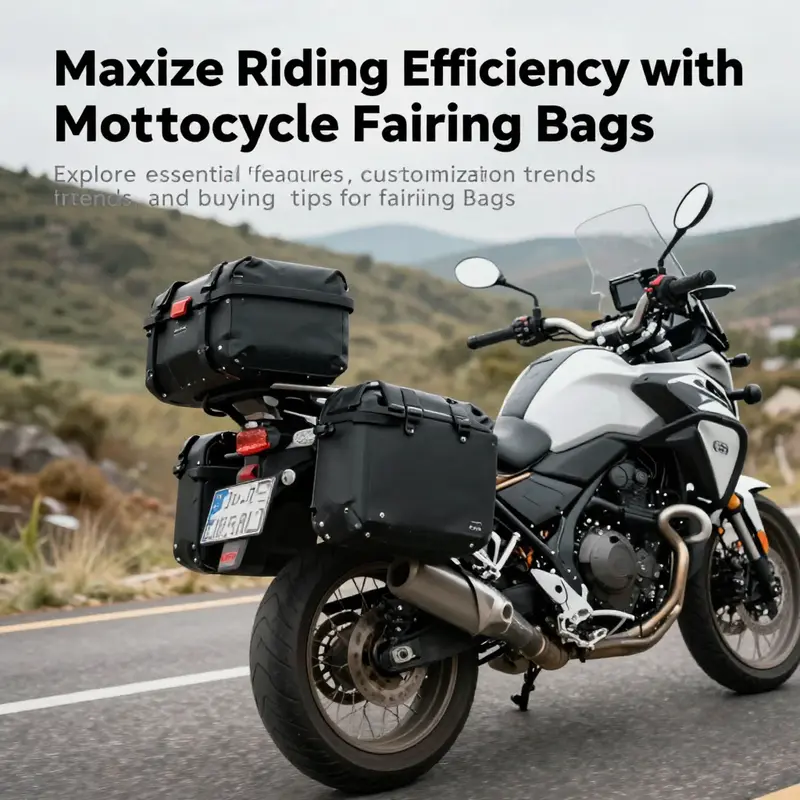
Motorcycle fairing bags have emerged as indispensable companions for riders who seek convenience and safety on the road. Designed specifically to mount securely to motorcycle fairings or windshields, these bags provide a perfect blend of easy access and protection from the elements. In this article, we will delve into the various types of motorcycle fairing bags, their ability to enhance rider functionality, the latest trends in customization, and important considerations for purchasing and compatibility. Each chapter will help business owners understand how fairing bags can not only improve the riding experience for their customers but also boost their offerings in the motorcycle accessory market.
null
null
Streamlined Storage on the Fly: How Fairing Bags Elevate Rider Functionality
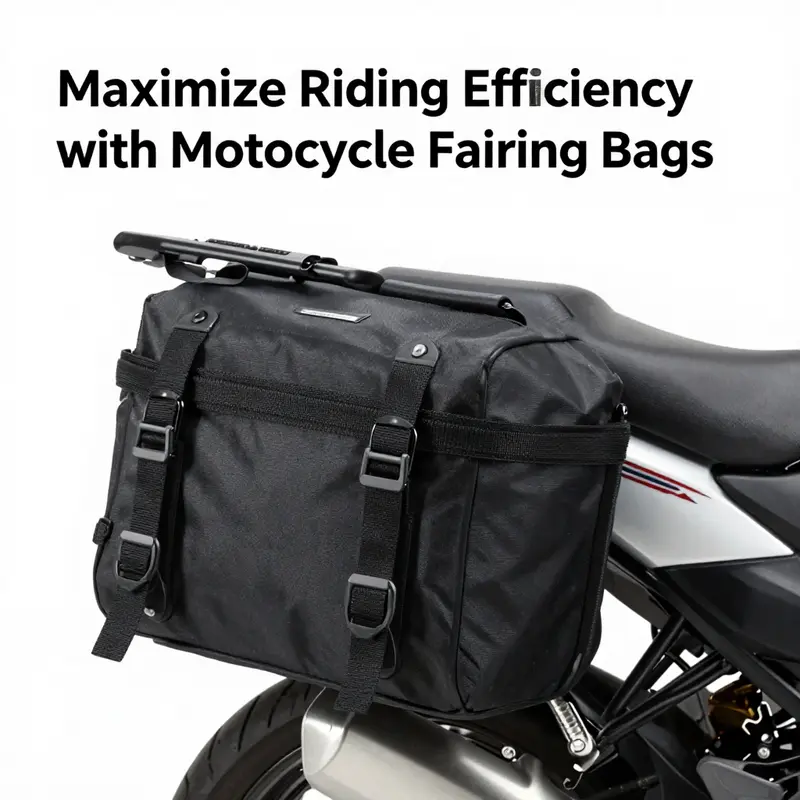
Storage on a motorcycle has often been a balancing act between access, protection, and the bike’s silhouette. Fairing bags mounted to the fairing or windshield offer convenient storage without compromising aerodynamics. They integrate with the bike’s lines, shielding contents from wind and weather while keeping a low profile. For riders on long trips, city commutes, or sport-touring days, these bags deliver accessible organization that supports safer, more confident riding. The core value rests in ergonomics, durability, and aerodynamics: fixed mounting reduces cargo shift, weatherproof materials protect belongings, and careful shaping minimizes drag and buffeting. Choosing the right bag depends on what you carry and how quickly you need to reach it. Small tool pouches fit repair items; larger utility bags offer main compartments and exterior pockets for phones and maps; compact bags suit daily commutes. Mounting systems—brackets, straps, or Velcro—balance speed, security, and vibration tolerance. Some bags are universal; others are model-specific for cleaner integration. DIY options like repurposed tote bags can be a flexible, economical path, though purpose-built bags often deliver the best fit and weather sealing. When in doubt, test-fit on your bike and review fitment guides to avoid interference with handlebars, instruments, or fairing surfaces. The result is storage that feels like a natural extension of the bike, preserving its silhouette while enhancing practicality.
From Aesthetic Edge to Practical Core: Customization of Motorcycle Fairing Bags
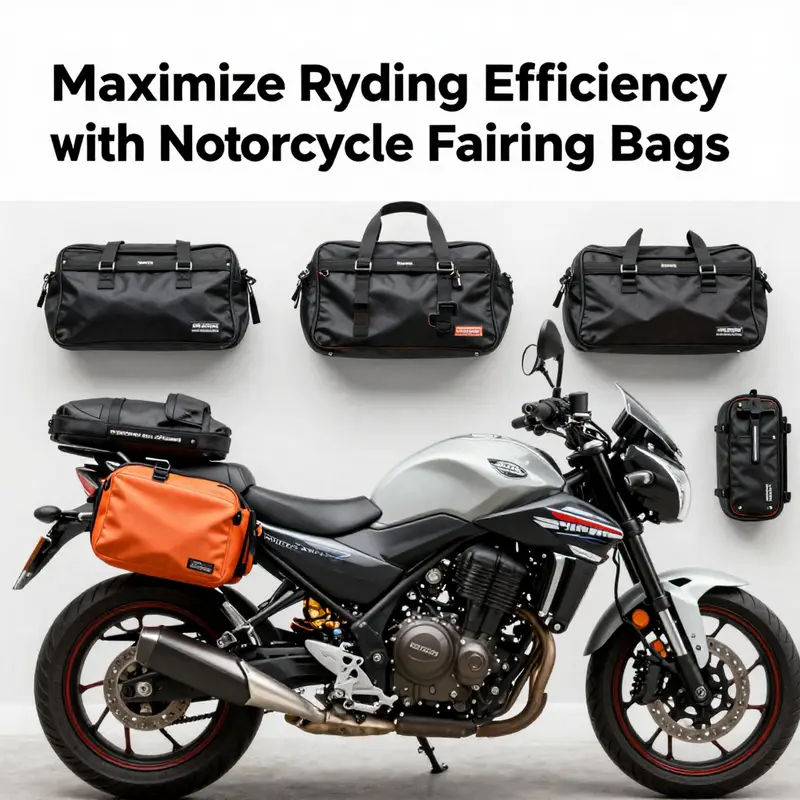
Customization is no longer a fringe habit in motorcycle accessories; it has become a central act of riding identity and practical engineering, especially for fairing bags. These bags sit at the intersection of form and function, tucked into the fairing or perched along the windshield, where accessibility, weatherproofing, and aerodynamics matter. Riders learn that storage is not merely about capacity but about how quickly gear can be retrieved without compromising balance, wind protection, or the bike’s silhouette. In this light, customization trends in fairing bags reveal a shift toward tailoring storage to routes, weather, and ergonomics while preserving a cohesive machine to the world.
One prominent thread is modular, weather-resistant pouches that attach to the fairing surface without marring paint or reducing resale value. The goal is to transform the fairing into a functional hub: secure mounting systems—Velcro straps, magnetic clips, snap-in brackets—that enable quick changes and easy maintenance. The best executions balance flexibility and durability: pouches added or removed as trips demand, yet sit flush to preserve clean lines. The materials harmony with fairing color and texture; leather textures or rugged textiles may echo the bike’s seat; waterproof zippers and reinforced seams mirror touring rigors.
A related trend is personalized graphics that extend to the storage surface. The fairing bag can carry graphics that echo the bike’s liveries or express a rider’s signature. Custom-painted panels, appliqués, or laser-etched emblems elevate luggage beyond a tool to a visual extension of identity. The design must endure sun, rain, and grit, so coatings, UV-resistant inks, and laminates are deployed. The aim is to complement, not overpower, the bike’s aesthetics, turning storage into a coherent, aging artwork. Calibration of color, texture, and scale ensures legibility at speed while serving as a canvas for self-expression.
A growing DIY impulse drives repurposing existing gear into fairing-friendly storage—sturdy tote bags and rugged pouches fitted to the fairing. This emphasizes sustainability and accessibility, allowing riders to reuse gear, adjust weight distribution, and tailor compartments. Ergonomics are straightforward: keeping weight near the front reduces fatigue by minimizing lateral shift in corners and braking. But DIY conversions must be responsible: secure attachments, balanced load, and closures that stay in place at highway speeds. The best projects rely on aerodynamics awareness and safety, avoiding attachments that could interfere with braking, steering, or vision. Repurposing becomes a design language—an invitation to innovate within the bike’s grammar rather than a workaround to a faulty factory solution.
Material choice remains decisive: weather resistance, abrasion resistance, and lightness. Durable nylons, coated canvases, and weatherproof membranes are common, often blended to reinforce resilience and tactile appeal. A core fabric might pair with a water-repellent outer shell and reinforced seams; internal dividers can keep tools stable without rattling. The philosophy favors simplicity and modularity: a handful of high-quality components that can be swapped or upgraded as needs change. This mirrors broader trends in motorcycling customization: modular pieces recombined for commuters, weekend escapes, or cross-continental trips without buying new bags each season.
Beyond practicality, the conversation centers on how bags integrate with electronics and navigational aids. Pockets and sleeves cradle smartphones, GPS devices, or power banks in weatherproof, accessible locations. The design challenge is to minimize glare and reach-time, prevent overheating, and avoid obstructing the rider’s view or indicators. The result is a slim, secure, rider-centric solution where the bag becomes a smart extension of the cockpit, a small step toward a cockpit ecosystem where every control and device has a designated place.
These threads converge into a broader vision: a fairing bag as a discreet, adaptable, expressive partner for the ride. Customization is not just about adapting to a model or look but sculpting storage that respects the bike’s geometry, preserves aerodynamic efficiency, and aligns with daily routines and long-haul ambitions. The most compelling executions are quiet rather than loud. They invite a second glance, then a nod of approval as the rider reaches for a device with the same ease as shifting gears.
For readers exploring practical options, integrated storage solutions illustrate architecture and compatibility, such as modular panels and attachment systems that push toward a unified silhouette while allowing riders to tailor storage to journeys. See catalogs and manufacturer lines for examples of coherence in textures, finishes, and color tones that read as intentional bike elements rather than add-ons. The result is a visually cohesive aesthetic in which rider personality and bike engineering are stitched together through thoughtful, functional design. The bag becomes a stage prop for the ride rather than a distraction.
As customization evolves, the market responds with more flexible, modular kits and durable materials. The trajectory is toward systems that can be installed with minimal tools, reconfigured for climates, and updated to rider needs—without compromising safety or weather protection. The guiding principle: preserve the machine’s integrity while amplifying rider comfort and confidence. Easy installation, adjustment, and upgradeability become key, with durability and restrained aesthetics prioritized. The story is one of restraint, precision, and thoughtful risk assessment—a practice rather than a one-off modification.
For readers seeking practical examples, integrated storage is illustrated by catalogs and product pages that demonstrate modularity and compatibility. These references show how designers push toward a unified silhouette while offering riders the freedom to tailor storage to journeys. The best outcomes occur when the rider’s choices feel natural and the bike’s lines stay legible with a bag mounted.
In sum, the customization trend in motorcycle fairing bags is about elevating storage to support the ride. It is a view of the fairing as a small, personal workshop on the move, where tools, devices, maps, and essentials are organized with care and style. The future points toward deeper integration—materials that shed water and heat, attachment systems that release easily, graphics that age gracefully with the bike’s journey. Riders who adopt these approaches gain quicker access to gear, improved weight distribution, and a more coherent riding story that weaves gear, aesthetics, and capability into a single experience. External context on market trends and industry perspectives can be found in broader articles that explore the growth of global fairing accessories and their impact on rider experience: https://www.linkedin.com/pulse/global-motorcycle-fairing-market-cagr-2026-2033-james-woodward/.
Fit, Fortitude, and Forward Momentum: A Thorough Guide to Purchasing and Compatibility for Motorcycle Fairing Bags
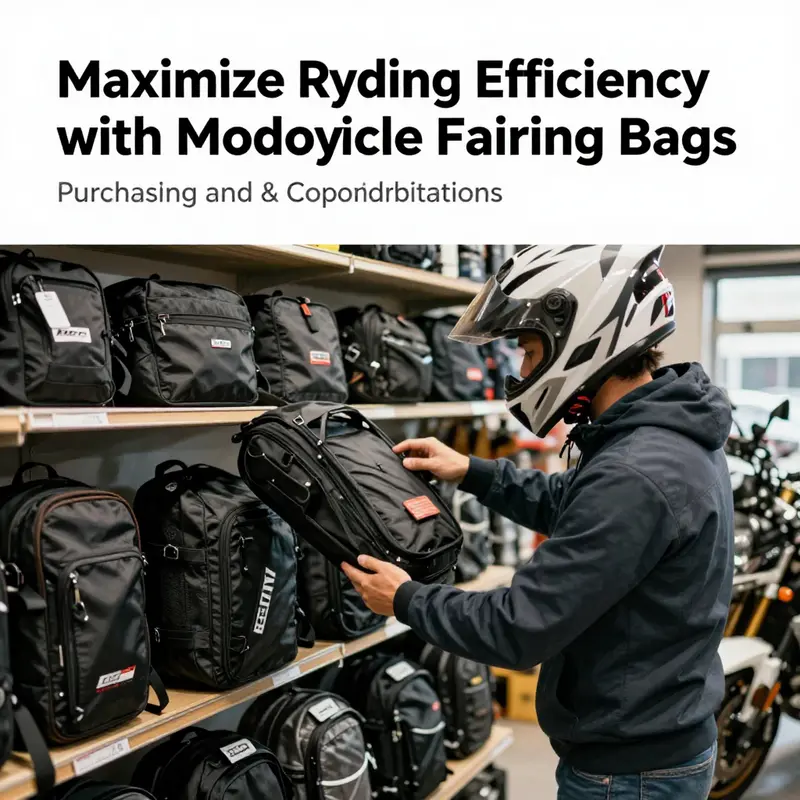
Compatibility is not merely a detail when it comes to motorcycle fairing bags; it is the hinge on which safe, accessible, and weatherproof storage turns into reliable daily utility. A bag that looks right on a bike can still fail under the strains of wind, vibration, and rain if it does not align with the bike’s fairing geometry, mounting points, and intended airflow. This chapter blends practical, field-tested considerations with a broader sense of how riders move through the decision-making process. It is about choosing a bag that respects both the machine you ride and the routines you keep, whether you are late-night commuting, weekend touring, or a long cross-country run where weather and terrain are constant variables. The central thread is compatibility: the precise fit between bag design, mounting method, and the bike’s fairing shape. When that fit is right, the bag becomes more than a container. It becomes an extension of the cockpit, a pocket in the wind that holds essential gear without tugging the bike off its line or distracting the rider from the road ahead.
The first question, before any purchase, concerns the bike’s fairing configuration. Fairings may be full, half, or batwing; windshield bags must match the curvature of the fairing and clear the mirrors, lights, and other protrusions. A windshield bag that sits too high or too close to a mirror can create vibration, impede visibility, or even cause bracket wear over time. Conversely, a bag that is too small or poorly shaped for the slash of the fairing can rattle at speed, forcing the rider to reposition on every ride or endure a constant, distracting hum. That reality underscores a foundational principle: purchase decisions should start with model-specific compatibility, not generic fit. The most reliable spec sheets are those that align the bag with your bike’s make, model, and year, taking into account the exact contour of the fairing you ride. It is in this nuance that the ideal bag reveals itself and the risk of poor fit dissolves into smooth usability.
To translate compatibility into action, a rider typically begins with measurement and clearance checks that go beyond simple length or width. It is not enough to know that a bag has a 10-liter capacity or a certain number of compartments. You must confirm how the bag sits in relation to the windscreen, the top edge of the fairing, and any curves that define the bike’s silhouette. Clearance checks should consider a few fixed points: the distance from the bag to the mirror and to the edge of the fairing, the vertical space above the bag near the windscreen, and the potential contact points where straps and brackets might rub against paint or plastic over time. If a bag uses an integrated mounting system, the user should verify whether the hardware aligns with factory points and whether additional adapters or brackets are necessary. The best-fit options provide a clear set of model-specific mounting points and do not require permanent modifications to the fairing. A reliable spec sheet will also warn about any necessary adjustments for different screen heights or fairing angles that could change the bag’s effective clearance.
The mounting system itself is a critical piece of the compatibility puzzle. A bag’s durability at high speeds is less about the bag’s internal pockets and more about how securely it attaches to the bike. Reinforced mounting brackets and robust attachment methods—such as adjustable straps, integrated clamps, or factory-style mounting points—translate into stability, reduced vibration, and minimized risk of detachment. Budget options that skip reinforced brackets often save money upfront but can lead to long-term headaches, including vibration-induced wear, loosening hardware, or the bag orbiting the rider’s line of sight in a sudden gust. When evaluating mounting systems, the rider looks for a design that distributes load evenly and resists slippage without requiring frequent readjustment. It is also important to consider the materials of the bag’s mounting hardware. Stainless steel or high-strength aluminum brackets, weatherproof fasteners, and corrosion-resistant components boost durability in the spray and salt of daily riding and the damp chill of sea-level coastal rides or mountain passes.
From there, material quality and weather resistance play their parts in a larger decision framework. A fairing bag lives in a harsh microclimate—the wind pressure at speed, sudden downpours, UV exposure from long hours in the sun, and the abrasion from grit and road salt. Materials such as abrasion-resistant textiles, PVC-coated polyester, or ballistic nylon deliver different balances of weight, flexibility, and waterproof performance. A practical approach is to prioritize water resistance for the main compartment, particularly if you carry phone devices, maps, or electronic accessories. The usability features then become a differentiator: what pockets are accessible on the fly without requiring the rider to stop and fumble? Are zippers designed for one-handed operation with gloves on? Do the internal partitions allow quick access to tools or emergency items while maintaining the bag’s overall integrity? In this context, a well-designed bag offers a progressive path from weather resistance to ergonomic access, without compromising aerodynamics. The last mile of weather resistance—sealing zippers and seams, as well as ensuring the fabric does not become stiff and brittle in cold weather—often determines whether a bag will be a sturdy companion or a fragile add-on.
Another layer concerns the bag’s compatibility with different motorcycle ecosystems or aftermarket ecosystems. In markets where motorcycle accessories are widely produced in bulk, manufacturers may source components from international suppliers, often in hubs known for polymer injection molding, automated painting, and efficient logistics. For riders, this means considering not only the bag’s own durability but also the reliability of the supplier’s distribution and the availability of replacement parts. Reputable suppliers typically provide durability certifications or test reports, especially for brackets, fasteners, and fabric coatings. This level of documentation can be crucial when you rely on a bag through changing weather, rough roads, and high-mileage touring. Where possible, a buyer should confirm that the bag and its hardware come with clear warranty terms and a user guide that outlines mounting steps, care instructions, and the limitations of wind exposure at speed. These details translate into long-term reliability and a straightforward maintenance path should a component wear or degrade over time.
The purchasing journey is also a practical exercise in choosing which bag typology best serves the rider’s routines. Tool pouches deliver rugged organization for spare parts, tubes, and repair kits. They excel on longer trips or rough roads where access to a toolkit is essential yet must not interrupt the rider’s line of sight. Utility bags offer a broader, all-in-one solution with spacious main compartments and multiple sub-pockets for phones, wallets, keys, snacks, and maps. They pair well with modern fairings that feature integrated storage geometries, and their water-resistant fabrics help keep electronics safe even in unexpected showers. Small motorcycle bags, compact and lightweight, suit daily commuting or city riding where airflow and visibility are priorities. The design language across these types remains consistent—the best options blend secure mounting, weather protection, and convenient access without forcing compromises on aerodynamics or handling. A rider may begin with a broad category and then narrow to a model with a favorable fit, paying attention to how each bag’s volume and layout align with typical rides and the rider’s personal kit.
The sourcing landscape also shapes the purchasing decision. For riders who consider buying from international suppliers, especially in manufacturing hubs renowned for polymer work and efficient logistics, it is wise to engage with reputable B2B partners who offer OEM-compatible parts. In this context, requesting certifications or test reports on durability and safety standards becomes a practical step rather than a formality. Knowing the supplier’s sourcing and production practices can provide peace of mind, especially when choosing bags that will be exposed to wet roads, sun exposure, and the occasional aggressive wash-down after a ride. Market insights reveal a mature aftermarket for fairing accessories in regions that emphasize consistent quality control and quick fulfillment. By evaluating suppliers on a combination of product specs, customer reviews, and delivery reliability, a rider can minimize the risk of mismatch between expectation and reality upon arrival.
Putting all of these threads together, the recommended approach to selecting a motorcycle fairing bag hinges on a balanced calculation: precise fit, robust construction, and credible supplier reliability. A practical checklist helps translate theory into action. First, verify model-specific design and alignment with your fairing type, including any clearance constraints and windscreen curvature. Second, assess the mounting system for reinforced hardware, compatibility with existing brackets, and resistance to vibration at highway speeds. Third, evaluate materials and weather protection, looking for abrasion resistance, waterproofing, and usability features like multiple pockets and glove-friendly zippers. Fourth, consider the sourcing and credibility of the supplier, including the availability of fitment data, warranties, and certification documentation. Finally, review compatibility with your typical rides. If you routinely carry tools, a dedicated tool pouch is worth prioritizing. If you need a broader grab-and-go option, a utility bag with a weatherproof shell may suit daily commuting. And for riders who simply want minimal intrusion, a compact bag with smart access points can be the most enjoyable option of all.
For riders who want to explore more model-specific fitment or visual references, a dedicated category page can help visualize how a given fairing design accommodates storage. For example, a category page aligned with a specific bike’s fairing can illustrate bracket layouts, strap placements, and recommended mounting spacers. This kind of resource greatly reduces guesswork and accelerates the evaluation process before any purchase. bmw-fairings category provides a clear example of how a catalog-style approach can present fitment information in a way that makes sense to riders who want to pair their bag with their bike’s fairing language. Although the catalog is just one reference among many, it demonstrates the value of cross-referencing fitment notes with actual product design and compatible mounting options. It is a reminder that compatibility is a living standard—something you test and verify through careful inspection, measurement, and vendor communication rather than assuming a universal fit.
In the broader context of the article, the takeaways about compatibility and purchasing translate into practical steps you can apply on the ground. Start by identifying your fairing type and confirming the bag’s intended fitment against that type. Next, measure clearances at the mirrors and the windscreen edges and confirm that the mounting system will not require modifications. Then assess the material and weather performance, ensuring the bag can withstand a rider’s typical climate and road conditions. Finally, verify supplier credibility, warranty coverage, and the availability of replacement parts. If a bag passes these screens, you gain a reliable, accessible, and durable storage companion that respects the bike’s aerodynamics and the rider’s daily routines. The process invites a careful but disciplined approach, balancing an efficient, clean aesthetic with robust function and safety.
As a closing thread for this chapter, it is worth noting that the practical path to compatibility often aligns with a broader philosophy of thoughtful customization. Riders who approach their gear with a focus on fit and habit formation tend to gain the most enduring value from fairing bags. A well-chosen bag becomes a neutral element of the bike’s silhouette, offering accessible storage without shouting from the wind. It respects the rider’s control and confidence by staying securely in place and by providing predictable access. The result is a seamless fusion of form and function that supports longer rides, more organized trips, and a smoother riding experience overall. The journey toward the right bag is not merely about what fits; it is about how you ride, how you pack for your journeys, and how your gear supports the road, not how it disrupts it. External resources can offer additional perspectives on choosing the right fit, and a thoughtful consult with a catalog-like reference can help ground your decisions in model-accurate fitment dynamics.
External resource: https://www.carinterior.com/motorcycle-fairings-guide-how-to-choose-the-right-one/
Final thoughts
Motorcycle fairing bags present an invaluable opportunity for both riders and business owners. By understanding the various types available, the functionality they provide, emerging trends in customization, and important purchasing considerations, businesses can better cater to the evolving needs of riders. This knowledge equips them to effectively market these accessories, ensuring a fulfilling riding experience and establishing a loyal customer base. Whether for daily commuting or a long-distance tour, fairing bags stand as a testament to innovation and practicality in the motorcycle accessory market.