

Motorcycle batwing fairings represent a crucial aftermarket upgrade for riders who want to enhance both the aesthetics and aerodynamics of their motorcycles. With their distinct wing-like profile, these fairings not only contribute to a bike’s visual appeal but also improve wind management, comfort, and overall riding experience. As a business owner involved in the motorcycle parts industry, understanding the growing demand for batwing fairings is essential. In this exploration, we will delve into the dynamics of the motorcycle batwing fairings aftermarket, covering the market landscape, technological advancements, economic trends, and the numerous benefits of these components. By the end, you will have a comprehensive grasp of how to leverage this knowledge to better serve customers and capitalize on the opportunities within the aftermarket space.
null
null
Wings of Innovation: How Aftermarket Batwing Fairings Redefine Aerodynamics, Style, and the Ride
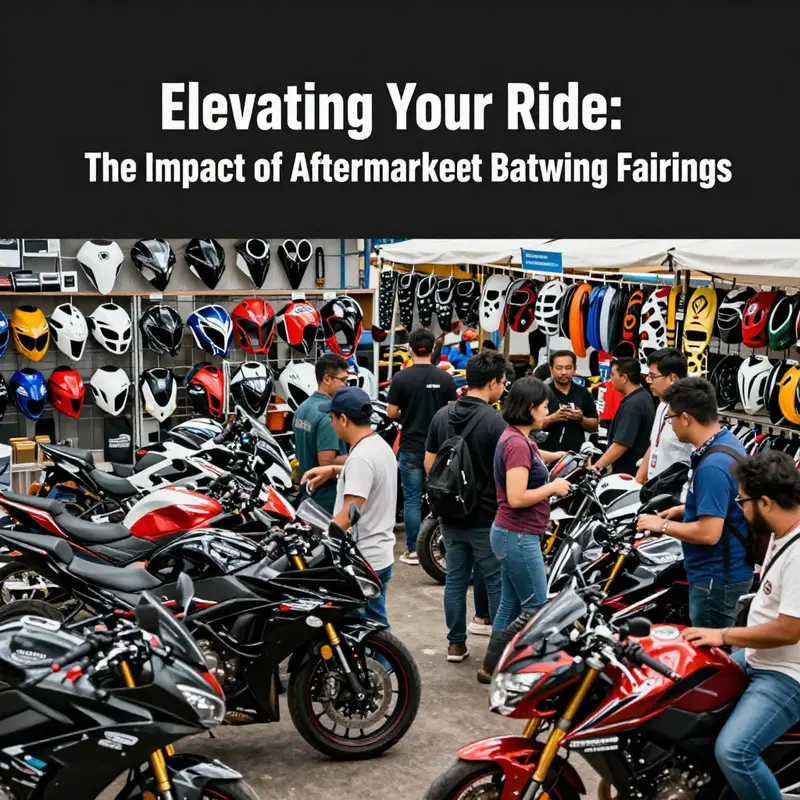
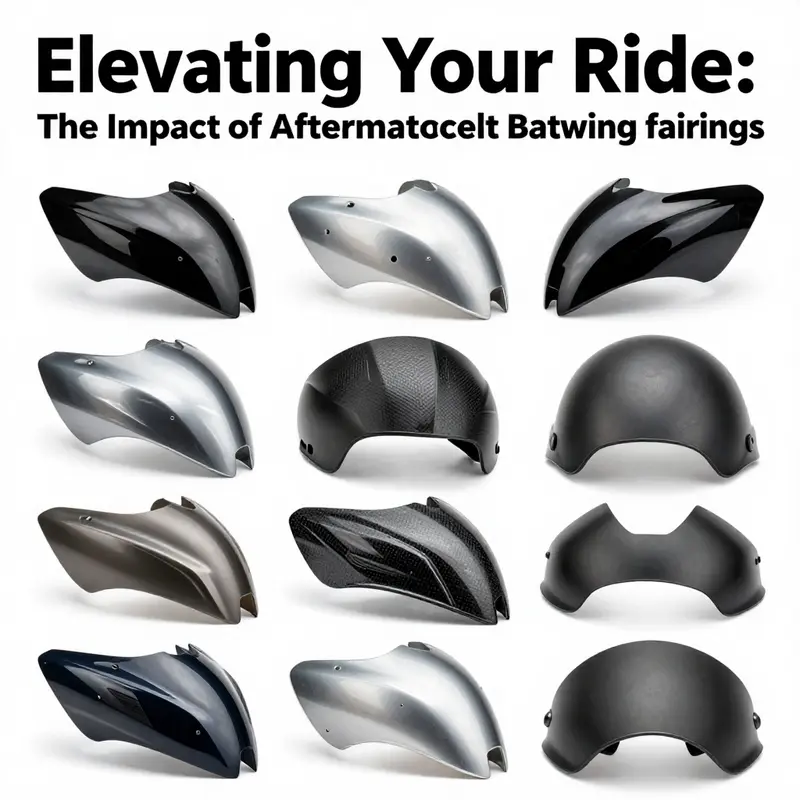
Wings have always defined more than a silhouette on a motorcycle; batwing fairings are a practical and expressive choice that blends protection with drama. They sweep around the front of the bike, shaping how the wind wraps the rider and how the cockpit feels at highway pace. In the aftermarket world, batwing fairings sit at an intersection of style and engineering, inviting riders to rethink not only how their machine looks but how it behaves at speed. The market embraces a spectrum of options, from OEM-inspired reproductions designed to honor lineage to universal kits that promise speed and simplicity for a weekend project. Riders chase longer hours in the saddle with less fatigue, quieter cabins, and a cockpit that feels more connected to the road. That balance between aesthetics and function is what keeps batwing upgrades a perennial topic among enthusiasts, shops, and builders who measure satisfaction not just in looks but in the miles that roll by with less wind buffeting.
Beyond the visual impact, the aerodynamic logic behind batwings has matured. Modern incarnations are thinner, lighter, and shaped to shed turbulence more efficiently than earlier versions. A contemporary design can integrate air channels that guide flow around the shoulders and chest, reducing drag and lowering rider fatigue on intercity sweeps and long coastal runs. This evolution is not just about speed; it is about the rider’s comfort envelope. A well-chosen fairing can lower wind noise, cut helmet buffeting, and provide a steady stream of air to the torso, which feels like a light headwind turned to a helpful companion on long rides. The result is a calmer, more controlled ride where the mind remains free to focus on road lines, traffic rhythm, and that sense of being wrapped in a protective shell without feeling boxed in.
The aftermarket scene thrives on variety. A number of suppliers offer universal fitment options that appeal to riders who are updating retro or cruiser-styled bikes. One kit, widely discussed for its size and durability, presents a broad canvas with a wide width and tall profile, made from ABS plastic and delivered with a clear windshield that keeps the line clean while preserving visibility. The appeal here is straightforward: a cost-effective way to elevate both the look and the aerodynamics without the time investment required by custom paint and fitment work. At the same time, there is a steady stream of refinements—thinner glass alternatives, reinforced mounting points, and more robust sealing methods—that improve resilience against road debris and weather. The choice between a transparent shield and a tinted option is more than cosmetic; it influences glare, visibility in dawn and dusk conditions, and the ease of future lens maintenance.
For riders curious about compatibility with broader accessory ecosystems, a practical route is to browse category pages that cover widely used brands. For example, the Honda fairings collection offers a sense of how different lines balance fit, finish, and mounting philosophy. This kind of catalog insight helps buyers map their bike’s geometry to a fairing’s curve, mounting points, and interior clearance. It also emphasizes that universal fitment does not mean universal outcomes; instead, it signals where improvisation is likely and where precise measurement will pay dividends. In practice, installing a fairing can involve checking frame dimensions, fork clearance, fairing-to-wheel clearance during full lock, and the alignment of mounting tabs with existing brackets. The process is part craft, part project-management, and part careful reading of a kit’s instructions and supplied hardware. A well-planned approach reduces the risk of rattles, contact with fuel lines, or binding interference with front-end movement.
The 21st-century fairing market also testifies to how riders expect technology to travel with them. Integrated lighting arrangements are not mere ornament; they contribute to visibility and mood on night cruises. Audio systems become more compact, yet capable, and some installations can accommodate navigation or smartphone displays without forcing riders to tilt their heads forward toward a dashboard that feels remote. The aesthetic language—shiny edges, smooth transitions, and often dark, high-contrast graphics—speaks to a shared desire for a bike that looks fast even when it is parked. Color, texture, and paint quality matter because the fairing is among the most visible parts of the bike’s silhouette. When the paintwork meets well-cut lines and polished edges, the overall impression communicates care, ownership, and a willingness to invest in a personal story on two wheels.
Material choice anchors many decisions. ABS plastic remains a standard, favored for its balance of rigidity, impact resistance, and price. Some builders experiment with fiberglass or carbon fiber to shave weight or create a different surface finish, but these options often come with higher costs and different repair considerations. Thickness and laminate structure influence how a fairing holds its shape under wind pressure, how it responds to sun and heat cycles, and how it resists cracking on rough roads. In addition, mounting hardware, seals, and gaskets determine whether the installation remains quiet and leak-free after months of riding. The material story intersects with paint and finish; even a perfectly shaped panel benefits from a premium coat that resists UV fade and micro-scratches, since the fairing endures sun, rain, and road grit with every voyage.
On the topics of color and finish, the market offers a spectrum that ranges from factory-like gloss to more subdued matte sheens, with textures that mimic carbon fiber or brushed aluminum. The ability to color-match or select contrasting graphics is part of the customization ritual that makes the fairing feel like an extension of the rider’s persona. For some riders, this is about a clean, factory-inspired line; for others, it becomes a canvas for artwork, pinstriping, or unique decals that reflect personal milestones. The integration of modern lighting and digital displays, where supported, turns the fairing into a small control tower over the windshield. The intent is not to overwhelm but to weave information and ambience into the ride, so that the cockpit remains legible, inviting, and protective.
Market dynamics also shape what riders decide to buy and how they install. The aftermarket continues to democratize access to performance-oriented aerodynamics by offering affordable options that still deliver meaningful gains in quietness and stability. Prospective buyers often weigh upfront cost against long-term value, including reduced wind fatigue, less helmet noise, and easier long-haul cruising. The conversation around value is not only monetary; it involves time, effort, and the satisfaction of a fit that aligns with a rider’s height, posture, and preferred line of steady travel. For some, the appeal lies in an immediate facelift that makes an older machine feel contemporary; for others, it is the chance to craft a signature look that stands out in a pack of modern cruisers. Either way, the market rewards products and services that offer clear fitment guidance, solid build quality, and transparent documentation.
As the ecosystem evolves, knowledge resources play a crucial role. Comprehensive guides and review roundups help consumers compare durability, ease of installation, and real-world performance, smoothing the path from initial curiosity to confident purchase. In this light, a practical, well-curated selection can serve as a map for a first-time upgrade or a mid-career refresh. The conversation around batwing fairings is not just about looks; it is about investing in a riding experience that blends comfort, protection, and personality. When a rider steps back from the mirror and sees a silhouette that feels both familiar and newly assertive, the moment becomes a reminder that the fairing is a partner in the ride—one that enables longer journeys with less sacrifice of control or comfort.
The aftermarket batwing fairing scene is also a reminder that maintenance and upkeep matter as much as design. After a long season, a quick inspection of mounting hardware ensures nothing has loosened, while seals remain sound against weather. If panels require removal, planning for color matching and reassembly becomes part of the project’s discipline. Because many fairings are modular, replacements can be straightforward, but prudent owners budget for potential refinishing if color tolerance shifts due to sun exposure or age. A thoughtfully chosen fairing can bolster resale value by preserving a cohesive aesthetic and maintaining structural integrity, turning a cosmetic upgrade into a durable asset for the bike’s history. The lifecycle approach matters: it tilts decisions toward components that offer not only instant gratification but reliable, long-term performance with predictable service needs.
In sum, the aftermarket batwing fairing landscape stands at an energized crossroads of design, material science, and rider-centric engineering. It invites riders to imagine a wind-managed cockpit as a platform for expression, technology, and endurance. The best choices emerge from thoughtful measurement, realistic expectations about fit, and a willingness to balance cosmetic goals with the realities of road conditions and riding style. A well-chosen fairing does not merely cover the bike; it frames the rider’s experience, guiding how wind, light, and road noise shape every mile. This is where the market’s promise comes alive: a cockpit that looks every bit as committed to performance as the engine powering the ride, and a personal statement that travels with the machine down long, open roads.
External reference: https://www.harley-davidson.com/en_us/motorcycles/standard/street-glide.html
Wings of Tech: How Aftermarket Batwing Fairings Merge Aerodynamics, Lighting, and Connectivity
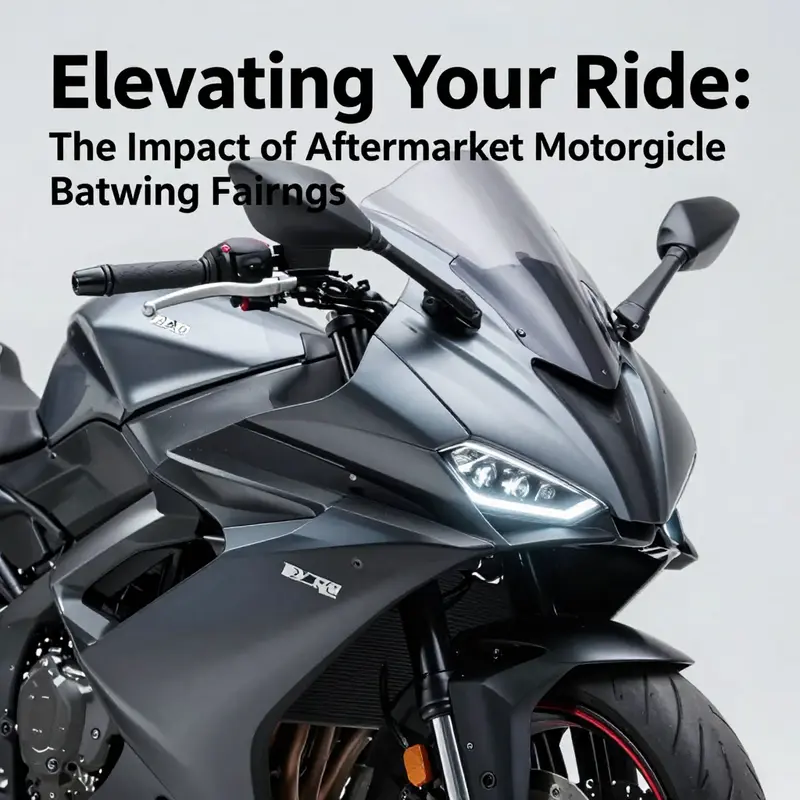
The batwing silhouette has long been a defining feature of touring motorcycles, a visual statement as much as a wind management system. In the aftermarket world, these fairings have evolved from simple cosmetic add-ons into integrated platforms that blend aerodynamics, lighting, and rider information into a single shell. The real shift is what the shape can do when paired with modern materials and smart systems, delivering reduced fatigue, better weather protection, and a connected riding experience. Modular mounting systems and model specific fit kits now allow a single design to adapt to many bikes.\n\nMaterial science drives most of this progress. Carbon fiber and advanced composites offer high stiffness and a favorable strength to weight ratio, enabling lighter shells that still resist impact. They also provide heat tolerance for engine bays and sunlight exposure. Inside these shells, honeycomb cores and internal ribs improve load transfer and reduce flutter at highway speeds, while shaping the airflow around radiators and ducts quietly.\n\nManufacturers are adopting new resins and curing methods to speed up production while keeping a high finish. Prepreg, hand layups, and resin infusion can produce shells that resist warping and retain precise fit over years of use. A well matched fairing does more than look right; it guides air to reduce drag, minimizes contact with forks and bulbs, and helps maintain calm passenger and rider areas behind the windscreen.\n\nElectronics and integrated systems are now central. Modern batwings host LED lighting that provides daytime visibility and nighttime flair, but also incorporate signature lighting lines and integrated hubs for hands free calls, rider to rider chat, and navigation voice prompts. Displays or compact panels mounted in the rider’s line of sight reduce the need to fumble with devices and gloves, helping riders stay focused on the road.\n\nAdaptive or semi adaptive aerodynamics are entering the conversation. Some kits offer adjustable profiles, vents, or small aero fins that respond to speed or wind direction. While fully active systems remain a premium option, even small adjustments can shift air flow, reduce buffeting, and spread wind more evenly across the torso, improving comfort on long rides and contributing to a sleeker look.\n\nHeat management and rider comfort are also central. The fairing acts as a shield while directing warm air away from the rider. Strategically placed vents and channels help maintain comfortable temperatures without sacrificing wind protection. The result is a balance between warmth in cool climates and ventilation when the ride heats up.\n\nFitment and installation have improved as well. Modular hardware and adjustable brackets accommodate a range of chassis geometries, fork crowns, and triple clamps. Clear guidance on fit, finish, and warranty reduces buyer risk and supports a confident upgrade path for non factory models. UV resistant clear coats and durable coatings help maintain appearance under sun, grit, and minor abrasions.\n\nThe retail ecosystem behind batwings has grown richer. Riders can shop across marketplaces that offer new and used units, with emphasis on compatibility, warranty, and service options. A robust warranty and a network of installers help ensure a precise fit and ongoing support when components need replacement.\n\nFor readers who want to explore related options and compare across brands, you can see how the concept translates in the Honda fairings category across model families. This cross brand perspective highlights how weight optimization, rigid yet forgiving structures, and aesthetic coherence with a motorcycle’s lines remain the core ideas behind fit and function. See the category here: https://ultimatemotorx.net/product-category/honda-fairings/. As you compare designs, common threads emerge: careful fit, thoughtful airflow, and a seamless integration of lighting and information into the shell rather than tacked on as an afterthought.\n\nLooking ahead, batwings are becoming more than covers; they are modular platforms for comfort, safety, and enjoyment on every mile. The combination of materials, aero design, and integrated technologies will continue to expand what riders expect from aftermarket upgrades. External resources for further exploration include the official resources site: https://www.h-d.com
Riding the Wind of Markets: Economic Drivers Shaping the Batwing Fairing Aftermarket
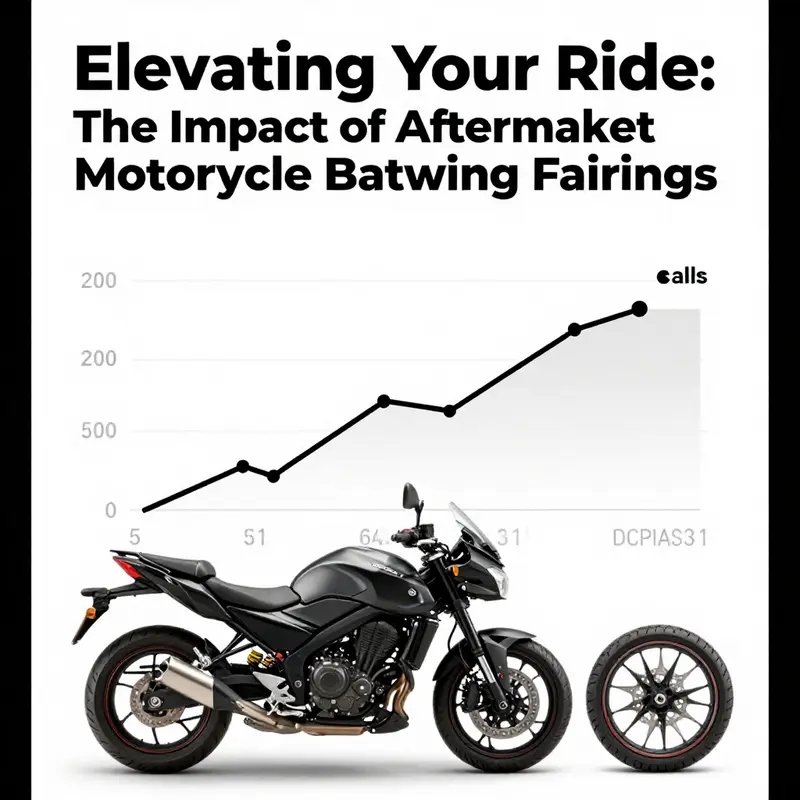
The aftermarket landscape for batwing fairings rides a shifting current, carried not only by design and engineering but by the broader tides of the economy. As disposable income loosens its grip in recovering and stabilizing economies, riders find themselves more willing to invest in upgrades that promise comfort, control, and a distinct look. The batwing silhouette, long associated with touring machines, has evolved from a purely aesthetic statement into a nuanced instrument of aerodynamics and rider experience. When a community’s purchasing power grows, so too does the appetite for higher-quality materials, more refined finishes, and features that blend form with function. In this context, the market for aftermarket fairings does not merely expand in size; it expands in capability, offering options that emphasize wind management, reduced fatigue on long rides, and even integrated lighting or display technologies that connect riders to their machines in more personal ways. The result is a more confident consumer base that treats the fairing not as a single add-on but as a customizable platform for comfort, style, and performance.
Discretionary spending converges with a growing culture of personalization. Riders increasingly seek to reflect their individual identities through their machines, and the batwing fairing has become a ready-made canvas. The demand has shifted from simple, pragmatic upgrades to high-performance variants that deliver measurable aero benefits while maintaining the classic silhouette. This trend aligns with a broader willingness to allocate resources toward components that enhance riding quality and visual impact. In practice, this means a robust market for fairings that use advanced composites, precise manufacturing tolerances, and premium finishes. The emphasis on high-performance accessories is not about buying the most expensive option; it is about selecting a solution that delivers noticeable gains in stability at speed, smoother airflow around the rider, and a refinement of cabin comfort that can transform a long day on the road into a more enjoyable experience. For sellers and designers, this translates into a product roster that blends aesthetics with engineering—color-matched coatings, texture contrasts, and hardware that pairs reliability with a clean, integrated appearance.
The expansion of e-commerce has been a powerful amplifier for these desires. Online marketplaces and direct-to-consumer channels have reduced the friction that once separated a curious buyer from a premium upgrade. Riders can compare weights, wind tunnel claims, finish options, and compatibility with relative ease, and they can read reviews that speak to real-world performance. The accessibility of a broad, diverse catalog means that even niche styles—those that once lived only in showrooms or forums—now have a pathway to purchase. For the market as a whole, this digital expansion lowers the entry barrier for newer riders while offering seasoned enthusiasts more precise guidance in selecting the fairing that matches their bike’s geometry and their riding goals. Importantly, the online ecosystem supports returns, warranties, and post-purchase support in ways that build consumer confidence, a critical factor in the decision to invest in aftermarket components.
From a product development perspective, the trajectory toward integrated lighting and digital interfaces marks a notable shift. The modern batwing fairing is less a single shell and more a platform that enables a rider’s evolving needs. LED signature lighting, carefully engineered airflow channels, and the possibility of a small, purpose-built display or information hub can transform how a rider experiences the road. These enhancements are not merely about flash; they are about extending the rider’s connection to the machine, improving visibility, and enabling a more informed riding experience. Designers balance weight, rigidity, and aerodynamics to ensure that cosmetic upgrades do not undermine handling. In many cases, this means selecting materials that resist weathering, maintain a polished appearance under daily use, and offer longevity through a reasonable warranty framework. The warranty dimension matters culturally and economically: a credible warranty on aftermarket fairings reduces perceived risk, encourages experimentation, and signals a commitment to quality that resonates with a consumer base that wants lasting value from their investments.
Geography also plays a decisive role in how the market grows. In Asia-Pacific, where riding culture is expanding rapidly and disposable incomes are lifting, the appetite for aftermarket upgrades tends to be high, driven by a mix of performance and customization trends. In North America, the tradition of personalization and the inertia of the touring market sustain steady demand. The global market, projected to expand at a compound annual growth rate of roughly 10.12% from 2026 to 2033 and reaching about 27.9 billion dollars, reflects these regional dynamics. This growth is not a uniform wave; it emerges from the convergence of consumer confidence, supply chain resilience, and the continuous evolution of product engineering that makes newer fairings simultaneously lighter, stronger, and more visually compelling. While the numbers frame a broad landscape, the day-to-day decisions of buyers are shaped by practical considerations: how well a fairing integrates with a specific bike’s geometry, how easily it can be installed or removed, and how a finish holds up after seasonal use and routine maintenance.
Warranty is a key anchor in the consumer decision process. A credible warranty policy from manufacturers and aftermarket brands provides assurance that the investment in a fairing will withstand the rough-and-tumble realities of riding and weather exposure. A one-year or longer warranty, common in many serious aftermarket lines, signals to buyers that the producer stands behind the fit, finish, and performance of the product. This assurance matters particularly when the purchase involves compatibility with a wide range of bikes or when the fairing must endure the rigors of long trips and variable riding conditions. It is not just about defense against defects; it is about the broader trust that forms the emotional contract between rider and maker. In markets where consumers are weighing an upgrade against other discretionary choices, robust warranties can tilt the balance toward more premium offerings, reinforcing the rise of higher-value, more capable fairings.
For riders exploring the spectrum of aftermarket options, it is valuable to recognize how the catalog evolves beyond simple shell replacements. The best designs consider the entire riding envelope: wind management at highway speeds, reduction of fatigue for the neck and shoulders, and a quiet cockpit compared with more exposed front ends. In practice, this means fairings that integrate with existing windshields and dashboards without requiring bespoke modifications, yet still offering room for personalization—be it in color, texture, or hardware accents. The online market also broadens the availability of compatible options for a wide variety of bikes, enabling riders to maintain originality or to introduce contemporary stylistic touches that reflect current tastes without sacrificing fit or safety. In this sense, the fairing becomes a flexible canvas—an object of style that also supports practical, everyday riding.
For readers seeking concrete pathways to explore compatible options, a practical starting point is to browse the broader catalog of aftermarket fairings from recognized categories. A convenient entry point is the Honda fairings catalog, which demonstrates how a major brand organizes and presents a range of compatible products across different models and years. This type of catalog architecture illustrates how retailers and manufacturers balance breadth with specificity, ensuring riders can find a match for their machines while retaining a coherent design language. Honda fairings catalog.
Looking ahead, the market’s momentum suggests continued evolution in material science, finishing chemistry, and surface treatments that resist corrosion and maintain gloss, even in harsh riding environments. The demand for clean aesthetics and functional upgrades will persist as riders pursue a seamless blend of form and function. Supply chain dynamics will influence pricing and availability, but the overarching trend is toward greater choice, better guidance through online channels, and more transparent warranty practices that reduce perceived risk. In short, economic conditions that expand disposable income, combined with a strong appetite for personalization and an ecosystem that makes shopping easier, are driving a maturation of the batwing fairing aftermarket. The result is a market that is as much about the rider’s experience as it is about the product itself, where the wind is not just a factor to overcome but a signal that the road ahead is ready for customization and enhanced connection with the machine.
External resource: https://www.h-d.com/motorcycle-parts-accessories/fairings/batwing-fairing-15-in-windshield.html
Winged Upgrades: The Practical and Aesthetic Value of Aftermarket Batwing Fairings
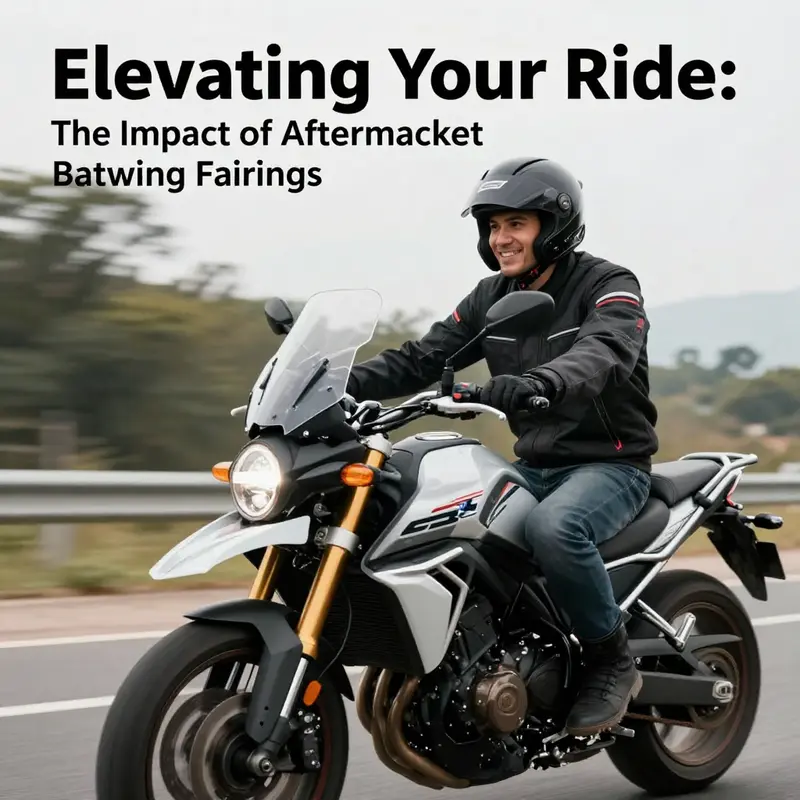
A motorcycle feels different the moment a batwing fairing is bolted on. The addition may look like a bold design choice, but its influence runs deeper than aesthetics. In the realm of aftermarket upgrades, batwing fairings stand out for their ability to merge comfort, performance, and a distinctive stance into a single package. This is not simply about giving a rider a rain-twisted silhouette or a head-turning profile; it is about the way wind, weight, and weather interact with the machine and the rider over hours on the road. When approached with care, these fairings become a comprehensive enhancement that reshapes the riding experience from a wind-laden push against the chest to a smoother, more controlled compass of motion. The core advantages begin with wind management. The batwing’s broad, forward-leaning face acts like a forward shield, guiding air around the rider rather than pressing straight into the chest and shoulders. At highway speeds this translates into less fatigue and reduced torso strain, a subtle but meaningful difference after miles accumulate. Riders who spend long days on the open road often notice that their posture remains more relaxed, their grips less tense, and their neck and shoulder muscles less taxed after hours of cruising. The improvement is especially noticeable on models that previously tended to catch gusts or billow around the rider’s upper body. Beyond comfort, wind management has a practical aerodynamic dimension. The fairing’s silhouette contributes to a more favorable air stream around the handlebars and fairing extensions, which can marginally decrease drag and stabilize the bike in a crosswind scenario. While no aftermarket panel can substitute for proper core aerodynamics of the frame and a tuned chassis, a well-fitted batwing can reduce parasitic drag at typical highway speeds and help the bike track more predictably as wind conditions shift. The rider, in turn, gains a steadier sense of control, translating into crisper handling cues when lane positions change. Yet the wind-shielding benefits are not purely functional; they weave into the broader ecosystem of ride quality. When the wind is deflected more efficiently, gusts that once hit the torso and arms with equal force now skew toward the fairing’s broad surface, diminishing noise and the chaotic buffet that can distract a rider’s focus. Inconspicuous on the eye, the acoustic environment improves too. Many aftermarket kits offer space for integrated or weather-sealed audio components, allowing speakers to be positioned within the fairing’s interior cavities. Properly integrated, these systems can deliver clearer, directionally tuned sound without creating wind-driven turbulence or rattles that intrude into the cockpit. The ability to add audio or tuned acoustic features alongside improved wind management can redefine how a ride feels, making longer journeys less about endurance and more about enjoyment. A batwing’s contribution to overall aerodynamics also ties into stability. A smoother air profile around the front of the bike reduces buffeting and creates a firmer feel when negotiating uneven highway surfaces or sudden changes in wind direction. The result is a steadier ride, with the front end maintaining its composure in gusty conditions and at speed. For riders who frequently travel on mixed roads or in changeable weather, that sense of stability pays dividends in confidence and comfort. Another dimension to consider is customization. Aftermarket batwings offer a playground for personal expression without sacrificing core function. The fairing can be finished in a spectrum of paints and decals, from gloss to matte and even custom graphics that echo a rider’s taste or a particular era of styling. The visual impact matters as much as the functional, because the right combination of color, trim, and texture can transform a bike’s identity. The interplay of form and function also extends to fitment options. Modern aftermarket kits are designed to accommodate various makes and models, with mounting points that align with the bike’s factory geometry to preserve steering response and weight distribution. The process of choosing a kit involves more than looks; it requires attention to how the fairing integrates with the overall silhouette, how wiring for accessories is run, and how the installation will affect access to maintenance points. It is here that the project shifts from a cosmetic upgrade to a holistic modification, one that touches electrical, mechanical, and aesthetic domains at once. This interconnectedness is where a well-planned installation shines. In addition to wind and weight considerations, materials and construction techniques play a crucial role in how a batwing performs over time. Fairings come in various materials—sturdy composites, reinforced plastics, and sometimes carbon fiber offers—but each choice carries a balance of rigidity, weight, and cost. Fiberglass and ABS blends are common for their affordability and ease of shaping, while carbon fiber appeals to riders chasing a lighter profile and a premium finish. The finish itself matters. A high-quality paint job with durable clear coats resists weathering, UV exposure, and road salts. It ensures that the visual drama of the fairing endures across seasons, which is essential when the upgrade is both a daily rider’s comfort feature and a key aesthetic statement. Accessories and features within aftermarket packages add another layer of value. Climate-ready components, such as weatherproof speaker enclosures and rugged wiring harnesses, can expand the cockpit’s comfort and entertainment options. The installation, while potentially more elaborate than a simple bolt-on, remains a manageable project with proper planning, dedicated tools, and a methodical approach. The complexity, of course, scales with the level of added features. A bare windscreen-and-shell setup is a fairly straightforward upgrade; a full batwing with integrated lighting, weatherproof audio, and a digital display adds depth to the integration challenge but rewards the rider with a modern, connected experience. It is important to acknowledge the trade-offs inherent in any aftermarket upgrade. The added mass of a larger fairing can alter handling characteristics and steering response, especially in models with lighter subframes or more agile chassis. The installation can also introduce electrical considerations—ensuring a clean power supply, proper sealing against moisture, and secure grounding are essential to avoid flicker, shorts, or corrosion. For riders who are new to such modifications, enlisting qualified help for the electrical work and ensuring the fairing is sealed to prevent water ingress is a prudent path. This careful approach protects the rider’s investment and preserves the durability of the motorcycle’s electrical system. The decision to pursue a batwing upgrade also benefits from considering how it harmonizes with other modifications. If a rider is contemplating a screen, a light bar, or a set of speakers, planning the layout so that components do not conflict with the fairing’s interior channels or with the bike’s steering range is crucial. When thoughtfully planned, the batwing becomes a single focal point that integrates wind management, acoustics, lighting, and artful finish into a coherent whole. In the end, the promise of aftermarket batwing fairings rests on more than the dramatic silhouette or the promise of better aerodynamics. It lies in the way the rider’s comfort, confidence, and connection to the road are enhanced through a purposeful combination of form and function. The right kit, installed with care, can turn a long day into a more enjoyable journey and shape a motorcycle into a personal statement that remains legible across miles and seasons. For readers seeking a broader sense of how these components interplay with the broader world of fairings, the Honda fairings collection offers a representative cross-section of styles and mounting concepts that illustrate how a design language evolves across brands and models. Honda fairings collection The broader landscape also includes official and independent sources that document the heritage of batwing styling in cruiser lines and the way modern iterations fuse LED signature lighting, premium finishes, and integrated displays into a single riding experience. For a historical perspective on batwing styling and the evolution toward integrated tech, see this resource: https://www.harley-davidson.com/us/en/shop/garnitures-de-pare-brise/p/61400325. In practice, riders who approach an aftermarket batwing with clear goals—comfort, control, and a look that suits their ride—find that the upgrade pays dividends in both daily usability and long-distance satisfaction.
Final thoughts
The motorcycle batwing fairings aftermarket is not just a niche segment; it’s a substantial market with increasing interest from riders seeking enhancements in both style and performance. As we’ve discussed, understanding the complexities of this aftermarket—ranging from consumer preferences to technological innovations—equips business owners with the tools to tailor their offerings. By embracing these aftermarket upgrades, you strengthen your position while nurturing customer satisfaction. With informed insights and strategic product offerings, your business can tap into the lucrative potential of motorcycle batwing fairings, ensuring that both you and your customers enjoy the ride to the fullest.