
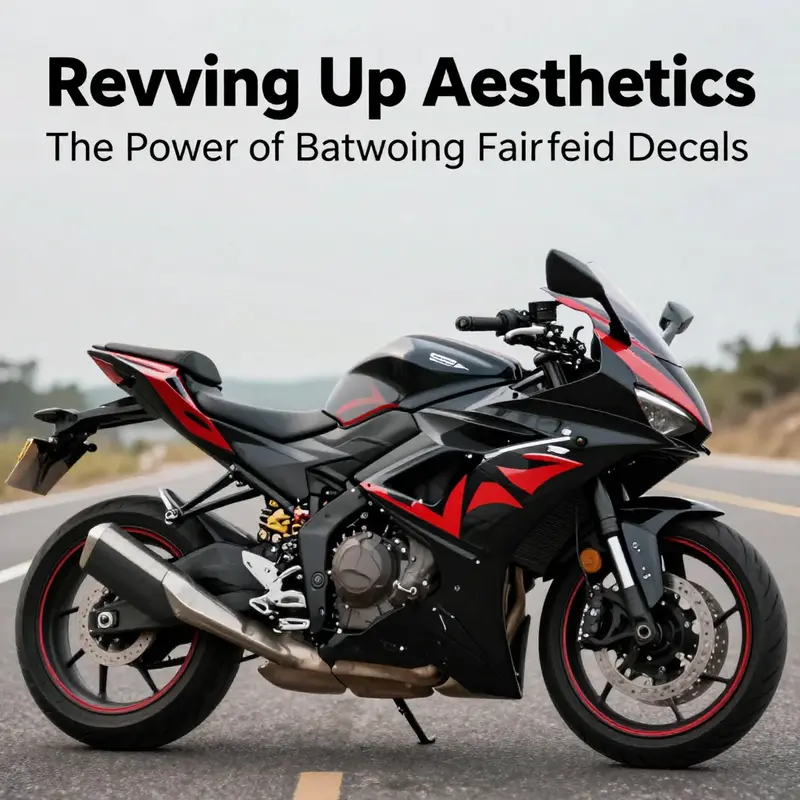
Motorcycle batwing fairing decals are not merely decorative stickers; they embody a blend of art and function that enhances the aesthetics and personalization of motorcycles, particularly models from Harley Davidson. As motorcycles evolve, so does the way riders express their individuality through customization. This article explores the key aspects of motorcycle batwing fairing decals, discussing their design and functionality, market dynamics influenced by consumer preferences, installation techniques, and cultural impacts. Each chapter provides insights relevant to business owners looking to engage more deeply with this niche market, ensuring a comprehensive understanding of the opportunities and considerations involved.
The Line Between Style and Speed: Decoding Batwing Fairing Decals
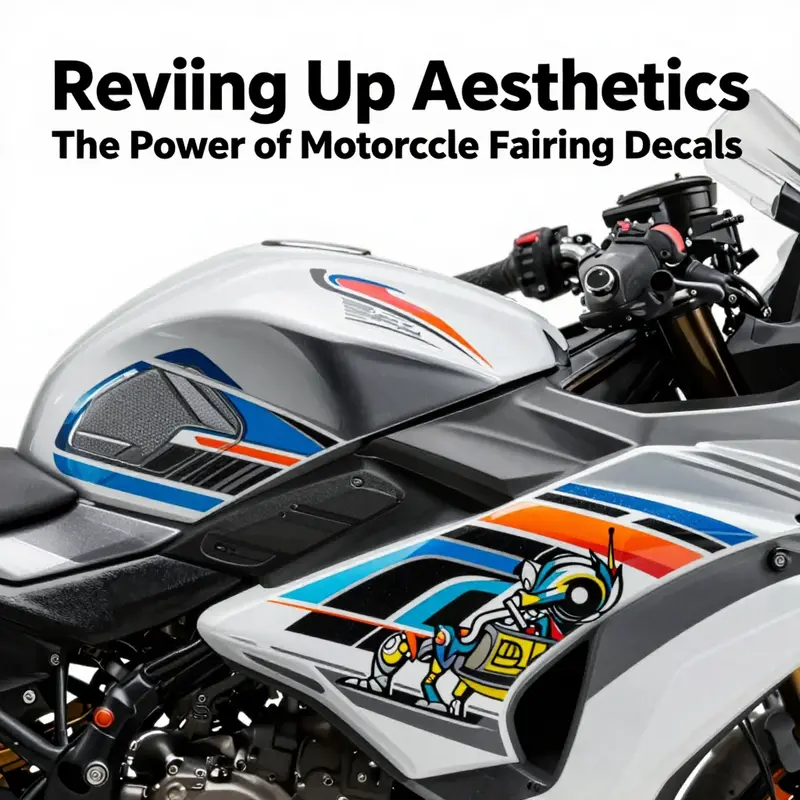
The batwing fairing is more than a bold silhouette on a touring motorcycle; it is a sophisticated canvas where form meets function, a surface that communicates the rider’s story while shaping air and noise around the rider’s space. Decals applied to this fairing are not just stickers; they are artifacts of design intent. They carry color, meaning, and a sense of motion even when the bike is at rest. They can celebrate heritage, announce a rider’s priorities, or simply enhance the visual narrative of a machine that spends its life on open road, where the only constant is change in light, weather, and speed. The decals’ power emerges from a quiet conversation among three layers: the graphic language itself, the curvature and contour of the fairing, and the conditions under which the bike travels. When these layers align, the result is not merely decoration but a coherent extension of the bike’s identity, a statement about who rides it, and how that rider experiences the world at speed.
Crafting decals for batwing fairings demands a deep appreciation for the geometry of the surface. The front fairing of a touring motorcycle does not present a flat plane. It curves, twists, and blends into wind channels that direct air toward the rider and the engine. Designers who translate a concept into a decal must anticipate how each contour will interact with light and shelter. A decal grown from a flat template will buckle, peel, or appear stretched in places where the fairing folds or narrows. Memory of this challenge shows in the care taken to draft graphics that follow the organic lines of the fairing—especially around the split-stream vent, the crown of the head-on surface, and the transition areas where the fairing meets side panels. The result is a graphic that reads cleanly from multiple angles and maintains its legibility whether the bike is parked in a showroom or cutting a highway on a windy afternoon.
From the rider’s perspective, decals are a chance to narrate a personal journey. They can be a nod to a culturally resonant motif, a tribute to a beloved region, or a reminder of a rider’s values and aspirations. In markets where customization is a growing norm, decals become the quickest, most impactful way to signal a rider’s stance without altering the mechanical heart of the bike. They also offer a practical extension of the fairing itself. A well-chosen decal can camouflage minor surface imperfections accumulated over years of use, smoothing the visual impact of wear and tear. In that sense, decals blend artistry with a pragmatic instinct: protect the surface, preserve the look, and sustain the bike’s lifespan by reducing visible damage in a single, carefully designed layer.
The process by which decals are created and applied reveals a careful choreography of craft and science. High-quality vinyl, formulated for outdoor exposure, provides the base durability needed for long rides and shifting weather. The pigments are chosen for resistance to UV fading, ensuring the design remains vibrant across seasons rather than washing out under sun and rain. Advanced graphic work often uses digital mapping to simulate how a design will wrap across curvature. Designers then print, contour-cut, and test the graphic on mock-ups that mimic the fairing’s surface, checking how the design behaves near edges, around curves, and at points where light catches the surface differently. The final products are engineered to maintain color fidelity and edge sharpness even after exposure to road grit and cleaning solvents. The philosophy behind this level of precision is simple: a decal that looks good in a studio photo must also perform on the road, where the surface is not forgiving, and the rider’s eyes are not at rest.
Application is its own art form. The wet method—where a light, damp layer helps position the decal before final adhesion—remains the standard for many quality kits. This technique minimizes air bubbles and allows micro-adjustments to be made as the graphic settles into the fairing’s contour. The process requires meticulous surface preparation: a clean, dry surface free of wax, oils, and dust, followed by careful drying and a steady hand during placement. The curves of a batwing fairing demand extra attention near the outer edges where the decal can slip or warp if not aligned precisely. Installers often employ squeegees with protective pads, steady hands, and a patient approach to working out any residual moisture or trapped air. They know that a small error near a curve can lead to a visible ripple or edge lift after weeks of vibration and sun exposure. For riders who tackle decals themselves, the best outcomes come from following a methodical sequence: prep, test fitting, wet placement, careful squeegeeing from center outward, and a final cure—usually a few days of low-stress conditions before wash and ride.
Beyond the fit, the identity and character of the design must harmonize with the fairing’s engineering. The batwing fairing—designed to reduce buffeting and improve rider comfort—functions as a midline between aesthetic aspiration and aerodynamic responsibility. In principle, graphics do not disrupt the airflow; in practice, they must be aligned to the streamlines that the fairing already negotiates. The rider’s visual impression of speed is enhanced when the decal’s lines echo the fairing’s own geometry—when color blocks sweep along the surface in a way that suggests motion even at rest. The graphic cadence can highlight the curvature of the wing-like silhouette, guiding the eye along the fairing from top to bottom and from center to edge. When designers succeed, the decal does not sit on the surface like a label; it becomes a part of the surface, reading with the wind and the rider’s gaze as an integrated design language.
In the marketplace, decal options have grown with the broader migration toward customization and online shopping. A robust ecosystem has emerged where decals are produced to fit specific models and years, ensuring compatibility and simplified installation. The value proposition is not only about style. Riders seek designs that align with the fairing’s profile, enhance the perceived value of the bike, and offer an outlet for personal storytelling. Some designs appeal to tradition, with motifs that evoke a sense of heritage and road lore; others are more contemporary, featuring abstract shapes or typographic statements chosen to reflect a rider’s current chapter. The online retail landscape has expanded access, allowing buyers to preview how a decal will sit on their fairing using digital renders before purchase, and to review installation tips that reduce the chance of misalignment or air entrapment. This expansion has helped move customization from a niche activity into a standard practice for many touring riders, reinforcing the batwing fairing as a living canvas rather than a static shell.
One practical dimension of decals is their potential to cover up wear without replacing parts. Fairings endure a lot in the course of a life on the road: chips from gravel, sun-faded paint, and minor abrasions that accumulate around curves and edges. A well-chosen decal can soften the visual impact of these imperfections while preserving the structural integrity of the fairing itself. In markets that emphasize value retention and resale appeal, the right decal can add perceived value by presenting a well-kept, thoughtfully customized surface. The aesthetic of a bike is often a rider’s first language of care; decals translate that care into a visible statement that communicates ongoing investment in the motorcycle’s upkeep and personality.
Varieties of decal design are as diverse as rider motivations. Some riders gravitate toward patriotic or national motifs crafted in a way that respects the fairing’s curvature and line, while others pursue branding motifs, typographic statements, or art-inspired graphics. The most successful designs balance boldness with legibility and ensure that the scale of each element respects the fairing’s surface area. A common thread is the use of color blocking and negative space to maintain a clean silhouette even when the design is elaborate. This discipline matters because the batwing fairing is, by its nature, a focal point. A graphic that overwhelms the surface can distract from the bike’s lines, while a thoughtful design can amplify the fairing’s presence, guiding the eye to its key architectural features—the sweep of the wings, the central vent, and the way the face of the fairing meets the rider’s line of sight.
For riders exploring the broader ecosystem of bike customization, the question often moves from “What can I put on my fairing?” to “How will this graphic work with my riding experience over time?” The answer hinges on a balance of durability, legibility, and alignment with the bike’s geometry. Durable decals insist on high-quality materials and robust adhesive systems that can withstand temperature variations, rain, and repeated cleaning. Legibility—especially for decals that include text or numerals—depends on size, color contrast, and placement that avoids shadow lines and bright reflections. Alignment, as noted, depends on a thoughtful understanding of curvature and how the graphic will read from multiple viewpoints, including the rider’s forward gaze, the side mirror line, and the long arc of the highway. When all these factors converge, the decal becomes a long-term companion in the rider’s journey, not a temporary flourish that fades away with the first wash or the second sun exposure.
The cultural pull toward personalization is only part of the story. The market for decals also reflects the evolving relationship between rider and machine. A bike that is dressed in a way that evokes a rider’s values and experiences can feel, to the owner, like an extension of their identity. And because the batwing fairing is a shared symbol in the touring category, decals can function as a subtle signal to fellow riders about one’s alignment with a certain ethos of road life—an ethos that prizes endurance, freedom, and a certain reverence for the open road. Yet the craft of decal design remains mindful of the fairing’s core function. A decal that intrudes on wind flow or adds weight to the edges risks undermining the very performance the fairing was designed to deliver. The best decals respect the interface between aesthetics and aerodynamics, offering a visual upgrade that feels inevitable once installed, as if it had always been part of the bike’s language.
In this landscape of form, function, and personal story, the batwing decal becomes a bridge. It connects a rider’s inner narrative with the external world—the road, the weather, the other riders sharing the lane. The design language travels across the fairing with the rider, even when the bike is stationary. It is a reminder that speed is not only about how fast the engine runs, but how clearly a rider can see who they are on the road. And in the broader ecosystem of bike customization, decals are one of the most accessible, immediate ways to begin a conversation with one’s own machine—a conversation that can grow into a long and rewarding relationship between rider, design, and the surface that bears their shared story.
For readers curious about a broader ecosystem of fairing design and compatibility, exploring a general fairings category can illuminate how decals relate to curved surfaces across different models and brands. A good starting point is the Honda fairings page, which showcases how decals and graphics are engineered to fit varied shapes and lines while preserving the integrity of the underlying fairing. This context helps frame why decal design is as much about geometry as it is about color and typography. It also underscores the idea that the batwing’s iconic silhouette invites a wide range of expressive templates that respect the engineering principles that make these bikes comfortable to ride at speed. As riders push beyond the stock look, decals illuminate the journey from factory form to personal artifact, a transformation that honors both the machine and the road it travels.
External resource and further reading can broaden understanding of the decal market and the materials involved in batwing graphics. For a practical view of the shopping landscape and the breadth of options available to riders, see an external marketplace that aggregates batwing fairing offerings and related graphics: External resource: wholesale batwing motorcycle fairings.
Winged Identity: The Market Pulse and Personalization of Batwing Fairing Decals
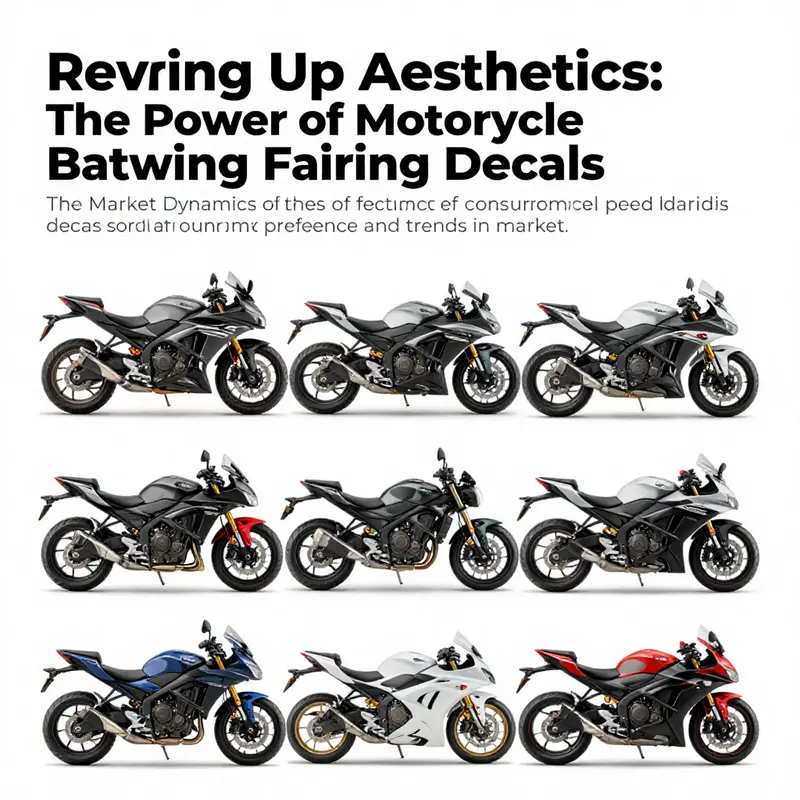
The batwing fairing, with its sweeping silhouette that frames a motorcycle’s front end, has emerged as more than just a component of aerodynamics and wind protection. It has become a blank canvas for identity, a moving billboard for personality, and, in some cases, a shield for surface wear. The decals that adorn these fairings carry a dual weight: they elevate the bike’s visual impact while subtly signaling something about the rider’s story, preferences, and place in a broader riding culture. In a market defined by customization and individuality, decals are no longer mere adornments. They are strategic tools for expression and, in some instances, practical aids that help preserve the fairing’s surface over time. The consumer’s eye now scans not only for color and composition but for how a decal lines up with the bike’s lines, how it wears with time under UV exposure, and how easily it can be replaced or updated as the rider’s story changes. This blend of aesthetics and function underpins the current dynamics of the batwing decal market and shapes how manufacturers, retailers, and riders engage with one another across communities that share a passion for two-wheeled mobility.
The visual language of batwing decals reflects a broader cultural movement toward personalization in motorcycling. Historically, riders carved out a sense of identity through paint schemes, badges, and graphics that were often fixed at the factory or applied with careful, artisanal attention after purchase. Today, the spectrum has widened dramatically. Decals are offered in heritage-inspired motifs, bold abstracts, and thematic sets that evoke landscapes, patriotism, or personal mottos. The aesthetic choices are not arbitrary; they map to different rider personas and riding contexts. A rider who spends weekends exploring backroads may lean toward decals that emphasize rugged resilience or natural motifs, while someone who uses their bike as a daily conveyance in an urban environment may prefer high-contrast graphics designed for legibility at a stoplight and in traffic. In both cases, the decals function as a form of storytelling, a way to convey mood and intention before a single word is spoken.
The market’s segmentation follows this appetite for self-expression, but it also recognizes the batwing fairing as a unique architectural element of the motorcycle itself. The fairing is not a flat surface; it has depth, curvature, and a sense of movement even when the bike is still. To translate a design onto this surface successfully requires careful consideration of scale, curvature, and the way light interacts with the material. The most successful decals are those that acknowledge these design realities rather than fight them. They adapt to the fairing’s contours, use color palettes that maintain legibility from a distance, and integrate with the fairing’s edges and vents in a way that feels intentional rather than tacked on. In practice, this means that decals are often offered in model-specific formats that anticipate the precise dimensions of particular touring lines. A decal that fits one year’s model won’t necessarily align perfectly with another year’s fairing. This model-specific compatibility has become a key selling point in the market, underscoring a broader trend toward product engineering that treats the rider’s bike as a highly customized platform rather than a generic chassis.
Within this framework, the role of your average decal buyer evolves. They are not simply purchasers of decorative vinyl; they are curators of a visual narrative and, at times, managers of property value. The decision to purchase a new decal set is influenced by several converging factors. First, there is the immediate impact on visibility and recognition on the road. High-contrast, clean graphics can improve visibility in traffic, a practical consideration that blends with aesthetic goals. Second, there is the perceived value tied to brand and model heritage. Decals that echo a rider’s appreciation for a certain lineage or era can speak volumes about identity, even in the absence of spoken words. Third, there is the perceived protection aspect. A decal can serve as a sacrificial layer that guards the fairing’s paint from small abrasions, stone chips, and minor UV wear, thereby potentially slowing the aging process of the underlying surface. While these protective benefits are not a substitute for diligent maintenance, they add a layer of practical reasoning to the purchasing calculus that rides alongside stylistic preferences.
The evolution of these products also mirrors a shift in how riders discover and evaluate options. The online marketplace has become a central hub for exploration, comparison, and purchase, enabling consumers to filter by model compatibility, color schemes, and artistic themes. The breadth of styles—ranging from minimalist silhouettes to elaborate, story-driven graphics—caters to an audience that seeks to balance personal flair with a coherent overall design for the bike. This is not merely about slapping on a sticker; it is about harmonizing the decal with the bike’s architectural lines, the metal and plastic textures, and the chrome and matte finishes present on the fairing. In practice, riders often seek out decals that can be layered with other aftermarket elements that modify airflow, ventilation, or aerodynamics without clashing with the chosen graphics. The existence of integrated accessories that augment both form and function illustrates this trend toward design cohesion. A vent trim or similar integration piece that echoes the decal’s lines and colorways can elevate the entire treatment of the fairing, making the combination feel like a single, thoughtfully engineered system rather than a patchwork of add-ons. This seamless integration is a hallmark of the premium end of the market and a signal of the maturity of the customization ecosystem.
The breadth of available styles also signals a shift in how riders approach the idea of heritage versus novelty. Heritage-inspired patterns hold appeal for riders who want a nod to timeless design while still enjoying the benefits of modern surfacing and materials. In parallel, contemporary, high-contrast graphics offer the immediacy of a bold statement and the ability to transform a bike’s appearance with a single purchase. This duality—respect for tradition and appetite for fresh, eye-catching design—drives experimentation in color psychology and graphic density. For some, the appeal lies in muted palettes that emphasize form and silhouette; for others, saturated hues and graphic density create a kinetic impression even when the bike is at rest. The market rewards designers who can translate a logo-free concept into a graphic that respects the fairing’s curves and the rider’s personal narrative, producing a result that feels modern yet timeless.
A crucial dimension of market dynamics lies in the way decals intersect with other performance-oriented add-ons. While decals are primarily decorative, the best products in the space acknowledge the fairing as a system rather than a single element. A well-conceived decal kit may be designed with transfer guides or pre-scored lines that help align with vents, ridges, and panel seams. This compatibility reduces installation guesswork and ensures that the final appearance looks intentional and precise. In this sense, the market’s most successful offerings function as integrated design systems: the decal, the fairing, and any supplemental components that touch the surface work in concert. The rider experiences a sense of continuity, as if the entire front end were conceived at once rather than assembled piece by piece. Across price points, this emphasis on coherence helps explain why some decals carry premium status, not just because of artistry, but because they align with a broader design philosophy that champions fit, finish, and durability.
From a consumer behavior perspective, the decision calculus around batwing decals blends sentiment, practicality, and a forward-looking sense of ownership. The rider weighs the personal resonance of a given motif against its potential impact on resale value and long-term maintenance. Decals that are easy to remove with minimal residue appeal to riders who anticipate future changes in taste or model ownership. In this sense, the market rewards modularity and reversibility as well as originality. The end-of-life value of a decal or its ability to be upgraded without damaging the fairing contributes to a longer decision horizon; the rider is not simply purchasing a temporary upgrade but investing in the bike’s evolving narrative and potential future appeal to buyers who value customization with care.
As trends toward liveable customization accelerate, manufacturers and retailers increasingly emphasize storytelling and lifestyle alignment. The themes often reflect broader cultural currents—patriotic motifs, nature-inspired graphics, and abstract compositions that evoke motion and speed without being literal depictions of a scene. The ride itself becomes the canvas, and the decal acts as a translator of mood, intention, and place. Riders who align with a certain lifestyle—long-distance touring, weekend escapes, or urban commuting—tend to favor decals that echo that routine, projecting a consistent image across time and miles. This consistency is part of what makes the batwing decal market both resilient and dynamic: it can respond to fads without losing sight of enduring design values that make the fairing a central visual anchor for the motorcycle.
The distribution channel for these products reflects the broader transition in consumer retail toward specialized, design-focused catalogs. The market has seen a proliferation of retailers who curate decal collections organized by compatibility, aesthetic discipline, and price tier. The breadth of choice invites experimentation, but it also places a premium on reliable product information. Riders want clear guidance about model fit, colorfastness, vinyl thickness, adhesive strength, and removal impact. When the fit is precise and the finish durable, decals contribute to a sense of care and meticulousness that resonates with a rider’s pride in their machine. Conversely, ill-fitting decals or finishes that fade quickly can erode confidence, underscoring why fit and material quality remain decisive criteria for many buyers. The market’s maturation is evident in the degree to which brands and retailers emphasize technical specifications alongside visual options, signaling that the purchase is both an aesthetic decision and a practical one.
In sum, the market dynamics surrounding batwing fairing decals reveal a sophisticated convergence of aesthetics, function, and identity. The decals function as more than decoration; they are instruments for storytelling, value preservation, and design integration. They reflect a rider’s values, a bike’s lines, and a scene on the road that blends culture with craft. The trajectory of this market suggests ongoing growth, driven by the desire for visibility, personalization, and coherent design that respects the fairing’s architecture while pushing the visual envelope. It is a space where heritage motifs meet contemporary graphics, where the surface becomes a narrative surface, and where the act of choosing a decal is as much about defining the rider’s place within a community as it is about dressing the bike for the road ahead. For enthusiasts seeking a sense of how aftermarket elements mesh with the broader ecosystem of bike customization, the discipline of model-specific compatibility remains a guiding principle, ensuring that stickered imagination aligns with engineered precision. The result is a market that feels both timeless and fresh, a dynamic frontier where a batwing’s sweep becomes the stage for personal storytelling and collective identity.
For readers curious about how decals sit alongside other aftermarket elements on two-wheeled platforms across brands, the Honda fairings category offers a helpful glimpse into how aftermarket components are organized and designed to fit specific models as part of a larger customization ecosystem. Honda fairings
External resource: https://www.harley-davidson.com/en_US/accessories/vehicle-accessories/fairings-and-panels/splitstream-vent-trim-batwing-fairing.html
Art on the Wings: Installing and Maintaining Batwing Fairing Decals for Personal Style and Protection
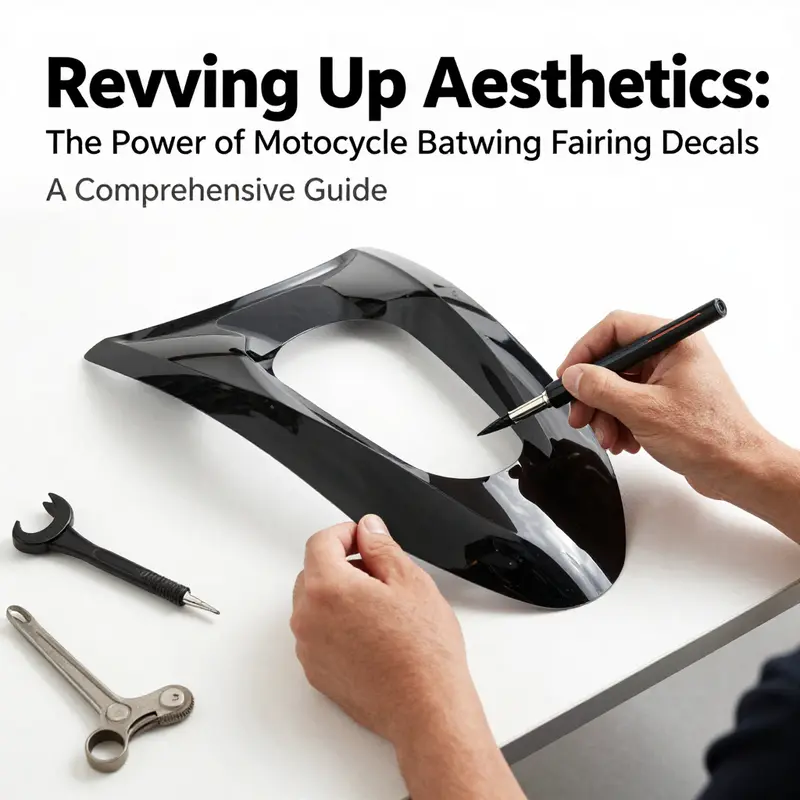
Batwing fairings stretched across cruiser and touring motorcycles transform a bike from a simple silhouette into a statement. The decals applied to that broad, sweeping surface do more than merely decorate; they orchestrate color, contrast, and mood, and they can also provide a subtle layer of protection against scratches and UV exposure. In the world of motorcycle customization, batwing decals function as a bridge between personal identity and practical enhancement. A well-chosen design can convey, at a glance, a rider’s ethos—whether that means patriotic pride, an ode to a personal motif, or a nod to the bike’s silhouette and lines. Yet the same surface that offers a generous canvas for self-expression also demands careful preparation, precise alignment, and ongoing maintenance if the finish is to endure. This chapter offers a cohesive, practical narrative about installing and maintaining batwing fairing decals, drawing on real-world considerations of surface care, environmental factors, and the workflow that keeps decals looking sharp for years of riding.
To begin, appreciate the batwing as a curved, broad plane that interacts with light and weather in complex ways. The decal’s edge lines must follow the fairing’s contours, not fight them. Misaligned edges catch on wind, brushes of rain, or the casual contact of riding gear and hands, and over time lifting can occur at the corners where the surface curves sharply or where the adhesive meets a dusty, oily film. Therefore, the installation philosophy should center on surface preparation, positioning flexibility, and patience during the cure period. The surface on which a decal adheres is as important as the design itself. A clean, dry foundation is the first, indispensable step toward a lasting result. Dirt, wax residues, or residual detailing products create a barrier that weakens adhesion. The preparation ritual, while simple, is nonnegotiable: wash with a mild soap and water solution, rinse thoroughly, and dry completely with a soft microfiber towel. The goal is to leave the fairing with a matte, residual-free surface that can grip the decal’s adhesive evenly. If the fairing carried protective wax or polymer sealant, consider a careful wipe-down with plain water to remove residues before applying the decal. This cleaning is not a cosmetic extra; it is the foundation that determines the decal’s future staying power and its resistance to edge lifting after road grime and sun exposure begin their slow work.
With the fairing prepared, the installation method itself takes center stage. The wet method, widely recommended for most batwing decal applications, combines two practical advantages: maneuverability and forgiveness. A soapy water solution—typically a simple mix of dish soap and water—reduces friction between the decal and the surface and lets you reposition the piece until the alignment is ideal. Before unrolling the decal, apply this solution generously to the back of the vinyl as well as to the fairing where the decal will sit. The extra moisture creates a temporary slip that makes fine adjustments feasible. Begin with a centerline alignment. The eye naturally gravitates toward the middle of a broad arc, so setting a precise center establishes symmetry and reduces the risk of drift to one side as you work out toward the edges. As you smooth from the center outward, use a plastic squeegee or a soft microfiber cloth to push out air bubbles and to expel excess moisture. The goal is to achieve a uniform layer of contact with no trapped pockets of air beneath the vinyl. For stubborn bubbles that refuse to disappear with steady pressure, a tiny pin or blade can release the air, followed by a gentle re-smoothing of the surrounding area. Patience and methodical work pay off in fewer lift lines at the edges and a cleaner overall finish.
A crucial aspect of the wet method is the timing of the final adhesion. Once the decal satisfies the alignment checks, you should allow the adhesive to secure in place as the surface dries. Unlike some simple stickers, batwing decals are designed to cure over a period of 24 to 48 hours, during which the surface must remain relatively free from harsh weather, heavy washing, or direct, intense sun exposure. The longer you can preserve a stable environment during this drying window, the less risk there is of edge lifting or repositioning. The practical takeaway is to plan decal installation for a period of calm weather and to avoid the temptation to wash or ride the bike immediately after application. If you must ride, do so only after the drying window has elapsed and the decal’s initial bond has begun to set.
Beyond installation, maintenance becomes the long-term guardian of the decal’s appearance and function. Cleaning is a careful craft. Harsh chemicals, abrasive cleaners, or high-pressure washing systems can degrade the adhesive or scuff the vinyl’s surface, which, in turn, makes edges vulnerable to lifting. The recommended routine is gentle: a soft microfiber cloth paired with mild soap and water, wiped along the decal’s surface and edges with light, even pressure. Regular cleaning removes road grime and insect matter that can degrade the visual clarity of the design and, over time, the bond between the decal and fairing. When it comes to tougher stains, consider patience over force. A slightly damp cloth and a light touch often beat aggressive scrubbing, which risks micro-scratches on the decal or the surrounding paint.
Over time, UV exposure, temperature fluctuations, and wash cycles test a decal’s endurance. If you notice fade or edge lift starting to appear, heat can be a useful, controlled ally. A low setting on a hair dryer can soften the adhesive enough to reposition a marginal edge or smooth out a gently curling corner, provided you do not overheat the surface or the vinyl. The goal is not a forceful re-application but a careful re-seating that prevents further lifting. If the decal has sustained deeper damage or the edges are significantly compromised, seeking professional advice or a manufacturer’s guidelines for repair or replacement may be warranted. Sometimes the most economical and durable option is a full decal replacement that uses the same wet-application technique but with fresh transfer film and adhesive. While removal and replacement may seem daunting, the new application can restore a pristine appearance and a uniform bond, extending the fairing’s aesthetic life without sacrificing the underlying paint.
The practical route to a durable result also depends on understanding the different design and material options that decals bring to batwing fairings. Modern decals come with finishes ranging from high-gloss to matte, and the quality of the vinyl influences both appearance and longevity. A top-tier vinyl will resist cracking and yellowing, maintain color vibrancy under UV exposure, and retain flexibility when the bike is warmed by sun or cooling after a ride. The adhesive system matters as well: some formulations offer a strong initial tack with excellent long-term adhesion, while others favor repositionability during the install but may require a longer cure period before full exposure to rain or washing. The balance between durability, ease of installation, and the intended riding environment is a personal assessment riders perform based on climate, storage, and maintenance routines.
A broader consideration, often overlooked, is the way decals interact with the bike’s paint and clear coat. Proper compatibility between vinyl and paint is essential to avoid edge peeling caused by differential expansion and contraction in response to temperature changes. In regions with large diurnal swings or frequent rain, consider protective measures that complement the decal without interfering with adhesion. Gentle waxing of surrounding painted panels, rather than the decal itself, can help shield the paint from UV-driven fading and keep the overall look of the fairing cohesive. This approach also makes it easier to detect and address edge lifting early, before it becomes an obvious problem. The goal is not to create a barrier that isolates the decal from the elements but to foster a balanced environment where the decal and the base paint age together gracefully.
Compatibility and fit are practical concerns that every rider should address before placing an order for decals. Batwing fairings vary in curvature, height, and corner radii, and decals designed for one model family may require adjustments for another. Taking precise measurements, if possible, and choosing designs that offer a modest amount of coverage around the central motif can help preserve the fairing’s contours. Even small misalignments become visually obvious on such a large, sweeping surface, so the more generous a decal’s margin for error, the smoother the final result. In addition, it’s wise to consider the ongoing needs of maintenance and potential future modifications to the bike. If you anticipate swapping designs frequently, choosing decals that are easier to reposition during installation and remove without leaving adhesive residue can be beneficial. The flexibility of the decal system matters as much as the artistry of the design, especially for riders who relish updating their machine’s look with the changing seasons or riding moods.
For riders looking to broaden their decal repertoire, a broader ecosystem of decals and accessories exists to support batwing fairings. The marketplace is filled with patriotic themes, geometric patterns, nature-inspired silhouettes, and personal text options. Each design carries its own set of installation realities and maintenance considerations. The wet method remains the most reliable approach for most designs, thanks to its forgiving nature and the ability to reclaim alignment in the event of a misstep. Always begin with careful planning: visualize how the decal will sit in relation to the fairing’s wind tunnel dynamics, consider how a high-profile design interacts with chrome trim or other painted panels, and ensure that the placement leaves room for future updates or additions to the bike’s aesthetic language. The careful blend of planning, precise execution, and patient curing is what separates a merely attractive decal from a durable, enduring feature of the bike’s exterior.
In this broader contemplation of adornment and protection, consider the decal not simply as decoration but as a collaborative surface between rider and machine. A decal does not exist in isolation; it sits where the rider’s daily life meets the bike’s travel. The decal should echo the rider’s personality while respecting the batwing’s architectural lines. It should be robust enough to withstand routine washings and the sun’s glare, while subtle enough to avoid appearing garish in certain light. This balance—between personalization and restraint, between expression and preservation—defines successful batwing decals. When installed with care, cared for with patience, and chosen with mindfulness of the fairing’s geometry and environment, a decal becomes a long-term asset rather than a fleeting flourish. It becomes part of the bike’s story, etched onto the surface of the fairing as surely as the road etches its own mark through use and time.
As you navigate the process of selecting, installing, and maintaining batwing decals, you gain more than a personalized aesthetic. You gain a framework for thinking about the bike’s surface as a canvas that deserves respect and attention. You learn to balance the desire for fresh visuals with the discipline required to keep those visuals intact through weather, rides, and routine upkeep. The result is not merely a sharper image but a more confident, resilient approach to motorcycle ownership. Whether you’re aiming for a bold, graphic statement or a refined, minimalist accent, the batwing decal can deliver a coherent look that enhances the bike’s silhouette rather than competing with it. And in the hands of a careful rider, it contributes to a ride that feels as good as it looks.
Internal link note: for riders exploring compatible decal ecosystems across different fairing lines, you can explore options under the Honda fairings category, which illustrates how decals and accessories are organized for fit and style. Honda fairings
External resource: https://www.harley-davidson.com/en-us/accessories/fairings-and-vents/batwing-fairing-10-in-windshield.html
Cultural Impact of Motorcycle Batwing Decals: Expression and Identity on Two Wheels
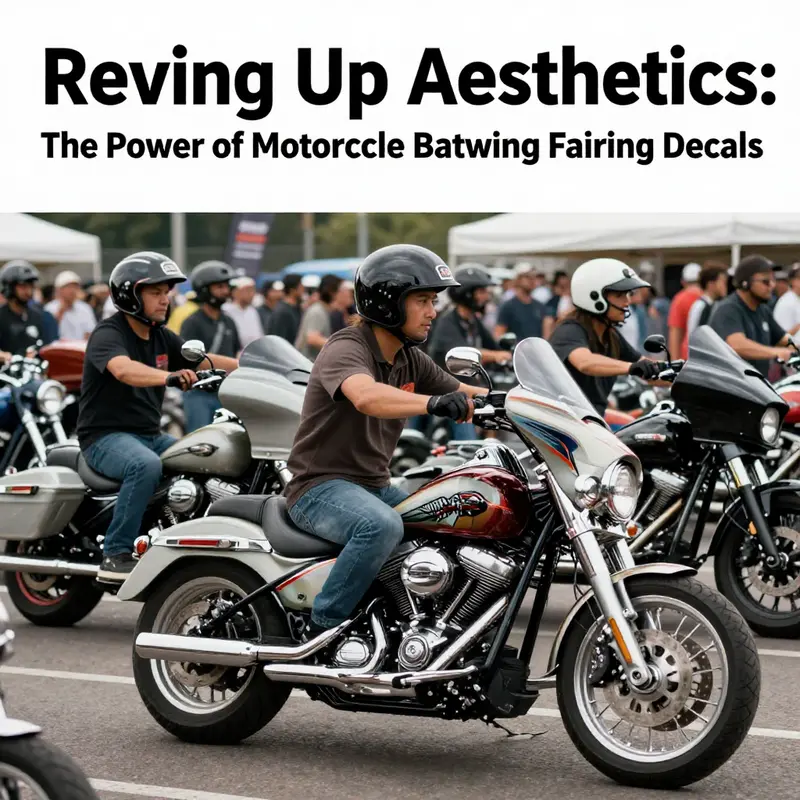
The batwing fairing, when scrolled with color and contour, becomes more than a component of aerodynamics. It is a rolling canvas through which riders translate memory, belonging, and belief into a moving statement. Decals that adorn these fairings carry meanings that stretch beyond aesthetics, weaving personal identity into the broader fabric of motorcycle culture. The scene on a sunlit highway might look like simply a rider cruising, yet every line, shade, and symbol on the batwing narrates a quieter story about who the rider is, what they value, and which communities they align with. In this way, decals function as portable portraits, extending the rider’s personality into the open road and inviting conversation from fellow travelers who share a visual language built on rebellion, resilience, or reverence for craft and history. The batwing itself acts as a stage, and the decals are the performance that captures attention, signals intent, and invites others to read the rider’s story at a glance.
The history behind these visual statements is not a straight line but a braid of postwar mobility, artistic rebellion, and the evolution of subcultures that have long used the motorcycle as their emblem. After World War II, veterans returning to civilian life found in the motorcycle not just a means of transport but a symbol of freedom and a break from the constraints of civilian life. The machine became a portable stage where masculinity, camaraderie, and a certain raw, unpolished independence could be expressed in the open air. As films and popular culture amplified anti-establishment imagery, these themes found a mass audience among riders who wanted the machine to mirror their values: a rejection of conformity, a taste for risk, and a celebration of self-reliance. In that sense, the batwing decal is not merely a graphic; it is a cultural artifact, a visual shorthand that taps into a historical memory of freedom earned on long roads and shared among riders who understand that the journey itself is a form of storytelling.
Over decades, the batwing decal has taken on a language of its own. Some motifs lean into the iconography of flight—wings spreading across the fairing as if the rider is lifting away from limits. Others invoke endurance, speed, or loyalty through graphs, emblems, or stylized lines that accent the silhouette of the fairing. Yet even when the designs drift toward the fantastical or the abstract, the underlying purpose remains constant: to declare a personal stance without saying a word. In many cases, a single decal can signal a set of values—independence, resilience, a tie to certain communities, or an affinity for a particular aesthetic lineage. The decal, then, becomes both a shield and a beacon, offering a sense of belonging to the rider while signaling to others the character of the machine and the rider who commands it.
This expressive practice extends beyond the aesthetics of rebellion and into the more complex terrain of inclusion and continuity. Modern decal cultures actively incorporate motifs that reflect social values and environmental awareness, artistic experimentation, or nods to hometown pride and personal history. The shift from rigid, outlaw-derived symbolism toward themes of ecological stewardship, community service, or artistic innovation signals a broader redefinition of motorcycle culture. It is no longer about belonging to a single, fixed lineage but about choosing a set of symbols that resonates with one’s current identity. The batwing, as a platform, accommodates this evolving sensibility—its expansive surface invites creative exploration while preserving the visual language of speed and protection that the fairing historically provides.
To observe the social life of batwing decals is to watch how identity on two wheels is negotiated in everyday spaces. A decal can initiate a conversation with a passerby or a fellow rider who recognizes a shared symbol or appreciates the craft of a well-executed design. In this sense, the batwing becomes a conversational starter, a social cue that slows the flow of traffic just long enough for two riders to exchange a glance or a nod about the artwork they see in common. The experience is not isolated to a quiet garage or a private driveway; on the road, the decal becomes a social currency—signaling taste, allegiance, and a willingness to participate in a broader conversation about what riding stands for in a contemporary world that is both diverse and deeply rooted in past traditions.
The cultural resonance of decals is also reinforced by cinematic and literary narratives that have shaped public imagination around motorcycling. The image of the open road as a theater for personal authenticity—proved and unsettled in moments of danger, reward, and unexpected generosity—lives on in the way riders curate their graphics. Films and stories that celebrate the rebellious, the heroic, or the generous rider have left an imprint on what people want their bikes to convey. The decals, then, function as a democratizing element. They enable an ordinary rider to participate in cultural storytelling with a highly personalized, highly legible message that travels with them on every ride. This is not merely decoration but a mode of dialogue, a way to write oneself into the ongoing epic of motorcycle culture.
For those who approach modifications with a sense of responsibility, decals can be a means of self-expression without eroding road safety or legal compliance. The design itself is a form of consent to visibility, art, and personal boundary setting. It invites others to interpret the rider’s intentions—whether that intention is to celebrate craft, to signal a peaceful allegiance to a specific community, or to simply enjoy the aesthetics of a well-executed graphic. Even as styles diversify and the market expands, the act of selecting, applying, and owning a decal remains a ritual that anchors identity to a two-wheeled journey. The rider’s choice is not just in the color or the line; it is in the decision to let the bike speak what the rider cannot say aloud in a crowded city or a quiet rural road.
In this cultural landscape, the global diffusion of decal styles mirrors a broader, evolving conversation within motorcycling communities. Some riders gravitate toward designs that evoke a vintage, almost archival reverence for the sport’s early days—a visual memory captured in careful typography, weathered textures, and muted palettes that recall old road posters and workshop walls. Others lean toward contemporary visuals—digital-inspired art, geometric mosaics, or collaborative designs that blur the line between graffiti, fine art, and the craft of vehicle graphics. This dynamic mix preserves the continuity of a shared language while expanding the vocabulary through which riders articulate their values. The batwing decal thus stands as a living record of how riders balance continuity with reinvention, heritage with forward-looking experimentation, and individuality with collective belonging.
Amid the celebration of self-expression, practical considerations remain essential for any thoughtful decal journey. The choice of decal type—vinyl quality, adhesive chemistry, and finish—affects not only appearance but longevity and surface protection. A carefully chosen decal can shield the underlying fairing from micro-scratches and UV exposure, extending the life of the finish and preserving resale value, should that be a consideration for the owner. Yet the opposite is true if the decal process is rushed or misapplied. Misalignment, air pockets, or incompatible materials can mar the fairing’s surface, diminishing both aesthetics and aerodynamics. This tension between expression and care is part of the ongoing apprenticeship every rider undertakes when adopting graphics as a core element of their machine’s identity. The subtle art of measuring, trimming, and smoothing decals teaches patience and precision, turning a moment of personal expression into a repeated practice of craft on the road.
The commercial ecosystem surrounding batwing decals contributes to the cultural fabric in equally subtle ways. As the market expands with digital design tools, print techniques, and online marketplaces, riders gain access to a wider range of imagery and customization options. This democratization of design lowers barriers to entry for new riders who want to participate in the culture without steep art-direction costs. It also invites a broader pool of makers to share their skills, from small-run artisans who hand-cut vinyl to digital studios that produce intricate, layered compositions. The result is a marketplace that reflects the diversity of the riding public while reinforcing the decal’s role as a visible, portable form of self-representation. Within this marketplace, the bar for quality rises as riders demand better materials, more durable finishes, and safer installation practices that protect both the rider and the bike.
For readers exploring practical avenues of implementation, consider looking at resources that curate and categorize fairing graphics online. When browsing, it can be helpful to navigate within a category that offers a sense of the broader decorative ecosystem while staying attentive to compatibility with various fairing shapes and sizes. For practical reference, see the product-category/honda-fairings page.
As with any visual practice that interacts with roadways, there is a line between expressive freedom and regulatory responsibility. The cultural conversation around decals does not exist in a vacuum; it exists within legal frameworks that govern modifications to vehicles. In different jurisdictions, rules about visibility, color changes, or surface area coverage can vary widely, influencing what riders can and cannot display. The back-and-forth between personal expression and compliance is, in itself, a form of cultural negotiation. It invites riders to think not only about how their graphics look in the moment but how they will be perceived—by law enforcement, by security systems, and by future owners who may value the preserved condition of an original finish. The ethical and practical challenge is to stay faithful to the rider’s vision while honoring a shared road space that depends on predictable signaling, safe operation, and respect for other road users. The dialogue surrounding decals, then, is not solely about style; it is about a responsible aesthetics that honors the machine, the rider, and the community on the move.
In sum, the cultural impact of motorcycle batwing decals is a braided narrative of personal identity, historical memory, and contemporary values expressed in color and form. The batwing is a stage that allows riders to perform their sense of self, while the decal is the script that they choose to enact. This script can reflect the rebellious roots of the subculture, the craftsman’s pride in the finish, or a modern insistence on values like environmental stewardship or social responsibility. It is a language that travels with the rider, translating the private sense of self into public, moving storytelling. When considered through this lens, decal culture stands as a testament to how motorcycling remains not only a pastime but a living, evolving art form—one that invites each rider to contribute a line to an ongoing, shared road epic. The decals are not merely adornments; they are the visible fingerprints of identity, belonging, and intention etched into the landscape of the open road. External resource: https://www.mps.gov.cn/xxgk/gb/zwgk/zcfg/202601/t20260130_487321.html
Final thoughts
Understanding motorcycle batwing fairing decals opens a pathway for business owners to tap into a vibrant market of customization and individuality. These decals not only serve as aesthetic enhancements but also connect deeply with the cultural fabric of motorcycle enthusiasts. By embracing the trends, knowing installation techniques, and appreciating the cultural significance, businesses can position themselves as leaders in motorcycle customization, ensuring they meet the evolving desires of riders. Engaging with this niche allows for not just increased sales but a community connection that transcends mere transactions.