
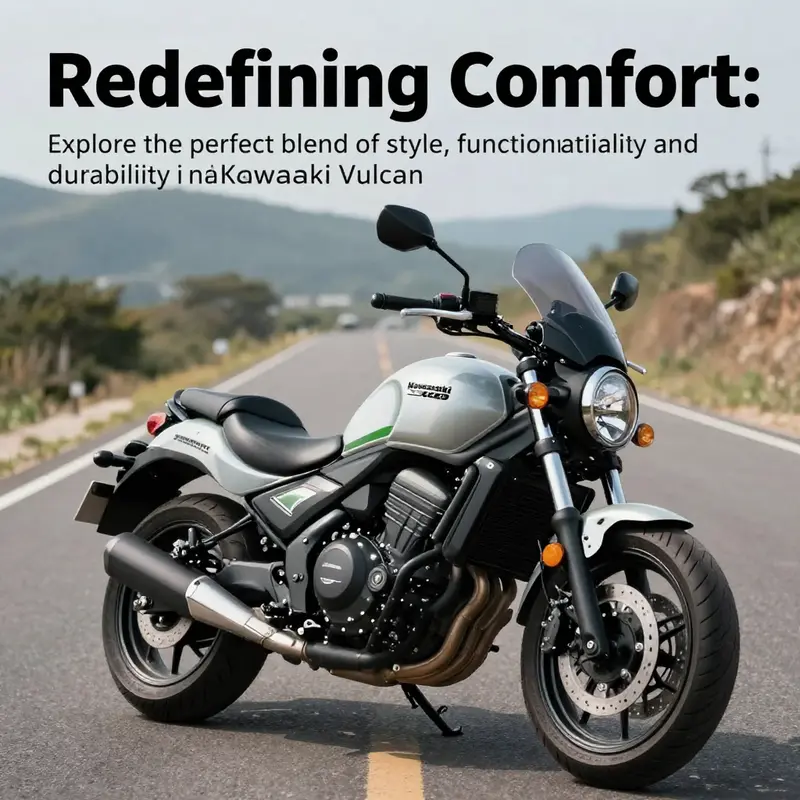
Kawasaki Vulcan motorcycles are widely recognized for their iconic American cruiser design, with models like the Vulcan S 650 and Vulcan 1600 Nomad leading the charge. One of the key features that enhance both the aesthetic appeal and functional performance of these bikes are custom fairings. These fairings do not just serve to provide style; they also improve riding comfort, reduce wind resistance, and protect vital components. This article delves into the various aspects of Kawasaki Vulcan motorcycle fairings, covering everything from specific models and their unique features, to the materials used in their construction, ensuring business owners in the motorcycle industry have a comprehensive understanding of what they can offer their customers. Each chapter will build upon the previous one, providing a clear and detailed framework for selecting the right fairing solutions.
From Wind to Wiring: The Craft of Kawasaki Vulcan Fairings for Cruising Comfort and Style
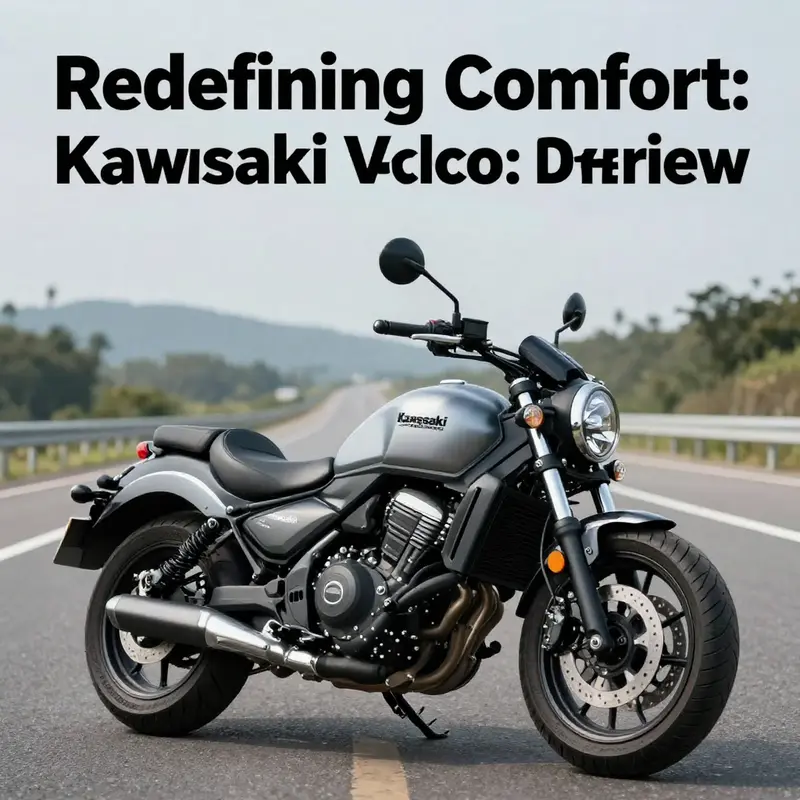
The Kawasaki Vulcan line has long stood for a promise in the world of motorcycles: a balance of classic cruiser aesthetics with modern riding convenience. This balance shows up not just in chrome and silhouette, but in the thoughtful engineering of fairings. Fairings on Vulcan models are not decorative shells. They are wind deflectors, weather guards, and canvases for personal expression that influence the rider experience as much as the bike’s profile.
Across the Vulcan family, fairing design centers on two core aims: protecting the rider from wind and weather, and enhancing the bike’s presence. The larger, more expansive fairings used on some Nomad and Classic variants emphasize a bold front end that wraps around the cockpit, reducing wind fatigue and smoothing airflow at highway speeds. These full size fairings create a strong, cohesive look while offering improvements in acoustic and thermal comfort. The material tends to fiberglass or composite blends, chosen for rigidity, weather resistance, and the ability to be molded to a clean, seamless surface that can be color matched.
On the other end of the spectrum, compact, sportier fairings cater to riders seeking a streamlined look with integrated features. They often come with cutouts or pathways for speakers, wiring, and instrumentation. The aim is a factory like finish that does not require re engineering every function. A fairing with integrated audio can transform long trips into a more entertaining experience, while maintaining smooth lines that preserve the Vulcan’s iconic silhouette. Such configurations typically use fiberglass for its weight to stiffness balance and weather resistance, producing a lightweight shell that can be aligned with existing fairing lines.
Modularity matters as well. A well chosen fairing can serve as a canvas for personalization without sacrificing core protection. Riders pick options to match riding habits, whether wind protection for long trips, integrated audio for road trips, or a bold silhouette to stand out in a parking lot. When a fairing includes built in features, the rider can plan electronics at the outset or retrofit later with relative ease. The engineering challenge is to keep these features discreet and integrated so the fairing remains a single form rather than a collection of protrusions. The preference tends toward fairings that offer clean attachment points, weather sealed wiring routes, and a finish that can be matched to the bike without heavy bodywork.
From a practical viewpoint, Vulcan fairings must contend with real riding conditions. Open sunlit stretches, gusty city streets, and long highway droning demand a thoughtful response. A well executed fairing reduces wind noise and buffeting, guiding air around the rider and core components. It also deflects rain and spray away from critical parts, contributing to lower exposure to the elements and less wear on metal and wiring. The result is improved comfort and reliability for longer rides.
As for installation and compatibility, Vulcan fairings are designed to align with a specific set of mounting points. A fairing labeled as compatible with Vulcan S 650 or Nomad must line up with the bike frame and supports. Buyers should look for clear compatibility notes and kit contents, including pre configured wiring routes and weatherproof connectors. The ease of installation is not just about time; it is about preserving the bike original electrical system and avoiding new points of failure.
Material choice matters. Fiberglass remains common for its rigidity and favorable weight to strength, while coping with detailed shapes and curved surfaces. Fiberglass also provides a solid base for paint and clear coats, helping the finish endure sun, rain, and road grit. Some builders experiment with composite blends, seeking a balance between weight savings and impact resistance. Whichever path is chosen, the priority is a surface that seals well against moisture, with seams that stay tight and a finish that resists micro cracking under temperature swings. The aim is a wind friendly surface that also presents a premium, factory like aesthetic when viewed at dusk.
Beyond protection, the acoustic dimension matters. A batwing style, for instance, can influence cockpit acoustics by shaping wind interaction with the rider and the position of any audio hardware. When designed with audio in mind, a fairing can accommodate speaker arrays without sacrificing the smooth lines that define the Vulcan. The result is a listening environment that feels integrated rather than bolted on. Yet adding audio increases routing, sealing, and thermal considerations; thoughtful design and precise fitment are required to maintain reliability and weather resistance.
As riders weigh options, sound design, compatibility, and practicality matter most. The best choices deliver a cohesive appearance that respects the Vulcan silhouette while offering tangible improvements to comfort and convenience. A well chosen fairing paired with appropriate windshields and mounting hardware can transform a day into a smoother ride. The bike gains a purposeful, integrated look that communicates both taste and practicality.
For those exploring Kawasaki fairings more broadly, a practical path is to examine options that emphasize compatibility and a factory like finish. The catalog of fairings can be used to compare models by family and compatibility notes, helping to align expectations with the bike’s geometry and ensuring a straightforward fit during installation. A well chosen fairing should clearly state compatibility with the Vulcan S 650 or Nomad variants, along with any required hardware or harness provisions. Guidance on color matching and finish options helps keep the final look cohesive with ongoing customization.
In practice, the rider’s first considerations are protection, style, and practicality. The shelter a fairing provides from wind translates into a more enjoyable ride, especially on longer trips. The style is the visual signature that communicates taste, from the bold front to the clean lines that flow toward the handlebars. Practicality comes with the ability to integrate audio or other accessories in a weatherproof, secure, and aesthetically integrated way. The blend of these elements explains why many riders invest in fairings as a core component of the Vulcan experience rather than as a mere add on. The journey from wind, noise, and fatigue to calm cruising is about shaping a riding environment that feels designed for the road ahead.
To see these ideas in action, a practical starting point is a catalog of fairing options that emphasizes compatibility and a factory like finish. This resource outlines how units align with Vulcan architecture, how they manage interior routing for wires and speakers, and how the paint ready surfaces respond to weather across seasons. When selecting a fairing, consider not only aesthetics but also how the piece will age with the bike. A durable finish and a robust mount system can preserve the fairing’s lines and rider comfort for years to come. The right choice can elevate daily commuting into a more enjoyable, less fatiguing experience while maintaining the bike’s iconic identity.
Form Meets Function on the Highway: The Vulcan S 650 Fairings, Comfort, and Character
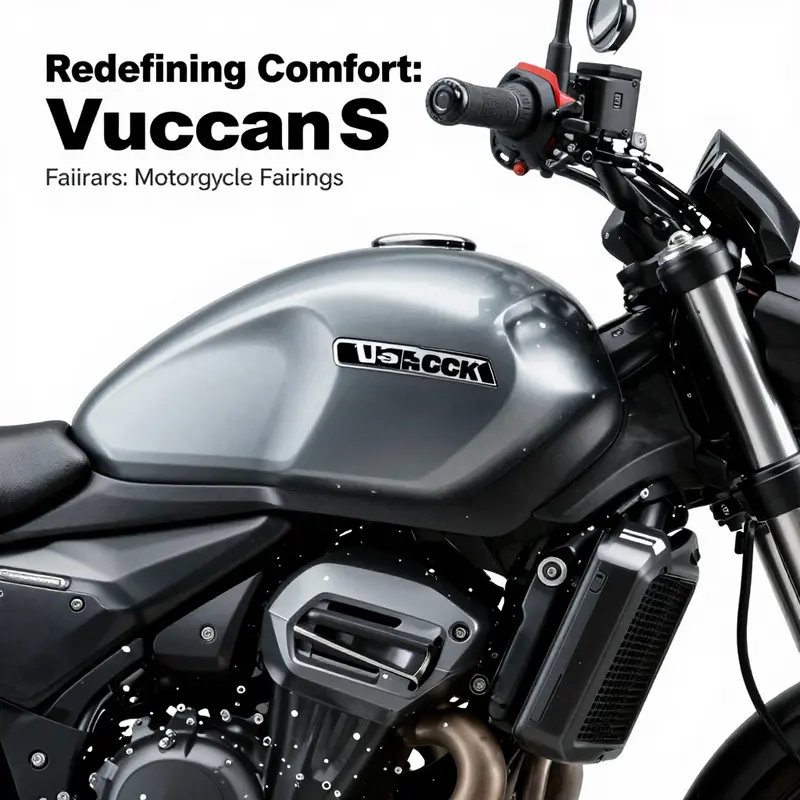
The fairings that cloak a mid-sized cruiser are more than just a glossy shell. On a line of motorcycles built for long, relaxed rides, the bodywork becomes a quiet partner in the journey, shaping both what the rider feels and how the machine behaves at highway speeds. The fairings on a popular Kawasaki cruiser are designed to blend the timeless lines of American-inspired styling with a modern emphasis on wind management, comfort, and practicality. In practice, the right fairings do three essential tasks at once: they improve aerodynamics, shield the rider from the worst gusts and rain, and safeguard the engine and chassis from road debris and weathering. The result is a machine that not only looks poised and confident on the open road but also feels more composed after hours in the saddle. As riders consider customizing, they face a spectrum of choices that reflect different rides—daily commutes, weekend sport-inflected sessions, and extended journeys across multiple time zones—and the fairings they select become a visible manifesto of those riding goals.
The selection landscape for these fairings is broad enough to please a wide range of tastes while remaining practical for real-world use. At one end, there are OEM-style fairings that honor the bike’s original silhouette, aiming to preserve its classic cruiser charm while offering enhanced protection where the stock panels may fall short. At the other end, sport-oriented designs push the lines toward a more aggressive stance, often introducing sharper angles and improved airflow characteristics that can promote a steadier feel at high speeds. Between these poles lie custom or semi-custom options that let riders express personal taste—whether through unique contours, different surface textures, or painted finishes that speak to a rider’s chosen color narrative. The common thread through all these options is intent: to tailor how the bike moves through air and how the rider experiences that motion.
Materials and construction sit at the core of those design decisions. Fairings are typically crafted from sturdy plastics or composite blends, chosen for their balance of impact resistance, rigidity, and lightness. In practice, that means a panel system that deflects wind efficiently without loading the chassis with unnecessary weight. The choice of material also influences durability in daily use, where chips and abrasions are inevitable. Some designs lean on fiberglass or reinforced plastics for their stiffness and recoverable flexibility, while others rely on engineered plastics with additives that resist UV exposure and weathering. Weight is not a minor concern here; even a few pounds saved on the front-end assembly can translate into a crisper steering feel and less fatigue over long days in the saddle.
Beyond raw materials, the fairings often include functional features that enhance riding comfort and convenience. A good set may incorporate an adjustable windshield, allowing riders to tailor wind exposure to their height, posture, and typical riding speed. When windshields are integrated with weather seals and mounting hardware that keeps them steady in gusts, the rider gains a more predictable ride—especially during spring squalls or late-season commutes. Some designs offer built-in cutouts or mounting points for accessory components, such as audio systems or radar-like sensors, without compromising the overall integrity of the bodywork. The presence of these practical details signals a shift from purely cosmetic updates to purposeful, rider-centric engineering. Even the fairing’s internal contours can be optimized to reduce cabin noise and wind buffeting, a subtle but meaningful enhancement for long distances beneath the open sky.
Another dimension of choosing fairings lies in how they align with a rider’s everyday riding needs. For someone who spends hours in the seat, a fairing that shields the chest and neck from direct wind while allowing a comfortable, slightly tucked posture is a welcome ally. For a rider who values a clean, timeless silhouette, the fairing’s shape must maintain the bike’s iconic lines and preserve easy access to the cockpit area. The options also dovetail with how much maintenance a rider is willing to perform. High-quality finishes resist scratches and weathering, but they demand careful care to keep the paint from dulling or crazing in sun and rain. The right balance between visibility, protection, and ease of care becomes a personal calculus—one that reflects how a rider spends their days behind the handlebars.
For those who want to explore a broad spectrum of choices, the Kawasaki cruiser family presents an ecosystem of fairing designs that can be thought of as a dialogue between tradition and innovation. Heavier, batwing-style configurations convey a strong touring identity, offering broad front coverage and a sense of security during long, straight highway stints. Lighter, sport-leaning panels emphasize agility and a leaner airflow profile, appealing to riders who enjoy spirited lane work and twisty backroads. In this context the right fairing acts as a bridge between the bike’s legacy aesthetics and the rider’s evolving needs, ensuring that the machine remains visually coherent while adapting to the demands of real-world riding. The goal is not to chase the latest fashion but to harmonize appearance with function so the bike feels confident in any scenario—from a dawn ride along quiet corridors to an all-day climb into the mountains.
Practical considerations shape the buying journey as much as aesthetics do. Size, fit, and mounting compatibility matter as much as color and contour. A fairing that looks right on a showroom floor can become source of frustration if it refuses to align with the bike’s existing mounting points or interferes with the instrument cluster, fuel tank, or seat. Because fit can vary slightly among production runs, many retailers highlight compatibility with specific model years or variants, and some offer color-matching services to preserve the bike’s original aura. For those who value assurance, retailers often advertise fit guarantees or clear return policies that help buyers proceed with confidence, particularly when the purchase involves a moderate investment.
From the rider’s seat, one immediate benefit of a well-chosen fairing emerges in the form of wind pressure and noise. At highway speeds, wind can become a constant companion, forcing a rider to tense shoulders and neck muscles just to maintain a comfortable posture. A thoughtfully designed fairing redirects that air, smoothing the boundary layer around the rider’s torso and reducing the buffeting that accompanies higher speeds. The reduction in fatigue translates into longer, more enjoyable riding sessions and fewer breaks along the way. In addition, the fairing contributes to protecting the engine and frame from road grit and weather, preserving components that might otherwise endure a harsher life cycle. The rider’s comfort and the bike’s longevity go hand in hand, and a good fairing helps secure both.
When approaching a purchase, practical questions shape the decision as surely as style does. How often will the rider travel with a passenger, and will that passenger appreciate additional shielding? Does the typical climate require a taller shield or one with better air routing around the helmet area? How important is the ease of installation, repainting compatibility, and future maintenance access to the headlight, wiring, or instrument panel? These questions help separate options that simply look good from those that truly serve daily riding well. A well-made fairing should not demand constant tension to stay in place; it should offer a stable alignment across a wide range of speeds, winds, and road surfaces. The right choice improves both the motorcycle’s aesthetic and its everyday practicality, inviting riders to embark on longer trips with greater assurance.
Finally, the act of selecting and installing fairings is an act of storytelling about the bike’s character. The rider marks a point in the machine’s life where performance, comfort, and taste converge. A fairing is a stage curtain that frames every ride, translating the bike’s lineage into a personal journey. This is why many riders treat the fairing not as a one-time upgrade but as an ongoing conversation with the motorcycle—an invitation to refine the ride with each new season, color refresh, or long-distance expedition. For those who want to explore further, a broad range of options exists to suit every preference while maintaining a respect for the bike’s essential proportion and ride dynamics. And while the exact look may evolve, the goal remains the same: a rider’s comfort, a machine’s protection, and a silhouette that embodies the spirit of steady, confident cruising.
For readers seeking a broader catalog of options, a convenient starting point is the Kawasaki fairings category, which consolidates several designs that align with the bike’s silhouette and riding philosophy. This internal resource offers an accessible overview of styles, profiles, and finishes, helping riders sketch a plan before committing to a finish or mounting approach. Kawasaki fairings category
External resources can provide practical buying guidance and showcase how different fairings perform under real-world conditions. If you are looking for marketplace listings and user feedback that reflect a wide range of fitments and visual outcomes, an extensive catalog of fairings for this cruiser line is available here: https://www.ebay.com/b/Parts-Accessories-for-Kawasaki-Vulcan-S-650-Fairings-Bodywork/189732/bn_1476284
Batwing Grace: Design, Comfort, and Utility of Kawasaki Vulcan 1600 Nomad Fairings
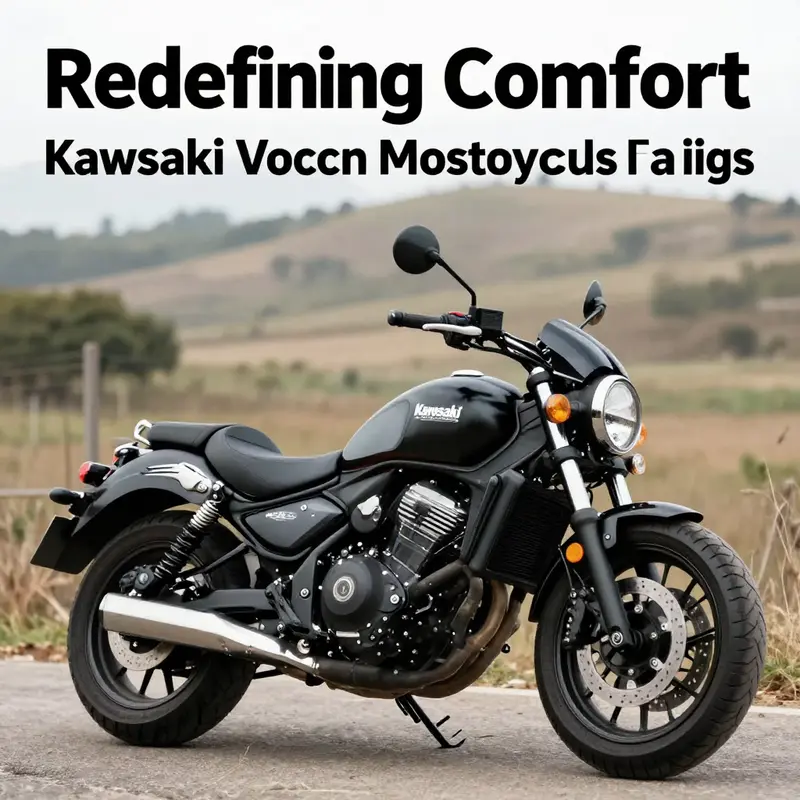
The Kawasaki Vulcan 1600 Nomad sits at a crossroads of heritage and highway practicality, a machine that wears its cruiser lineage with quiet confidence. Its front end can be more than a cosmetic statement; it is a functional platform where wind management, rider comfort, and accessory integration converge. The fairings designed for the Nomad, often described in the riding community as batwing for their broad, wing-like sweep, do more than frame the bike’s iconic silhouette. They shape the ride itself, turning what could be a wind-driven endurance test into a smoother, more controlled journey across long stretches of asphalt. This design philosophy—creating a cohesive marriage of form and function—reflects a broader approach in the Vulcan family, where the aesthetics of a classic American cruiser are deliberately aligned with practical riding experience. The fairing forms a protective shell around the engine and cockpit, but its influence reaches beyond mere protection. It establishes the bike’s aerodynamics, reduces the sting of wind pressure on the chest and shoulders, and, in many configurations, offers a Mantle of convenience through integrated features that defend the rider from weather while accommodating modern electronics.
From a design standpoint, the batwing fairing contributes a pronounced front profile that remains visible in a crowd of motorcycles yet remains unmistakably Vulcan. The broad upper edge and sweeping contours create a sculpted continuum from the headlight area to the shoulders of the bike, maintaining the line of sight and rider posture that are central to the Nomad’s touring persona. This is not happenstance; it is a calculated choice to preserve the classic cruiser vibe while subtly enhancing the bike’s wind-management performance. The aerodynamic effect is not just about cutting wind at highway speeds. It also influences how the airflow wraps around the rider, reducing buffeting and noise, and helping to maintain a more consistent engine temperature by stabilizing the wind pressure along the sides of the fairing. When a rider spends hours in the saddle, that steadier wind experience translates into less fatigue and a more relaxed posture.
The utility of the Nomad’s fairings extends into the realm of practical installation and everyday usage. A defining feature of many batwing designs is the deliberate inclusion of mounting provisions that offer secure access to essential components and passenger comforts. For riders who crave music on the move, the fairing commonly provides cutouts or internal channels that support speaker installations without compromising the bike’s clean lines. These cutouts—often four standardized openings—enable the integration of a compact, purpose-built audio system that can deliver a satisfying listening experience on long rides. The goal is not merely to add hardware for its own sake but to complement the Nomad’s intended role as a versatile touring partner. The fairing thus becomes a conduit for both entertainment and practical reinforcement of the bike’s front-end structure, contributing to a steadier feel at higher speeds and a more organized routing of wires and components behind the paneling.
Material choice matters as much as shape in determining how these fairings perform over the years. Fiberglass has long been a favored material for aftermarket and OEM fairings on large cruisers. Its balance of stiffness, impact resistance, and relative lightness makes it well suited to a front-end shell that must endure road debris, weather exposure, and occasional minor impacts without compromising the bike’s overall weight budget. Fiberglass’s durability supports long-term aesthetics and structural integrity, which is essential when custom fitment and alignment are involved. The fairing’s surface can be prepared for painting with a high-quality finish, ensuring the Nomad’s color palette remains cohesive with the rider’s overall look. Beyond appearance, fiberglass panels are generally easier to repair than some other molded plastics, a practical consideration for riders who value maintenance efficiency on a long-term ownership timeline.
In terms of fabrication and finish, the fairing’s inner surfaces are often shaped to minimize vibrational pathways and reduce resonance that can otherwise travel through the forks and handlebars. The goal is to achieve a quiet, stable cockpit even when the bike is moving through gusty crosswinds. The exterior contours are sculpted not only for aesthetics but for predictable aerodynamic performance. The fairing’s edges and seams are engineered to withstand the rigors of touring weather—sun, rain, and temperature fluctuations—without cracking or fading prematurely. This durability matters as owners frequently embark on journeys where the machine must perform consistently, mile after mile, with relatively low maintenance interruptions.
Compatibility considerations are a practical part of the design conversation. For riders who own a Vulcan 1600 Nomad, selecting a fairing involves a careful assessment of fitment, mounting hardware, and the alignment of the instrument cluster with the rider’s line of sight. A fairing labeled as compatible with the Vulcan Nomad typically provides precise mounting points, appropriate headlight alignment, and thoughtful integration with dash displays so that speed, fuel, and diagnostic readings remain easily visible. The path from selection to installation can be straightforward when the product carries explicit compatibility labeling and a robust set of mounting instructions. The rider benefits from a smoother installation process, reduced chances of misalignment, and a finished appearance where gaps and misfits are minimized. While the visual impact is immediate, the long-term reward lies in the steadier wind exposure and the cleaner integration of electronics behind the panel, which helps protect cables from potential abrasion and weather damage.
Beyond the base design, a subset of batwing fairings invites riders to explore added utility through audio and accessory integration. An approach that some manufacturers and builders pursue is to create a fairing with insets or appendages that can accommodate audio components without creating visual clutter. The result can be a streamlined front end that still appears true to the Vulcan’s classic styling while offering riders an enhanced touring experience. The practical advantage is that riders who value in-road entertainment can achieve a more immersive ride without resorting to aftermarket clutter that might interrupt the bike’s iconic posture. The balance between form and function is delicate here; the ideal fairing respects the Nomad’s silhouette, preserves the legible lines of the bike’s frame, and delivers the intended improvements without introducing unnecessary weight or complexity.
The aesthetic dimension remains essential. For many Vulcan enthusiasts, the fairing is a personal statement as much as a functional upgrade. It signals an intent to honor the machine’s American cruiser heritage while embracing a modern, travel-ready practicality. The broad front profile complements the Nomad’s stance, and when painted to match or thoughtfully contrasted, it reinforces the bike’s visual narrative. The result is a motorcycle that not only performs well on highways but also presents a purposeful, cohesive look that resonates with riders who value both tradition and touring capability. In practice, this visual coherence translates into higher perceived quality and a more satisfying ownership experience, where the bike’s outward appearance mirrors the internal integration of wind management and utility.
Market availability for Vulcan Nomad fairings underscores the reality that riders have a spectrum of choices, from OEM options to carefully engineered aftermarket solutions. Compatibility labeling becomes a practical safeguard, guiding buyers toward products that will align with the Nomad’s frame geometry and mounting points. Reading user feedback and verifying fitment against the Nomad’s specific year and model variant helps ensure that the chosen fairing will slot into place with minimal modification. A well-chosen fairing, designed with both aesthetics and practicality in mind, can extend the Nomad’s comfort envelope, enabling more relaxed riding postures, lower fatigue on lengthy sessions, and a more enjoyable overall travel experience. Riders often remark that the visual upgrade feels like a natural extension of the bike, a seamless enhancement rather than an afterthought.
For those who want to explore the broader landscape of options, a resource that compiles a range of fairing designs can be informative. The Kawasaki fairings collection presents a spectrum of styles and fitments that can help a rider gauge what fits and what aligns with their aesthetic preferences. This kind of reference can be especially helpful when planning a custom project or when searching for a balance between classic styling and modern touring requirements. Internal exploration of such options can spark ideas about how a Nomad might be personalized while staying faithful to its core identity. When considering compatibility, it is prudent to prioritize products labeled as compatible with the Vulcan Nomad, cross-checking with community forums and installation guides to anticipate any minor fitment nuances. In the end, the right fairing becomes a catalyst for longer, more comfortable rides and a more cohesive overall machine personality.
External resources can provide context and broaden understanding about fairing construction, fit, and performance expectations. For riders curious about how a batwing-style fairing can influence long-haul comfort and the integration of auxiliary features, a detailed listing of fiberglass batwing fairings serves as a real-world snapshot of the kinds of designs that are commonly available and the practical cues they offer about fit and finish. An example listing demonstrates how four 5.25-inch speaker cutouts are integrated into the fairing, highlighting the balance between audio capability and the front-end silhouette. External reference: an example fiberglass batwing fairing listing with four cutouts that illustrate the practical approach to combining sound with style.
Internal link note: for readers exploring broader compatibility and design options within the same family, the Kawasaki fairings page provides a curated overview of what’s available for Vulcan and related models, which can help inform decisions about fit and aesthetics while maintaining a consistent brand language across the lineup. You can explore this collection here: Kawasaki fairings
External resource excerpt: an external listing provides a glimpse into how a fiberglass batwing fairing is structured to support audio integration while maintaining the bike’s classic look. Such resources offer tangible examples of how designers balance weight, strength, and the rider’s comfort against the demands of touring. While specific products and sellers vary, the underlying principles—stability, protection, and streamlined airflow—remain constant across high-quality fairing solutions.
In the end, the fairing choices for the Vulcan 1600 Nomad reflect a philosophy of thoughtful modernization. The aim is not to erase the bike’s heritage but to amplify its strengths: the rider’s comfort on long roads, the intuitive management of wind and weather, and the ability to tailor the cockpit’s experience through careful integration of electronics and accessories. A well-chosen batwing fairing preserves the Nomad’s unmistakable identity while elevating performance in ways that matter on real-world rides. It respects the rider’s preference for a classic silhouette but also acknowledges that touring demands can evolve. When approached with care—checking fitment, confirming mounting points, and aligning aesthetic with function—the fairing becomes more than a protective shell. It becomes a facilitator of miles, a quiet partner in the journey, and a visible sign of a philosophy that prizes enduring design and practical comfort on two wheels.
The Shield That Guards the Ride: Materials and Durability in Vulcan Motorcycle Fairings
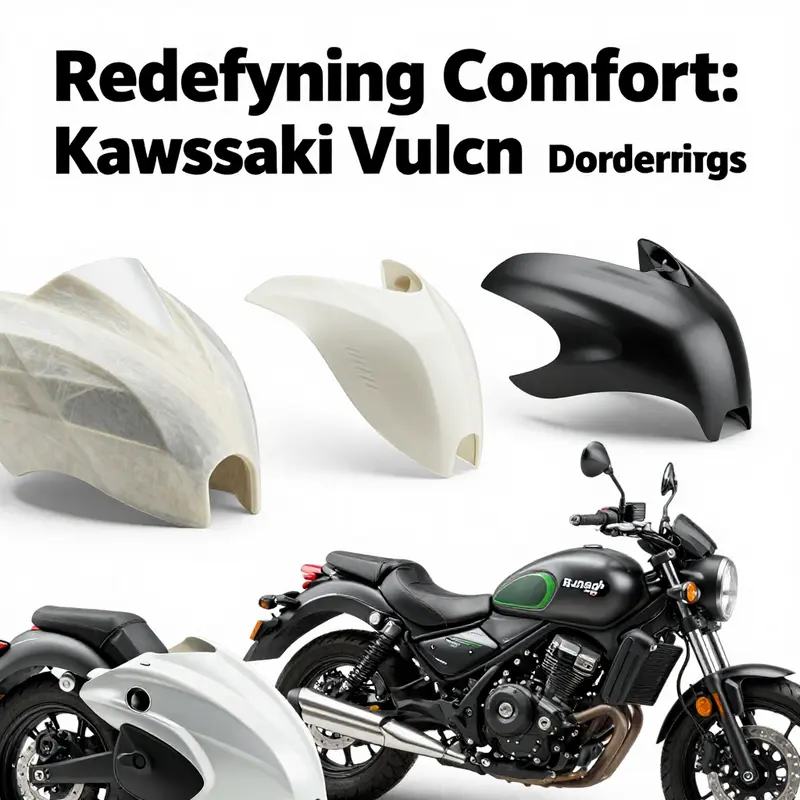
Fairings on a cruiser-style machine are more than a stylistic flourish. They are the first line of defense against wind fatigue, road spray, and the day-to-day hazards of long-distance riding. When the ride stretches from smooth highway to rough backroads, the material that forms the fairing shoulders the load of both practicality and aesthetics. For riders in the Vulcan family—the broad range of touring and cruiser styles that many riders favor—the choice of material determines how well the bike breathes, how quiet the cockpit remains, and how easily a repair or a repaint can be managed after a stone strike or a careless tip into a curb. In this chapter, we explore the two primary workhorses behind fairing construction—automotive-grade ABS plastic and fiberglass—while tracing how each material shapes durability, weight, repairability, and long-term appearance under real-world conditions. The goal is not to favor one over the other with a blanket verdict, but to illuminate how material science translates into practical riding benefits and serviceability for riders who prioritize comfort on long tours as well as enduring value in the aftermarket.
Automotive-grade ABS plastic dominates the mainstream fairing ecosystem because it hits a sweet spot between stiffness, impact resistance, and weight. ABS has a proven track record in automotive and motorized applications where complex curves and clean, smooth surfaces matter. Its impact resistance helps absorb energy during minor mishaps—like a low-speed tumble or a brush with a guardrail—reducing the chance of fractures that would force a panel replacement. Weight is another critical factor; ABS keeps the overall mass down, which directly correlates with improved handling and, on a long ride, better fuel efficiency and a lighter steering feel. The ease of molding is equally important. ABS can be formed into intricate geometries that tailor aerodynamics and rider protection without adding bulk. The result is a fairing that not only looks the part but works with the bike’s geometry to streamline airflow, reduce buffeting, and shield the rider from the brunt of wind pressure at highway speeds. In practice, ABS fairings tend to arrive as a unified front module—comprising the head shield and side panels—that can be mounted with a straightforward, vibration-dampened fit. The same material’s uniform wall thickness contributes to predictable flex characteristics, which matters when the road rips across patches of asphalt or when the engine heat cycles during a hot afternoon.
A concrete example embedded in the broader discussion of material choice is the realization that wall thickness and internal reinforcement influence durability as much as the material itself. A typical automotive-grade ABS fairing might be molded with a consistent wall thickness around the 3 millimeter mark, strengthened internally by vertical ribs to resist bending and cracking under load. This kind of ribbing helps maintain aerodynamic form while resisting deformation caused by wind pressure at speed and by impacts from road debris. The structural logic—three millimeters of cell-like stiffness plus rib reinforcement—lets the fairing resist the common strikes and flex that come with daily riding, especially on longer routes where weather and terrain are unpredictable. The balance here is clear: enough stiffness to hold shape and protect underlying components, but light enough to preserve the bike’s performance envelope. This is precisely the sort of design consideration that matters when a rider contemplates the long-term durability of the fairing and how replacement or repair might play into ownership costs.
Fiberglass presents a distinct path in the durability landscape. It offers an appealing strength-to-weight ratio and a level of rigidity that many riders appreciate for more performance-oriented setups or for those seeking a highly customized appearance. Fiberglass is notably forgiving in terms of finishing. It accepts a broader range of cosmetic treatments, from glossy dominant finishes to textured, matte, or carbon-like appearances. For riders who view the fairing as a canvas for personal expression, fiberglass can be finished in ways that heighten a bike’s visual impact while preserving a robust surface for years of riding. Yet there is a caveat: fiberglass needs more careful handling during installation and repair. The raw material can be more susceptible to micro-cracking if stressed during mounting or if severe impact occurs, and repairs typically require careful surface preparation and, in some cases, resin or epoxy work to restore the shell’s integrity. In the hands of an experienced technician, fiberglass fairings can offer lasting resilience with a premium feel, especially when paired with a thoughtfully chosen finish that guards against UV degradation and moisture ingress.
Durability, however, is not only about the material’s intrinsic properties. It also depends heavily on how well the fairing resists the elements. Exposure to ultraviolet light, rain, road salt, and temperature cycling can gradually dull color, weaken adhesion, and embrittle finishes. The most common aging path for ABS is color fade and micro-scratches that accumulate on high-contact areas, such as the upper portions that meet the wind stream. Protective clear coats and UV-inhibiting topcoats can slow this process, while regular waxing and gentle cleaning extend the life of the surface. For fiberglass, UV exposure can be more pronounced on clear-coated surfaces, making the underlying fibers appear dull or creating small cracks if the resin binder becomes stressed. Both materials respond well to maintenance routines that emphasize gentle cleaning, avoidance of harsh solvents, and a consistent shine that protects against moisture ingress. The key here is to treat fairings as a critical external shell—one that must withstand the heat of the engine bay on summer days, the chill of winter winds, and the unkind blows of flying gravel in the autumn months. A well-maintained finish preserves not just appearance but also the protective integrity of the shell that deflects wind and reduces fatigue.
When riders think about the practical implications of material choice, the story extends beyond surface aesthetics to the realities of installation, repair, and customization. ABS, with its homogeneous composition, generally lends itself to quick, field-friendly repairs or panel replacements. Small cracks can sometimes be addressed with resin and patching techniques that restore the panel’s rigidity without the need for a full swap. The lighter weight and ease of shaping that ABS offers also translate to more forgiving mounting points and reduced vibration transfer, which helps maintain the rider’s sense of control and comfort. Fiberglass, by contrast, may demand a more deliberate approach to repairs, including careful measurement of layup thickness, surface preparation, and curing times to restore the original stiffness. The upside is a higher potential for custom finishes and weight optimization if a rider aims to shave a few ounces for a performance-oriented tour setup. In the end, the durability story is a balance: ABS provides broad resilience and cost effectiveness; fiberglass offers a path to customization and a refined aesthetic at a modest weight penalty and a greater care factor in maintenance.
This balance informs how riders plan their upgrades and replacements. When compatibility and fitting are top concerns, it makes sense to consult catalogs and product notes that emphasize integration points, mounting hardware compatibility, and sealants that withstand heat and moisture. The broader catalog of Kawasaki fairings, for example, can be navigated to assess what configurations might suit a given body style and riding habit. For riders exploring compatibility within the Kawasaki fairings catalog, see the Kawasaki fairings category. This reference offers a practical sense of what shapes, sizes, and attachment schemes commonly exist, helping a rider to avoid misfits and the frustration of ill-fitting panels. The actual choice between ABS and fiberglass will come down to personal priorities: whether the rider values lower weight and lower cost or the potential for high-end finishes and tailored aesthetics. Either path benefits from careful consideration of the bike’s intended use, the local climate, and the willingness to invest in finish protection and periodic inspection for micro-damage.
In the broader arc of upgrades that accompany long-term ownership of a cruiser-class machine, fairings act as a structural and stylistic instrument. They influence wind management, engine protection, and even the acoustic environment for the rider. The choice of material interacts with weather exposure, maintenance routines, and the owner’s willingness to engage in minor repairs or refinishing over the years. The synergy between design intent and material performance is what ultimately determines how a fairing ages. A well-chosen ABS panel will remain serviceable for many seasons with routine cleaning and a protective topcoat, while a fiberglass option could deliver a more distinctive surface feel and an opportunity for sophisticated custom finishes, provided the owner is prepared for the occasional touch-up or repair. For the rider seeking a balanced path—where durability, cost, and ease of maintenance converge—ABS often presents the most straightforward route to reliable, everyday protection with predictable upkeep. For those drawn to the ultimate in surface customization and a statement finish, fiberglass offers a richer palette of cosmetic possibilities, albeit with a slightly higher maintenance demand.
As the discussion closes on durability, one truth remains clear: the best material choice is the one aligned with riding goals, climate, and the level of care a rider intends to invest. Fairings are not merely shells; they are practical shields and canvases that determine how a bike feels, rides, and ages. They carry the memory of countless miles and the trust of riders who count on them to weather storms, keep the wind off the chest, and present a curated, resilient silhouette on every horizon. The material science behind these shells is not abstract; it is a living, riding-aware discipline that blends physics, chemistry, and craft. When you remove the glamour and step into the workshop, the logic is straightforward: select ABS for everyday reliability and ease, or fiberglass for a canvas-worthy finish and targeted performance. Either choice strengthens the rider’s bond with the machine, turning a simple fairing into a durable ally across miles of road and memory.
External reference: https://www.amazon.com/dp/B08B2Q7XJZ
A Cloak for the Road: Installing Vulcan Cruisers’ Fairings and Ensuring a True Fit
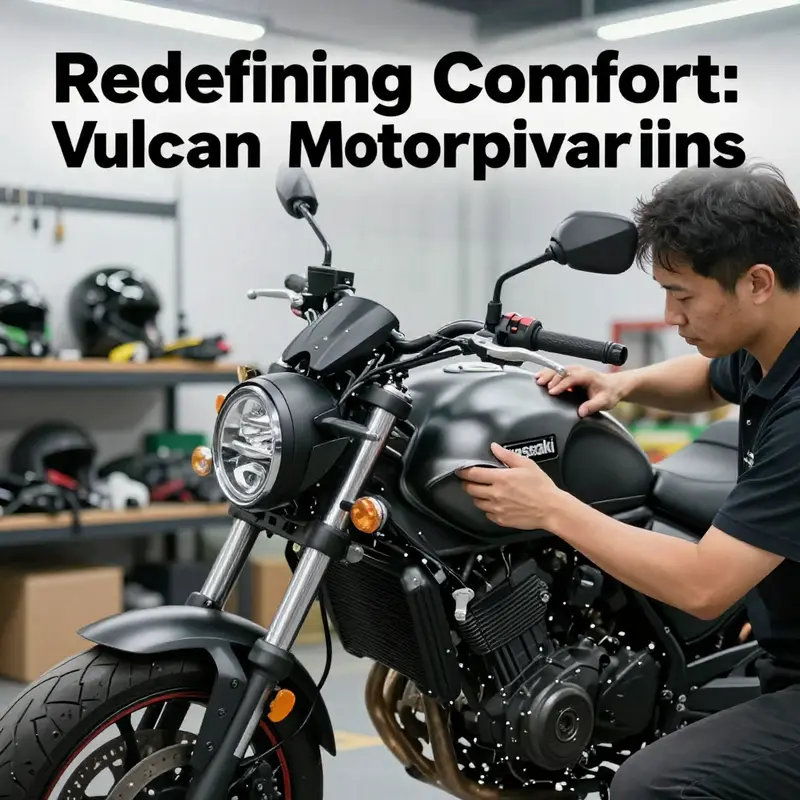
Choosing and fitting a fairing for a Kawasaki Vulcan requires attention to model year, mounting points, and overall geometry. Compatibility is essential: even bikes that look similar may have different boss locations or windscreen heights. Start by confirming your exact model, year, and any factory modifications. Bolt-on kits with explicit Vulcan compatibility and complete hardware simplify installation, but some situations demand careful alignment and professional help to ensure a true fit. Batwing and other fairing styles provide wind protection and space for audio systems, while material choices like fiberglass balance strength and weight. Proper fitment reduces buffeting, preserves handling, and keeps cables and wiring clear of interference. When shopping, read compatibility statements and rider reviews for your exact configuration, verify mounting points against the bike, and test clearance with full steering lock and at typical rider positions. OEM fairings offer precise integration but may require advanced mechanical steps; aftermarket options can broaden styling and price. A well-fitted fairing should feel like a natural extension of the Vulcan, protecting the rider from wind without compromising the bike’s classic character.
Final thoughts
In summary, Kawasaki Vulcan motorcycle fairings play a crucial role in enhancing the ride experience for motorcyclists by combining aesthetics with functional advantages. For business owners, offering a diverse range of fairing options—from the sleek design of the Vulcan S 650 to the robust aesthetics of the Vulcan 1600 Nomad—can lead to greater customer satisfaction and loyalty. By understanding the unique features, material durability, and ease of installation, businesses can better cater to the needs of their clientele, ultimately driving sales and fostering long-term relationships. The addition of fairings not only boosts motorcycle performance but aligns with the desires of both everyday riders and customization aficionados alike, marking them as a pivotal accessory in the motorcycle industry.