
Introduction
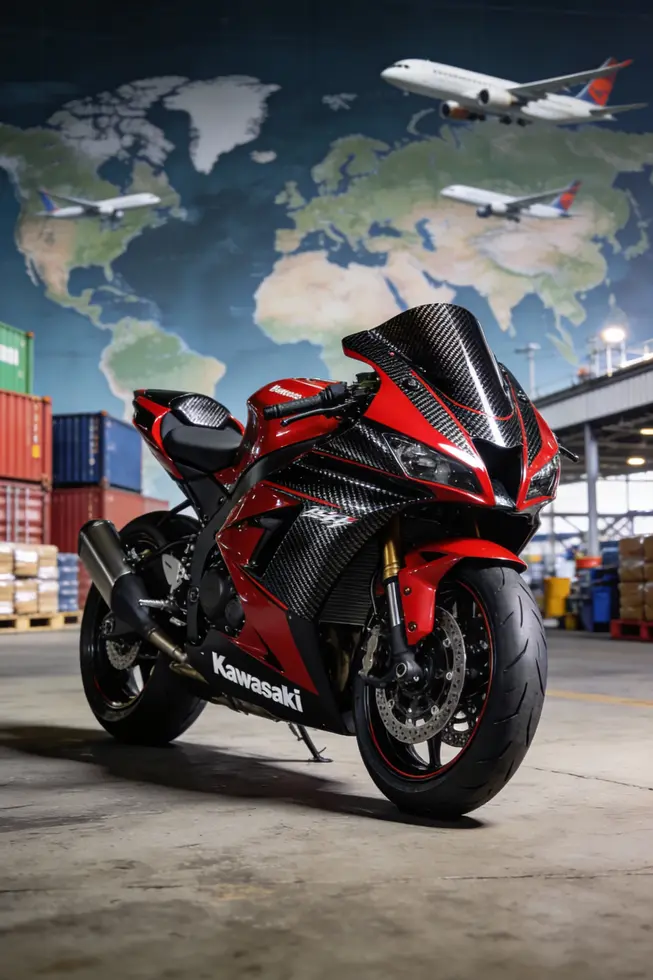
Kawasaki motorcycle fairings are more than cosmetic upgrades; they define fit, durability, and speed-to-market for retailers, distributors, and OEMs. For business buyers sourcing aftermarket bodywork, understanding the engineering basis—the materials (ABS plastic with three-layer clear coats), the direct replacement architecture, and the pre-drilled hole patterns—enables clearer supplier negotiations and faster time-to-market on models like Ninja 500, ZX-6R, ZX-10R, ZX-12R, and Ninja 400. The aftermarket ecosystem further shapes margins: a broad range of vendors offer complete kits that include upper nose fairings, side panels, tails, windscreens, heat shields, and stainless bolt kits, with customization options for colorways and logos that enhance sell-through. Finally, production realities—factory painting timelines, warranty terms, and global logistics—determine stock availability and service levels, affecting cash conversion and customer satisfaction. By examining materials and architecture, the vendor landscape, and the logistics framework, business leaders can align sourcing, inventory, and marketing strategies to deliver reliable, OEM-quality outcomes for customers seeking fast, accurate upgrades to their Kawasaki machines. The three chapters that follow connect these threads into a cohesive decision framework for decision-makers and operations teams.
Tables of Contents
Chapter 1: Kawasaki Motorcycle Fairings: Materials, Fitment, and Direct Replacement Architecture
- Kawasaki Motorcycle Fairings: Materials, Fitment, and Direct Replacement Architecture — Foundations in Material Science and Technology
- Kawasaki Motorcycle Fairings: Materials, Fitment, and Direct Replacement Architecture — Economic, Geopolitical, and Societal Implications
Chapter 2: Kawasaki Motorcycle Fairings: Aftermarket Vendors, Customization, and Product Ecosystem
- Kawasaki Motorcycle Fairings: Aftermarket Vendors, Customization, and Product Ecosystem — Technological Dimensions: Materials, Manufacturing, and Fitment
- Kawasaki Motorcycle Fairings in the Aftermarket Ecosystem: Vendors, Personalization, and the Economic and Societal Ripple Effects
Chapter 3: Kawasaki Motorcycle Fairings: Production, Shipping, Warranties, and Global Logistics
- Kawasaki Motorcycle Fairings: Foundations of Form — Production, Materials, and Quality Assurance in a Global, Robotic Assembly Line
- Global Currents of Craft: Production Precision, Shipping Realities, Warranties, and the Aftermarket Ecosystem for Kawasaki Fairings
Chapter 1: Kawasaki Motorcycle Fairings: Materials, Fitment, and Direct Replacement Architecture
1. Kawasaki Motorcycle Fairings: Materials, Fitment, and Direct Replacement Architecture — Foundations in Material Science and Technology
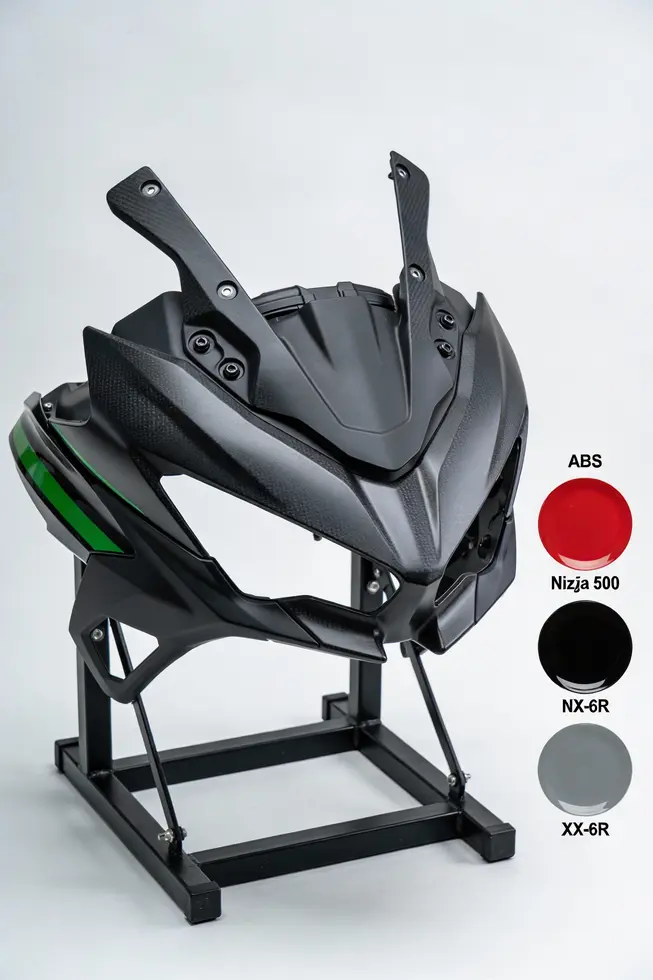
Material science sits at the core of Kawasaki’s fairing ecosystems, shaping not only how these plastic shells look, but how they perform under real-world riding conditions. The concept of direct replacement architecture leans on a disciplined blend of engineering accuracy and manufacturing repeatability. In the bloodstream of a modern street or sport bike, fairings serve a dual purpose: preserving the integrity of the rider’s body position and protecting engine components from the elements and debris, while also contributing to aerodynamics, cooling, and heat management. This makes the choice of material more than a matter of color and gloss; it becomes a design and safety decision that ripples through handling, stability at speed, and even repair workflows after a tip-in or a mishap. The materials selected for OEM and aftermarket direct-replacement kits are chosen not only for stiffness and appearance, but for how well they can reproduce the precise contours and screw-tocket locations dictated by the model’s original molds. In that sense, the direct bolt-on ethos rests on a careful replication of form through materials that respond predictably to heat, sunlight, and impact, ensuring that a kit can slot into the bike with minimal modification and maximum confidence in fitment over time.
A practical view of materials begins with ABS, the default workhorse of most mass-market fairings. Its popularity is no accident. ABS offers rigidity that resists deformation under normal riding scenarios, while its UV-stabilized properties slow the yellowing that can mar a glossy finish after prolonged exposure to sun and road grime. The injection-molded nature of ABS parts means that manufacturers can reproduce the same cross-sectional geometry, mounting tab locations, and edge radii across large production runs. This consistency is what underpins the notion of direct bolt-on fitment: if the mold is accurate, the part aligns with the existing brackets and pre-drilled holes without ad hoc shimming. For riders, this translates to fewer surprises during installation and more predictable alignment once the fairing is mounted. The color integrity of full fairing kits, which often includes a multi-layer paint process and a protective clear coat, is another advantage of ABS. In many kits, a 3-layer clear coat endows the surface with depth and resilience against chipping, and vendors frequently highlight color matching across the entire kit, reducing the risk of mismatched panels that can crop up with custom or partially painted sets.
Yet ABS is not the only path for every rider or every scenario. Polycarbonate, sometimes marketed as Lexan, offers reduced weight and exceptional impact resistance, traits that are especially attractive to track riders who must endure repeated high-energy debris strikes. The trade-off, however, is clear: polycarbonate is more susceptible to scratching and weathering if not properly coated, and it often requires experienced painting and finishing work to achieve weather resistance and color stability. In a street-focused context, this means that polycarbonate parts are often paired with protective coatings or shielded with finishes that deter UV-induced degradation and surface wear. For climactic regions where temperature swings are pronounced, polycarbonate’s thermal properties can influence how the fairing panels respond to heat soaking and rapid cooling, subtly affecting fit and joint integrity over time. While carbon fiber offers compelling advantages, its use in street-legal kits remains carefully calibrated against price, repairability, and the availability of compatible mounting hardware that preserves the direct bolt-on promise.
Fiberglass presents another path, one that appeals to certain niche builders or budget-conscious projects. Its hand-laid potential unlocks wide design freedom, but the material adds weight and introduces thickness variability that can complicate consistent fitment. In practice, fiberglass fairings can feel more irregular in thickness, which may necessitate more meticulous trimming and sanding during installation. The compromise here is clear: the cost advantage can be overshadowed by tougher finishing work and a different ride-feel, especially in high-speed environments where aero precision matters. For riders who seek a simple, robust shell without the precision-forged feel of a full ABS kit, fiberglass remains an option, but its suitability for safety-critical mounting and long-term aero performance is generally more delicate than that offered by injection-molded plastics.
Carbon fiber and related advanced polymers, while still appearing as a premium pathway, signal a broader shift toward lightweight performance. In higher-end or regionally diverse markets, there is growing appetite for composites that deliver meaningful weight savings without compromising structural integrity. Carbon fiber can deliver stiffness and a sleek, high-end aesthetic, yet the cost premium makes it most attractive to riders who are balancing track-grade performance with material science pride. In 2025, trends indicate increasing interest in composite materials across Europe and Asia-Pacific, driven partly by manufacturing innovations and demand for durable, light-weight panels that can retain gloss and resist impact. While carbon fiber offers compelling advantages, its use in street-legal kits remains carefully calibrated against price, repairability, and the availability of compatible mounting hardware that preserves the direct bolt-on promise.
The notion of direct replacement architecture, at its core, is about congruence between form and function. This requires that the model’s specific molds be closely mirrored in every panel—upper nose sections, side panels, tail pieces, and the associated brackets. Direct bolt-on fitment implies that the kit’s anchor points align with the bike’s frame geometry and mounting points, eliminating the need for extensive shimming or reseating the panels. The result is a more straightforward installation process where a two-person effort can become a predictable, repeatable operation. When the molds are precise, the panels align as the OEM designer intended, preserving the intended aerodynamics and ensuring consistent seam alignment along the fairing lines. In practice, this means that a full kit will typically provide complete coverage with all required components—upper fairings, sides, tails, front huggers, and often windscreen options—so that the rider can achieve the intended silhouette and wind management without improvisation. The availability of pre-drilled holes, integrated fasteners, and hardware kits further supports this seamless experience, reducing the likelihood of misalignment during assembly and ensuring congruence with the bike’s original engineering tolerances.
From a manufacturing standpoint, the fidelity of direct replacement kits is supported by a combination of tooling accuracy, material behavior, and process control. Injection molding, the backbone for ABS offerings, benefits from high-precision molds and robust cycle times that produce repeatable results. This repeatability underpins the reliability of fitment across a range of production lots and ensures that the panels that arrive in the hands of installers are compatible with standard Kawasaki-compatible brackets and fasteners. The integration of 3D-printed prototypes in the development cycle plays a pivotal role here, allowing designers to verify fitment early in the workflow before committing to injection-mold tooling. In this sense, material science and manufacturing technology converge to minimize post-sale adjustments, a key factor in customer satisfaction when a full kit is installed in a home garage or a professional workshop.
Alongside mechanical fitment, finishing quality remains a critical differentiator. Vendors emphasize the precision of paint systems designed to maintain color consistency across the full kit, even when components are sourced from multiple production runs or batches. The conventional approach—UV-stabilized ABS with a multi-layer finish—helps guard against yellowing, chalking, and color drift over years of sun exposure. The finish often includes a durable clear coat with a robust hardness and moderate flexibility to accommodate panel flex and thermal cycling. The end result is a kit that not only looks cohesive on installation but remains visually stable under repeated washings, rain, or road salt. In addition, many suppliers offer warranties—typically around one year for manufacturing defects—reflecting confidence in the mating surfaces, fasteners, and paint integrity across typical riding lifespans. This warranty framework, while not a universal guarantee, provides a tangible signal of quality for riders who expect reliable, long-term performance from their fairing investments.
Small but meaningful innovations continue to push fairings beyond static aesthetics. Integrated quick-release systems and sensor-ready channels hint at a future where electronics and aerodynamics are more tightly integrated into bodywork. While these features are not universal, they point to a broader trend: fairings designed with modularity and serviceability in mind. The more that panels can be removed and replaced without specialized tools, the faster a rider can service the bike after a front-end impact or routine maintenance. Even as these features remain somewhat vendor- and model-specific, the trajectory is clear: direct replacement architectures will increasingly accommodate smart components and diagnostics, maintaining the parity between form, fit, and function that riders expect.
For readers exploring possible configurations and practical options, a closer look at model-agnostic references can be informative. A dedicated catalog surface that showcases complete fairing kits, including full panels and hardware, offers a practical sense of how contemporary materials perform in real-world assembly. See a representative catalog page for context on how a complete fairing palette positions color, finish, and fitment in concert with the bike’s geometry, and to gauge how the panel boundaries, edge radii, and mounting tabs align with expected assembly flows. To broaden exploration, consider checking an internal resource that aggregates product-category content within a trusted automotive aftermarket platform: Ultimate Motor X product category C61.
Ultimately, the material decisions behind Kawasaki fairings are not merely about aesthetics. They are about balancing weight, rigidity, impact resistance, and environmental durability within a direct replacement framework that promises precise fitment and straightforward installation. ABS remains the cornerstone for a broad spectrum of street and sport bikes because it delivers predictable behavior, cost efficiency, and reliable surface finishes. Polycarbonate and carbon fiber stand as the complement of options, offered to riders who demand lighter weight and higher performance at the premium end of the market. Fiberglass remains a third axis of choice for budget-conscious builders who value form freedom and lower up-front costs, provided they accept the trade-offs in weight and finish consistency. The engineering foundation of these choices rests on a precise alignment of molds, materials, and assembly processes that together enable a seamless, bolt-on experience for riders who want performance, protection, and aesthetics without the friction of complicated modification or shop-bound labor. This integrated approach—where material science informs fitment architecture and production processes—will continue to define how Kawasaki fairings evolve, integrating new materials and design philosophies while preserving the core promise of direct replacement efficiency and OEM-like precision.
2. Kawasaki Motorcycle Fairings: Materials, Fitment, and Direct Replacement Architecture — Economic, Geopolitical, and Societal Implications
Kawasaki motorcycle fairings are more than a simple shell around the rider and engine; they are a confluence of engineering choices, market dynamics, and cultural practices that shape how a bike looks, performs, and travels through a global supply chain. When we look at fairings through this broader lens, the material selections, the precision of fitment, and the philosophy of direct replacement architecture reveal the forces that move the ecosystem—from factory floor to curbside, from track day to daily commute. The choices manufacturers and builders make echo through price, availability, and even the social fabric of riding communities. At the core is a triad: material science, model-specific fit, and the design intent to swap or upgrade with minimal disruption to aerodynamics, safety, and aesthetics. Understanding these layers helps explain why a large portion of the aftermarket market prizes ABS-based kits with pre-drilled mounting points, why the supply chain matters, and how riders interpret the trade-offs between cost, performance, and longevity.
Material selection sits at the intersection of physics, manufacturing efficiency, and environmental consideration. ABS plastic has emerged as the default material for widely available aftermarket fairings because it offers a workable balance of strength, lightness, and cost. Its ductility helps it withstand minor impacts and the rigors of on-road vibration, while its compatibility with mass production makes pre-colored sheets and inject-molded parts both affordable and reproducible. Fiberglass, or glass-reinforced polymer, remains attractive for certain niches—where price pressures are high and the rider is willing to trade some durability and weight for a lower purchase cost. Yet fiberglass is heavier and more brittle, characteristics that matter when a fairing endures a tumble or a harsh impact at the track. Carbon fiber, the premium option, delivers stiffness and weight savings that can translate into marginal aerodynamic advantages and a more rigid surface for high-speed stability. It comes with a steep price tag and longer lead times, which can be a limiting factor for riders seeking immediate replacements or rapid customization. These material choices shape not only the ride feel and handling but also lifecycle considerations. ABS and fiberglass, when finished with durable coatings and proper maintenance, can endure a reasonable lifespan, while carbon fiber upgrades often target high-end, weight-conscious builds where the marginal gains justify the investment. The practical takeaway is that the baseline aftermarket experience centers on ABS, with fiberglass serving as a pragmatic budget choice and carbon fiber signaling premium intent. The broader implications extend to environmental considerations: the production, use, and disposal of plastics introduce ecological footprints that riders increasingly weigh alongside price and performance.
Fitment represents the second pillar of the discussion. The aftermarket market has long capitalized on model-specific accuracy, aiming to mimic OEM contours and mounting geometry with the goal of a near plug-and-play installation. Injection-molded ABS parts in many kits come with pre-drilled mounting holes, brackets, and hardware designed to align with a rider’s existing frame architecture. This approach reduces installation guesswork and helps preserve the bicycle’s aerodynamics and aesthetic lines. The reality, however, is nuanced. While mainstream kits often deliver straightforward installation for widely used platforms, cheaper non-OEM options may require trimming, realignment, or additional modification to achieve a seamless fit. In practice, the best-fit outcomes arise when a kit is designed around specific year ranges or model families, complementing the machine’s inherent geometry rather than opposing it. The direct replacement philosophy—an architectural aim to reproduce the OEM’s silhouette and mounting planes—therefore relies on meticulous tooling and precise tolerances. Fiberglass direct-replacement kits can achieve convincing contours, yet they tend to be heavier and more brittle, reducing their desirability for riders exposed to frequent crashes or rough terrain. The implication for riders is clear: if ease of installation and consistent fit are priorities, model-specific ABS kits with inclusive hardware and clear instructions usually offer the most reliable pathway to a clean, aerodynamic silhouette with minimal modification. The trade-off is that some bargain offerings, while approachable on price, may demand a more hands-on approach, patience, and a willingness to iterate during fitment.
Beyond the tangible materials and fitment lies the design philosophy that ties direct replacement architecture to broader economic and societal currents. The direct replacement model seeks to maintain the integrity of the bike’s aerodynamics and the silhouette riders recognize, while enabling a wider range of customization options. The attraction is not merely cosmetic; it is functional—consistent fairing shapes help tame airflow, manage front-end lift, and deliver predictable handling characteristics at speed. From a manufacturing perspective, the choice to reproduce OEM contours as closely as possible reduces the cognitive load on the rider and the technician, creating a familiar baseline that speeds up installation and reduces the risk of misalignment that could compromise performance. This alignment between aesthetics and aerodynamics reinforces a shared visual language among riders, technicians, and shops, producing a cohesive community identity around a brand’s fairing ecosystem.
Economic implications of aftermarket fairings unfold across several layers. The global marketplace for fairings benefits from bulk production, which can drive down unit costs and broaden access to both hobbyists and professional teams. Suppliers located in Asia and other manufacturing hubs push down prices, enabling competitive offerings that appeal to budget-conscious riders and track enthusiasts alike. Yet lower upfront costs may come with caveats: fitment precision, surface finish, and long-term durability can vary with price tiers. The economics of customization are also shaped by color options, logo placements, or carbon-fiber patterns, which add value for buyers seeking a personalized aesthetic without venturing into bespoke manufacturing. In this ecosystem, the short-term savings of a cheaper kit must be weighed against potential maintenance expenses, repaint needs, or the need for additional hardware or trimming. Warranty terms, service support, and the availability of compatible accessories become practical determinants of the total cost of ownership. The market’s economic logic thus favors an architecture that accommodates rapid replacement and adaptation, enabling riders to refresh the bike’s appearance without significantly disrupting their riding schedule or budget.
Geopolitically, the aftermarket fairing network is a vivid illustration of global interdependence. A substantial share of manufacturing occurs in regions where plastic extrusion, finishing, and assembly are optimized for scale. This geographic dispersion means that tariffs, exchange rates, and shipping logistics can materially affect price and availability. When global political tensions influence cross-border trade, lead times for unpainted or custom-painted kits can stretch, and the cost of transport can shift a once-stable price into a fluctuating figure. The result is a marketplace that rewards resilience and adaptability. Dealers and shops invest in inventory strategies that buffer against supply chain shocks, while riders benefit from diverse sourcing options that might include both mass-market kits and more specialized, high-performance lines. The geopolitical dimension also interacts with the expansion of customization culture across different regions. As more riders in varied markets pursue personal branding and aerodynamic optimization, demand grows for localized service networks, paint shops, and installation expertise, reinforcing the global nature of the aftermarket ecosystem while grounding it in regional realities.
Societal implications orbit around safety, identity, and environmental stewardship. A well-fitting fairing not only contributes to aerodynamics but also to rider protection by helping to manage debris and reduce exposed surfaces in a crash scenario. Yet the societal benefits hinge on quality control. A market that tolerates wide variance in fitment and finish risks eroding trust and raising safety concerns if installation becomes risky or unreliable. This is where the aftermarket culture of DIY and modification plays a pivotal role. The community fosters knowledge sharing, from alignment tricks to finishing techniques, enabling riders to achieve consistent results and personal expression. However, this DIY ethos must be balanced with safety best practices and awareness of potential trade-offs in structural integrity after a fall. Environmental considerations complete the picture. While plastics enable mass customization and relatively simple repair, their disposal and recycling remain a concern. Cheaper kits often have shorter lifespans, contributing to plastic waste unless end-of-life recycling channels are accessible. As riders increasingly weigh environmental impact alongside cost and aesthetics, manufacturers and shops are pressured to adopt sustainable materials, durable coatings, and responsible disposal options, integrating ecological thinking into the lifecycle of aftermarket fairings.
The interplay of materials, fitment, and replacement architecture thus reverberates through markets, borders, and communities. The economic and geopolitical currents shape what is feasible, affordable, and timely for the rider who wants a fresh look and a performance-conscious shell. Meanwhile, societal factors—safety standards, DIY culture, and environmental responsibility—guide how those choices are made and how the community evolves around this facet of motorcycle culture. In this light, fairings emerge as a lens for understanding how a technically specific component can illuminate broader patterns in manufacturing, trade, and social life. The marketplace rewards clarity in fitment and finish, but also resilience in supply chains and adaptability in design. For readers seeking a tangible sense of the breadth of options within this ecosystem, the Kawasaki fairings catalog represents a snapshot of the market’s diversity and the practical realities of choosing materials, confirming that the most reliable route to a satisfying upgrade often lies in a combination of model-specific fit, workable durability, and an understanding of the economic and social currents that shape availability. See the catalog for a tangible sense of the options available in the current market.
As this subchapter moves toward the next layer of discussion, consider how these dynamics influence not only the rider’s experience but also the ongoing evolution of design language within the Kawasaki fairing family. The next exploration can illuminate how evolving computational design tools, evolving standards for safety and crashworthiness, and shifting consumer expectations might recalibrate the balance among cost, performance, and appearance. The ongoing dialogue between material science, fitment engineering, and global supply realities ensures that the fairing remains not just a cosmetic shell but a contested, creative interface where technology, policy, and community converge. This convergence is what keeps the fairing conversation alive, dynamic, and deeply tied to the broader story of motorcycle culture in a connected world.
Ultimatemotorx Kawasaki fairings catalog
Chapter 2: Kawasaki Motorcycle Fairings: Aftermarket Vendors, Customization, and Product Ecosystem
1. Kawasaki Motorcycle Fairings: Aftermarket Vendors, Customization, and Product Ecosystem — Technological Dimensions: Materials, Manufacturing, and Fitment
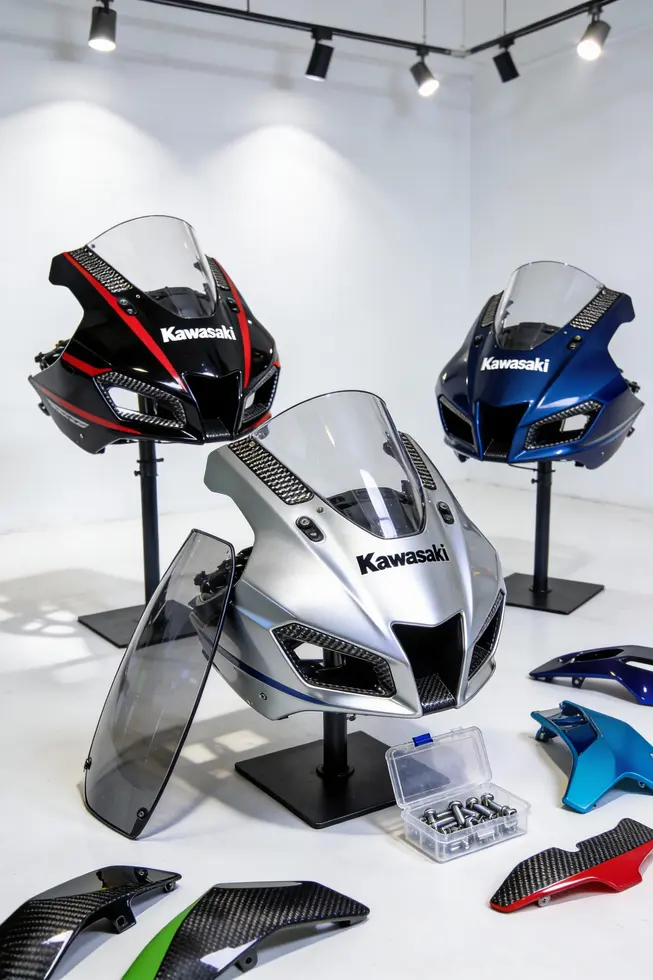
Across the Kawasaki aftermarket fairing landscape, a core thread binds material choice, production discipline, and practical fitment into a single, cohesive technology story. The ecosystem that supports model-specific kits—comprising front fenders, full body kits, side panels, and winglets—does more than alter appearance. It negotiates heat, impact, weight, and aerodynamics while contending with the realities of mass customization. In this light, the technological dimensions of materials, manufacturing methods, and fitment become as consequential as the aesthetic options that vendors promote. What starts as a cosmetic upgrade quickly reveals itself as a calculated engineering decision, a balance between performance goals, budget, and the realities of aftermarket supply chains.
Material choice stands at the forefront of this balance. Fiberglass reinforced plastic (FRP) remains a workhorse substrate in many full or partial kits because it offers a practical mix of strength, heat resistance, and cost. The heat environment around a motorcycle’s fairings is intense: engine radiance, exhaust heat, and the congested undercowl space push materials toward high-temperature tolerance. In the FRP domain, supplier notes commonly cite heat tolerance ranges in the neighborhood of roughly 190 to 300 degrees Celsius. While this range is broad, it reflects a pragmatic expectation: FRP can endure the thermal duress of riding and race-track use without the immediate risk of softening or warping, while remaining more forgiving to repair and repair costs than some alternative composites. The same FRP chemistry can be tuned with resin formulations and reinforcement angles to improve dent resistance and stiffness where the rider expects sporty feedback from the chassis.
Alongside FRP, ABS-based plastics provide a different set of properties. ABS is favored for injection-molded components that must repeatedly withstand minor impacts, snap tolerances, and the smooth surface finishes riders often associate with factory-like looks. Black plastics used for fenders and certain trim elements offer essential durability and cost effectiveness. In practice, most riders encounter a hybrid architecture: a FRP kit that forms the bulk of the fairing envelope, paired with ABS or other plastics for smaller parts, trims, and mounting shells. This hybrid approach helps vendors deliver a believable OEM-like silhouette with manageable repair costs and predictable finishing characteristics. For those prioritizing premium aesthetics, carbon fiber or carbon-look finishes are frequently marketed as a way to signal a weight-conscious, high-performance aesthetic, even when a true carbon fiber composite isn’t employed. In many cases, carbon-look finishes are achieved with a laminated or printed layer atop FRP or plastic substrates. The result is a lightweight appearance that complements the machine’s lines, while the actual structural benefits may be more modest if real carbon fiber isn’t used.
The material conversation inevitably folds into the realm of surface treatment and coatings. A multi-layer paint strategy—often described as a three-layer clear coat system—appears in several vendor narratives. This approach provides depth, color fidelity, and weather resilience that resemble factory finishes. The coating specification matters for long-term UV stability, color fastness, and resistance to abrasion from road debris. In performance-minded builds, a robust coating sequence reduces the need for frequent touch-ups and preserves the visual continuity of the design across miles and seasons. It is not only a cosmetic concern; a durable surface contributes to the toolkit of maintenance that keeps aftermarket aesthetics aligned with actual riding life and resale value.
Manufacturing methods underpin how these materials translate into real-world components. For most mass-produced aftermarket kits, injection molding serves as the primary production method for ABS-based pieces, while FRP components arise from hand lay-up, resin infusion, or spray-up processes. Injection-molded parts excel in dimensional accuracy and repeatable tolerances, which helps align mounting points with OEM eyelets and fastener holes. However, because aftermarket designs must accommodate a spectrum of model years and revisions, even precision-injected parts may require fitting adjustments by technicians or experienced enthusiasts. The hand-laid or spray-up FRP sections, by contrast, can accommodate nuanced curvature and complex geometries that closely mimic the surface contours of a modern Kawasaki model. Yet, FRP fabrication introduces its own variability: resin content, lay-up orientation, and the skill of the technician influence surface finish, warp resistance, and overall stiffness. The upshot is a careful alignment between perceived quality and actual fitment, with professional installation often recommended for full-body kits or those incorporating integrated aerodynamic elements.
Aerodynamics and weight also drive the selection of manufacturing routes. Carbon fiber, forged carbon aesthetics, and carbon-look laminates are frequently highlighted as symbols of lightweight performance and a aggressive visual language. When actual carbon fiber is used, the benefits include stiffness-to-weight advantages and reduced flutter risk at high speeds. Yet, the premium cost and fragility concerns—especially in lower-priced, mass-market offerings—mean that many carbon-look options deliver the visual appeal without the same mechanical benefits. Buyers should understand the distinction between genuine carbon composites and cosmetic carbon finishes, because the performance delta can be non-trivial. Even when weight reductions are achieved, the real-world impact often depends on how the new panels are integrated with the stock chassis and how much weight is removed from the unsprung or rotating masses.
Fitment—the hinge between design intent and rider experience—emerges as a discipline in its own right within the aftermarket ecosystem. Model-specific kits are designed to align with OEM mounting points, which increases the probability of a clean, secure installation and reliable cosmetic results. However, even with model-targeted design, fitment tolerances shift with model year revisions, supplier tolerances, and minor variances in aftersales hardware. The literature and vendor communications consistently caution that professional installation can be essential, particularly for full-body kits or configurations that include winglets or aerodynamic devices with added mounting points. The rationale is straightforward: with additional load paths and fasteners, even small misalignments can propagate through the frame and affect panel seating, windscreen positioning, and airflow. The practical consequence is clear: buyers often weigh the convenience of a “bolt-on” solution against the potential need for fine-tuning during installation and perhaps some subsequent adjustment after the first ride. The tension between ease of installation and precision fit underscores a fundamental truth about the ecosystem: a robust set of mounting holes and an accurate silhouette can be as important as the surface finish.
There is also a broader manufacturing and distribution logic at work. The aftermarket ecosystem is supported by a tapestry of distributors, shops, and cross-border suppliers that collectively determine availability, lead times, and cost. A global stock approach is common, with many vendors claiming ready-to-ship inventory and relatively short standard delivery windows. Yet, even with the promise of quick shipping, painting and finishing can add days or weeks, especially for unpainted or custom color kits. This dispersion of manufacturing and logistics means that the decision to pursue a full kit versus individual components is often driven by print-time constraints, the desired color sequence, and how much alignment work the rider can manage locally. The market also reflects the realities of global production networks: some components are produced in centralized facilities with scale advantages, while others are sourced through specialized partners focusing on specific subassemblies, such as fenders, shrouds, or winglets. In aggregate, these dynamics shape the ecosystem’s ability to deliver cohesive aesthetics with reliable durability.
Interwoven within these material and manufacturing choices is the practical reality of compatibility and modularity. The ecosystem’s emphasis on model-specific tailoring helps ensure a higher likelihood of proper mount points and a cohesive finish, but it can constrain cross-model interchangeability. For riders who want to remix components across generations or different platforms, the lack of universal fitment means a careful verification of model-year compatibility is essential. Vendors often acknowledge this nuance in their installation notes, underscoring the need for careful alignment and sometimes professional fitting to maintain structural integrity and safe operation. The investor in this ecosystem, therefore—whether a shop owner, private rider, or collector—must weigh the allure of complete aesthetic transformation against the realities of fitment discipline, material performance, and the life-cycle costs of maintenance and repair.
From a research and buyer’s perspective, the conversation about materials, manufacturing, and fitment is not only about preference. It is also about expectations and trade-offs. If the aim is a balance of cost, repairability, and heat performance for a daily rider, FRP-based full kits with a robust three-layer coating may present an attractive combination. If the goal is a visually premium, race-inspired appearance with a lighter silhouette, carbon-look options may suffice, provided the buyer understands the distinction between cosmetic finishes and material performance. The modular approach—fenders, side panels, and shrouds that can be selected à la carte—offers flexibility for ongoing customization, though it can require more meticulous alignment and more frequent maintenance to preserve the overall cohesion of the look.
Finally, the discourse on materials and manufacturing reframes our understanding of the broader product ecosystem. The availability of a wide range of materials, surface finishes, and production methods reveals how suppliers tailor offerings to different rider communities—from casual enthusiasts seeking a striking visual upgrade to dedicated racers chasing aerodynamic refinements. The economic dynamics—such as the role of global distributors, offshore FRP production capabilities, and the interplay between painted and unpainted options—illuminate how consumer choices ripple through supply chains and influence pricing and lead times. This interplay foreshadows the next layer of analysis: the economic, geopolitical, and societal implications that arise when aftermarket fairings travel across borders, enter complex markets, and transform the identity of Kawasaki’s motorcycles in ways that extend beyond the showroom. See how the ecosystem’s architecture folds into broader strategic questions in the subsequent discussion, where the direct replacement architecture and associated cost structures become part of a larger conversation about manufacturing resilience and consumer culture. Ultimatemotorx product category c61
2. Kawasaki Motorcycle Fairings in the Aftermarket Ecosystem: Vendors, Personalization, and the Economic and Societal Ripple Effects
The world of Kawasaki fairings extends far beyond factory paint and sheet metal. It forms a thriving aftermarket ecosystem where specialized vendors, skilled painters, and fitting technicians collaborate to transform a bike’s silhouette while preserving the rider’s sense of identity. This ecosystem thrives on the tension between OEM precision and rider-driven customization. Riders who want a unique look or a specific aerodynamic profile can source model-specific kits from a network of suppliers, each offering variants that range from classic, factory-like finishes to bold, experimental textures. The result is a market that treats bodywork not merely as protection or aerodynamics but as a canvas for personal storytelling and performance tuning. In this space, the relationship between the frame, mounting points, and fairing geometry becomes a shared language between designer, assembler, and rider. The core idea is straightforward: aftermarket kits should respect the base geometry and mounting philosophy of the bike while allowing a rider to alter aesthetics, weight distribution, and heat management with a level of customization that OEM programs rarely attempt at scale. Yet the practical reality is more nuanced. Even when a kit is advertised as a direct replacement, fitment quirks can emerge after paint or during installation. That is why professional installation is frequently recommended, not as a snobbish prerequisite but as a recognition of a complex supply chain where tolerances, heat exposure, and the vibration of high-replica components converge. In this sense, the aftermarket fairing market mirrors broader manufacturing trends: it blends precision engineering with creative variation, ensuring that the rider’s engine noise remains audible while the bodywork remains quiet under stress and wind. The diversity of materials available—ranging from fiberglass reinforced plastic to realistic carbon fiber finishes—speaks to different performance and budget goals. FRP kits may offer a lighter price point and easier repairability, while carbon-look alternatives cater to those chasing a high-end aesthetic with a premium finish. Each material category carries its own heat resistance profile, with typical ranges designed to withstand the thermal environment around the engine and exhaust while facing sun exposure and road debris. Riders who push their machines into demanding weather cycles often weigh these options against practical realities like UV stability and long-term color retention. The result is a marketplace that blends engineering pragmatism with stylistic ambition, a pairing that has become a recognizable hallmark of modern motorcycle culture. The customization toolkit, meanwhile, has grown far beyond plain color changes. In this ecosystem, the scope extends to finishes that mimic carbon fiber with forged textures, to chameleon paints that shift hue depending on light angle, to sponsor graphics and race-number decals that echo the rider’s affiliations and ambitions. The aesthetic dimension is not an afterthought; it is a central driver of demand. A single bike can be uniquely identifiable not only by its silhouette but by the way its fairings shimmer under streetlights or reflect the rider’s personal palette in a sunlit lane. This emphasis on visual distinction is supported by a proliferation of design libraries and customization studios that maintain vast catalogs of finishes and decals. The cultural impact of this design freedom cannot be underestimated. Riders increasingly expect a quick turnover from concept to completion, and the market has responded with streamlined workflows, standardized mounting patterns, and robust warranty structures that reassure buyers. A typical kit may come with an integrated front piece, side panels, a rear tail segment, and common ancillary components such as front fenders, windshields, heat shields, and stainless steel bolt kits. While the exact contents vary, the philosophy remains constant: a complete bodywork set should offer cohesive lines that preserve the bike’s aerodynamic integrity while allowing the rider to tailor the look to a personal or sponsor-driven vision. In practice, this translates into a broader product ecosystem where fairings are not isolated parts but nodes in a network of accessories. As performance is enhanced through weight management, cooling efficiency, and aerodynamic refinement, compatible upgrades—such as huggers, fenders, and integrated vents—become logical complements to the fairing set. The ecosystem then expands to include distribution channels and service networks that support rapid fulfillment and professional fitment. A major part of the value proposition rests on the availability of a global stock and the promise of relatively quick delivery times, sometimes with options for immediate shipment. This reliability matters because riders who invest in aesthetics also expect consistency in fit and finish across markets. The logistics backbone that underpins this aftermarket landscape is rarely visible in the finished bike, but it is essential for translating a concept into a ride-ready package. To understand how such a network operates and why it matters for Kawasaki fairings, it helps to look at the industry’s broader pattern: vendors curate thousands of design and finish options, maintain compatible geometries with a broad range of models, and facilitate a seamless customer experience from order to installation. A primary takeaway is that the value created goes beyond the parts themselves. The more effectively a vendor can deliver a complete, precisely fitting kit with a high-quality paint job and a warranty, the more the rider perceives value in the upgrade. That perception feeds demand, which in turn motivates a deeper investment in paint technology, finish durability, and streamlined assembly processes. The economics of this space are anchored in a few clear dynamics. First, variation and specialization drive revenue. Rather than a single flat product, the market rewards breadth—model-specific kits, successive generations, and a spectrum of finishes—and depth: the ability to support sophisticated installation with fit and finish that feel OEM-like. Second, the value chain extends across multiple layers: design and prototyping, component manufacture, painting and finishing, packaging, distribution, and the service layer that handles installation and ongoing maintenance. Each step adds value and risk, which is why a robust ecosystem often features warranty coverage, quality-control checks, and standardized mounting patterns to minimize post-sale complications. Third, the market’s scale is buoyed by the breadth of the catalog. Across regions, riders demand an almost inexhaustible palette—colors, decals, textures, wraps, and logos—improving both the aesthetic vocabulary and the potential for sponsorship alignment. In a landscape with thousands of possible combinations, the ability to deliver consistent results quickly requires a well-tuned operation that coordinates design, production, and logistics. The economic implications extend beyond the profit margins of individual vendors. A healthy aftermarket fairing market stimulates ancillary activity: specialized paint shops, panel fitters, and shops that certify or fine-tune installations. It also supports a broader community of enthusiasts who invest in training, reference data, and shared best practices for maintenance of high-visibility bodywork. In many communities, this contributes to a local economy that values craftsmanship and design as much as speed and handling. Yet the literature on geopolitical or societal effects remains relatively sparse. The available material suggests limited direct data linking fairings to geopolitical events or broad social shifts. However, it is reasonable to infer some channels through which the market could exert indirect influence. Trade dynamics, tariffs, and cross-border shipping costs can shape the pricing and availability of components. A fragmented supply chain may push some riders toward regional suppliers, while others benefit from global distribution networks that reduce lead times. These dynamics can affect how riders across different markets experience ownership, affecting everything from maintenance practices to the frequency of upgrades. On the societal side, customization culture contributes to a sense of community and belonging. Riders share color palettes, design motifs, and installation techniques, exchanging ideas in enthusiast forums, local shows, and online galleries. This social dimension reinforces identity within riding groups and clubs, creating a shared language of aesthetics that sits alongside performance talk. It is also worth noting that this culture raises questions about safety and compliance. While most aftermarket fairings are designed to preserve the rider’s protection and visibility, the sheer variety of materials, finishes, and mounting approaches means that certification and inspection practices may evolve differently across regions. This possibility underscores the importance of ensuring that customization does not compromise basic safety standards or road-legal requirements. The overarching narrative, then, is one of a vibrant, interconnected system in which Kawasaki fairings act as both functional and expressive elements. The aftermarket ecosystem thrives on the dual mandates of compatibility and creativity: compatibility ensures a dependable fit and predictable behavior in wind and heat; creativity ensures that riders can project their identity through the bike’s appearance. The result is a marketplace that sustains not only a set of parts but a community that values design, craftsmanship, and the shared language of performance aesthetics. For those who want to explore how the economics of this space translate into real-world practice, a deeper look into the inner workings of a leading aftermarket fairing business offers useful context. The linked industry overview highlights how customization catalogs are organized, how orders flow from concept to finished kit, and how service networks support installation and maintenance. See Custom Motorcycle Fairings Business for a concise picture of how a typical aftermarket operation conducts design, production, and distribution to serve riders who demand both form and function. By connecting design intent with material choices, finishing quality, and logistical efficiency, this subchapter has sketched a portrait of a market where style and substance advance together, and where Kawasaki fairings function as a focal point for broader conversations about how we customize machines that move with speed and temperament. Pulling these threads together helps explain why the aftermarket ecosystem matters to riders, shops, and communities alike, and why the next chapter will turn to the technical and aesthetic considerations that guide practical customization decisions while navigating the evolving product landscape.
Chapter 3: Kawasaki Motorcycle Fairings: Production, Shipping, Warranties, and Global Logistics
1. Kawasaki Motorcycle Fairings: Foundations of Form — Production, Materials, and Quality Assurance in a Global, Robotic Assembly Line
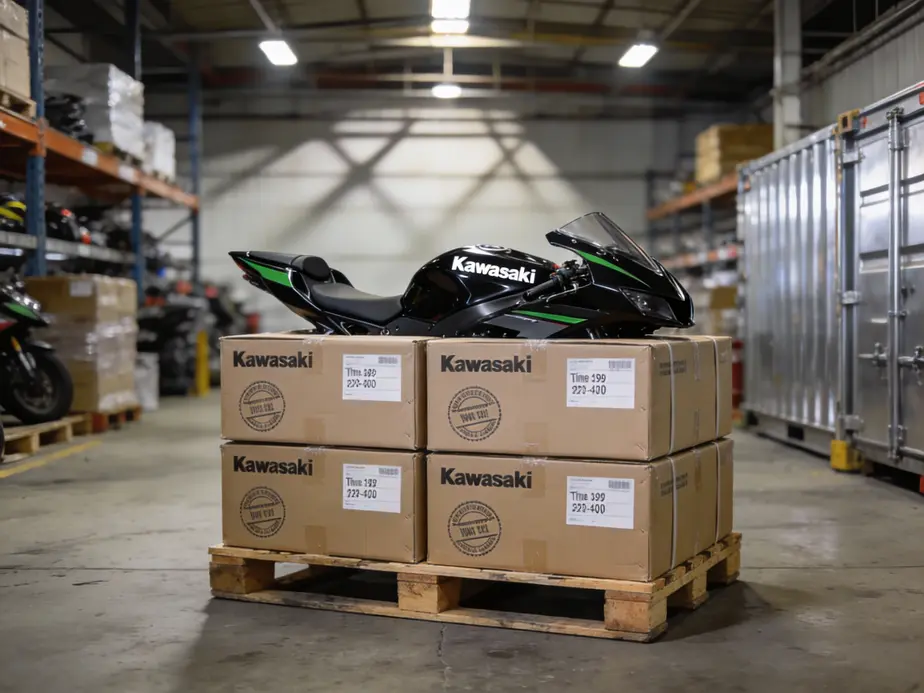
Fairings are more than skin; they are engineered to endure high-speed exposure, engine heat, and road debris. In Kawasaki’s manufacturing ecosystem, fairings are integrated into the Ninja family of models at a stage where precision governs every seam, mount point, and airflow path. OEM production follows a tightly choreographed sequence that begins with raw material handling, continues through CNC milling, laser cutting, and hydraulic stamping, and then moves to the precise shaping of panels that must align with frames, fuel tanks, cooling ducts, and intricate wiring harnesses. This level of coordination is not merely about aesthetics; it is a test of tolerances, repeatability, and the ability to sustain performance across a range of temperatures, speeds, and vibrations. When viewed through the lens of aftermarket offerings, the same disciplined approach informs how ready-to-install kits are conceived, but with adaptations that preserve fitment while accommodating a broader spectrum of rider needs and model years. The result is a continuum from factory production lines to aftermarket supply chains that share a common language of precision, but diverge in scale, customization, and cost. \n\nMaterials selection then becomes the fulcrum on which these processes pivot. OEM fairings rely on metal-derived panels initially shaped through a sequence of metal forming steps, tailored for heat resistance and structural integrity that must withstand the rigors of high-performance riding. In the aftermarket arena, ABS plastic is the workhorse material. Its robustness, impact resistance, and cost-efficiency make it ideal for complete replacement sets that need to match the geometry and stiffness of the original panels without inflating the price. Carbon fiber, by contrast, is reserved for high-end or racing-oriented kits where the stiffness-to-weight ratio offers a performance edge, albeit with higher costs and UV-sensitivity considerations. Fiberglass reinforced plastic (FRP) provides a middle path with good heat tolerance and stiffness, while polycarbonate and other thermoplastics contribute to clear windshields and lens components where clarity and impact resistance are crucial. Hybrid composites emerge as practical compromises, balancing rigidity, weight, and manufacturing yield. Each material choice carries downstream implications: bonding methods, surface preparation, heat exposure handling, UV protection, and the potential for color migration or micro-cracking under stress. The raw material profile thus influences not only the final appearance but the entire production ecosystem that makes a fairing kit feasible. \n\nWith materials selected, the production process tightens the loop between design intent and real-world performance. OEM workflows inaugurate their panels through a clean reception of raw stock, followed by precise CNC milling, laser cutting, and hydraulic stamping to define contours, cutouts, and mounting features. This is the backbone of consistency; it ensures that each panel sits within a few thousandths of an inch of its nominal geometry, enabling reliable alignment with mounting points, fuel inlet routing, and sensor housings. After shape, panels are moved through conditioning steps such as deburring and edge finishing, then into the coating and finishing phase. In many plants, a powder coating or multi-layer painting regime precedes final detailing, with decal placement calibrated for compatibility with the bike’s electrical harnesses and frame tolerances. In aftermarket production lines, a seven-step painting protocol often governs the color story: prepping, sanding, priming, base coats, color blending, decals, and triple clear coating. This sequence not only achieves a showroom gloss but also provides a robust protective barrier against UV degradation, weather exposure, and abrasion. The paint system must be compatible with the chosen substrate—ABS, carbon fiber, or FRP—requiring primers and adhesion promoters that respect the thermal expansion characteristics of each material. The result is a surface that can endure the same sun and rain cycles as the motorcycle itself, while maintaining a resistance to chipping and color fading across the kit’s service life. \n\nQuality assurance in fairing production sits at the intersection of design intent and physical reality. Kawasaki enforces a stringent validation regime that includes digital design verification, prototype testing, and performance assessments aligned with the chassis, wiring, and electronics. On the OEM side, inspection labs and robotic calibration stations verify fitment at every critical hinge, mount, and connector point, ensuring that the final panels align with precision-tooled jigs and the bike’s geometry within stringent tolerances. Post-assembly, the fairings undergo a series of functional checks: aero conformity against airflow models, interference testing with cooling ducts, and inspection for clearance around exhaust heat shields and radiator components. These steps are not merely about visual perfection; they protect the long-term reliability of the assembly by preventing rubbing, misalignment, or heat-accelerated wear that could degrade the appearance or performance of the kit. In the aftermarket sector, providers adopt similar QA rigor, tailored to the realities of more varied model years and rider expectations. Digital design verification is paired with physical prototyping and fit checks on representative frames, followed by performance testing in controlled environments to simulate road-service conditions. Carbon fiber components, while delivering exceptional strength, demand specialized repair methods that differ from thermoplastic panels and require dedicated training, tooling, and curing practices to restore stiffness without compromising weave integrity. Thermoplastics, by contrast, prize repairability and reparative coatings, which demand specific primers and topcoats to ensure adhesion and longevity. The overarching philosophy is that every panel must work in concert with its peers—seams must seal properly, edges must meet with minimal gaps, and the assembly must tolerate regular maintenance cycles without introducing vibration or fatigue hotspots. \n\nThe interplay between production and quality assurance also extends into the broader logistics network that moves fairing kits from the factory floor to the customer’s hands. While the primary focus here is the technological foundation, it is impossible to separate the fabrication discipline from the real-world flow of parts, packaging, and delivery. OEM shipments are prepared with crate assembly considerations, labeling conventions, and pallet configurations designed to minimize damage, facilitate handling, and ensure traceability across a global supply chain. Aftermarket producers face a similar but more variable landscape: production windows are driven by order intake, customization choices, and color options, with painting timelines for unpainted or color-custom kits often extended to 8–25 days to accommodate bespoke finishes. In both cases, packaging must protect delicate edges and reinforced features during transit, with skid-ready pallets and secure fasteners that prevent shifting that could compromise the kit’s integrity. The shipping narrative also touches on warranty policies, a domain where clarity varies between OEM and aftermarket sources. While official factory warranties for fairings are typically model and year specific, aftermarket warranties are not uniformly standardized; buyers are advised to consult their chosen vendor for coverage details, coverage duration, and what constitutes coverage for cosmetic versus structural issues. The lack of universal warranties underscores the importance of robust QA at the point of purchase, where a high-fidelity paint job, precise fitment, and dimensional accuracy are the buyer’s first line of defense against a suboptimal installation. \n\nIn this landscape, one can glimpse the practical consequences for riders who seek confidence through replacement bodywork. A well-executed fairing kit must be more than a visually compelling shell; it must perform under the same stressors as the original panels, resist environmental attack, and install with the same ease that OEM parts promise. The manufacturing discipline behind these kits—whether through the high-volume precision of OEM plants or the design-for-manufacture mindset of aftermarket shops—translates into a smoother ownership experience. It reduces the time and effort riders invest in fitment alignment, reduces the risk of damage during installation, and supports consistent aesthetic outcomes across diverse lighting and weather conditions. The end result is a chain of value that begins on the factory floor, travels through paint booths and inspection labs, crosses oceans in protected packaging, and lands with the rider ready to reconnect with the motorcycle’s persona. \n\nFor readers seeking a concrete sense of how an aftermarket fairing kit can be prepared, shipped, and evaluated, a representative overview of a well-known aftermarket provider’s product page offers a tangible case study: Kings Motorcycle Fairings Kawasaki Ninja 400 fairing kit. This page illustrates the practical realities of a kit designed for a specific model year, highlighting the inclusion of upper nose fairings, side panels, tail sections, windshields, heat shields, and hardware, while signaling the emphasis on complete parts fit and paint quality. It also underscores how a robust QA and a clearly defined production lineage translate into a customer-facing promise of fitment accuracy and finish fidelity. \n\nLooking ahead, the next subchapter shifts from the production and quality foundations to the materials and fitment architecture that enable true direct replacement capabilities. The discussion will connect how material choices influence not only performance and cost but also the broader economic and geopolitical implications of global supply chains, environmental standards, and regional manufacturing dynamics. In short, the decisions embedded in the materials and the direct replacement strategy resonate far beyond the surface of a single kit; they shape the rider’s experience and the industry’s resilience in a changing world.
2. Global Currents of Craft: Production Precision, Shipping Realities, Warranties, and the Aftermarket Ecosystem for Kawasaki Fairings
Kawasaki motorcycle fairings sit at the intersection of engineering precision and global commerce, where the drumbeat of automatic lines and the nuance of hand-finished paint converge to shape how riders experience performance on the road. The journey from raw materials to the painted shell that wraps a modern sport bike is a sequence of tightly choreographed steps that balance material science, aerodynamics, and the realities of international logistics. In the factory, the materials begin as sheets of metal, composites, and engineered fibers, each chosen not just for lightness but for resilience under the heat and flame of performance riding. Carbon fiber and advanced composites proffer the stiffness and low weight that help a bike slice through air, while ABS or fiberglass reinforcements deliver the toughness needed for longevity and easy field repair. The transition from raw material to a finished fairing is a careful waltz of cleaning, precision cutting, and shaping, where CNC milling, laser cutting, and hydraulic stamping set the stage for later assembly. Robotic welding and automated routing of components create a predictable base from which craftsmen can introduce subtle features—air inlets that guide airflow, winglets that influence stability, and drainage paths that prevent moisture buildup. The true artistry emerges not merely in the silhouette but in the way every facet contributes to a stable ride at high speed. Aerodynamic shaping is more than cosmetic: it is a carefully tuned system that interacts with the bike’s frame, the rider’s position, and the interplay of pressure and boundary layers along the bodywork. The fairing’s outer surface is typically treated with powder coatings or multi-layer paints that build protection against UV exposure, temperature fluctuations, and road grit. The so-called “Silver-Mirror” or equivalent high-reflectivity coatings, along with precise decal placements, demonstrate how a production line can blend industrial efficiency with the gloss and depth riders expect from factory finishes. Throughout this phase, pre-drilled holes and standardized mounting interfaces are crucial. They enable straightforward installation, reduce on-bike trial and error, and ensure that aftermarket pieces can slot into existing geometry with a fit that feels as if it came from the original manufacturer. In this sense, the production story is as much about integration as it is about material performance. The goal is a kit that aligns with the bike’s architecture while offering enhancements in aerodynamics, heat management, and aesthetic coherence. The subsequent painting and finishing steps matter just as much as the underlying geometry. A seven-step or multi-layer paint process, common in reputable aftermarket operations, is not merely about color. It incorporates primer, base coats, color matching, and UV-resistant clear coats that resist chalking, fading, and micro-scratches from road grit. The clear layer is particularly important; it seals the color, protects the surface from environmental exposure, and adds depth that can be visible only upon close inspection. When carbon fiber is involved, the finish must preserve the weave’s visibility while delivering a weatherproof barrier against moisture and heat. In these stages, heat resistance becomes a practical consideration. FRP and carbon fiber formulations are selected not only for stiffness and lightness but also for their tolerance to temperature fluctuations near hot engine casings and exhaust routes. These materials—whether in composite form or reinforced plastic—need to maintain integrity under repeated sun exposure and the occasional splash of rain. The result is a fairing system that looks as if it was designed with a single, coherent purpose: to reduce drag, manage heat, and present an artful silhouette that aligns with the bike’s lines. It is essential that the artistry does not undermine durability. Within the production narrative, the integration of the fairing with a complete bike is a test of tolerances across the entire assembly line. Pre-fabricated components are checked for alignment, hole patterns, and curvature tolerances, ensuring that installation is predictable in a shop or by a diligent amateur in a driveway. The manufacturing story also intersects with the broader aftermarket ecosystem, which has learned to frame high-quality finishes and reliable fitment as a core value proposition. In many shops and studios, the emphasis extends from raw material selection to the final polish of the surface gloss, the smoothness of edges, and the absence of burrs or misaligned seams. The promise is a product that installs with minimal fuss yet delivers the same tactile and visual impression as a factory sheet. Once production is complete, shipping and global logistics become the next phase of the journey. Here, the scale and sophistication of modern distribution come into play. After passing a battery of quality checks, fairings are crated and labeled for transport in a manner that protects them from impact, moisture, and rapid temperature change. Palletizing and secure packaging strategies are designed to withstand the rigors of international freight, port handling, and cross-border customs. Global distribution networks—whether managed by manufacturers, distributors, or independent retailers—rely on optimized routes, anticipated lead times, and contingency planning to meet customer expectations for delivery windows. The economics of this stage reflect the high value of precision manufacturing. High-end fairings represent a substantial portion of a country’s precision manufacturing output, tying the health of the segment to broader indicators in global trade. The logistics narrative also intersects with the realities of supply chains that stretch across continents—from raw material markets to production hubs to the shelf. Availability may hinge on factors like metal or composite material costs, currency volatility, and the reliability of supplier components. While the exact pathways of a given maker’s network are not always public, the industry broadly emphasizes speed without sacrificing quality, aiming to reduce lead times while preserving the fit and finish that riders demand. In the aftermarket space, this balance manifests in a range of shipping options—from express services for painted, ready-to-ship kits to standard timelines for unpainted or customization-heavy orders. The presence of global suppliers and digital marketplaces accelerates access to a wide spectrum of finishes, colors, and laminates, enabling riders to tailor their fairings to personal taste while preserving compatibility with their frames and mounting hardware. The broader implications of this system extend beyond the showroom and the garage. Warranties, a perennial point of consumer trust, occupy a critical but often nuanced role. Official warranties tied to factory production often emphasize manufacturing defects and material integrity within a defined period, yet specifics can vary widely by region and policy. In the aftermarket realm, warranties are typically framed around durability claims tied to the chosen materials and finishes, with attention to the integrity of paint, clear coat adhesion, and the resilience of mounting points. Because aftermarket kits can diverge in thickness, weave, and resin systems, buyers frequently encounter a spectrum of warranty terms. The result is a marketplace defined by transparency about what is covered, along with clear guidance on installation and care. This transparency is essential for sustaining consumer confidence in a global market where customers may order parts from distant suppliers and rely on local shops for installation and maintenance. The aftermarket ecosystem thrives on a delicate balance: on one hand, the freedom to customize and upgrade with heat-resistant composites, color-coated finishes, and personalized graphics; on the other, the obligation to maintain reliability and a predictable installation path. The ecosystem’s vitality rests on reliable supply chains, consistent quality control across suppliers, and the availability of compatibility data that helps shops align components with diverse models and configurations. In this wider context, the process of manufacturing fairings—once a purely local craft—has evolved into a globally distributed enterprise. It reflects not just the ingenuity embedded in the material science and aerodynamic design but also the capacity to move parts around the world with speed and precision. The economic and geopolitical dimensions come into play as well. High-value exports from advanced manufacturing centers contribute to regional economies and drive demand for skilled labor in robotics, CNC programming, and quality assurance. Simultaneously, the sourcing of raw materials—like composites and metals—can be influenced by broader market dynamics, including trade policies and regional resource dependencies. Societally, the aftermarket ecosystem democratizes customization. Enthusiasts gain access to a broad palette of finishes and configurations that reflect personal identity, while responsible recycling and material reuse practices can reduce waste and extend the lifecycle of components. It is a space where digital design, traditional craftsmanship, and supply chain pragmatics converge. Yet as the industry leans into new technologies and visual storytelling, questions about authenticity and representation arise. AI-generated visuals and simulations may shape consumer expectations about how fairings look and perform, even as real-world tests remain the ultimate arbiter of aerodynamic advantage and durability. This tension—between digital replication and physical performance—drives the ongoing refinement of both production methods and quality assurance standards. Within this evolving landscape, the aftermarket continues to play a pivotal role in bridging gaps between factory-level capability and rider-driven customization. Riders may seek unique finishes, reinforced heat resistance, or graphic schemes that express their individuality, while manufacturers and distributors work to preserve component compatibility and installation integrity. The end result is a vibrant global ecosystem in which production precision, efficient shipping, carefully defined warranty terms, and dynamic aftermarket channels collectively shape not just the product, but the culture around it. For readers who want to explore practical implications and industry perspectives on aftermarket fairings further, there is a dedicated resource that consolidates industry news and insights, offering a window into the day-to-day considerations that underpin every fairing kit that crosses borders. Kings Motorcycle Fairings blog This touchpoint connects the technical narrative of production and logistics with the lived experiences of shops, riders, and enthusiasts who rely on the aftermarket to keep their machines performing and looking unique. In sum, the lifecycle of Kawasaki fairings—when viewed through the lens of production rigor, shipping discipline, warranty clarity, and aftermarket vitality—emerges as a story of contemporary manufacturing and global commerce. It is a story that reflects not only the physics of airflow and the chemistry of coatings but also the human networks that keep machines on the road, communities engaged, and innovation continually moving forward across borders and disciplines.
Final thoughts
The three dimensions—materials and fitment, the vendor ecosystem, and the production-to-delivery pipeline—provide a practical lens for business buyers evaluating Kawasaki motorcycle fairings. Selecting suppliers with robust paint quality (3-layer clear coats), accurate OEM-like fits, and transparent lead times minimizes stockouts and returns while delivering compelling value to customers who demand precise fit, premium finishes, and reliable delivery. Emphasizing direct replacement architecture reduces installation friction for end users and accelerates service life cycles for retailers. Globalized inventory means painting services, warranties, and freight windows must be factored into pricing and procurement. By aligning product quality with dependable logistics and a vibrant product ecosystem, business leaders can strengthen margins, improve customer satisfaction, and build enduring partnerships in the Kawasaki fairings market.
Upgrade your ride with UltimateMotorX’s premium motorcycle fairings—durably crafted, precision-fitted, and stylish. Meeting OEM standards for easy installation, our collection suits upgrades or replacements. Shop now for fast shipping, secure checkout, and expert support. Give your bike the ultimate quality it deserves!
About us
UltimateMotorX is rider-founded, delivering top-tier motorcycle fairings sourced from premier manufacturers to ensure perfect fit and enduring durability. We offer expert advice, hassle-free returns, and seamless shopping for retailers and clubs, with warranties and transparent lead times that support confident procurement. Ride with confidence—style and quality guaranteed.