
Introduction
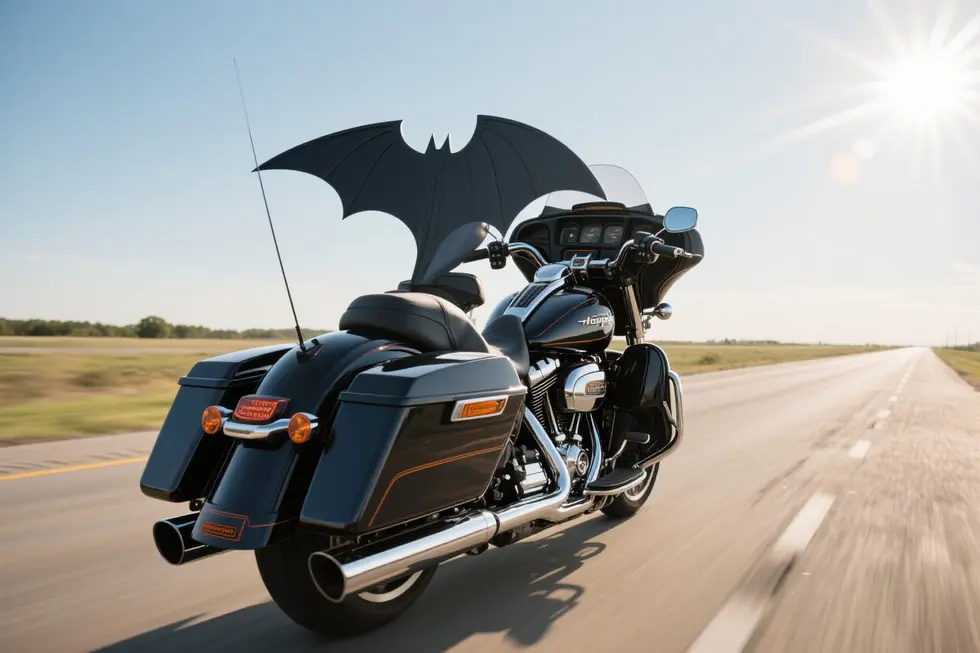
Hoppe motorcycle fairings represent a distinctive niche within the Harley-Davidson touring aftermarket segment. Designed as batwing-style fairings, they target owners seeking enhanced wind protection, reduced turbulence, and a more composed long-haul ride. For business owners—whether shop operators, parts distributors, or performance accessory retailers—understanding how Hoppe fairings fit within the broader ecosystem is essential. Their original installation window (1996–2013 Electra Glide, Street Glide, Ultra Classic, Limited, and Tri-Glide models) coincides with a period of evolving aftermarket windshield and fairing technology, where recurve wing designs and integrated audio options began to influence rider comfort and demand. In addition, the availability of compatible windshields like the Long Ride Shields Reaper Recurve and Mega Curve expanded installation possibilities, while also introducing alignment considerations across model years and trim levels. This article unpacks four interlinked angles for business decision-makers: (1) the design language and engineering rationale of Hoppe fairings for Harley-Davidson Touring bikes, (2) the practical compatibility, windshields, and installation nuances that affect fitment and service workflows, (3) the market context after 2013, including competing options from Memphis Shades and Drag Specialties, and (4) the aftermarket positioning, niche status, and ecosystem references (such as Long Ride Shields) that frame sourcing, inventory decisions, and customer-facing education. By connecting design intent to installation realities and then to market options, owners and managers can assess whether Hoppe fairings belong in their catalog, showroom, or service flow—and how to position them against broader batwing offerings. Each chapter builds on the last to present a coherent view of how Hoppe fairings can contribute to a dealership’s value proposition, margins, and customer satisfaction in a competitive aftermarket landscape.
Tables of Contents
Chapter 1: Engineering Aerodynamics and Style: Hoppe Batwing Fairings for Harley-Davidson Touring (1996–2013)
- Hoppe Batwing Fairings for Harley-Davidson Touring (1996-2013): Technological Evolution, Design Principles, and Rider Comfort
- Beyond Form and Function: Economic, Geopolitical, and Societal Ripples of Hoppe Batwing Fairings on Harley Touring (1996–2013)
Chapter 1: Engineering Aerodynamics and Style: Hoppe Batwing Fairings for Harley-Davidson Touring (1996–2013)
1. Hoppe Batwing Fairings for Harley-Davidson Touring (1996-2013): Technological Evolution, Design Principles, and Rider Comfort
Wind has long defined the Touring ride. In the latter part of the twentieth century, the Batwing silhouette emerged not just as a stylistic statement but as a functional solution to the onslaught of highway air. Hoppe’s approach to this shape reflected a deliberate balance between form and function, rooted in the needs of riders who spent hours in the saddle. The design lineage of Hoppe Batwings sits on frames built for 1996–2013 Harley-Davidson Touring models. The shells themselves were primarily fashioned from fiberglass, a material chosen for its ability to hold smooth contours while offering solid mounting surfaces for auxiliary windshields and instruments. In practice, these fairings were engineered to work with windshields sized in the 8- to 12-inch range, yielding a broad protective envelope that still allowed the rider to move through the air rather than fighting against it. The overall width of the fairing assembly hovered around the 29.5-inch mark, a dimension that proved crucial for stabilizing the bike’s stance without overwhelming the rider’s visual field. The thickness notes that accompanied these designs point to a careful material balance; even when polycarbonate variants appeared in related lines, the practical thickness hovered near 0.135 inches, ensuring a sturdy yet light shell that could be bolted into place without demanding excessive modification to the bike’s nacelle or fork areas.
This blend of fiberglass strength and tailored dimensions was not random. It reflected a growing shift in Harley-Davidson’s touring ecosystem, where riders sought not only protection from wind and noise but also a coherent integration with headlight housings and accessory systems that had become standard through the late 1990s and early 2000s. The Hoppe Batwing designs were intended to fit the era’s touring frames, notably accommodating popular configurations on Electra Glide, Street Glide, Ultra Classic, Limited, and Tri-Glide models of that period. The compatibility window also carried with it practical caveats: fitment depended on the exact year and submodel, and certain later post-2013 or CVO variants could require alternate approaches or mounts. In this sense, Hoppe’s design principle embraced a period-specific compatibility logic that recognized the evolution of frame geometry and the increasing complexity of aftermarket accessory ecosystems.
Beyond the shell itself, the design language spoke to an integrated rider experience. The Batwing profile is not merely about shielding the torso from wind; it is about shaping the flow of air so that turbulence drops behind the rider’s helmet and reduces the intrusive buffeting that can elevate fatigue on long stretches. The recurve form, a hallmark of the family’s aerodynamic philosophy, redirects airflow in a controlled manner, allowing the wind to glide over the surface rather than slam into the rider’s torso. This effect complements the broader ergonomic strategy of maintaining visibility, minimizing noise, and preserving the integrity of a long-ride listening experience if the bike is outfitted with audio systems or navigation cues. Design choices such as tinted versus clear options play into this balance as well, with riders able to tailor the level of sun glare and day-to-day visibility. The result is a colder, quieter ride that still preserves the motorcycle’s characteristic presence.
The practicalities of installation follow a similarly thoughtful path. On average, these fairings could be mounted in under two hours using basic hand tools, aligning with the timeframes riders expect when performing a home retrofit or at a small shop. The mounting strategy offered flexibility: some configurations favored fork-mounted supports for a more direct, nimble feel, while others leveraged nacelle-based arrangements to emphasize stability, especially at highway speeds where even small flex can translate into perceptible steering effects. While the aesthetic payoff is immediate—the Batwing’s bold contour paired with a glossy paint job or custom artwork—the functional payoff is equally tangible: stronger wind deflection, potential reductions in rider fatigue, and an appearance that communicates the rider’s touring intent with a touch of classic American motorcycle styling.
For riders weighing options beyond Hoppe, the marketplace has offered alternatives such as Memphis Shades Batwing Fairings, which provide comparable windshield integration and a different material approach. Over time, Hoppe fairings have become a niche choice within the broader aftermarket ecosystem, appreciated by collectors and riders who value the specific silhouette and fitment window of the 1996–2013 era. No matter the route chosen, the core aim remains consistent: to harmonize aerodynamics, comfort, and visuals into a single, ride-enhancing package. For those considering pairing a Hoppe Batwing with a compatible windshield, one practical reference to the wind-deflection design philosophy and fitment details can be found here: Reaper Recurve windscreen.
As this design narrative transitions toward the broader implications of accessory ecosystems, the next discussion will explore how these choices ripple outward, influencing economic decisions, geopolitical considerations, and societal attitudes toward customization and rider identity in the broader motorcycle culture.
2. Beyond Form and Function: Economic, Geopolitical, and Societal Ripples of Hoppe Batwing Fairings on Harley Touring (1996–2013)
The Batwing-style fairing designed for late-20th to early-2010s Harley-Davidson touring motorcycles represents more than an incremental upgrade in wind management. It sits at a nexus where technology, craft, and consumer appetite intersect to reshape the aftermarket landscape and, by extension, the riding culture itself. While the primary aim of these fairings is to improve aerodynamics, reduce turbulence, and raise rider comfort on long highway rides, their presence also signals a broader shift in how enthusiasts perceive customization, ownership, and the value of local production. The design choices—integrated with recurve windshields and modular mounting options—facilitate a spectrum of configurations that blend function with personal expression. Yet beneath the gloss of improved comfort lies a quieter, more systemic influence: an uptick in specialized manufacturing, a diversification of small- to mid-sized suppliers, and a recalibration of the economic incentives that drive the aftermarket ecosystem.
Economically, the emergence and sustenance of Hoppe-style fairings helped energize the aftermarket parts sector by offering a cost-effective path to substantial customization. Riders could upgrade their OEM setups without a full platform replacement, choosing from a suite of compatible windshields, mounting kits, and accessory pieces. This modularity lowers barriers to entry for hobbyists and turn-key enthusiasts alike, enabling a broader segment of riders to tailor aerodynamics, aesthetics, and storage to personal preferences. The ripple effects extend to smaller manufacturers and regional shops that specialize in ABS inner fairings, Lucite or acrylic shells, and paint-ready surfaces. By spreading demand across multiple component families—windshields, fairing shells, deflectors, trim, and integrated audio options—these products helped sustain a diverse supply chain that can respond to shifting tastes without relying on a single, dominant vendor. In regions with robust motorcycle cultures, this translates into local jobs, shop-floor innovation, and a more resilient, albeit niche, manufacturing footprint.
Geopolitically, the footprint of such fairings remains relatively modest. The production and distribution patterns for these components center on U.S.-based or regionally concentrated manufacturing ecosystems, with materials like ABS and Lucite representing well-established, widely sourced inputs. There is no clear, direct linkage to broad political tensions or international trade frictions that would compel rapid restructurings of supply lines. Instead, the story is one of localized specialization—small batches, intimate knowledge of fitment for specific touring platforms, and a culture that values domestic craftsmanship and quick adaptation to rider feedback. In this sense, the fairings embody a form of soft resilience: a focus on compatibility, ease of installation, and customization that can be managed within a relatively contained supply network, rather than a model dependent on global commodity shocks. The outcome is a niche that thrives on consistency and compatibility more than on scale, reducing the exposure to cross-border disruptions while still benefiting from the familiar efficiencies of regional plastics fabrication and machining.
Societally, the impact is most visible in how riders relate to touring as a social and personal project. The fairings encourage a culture of careful tailoring—choices about wind protection, noise levels, and aesthetic cues become extensions of rider identity. By optimizing aerodynamics and stability at highway speeds, these components contribute to a sense of confidence and safety that reinforces long-haul riding as a shared social practice. The personalization ethos—paint finishes, trim options, and accessory packages—aligns with Harley enthusiasts’ values of freedom, individuality, and self-expression. In doing so, they fortify a touring narrative that prizes endurance and communal experience on open roads. The societal effects thus extend beyond comfort; they influence how riders talk about journeys, how communities form around long-distance trips, and how clubs and gatherings become spaces for testing and showcasing new configurations.
Taken together, these economic, geopolitical, and societal currents help explain why Hoppe-style batwing fairings persisted in a market where multiple brands vied for attention. They illustrate a design phenomenon that is as much about enabling passenger comfort and highway reliability as it is about sustaining a network of small businesses and local production. The interdependencies—between windshield technology, mounting systems, and shell materials—demonstrate how a well-considered aftermarket solution can ripple through a regional economy and a riding community alike. For readers tracing the technical lineage, a practical touchstone remains the integration of recurve windshields with batwing assemblies, which exemplifies how form-follows-function in a way that also respects supply-chain pragmatism and rider autonomy. See further details about windscreen components and their compatibility with these fairings here: reaperrecurvewindshield.
As the chapter moves from design principles toward long-term implications, the subchaptering of economic, geopolitical, and societal impacts helps readers appreciate that a single aftermarket fairing is more than a cosmetic or performance tweak. It is a mark of how niche manufacturing intersects with cultural practice, how local industry supports a broader community of riders, and how the pursuit of comfort on the open road can shape, and be shaped by, a regional economy around motorcycles.
Final thoughts
For business owners evaluating the aftermarket landscape, Hoppe motorcycle fairings offer a targeted option to serve Harley-Davidson Touring riders who prize wind protection, aerodynamic efficiency, and a distinctive styling language. While not as widely stocked today as some alternatives, their niche appeal can translate into differentiated inventory, educated sales conversations, and higher-margin upsells when paired with compatible windshields like the Reaper Recurve and Mega Curve from Long Ride Shields. By understanding the design intent, fitment nuances, and the post-2013 market context—including Memphis Shades and Drag Specialties as broader battwing players—owners can craft a selective sourcing strategy, optimize installation workflows, and align marketing messaging with riders who value engineering-driven comfort. The holistic view across design, compatibility, market context, and ecosystem positioning empowers dealers to decide whether Hoppe fairings deserve a place in their catalog or showroom experience, and how to leverage the surrounding accessory ecosystem to drive sales and customer satisfaction.
Upgrade your ride with UltimateMotorX’s premium motorcycle fairings—durably crafted, precision-fitted, and stylish. Meeting OEM standards for easy installation, our collection suits upgrades or replacements. Shop now for fast shipping, secure checkout, and expert support. Give your bike the ultimate quality it deserves!
About us
At UltimateMotorX, we’re rider-founded experts in top-tier motorcycle fairings. We source premium materials, partnering with trusted manufacturers for perfect fits and durability. Enjoy expert advice, hassle-free returns, and seamless shopping. Ride with confidence—style and quality guaranteed!