
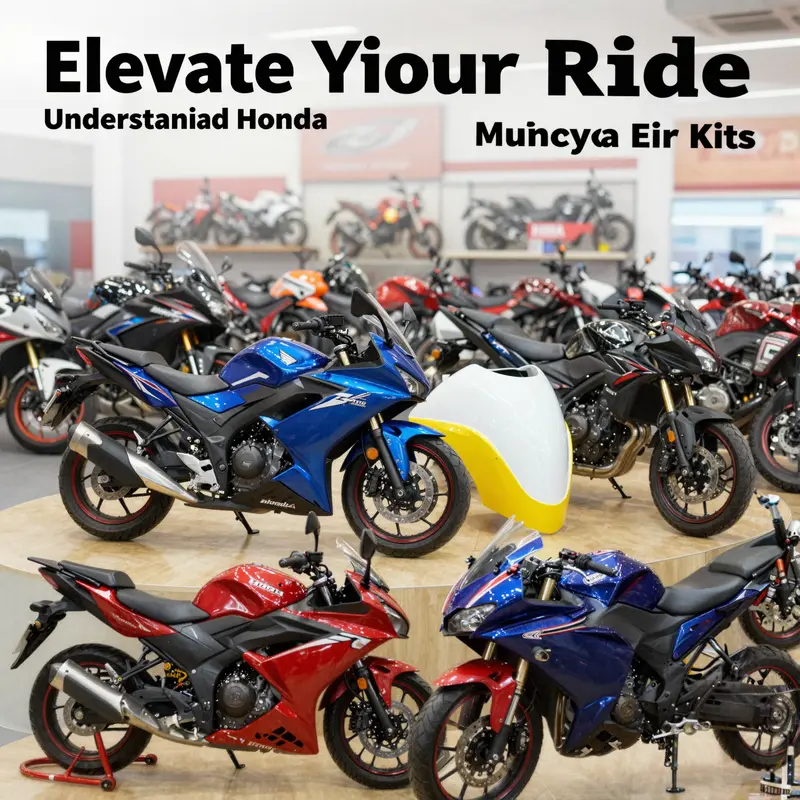
Honda motorcycle fairing kits serve as crucial accessories for business owners aiming to improve their bike offerings and customer satisfaction. These kits not only transform the performance and appearance of various Honda models but also cater to different riding styles and preferences. In this comprehensive overview, we will delve into the types of fairing kits available, their material and performance considerations, and how they can be customized for compatibility with existing accessories. Each chapter will provide valuable insights that can aid business owners in making informed decisions about stocking and recommending these kits to their customers.
Shaped for Speed and Style: The Integrated Craft of Honda Fairing Kits
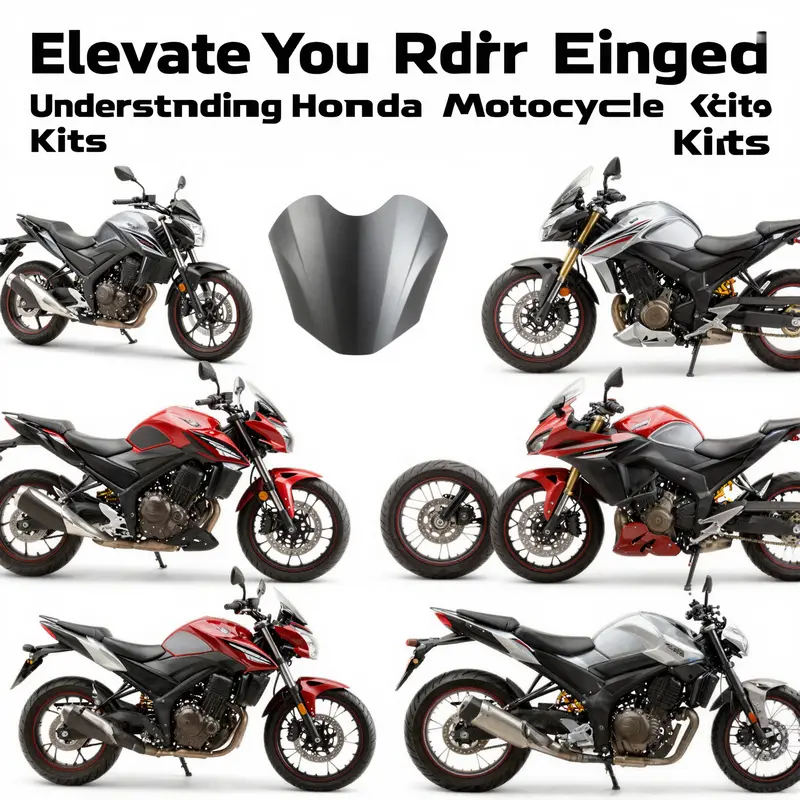
A motorcycle’s silhouette is more than a line on two wheels; it is a living statement of balance between performance, protection, and personal expression. For riders who want to optimize how their Honda behaves at speed without surrendering their sense of identity, fairing kits offer a deliberate instrument of transformation. They are not merely cosmetic overlays. They are engineered systems that thread the rider’s needs—wind protection, aerodynamics, access to the engine, and even maintenance practicality—into a single, cohesive package. When these kits are chosen and installed with care, the bike becomes more than a mode of transport. It becomes a tuned extension of the rider’s intention, capable of meeting long miles on a highway, carving corners on a track, or simply presenting a sharper, more purposeful stance in the street. In the world of Honda motorcycles, fairings articulate a philosophy: form follows function, but both are optimized to advance how a rider experiences speed and control.
To understand the appeal, it helps to consider how fairing kits are designed and how they fit into the broader architecture of a motorcycle. Fairings are not a generic add-on; they are performance components that align with the bike’s frame geometry, rider silhouette, and the air that swirls around the machine at speed. The Honda lineup—ranging from nimble sport machines to confident touring platforms—uses fairing design to manage two principal forces: wind and weight. A well-designed fairing reduces buffeting, channels air more efficiently around the torso, and directs it toward the sides in a manner that stabilizes the chassis at high velocity. The result is not just a quieter cockpit but a calmer, more predictable ride when fatigue would otherwise creep in, especially on longer journeys. This is where the distinction between a stock look and a properly chosen aftermarket fairing becomes meaningful. A hull of plastic, carefully contoured, can turn long rides into a more comfortable pursuit by diminishing wind pressure on the chest and shoulders, reducing rider fatigue, and offering improved highway stability without forcing the rider into an extreme riding posture.
Within this framework, the types of fairing kits offered for Honda bikes map directly onto different riding priorities. Full fairing kits enclose the majority of the engine and frame, delivering the highest degree of wind protection and the most aggressive visual language. They are the go-to choice for riders who chase high-speed stability on long-distance highway runs or who take the track seriously. The aerodynamic gains are pronounced when the rider is slicing through air at double-digit speeds for extended periods, and the added protection from weather and road debris is a meaningful practical benefit. At the same time, this enclosure inevitably adds weight and can complicate engine access for maintenance. The full fairing’s clean, uninterrupted lines communicate a factory-aesthetic of precision and purpose that many riders find irresistible, even when the performance margins are modest in some day-to-day scenarios.
Half fairing kits, also known as semi-fairings, strike a more versatile balance. They cover the upper portion from the headlight area to the handlebars and leave the engine and lower frame exposed. This preserves a high degree of accessibility while delivering meaningful wind deflection and a sportier look. For riders who juggle mixed riding demands—city commutes during the week and spirited weekend rides—the half fairing serves as a practical compromise. The balance it offers makes it possible to service the bike with relative ease while still benefitting from improved aerodynamics and a more assertive silhouette. The design language here is that of a streamlined, high-precision machine whose rider can easily reach the controls and the air intake without wrestling with a full shell that might impede routine checks or tweaks.
Three-quarter fairing kits occupy a middle ground that resonates with adventure-minded and sport-touring riders. They cover roughly 75 percent of the front and sides, delivering stronger wind protection than a half fairing while still enabling more accessible engine maintenance than a full enclosure. This category is particularly well-suited to riders who spend long hours in the saddle and want to balance weather protection with the practicality of periodic service. It is not as aerodynamically optimized as a full fairing, but the gains are meaningful enough to improve highway comfort while preserving a grounded, user-friendly experience when it comes to daily riding or weekend touring.
Low fairing kits present a minimalist option that emphasizes weight savings and a clean, modern aesthetic. Focused on the front section—just above the headlight and fork—these kits offer a subtle aerodynamic edge without obstructing engine visibility. They appeal to riders who value the raw, aggressive look of their machine and who want an upgrade that does not overwhelm the bike’s geometry or complicate service access. The result is a lighter, more agile feel with a styling upgrade that signals intent rather than conquest. It is a choice for those who prize balance and restraint, where the fairing’s role is to refine airflow and accentuate the bike’s innate character rather than to shroud it in a full shell.
For riders who want to preserve the essence of the naked bike while gaining a touch of refined aerodynamics, naked bike kits deliver a distinct personality. These minimalist bodywork packages heighten the visual impact of a bike’s core lines and expose the engine and chassis to emphasize mechanical honesty. They are prized by purists, track-focused builders, and riders who equate speed with a direct connection to the machine. Yet the naked kit offers only modest wind protection and little aerodynamic enhancement, making it a choice rooted in aesthetics and a preference for unadulterated access to the machine rather than a sustained wind shielding strategy. The spectrum—from full to naked—speaks to a culture of customization where riders select the configuration that best aligns with their riding ethos.
Beyond the immediate geometry of the fairing, material science plays a central role in how a kit behaves on the road. Modern Honda fairing kits almost exclusively rely on high-quality ABS plastic. This material provides a compelling triple play: durability, lightness, and resistance to UV damage and road debris. Compared with fiberglass or metal alternatives, ABS can reduce weight significantly, which matters for handling and fuel efficiency. A lighter shell translates into crisper steering response and lower overall cycling mass, particularly when the fairing is a sizeable portion of the bike’s mass. In addition, ABS is well-suited to aerodynamic shaping, enabling complex curves and smooth transitions that help minimize drag and buffeting. Aerodynamic shaping—an integral feature of many aftermarket kits—can reduce drag by notable margins, contributing to high-speed stability and rider endurance. While the exact gains depend on the specific geometry and how well the kit integrates with the bike’s existing aerodynamics, the general trend is clear: properly engineered ABS fairings can meaningfully improve performance without forcing a costly weight penalty.
The practical benefits of upgrading to a Honda fairing kit extend well beyond wind management. A well-fitted kit can enhance overall handling by smoothing airflow around the rider’s torso, shoulders, and hips, reducing turbulence near the rider’s center of gravity. This translates into less rider fatigue on long rides and a more confident ride in gusty conditions. The aerodynamic improvements, while sometimes subtle on city streets, become more pronounced on open roads and highways where sustained speeds amplify the impact of wind. In addition, the visual impact of a refreshed fairing kit should not be underestimated. The right color, finish, and graphics can convey a rider’s personality and taste while signaling a well-maintained, purpose-built machine. High-quality kits also emphasize durable finishes that resist UV degradation and road debris—important for riders who spend lots of time riding in sun-drenched landscapes or exposed routes.
Compatibility and customization sit at the heart of the decision-making process. When selecting a fairing kit, riders need to guarantee precise fitment with the bike’s existing architecture. Reputable suppliers aim to deliver kits designed to integrate with Honda’s design language, ensuring that mirrors, seats, and exhaust systems can be retained or upgraded in a cohesive upgrade package. A key aspect of this compatibility is ease of installation. Many aftermarket kits are engineered to be swapped or upgraded with minimal modification, and some include modular pieces that allow riders to tailor levels of coverage and airflow. This modularity enables a broader range of riders to pursue their preferred aesthetic and performance goals without resorting to extensive, specialized modifications. The goal is a streamlined upgrade process that respects the bike’s original engineering while offering a path to a more personalized, better-fitting shell.
The journey from concept to ride is, in many ways, a narrative of transformation. For some riders, upgrading the fairing kit is about performance optics—investing in a race-inspired silhouette that announces intent as clearly as a sponsor’s color scheme on a track bike. For others, it is about comfort and practicality: a kit that reduces wind fatigue on long distances and provides reliable weather protection without overloading the chassis. For still others, it is about identity—a statement that their Honda motorcycle is not just a machine bought from a showroom, but a personal project shaped by time, miles, and the rider’s own hands. The beauty of a well-chosen fairing kit is that it can harmonize these aims. The result is a bike whose appearance, aerodynamics, and practical usability are aligned, creating an experience that is greater than the sum of its parts.
Riders who embark on this kind of upgrade often begin by surveying the landscape of options with a practical eye toward fit and function. The most meaningful decisions are not simply about selecting a style or color but about choosing a configuration that complements the rider’s typical terrain, climate, and riding tempo. A long-distance commuter who spends hours on highways will likely favor a full or three-quarter kit that delivers robust wind protection and stable high-speed behavior. An urban rider with a passion for weekend twisties might lean toward a half or low fairing to maximize accessibility and weight savings while still offering a sharper silhouette. A rider who prizes the raw, mechanical expression of the machine will find a naked or minimal fairing approach aligns with that ethos. In every case, the core considerations—fitment, access for maintenance, and the ability to preserve or upgrade ancillary components—guide the decision. And as the landscape of aftermarket offerings expands, the opportunity to customize extends beyond mere color to the very geometry of airflow and rider interaction with the wind.
To navigate this landscape with confidence, riders can lean on the broader ecosystem of aftermarket resources while staying grounded in the specific demands of their bike and their riding style. A well-chosen fairing kit becomes a bridge between the bike’s original engineering and the rider’s evolving needs. It is a reminder that performance riding is not a constant, but a conversation between machine, rider, and environment. For those who seek inspiration or options, a curated portal of Honda fairings presents a gateway to a spectrum of configurations and finishes, emphasizing a shared language of precision, durability, and personal expression. The journey toward a refined, purpose-built cockpit is never a mere swap of panels; it is a careful re-tuning of how air, weight, and line of sight interact at the rider’s command.
As this chapter threads together the practicalities and the philosophy of fairing kits, it becomes clear that a Honda bike’s best upgrade may lie as much in the framework of choice as in the fabrication of the panels themselves. When a rider selects a kit that respects the bike’s geometry, preserves accessibility for maintenance, and enhances both performance and appearance, the upgrade yields a coherent, durable, and expressive machine. The kit becomes a narrative device: it frames speed and protection, but also craft and identity. This is the essence of modern fairing design—an intersection where engineering meets art, where aerodynamic advantage aligns with a rider’s personal story, and where Honda’s legacy of performance continues to be expressed through the careful shaping of plastic and air.
For readers who want a tangible sense of the breadth and texture of fairing options, a convenient entry point to explore Honda-specific fairings is available online. This resource aggregates Honda fairings in a dedicated category, offering a concise view of styles, finishes, and fitment cues that help riders compare configurations within a familiar brand framework. By examining these assemblies, a rider can appreciate how the line of sight, the shield against wind, and the sculpted side panels work together to define not just speed, but comfort and presence on road and track. In this way, the story of a fairing kit becomes a short chapter in a longer narrative about a rider’s evolving relationship with their motorcycle.
Honda fairings category on Ultimate MotorX
The beauty of this topic lies in its practical implications. When a rider commits to a fairing upgrade, they do not simply add a new shell to their bike; they invite a considered approach to how air interacts with rider and machine. They acknowledge that performance is a dialogue among weight, drag, balance, and the rider’s posture. They recognize that the right kit, crafted from durable ABS with aerodynamic precision, can deliver meaningful gains that translate to smoother highway stints, more confident cornering, and a stronger road presence. The chapters of this book—from the ergonomic realities of cockpit wind to the choreographed interplay of airflow across the fairing’s curves—unfold a consistent message: the kit is a key to unlocking a broader spectrum of riding experiences. And as technology advances, the promise of more refined shaping and more color-forward customization continues to evolve, offering riders new ways to tailor their Honda motorcycles to discrete riding identities without losing sight of core performance principles.
External resource: for a deeper look at material technology, compatibility considerations, and model-specific fitment paradigms in this domain, see the broader technical reference that showcases ABS-based fairing construction and the aerodynamic benefits described above: https://www.alibaba.com/product-detail/Honda-CBR900RR-893-1992-1993-ABS-Motorcycle_1600734485485.html?spm=a2700.19894867.0.0.7b1a3d18jYKoVX
null
null
Fit, Flair, and Function: Navigating Compatibility and Customization in Honda Fairing Kits
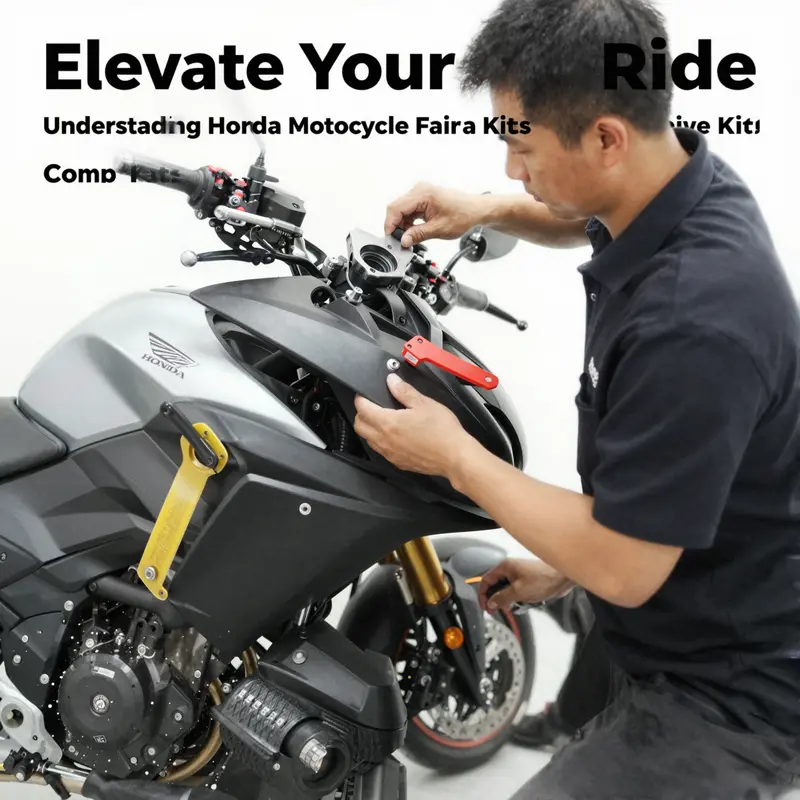
Riding a Honda built for speed, durability, and everyday utility becomes more than just a matter of engine and tires when you add a fairing kit. The fairing is not a garnish; it is a carefully engineered system that channels air, protects vital components, and shapes the overall feel of the machine. In this context, two threads weave through every decision a rider makes: compatibility and customization. Compatibility ensures the kit aligns with the bike’s chassis, electrical, and mounting realities. Customization lets the rider express identity and purpose, from track-ready aggression to long-haul comfort, without sacrificing the integration that keeps the machine safe and predictable. When these threads are stitched together with precision, a fairing kit does more than alter the appearance of a bike. It can sharpen handling, reduce fatigue, and extend the life of other components by shielding the rider and the frame from weather and debris. The chapter that follows moves through the terrain of compatibility and customization in a way that stays true to the core idea that a well-matched fairing kit is a performance upgrade as much as a cosmetic one.\n\nAt first glance, compatibility might seem straightforward: match the kit to the year and the model, align mounting points, and ensure the fairing plays nicely with the bike’s existing hardware. But the reality runs deeper. Each fairing kit is designed around a specific philosophy of riding and a precise geometry of the motorcycle. Some configurations are intended to enclose the majority of the front end, providing maximum wind protection and smooth, high-speed aerodynamics. Others are engineered to preserve engine access and ease of maintenance, with cutouts and fasteners placed to minimize interference with the air intake, spark plugs, or wiring harnesses. There are mid-range options that strike a balance—offering respectable wind deflection while keeping weight and serviceability in mind. And there are minimalist approaches that emphasize airflow and a clean silhouette, with the emphasis placed on upgrading appearance without sacrificing essential access or safety.\n\nWhat this means in practical terms is that the buyer must approach a fairing kit as a tailored upgrade rather than a generic shell. The core questions begin with fit and finish. Will the kit align with the headlight assembly, shields, and wind deflectors in a way that creates a continuous airflow path rather than a patchwork of gaps? Are the mounting points and fastener locations identical to the stock hardware, or will slight drilling or modification be required? How will the new panels interact with the original corner radii, the curve of the fairing around the instrument cluster, and the line of the tank and seat? These aren’t merely cosmetic. A misaligned fairing can create creases that catch on wind and debris, introduce flutter at speed, or place pressure on fragile components. In the worst cases, improper fitment can compromise radiator clearance or wiring routing, leading to heat buildup or electrical faults. For a rider who values reliability, these considerations are non-negotiable.\n\nTo navigate these concerns, reputable suppliers emphasize model-year-specific fitment. Kits are crafted to align with the exact geometry of a bike’s front end for a given set of years and variants. This specificity reduces the risk of misfit and simplifies installation, offering a reliable baseline for performance and safety. The benefit is twofold: it minimizes the chance of airflow disturbances and ensures that the fairing panels sit flush with the windscreen, the headlight housing, and the mirrors. When a kit mirrors the original mounting points, the installation can often be accomplished with standard tools and without invasive modifications. That ease of installation is a meaningful value, especially for riders who perform routine maintenance at home and want a modular system that can be swapped out or upgraded with minimal downtime.\n\nMaterial choice enters this discussion as a key determinant of both compatibility and performance. ABS plastic remains the workhorse for modern fairing kits because it balances strength, weight, and resilience to UV exposure and road debris. Its relative lightness compared with fiberglass or metal reduces unsprung weight and contributes to more predictable handling characteristics. Weight considerations matter not only for the rider’s sense of agility but also for the bike’s overall balance and response. In the wind-tunnel-inspired logic that governs aerodynamics, a lighter, well-shaped shell can work in concert with the bike’s other aerodynamic aids to deliver smoother air separation and less drag at highway speeds. This is not just about speed; it is about reducing rider fatigue and improving stability during long rides where every mile matters.\n\nThe aerodynamic advantage is often quantified in practical terms. A well-designed ABS fairing can shave drag while preserving downforce where needed, aiding front-end grip and reducing turbulence that can lift or buffet the rider at speed. In tests and practical use, the right configuration can yield a noticeable improvement in stability on straightaways and in gusty conditions. A fairing that is precisely aligned with the bike’s geometry minimizes the suction that can pull the rider forward or to the side, which translates into a more relaxed posture and less muscle strain on long days in the saddle. When riders choose a full fairing kit with aerodynamically informed contours, they invite a more composed ride at higher speeds, particularly on open roads or racetracks where wind tunnel principles become real-world feedback.\n\nBeyond fit and performance, customization unlocks the expressive potential of the bike. Modular and removable panels, a common feature in modern kits, are designed to let riders tailor their machine’s look without sacrificing structure or function. The modular approach supports a spectrum of goals from personal branding to environment-specific livery. A rider heading to a track day might favor a bold, high-contrast color scheme and minimal decals that emphasize the sharp lines of the front profile. A daily commuter, by contrast, might prefer a matte finish or a simpler, cleaner aesthetic that still communicates a sense of purpose and speed. The beauty of modularity is that it allows a single kit to evolve with a rider’s evolving needs. Panels can be swapped for weather-resistant finishes or graphic overlays, enabling a quick, reversible transformation that preserves the core fitment and integrity of the underlying structure.\n\nColor and finish are not mere cosmetics; they are protective measures as well. A paint-ready or pre-finished kit must hold color under UV exposure and resist chafing from wind and rain. A panel that acquires micro-scratches easily is not just an aesthetic nuisance; it becomes a maintenance nuisance and a source of ongoing repair work. Thus, high-quality fairing kits often feature paint coatings and finishing layers that resist fading and cracking. For riders who want to experiment with appearance, the ability to change colors or graphics without compromising the finish is a substantial advantage. The result is a bike that can wear a race-inspired motif for a season and then transition to a subtle, street-ready look for daily use, all without weakening the aerodynamics or the mounting system.\n\nThis is where the practical realities of compatibility intersect with creative ambitions. A kit designed for dual-scenario use—high-speed highway stability and off-road or mixed-terrain touring—must strike a balance in its shaping and stiffness. The panels must tolerate the more dynamic wind conditions encountered on highways and the occasional brush with gravel or debris that touring riders face on backroads. The engineering challenge is to preserve a continuous flow of air across the front without creating protrusions that catch on obstacles. In such designs, the mounting architecture becomes even more important. Quick-release or tool-free fasteners are favored for riders who anticipate frequent panel swaps between seasons or riding environments. Simpler assembly translates into fewer chances for misalignment during reinstallation, preserving both fit and safety.\n\nFrom the maintenance perspective, compatibility also carries implications for accessibility. A kit that preserves meaningful, straightforward access to the engine, airbox, and service points ensures routine checks stay efficient. When a kit blocks or complicates access to critical components, routine maintenance can become a chore rather than a quick, predictable task. Hence, many carefully designed fairing systems maintain clear paths to the most frequently serviced points, with grommets, seals, and wiring channels arranged to minimize friction during service work. This thoughtful layout reduces downtime and discourages improvisation that could undermine the integrity of the system.\n\nThe decision-making process for a fairing kit therefore becomes a negotiation among several live constraints. The first is fitment: does the kit line up with the bike’s mounting points, radii, and clearances? The second is maintenance: can the rider access essential components without disassembly or a toolkit of specialized fasteners? The third is aerodynamics: does the shell shape complement the bike’s profile and the rider’s preferred speed range, without creating harmful buffeting or drag? The fourth is aesthetics: does the selected color and finish present a coherent identity with the rider’s vision for the bike and its environment? And the fifth is practicality: does the kit survive daily use, weather exposure, and occasional impacts with a level of resilience that makes the investment worthwhile?\n\nTo address these questions with confidence, riders frequently consult suppliers who publish fitment guides and installation notes. The best guides translate the physics of air flow into practical installation steps, pointing out where minor adjustments may be necessary and where no modification is required. They also emphasize the importance of compatibility with existing accessories, such as mirrors, windshields, and exhaust systems. This is not merely about looks; a harmonious combination of components sustains the bike’s intended geometry and handling envelope, securing the rider’s confidence on every mile.\n\nCustomization also invites consideration of how the kit interacts with the bike’s electrical architecture. Modern fairings often tuck routing passages for wires and sensors, maintaining the integrity of the electrical system. Wiring harnesses are designed to pass through cutouts and grommets in a way that avoids chafing and accidental disconnections. Lamps, indicators, and instrument panels must retain their alignment and visibility, with the fairing providing mounting points that do not distort the light patterns or compromise signaling reliability. In a well-executed integration, the rider notices a seamless blend where all components function in concert, rather than a patchwork where panels and harnesses fight for space behind the front end.\n\nThe practical outcome of good compatibility and thoughtful customization is a machine that feels like a single, cohesive organism rather than a collection of aftermarket parts. The rider experiences steadier steering feedback as the front end remains predictable through changes in wind pressure. The wind noise profile becomes more tolerable, and the rider can maintain a comfortable posture for longer rides without constant micro-adjustments. And when the kit is properly matched, the aesthetic payoff is not a superficial gloss but a deliberate silhouette that communicates the rider’s intent—whether that is dedication to performance, preference for efficiency, or affection for a classic, understated look.\n\nFor readers who want to explore the breadth of options and gather practical examples, a centralized resource can help clarify what depends on fit and what can be personalized. A dedicated catalog of Honda fairing categories provides a useful map of the landscape, allowing riders to filter by front-end configuration, mounting style, and finish options. This is especially helpful when a rider is transitioning from one riding philosophy to another—say from daily commuting to occasional track days—because it clarifies how a given kit can scale or adapt to new demands without sacrificing reliability. In this way, compatibility becomes the gateway to customization rather than a barrier to it. A thoughtful approach recognizes that the best combination is one that preserves the bike’s intended behavior while enabling the rider to express preference for form, color, and detail.\n\nRiders also weigh cost and value in the compatibility and customization conversation. A kit designed for precise fitment may carry a premium, reflecting the engineering work that ensures exact alignment and durable fastening. Yet the payoff is measurable in time saved during installation, fewer issues during use, and a more durable, maintainable finish that resists the wear of seasons. The right choice balances upfront expenditure with long-term satisfaction—months of riding with a fairing that feels like it belongs, rather than an assortment of panels that happened to land on the bike. When this balance is achieved, the kit ceases to be an accessory and becomes a functional, integral part of the bike’s performance story.\n\nRounding out the discussion is the practical reality that not every kit can or should be installed without professional handling. Some configurations demand precise alignment, specialized hardware, or iterative tuning of mounting points to achieve the intended aerodynamics and structural integrity. For riders who push the bike toward performance extremes or who prefer installations with a guaranteed fit, engaging a professional service can be a prudent choice. The goal, after all, is not simply to have a wrapped machine but a bike whose performance, reliability, and appearance are harmonized across the entire riding experience.\n\nAs you explore options, consider this guiding question: does the kit you envision align with your riding style and daily routine while preserving the bike’s core personality and safety? If the answer is yes, you are well positioned to reap the benefits of compatibility and customization. A well-fitted, thoughtfully customized fairing kit can deliver improved aerodynamics, easier maintenance access, better wind protection, and a distinctive look that communicates a clear riding identity. For readers who want to dive deeper into current offerings and see how different categories align with their goals, the Honda fairings category on the broader catalog site offers a practical starting point for cross-referencing fitment notes and panel configurations. Honda fairings category\n\nIn closing this exploration of compatibility and customization, it is worth noting that real-world performance is not solely a function of the kit’s geometry. The interaction between the fairing and the rider—their stance, seating position, and protective gear—plays a substantial role in achieving the intended comfort and thermal management. A kit that is fit for the rider’s posture and preferred line through corners can reduce fatigue, while one that forces an awkward seating position can undermine even the best aerodynamic work. The optimal path recognizes that the bike, rider, and kit are a system. When compatibility is respected, customization becomes a safe canvas for personal expression, and the sum of the parts yields a machine that feels both fast and true—capable of managing wind, shade, and weather while reflecting the rider’s own sense of purpose. External references can provide a broader technical context if one wishes to investigate specific case studies or materials and manufacturing methods in greater depth. For instance, external research resources outlining fairing construction, materials performance, and installation considerations can offer a complementary perspective on why certain fitments behave as they do under realistic road conditions. External reference: https://www.alibaba.com/product-detail/Honda-CBR900RR-1994-1995-motorcycle-fairing-kit_1600381887792.html
Final thoughts
In summary, Honda motorcycle fairing kits offer invaluable benefits to both riders and business owners alike. By understanding the different types of kits and their applications, the materials used, and the compatibility with existing motorcycle components, business owners can make strategic choices that not only enhance their product offerings but also improve customer satisfaction. Investing in high-quality fairing kits can lead to increased sales and a stronger reputation in the motorcycle community, ultimately leading to greater success in a competitive market.