
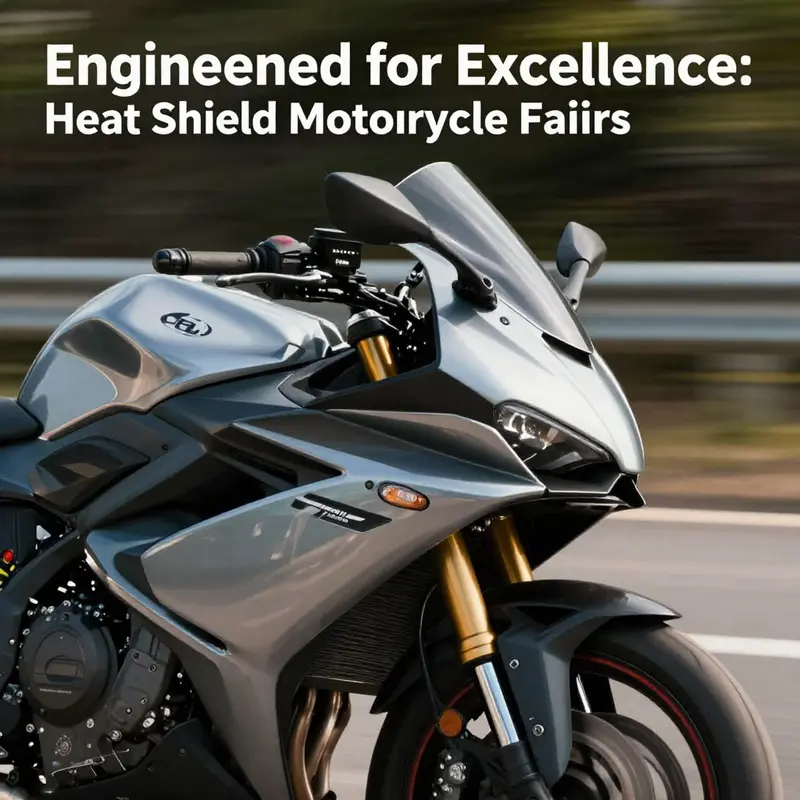
Motorcycles are marvels of engineering, balancing power, speed, and design. A crucial component enhancing their performance and longevity is the heat shield motorcycle fairing. These protective barriers not only safeguard the motorcycle’s bodywork from detrimental engine and exhaust heat but also contribute to improved safety and aesthetics. As business owners in the motorcycle industry, understanding the materials, installation techniques, and broader applications of heat shields is vital. This comprehensive article delves into the thermal resistance and durability of these components, effective installation methods for manufacturers and aftermarket solutions alike, and explores how their technology extends beyond motorcycles into various industrial and automotive contexts.
The Science Behind Motorcycle Fairing Heat Shields: Exploring Thermal Resistance and Durability
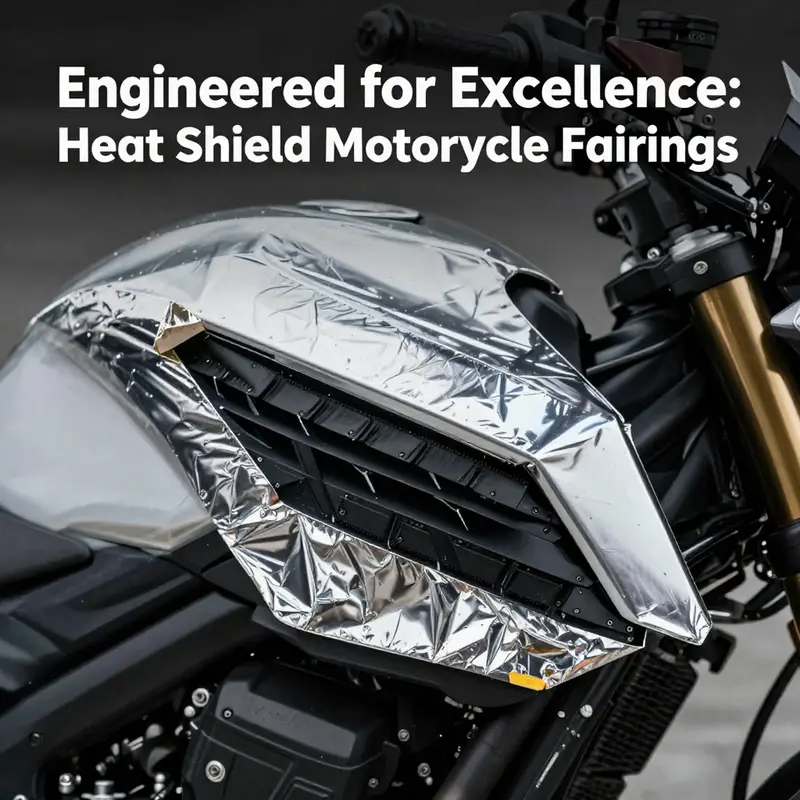
Motorcycle fairings serve multiple purposes, from enhancing aerodynamics to providing protection from wind and debris. However, amidst these functions lies a crucial component: the heat shield. This innovative feature, designed specifically to protect body panels and sensitive electronic systems from extreme engine and exhaust heat, relies heavily on advanced materials that exhibit superior thermal resistance and durability. Understanding these properties is essential for anyone invested in the performance and longevity of their motorcycle.
At the heart of effective motorcycle fairing heat shields are materials engineered to withstand impressive temperature ranges while maintaining structural integrity. Aluminum has long been favored in this realm, not only for its lightweight nature but also for its excellent heat conductivity. Unlike other metals that may deform or degrade under high temperatures, aluminum maintains its properties, effectively insulating surrounding areas from the hotter components of the motorcycle. Such performance is vital, particularly in high-performance motorcycles where engine temperatures can soar.
Incorporating a blend of polymeric fibers and aluminum foil, aluminized heat shield pads have emerged as an innovative solution, exemplifying the remarkable advances in thermal management technology. Designed with a thickness of approximately 5mm, these pads capitalize on aluminum’s reflective properties while the fibrous composition offers enhanced thermal protection that can efficiently handle temperatures exceeding 1000°F (538°C). This makes them ideal not only for racing applications but also for riders who demand superior performance from their machines.
But what is durability without the ability to resist wear and tear? Motorcycles are undoubtedly subject to harsh conditions, from road debris to adverse weather, making durability paramount in a heat shield’s design. This is where the combination of fiberglass and ABS plastic comes into play. Fiberglass, known for its rigidity and cost-effectiveness, offers moderate heat resistance and retains a robust structural integrity, making it a popular choice for fairings. The design often incorporates a balsa wood core to reinforce the fiberglass, enhancing strength without significantly increasing weight. Such a design empowers the motorcycle to stand up against the rigors of real-world riding while providing essential protection against heat.
On the other hand, ABS plastic has gained traction as another reliable option due to its impressive impact resistance and shape retention under thermal stress. This material is often chosen for factory-fitted and aftermarket fairings, achieving a balance between lightweight design and resilience. Its unique properties allow it to absorb shocks and withstand heat cycling without warping or losing structural integrity, ensuring that it maintains the protective capabilities essential for performance and safety over time.
An additional layer of complexity arises when one considers the variety of applications beyond just motorcycles. The technologies and materials utilized in heat shield fairings have extended into many sectors, including automotive, aerospace, and industrial machinery. The principles of heat management that protect motorcycles serve similar roles in these areas, illustrating a broader trend toward innovation in material science. For instance, in automotive under-hood applications, effective heat shields are crucial for protecting electronic components and maintaining performance standards, similar to their function in motorcycles.
As the demands for performance increase—whether it’s on a racetrack or through city streets—so too does the necessity for advanced thermal barrier solutions. Manufacturers are continually researching and developing new composites that provide higher levels of thermal resistance while maintaining durability, fusibility, and lightweight characteristics. Such innovations are critical as motorcycles not only embark on longer and faster journeys but also incorporate increasingly sophisticated technology integrated into their engines and electrical systems.
Thermal resistance and durability merge into an intricate narrative defining modern motorcycle technology. By combining materials such as aluminum with composites like fiberglass and ABS plastic, manufacturers can create heat shields that provide robust protection against heat while ensuring that vital components retain their functionality and safety. The innovative designs reflect a synthesis of engineering prowess and material science, showcasing a commitment to both performance and rider safety.
It is evident that the future of motorcycle fairing heat shields will continue to evolve alongside advancements in technology. The need for lightweight, heat-resistant materials will guide the direction of research and development efforts, promising exciting new possibilities for heat management in motorcycle design. As the motorcycle industry thrives on innovation and performance optimization, these protective components will remain at the forefront of engineering achievements.
In summary, the effectiveness of heat shield fairings in motorcycles hinges on the harmonious interplay of thermal resistance and durability provided through thoughtfully chosen materials. Aluminum’s high thermal conductivity, combined with the resiliency of fiberglass and ABS plastic, illustrates the thoughtfulness that goes into these safety features. Riders can rest assured that, as they hit the open road, the innovative materials protecting their machines will stand up to the intense heat generated by performance engines, ultimately contributing to safer and more enjoyable riding experiences.
For those looking to explore more about motorcycle fairings and how they can enhance your bike’s performance, consider checking out resources on motorcycle fairing options.
Mastering the Installation of Heat Shield Motorcycle Fairing: Techniques and Best Practices
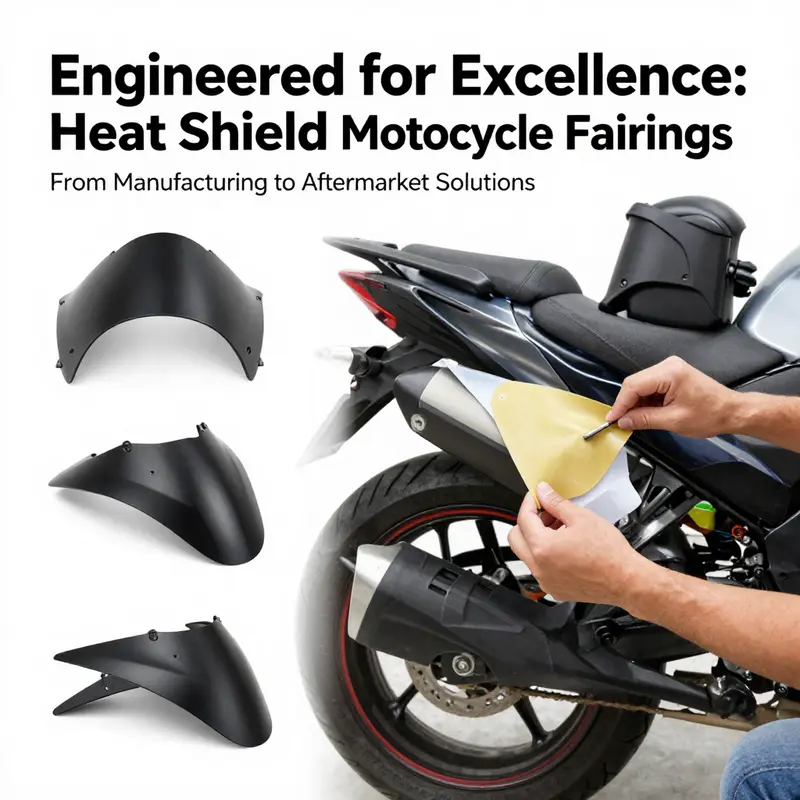
When it comes to enhancing the longevity and performance of motorcycle fairings, the installation of a heat shield is paramount. This protective barrier not only protects the aesthetic integrity of the bike but also safeguards its core functionality against the extreme temperatures generated by the engine and exhaust systems. As we delve into the mechanisms of integration, it’s essential to explore both the manufacturing techniques and the nuances of aftermarket installation methods that come into play.
Manufacturing Techniques: Building Thermal Resilience
The journey of a heat shield motorcycle fairing begins at the manufacturing phase, where the selection and engineering of materials are critical. High-temperature resistant composites and metals, particularly aluminum alloys, are favored for their durability and thermal resistance. The crafting process involves advanced techniques tailored to achieve remarkable quality and longevity.
One of the most common methods used is molding. Modern manufacturing plants employ vacuum bagging or resin transfer molding to create uniform components, ensuring that every fairing can withstand the rigors of high-performance environments. The choice of materials is backed by rigorous testing and engineering principles designed to maximize strength while minimizing weight. For instance, a foil-coated fiberglass core is often utilized, combining an aluminized outer layer for radiant heat reflection with a robust fiberglass component that acts as an insulating base.
This creates a multi-layered composite structure capable of withstanding temperatures up to 2000°F (approximately 1093°C), allowing it to function efficiently in both racing applications and everyday use. As the motorcycle industry grows more competitive, the demand for innovative thermal solutions propels ongoing advancements in materials and fabrication techniques.
Aftermarket Installations: Customizing for Compatibility and Performance
Transitioning from manufacturing to aftermarket solutions, the emphasis shifts to compatibility and ease of integration. Many motorcycle enthusiasts look for high-performance options that do not sacrifice the integrity of their machine while enhancing its capabilities. Aftermarket heat shield installation must consider several critical aspects to ensure optimal functionality:
Installation Guides
Often, manufacturers provide comprehensive installation guides tailored for specific motorcycle models, like those custom-designed for the renowned Indian Chieftain. These guides simplify the installation process by yielding step-by-step instructions that explain how to properly affix the heat shield to the fairing. Most kits are tailored to include the necessary mounting hardware and support brackets, minimizing the need for additional modifications.
Components of Aftermarket Kits
A well-structured aftermarket kit might also incorporate thermal insulation layers and reflective coatings to optimize heat dissipation. These enhancements can provide even greater protection against excessive thermal exposure, ensuring that the performance of both the motorcycle fairing and surrounding components remains consistent over time.
Alignment and Fastening
Critical to the success of any aftermarket installation is the proper alignment of the heat shield during installation. Incorrect placements can lead to vibration-related damage, compromising the effectiveness of the shield and potential performance inaccuracies while riding. Secure fastening methods are essential, as they guarantee that the heat shield remains in place under the rigors of acceleration and deceleration.
Best Practices: Ensuring Safety and Longevity
To achieve maximum effectiveness from a heat shield motorcycle fairing, adhering to a set of best practices while executing the installation plays a crucial role. First, it is vital to follow the manufacturer’s guidelines meticulously; each model will have slightly different requirements that could affect overall fit and performance. Using only certified components will enhance safety margins, ensuring that the installations are not only effective but also aligned with industry standards.
Informative resources provided by manufacturers, such as those from Indian Motorcycle Manuals, serve as valuable references for the installation process. These manuals directly guide users through the procedures, emphasizing the significance of each step in maintaining the motorcycle’s integrity.
Conclusion: Combining Techniques for the Ideal Installation
Ultimately, the installation of heat shield motorcycle fairings blends precision and personalization, taking into account the specific needs of each motorcycle type while leveraging advanced engineering methods developed through years of innovation and experience. The techniques established during manufacturing ensure robustness and durability, while aftermarket solutions offer customization and flexibility, driving home the importance of a tailored approach.
The heat shield stands as an essential component within the broader ecosystem of modern motorcycle engineering, designed to withstand the most critical thermal challenges, and proves its necessity in maximizing both safety and performance for every rider.
Harnessing Heat Shield Technology: Transforming Thermal Management Across Industries
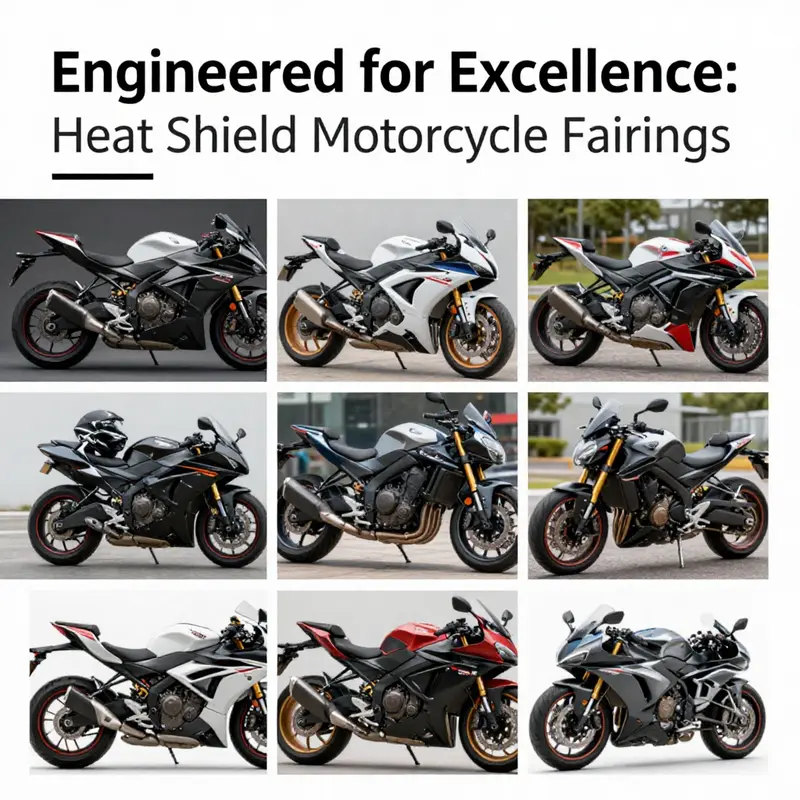
The journey of heat shield motorcycle fairing technology exemplifies a remarkable evolution in engineering, initially crafted for the protection of motorcycles, yet finding its way into diverse industrial and automotive applications. This chapter delves deeper into how the principles underlying motorcycle heat shields—advanced thermal barrier materials managing and redirecting high-temperature exhaust gases—are being adapted across sectors where effective thermal management is crucial.
The automotive industry stands at the forefront of this transformation. As performance demands escalate and environmental regulations become more stringent, vehicles—both internal combustion engine (ICE) and electric—require advanced thermal solutions. In ICE vehicles, heat shield fairings are being ingeniously integrated into engine bay components to protect vital electronics, wiring harnesses, and plastic parts from excessive heat exposure. The temperature differentials within engine compartments can reach intolerable levels; therefore, shielding sensitive components is paramount for maintaining the vehicle’s reliability and safety. Companies are recognizing the need for such thermal protection as not merely an accessory but as a necessity, instilling confidence in drivers about vehicle performance under rigorous conditions.
Electric vehicles (EVs) present a unique set of challenges and opportunities for heat shield technology. The power electronics and battery packs in EVs generate significant heat during operation. To mitigate risks associated with overheating, manufacturers are adopting heat shielding concepts reminiscent of those found in motorcycle fairings. Leading automotive brands like Tesla and BMW have incorporated thermal protection layers around their battery enclosures, showcasing a commitment to safety and longevity of vehicle life spans. This evolution illustrates not only technological advancement but also a growing awareness of the indispensable nature of heat management in modern automobile design.
Expanding beyond motorcycles and automobiles, the industrial sector has embraced these developments with equal fervor. In manufacturing and energy sectors, high-temperature environments—such as near furnaces or combustion engines in generators—require robust thermal solutions. Heat shield fairings crafted from lightweight yet durable composites, such as ABS with embedded ceramic or reflective coatings, serve to protect control panels, sensors, and structural components from thermal degradation. This protective measure supports operational efficiency, significantly reducing downtime for maintenance or repairs while ensuring that electronic systems continue to function optimally.
The modular design advantages of heat shield technology are particularly commendable. Products like the professional-grade pre-heat shield motorcycle ABS fairing heat shield highlight how scalable technology can adapt to existing infrastructure. The self-adhesive installation features enable easy application to various surfaces, making the technology suitable for not only motorcycles and automobiles but also HVAC systems, industrial ovens, and even aerospace components. These attributes are invaluable in operations where minimizing weight while maximizing thermal resistance is paramount.
Furthermore, the adaptability of this technology reinforces its relevance across multiple sectors. Modular designs allow manufacturers to innovate continually, integrating heat shields as part of their emerging product lines without extensive redesign efforts. This versatility not only enhances product functionality but also encourages sustainability by extending the service life of adjacent components, thus contributing to an overall reduction in environmental impact.
The evolution of heat shield motorcycle fairing technology reflects broader trends in engineering where safety, efficiency, and performance must coexist harmoniously. Cross-industry applications of motorcycle heat shield technology are expanding the horizons for manufacturers dedicated to novelty and excellence, ensuring that high-performance standards are upheld whether on two wheels or the factory floor. As technology continues to advance, innovations in materials science will further revolutionize our approach to thermal management, setting new benchmarks for performance and safety across various fields. Technologies developed for motorcycles now pave the way for enhanced performance ecosystems in vehicles and machinery where precision and safety are essential.
This journey from motorcycle protection to industrial utility underlines an important narrative: that innovation is not just about creating something new, but rather about adapting existing solutions to fulfill emerging needs. Heat shield technology, initially a safeguard for riders and their machines, is now becoming a cornerstone of safe and efficient thermal management across industries. Those interested in exploring even deeper technical specifications and case studies relating to the adaptation of motorcycle heat shield technology can find valuable insights in resources dedicated to thermal management systems. More details can be found in the following study: Thermal Management in Automotive and Industrial Systems.
The expansion of heat shield motorcycle fairing technology into various industrial and automotive applications serves as a testament to the lasting influence of material innovation and design ingenuity. As industries continue to demand more sophisticated thermal management solutions, the legacy of motorcycle heat shields will undoubtedly play a vital role in the future of performance technology.
Final thoughts
Heat shield motorcycle fairings are indispensable in modern motorcycle design, combining advanced material properties with effective installation techniques to protect against harmful heat. The insights gained into their thermal resistance and durability can empower business owners to make informed decisions, ensuring both performance and safety standards are met or exceeded. Furthermore, understanding the broader applications of these heat shields highlights their importance beyond motorcycles, underscoring the advancements in thermal management technology across various industries. Embracing these innovations will not only enhance your product offerings but also position your business as a leader in the field.
undefined
About us
undefined