
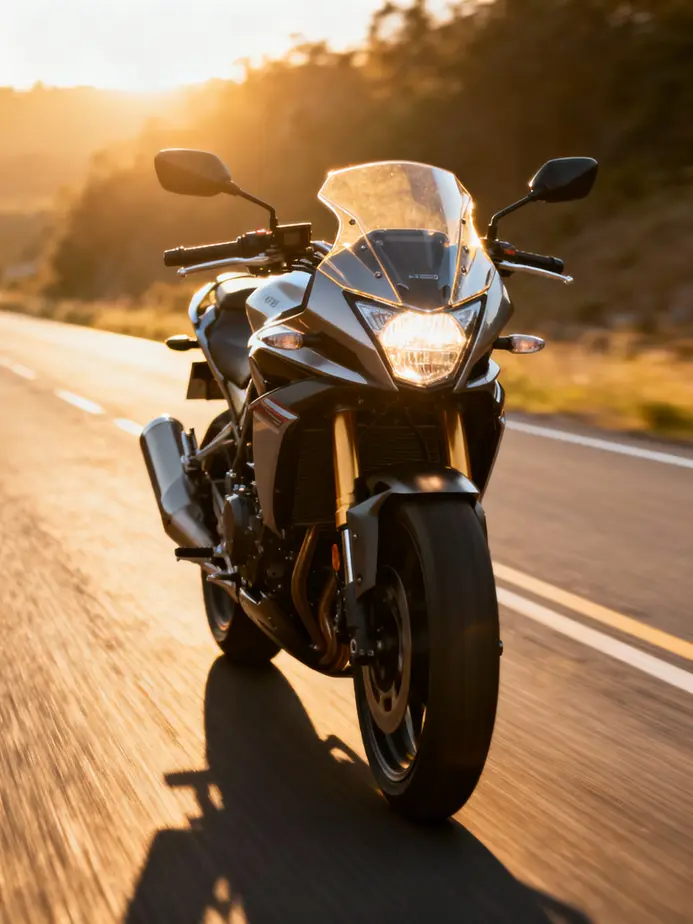
Introduction
Headlight fairings serve a fundamental role in enhancing motorcycle performance by improving aerodynamics and providing rider protection. In the world of motorcycling, achieving higher speed and stability often intertwines with the design and integration of various components. Among these, the headlight fairing stands out for its unique ability to blend functionality with style. This article explores the nuances of headlight fairings, delving into their aerodynamic advantages, construction materials, and compatibility options. Understanding these elements equips business owners and motorcycle enthusiasts with the knowledge to make informed decisions regarding upgrades and customizations that can significantly enhance a bike’s performance.
Tables of Contents
Chapter 1: Unleashing the Wind: How Headlight Fairings Transform Motorcycle Aerodynamics
- The Paradox of Protection: Aerodynamic Fairings and Their Dual Role in Enhancing Riding Comfort and Stability
Chapter 2: Precision Engineering: The Role of Design and Materials in Motorcycle Headlight Fairings
- Aerodynamic Innovation: Design and Material Choices for Enhanced Motorcycle Performance
Chapter 3: Mastering Motorcycle Headlight Fairings: The Role of Material Science
- Essential Materials and Their Longevity in Motorcycle Headlight Fairings
Chapter 1: Unleashing the Wind: How Headlight Fairings Transform Motorcycle Aerodynamics
1. The Paradox of Protection: Aerodynamic Fairings and Their Dual Role in Enhancing Riding Comfort and Stability
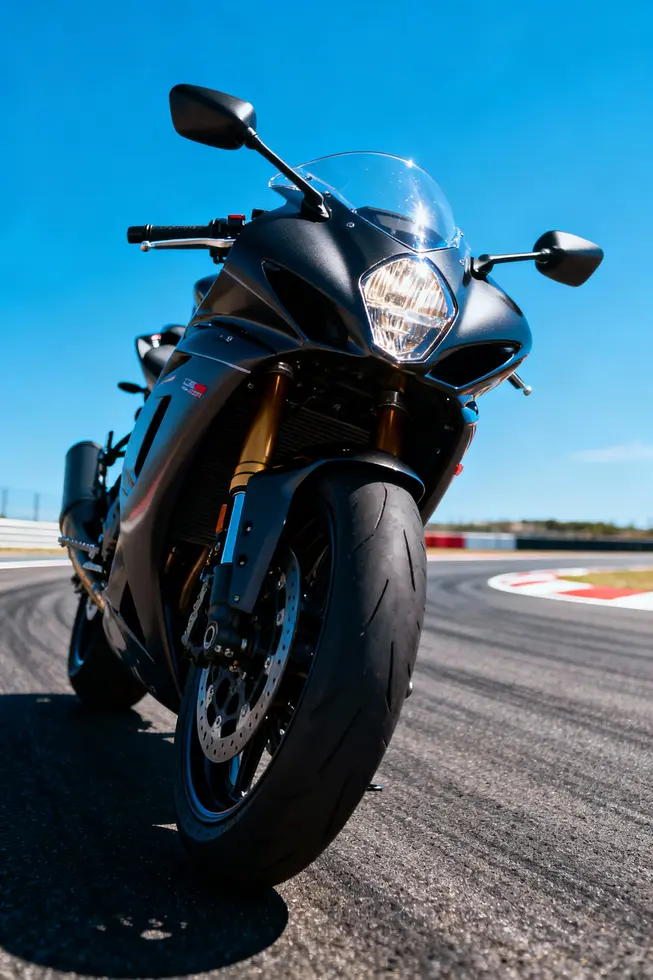
Headlight fairings are more than just sleek aesthetic additions to motorcycles; they are crucial components that significantly enhance aerodynamics and rider experience. Their design focuses not only on beauty but also on function, aiming to reduce drag, improve stability, and provide a protective barrier that enhances rider comfort during journeys of varying lengths. When one considers the relationship between the fairing’s aerodynamic properties and its effects on rider experience, an intricate connection emerges, illustrating how these components transform the riding landscape.
As riders venture out on the open road, they encounter various aerodynamic challenges that can impact both performance and comfort. One of the primary roles of headlight fairings is to mitigate the often-turbulent airflow experienced at speed. Windblast can contribute to fatigue over time, and a well-designed fairing redirects the wind, creating a more neutral environment for the rider. This not only alleviates discomfort but can also enhance the rider’s concentration, allowing them to focus more on the ride itself rather than fighting against the elements. Adept airflow management is vital for the rider’s physical well-being, especially on long-distance rides.
The aerodynamic design of these fairings also provides a marked improvement in fuel efficiency, which is crucial for long journeys where refueling opportunities may be sparse. Aerodynamic enhancements can yield fuel economy improvements of up to 10%, effectively allowing riders to travel further on a single tank. This reduction in energy expenditure during rides not only contributes positively to the overall riding experience but simultaneously reduces the frequency of stops at gas stations, allowing for a more seamless and enjoyable trip.
Moreover, headlight fairings serve as a shield against adverse weather conditions. By blocking rain, sleet, or harsh wind, fairings not only keep the rider dry but also improve visibility. Therefore, the design plays a pivotal role in enhancing safety through better visibility in inclement weather conditions. The peace of mind that comes from added protection also amplifies the rider’s comfort level, encouraging longer rides in various conditions without the apprehension of being exposed to the elements.
From a stability standpoint, the aerodynamic benefits of headlight fairings are paramount. They work to minimize aerodynamic drag, which can have substantial effects on a motorcycle’s handling. At high speeds, even slight imbalances can lead to instability, where the motorcycle feels twitchy or unmanageable. The fairing assists in keeping the motorcycle’s body stable, allowing riders to maintain control and making transitions through turns feel smoother, even at high velocities.
The design intricacies of headlight fairings also help manage airflow around the front end of the bike. Properly engineered fairings can prevent front-end wobble—a common issue experienced by riders when encountering wind gusts or turbulence, especially near large vehicles. By isolating the impact of crosswinds and steering these forces away from the rider, the fairing enhances the motorcycle’s overall responsiveness, ensuring that handling remains firm and secure regardless of external influences.
Variations in headlight fairing design cater to different motorcycle types and riding styles. For instance, Batwing fairings, popular among touring models, aim to reshape airflow completely around the rider, significantly minimizing turbulence. Such designs are particularly beneficial for those who undertake extensive cross-country trips. On the other hand, sportbike winglets and spoilers, which are strategically positioned around the headlight area, enhance performance at highway speeds without necessitating the full investment of a complete fairing system. These designs exemplify how targeted aerodynamic interventions can provide specific benefits tailored to a rider’s needs.
However, while the advantages of headlight fairings are substantial, considerations must be taken into account. The added weight of these components can sometimes introduce challenges for riders, especially in terms of low-speed handling. Heavier components can make maneuverability more cumbersome, particularly in urban settings where precise handling is essential. Riders must therefore find a balance that aims for aerodynamic efficiency while considering the trade-offs associated with increased weight.
Moreover, the design of the fairing must ensure optimal airflow to prevent overheating, particularly of the engine components. Poor venting could lead to excess heat buildup, negatively impacting performance. Therefore, the design and placement of headlight fairings must be meticulously refined to facilitate both cooling and aerodynamic benefits.
Research surrounding the specific impacts of headlight fairings often lean towards general motorcycle fairing studies rather than focusing solely on the headlight aspect. However, existing studies indicate promising drag reductions, confirming that headlight fairings can play a key role in the overall aerodynamic performance of the motorcycle. The variability of outcomes based on motorcycle models, speeds, and even rider postures highlights the complexity of aerodynamics and the importance of tailored designs.
In summary, headlight fairings encapsulate both form and function, intertwining aesthetics with significant enhancements in comfort, fuel efficiency, and stability. By reducing wind resistance, protecting against weather, and maintaining control in various riding conditions, these components enrich the motorcycling experience. As riders seek to minimize fatigue and maximize enjoyment, the importance of a well-crafted headlight fairing becomes unmistakable. With the continuous evolution of motorcycle design and aerodynamics, the possibilities for headlight fairing advancements seem promising, setting the stage for future innovations that will further enhance the biker’s journey, regardless of the road ahead.
Chapter 2: Precision Engineering: The Role of Design and Materials in Motorcycle Headlight Fairings
1. Aerodynamic Innovation: Design and Material Choices for Enhanced Motorcycle Performance
Within the realm of motorcycle design, headlight fairings are not merely aesthetic additions; they are critical components that enhance aerodynamics and improve performance. These structures are engineered to modify airflow, providing protection against drag while offering aesthetic appeal that melds seamlessly into the overall look of the motorcycle. A well-designed headlight fairing can significantly enhance both the rider’s experience and the bike’s capabilities, especially at higher speeds where aerodynamics become paramount. Thus, understanding the intricate interplay between design elements and material selection is essential for optimizing performance and aesthetics in motorcycle headlight fairings.
The design of headlight fairings has evolved significantly from simple protective covers to sophisticated aerodynamic structures that incorporate smooth contours, integrated winglets, and feature innovative profiles tested in wind tunnels. This attention to form and function enhances not only drag reduction but also contributes to improved ride stability and rider comfort, particularly when cruising at speeds over 40 miles per hour. The integration of these fairings requires a careful balance of features, including the alignment of the headlight, airflow management, and structural integrity to ensure that no safety features or visual aesthetics are compromised.
Sculpting Airflow: Design Innovations in Headlight Fairings
Central to the effectiveness of headlight fairings is their design. Modern fairings are typically characterized by sleek shapes that serve to direct airflow efficiently. This involves using smooth contours to minimize turbulence, which is crucial at high speeds. The incorporation of deflectors can help in channeling the air in a manner that reduces drag on other components of the motorcycle, promoting overall efficiency.
For instance, winglets or spoilers have found a place in the design of many sport bikes, such as the Aprilia RS 660 and Kawasaki ZX4RR. These elements help stabilize the motorcycle by redirecting airflow to reduce front-end lift, thus enhancing high-speed stability. The strategic placement of these features is notably important; they must integrate seamlessly into the headlight design without obstructing necessary functions like signals or sensors.
Moreover, the entire fairing assembly must match the motorcycle’s frame geometry precisely. Ensuring compatibility with the bike’s model and year is vital because misalignment can lead to inadequate performance and may interfere with essential components such as the headlight itself. Fairings that extend fully from the headlight to the belly pan optimize the aerodynamic benefits more effectively than those that only cover the headlight, as they create a continuous flow of air over the entire structure, bolstering stability at speed.
Material Science: Choices for Optimal Performance
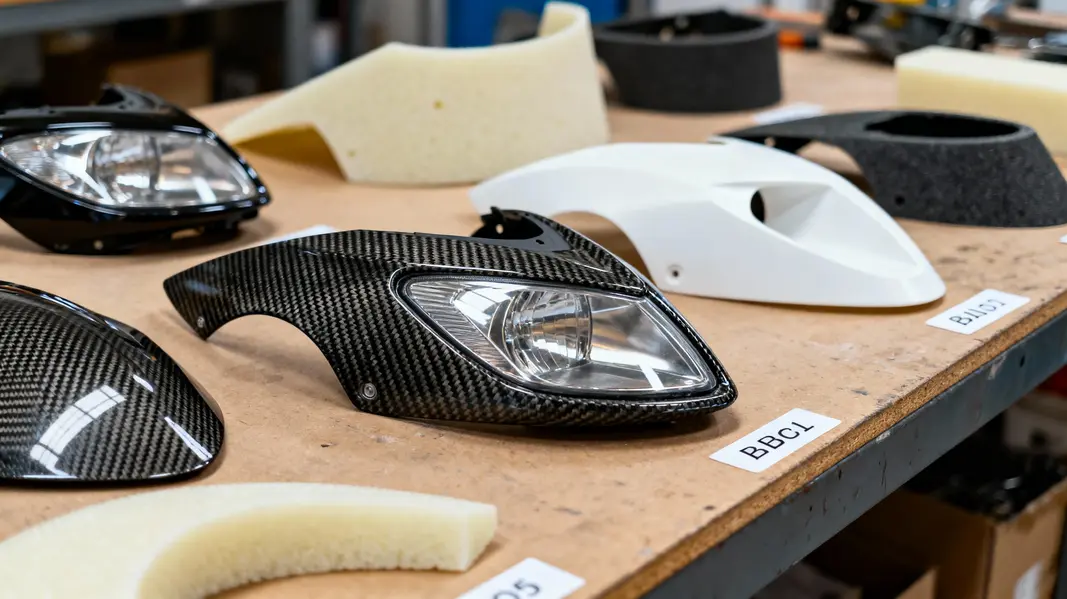
Equally critical to the design process is material selection—each material brings unique advantages and limitations that directly impact aerodynamic performance. ABS plastic, a favored choice for many manufacturers, is known for its durability and cost-effectiveness. It can be molded into aerodynamic shapes that are not only functional but also visually appealing. Additionally, ABS plastic can withstand the rigors of daily use, making it ideal for those who ride frequently, although it is comparatively heavier than advanced materials like carbon fiber.
On the opposite end of the spectrum, carbon fiber stands out as a premium option owing to its high strength-to-weight ratio, which is essential for racing and high-performance models. The lightweight nature of carbon fiber reduces the total weight substantially, thereby improving acceleration and handling. However, one must weigh these advantages against its cost—often exceeding $800 per set—and its vulnerability to UV damage, making protective coatings necessary to prevent degradation.
Fiberglass is another contender in the material space, offering a balance between ABS and carbon fiber. It provides lightweight properties that can enhance performance while being more durable than you might expect. Fiberglass is less likely to crack under impact compared to carbon fiber, thus proving to be a worthwhile investment for some riders. Each of these materials requires thoughtful application based on the desired performance and budget to produce headlight fairings that excel in functionality.
The Air Dynamics in Motion: Practical Implications
The aerodynamic advantages of utilizing well-designed headlight fairings manifest in practical scenarios—especially at sustained speeds. As a motorcycle reaches cruising velocity, the pressure differential created between the front and rear of the motorcycle can lead to instability if not managed correctly. Headlight fairings play a pivotal role in smoothing out these pressure waves. The reduction of drag not only enhances fuel economy but also decreases rider fatigue during long journeys by removing the burden of wind resistance that would otherwise tire out the rider.
Moreover, engagement with the motorcycle’s cooling system through thoughtful design is crucial. Many fairings incorporate built-in vents strategically placed to direct airflow toward the engine and radiator, which aids in cooling and prevents overheating. This ensures that performance remains consistent and reliable, even under challenging conditions.
Despite the advantages that fairings provide, there are certain safeguards that must be observed. Regular checks post-installation are recommended to ensure that the fairing is securely fitted and has not experienced any shifts or detachment during use. Variants such as half fairings can facilitate better access for maintenance while still managing airflow credibly, although they may expose some parts of the engine that full fairings would cover.
Navigating Safety and Performance Trade-offs
In the quest for optimal design, safety must never be an afterthought. Defective installations or poorly designed fairings can lead to obstructions of essential elements such as lights and sensors, creating dangerous scenarios for both the rider and others on the road. Therefore, ensuring that the design adheres strictly to model specifications is paramount.
Additionally, it’s imperative to conduct initial speed tests in low-traffic environments to verify performance and safety post-installation. This critical step can help identify potential issues such as air blockage or misalignment of components before venturing onto busy roads.
The journey to crafting an ideal headlight fairing is one of meticulous design and material innovation. By combining cutting-edge design elements with high-performance materials, motorcycle manufacturers can create headlight fairings that not only enhance aerodynamics but also provide an integrated look that satisfies both functionality and visual appeal. This understanding of performance engineering will assure that riders can traverse their terrain with confidence, enjoying smoother rides and improved control while benefiting from the aesthetic touch provided by these essential motorcycle components.
Chapter 3: Mastering Motorcycle Headlight Fairings: The Role of Material Science

1. Essential Materials and Their Longevity in Motorcycle Headlight Fairings
The headlight fairing on a motorcycle serves not only as an aesthetic flourish but also plays a critical role in enhancing performance and safety. This essential component, integrating seamlessly with the motorcycle’s design, influences aerodynamics, reduces drag, and protects sensitive lighting systems from road hazards. The choice of materials in constructing headlight fairings is pivotal, affecting not only the durability of the fairing itself but also the motorcycle’s performance under various riding conditions.
Manufacturers typically select materials based on a balance of weight, strength, cost, and environmental resistance. While plastics, composites, and metals each offer distinct advantages, the choice depends on specific applications, rider preferences, and the intended use of the motorcycle.
Materials Overview
Plastic materials are a staple in the construction of motorcycle headlight fairings. Among them, Acrylonitrile Butadiene Styrene (ABS) stands out for its combination of toughness and affordability, making it the go-to choice for everyday riders. ABS is lightweight, resistant to impact, and relatively easy to mold, allowing manufacturers to achieve complex shapes suitable for modern motorcycle aesthetics. Furthermore, under normal conditions, ABS can have a lifespan ranging between four to six years, depending on exposure to elements and usage patterns. In higher-end applications or where maximum impact resistance is a priority, Polycarbonate (PC) is often selected due to its superior impact resistance and optical clarity. These features make it an ideal candidate for sporty fairing designs where visibility and durability are critical, albeit at a higher price point.
Fiber-Reinforced Composites
On the performance side, composites such as Glass Fiber Reinforced Polymer (GFRP) and Carbon Fiber Reinforced Polymer (CFRP) provide unique benefits. GFRP, while lightweight and reasonably priced, can be prone to cracking under significant impact but offers a good strength-to-weight ratio, making it suitable for aftermarket fairings and custom designs. Its lifespan can extend to five to eight years with appropriate maintenance, such as keeping it free from excessive moisture and UV exposure. In contrast, CFRP represents the pinnacle of material science in motorcycle fairings. It delivers exceptional strength coupled with lightness, preferred in racing and high-performance motorcycles for its rigidity. However, the cost of CFRP can be prohibitive, ranging anywhere from six hundred dollars to over two thousand dollars per set. Notably, CFRP requires UV protection to combat degradation from sunlight, impacting its longevity and appearance over time.
Metal Utilization
While not the primary choice due to weight considerations, it’s essential to mention the use of metals like aluminum and stainless steel in motorcycle fairings. Aluminum, known for its corrosion resistance and lightweight properties, finds a place in premium motorcycle design. This metal allows for both aesthetic appeal and structural integrity, thereby enhancing the overall motorcycle performance. Stainless steel, while durable and resistant to rust, is heavier and typically reserved for specific applications that necessitate enhanced structural requirements.
Durability Factors
Understanding the durability of headlight fairings goes beyond merely the choice of materials; it also encompasses various factors that impact longevity. Environmental exposure is significant, with UV radiation being particularly damaging for plastics. Over time, prolonged exposure to sunlight can lead to yellowing, brittleness, and overall degradation of the material. Meanwhile, temperature fluctuations can cause materials to expand or contract, which may weaken joints and structural integrity, particularly in composite materials. It is not uncommon for riders to observe cracks or warping due to inaccurate installation or environmental factors affecting fairing performance.
Mechanical Stress and Coatings
Fairings are also subject to mechanical stress from vibrational forces and potential impacts. During normal operation, a motorcycle experiences constant vibrations that can weaken material bonds over time, particularly in fairings constructed from materials like fiberglass and carbon fiber. As a result, it’s crucial for manufacturers to ensure that their designs account for anticipated stresses. Furthermore, the introduction of coatings can significantly enhance the durability of headlight fairings. Applying UV coatings, for example, protects against sunlight-induced damage to plastics and can extend the lifespan considerably. High-quality paints not only contribute to aesthetics but also provide an extra layer of defense against scratches and impacts that can compromise the fairing’s integrity.
Testing and Industry Standards
In the realm of material selection, rigorous testing methodologies have been developed to gauge performance and durability. Impact tests, such as those outlined by ASTM D256, evaluate how materials absorb energy during collisions, an essential characteristic to ensure rider safety. Similarly, weathering tests simulate prolonged exposure to elements, helping manufacturers develop fairings that can withstand years of use while retaining their structural integrity. These tests emphasize that materials used in fairing construction must not only be lightweight and aesthetically pleasing but must also meet necessary safety standards to protect riders on the road.
Choosing the Right Material
Ultimately, the right material for a headlight fairing will depend upon the motorcycle’s intended use for the rider—whether it’s for daily commuting, thrill-seeking racing, or casual weekend rides. For everyday use, ABS and PC provide excellent options that balance cost and performance, with industry-leading manufacturers creating fairings tailored specifically to popular motorcycle models. For riders seeking performance enhancements while effectively reducing weight, composites such as GFRP and CFRP will offer exceptional properties that cater to their needs, even if the price point is considerably higher. In custom builds, where aesthetics meet performance, riders often opt for a mix of these materials to achieve a unique look that still provides high levels of protection and aerodynamics.
In this essential analysis of materials, the durability of headlight fairings emerges as a critical factor influencing not only the longevity of the component itself but also the overall riding experience. By taking into account the myriad of factors from environmental conditions to mechanical stresses, one can appreciate the importance of informed material selection. Embracing advanced materials science in the construction of headlight fairings paves the way for enhanced safety and performance, ensuring motorcyclists receive the best protection possible during their rides. As advancements in material technology continue to evolve, the motorcycle industry stands on the brink of new possibilities, setting the stage for future innovations that will undoubtedly enhance the riding experience for enthusiasts around the globe.
For those looking to integrate headlight fairings into their motorcycles or seek customized solutions that highlight performance while maintaining aesthetic integrity, a vast choice of materials is readily available. Each offers unique properties capable of fulfilling specific rider needs, and as manufacturers optimize designs to leverage these enhancements, the motorcycle landscape will continue to flourish with creativity and technology.
Final thoughts
Understanding the intricacies of headlight fairings reveals their indispensable role in motorcycle design and functionality. Beyond merely housing the headlight, these components greatly influence aerodynamics, safety, and overall riding experience. As business owners, recognizing the benefits of diverse materials and ensuring compatibility with accessories can enhance customer satisfaction, engagement, and loyalty. Selecting the right headlight fairing not only upgrades the aesthetics of a motorcycle but also significantly contributes to performance and rider safety, making it a pivotal investment for enthusiasts.
Upgrade your ride with UltimateMotorX’s premium motorcycle fairings—durably crafted, precision-fitted, and stylish. Meeting OEM standards for easy installation, our collection suits upgrades or replacements. Shop now for fast shipping, secure checkout, and expert support. Give your bike the ultimate quality it deserves!
About us
At UltimateMotorX, we’re rider-founded experts in top-tier motorcycle fairings. We source premium materials, partnering with trusted manufacturers for perfect fits and durability. Enjoy expert advice, hassle-free returns, and seamless shopping. Ride with confidence—style and quality guaranteed!