
Introduction
Harley-Davidson motorcycle fairings represent a dynamic aftermarket category that blends wind protection, aerodynamics, and distinct styling. For business owners in motorcycle retail, service, and customization, fairings open opportunities beyond basic parts—enabling upsells on installation, color matching, and accessory packages that include windshields, deflectors, audio systems, and mounting kits. The typical fairing lineup covers Batwing, full front, quarter, and slimline styles, with Road Glide configurations offering additional space for audio and electronics. These components are designed to fit a broad range of models—from Road King and touring variants to FX Softail, Dyna, and Sportster families—creating multiple revenue touchpoints through compatibility services and branding customizations. The market also features color-matched and raw finishes to support quick turnarounds or fully customized paint jobs. Knowledge of fitment, mounting approaches (fork-mounted versus nacelle-mounted), and installation considerations is essential for delivering reliable, OEM-like results for customers who demand both protection and style. The following chapters explore common fairing types, model compatibility, aftermarket options, wind-optimized configurations, and practical sourcing strategies—providing business-ready insights to expand your product mix, reduce return risk, and improve customer satisfaction across Harley-Davidson platforms.
Tables of Contents
Chapter 1: Harley-Davidson Fairings: Engineering Wind, Style, and Performance Across the Touring Line
- Harley-Davidson Motorcycle Fairings: Common Types and Features Reimagined through Design, Materials, and Aerodynamics
Chapter 1: Harley-Davidson Fairings: Engineering Wind, Style, and Performance Across the Touring Line
1. Harley-Davidson Motorcycle Fairings: Common Types and Features Reimagined through Design, Materials, and Aerodynamics
Fairings on Harley-Davidson motorcycles sit at a crossroads where engineering discipline meets rider personality. They are not mere cosmetic shells; they are carefully sculpted interfaces between machine and environment. The design choices embedded in a fairing—its shape, core materials, mounting philosophy, and integration with electronics—shape how a rider feels at highway speeds, where buffeting can become fatigue, and where quiet cruising or blasting wind into the helmet becomes a matter of preference and comfort. In this subchapter, we examine the common families of fairings that riders encounter, the materials that give them form and resilience, and the aerodynamic logic that underpins performance on long rides and spirited backroad sprints alike. The thread running through these discussions is not just what the fairing looks like, but how its form translates into stability, protection, and the sensory experience of riding.
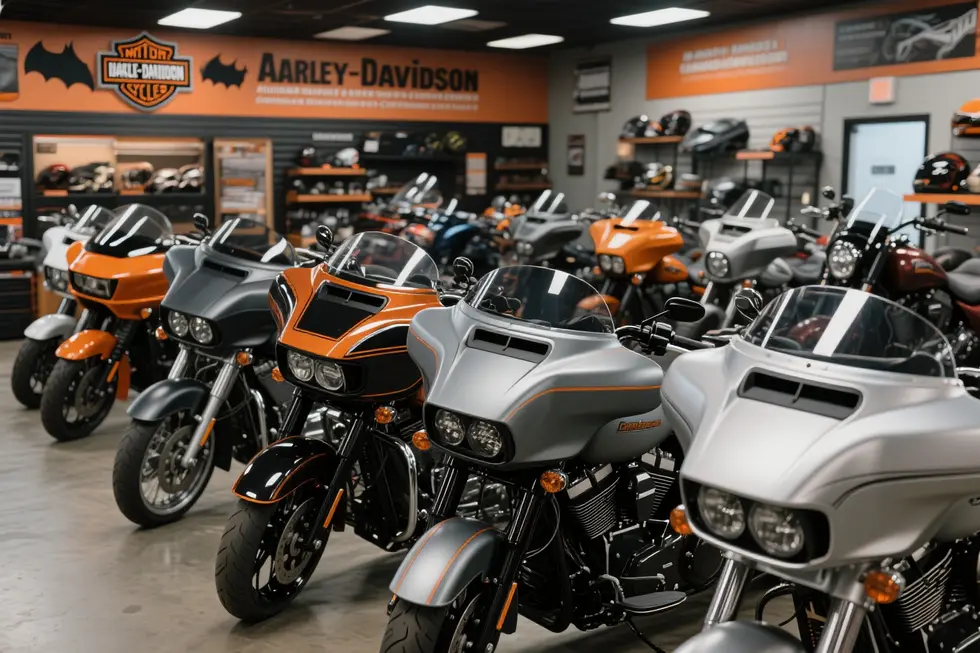
At the broadest level, fairings come in shapes designed to deliver wind shelter while preserving the rider’s control and perception of the road. Among these, a batwing-style silhouette has become a enduring reference point. The batwing’s signature sweep is more than a nostalgic nod to classic cruisers; it is an aerodynamic instrument. Its wide, rounded visage aims to smooth the flow over the rider and the bicycle, reducing abrupt separation of the air near the shoulders and chest. The effect is a more uniform pressure field around the rider’s torso and head, which translates into less fatigue on long journeys and a more predictable handling feel in gusty conditions. In addition, the batwing form often houses or provides attachment points for audio equipment, deflectors, and mounting hardware, which makes it as much a platform for rider experience as it is a shield against the elements.
The material choices behind these fairings are equally telling about their intended use and performance envelope. Many aftermarket batwing designs employ a two-shell approach: an inner structural shell typically rendered in a black textured ABS, and an outer shell fashioned from Lucite or acrylic materials that can be finished to a high gloss or left in a paint-ready state. This combination balances impact resistance, insulation from heat, and a surface that accepts paint and clear coats with a high-class finish. The inner ABS offers stiffness and resilience, while the Lucite outer shell accepts color and provides a polished, showroom-ready exterior. The result is a fairing that can be painted to blend with the bike’s color scheme or left with a raw, primed look for customization. On the OEM side, some fairings rely on aluminum construction for structural components, underscoring a different performance emphasis—strength-to-weight considerations and a clean, lockup interface with the bike’s frame and triple-tree. These material decisions ripple outward, influencing not only aesthetics but also mounting tolerance, vibration damping, and serviceability.
Beyond batwing silhouettes, touring- and full-front designs are purpose-built for maximum wind and weather protection on long highway stretches. These larger facings extend protection forward and downward, enveloping the rider in a more consistent wind envelope. The payoff is a substantial reduction in helmet buffeting and a more comfortable ride at elevated speeds, especially in adverse weather. For riders who crave a more integrated, seamless look, a full-front or touring fairing can align with a deeper windscreen, additional space for speakers or amplifiers, and a clean, uninterrupted front profile that reduces turbulence-generating edges around the headlight area.
Other fairing families strike a balance between protection and aggression. Quarter, low-profile, and slimline configurations present a leaner, more sculpted appearance while still offering shelter from the wind. Their narrower shoulders and tighter radii can contribute to a sportier feel and a lighter overall look, acknowledging that some riders prioritize agility and a reduced frontal area without sacrificing essential wind protection. In the same continuum, a style reminiscent of touring-nacelle configurations offers stability and a broader stance at the front, which can contribute to steadier tracking on rough pavement and at the higher speeds typical of long rides.
Aesthetics and function further converge in versions designed to accommodate modern audio and electronics. Many aftermarket batwing-type fairings are sold with audio-ready options and compatibility with mounting kits that allow for integrated speakers, amplifiers, and deflectors. The mounting approach matters as well: fork-mounted fairings tend to be lighter and more agile, while nacelle-mounted configurations prioritize stability and rigidity at highway speeds. These choices influence not only performance under load but also how the fairing interacts with steering inputs and road imperfections. The installation geometry—the distance from the headlight to the rider’s eye line, the windshield height, and the angle of the fairing’s leading edge—becomes part of an integrated system that shapes airflow, comfort, and even acoustic performance inside the cockpit.
From a materials and finish perspective, the highway experience is also about longevity and visual coherence. The pigments, textures, and surface finishes must withstand sun exposure, temperature swings, and the occasional road grit without compromising the finish. The classic option—painted finishes—allows riders to achieve a color-matched, showroom-like surface that reads as a single extension of the bike’s aesthetics. Raw or primed shells offer a canvas for personal artistry, enabling true custom painter finishes or collaborations with bodywork specialists. The finish choice often signals a broader preference: a desire for plug-and-play simplicity and color coherence, or a willingness to invest in bespoke artistry that makes the bike a moving piece of art.
A key design driver in these fairings is how they influence aerodynamics. The modern approach to shaping embraces computational fluid dynamics (CFD) and wind- tunnel verification to refine the way air swirls around the rider and the bike. The result is a fairing profile that minimizes abrupt separations and reduces helmet buffeting, particularly at sustained highway speeds. CFD-informed adjustments can alter the curvature and leading-edge angles to maximize smoothness of airflow, while preserving the rider’s visibility and instrument readability. In contemporary practice, even incremental adjustments to the nose, cheek panels, or lower edges can shift the drag coefficients and the overall stability of the front end. This is not purely academic: riders feel the difference in steadier steering, reduced rider fatigue, and a more stable line through crosswinds.
A notable aspect of the design conversation is the balance between large protective surfaces and the bike’s overall mass and center of gravity. A larger front fairing can deliver superior wind protection, but it also adds weight and increases the moment about the steering axis. Designers therefore seek optimal mass distribution, not just maximal coverage. The integration strategy sometimes accommodates features like integrated audio, bagger-like storage considerations, or routing pathways for wiring and deflectors. The aim is to retain a clean front profile while delivering practical upgrades in rider comfort and convenience. In real-world riding, this translates into a front-end that feels planted at speed, with a front fascia that merges smoothly into the bike’s lines rather than appearing as an afterthought.
The engineering philosophy behind fairings also includes practicalities of fitment and maintenance. Many aftermarket options require a sequence of mounting kits and windshields for complete installation. The choices of fork-mounted versus nacelle-mounted configurations impact serviceability and alignment over time, especially as components settle or age. The gap tolerances between the fairing and the headlight assembly, the mounting brackets, and the windshield all interact with weather sealing and vibration damping. Each of these factors contributes to a final experience that is as much about durability and ease of maintenance as it is about the initial impression of sleek design. In practical terms, riders should budget time for careful alignment and test rides to ensure that the chosen configuration maintains its intended aerodynamic and aesthetic benefits across a wide range of riding conditions.
A final thread in this discussion concerns compatibility and selection. Fairings are designed to fit a broad family of bikes over many years, reflecting a balance between standardized mounting interfaces and evolving design language. The historical arc includes fairings designed for classic touring platforms as well as more contemporary interpretations that incorporate modern electronics layouts, improved air management, and easier custom paint jobs. Because the design language evolves but often preserves core mounting relationships, many riders find it feasible to upgrade from an older fairing to a newer design without sacrificing fit or performance. However, the variability across years and model families means careful measurement and verification are essential. A practical starting point is to measure the windshield height from the headlight to just below the rider’s sightline, ensuring that airflow over the helmet remains predictable and comfortable. For those who want color-matched finishes or immediate compatibility with existing paint schemes, many suppliers offer a spectrum of painted options or raw shells ready for customization. The objective is to harmonize every element—the shape, the finish, and the installed accessories—into a single disciplined system that enhances wind protection, stability, and rider satisfaction.
If you are considering aftermarket fairing options, an organized catalog can be a helpful reference. It is useful to examine the available silhouette options, the accompanying mounting kits, and the potential space for integrated audio or deflection accessories. The catalog approach allows a rider to compare the lift in wind resistance, the potential for noise reduction, and the ease of installation against the bike’s existing geometry. As with any significant bike accessory, the choice is a negotiation between function, form, and the rider’s personal taste. The best practice is to approach the decision with a clear sense of how much wind protection you need, how you want your bike to present itself, and how much you value upgrade options such as sound systems or deflectors that can reduce turbulence without obstructing your view.
For riders exploring aftermarket options and seeking a practical gateway into a broader array of fairing configurations, the following catalog offers a structured starting point that emphasizes compatibility, finish options, and the ability to tailor the setup to one’s riding style. West End Motorsports fairings catalog. This resource provides a snapshot of the available silhouettes, including larger touring configurations for riders who prioritize maximum wind protection, as well as leaner, sportier silhouettes for riders seeking a more agile front-end experience. The page also highlights color-matching services and the practical note that many fairings require separate mounting hardware and windshields, reinforcing the theme that installation is a project that benefits from thoughtful planning and precise measurement.
In sum, common Harley-Davidson fairing families are defined by a continuum of shapes, materials, and integrated features. The batwing-inspired silhouettes offer broad wind shielding and a classic silhouette, while full-front and touring designs push wind protection to the limit for highway comfort. Slimmer, quarter, and low-profile variants bring a sportier bite to the front end, and nacelle- or fork-mounted installations illustrate the practical spectrum of mounting philosophies. Materials—ranging from ABS and Lucite to cast aluminum—underpin a balance between protection, finish quality, and modularity for accessories. Aerodynamics—the quiet engine behind the numbers—benefits from CFD-informed refinements that reduce buffet and drag, yielding a more confident ride at speed. Taken together, these dimensions reveal how a fairing is more than a face on the bike; it is a carefully engineered interface shaping wind, sound, and the rider’s sense of connection to the road. The right choice depends on how much wind you want to tame, how much surface you want to paint, and how deeply you value the opportunity to customize a fairing with speakers, deflectors, and precise mounting. When these elements align, a Harley-Davidson motorcycle can deliver an experience that blends shelter, style, and performance into a single, coherent ride.
Final thoughts
Harley-Davidson motorcycle fairings offer more than protective shells; they enable performance improvements, distinct aesthetics, and scalable revenue for shops, installers, and distributors. Understanding the common types and how they align with specific models sets the foundation for accurate quotes and faster install times. From Batwing to Road Glide configurations, each option presents its own wind-management advantages and space for upgrades such as audio systems. When evaluating aftermarket options, consider compatibility, mounting methods, and finish options—painted or raw—to meet customer expectations and turnaround goals. With thoughtful selection, precise fitment, and reliable supplier relationships, businesses can turn fairings into a differentiator that supports repeat customers and higher-margin projects.
Upgrade your ride with UltimateMotorX’s premium motorcycle fairings—durably crafted, precision-fitted, and stylish. Meeting OEM standards for easy installation, our collection suits upgrades or replacements. Shop now for fast shipping, secure checkout, and expert support. Give your bike the ultimate quality it deserves!
About us
At UltimateMotorX, we’re rider-founded experts in top-tier motorcycle fairings. We source premium materials, partnering with trusted manufacturers for perfect fits and durability. Enjoy expert advice, hassle-free returns, and seamless shopping. Ride with confidence—style and quality guaranteed!