
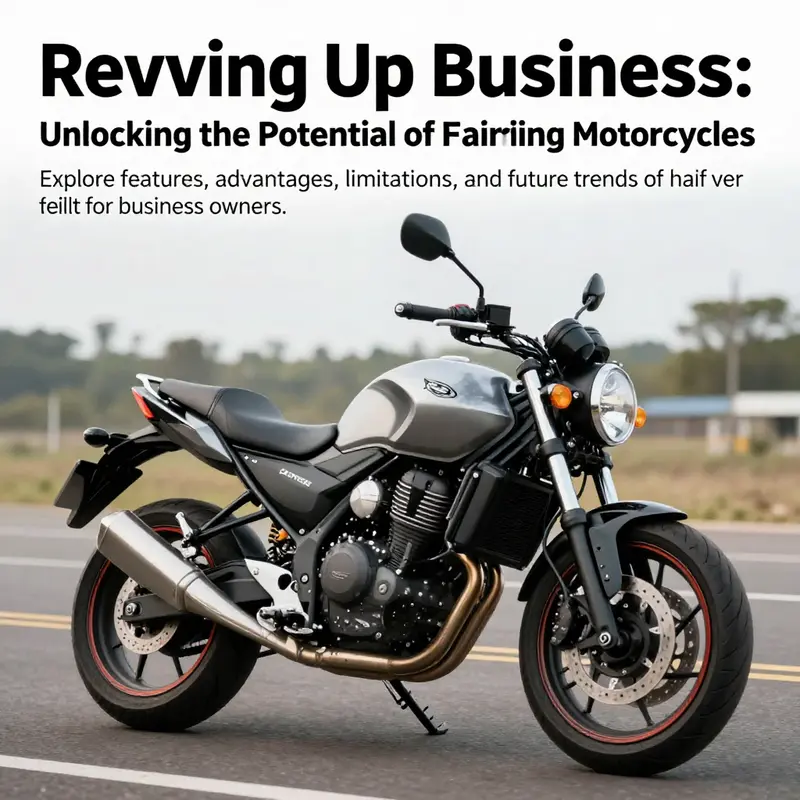
Half fairing motorcycles represent a unique blend of style, performance, and practicality, appealing to a diverse range of riders. They are characterized by their partial front fairings that cover just the key areas of the bike, providing a level of performance enhancement while maintaining the classic aesthetic of open riding. For business owners in the motorcycle industry, understanding this niche is invaluable, as half fairings cater to sport-touring and commuter segments, which are rapidly growing. This article will dissect the essential features and designs of half fairing motorcycles, analyze their advantages and limitations, explore their practical applications in today’s marketplace, and investigate future trends that could shape this segment. Each chapter will deepen your understanding of how these motorcycles not only meet rider needs but also influence business opportunities in the motorcycle market.
Half Fairings Reimagined: Performance, Comfort, and the Art of Partial Bodywork
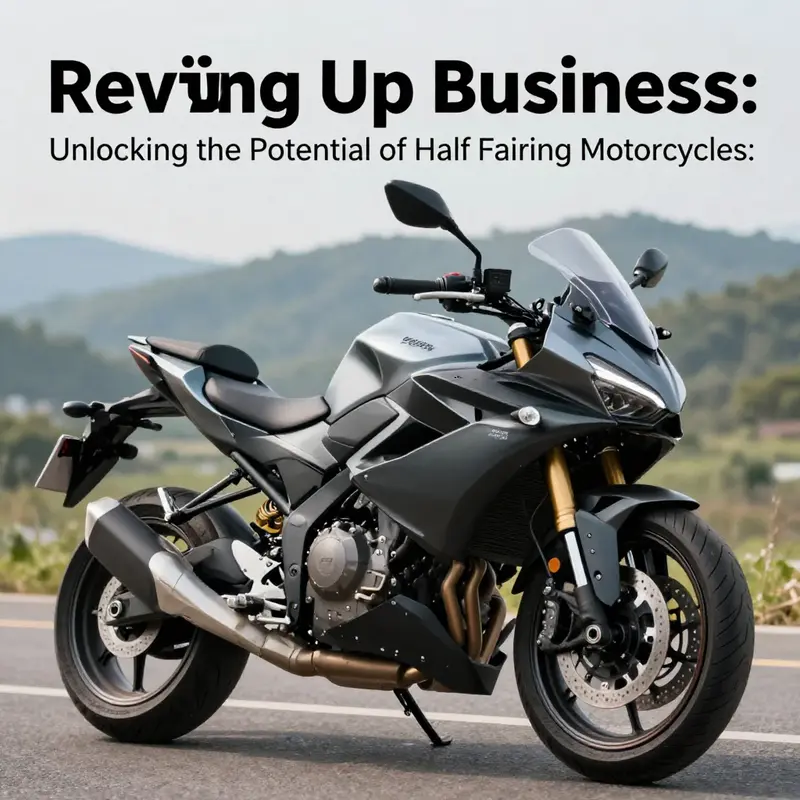
A half fairing motorcycle presents a practical philosophy of riding that refuses to be strictly naked or fully enclosed. It sits in a nuanced middle ground where form follows function but also leaves room for personality. The half fairing is a partial front body panel that rises from the handlebars and extends toward the upper portion of the front wheel, shielding the headlight, the instrument cluster, and the upper section of the engine and fork. What makes this arrangement compelling is not a single feature but a constellation of choices that balance aerodynamics, rider comfort, and everyday usability. The result is a machine that can slice through wind at sensible speed without feeling like a rigid, race-focused instrument, yet still exudes a purposeful, forward stance that many riders instinctively connect with sport and efficiency alike.
From a design perspective, the half fairing is defined by its selective coverage. It whisks away the wind off the rider’s upper body, directing airflow over the shoulders and chest while leaving the legs and much of the lower chassis exposed. That exposure is not a flaw but a calculated trade-off. It preserves a tactile connection to the road and the engine, invites easier access for routine maintenance, and keeps weight down compared with full bodywork. The aerodynamic effect, while not as dramatic as a full fairing, becomes evident at highway speeds, where even modest wind reduction translates into reduced fatigue, steadier handling, and modest gains in fuel efficiency. For riders who log long miles on open roads or simply commute through varying weather, those benefits accumulate over time, turning a brisk ride into a more tolerable journey.
The materials that shape half fairings reflect a spectrum of priorities. Mass-market machines often rely on high-impact plastics that resist daily knocks and parked-time scrapes. In sport-touring or performance-oriented setups, manufacturers may opt for fibreglass or even carbon fiber for a lighter, stiffer structure that enhances acceleration feel and response. Each choice carries implications for cost, repairability, and the tactile sense of the bike when you lean into a corner or reach for the controls. A half fairing’s weight, while smaller than a full enclosure, still matters: every gram saved contributes to nimble steering and easier cadence changes, traits appreciated in urban traffic as well as in spirited countryside runs. The finish work—the curves, the mounting points, the integration with headlights and dash—speaks to a philosophy that values clean lines without sacrificing access or serviceability.
Aesthetics play a pivotal role in how riders perceive the half fairing. It has a distinct, open-backed aggression that many describe as a modern throwback to cafe racer style, yet it remains undeniably practical. The upper enclosure often features a compact, purpose-built headlight assembly and a relatively modest windscreen that curves to direct air rather than trap it. This creates a silhouette that feels fast even when the bike is stationary, a visual cue that resonates with riders who crave performance mixed with everyday usability. The semi-enclosed front end also frames the cockpit—where the instrument cluster and handlebars meet—creating a cockpit that looks focused but not cramped. For many, the half fairing blends a retro-inspired minimalism with a technically minded, contemporary edge, making it a common choice for riders who want a bike that looks sharp in the city and holds its own on longer trips.
Riding position and the sense of connectedness are crucial for half fairings. Because the upper body is shielded more than a naked bike yet less than a full sport bike, the posture tends to be less aggressively tucked. The rider sits with a more balanced weight distribution, which reduces the amount of forward bend required to maintain control at steady speeds. That translates into improved comfort on longer stretches and a wider margin for error when negotiating uneven pavement, gusty crosswinds, or the occasional pothole that would otherwise jar a rider on a fully enclosed machine. The result is a ship that feels more approachable for riders who want some sport flavor without the intensity of a pure racing posture. It is this middle-ground ergonomics that makes half fairings particularly appealing for sport-touring and modern cafe racer builds, where a thin veneer of aerodynamics must coexist with the realities of daily riding and long days in the saddle.
Maintenance and repair are careful virtues of the half fairing approach. The partial wrap leaves the lower engine, the frame, and many mechanical components more accessible than they would be behind a full shell. That ease matters when you need to swap spark plugs, replace air filters, or service the cooling system in a pinch. It also means that a damaged half fairing can often be replaced or repaired without the same degree of investment a full fairing would demand. In weathered urban environments or on bikes that see frequent cafe racer-style customization, the ability to swap panels, adjust mounting points, or update the fairing’s look without a wholesale race-bike commitment is a practical, budget-conscious advantage. Even cosmetic upgrades become more approachable; riders can experiment with paint schemes, decals, or subtle shaping changes to tailor the armor around the core machine without severing the link between rider and ride.
Customization and aesthetics go hand in hand for many riders who adopt half fairings. The modular spirit of these designs invites alterations that emphasize personality as much as performance. A curved windshield can soften wind exposure while preserving the chassis’ clean lines. A compact headlight housing, mounted right in front of the bars, reinforces a minimalist, purposeful vibe that is highly prized in cafe racer culture. When paired with the right seating and clip-on or upright handlebars, the result is a bike that looks both modern and timeless, a paradox that is part of the appeal of partial bodywork. This blend of style and practicality helps explain why half fairings have become a favorite starting point for conversions and custom builds, where riders sculpt the machine to reflect their riding goals as much as their aesthetic preferences. The ability to maintain access to mechanicals while still presenting a sharp, cohesive silhouette makes the half fairing a versatile canvas for personalization.
Despite the many strengths, half fairings come with clear limitations. Because they do not fully enclose the rider, wind protection diminishes at very high speeds, and some riders may feel more wind on the legs and lower back than they would on a full fairing. Noise levels can remain higher due to reduced enclosure, which might affect long-distance comfort if the ride involves sustained highway cruising. The open design also offers less protection to the engine and low-slung components in a fall, meaning preventative maintenance and careful riding remain important. Aerodynamic benefits, while meaningful, are not as dramatic as those offered by full fairings, especially at supersonic speeds where the airflow around a naked or half-covered chassis can veer into turbulence. Yet for riders who value agility, ease of maintenance, and a sporty aesthetic, these trade-offs are perfectly acceptable when the bike is used in the contexts it was designed for: city commuting, sport-touring, and open-road cruising where balance, stability, and responsiveness matter more than the last incremental gain in top-end wind protection.
Across the riding spectrum, half fairings tend to attract enthusiasts who want practical acceleration and predictable handling without the encumbering bodywork of full race machines. They suit touring days that blend highways with backroads, daily commutes that require comfort and reliability, and custom builds that celebrate a lean, retro-futuristic look while keeping modern performance at the core. In a broader sense, the half fairing embodies a design philosophy: you do not have to sacrifice control or comfort to achieve sport-oriented aesthetics. Instead, you opt for a deliberate, tempered approach to aerodynamics and ergonomics that respects the rider’s needs as much as the machine’s capabilities. For those curious to explore this niche further, a practical starting point is to review catalogs that organize fairings by mounting style and coverage, such as the BMW fairings collection, which showcases how a mid-range panel can harmonize with a variety of chassis geometries without demanding a full-body overhaul. For readers seeking broader context and expert perspectives on how half fairings influence performance, a detailed external resource offers a well-rounded examination of the design choices and riding experiences associated with partial bodywork. See the external reference for deeper technical and experiential insights.
For ongoing exploration, this chapter positions half fairings as an adaptable, expressive solution that aligns with a rider’s desire for speed and practicality. They are not merely a styling cue but a functional choice that impacts aerodynamics, fatigue, and maintenance in meaningful ways. The best outcomes come from riders who understand that partial coverage is a conscious compromise, chosen to maximize the bike’s livability without surrendering its edge. If you are considering a build or an upgrade, recognizing how the fairing framework interacts with wind, weight, and access to the heart of the machine will guide you toward a configuration that feels both exhilarating and approachable. As the riding scene continues to evolve, the half fairing stands out as a timeless testament to how thoughtful, restrained engineering can deliver a compelling blend of speed, comfort, and character. For a broader, source-backed read on the subject, you can consult the external resource linked here for deeper context on how half fairings shape rider experience and performance over the long haul: https://www.motorcycle-usa.com/blogs/understanding-half-fairing-motorcycles. If you want to see how these ideas translate into real-world options and accessories, a catalog such as the one dedicated to fairings provides a practical reference point for exploring compatible components and potential upgrades that preserve the core advantages of the half fairing while letting riders tailor the aesthetic to their taste.
Halfway to Speed: The Subtle Power of Half Fairings in Modern Motorcycling
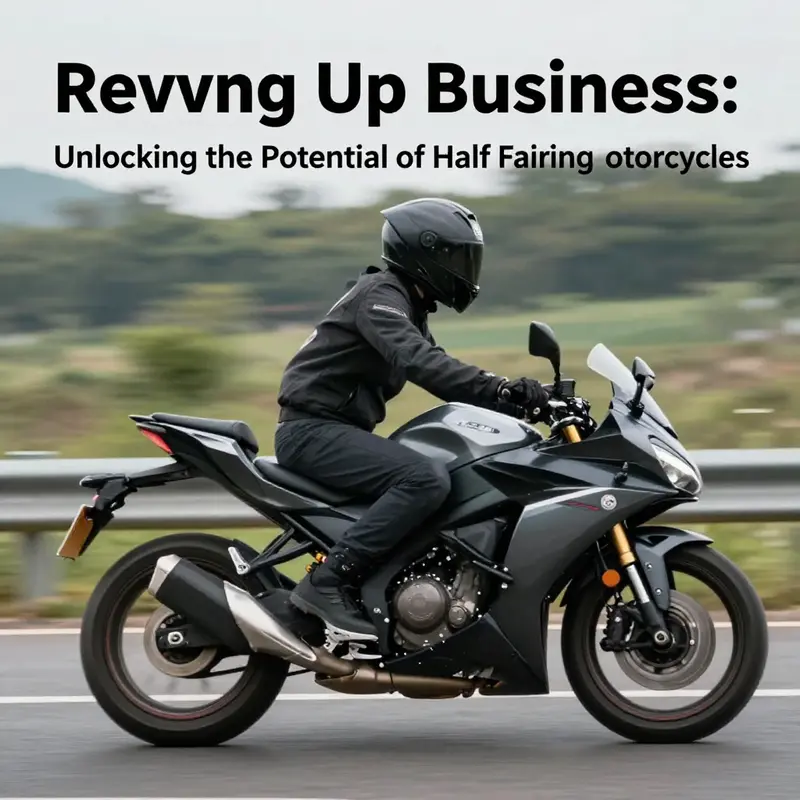
A half fairing sits at a gentle crossroads in motorcycle design. It is not merely a stylistic flourish, nor is it a full shield that swallows the bike in wind. Instead, it embraces a practical balance: a front shield that covers the upper portion of the machine, leaving the lower engine, frame, and rider’s legs more exposed. This design nuance matters as soon as you start moving beyond low-speed commutes into longer rides or spirited, sport-inspired street duties. The appeal lies in how it merges aerodynamic thinking with everyday usability. Riders who want a modern, aggressive look without the bulk of a full fairing often find themselves drawn to this middle ground. The result is a machine that looks ready for speed while maintaining a degree of accessibility and serviceability that many riders value in the real world. In practice, the half fairing frames the rider’s line of sight with a clean, efficient silhouette that hints at performance without shouting it from the first glance. The upper front, headlight cluster, and instrument console find shelter behind a surface shaped to redirect the wind away from the rider’s torso and helmet. The effect is subtle but tangible: less buffeting at highway speeds, steadier wind pressure on the rider’s chest and neck, and a sense of control that translates into reduced fatigue on longer trips. This is not a case of magical wind resistance; it is a matter of steering wind, not the rider, through a smarter curvature and a careful degree of enclosure. The mental and physical impact shows up after hours in the saddle. A rider who would otherwise notice increasing wind pressure, stiffness in the shoulders, or a sore neck may instead experience steadier breathing and a more relaxed posture. Even small reductions in wind force can accumulate into meaningful gains in endurance over hundreds of miles. As a design philosophy, the half fairing respects the rider’s relationship with the road, offering shelter where it matters most—the upper body and the line of sight—while leaving the lower half exposed for a sense of tactile connection with the bike and the surface beneath. The materials chosen for these components reinforce that idea. Mass-market variants often lean on high-impact plastics for their durability and cost efficiency, enough to resist scuffs in daily use and casual drops. In premium or track-oriented builds, fiberglass or carbon fiber may appear, trading some cost for improved stiffness and a leaner overall mass. The choice matters not just for aesthetics, but for handling and the bike’s response under load. A lighter fairing reduces unsprung weight and rotational inertia around the front end, which, in turn, influences steering feel and flickability. Even a modest reduction in weight can enhance the rider’s sense of control during quick direction changes, lane shifts, or corner exits. The look of a half fairing—its angular lines, the way it frames the headlight, and how it integrates with the instrument cluster—appeals to riders who chase a modern sport-touring mood or a cafe-racer ethos. The aesthetic is bold yet uncluttered, suggesting speed and precision without the fully enshrouded silhouette of a full fairing. On the practical side, maintenance access is a notable advantage. With the engine and lower frame exposed, routine tasks such as spark plug inspection, air filter changes, and oil service become more approachable. This is not simply a convenience; it can influence maintenance intervals and the rider’s willingness to perform small, regular checks that keep a machine running smoothly. The half fairing thus serves a dual purpose: it streamlines the path to service while preserving the capacity for meaningful performance upgrades through accessible mechanical work. The spectrum of materials mirrors the design’s intent. Durable plastics hold up well for mass-market models and everyday riding. Carbon fiber, when used, appears as a performance-seeking upgrade rather than a standard feature, offering stiffness advantages and a lighter weight profile for riders who push towards track days or aggressive riding. Yet even within these materials, the relationship between cost, weight, and protection remains a careful compromise. The appeal expands beyond mere wind deflection. A half fairing enhances the bike’s stance and silhouette, giving a bike a planted, forward-leaning presence that communicates sport without the seriousness of a fully faired machine. This is especially true in the café-racer and sport-touring scenes, where riders value a modern edge balanced by practical access to the motorcycle’s internals and service points. Versatility is another strength. The half fairing’s middle-ground stance makes it well suited to a range of riding scenarios. In daily city riding, it offers improved comfort over naked setups by dampening gusts and stray wind pressure without creating a tunnel that closes in the rider. On longer highway stretches, the design helps maintain focus by smoothing air currents and reducing fatigue, supporting a more relaxed cruising speed. When the road opens to a few miles of curves, the missing bulk of a full fairing translates into lighter, more intuitive steering feedback. The rider experiences a tactile connection with the front wheel and tire contact patches that is sometimes dulled on a heavily tucked machine. For those who enjoy occasional track days, the half fairing delivers a performance-oriented edge without demanding the same financial outlay as a fully faired bike. It can be a stepping stone—allowing riders to experiment with aerodynamics, weight distribution, and aesthetic without the commitment of a fully faired build. The broader industry context helps explain why this configuration has found a steady niche. Market analyses in recent years point to a persistent demand for motorcycles that merge sportiness with practicality. Riders who want a contemporary look and reliable maintenance access—without carrying the expense and complexity of large full-fairing sets—drive demand for half fairings across various segments, from entry-level sport-touring platforms to custom cafe conversion projects. In this context, the half fairing becomes more than a design choice; it is a strategic response to diverse riding needs, offering an adaptable platform that can be tailored with aftermarket parts, light-weight racing components, or cosmetic upgrades to suit different riders and uses. For builders and enthusiasts who crave additional customization, the half fairing makes a compelling canvas. It allows air and wind management to be adjusted through small changes in fairing geometry or by adding modest wind deflectors, while preserving easy access to the engine and electricals. This synergy of form and function has helped sustain a vibrant aftermarket ecosystem, where riders can refine the look, tune the aerodynamics, and tune the ride feel without sacrificing serviceability. As with any design choice, there are trade-offs. The wind protection is not as comprehensive as a full enclosure, so at top highway speeds some wind will still reach the rider’s legs and lower back. Acoustic comfort can also differ, with noise levels remaining higher than on a fully enclosed shell because there is less shielding from the wind and road noise around the rider’s helmet. In a crash, the exposed components of a half fairing may offer less mechanical protection to the front of the engine and mounts, a reality riders weigh against the gains in accessibility and weight savings. Yet for many riders, the balanced package—improved upper-body protection, lighter weight, easier maintenance, and a modern, aggressive aesthetic—outweighs these limitations. The half fairing is not solely about speed; it is about a relationship between rider, road, and machine that prioritizes practical performance. It invites riders to experience wind and airflow in a way that emphasizes control rather than enclosure. It invites riders to balance daily usability with an occasional taste of the track-day mindset, all while keeping maintenance simple enough to encourage regular upkeep. For those forming opinions about what a modern motorcycle should feel like in the real world, the half fairing offers a persuasive argument: you can have a sharper look, a more manageable weight, and a sensible route to service without sacrificing the sense of velocity that makes riding compelling. And for readers curious to explore related options or to see how these ideas translate in different platforms, a broader fairing catalog can be explored here: BMW fairings catalog. For further reading on the broader aerodynamic trade-offs between half and full enclosures, a detailed external analysis is available here: Motorcycle.com: Half vs Full Fairings.
Between Speed and Shelter: Weighing the Real-World Limits of Half Fairing Motorcycles
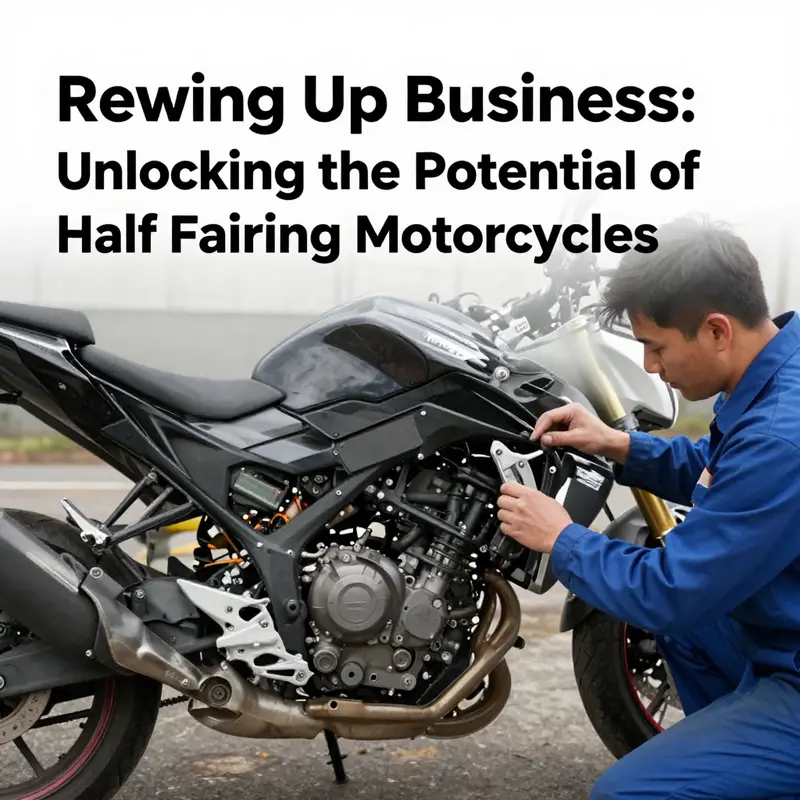
Half fairings promise a lean, agile silhouette and a practical shield for the rider’s upper body. They are not full shells, but a compromise that aims to reduce drag and buffeting while preserving accessibility, heat dissipation and a simpler maintenance routine. For riders who love sport aesthetics but need daily usability, this balance feels right. Yet every trade-off hides a set of limitations that become clear once the bike is in motion, especially on longer rides, in poor weather, or when the bike is pushed toward the edge of its performance envelope.
From the handlebars up, a half fairing channels air away from the headlight and upper fork, smoothing the front end. But the lower engine, the frame rails, and the rider’s legs stay exposed. At highway speeds, that combination can breed wind gusts, turbulence and fatigue that accumulate over hours in the saddle. The rider may notice more shield-related wind noise and a sensation that the wind is biting from below rather than being neatly deflected. This mismatch can be tolerable for a spirited city ride, but over a 300‑mile day it changes the comfort equation.
Compared with full fairings, half fairings offer smaller aerodynamic gains. They speed up the ride in certain regimes but do not deliver the same level of enclosure. To compensate, many riders add a larger windscreen or a weatherproof extension, which helps, but it also changes the bike’s character and can reintroduce the gaps the fairing was meant to close. The result is a sport-bike appearance with a practical twist rather than a fully streamlined race profile.
Protection in a tip-over or mishap is limited. The half fairing shields upper components but leaves the engine and lower frame exposed to debris and impact. That can translate into higher repair costs when damage occurs to vulnerable parts, and it nudges riders toward careful riding, not as a guarantee of safety but as a reality check about what the fairing can actually guard.
One of the main benefits remains access. With less enclosing skin, changing spark plugs, air filters, or inspecting the cooling ducts can be faster. Some models still require detaching parts around the forks or the lower frame, but the line of work is generally simpler than with a full fairing. The lighter weight of half fairings also contributes to a more responsive feel when steering into corners, yielding a tangible sense of agility that many riders chase in urban and back-road riding alike.
Under sustained load, heat management matters. A half fairing cannot always deliver optimized airflow to the engine or radiators. In dense traffic or warm climates, riders may notice hotter engine temperatures or longer cooldown periods after aggressive sessions. Designers try to align airflow with passive ducts, but this is an area where compromises show up in real-world riding. The rider who spends long hours on the highway may notice a slight rise in heat under the fairing’s edge, which can influence seat comfort and even throttle response as components heat soak.
Weather protection is uneven. Clear days present the scenario where the rider stays dry but legs in open air. Rain can slip past the upper edge, and cold winds can sap body warmth from the thighs and knees. Some riders equip aftermarket windscreens to direct air away from the lower torso, but these fixes are not a perfect substitute for a full enclosure. In colder or wetter climates, the half-fairing’s openness becomes more than a nuisance; it becomes a factor in comfort, fatigue, and even wardrobe choices for the ride home after a shift at work.
Stylistically, half fairings align with sport-touring, café racer, or custom builds that favor a lean, aggressive look without bulk. They tempt riders who value the art of mechanical access and the tactile satisfaction of pulling a spark plug or adjusting a component in a crowded workshop. However, this aesthetic choice can clash with very wet climates or high-speed touring, where the rider expects comfort to be built into the shell rather than learned through bonus accessories. The visual appeal can mask a practical dilemma: the bike looks ready for the track yet often asks for compromises in weather protection and long-distance quietness.
Choosing a half fairing becomes a question of how and where you ride. If your routine mixes urban commutes with weekend back-road blasts, the loss in wind protection can be a reasonable return for lighter weight and ease of maintenance. If you log long highway miles in varied weather, half fairings will feel more like a compromise that begs a partner—a taller windscreen, a heated grip upgrade, and careful seat and bar placements—to fashion a truly comfortable travel setup. The decision then hinges on practical needs rather than fashion alone, because the bike’s personality is formed by its riding environment as much as its silhouette.
Brand ecosystems and aftermarket options illustrate the spectrum of half fairing design. The upper shell may be integrated, with cutouts for fork tubes and instrument clusters, or it may be a more modular piece that mates to a range of frames. Some designs tilt the windscreen to chase clean air at speed, while others emphasize a generous rider cocoon that still reveals the lower engine to service stands. For a sense of how these categories map across brands, see the BMW fairings category.
All these considerations point to a common truth: the half fairing is a practical statement about riding style as much as about aerodynamics. It invites a romance of speed tempered by real-world usability, and it asks riders to acknowledge its limits before choosing a configuration that promises excitement but delivers with a few caveats. The right choice is thus less about chasing a single performance metric and more about stitching together comfort, maintenance convenience, and personal aesthetics into a coherent daily rhythm. In that light, the half fairing stands not as a shortcut to speed but as a thoughtful compromise that rewards riders who value ease of upkeep, accessible service, and a bike that looks ready to sprint, even when it is really built for the everyday commute.
External resource: https://www.bikeride.com/motorcycle-fairings-guide/
null
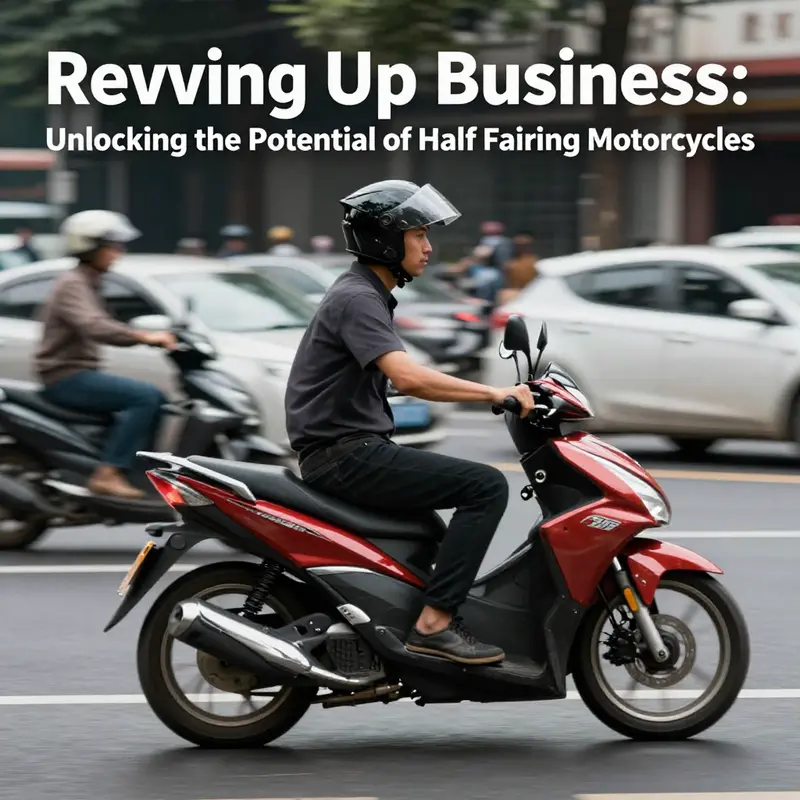
null
The Quiet Edge: Navigating the Future Path of Half-Fairing Motorcycles in a Changing Industry
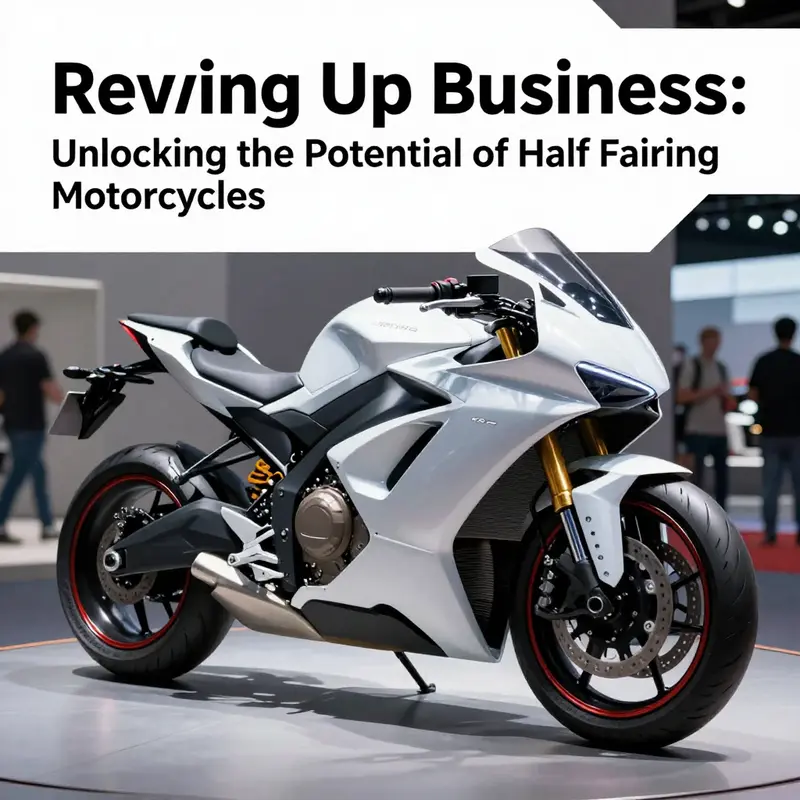
A half fairing motorcycle occupies a curious niche in the modern riding landscape. It is not the benchmark of outright speed nor the most minimal expression of two-wheeled abstinence. Instead, it represents a disciplined compromise that blends aerodynamic sensibility with rider comfort, practicality, and accessibility. In the current design ecosystem, where full faired machines dominate performance and naked bikes capture a different kind of urban rebellion, the half fairing persists because it answers a real ask from a diverse group of riders: a bike that can slice wind at sensible speeds, shield the upper torso, and remain straightforward to service, customize, and maintain over years of use. The future of this segment, as researchers and industry observers describe, lies not in attempting to outpace other configurations at every turn but in refining that delicate balance to remain relevant in mid-range sport-touring, cafe racer culture, and adaptable commuter applications. It is, in other words, a future built on selective advantage rather than universal supremacy.\n\nThe market positioning of half-fairing motorcycles reinforces their enduring appeal. They sit comfortably between the agility of sportbikes and the weather protection of touring-focused machines, offering a posture that is more relaxed than a full-on race bike while still delivering a degree of wind management that makes long rides more palatable. This is precisely why mid-range sport-touring and adventure-touring platforms have kept faith with half faired designs. Riders who value the ability to cover long distances without the heaviness of a full touring shell find the half fairing an attractive compromise. The segment’s growth, modest as it may be, is steady because it aligns with the contemporary demand for versatile motorcycles that can handle daily commutes, weekend road trips, and occasional off-p-road or rough-surface experiences without requiring a complete platform swap. The market reality is clear: the half fairing is a mature choice that continues to satisfy a clear, durable need for balance in performance, weather protection, and practical upkeep.\n\nFrom a design perspective, the half fairing embodies a practical elegance. Traditional mass-market bikes employ high-impact plastics that shrug off routine urban mishaps, while more premium iterations lean toward fiberglass or carbon fiber for sculpted, aerodynamic shapes. These materials enable features that are both functional and visually coherent: upper panels that smooth the air above the rider, integrated luminaire housings that stay protected yet accessible, and mounting systems designed for straightforward maintenance or future upgrades. The evolution of these components benefits from advances in manufacturing—more precise molding, tighter tolerances, and smarter use of composites—resulting in a component that is robust enough for everyday life and light enough to contribute to responsive handling. The lighter mass, compared with full fairings, translates into improved maneuverability, easier cornering at lower speeds, and potentially better throttle response, especially in city riding or during slow-speed maneuvers where every kilogram matters.\n\nAerodynamics in half-fairing machines is a nuanced discipline. Rather than sealing the rider completely from the wind, the goal is to intercept and redirect airflow in a way that reduces drag on the upper body and minimizes fatigue over hours of riding. This often means shaping the fairing to interact with a rider’s posture and with the bike’s overall geometry, rather than chasing a single, high-speed wind tunnel result. Adjustable windshields, thoughtfully contoured upper surfaces, and carefully placed vents can offer a personalized shield from gusts or crosswinds—without creating a cockpit-like enclosure. Such design choices support the broader aim of the half fairing: enable comfortable long-distance riding while preserving the tactile feedback a rider expects from a machine that is reliably responsive. In parallel, engineers seek to tame noise and vibration by selecting resilient mounting techniques and sealing strategies that keep the rider’s cabin calm without requiring excessive insulation that would negate the weight savings.\n\nThe integration of contemporary electronics with half-fairing platforms further supports their relevance. Ride-by-wire throttle systems, multiple riding modes, traction control, and customizable ABS tuning are no longer exclusive to fully faired or sport-focused platforms. On half-fairing bikes, these technologies help translate the rider’s intent into precise, confident control across a range of conditions—from rain-slick urban streets to open highways. The synergy between wind protection and electronic aids becomes a selling point: riders gain confidence on longer journeys and in variable weather, knowing that the bike can adapt its power delivery, stability, and braking responsiveness to the current scenario without demanding a heavier, more complex bodywork package. The rider remains at the center of the experience, the machine remains approachable, and the relationship between human and machine stays intimate—an asset in a market that increasingly values rider engagement as a differentiator.\n\nMaintenance access, a historically practical strength of half-fairing designs, continues to shape ownership experience. The exposed engine and mounting points under the upper fairing allow easier visual inspection and quicker routine maintenance. Spark plug checks, air-filter swaps, oil changes, and even some troubleshooting can be accomplished without disassembling a cascade of panels. That accessibility translates into lower ownership friction and a greater likelihood that owners will perform regular upkeep, preserving performance and extending bike life. There is a trade-off, of course: the exposed components may be more vulnerable in a severe impact, and riders must recognize that the protection benefits of a full fairing are not present in this form. Yet manufacturers respond with robust plastics, modular panel solutions, and resilient mounting that minimize downtime and keep repair costs predictable. The sum is a practical, user-friendly equation that resonates with riders who value capability and straightforward maintenance equally.\n\nCustomization is perhaps the most dynamic strand of the half-fairing narrative. Café racer aesthetics, streetfighter sensibilities, and utilitarian commuter builds all leverage the half-fairing as a canvas for personal expression. The absence of a bulky, enclosed shell makes aftermarket upgrades and cosmetic transformations less burdensome and more affordable, inviting riders to experiment with color, texture, and trim without sacrificing performance or serviceability. This cultural dimension sustains a vibrant aftermarket ecosystem around half-fairing platforms, where enthusiasts mix form and function to craft machines that reflect individual stories and riding ambitions. For those who want a sense of the broader customization landscape, exploring the Yamaha fairings catalog offers a glimpse into how fairings can be tailored to different styles and models while preserving the core advantages of the half-fairing philosophy. Yamaha fairings catalog.\n\nLooking forward, the trajectory of half-fairing motorcycles is not about chasing speed records or outshining full-faired rivals. The real opportunity lies in refinement, smarter integration, and a deeper alignment with rider expectations for versatility, comfort, and cost efficiency. Material science will push the frontiers of stiffness and impact resistance while trimming weight, enabling more aero-efficient shapes without adding complexity. Manufacturing techniques will support more intricate forms that still facilitate easy maintenance and repair. Electronics will grow more sophisticated in a modular, user-friendly way, offering ride modes and assistive controls that feel natural rather than add-on. In this environment, the half-fairing remains a credible tool for a family of riders that includes long-haul travelers, weekend explorers, and daily commuters who want more than bare exclusion or heavy enclosure. The future is a refined practice of balance—an artful compromise that keeps the half-fairing relevant, practical, and quietly essential as the motorcycle industry continues to evolve.\n\nExternal resource: https://www.bikez.com/
Final thoughts
The exploration of half fairing motorcycles illuminates their significant role in the motorcycle industry, particularly for business owners seeking to tap into burgeoning markets. Their unique balance of performance, comfort, and aesthetic appeal aligns well with current consumer trends favoring versatility and style. While acknowledging the limitations they present, it’s clear that half fairing motorcycles captivate a diverse audience, from daily commuters to sport-touring enthusiasts. Understanding their application in modern riding will enable motorcycle businesses to better cater to shifting consumer preferences. Looking forward, as technology evolves, half fairing motorcycles are poised for innovation, promising exciting prospects for manufacturers and dealers alike.