
Introduction
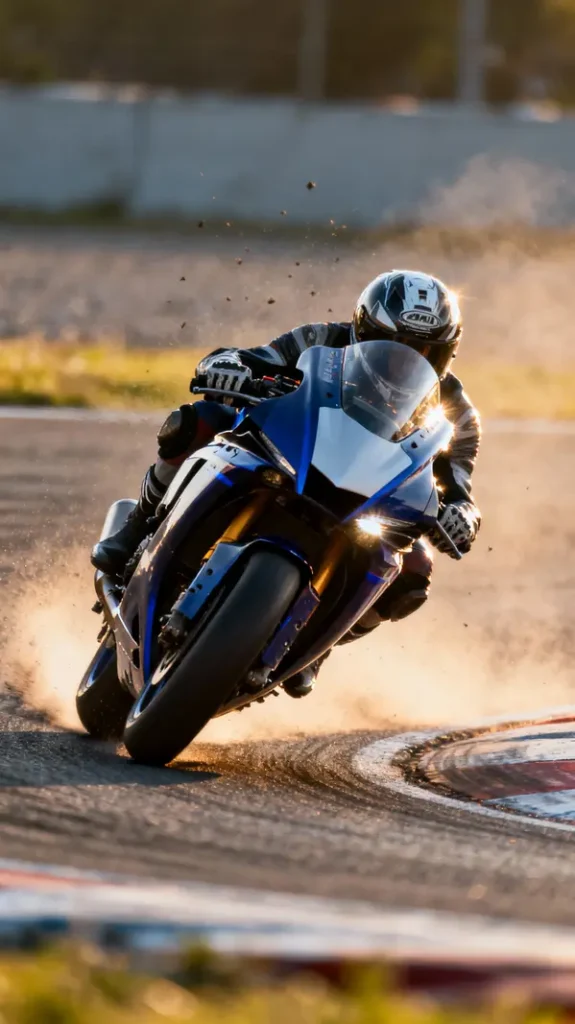
Full fairing motorcycles represent a significant trend in the biking world, combining performance, aerodynamics, and style. These comprehensive bodywork kits not only enhance the look of motorcycles but also serve crucial functions in improving aerodynamics and rider’s comfort. As a business owner in the motorcycle industry, understanding the benefits of full fairing motorcycles can help you better cater to customer needs, enhance product offerings, and stay competitive. From the types of materials used in fairing kits to the various customization options available, this article will explore each aspect that defines full fairing motorcycles. You’ll also gain insights into leading manufacturers and how these premium options can influence safety and riding conditions.
Tables of Contents
Chapter 1: Unleashing Potential: The Performance Secrets of Full Fairing Motorcycles
- Harnessing Aerodynamics: How Full Fairings Revolutionize Drag Reduction and Fuel Efficiency
- Innovative Fairing Designs: Catalysts for Aerodynamic Efficiency and Enhanced Riding Experience
Chapter 2: Materials That Matter: Evaluating Choices in Full Fairing Motorcycles
- Exploring the Versatile Benefits of ABS Plastic in Full Fairing Designs
- Harnessing Cutting-Edge Materials for Optimal Fairing Performance
Chapter 3: Unleashing Personal Expression: Exploring Aesthetic Customizations for Full Fairing Motorcycles
- Transformative Aesthetic Customizations for Full Fairing Motorcycles
- Innovative Performance and Functional Enhancements for Full Fairing Motorcycles
Chapter 4: Technological Innovations Driving the Future of Full Fairing Motorcycles
- Cutting-Edge Technologies Shaping Full Fairing Motorcycle Performance
- Navigating Economic Waters: The Influence of Full Fairing Motorcycles on Manufacturer Strategies
Chapter 5: Impact of Full Fairing Motorcycles on Riding Comfort and Safety
- Maximizing Comfort and Safety: The Revolutionary Role of Full Fairing Design
- Navigating the Benefits and Challenges of Full Fairing Motorcycles: A Sociocultural and Economic Perspective
Chapter 1: Unleashing Potential: The Performance Secrets of Full Fairing Motorcycles
1. Harnessing Aerodynamics: How Full Fairings Revolutionize Drag Reduction and Fuel Efficiency
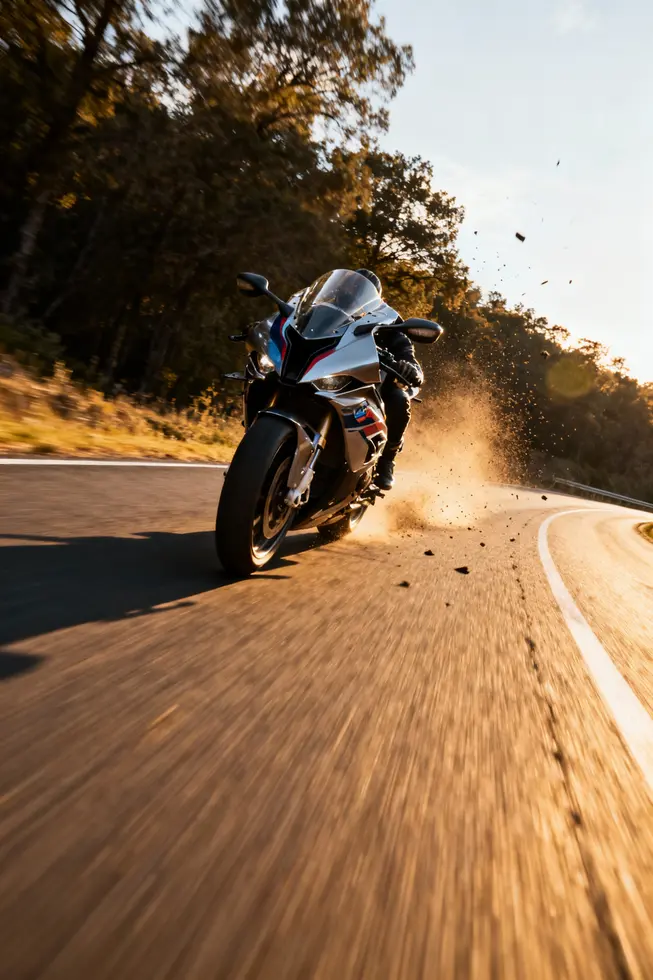
The aerodynamic prowess of full fairing motorcycles is one of their most remarkable features, particularly evident at higher speeds where wind resistance significantly impacts performance. By encompassing the bike’s frame, engine, and front end, full fairings streamline airflow, reducing drag, which is paramount not only for sport bikes but also for touring models. This comprehensive bodywork not only enhances high-speed stability, but it also contributes notably to improved fuel efficiency, a crucial factor for both casual riders and racers.
To understand the advantages of full fairing motorcycles, we must first appreciate the fundamental relationship between aerodynamics and speed. Drag is a force acting opposite to the direction of motion, increasing exponentially with speed. Studies indicate that full fairings can reduce aerodynamic drag considerably, especially when a motorcycle exceeds speeds of 55 mph. In practical terms, this reduction in air resistance means that the engine work is lessened, allowing for better fuel economy and overall performance.
Tests conducted under real-world conditions reveal that motorcycles equipped with well-fitted full fairings can see fuel efficiency improvements of up to 10% during sustained highway travel. This enhancement is not merely theoretical; empirical data supports the efficient use of power generated by the engine, making it a game-changer for long-distance riding and competitive racing.
An essential aspect of the full fairing’s impact on performance is linked to rider comfort. By deflecting wind away from the rider’s body, full fairings mitigate the physical strain of riding at high speeds, reducing fatigue and improving control over the motorcycle. This wind management translates into a more enjoyable ride, especially noticeable during lengthy excursions. Riders experience less turbulence and more stability, which are critical for tackling highways or twisting mountain roads alike.
The integration of full fairings in racing scenarios reveals additional layers of complexity in their design. In professional racing formats—think MotoGP and other high-stakes competitions—full fairings are not just about drag reduction. They are equipped with aerodynamic elements such as winglets and other devices engineered to manipulate airflow over and around the bike. These enhancements create downforce that locks the tires to the track during high-speed cornering, ultimately improving grip and stability. However, one must consider that such designs can lead to trade-offs, as utilizing downforce can sometimes sacrifice maximum straight-line speed.
Material choice plays a crucial role in the effectiveness of full fairings. Carbon fiber is the material of choice for high-performance models, as it offers a remarkable strength-to-weight ratio. Switching to carbon fiber fairings can reduce weight by up to 30% compared to traditional ABS plastic fairings. This reduction not only enhances acceleration but also improves handling and fuel efficiency. With less mass to manage, the motorcycle becomes more agile, allowing for razor-sharp cornering and easier maneuverability—traits prized by racers and sportbike enthusiasts.
It is worth noting that while full fairings offer substantial benefits over half or quarter fairing configurations, they do come with an increase in weight and cost. High-quality carbon fiber kits often exceed $800, a significant investment that reflects their advanced engineering and potential performance gains. Furthermore, installation and maintenance can pose challenges, demanding a seamless fit to maximize aerodynamic advantages. Misalignment or damage can yield increased drag, negating the very benefits that motivate riders to invest in full fairings.
When pitted against other fairing types, the superiority of full fairings regarding aerodynamic performance becomes evident. Half fairings may provide some wind protection, yet they lack the comprehensive design that balances drag and rider positioning effectively. Full fairings not only achieve better protection against wind blasts, but they also enhance aesthetic appeal, providing a more cohesive and aggressive look that many riders covet.
Overall, embracing full fairing motorcycles unlocks a world of efficiency and performance. Improved aerodynamic efficiency directly correlates with enhanced fuel economy, leading to longer rides without frequent stops for refueling. This advantage, paired with increased ride comfort and stability, positions full fairings as a definitive choice for riders who crave both adventure and unparalleled performance. As technology advances, the evolution of design and materials will continue to refine these benefits, making full fairing motorcycles a staple in the world of two-wheel vehicles.
For those considering the upgrade, exploring various brands and customizations is essential. The market boasts a plethora of options suitable for different motorcycle models, and potential buyers should educate themselves on the variety available—from sport-oriented designs to those crafted for touring comfort. For customized solutions tailored to specific needs, resources such as Ultimate Motorx provide extensive selections across multiple motorcycle brands, ensuring riders can find the perfect fit for their aspirations.
2. Innovative Fairing Designs: Catalysts for Aerodynamic Efficiency and Enhanced Riding Experience
The evolution of full fairing motorcycle designs represents a significant leap forward in the pursuit of aerodynamic supremacy and enhanced performance. Full fairing motorcycles, distinctively characterized by their enveloping bodywork that protects not just the engine but also the rider, have transformed the way aerodynamics is integrated into motorcycle engineering. By extending seamlessly from the headlight to a subtly contoured belly pan, these designs significantly minimize drag, allowing riders to not only achieve higher top speeds but also experience an improved sense of stability during high-velocity rides.
Aerodynamic Optimization
At the heart of the advancement in full fairing designs is aerodynamic optimization, facilitating a reduction in wind resistance that is critical for performance. This enhancement offers a twofold advantage: riders benefit from a more controlled experience as they navigate the road, and the motorcycle itself becomes more fuel-efficient. According to empirical research, well-fitted fairings can improve fuel efficiency by as much as 10% when cruising at speeds above 55 mph. The science is clear—less aerodynamic drag results in less power required to maintain speed, translating directly to better fuel economy and extended range on long rides.
Aerodynamics plays an even more critical role in competitive racing contexts. In environments like MotoGP, full fairings carry an array of innovations, blending seamlessly with components such as winglets to generate crucial downforce. This aspect is vital for maintaining control during wheelies and ensuring stabilization during aggressive braking, where front-end grip can mean the difference between victory and failure. Notably, leading manufacturers like Ducati and Aprilia continuously optimize their fairing designs to achieve an equilibrium between downforce generation and maximizing top speed, showcasing how competitive motorsport drives innovation in motorcycle design.
Lightweight Materials and Performance
Another pivotal element of modern fairing design lies in materials innovation. High-performance motorcycles now frequently incorporate carbon fiber fairings, which offer approximately a 30% weight reduction compared to traditional ABS plastics. This staggering weight saving is not merely a statistic; it significantly enhances the motorcycle’s agility and responsiveness, crucial aspects in both racing and street situations. The lightness of carbon fiber contributes to an improved power-to-weight ratio, allowing bikes to accelerate more rapidly and corner with precision, all while providing an exciting riding experience. However, the trade-off is a higher cost and susceptibility to UV damage, making carbon fiber an investment best suited for serious competitors or enthusiasts.
Alternatively, polycarbonate fairings have gained traction among touring motorcycles. They strike a balance between durability and weight, enhancing rider comfort by providing effective wind protection while maintaining easy access to the engine compartment for routine maintenance. Touring motorcycles like the well-appointed models from leading brands benefit significantly from these design advances, as they prioritize rider comfort and convenience for long-distance travel. The multifunctional character of modern fairings facilitates not only performance but also everyday usability, proving that innovation does not necessitate sacrifice.
Navigating Challenges
While the advantages of full fairings are palpable, it is prudent to acknowledge some inherent challenges. The complexity of installation and the added weight compared to half fairings might deter some riders, especially those favoring daily commuting over performance-oriented rides. Moreover, full fairings can inhibit cooling access to the engine, demanding careful consideration in design to ensure that performance does not compromise reliability. As such, while the full fairing approach excels in high-speed environments, its practicality in typical urban riding scenarios can be questionable, making it essential for riders to evaluate their specific needs.
Development in this space continues unabated, with manufacturers pushing for advances that maximize the benefits of full fairings while addressing associated drawbacks. The recent innovations from brands like Aprilia, particularly their strategic use of aerodynamic packages, illustrate just how competitive the landscape is, with ongoing refinements that aim to outpace even longstanding competitors. This relentless pursuit highlights the dynamic nature of motorcycle technology—an evolving interplay of style, substance, and sheer speed that keeps the motorcycle community engaged and excited.
In summary, the advancements in full fairing motorcycle design showcase a perfect intersection of engineering prowess and performance ambition. As these innovative designs continue to redefine aerodynamics, riders are poised to reap substantial rewards in terms of stability, efficiency, and exhilaration on the road. For those interested in enhancing their riding experience, investing in full fairing options tailored to specific models—whether for a Yamaha R1 or a Ducati Panigale—can unlock a world of performance previously unattainable, reinforcing the notion that in the race for speed, every detail counts.
Chapter 2: Materials That Matter: Evaluating Choices in Full Fairing Motorcycles

1. Exploring the Versatile Benefits of ABS Plastic in Full Fairing Designs
In the world of full fairing motorcycles, the choice of materials can significantly impact not only the aesthetics but also the overall performance and ride quality. Among the various options available, ABS plastic has emerged as the most commonly used material for motorcycle fairings—a testament to its blend of affordability, durability, and user-friendliness. This lightweight thermoplastic holds a position of prominence, especially in the realm of sport bikes and commuter motorcycles, making it a staple among both casual riders and enthusiasts alike.
ABS plastic, or Acrylonitrile Butadiene Styrene, is known for its excellent impact resistance and versatility in application. A significant advantage of ABS as a fairing material is its cost-effectiveness: aftermarket kits typically range from $180 to $350, making it a budget-friendly option for many riders seeking to upgrade their motorcycles without breaking the bank. The appealing price point of ABS fairings doesn’t just draw in those looking for value; it caters to riders engaging in modifications who may want to explore custom designs without the financial strain posed by higher-end materials. This accessibility has played a crucial role in the material’s widespread popularity in the motorcycle community.
However, the advantages of ABS plastic go beyond just its economic benefits. Known for its impressive durability, ABS exhibits a remarkable ability to withstand the rigors of everyday use. Many riders find that ABS fairings can last between 4 to 6 years, provided they are properly maintained. This lifespan is particularly important for those who depend on their motorcycles for daily commuting or recreational rides, as it ensures they are equipped with reliable protection against wind, debris, and minor impacts during routine use.
Flexibility is another vital characteristic of ABS plastic that appeals to riders and manufacturers alike. This material has a certain resilience that allows it to absorb impacts without cracking or splintering, which is a common concern with more brittle materials like fiberglass. The flexibility afforded by ABS not only enhances the structural integrity of the fairing but also permits intricate design elements that can culminate in a visually appealing aesthetic tailored to the owner’s personal taste.
While ABS plastic holds numerous advantages, it does come with some limitations. Compared to the strength-to-weight ratios of fiberglass and carbon fiber, ABS may not deliver optimal performance in extreme racing conditions. Riders participating in high-speed competitions may find that while ABS is adequate for standard performance needs, enhancements through more advanced materials like fiberglass (known for its better strength-to-weight ratio) or carbon fiber (renowned for its ultra-light properties) could further optimize their machine’s capabilities. Thus, riders must consider their specific needs, whether for track performance or everyday commuting, when selecting fairings.
Moreover, among the challenges faced by ABS plastic fairings is their susceptibility to fading in extreme sunshine or when exposed to harsh weather conditions. Although the material is durable, prolonged exposure can lead to the parts losing their luster or structural integrity, indicating that appropriate care and occasional maintenance check-ups are essential in extending the fairing’s useful life. Riders are encouraged to apply protective coatings or waxes to minimize these effects, ultimately preserving the appearance and performance of their investment.
For those in search of options, many manufacturers offer customized fairing solutions in ABS plastic, which can accommodate varying styles across popular brands such as Yamaha, Honda, Suzuki, and Kawasaki. Companies specializing in motorcycle fairings provide tailored kits with comprehensive coverage, offering everything from side panels to windshields, ensuring a full integration that enhances the bike’s aerodynamics and user experience.
Additionally, the aesthetic aspect of ABS fairings should not be overlooked. Available in diverse colors and finishes—including vivid gloss and sleek matte options—ABS fairings can be customized to mirror the rider’s personality while contributing to the overall bike design. Many manufacturers even offer special graphics and custom designs as part of the package, enabling riders to express their individuality. This variety underscores the versatility of ABS plastic, allowing for both performance and personalization to merge seamlessly in motorcycle design.
In summary, while ABS plastic stands out as an economical and practical choice for full fairing motorcycle projects, its warmth and flexibility further enhance its appeal. It serves as an invaluable resource for casual riders and enthusiasts alike, providing reliable performance and a range of customization options. As the foundation material in many aftermarket full fairing kits, ABS plastic continues to play a critical role in making the sport of motorcycling accessible while also inspiring creativity and self-expression among those who choose to modify their machines. Regardless of whether a rider prioritizes budget, aesthetics, or moderate performance enhancements, riding with an ABS plastic fairing embodies an effective balance of form, function, and fun on the road.
For a deeper dive into custom fairing options for various motorcycle brands, check out the comprehensive selections available for Yamaha fairings.
2. Harnessing Cutting-Edge Materials for Optimal Fairing Performance
In the realm of full fairing motorcycles, the choice of materials is not merely a matter of aesthetics; it plays a crucial role in performance, durability, and rider experience. Motorcycles adorned with full fairings often venture into the high-speed domain, where every ounce of reduced weight and every enhancement in aerodynamic efficiency can make a significant difference. Consequently, manufacturers have turned to various materials, each offering a unique set of properties that cater to different riding needs and budgets.
ABS Plastic stands at the forefront of motorcycle fairing materials, providing the foundation for numerous budget-friendly kits. Acrylonitrile Butadiene Styrene offers an exceptional balance between cost and performance. It is favored for its flexibility and smooth finish, making it ideal for both original equipment manufacturer (OEM) parts and aftermarket solutions. With prices ranging from $180 to $350, ABS fairings typically last about 4 to 6 years. They are commonly found on supersport and touring bikes, providing sufficient durability while allowing manufacturers to keep costs reasonable.
As riders seek enhanced strength without significantly increasing weight, Fiberglass has emerged as a popular alternative. Fiberglass fairings are lauded for their superior strength-to-weight ratio, making them a staple in mid-range kits and custom builds, such as café racers. While they are often more costly, typically priced between $250 and $500, the investment is justified by their longevity, which can extend to 5 to 8 years. However, riders should be aware that fiberglass can be prone to cracking upon impact, underscoring the delicate balance of strength versus flexibility.
As the pursuit of performance continues to escalate, Advanced Composites have taken center stage. Notably, carbon fiber has revolutionized motorcycle fairing construction. Renowned for its exceptional properties, carbon fiber offers significant advantages: it is incredibly lightweight, durable, and remarkably stiff, which directly contributes to improved aerodynamics. Typically available in 3K or 12K weave patterns, carbon fiber fairings are often reserved for high-end upgrades or racing applications, such as fairings for the Ducati Multistrada or various sport models. These fairings can range from $600 to $1,500 and are built to last 8 or more years, providing weight savings of up to 50% compared to conventional materials.
This dramatic reduction in weight translates directly to enhanced performance, with improvements in acceleration, maneuverability, and overall rider comfort. Riders who prioritize speed and agility will appreciate the advantages of carbon fiber, especially under challenging racing conditions or while navigating winding roads. However, the premium cost necessitates careful consideration, as fitment accuracy is paramount for extracting the full performance benefits.
In the high-performance domain, Kevlar also plays a unique role. This high-strength aramid fiber is recognized for its remarkable impact resistance and flexibility. While often used in conjunction with carbon fiber—blending their properties for optimal strength and weight savings—Kevlar is typically less employed as a standalone material for fairings. Nevertheless, its applications in racing and premium bodywork underscore its importance in the pursuit of both weight reduction and enhanced durability on the track.
Other materials have also found their niche in the motorcycle fairing landscape. PC/ABS blends, for instance, are used effectively for their improved heat and UV resistance, making them suitable for contoured designs that endure various weather conditions. Another noteworthy mention is Fiber-Reinforced Plastics (FRP), often utilized for decals or overlays, allowing for customization without compromising structural integrity. These evolving technologies demonstrate a compelling drive in the industry towards innovative materials that not only enhance the aesthetic appeal but also support the dynamic nature of motorcycle performance.
Ultimately, the decision regarding fairing materials will depend on the motorcycle model, the intended riding style, and the personal preferences of the rider. Many manufacturers provide detailed specifications to ensure that riders can make informed choices. For instance, perfect fitment and quality assurance are crucial in achieving the desired aerodynamic benefits and rider comfort.
As the motorcycle landscape evolves, we see a reflective shift towards lightweight, high-performance materials. The combination of various composites such as carbon fiber and Kevlar marks a promising pathway for further advancements in motorcycle technology. Riders, whether they are enthusiasts exploring the open road or competitive racers pushing the limits, can look forward to enjoying enhanced performance and functionality, driven by the cutting-edge materials shaping their machines. These updates not only safeguard the riders against the elements but also help push the envelope of what’s possible in motorcycle performance.
For comprehensive information about specific fairing kits for various motorcycle brands, one can explore resources such as the selection available for Yamaha at Ultimate Motorx.
Chapter 3: Unleashing Personal Expression: Exploring Aesthetic Customizations for Full Fairing Motorcycles
1. Transformative Aesthetic Customizations for Full Fairing Motorcycles
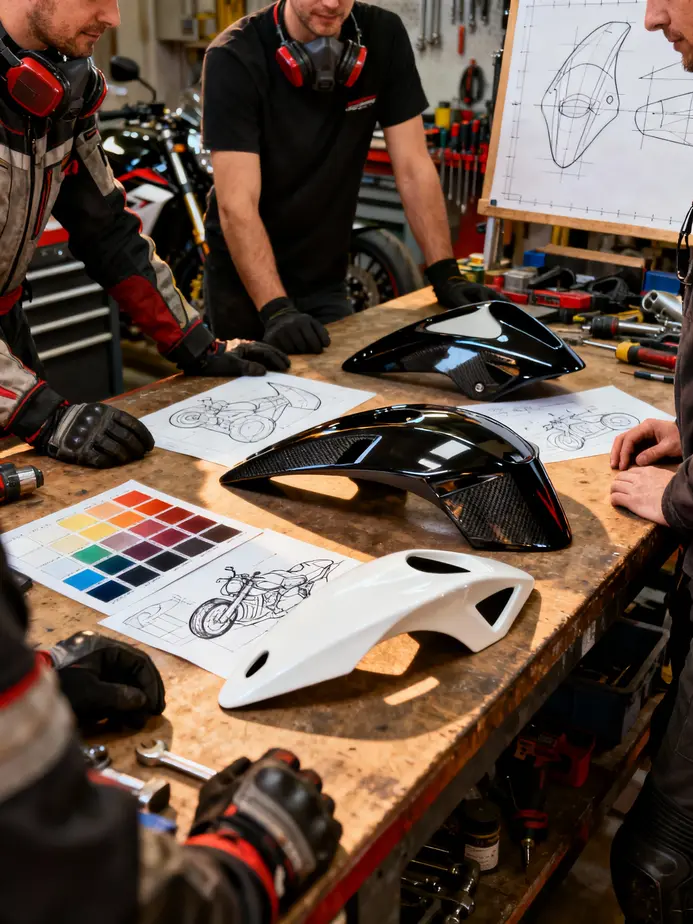
Full fairing motorcycles, characterized by their enveloping bodywork, not only enhance performance through aerodynamics but also serve as a prime canvas for aesthetic customization. Riders can transform their machines into unique reflections of personal identity and style, making aesthetic upgrades as significant as mechanical modifications. The aesthetic customizations available for full fairing motorcycles are as diverse as the individuals who ride them, covering color schemes, artwork, materials, and integrated lighting to elevate the motorcycle’s visual appeal.
One of the most impactful ways to customize a motorcycle’s appearance is through color schemes and paint finishes. The market offers a plethora of options, from glossy and metallic finishes that shine under sunlight to matte and pearl variants that offer a distinctive flair. Riders can choose vibrant solid colors, or explore unique blends and gradients that bring their vision to life. Some manufacturers employ a meticulous 7-step paint process to ensure durability and depth. This detail-oriented approach encompasses everything from proper surface preparation to multiple coats of high-quality paint followed by a resilient clear coat finish. Riders should consider their future maintenance needs when opting for matte finishes, as they require more attentive care to avoid scratches and preserve their aesthetic beauty.
Decals and custom graphics serve as another powerful means of personalization. Riders who want to make a statement can opt for custom artwork that reflects not only their style but also their biking philosophy. This includes integrating text, patterns, or race-inspired graphics onto the fairings. Notably, some brands offer free customization services, allowing riders to modify existing designs or create entirely new ones without incurring extra costs. Using decals provides the flexibility to change looks easily or enhance the motorcycle’s personality with race replicas, logos, or abstract graphics that resonate with the rider’s vision.
An exciting alternative to traditional painting is the use of wraps, which allows for even more creativity. Motorcycle wraps come in various colors and patterns, providing the ability to ease into different styles without a permanent commitment. Should a rider wish to revert to the original look or explore another theme, wraps can be removed or replaced effortlessly, presenting a dynamic way to keep the motorcycle’s appearance fresh.
Riders can elevate their motorcycle’s aesthetics even further with the incorporation of premium materials such as carbon fiber. The unique woven patterns of carbon fiber create a striking appearance that immediately commands attention. This material conveys a sense of high-performance and exclusivity, appealing to those who wish to amplify their motorcycle’s visual impact. Various manufacturers specialize in offering carbon fiber aesthetics, turning fairings into works of art that blend style with the performance benefits of reduced weight.
Equally essential to aesthetic enhancements are the integrated lighting elements found in full fairing designs. Functional components such as headlights, turn signals, and air vents are not merely afterthoughts; they play a crucial role in the overall design coherence. The way these elements are embedded into the fairing can influence the motorcycle’s character and functionality. Riders can choose custom-designed lighting styles that complement or contrast their bike’s overall theme, adding to its allure.
As riders set out on a journey to personalize their full fairing motorcycles, several customization brands stand at the forefront, each offering unique services and products. Kings Motorcycle Fairings showcases a dedication to customer collaboration, inviting riders to submit their unique ideas and collaborate for a one-of-a-kind design. Their extensive offerings include various finishes and effects that cater to individual preferences.
Mrfairing takes personalization a step further by providing a range of free adjustments, from changing primer or decal colors to altering placement or removing elements, ensuring that every rider’s vision is translated into reality while meeting their performance needs.
For those interested in cruiser and touring motorcycles, brands like Memphis Shades provide pre-designed fairings complemented by Trigger-Lock mounting kits for easy installation. Their models not only enhance aesthetics but also cater to the comfort needs of long-distance riders by improving wind protection.
As riders delve deeper into aesthetic customization, they must also be aware of material selections and quality finishings. Prioritizing options with UV resistance and high-quality coatings ensures that the visual upgrades resist degradation under sunlight, preserving the striking looks of their investment. Attention to detail in maintenance routines and a thoughtful selection of materials can extend the life and vibrancy of these customizations, allowing personal expression to shine through for years to come. The journey of personalizing a full fairing motorcycle is not just about looks but is a profound expression of the rider’s character on the open road. For those looking for specific parts, exploring offerings from Yamaha Fairings can provide key insights into the available transformations for their bikes.
2. Innovative Performance and Functional Enhancements for Full Fairing Motorcycles
In the world of full fairing motorcycles, striking a balance between aesthetics and performance is essential for an exhilarating riding experience. These motorcycles are designed not only to be visually striking but also to deliver unmatched speed and handling through carefully considered upgrades. From exhaust systems to aerodynamic elements, the enhancements available transform the ride, making it more dynamic, responsive, and comfortable.
One of the first areas that riders focus on when seeking to enhance performance is the exhaust system. Options like slip-on exhausts are a favorite among those who desire an immediate upgrade without extensive modifications. Offering a distinct growl that adds character to the bike, slip-ons can also deliver minor power improvements. However, for those looking for significant gains in horsepower and efficiency, full exhaust systems represent the next logical step. These systems replace the entire exhaust setup, allowing for better airflow, reduced backpressure, and substantial power enhancements across the engine’s rev range. The decision to install a full exhaust often coincides with engine tuning to maximize these gains, ensuring that the motorcycle operates at peak capacity.
Complementing the exhaust upgrades, high-flow intake systems serve as vital assets in improving engine performance. By allowing the engine to inhale greater amounts of air, these components can contribute to improved horsepower and throttle sensitivity, particularly at high RPMs. This type of modification is highly sought after not only for its performance rewards but also for its relatively straightforward installation process, providing a significant improvement without the need for major mechanical overhauls.
The very design of full fairing motorcycles lends itself to custom aerodynamic upgrades. Using carbon fiber fairings can drastically reduce the overall weight of the bike, making it an excellent option for those looking to boost their power-to-weight ratio. This is particularly beneficial during spirited rides, as lighter bikes maneuver more effortlessly and maintain stability better at high speeds. Additionally, ensuring optimal wind deflection with custom fairings reduces fatigue, allowing riders to cover greater distances comfortably. With various material options—including fiberglass and kevlar-carbon—motorcycle enthusiasts can tailor their motorcycle not only for performance but also for visual appeal, thanks to available custom paint options.
Customization doesn’t stop at performance; ergonomic adjustments are equally crucial for enhancing the riding experience. Upgrading to custom handlebars can significantly alter the dynamics of riding. Whether riders prefer a higher or more swept-back style, the right handlebars will improve posture and reduce physical strain on longer journeys, promoting a more enjoyable ride. Similarly, aftermarket footpegs and shift levers can enhance grip and contact, allowing riders to fine-tune their foot position for maximum control. Such adjustments are indicative of a growing trend in the motorcycle community, emphasizing comfort alongside performance.
An often overlooked area of customization is the motorcycle’s lighting. Modern LED lighting kits are an excellent way to boost not only safety during night rides but also the overall aesthetic appeal of the motorcycle. These kits illuminate the road more effectively while adding a sleek, contemporary look. Furthermore, effective lighting enhances visibility, allowing for a safer ride as it enhances the rider’s presence on the road, especially in low-light conditions.
Incorporating multiple enhancements into a full fairing motorcycle can create a finely-tuned machine that performs both well in speed and in everyday practicality. Whether it’s through upgrades to the exhaust and intake systems, carefully selected aerodynamic improvements, ergonomic adjustments, or augmented lighting features, the possibilities for customization are endless. Each modification plays an essential role in crafting a motorcycle that caters to individual rider preferences, leading to a unique, satisfying experience on the road.
As riders consider these upgrades, it is essential to choose components that align with their specific riding style and the intended use of their motorcycle. For those interested in participating in racing events, for instance, the focus might lean more heavily on performance upgrades, whereas casual riders may prioritize comfort and aesthetics. Whatever the choice, working with reputable manufacturers ensures that each part fits correctly and performs optimally, thereby maximizing the benefits of the customizations made.
In summary, transforming a full fairing motorcycle into a personalized powerhouse involves thoughtful enhancements aimed at improving performance, aerodynamics, and rider comfort. By blending form and function, riders can not only enjoy the visual appeal of their motorcycle but also experience enhanced performance and comfort on every ride. For those interested in exploring specific full fairing options tailored to their motorcycles, this valuable resource showcases an extensive range of fairings suitable for various motorcycle brands, allowing for further customization and personal expression.
Chapter 4: Technological Innovations Driving the Future of Full Fairing Motorcycles
1. Cutting-Edge Technologies Shaping Full Fairing Motorcycle Performance
The landscape of full fairing motorcycles is increasingly defined by the cutting-edge technologies being integrated by leading manufacturers. Brands such as KTM, Ducati, and Kawasaki are revolutionizing the sportbike arena not only with stylish aesthetics but also by embedding high-performance innovations that elevate the entire riding experience. The result is a genre of motorcycles that excel in aerodynamics, safety, and rider engagement, showcasing how technology is steering the future of two-wheeled transportation.
KTM: Precision Engineering Meets Modern Technology
KTM’s foray into the supersport segment with the 2026 990 RC R exemplifies precision engineering. This motorcycle is powered by a robust 947cc LC8c twin engine that delivers 130 hp alongside 103 Nm of torque, adhering to the stringent Euro 5+ standards which emphasize efficiency without sacrificing power. The incorporation of an 8.8-inch widescreen TFT display stands out, offering clear navigation and an array of data at the rider’s fingertips. Riders are given the flexibility to select from multiple riding modes — essential for discerning track day enthusiasts and casual riders alike. These modes are enhanced further by optional Track and Tech packages designed to refine high-speed performance further.
Safety is paramount in the KTM 990 RC R, as evidenced by its four-stage cornering ABS. This technology adapts to the riding conditions, ensuring optimal braking performance while leaning into corners, which is crucial in both track and street scenarios. The chassis is meticulously crafted from laser-cut steel with an aluminum subframe for enhanced stability. Additions like WP suspension systems, particularly the XACT Closed Cartridge fork, guarantee a comfortable and controlled ride across all surfaces. Such innovations signify KTM’s commitment to merging traditional sportbike attributes with modern necessities.
Ducati’s Pursuit of Aerodynamics
Ducati has long been recognized for its relentless pursuit of performance through aerodynamics, and their latest machinery is no exception. The Desmosedici GP26, designed for MotoGP, showcases the brand’s latest technological advances. Notably, the model features more pronounced fairing shapes that have been engineered to maximize downforce while reducing drag. The implications of such aerodynamic design are profound; by enhancing stability at high speeds, Ducati not only maintains its competitive edge in racing but also influences the designs of their road-legal sportbikes.
The fairings used in Ducati’s racing models underscore a commitment to performance and aesthetics, embodying a philosophy that drives innovation across their lineup. The technology seen in MotoGP often trickles down to production models, giving enthusiasts access to high-performance characteristics previously reserved for the racetrack. Such advancements ensure that full fairing motorcycles remain at the forefront of technical performance.
Kawasaki: Fusing Technology with Heritage
Kawasaki is not sitting idle either; their innovative 2026 lineup integrates a suite of digital enhancements that elevate the riding experience. The company’s Rideology The App is a game-changer, allowing riders to access vital statistics and navigation through voice commands, significantly reducing distractions. This seamless integration of technology resonates deeply with modern riders who value connectivity while riding.
Notably, Kawasaki’s inclusion of Radar-based Adaptive Radar Assisted Braking (ARAS) represents a significant leap in safety technology. With sensors integrated into the fairings, this system allows the motorcycle to detect obstacles, making brake adjustments autonomously when needed. Such innovations blend Kawasaki’s heritage of performance with a forward-thinking approach to safety. By ensuring rider comfort and control through sophisticated technology, Kawasaki solidifies its standing in the sportbike industry.
A Glimpse into the Future
These advancements in full fairing motorcycles extend beyond performance and safety. Each manufacturer’s commitment to innovation reflects a broader trend in the motorcycle industry where aerodynamics, electronics, and rider aids become pivotal in designing future models. While brands like Honda and Indian are exploring variations with partial fairings and unique styling, the true essence of full fairing sportbikes remains grounded in their ability to meld form with function.
The advancements witnessed in the realm of full fairing motorcycles indicate a focus not only on high-speed capabilities but also on enhancing rider engagement and safety. The way forward looks promising, where every new model unveils technologies that make riding a motorcycle safer, more exhilarating, and seamlessly connected to the rider’s needs.
In conclusion, as these innovations continue to emerge from the workshops of leading manufacturers, riders can expect an ever-expanding arsenal of technologies designed to enhance performance, safety, and joy in riding. The full fairing motorcycle, enhanced by advanced engineering and a relentless pursuit of perfection, stands not just as a vehicle, but as an embodiment of technological prowess delivering exhilarating performance with every twist of the throttle. To explore more specific motorcycle fairings tailored to various models, consider checking out options available from well-known suppliers.
2. Navigating Economic Waters: The Influence of Full Fairing Motorcycles on Manufacturer Strategies
The motorcycle industry is currently in the midst of a turbulent economic climate, marked by declining sales and increasing competition among manufacturers. Despite these challenges, full fairing motorcycles, with their distinctive aerodynamic designs, are carving out a niche that not only withstands but thrives in the face of broader market contractions. The appeal of full fairing bikes lies in their performance capabilities and rider protection, but they also represent a strategic pivot for manufacturers aiming to adapt and overcome the current economic hurdles.
Data from recent years reveals a dramatic downturn in the motorcycle market; sales fell 9.2% year-over-year in the first half of 2025, leading to an overall reduction of 6.5% across the first nine months of that year. Traditional giants like Harley-Davidson are experiencing steep declines—sales dropped 21.1%, with significant backlogs of unsold inventory. This has created a grim forecast, with approximately 400 dealerships expected to shutter by the end of 2026, compelling manufacturers to rethink their strategies and product offerings.
Amidst this backdrop of contraction, full fairing motorcycles have emerged as an unexpected bright spot. Sport bike enthusiasts are drawn to the powerful performance and aesthetic appeal of these bikes, leading to a steady demand within this specific segment. For instance, Kawasaki has celebrated remarkable success, capturing the title of market leader in the U.S. for the first time in a decade, with a sales increase of 17.7% in the first half of 2025. Models such as the Ninja series, particularly the 2026 Ninja ZX-6R, exhibit robust sales figures, demonstrating how targeted investment in full fairing designs can drive manufacturer profitability even in challenging times.
One of the critical elements that has contributed to the resiliency of full fairing motorcycles is their design and functionality. These bikes feature comprehensive bodywork that enhances aerodynamics, reduces drag, and ultimately allows for greater speed and performance. As many riders seek both financial and physical rewards from their motorcycle purchases, options like the entry-level Kawasaki Ninja, priced competitively at $5,399, highlight how full fairing bikes can appeal to both enthusiasts and budget-conscious consumers. This dual appeal is essential for manufacturers navigating an environment where consumer spending may be more constrained than in previous years.
Moreover, the strong performance of full fairing motorcycles can be seen as indicative of broader market trends that value innovation and specialization. Sport bikes have carved out 18.7% of the best-selling motorcycle categories, and models like the Yamaha YZF-R9 and Aprilia RS 660 are recognized as top choices among riders. Even as traditional segments contract, the enthusiasm for performance-oriented full fairing models offers manufacturers a lifeline and a point for differentiation in a competitive landscape. This trend is not only beneficial for sales figures but also fosters a culture of innovation, pushing manufacturers to invest in enhanced features, better materials, and more striking designs.
As manufacturers face market pressures, restructuring has become a common theme. The acquisition of KTM by Bajaj exemplifies this trend towards consolidation, which can enable greater efficiency and broader scale. In tandem with these strategic shifts, many companies are relocating production to lower-cost regions to mitigate rising expenses. For instance, KTM is shifting manufacturing from Austria to India, while Harley-Davidson is actively exploring more budget-friendly offerings to attract new customers.
Price adjustments are another significant aspect of current economic strategies. On average, motorcycle prices have risen by 12.3% compared to 2024 models. This indicates a strategic effort by manufacturers to maintain profit margins despite declining sales volumes. For full fairing motorcycles, where performance often comes at a premium, the ability to maintain competitive pricing without sacrificing quality becomes vital. This strategy also extends to customization options that cater to varied consumer tastes while ensuring that full fairing designs remain accessible.
In conclusion, full fairing motorcycles are not just a niche segment; they represent a core element of strategic adaptation within the changing landscape of the motorcycle industry. With skilled manufacturers seeking innovative ways to attract riders, the resilience of full fairing bikes holds the potential to not only stabilize but actually revitalize sales for their manufacturers. As the industry navigates these economic waters, full fairing motorcycles will likely continue to play an essential role in connecting manufacturers with consumers who crave both performance and style. The dynamic nature of this market serves as a testament to the enduring appeal of full fairing designs, positioning them as a beacon of growth in an otherwise challenging economic climate.
Chapter 5: Impact of Full Fairing Motorcycles on Riding Comfort and Safety
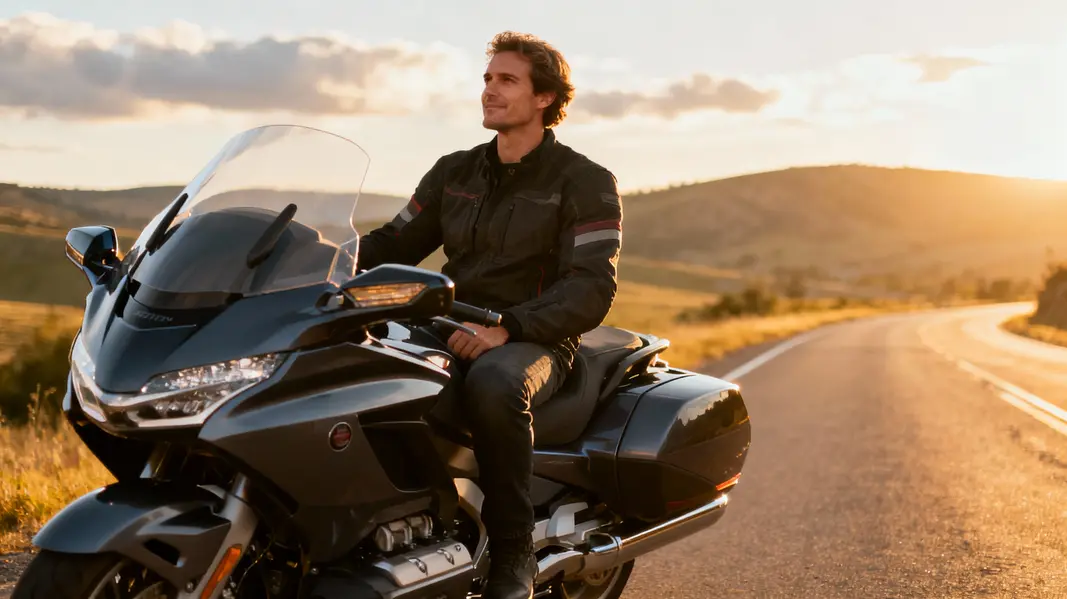
1. Maximizing Comfort and Safety: The Revolutionary Role of Full Fairing Design
The evolution of motorcycle design has ushered in a new era of comfort and safety for riders, particularly through the adoption of full fairing configurations. These enhancements not only cater to the aesthetic appeal of sport bikes but also functionally transform the riding experience, making it more enjoyable and secure. Full fairings provide a comprehensive barrier against the relentless wind, allowing riders to focus on the road ahead without undue strain on their body. The careful engineering behind full fairing motorcycles involves extensive aerodynamic research that yields a design aimed at minimizing wind resistance and maximizing stability.
Riding a motorcycle can often expose the rider to unnerving wind speeds, especially at higher velocities. Full fairings address this issue remarkably well. By offering a protective shroud around vital components and the rider, these fairings create a significant buffer against harsh winds. As riders cruise on highways or embark on long-distance journeys, they benefit from reduced upper-body fatigue caused by wind resistance. This design feature encourages longer rides, facilitating an experience that allows both adventure enthusiasts and casual riders to enjoy the thrill of open roads without the physical toll that wind exposure can cause.
Furthermore, the aerodynamic properties of full fairings extend their advantages to fuel efficiency. Motorcycles equipped with full fairings can see an impressive 3 to 7% enhancement in fuel economy, particularly during highway travel at sustained speeds above 55 mph. As some studies suggest, improvements may reach up to 10%, offering significant savings on fuel costs for touring enthusiasts. This directly translates to longer riding ranges and reduced refueling stops, enhancing the overall experience on the road while contributing to an eco-friendlier ride.
Beyond comfort, full fairings play a vital role in enhancing safety through improved aerodynamic stability. The design facilitates smoother airflow around the motorcycle, which is crucial during high-speed operations. Stability is paramount when navigating highways, as the forces at play can easily disrupt a rider’s control. By reducing drag and introducing elements like winglets that create downforce, the bike maintains better traction and control during rapid acceleration and braking. This stability offers riders the confidence to handle their machines more effectively, which is particularly important during sudden maneuvers or challenging weather conditions.
In essence, the protective features of full fairings extend beyond merely improving rider comfort. They also shield critical components of the motorcycle, such as the engine and electrical systems, from the harshness of road debris and weather elements. This protection translates to lower maintenance costs over time and can noticeably extend the service life of vital parts. Riders can embark on exhilarating trips with the reassurance that their motorcycle is equipped to withstand environmental challenges.
The performance versatility added by full fairings becomes particularly advantageous in competition and high-speed scenarios. Riders frequently prepare for races or track days seek out full fairing kits to tailor their bikes for optimal performance metrics. The implementation of these fairings allows for higher top speeds and enhanced acceleration, crucial metrics in any racing setting. However, it is essential that installation is conducted with care to ensure that it does not compromise the motorcycle’s overall handling or safety.
Full fairings are not just reserved for sport bikes; they find worthy applications in touring motorcycles as well. Bagger motorcycles exemplify how full fairings can enhance both comfort and practical functionality. These machines feature expansive storage options combined with aerodynamically favorable designs that cater specifically to long-distance travel needs. With enhanced wind protection and added capacity, riders can enjoy extended journeys, confident that they are protected from wind fatigue while also being able to stow necessary gear.
In conclusion, full fairing motorcycles represent a compelling combination of technological advancement and practical application, significantly influencing riding comfort and safety. As the motorcycle industry continues to innovate in materials and design strategies, the potential alterations in airflow dynamics, aerodynamic characteristics, and rider-centric comfort promise a future where full fairings could become essential for every rider’s motorcycle design. For those seeking tailored designs, exploring custom kits for popular models is easier than ever, unlocking the potential to personalize their riding experience while ensuring an optimal mix of safety and comfort. The detailed craftsmanship behind full fairings also ensures a life span commensurate with the quality of the materials used, thus presenting these solutions as valuable investments for riders committed to making the most of their time on two wheels.
2. Navigating the Benefits and Challenges of Full Fairing Motorcycles: A Sociocultural and Economic Perspective
The incorporation of full fairings into motorcycle design has not only revolutionized the riding experience in terms of comfort and safety but also carries profound implications for society and the economy. These advanced bodyworks significantly mitigate the negative effects of wind resistance, providing a shield that allows riders to enjoy their journeys with greater ease. By enveloping the frame and critical components of motorcycles, full fairings are instrumental in decreasing drag and, in doing so, improving fuel efficiency by an estimated 10% at sustained speeds. This enhancement can make longer highway rides not just feasible but enjoyable by reducing rider fatigue, which otherwise can lead to accidents.
Comfort on the road extends beyond the technical efficiency of the motorcycle; it encompasses the overall experience that riders have while navigating various weather conditions and highway speeds. Riders with full fairing motorcycles find themselves less exposed to harsh environmental factors — the wind, rain, and cold become mere nuisances rather than deterrents. As a result, full fairings promote longer riding sessions and, consequently, a greater sense of freedom among motorcyclists. Long-distance touring becomes a more appealing pursuit, with riders potentially traveling further and discovering new destinations. This shift towards safer, longer journeys could lessen the frequency of accidents primarily driven by fatigue, ultimately transforming the landscape of motorcycle culture and community.
However, the rise of full fairing motorcycles is not without its challenges. While their aerodynamic capabilities enhance stability and make for enjoyable rides, they tend to favor a specific kind of usage, primarily suited for paved roads. This has sparked a discussion about accessibility among diverse rider groups. Adventure riders, who may prefer versatility, find themselves sidelined as the motorcycle market gravitates towards performance-oriented designs. Such divisions raise questions about inclusivity in motorcycling communities, as full fairings establish a reputation predominantly associated with sport and racing environments. As performance-oriented motorcycles gain traction, it risks creating a culture that celebrates speed and racing over the rugged versatility historically associated with motorcycle riding.
Examining the economic ramifications of full fairing motorcycles offers another layer of understanding. The initial investment in a full fairing setup can be significant, especially when high-quality materials like carbon fiber are involved. Some kits can exceed $800, a hefty price for many prospective riders. Yet, this investment may deliver tangible long-term benefits. By enhancing the motorcycle’s resale value and evidence suggesting a reduction in maintenance costs due to engine protection against debris, riders might find that the benefits outweigh the initial costs.
Professional installation can add to these expenses, which may deter some buyers. However, for those who frequently use their motorcycles for highway travel, these costs may be justified over time, especially as the enhanced aerodynamics improve fuel consumption and thereby lead to savings at the pump. Riders who embark on long journeys will appreciate the additional protection and aerodynamic benefits, making the initial outlay less daunting in retrospect.
Beyond personal economic considerations, the broader implications of adopting full fairing motorcycles extend into the realm of local economies. Increased numbers of long-distance riders can stimulate regional tourism, with riders flocking to attractions, events, and festivals prominent along motorcycle routes. The enhanced comfort and speed offered by full fairings can potentially attract a new demographic of motorcycle enthusiasts who may feel previously excluded from the motorcycle world due to discomfort or the perceived risks associated with long rides. As this community expands, it can lead to a resurgence in local businesses catering to these riders, from hotels to restaurants and tour companies offering unique experiences tailored to the motorcycling culture.
In conclusion, while full fairing motorcycles enhance comfort and safety, their societal implications and economic effects reveal a dual-edged sword. They foster a culture that embraces speed and efficiency, promoting longer rides and stimulating local economies. Yet, they may also unintentionally marginalize riders whose preferences lie in adventure and multifaceted uses. Balancing these elements will be critical as the motorcycle industry evolves. Acknowledge the potential of full fairings to redefine societal norms within motorcycling while continuing to embrace the diversity that has historically defined the motorcycle community is essential. Ultimately, the future of full fairing motorcycles depends on the industry’s ability to integrate these aesthetics and efficiencies with a broader understanding of rider needs and preferences.
For further insights into options available for full fairings, exploring specific manufacturers’ offerings, such as Yamaha’s extensive range, can provide valuable information for those intent on upgrading their rides.
Final thoughts
Full fairing motorcycles are more than just aesthetically pleasing motorcycles; they represent a marriage of design and functionality that can significantly impact performance and comfort. By understanding the benefits these motorcycles bring—such as enhancing aerodynamics, using advanced materials, offering customization options, and improving safety—business owners in the motorcycle sector can better position themselves to meet customer demands. Staying informed about leading manufacturers and their products ensures that your offerings remain competitive in a dynamic market. As biking enthusiasts are increasingly drawn to performance, investing in full fairing motorcycles can create valuable opportunities for your business.
Upgrade your ride with UltimateMotorX’s premium motorcycle fairings—durably crafted, precision-fitted, and stylish. Meeting OEM standards for easy installation, our collection suits upgrades or replacements. Shop now for fast shipping, secure checkout, and expert support. Give your bike the ultimate quality it deserves!
About us
At UltimateMotorX, we’re rider-founded experts in top-tier motorcycle fairings. We source premium materials, partnering with trusted manufacturers for perfect fits and durability. Enjoy expert advice, hassle-free returns, and seamless shopping. Ride with confidence—style and quality guaranteed!