
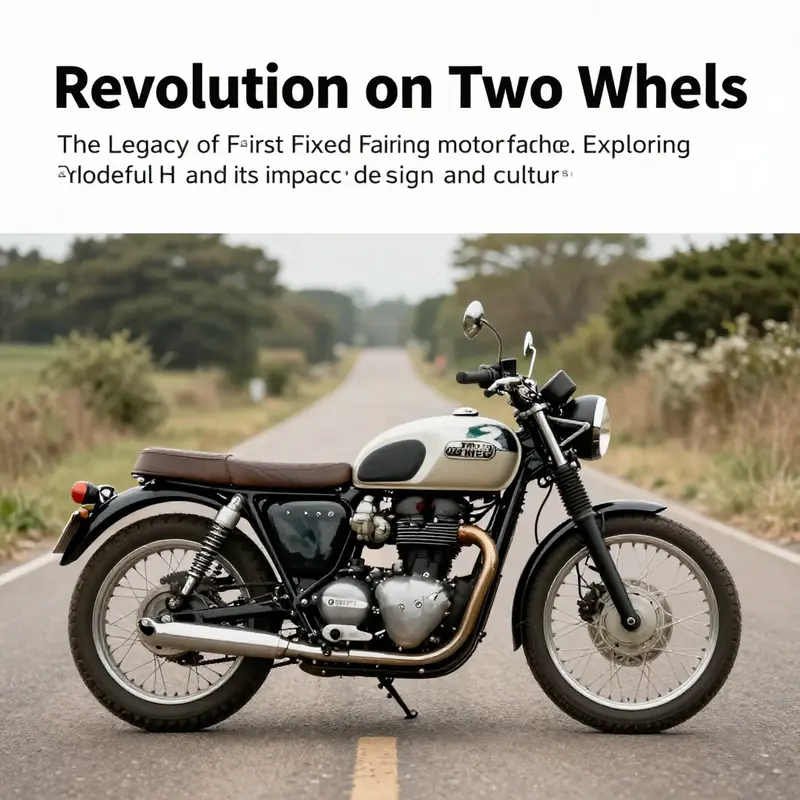
In the early 1920s, the motorcycle industry witnessed a groundbreaking innovation that would significantly impact rider comfort and define the future of motorcycle design. The launch of the Triumph Model H, equipped with the world’s first fixed fairing, represented a pivotal shift from basic transportation to a more refined riding experience. This article delves into the historical context and technological advancements behind this iconic motorcycle, explores its market impact on riding culture, and assesses its enduring significance in the motorcycle industry. Understanding the Triumph Model H reveals not just a piece of engineering history, but also showcases the evolution of user experience and forward-thinking in design that continues to influence modern motorcycles.
Fixed Shields and Integrated Aerodynamics: A Long View on the First Fixed Fairing Motorcycle
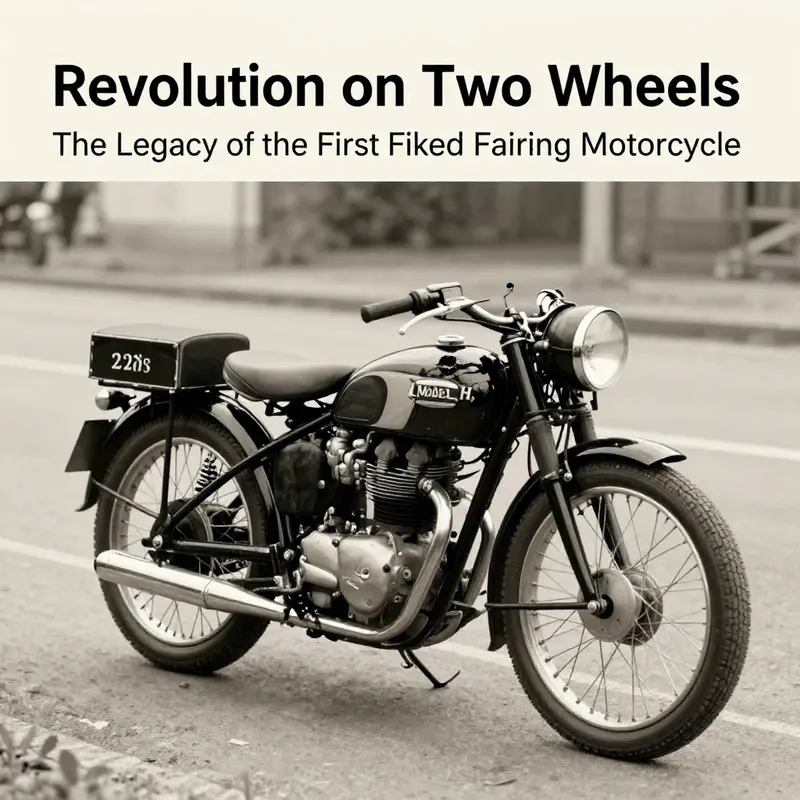
From the earliest days of motorcycling, riders learned to live with wind as a design variable rather than only a nuisance. Over time, shields evolved from improvised screens to integrated fairings that became part of a bike’s geometry and identity. Between the world wars and into the postwar era, designers and engineers explored fixed forms that could shape airflow, protect riders, and harmonize with frames and engines. A landmark shift occurred when a British manufacturer introduced a built-in fairing that wrapped around the front, signaling a new approach to aerodynamics and rider comfort even if no single moment can claim the title of first. Since then materials, tooling, and wind tunnel data have allowed fairings to become modular platforms that influence handling, cooling, and electronics while preserving style and character. The modern fairing is thus not a mere shield but a comprehensive system that ties together protection, performance, and the rider’s sense of immersion in motion.
Wind, Form, and the Evolution of the Motorcycle Fairing
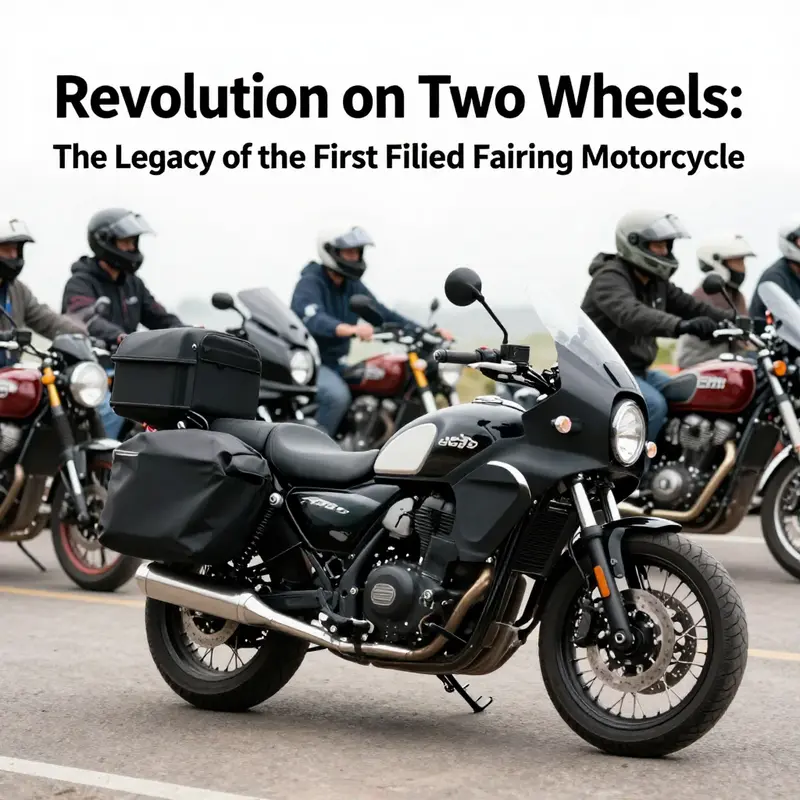
The story of wind protection on motorcycles is rarely a single invention. It is a layered evolution where practical improvements, stylistic shifts, and changing rider expectations converge to reshape what a machine can do in the wind. Early windscreens and fixed shields answered a straightforward need: reduce fatigue, offer shelter from rain, and give riders a sense of forward momentum. These devices did not redefine aerodynamics so much as they made a long ride more survivable. They served as a preface to a design language that would come to emphasize integration and flow rather than simple function.
From the 1910s into the 1920s, riders experimented with fixed parts that attached to frames and tanks. Some protection was minimal, some appeared to sweep across the rider more completely, but none yet spoke a unified aerodynamic story. The Triumph Model H is sometimes cited in popular accounts as a milestone, yet the broader truth is more cautious: this example marks a step toward wind management rather than a singular origin point. A wider arc unfolds as engineers and riders together push for relief from wind without sacrificing control or visibility.
The middle decades of the twentieth century saw a shift from ad hoc shields to more deliberate bodywork. As racing and touring demands grew, designers wrapped engines and riders in more cohesive shells, smoothing the air around the torso, helmet, and shoulders. A fairing in this sense becomes more than a piece of plastic or metal: it is a sculpture that couples rider and machine, shaping perception of speed and guiding airflow in a way that feels almost collaborative. The rider gains a sense of stability at speed and a visual cue of velocity that mirrors the machine’s performance.
Culturally, the move toward integrated fairings broadened the meaning of riding. The motorcycle took on an identity in which color, form, and line spoke about capability and aspiration. Clubs and café scenes grew around discussions of posture, wind protection, and the ergonomics of a shell that fits the body. The fairing becomes a shared vocabulary, a visual and tactile shorthand for a rider who values comfort, control, and a sense of speed expressed through design as much as through engines.
The industry did not jackpot into a single moment of transformation. Instead, the trend moves as a continuum: from fixed screens to full integration, from minimal shielding to aerodynamic cooperation between rider and bike. Advances in materials, testing methods, and manufacturing enabled shells that blend with fuel tanks, frames, and radiators. The result is a practical gain in efficiency, a predictable handling envelope at speed, and a silhouette that signals speed even when the bike is standing still. The modern fairing is thus not merely a shell but an integrated system that accounts for electronics, airflow, and rider ergonomics as a single design problem.
To understand this history is to recognize how the myth of a single first fixed fairing can obscure a longer truth. The journey from wind protection to aerodynamic form is a tale of cumulative improvements, social habit, and evolving aesthetics. The first fixed fairing, when seen in this light, becomes a reference point within a broader arc rather than the hinge of a new era. It is a chapter in a continuous negotiation among wind, speed, and human comfort, a negotiation that continues as designers, riders, and brands explore new shapes, materials, and technologies.
For readers seeking a concrete anchor, the broader history of wind protection in motorcycles offers nuanced context. This chapter aligns with a pattern in engineering where ad hoc gains mature into integrated solutions. It is a reminder that the riding experience is shaped not only by horsepower but by the air that riders meet on every mile, and by communities that discuss, debate, and celebrate the shell as part of who they are as riders.
null
null
Final thoughts
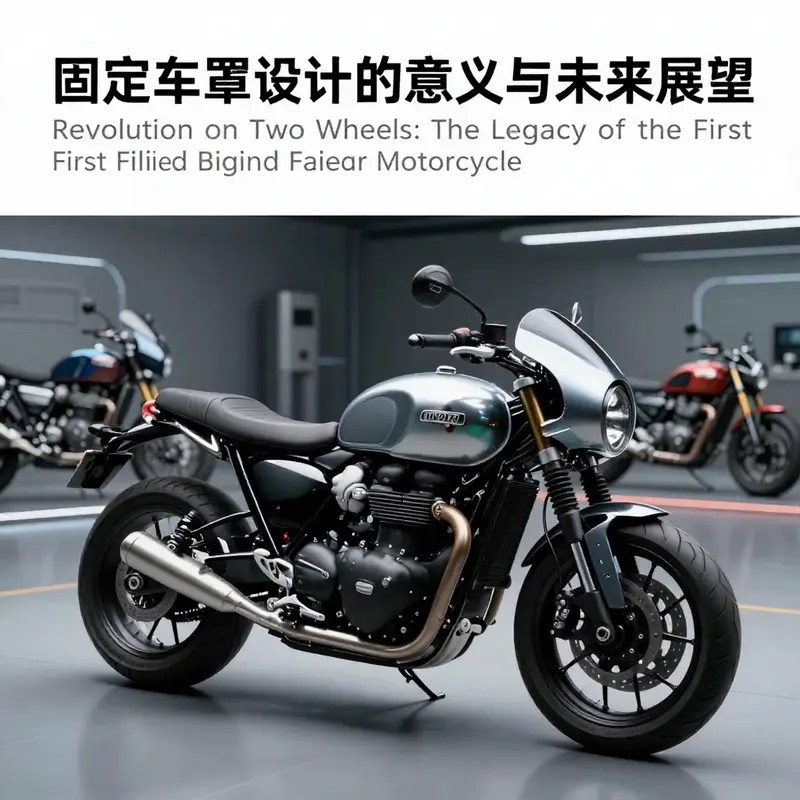
The introduction of the Triumph Model H, the first motorcycle equipped with a fixed fairing, marks a significant chapter in the history of motorcycle design. Its innovative approach to rider comfort and protection transformed not only the engineering landscape but also the broader motorcycle culture. As we look forward, the principles established by this pioneering model continue to inform motorcycle aesthetics and functionality, encouraging businesses to innovate and adapt to the changing preferences of riders today. Understanding the legacy of the Triumph Model H enables business owners and industry stakeholders to appreciate the importance of embracing technological advancements and evolving user expectations in the dynamic world of motorcycling.