
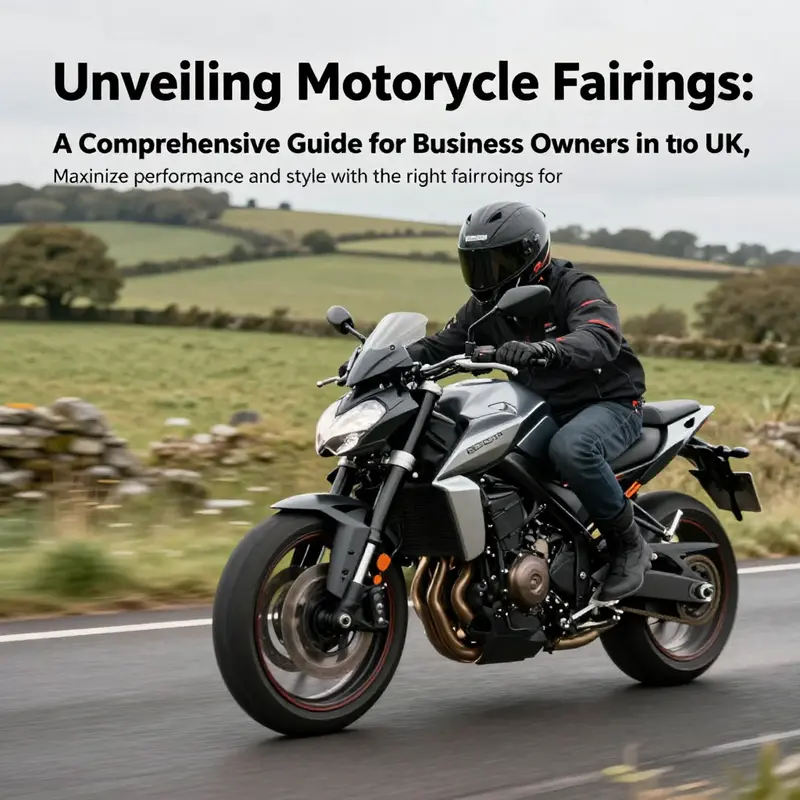
Motorcycle fairings play a crucial role in enhancing both the performance and aesthetics of bikes, particularly in the dynamic UK market. As business owners involved in the motorcycle industry, understanding the functionality, types, and market options for fairings is essential. This guide breaks down the intricate aspects of motorcycle fairings into four comprehensive chapters. The first chapter explores the various types of fairings available in the UK, including full, half, and naked options. Next, we analyze the significant impact of fairings on motorcycle performance, focusing on aerodynamics and rider safety. Moving forward, we delve into the aftermarket fairing landscape, discussing compatibility, cost, and options available to customers. Lastly, we examine the aesthetic appeal that fairings offer, highlighting their role in customization and branding. Each chapter builds a deeper understanding of motorcycle fairings and their importance in enhancing the rider experience, ultimately supporting your business’s growth and adaptation in a competitive market.
Wings on the Road: A UK Rider’s In-Depth Look at Motorcycle Fairings
In the fabric of modern motorcycling, fairings are more than cosmetic shells. They are performance systems that shape how a bike behaves, feels, and endures the peculiar climate of the United Kingdom. A rider navigating rain-slick city streets, potholed country lanes, and the open stretches of motorway will notice that fairings influence comfort as much as top speed. In the UK, where weather changes with the blink of an eye and road surfaces demand respect, choosing and configuring fairings becomes a practical craft as much as an aesthetic choice. The conversation begins with the purpose behind fairings: to carve a smoother, more stable path through air, to shrink the rider’s wind fatigue, and to guard the bike’s vital electronics and engine from grit, moisture, and debris. All this adds up to a tangible difference in ride quality that can extend riding seasons, ease long commutes, and sharpen the edge of a track day experience. When we speak of fairings in this context, we are discussing a complex balance of aero efficiency, protection, maintenance, and personal expression. The English climate has more than its share of rain and wind, and the UK’s varied terrain makes a well-chosen fairing system a practical ally rather than a luxury accessory. It is a technology that translates wind anger into usable performance, letting riders stay comfortable at higher speeds and for longer periods, even when a cold front pushes in from the Atlantic and the car winds pick up grit from winter roads.
Types of fairings cover a spectrum from the highly integrated to the lean, minimalist skins that still offer meaningful aerodynamic benefits. Full fairings envelop the front and often portions of the engine bay, providing not only a sleek silhouette but a controlled flow that reduces drag and tends to quiet the cockpit at highway speeds. For riders who chase track days or long-distance touring in comfort, full fairings can be a clear advantage. Yet this comes with trade-offs: increased weight, more complex maintenance, and sometimes a stiffer fit that requires careful mounting to preserve structural integrity. The ripple effects are not only mechanical. The visual language of a full fairing—its lines, its integration with headlights and instrument clusters—conveys a statement of purpose, an indicator that performance is the priority.
Half fairings, sometimes described as clip-ons, deliver a middle ground. They shield the upper portion of the bike and rider from wind while keeping the lower engine and chassis exposed. This setup enhances agility and can lower overall weight, improving handling in urban environments and tight switchbacks where quick steering response matters. The UK rider who enjoys weekend blasts on rural lanes or sportier riding on a twistier road profile may feel that half fairings strike a satisfying compromise between weather protection and nimbleness. And then there are slimline or minimalist fairings. These offer the maximum possible aero gains with the least bulk, trading substantial wind protection for reduced weight and a clean, modern silhouette. They are favored by riders who prize streamlined handling and a race-inspired look but still want reasonable comfort for longer sessions. Touring-focused fairings, on the other hand, reflect a different set of priorities. They acknowledge the realities of long-distance UK riding: higher wind exposure on open roads, fatigue management on motorways, and the practical demand for ergonomic windshields and integrated protection against the elements. A touring fairing typically emphasizes comfort over sheer speed, with larger shields, better airflow channels, and sometimes built-in storage concepts to support longer journeys. The contrast between these designs mirrors the wider spectrum of riding styles found across the UK—from commuter efficiency and city slickness to highway endurance and weekend event endurance.
A convenient thread that runs through all these configurations is material choice. ABS plastic remains common, offering a forgiving balance of cost, impact resistance, and ease of manufacturing. For riders seeking higher stiffness and heat resistance, carbon fiber composites present an attractive, though more expensive, option. Fiberglass remains a bridge between the two, often used in aftermarket or specialist fairings. The material selection influences not only weight but how a fairing holds up to the practicalities of UK riding. A fairing must withstand road grit, salt in winter, and the occasional minor outboard collision with debris on busy routes. It should also be looked at in the context of repairability and long-term maintenance. The UK market benefits from a robust ecosystem of aftermarket and factory options, making it possible to tailor a fairing to a bike’s geometry, a rider’s climate, and a budget. The reality is that the right material choice affects everything from weight distribution and center of gravity to cooling efficiency and even noise reduction inside the cockpit at highway speeds.
When riders consider compatibility, a core question emerges: how does a fairing fit within the specific model year and the intended use? Structural mounting points, radiator and exhaust clearances, and the routing of electrical plugs all matter. A fairing that appears to fit visually may create clearance issues once the bike is loaded with luggage, or misalign with riding position, which can disturb aerodynamics and wind protection. This is where the practice of checking fitment and confirming alignment with the bike’s original design intent becomes essential. It is not enough to select a fairing by looks or advertised aerodynamic claims; meticulous verification of mounting geometry, panel gaps, and protection coverage is required. For touring and high-mileage riding, even small mismatches can translate into wind buffeting and fatigue after hours on the road. Dealers and experienced aftermarket technicians often emphasize a careful, model-specific approach to fitment, acknowledging that a perfect appearance does not guarantee optimal performance.
Beyond fit and materials lies the question of installation and upkeep. The UK rider who intends to do some or all installation themselves should prepare for a careful process. Fairings are not simply glued on and bolted; they are part of a system that interacts with the bike’s frame, steering geometry, and even air-flow around the radiator and engine casings. Ill-fitting panels can create turbulence or restrict airflow to critical components, undermining cooling performance and efficiency. The maintenance cycle is another consideration. At a minimum, fairings should be checked for loose fasteners, alignment of junctions, and any hairline cracks that can propagate under vibration. In poor weather, the exposure to road salt and moisture demands attention to sealing and paint protection to avoid corrosion and paint peel. In higher-end setups, fairings may integrate LED lighting, vents, or other functional augmentations that further complicate maintenance but offer additional benefit in visibility and cooling. Such enhancements can add to the practical value of the system, especially for riders who spend many hours on the road through the autumn and winter seasons when visibility and comfort become critical.
The British market also reflects a strong culture of customization and expression. A fairing is not merely a functional shell; it is an opportunity to define a bike’s character, echoing a rider’s identity and the livery of a season’s racing ambitions. Custom fairings can be crafted in a spectrum of materials and finishes, with options to incorporate improved cooling ducts, integrated lighting, or tailored ventilation paths that help manage air around the engine and radiators. That said, customization should be undertaken with caution. The ideal configuration must maintain safety margins and maintain the structural integrity necessary to absorb impacts and dissipate energy during a crash. The very reason that fairings exist—protecting the rider and delicate components while improving aerodynamics—depends on the integrity of their attachment to the frame and their ability to perform under stress. Any modification should preserve or enhance crash behavior and not compromise electronics or the safe operation of the bike.
In practice, many riders in the UK weigh three central considerations when choosing a fairing: performance gains, protective benefits, and visual impact. The first consideration centers on aerodynamics. A well-designed fairing streamlines airflow around the bike, reducing drag and buffeting, which translates into steadier handling at speed and potential relief in fuel efficiency on long rides. The second consideration concerns protection. A fairing provides a shield against wind chill, rain, debris, and insects, which is especially valuable when winter weather can bite through a rider’s layers and gloves. The third is aesthetics—the fairing communicates intent. A race-inspired, full fairing can project a performance-focused ethos, while a touring-oriented design can suggest comfort and practicality. This triad is not a luxury; it is a practical package that improves the everyday riding experience in a climate that tests both rider and machine.
Riders who regularly venture onto UK motorways, or who commute through rain-slick streets, often notice how a properly chosen windscreen height and fairing profile contribute to reduced wind noise and fatigue. Even a modest adjustment to the screen’s angle or a slight reshaping of the upper fairing surface can shift the tone of the wind hitting the rider and reduce the need to hunch or strain the neck. This is not merely a comfort feature. Endurance riding benefits from a calmer cockpit, which translates into better concentration, safer decision-making, and sustained comfort across longer journeys. Conversely, in urban environments with punctuated stops and more traffic turbulence, the right fairing and screen relationship can minimize buffeting and keep the rider more relaxed, facilitating finer control during stop-start conditions.
From a practical standpoint, the market in the UK offers an ecosystem that supports both factory-fit solutions and aftermarket experimentation. A rider can choose from a broad spectrum of configurations to suit a bike’s geometry and their personal preference for handling and protection. When exploring aftermarket options, it is prudent to review compatibility with the specific model year, material quality, and any safety standards relevant to the region. The decision to purchase a full fairing versus a half or slimline option often hinges on the type of riding planned, the weather one faces, and the effort one is willing to invest in maintenance and installation. The balance of cost, weight, durability, and performance becomes a personal calculus, guided by the rider’s priorities and the bike’s intended use.
For readers who want a concrete path to broaden their understanding of model-specific opportunities without losing sight of the bigger picture, a practical way to explore is to consider the broader aftermarket landscape while staying mindful of compatibility. For instance, enthusiasts often navigate a wealth of categories and options that cover a wide range of brands and bikes. A useful entry point for those exploring the subject is to browse the Suzuki fairings category, which showcases the kinds of aftermarket solutions that are commonly discussed within the UK community of riders. This pathway offers tangible insights into how different fairing types are marketed and installed, helping readers gauge what could work for their own setup. Suzuki fairings provides a representative sense of the design language and attachment considerations that recur across many makes and models.
As with any substantial modification, prudent research and a measured approach yield the best outcomes. The UK’s climate and roads demand a thoughtful balance of protection, performance, and practicality. The decision to invest in a particular fairing type should reflect your riding style, annual mileage, and willingness to maintain a more complex surface treatment and mounting system. A well-chosen fairing becomes a durable partner—one that not only cuts through the air more efficiently but also supports the rider through the seasons, from damp autumn commutes to dry summer highway miles. It is a choice that embodies the rider’s relationship with the machine: a practical tool, a technical achievement, and a canvas for personal expression that speaks to the pride many UK riders feel for their bikes and their right to ride in comfort, safety, and style.
External resource for broader touring-focused considerations and the broader design language of fairings in large, purpose-built lines can be found in official touring-focused design discussions from major manufacturers. For context about how large touring machines approach wind protection and rider comfort, see the modern touring lineups and their fairing configurations, as documented by the publisher of record for this topic: https://www.harley-davidson.co.uk/motorcycles/2026/
Riding the Edge: Aerodynamics, Safety, and the UK Roadscape Through Motorcycle Fairings
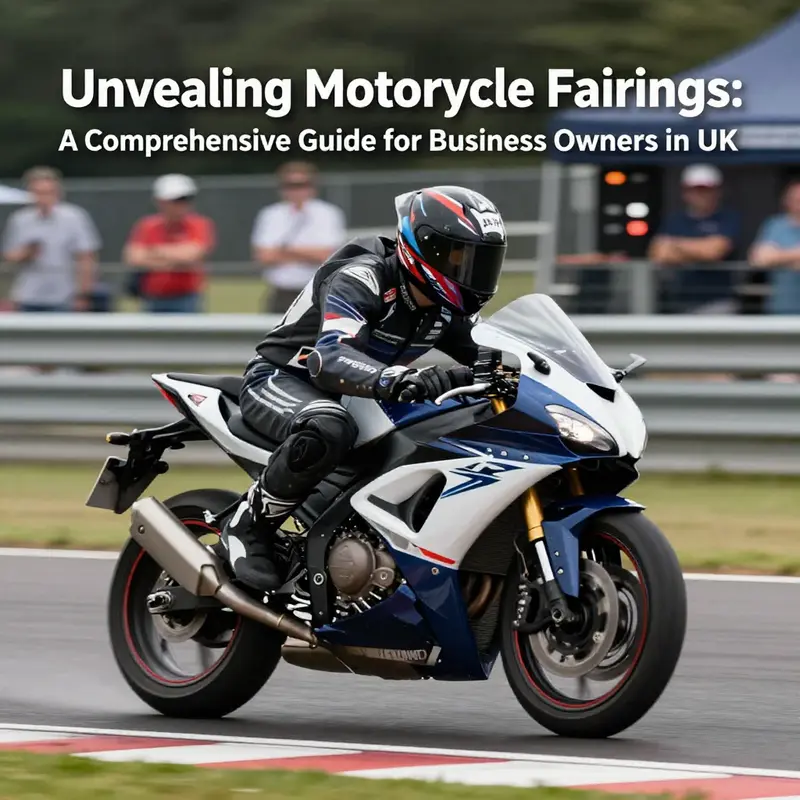
The UK road network is a living laboratory for the impact of fairings on motorcycle performance. Weather shifts with chameleon speed, lanes tighten gold through roundabouts, and wind can arrive as a sudden gust off the North Sea or a sudden crosswind from a rural valley. In such conditions, a motorcycle fairing is more than a cosmetic shell. It is a carefully engineered shield and a functional sail, designed to shape air, protect the rider, and preserve the machine’s balance. The modern fairing blends form and function so tightly that to talk about it in isolation seems to miss the point. In speed, weather, and road texture, fairings redefine how a bike behaves. For riders in the UK, that means a practical fusion of aerodynamic efficiency, weather resilience, and everyday usability that supports both commuting and sport riding alike.
Aerodynamics begins with the simple truth that air resists motion. A full fairing, by covering much of the bike’s bodywork, guides air around the machine rather than letting turbulence form at sharp corners and exposed edges. The result is a smoother flow that lowers drag and stabilizes the chassis at higher speeds. In practical terms, reduced drag translates to less engine strain and better fuel economy on long journeys, which is a meaningful advantage when urban commutes turn into intercity hops. Stability matters too. As a rider leans into corners and encounters crosswinds, the fairing’s shape helps the wind strike the bike more evenly and predictably. The rider feels steadier, especially on open stretches where gusts can suddenly tug the bike off line. In UK riding conditions, where headwinds and crosswinds are common on coastal routes and rolling hills, a well-designed fairing can be the difference between a confident ride and constant micro-corrections.
Materials science has evolved alongside these needs. Modern fairings are often built from advanced composites or robust plastics such as ABS. These materials offer a practical blend of stiffness, impact resistance, and weight savings. In the context of UK road use, the choice of material also influences how well a fairing resists weathering and road debris. ABS plastic is easy to repair, which suits the UK’s mix of potholes, salt in winter, and the damp conditions that follow a chilly drizzle. For riders seeking higher performance or custom aesthetics, carbon fiber and fiberglass are popular for their strength-to-weight ratios. Carbon fiber, when used appropriately, can further improve handling due to its light mass, while fiberglass provides a versatile base for more intricate fairing shapes. In a market that spans from daily commuters to weekend track enthusiasts, material choice becomes a practical decision about durability, repairability, and performance under UK conditions.
Beyond the race-track rhetoric, the fairing’s protective role stands out in the UK context. A full fairing acts as a shield, protecting vital components such as the engine and electrical system from road spray, grit, and the kind of debris encountered on rural lanes. In the event of a minor mishap, the fairing can absorb a portion of impact energy, potentially reducing damage to more costly internals. While riders never plan for a crash, the structural contribution of the fairing to energy dissipation matters. Industry discussions often highlight how this protective function intersects with maintenance costs. A damaged fairing is far less expensive to replace than bent engine casings or stressed fuel systems. Therefore, the choice of a fairing is not merely an aesthetic decision but a pragmatic one tied to long-term reliability and cost of ownership, especially in a market where winter driving and wet roads are part of the annual rhythm.
Visibility is another key consideration. A well-shaped fairing increases the machine’s silhouette, helping other road users perceive a motorcycle’s presence at a distance, which is particularly valuable on busy urban roads and narrow country lanes. The UK’s driving culture—often dense with slower vehicles in towns and faster flows on open roads—demands a balanced and well-considered profile. A fairing that creates a clear, defined shape can aid conspicuity without introducing excessive glare or visual clutter. This is not simply about broadcasting speed but about creating a predictable vehicle envelope that other drivers can read more easily amid the day’s traffic. In practice, riders notice the difference in navigation through congested streets and in the way their own perception of speed translates into ride comfort and safety.
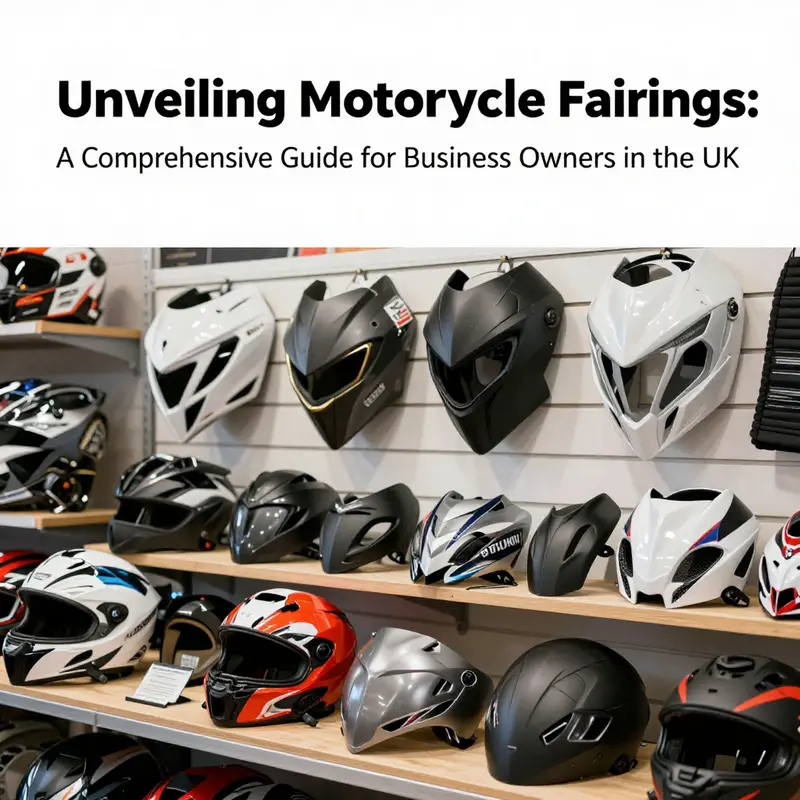
To navigate the UK market, riders often choose among three broad fairing configurations, each with distinct performance and everyday-use trade-offs. Full fairings deliver maximum aerodynamic efficiency and the most comprehensive rider protection. They are typically favored by sport riders who spend long hours on high-speed runs or track days, where every margin of efficiency matters. Half fairings offer a middle path: more wind protection than naked bikes but lighter weight and greater steering feel than full enclosures. They appeal to riders who want sporty aesthetics and practical protection without compromising agility on tight streets. Naked or minimal fairings emphasize rider connection and weight reduction. They suit enthusiasts who prefer a raw, unfiltered feel and who may value the simplicity of maintenance. In the UK, the decision often hinges on how much weather protection is needed for daily riding, how much wind resistance is tolerable on longer journeys, and how important aesthetics and customization are to the owner. The landscape of options reflects a market that recognises the country’s varied weather and road types as well as the different ambitions of riders.
The UK market also reflects a culture of customization and aftermarket access. Across a broad spectrum of models and styles, riders look to tailor fairings to fit their specific bikes and riding goals. This can include choices about the panel count, venting for heat management, and the integration of lighting and instrumentation. The aftermarket ecosystem in the UK tends to emphasize compatibility and fitment across model years, which is essential for riders who swap parts or upgrade components while maintaining road-legal and safety-compliant configurations. The practical reality is that a carefully chosen aftermarket fairing can extend a bike’s service life and sustain performance by balancing aerodynamics with real-world durability. In this context, riders are not just seeking a prettier shell but a practical upgrade that supports their riding profile, whether that profile is daily commuting, weekend touring, or occasional track days.
Within this broader conversation, it is useful to consider how a particular type of fairing may align with a rider’s preferred riding environment in the UK. A commuter who faces rain and cold on a daily basis benefits from fairing components that shield the rider from wind chill and spray, while maintaining adequate ventilation for comfort during warmer days. A weekend explorer who carves through rural lanes and coastal roads values a fairing that channels crosswinds smoothly while keeping the rider comfortable for hours on the saddle. A track-day participant seeks the most aero-efficient profile, with attention to weight, stiffness, and the ability to tune the balance between rider feedback and body protection. The decision is a synthesis of ergonomics, aerodynamics, weather resilience, and budget, all framed by the practical realities of UK roads and climate.
The design philosophy behind modern fairings often references a careful balance between smooth airflow and the rider’s protection. The aerodynamics are not about squeezing out every possible watt of energy; they are about shaping predictable behavior. Predictable behavior translates to confidence on the road, especially when facing gusts on exposed routes or busy roundabouts. When a rider can lean into a corner with the fairing guiding the wind rather than fighting it, the ride feels more controllable. This is a subtle but crucial difference in real-world riding. It matters not only on a racetrack but on a winter morning attempting to weave through commuters and delivery drivers who share the same space. A fairing that harmonizes airflow with rider protection contributes to reduced fatigue, allowing the rider to maintain focus on line, balance, and timing through complex urban scenes and long-distance sections alike.
In discussing the UK context, it is also important to acknowledge how fairings influence maintenance and repair cycles. The resilient design of a contemporary fairing is complemented by straightforward replacement paths. If a panel sustains damage from a fall or a rock on a backroad, replacement parts are typically available with relative ease, and workshops familiar with UK repair practices can perform re-housing and repaint work efficiently. The cumulative effect of these practicalities is a fairing that supports ongoing, dependable operation rather than introducing frequent downtime or expensive fixes. In short, the sustainability of a fairing is tied to how well it integrates with a rider’s lifecycle—from daily use to occasional upgrades—within the realities of the UK riding calendar.
The broader takeaway, then, is that fairings are not mere adornments. They are instrumental to how a bike performs, feels, and endures in the UK’s distinctive environment. Aerodynamics shape speed and endurance, while safety-focused design governs how the bike preserves critical systems and protects the rider in imperfect road conditions. The UK market, with its emphasis on all-weather riding and varied terrain, rewards fairings that deliver a coherent blend of wind protection, robustness, and ease of maintenance. Riders who understand this blend can select configurations that align with their goals, secure in the knowledge that the right fairing makes the journey smoother, safer, and more enjoyable amid the country’s changing skies.
For readers seeking a practical gateway to more model-specific guidance, the availability of model-matched fairings in the UK makes it possible to tailor a bike’s profile to fit one’s riding life. When choosing among aftermarket options, riders should weigh compatibility with their year, the material’s durability, and whether the design supports the intended riding style. It is also worthwhile to check how the product complements the bike’s overall geometry, including wheelbase, rake, and ride height, because even small changes in fairing shape can influence handling and wind management. The overarching principle is balance. A well-chosen fairing should reduce drag and shield the rider without sacrificing the machine’s agility or riding pleasure. In the long run, the investment pays off in comfort, safety, and reliability on those unpredictable UK days that demand resilience and confidence from both rider and machine.
From a practical standpoint, many riders in the UK consider fairings as a critical component of their bike’s value proposition. They are part of what makes a machine feel prepared for diverse weather, variable traffic, and the occasional open-road sprint. The right fairing supports a sportier aesthetic while delivering tangible benefits in air flow and rider protection. It is a reminder that performance is not a single attribute but a spectrum of attributes that, when combined, define how well a motorcycle can perform across the UK’s varied landscapes. In this sense, fairings contribute to a riding experience that is as much about comfort and safety as it is about speed and style.
For readers who want a more model-specific sense of how these concepts translate in practice, exploring the broader ecosystem of fairings available to UK riders offers a pragmatic map. The availability of varied fairings, designed to fit a wide range of models and years, enables riders to upgrade or restore their machines with confidence. When used thoughtfully, fairings amplify the bike’s strengths and compensate for environmental challenges, turning the UK’s mixed roads into a more manageable and enjoyable canvas. In other words, a well-chosen fairing is not just about reducing drag; it is about enabling a rider to engage with the road on their terms—whether that means city streets in drizzle, highway stretches under a blue sky, or a coastal road with salt spray turning the air into a constant challenge.
Internal link note: riders who are curious about specific sport-bike fairing options that align with high-performance geometries can explore dedicated model families in the aftermarket landscape. A focused look at GSXR-type fairings reveals how a sport-focused profile can shape airflow around the bike, emphasize rider protection, and maintain a balanced weight distribution. See the available options here: GSXR fairings.
In closing, the story of fairings in the UK is one of careful balance. Aerodynamics provide the propulsion headroom and stability that many riders crave. Safety-oriented design ensures that energy is managed in a protective, practical way. Weather resilience and maintenance-friendly materials guarantee that daily use remains reliable. When these elements come together, a fairing becomes a true performance ally, one that helps a rider exploit road conditions rather than fight them. The UK’s varied climate and road surfaces demand that riders think about fairings not as a single upgrade, but as a comprehensive approach to motorcycle performance. With the right choice, a rider gains smoother air flow, more confident handling, and greater comfort across seasons. That is the practical promise of fairings for motorcycles in the UK—and it is a promise that continues to shape how riders select, customize, and ride their machines across the country’s wind, rain, and open highways.
External resource: For further reading on the safety and energy absorption aspects of fairings, see https://www.motorcycle-accident-lawyer.co.uk/motorcycle-fairings-and-safety/.
null
null
Aesthetics in Motion: Customization, Branding, and the UK’s Fairing Culture
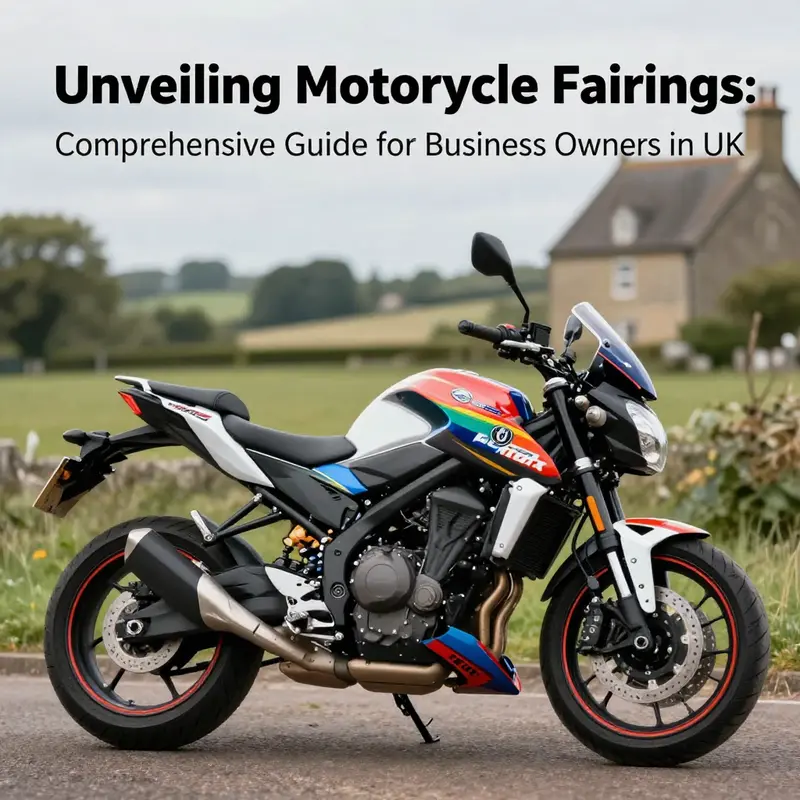
The fairing is more than a weather shield or a sculpted shell. In the UK, it is a canvas, a statement, and a practical partner in riding life. The moment a rider rolls a bike onto the road, the fairing begins to tell a story about speed, protection, and personality. Its form is tuned to the way a rider interacts with weather, traffic, and long hours in the saddle. Its color and graphics are not mere decoration; they communicate a rider’s identity and belonging to a broader community of enthusiasts who value precision, craftsmanship, and a shared regard for the machine as an extension of self. In this sense, fairings weave together aesthetics, engineering, and social signaling into a single, cohesive experience that resonates with modern UK riders looking for more than functional coverage.
The UK market has seen a distinct evolution in how riders approach customization. Instead of a one-size-fits-all approach, many owners seek out fairings that balance aerodynamics with a personal style. The decision process often begins with core functional questions: how much protection is desirable in wind and rain? Which materials best withstand the country’s wet roads and seasonal salt? How will the finish endure UV exposure and abrasion from road debris? From there, the conversation shifts toward color, graphic schemes, and the overall silhouette that a rider wants to project. Custom paint jobs, decals, and graphic overlays are now routine conversations in workshops that specialise in motorcycle aesthetics. The outcome is a bike that looks as thought-out as it performs, with a visual language that echoes the rider’s sense of pace, value, and taste.
In designing and selecting fairings, riders are balancing several interrelated factors. Aerodynamic efficiency remains essential for stability at higher speeds, smoother airflow around mirrors and helmets, and reduced fatigue on long journeys. A well-shaped fairing minimizes turbulent wake, which in turn reduces fuel burn and engine load. Yet the same surfaces that streamline air also carry graphics that radiate personality. The final look is not a compromise but a synthesis: light, color, and contour work in concert with the bike’s geometry to deliver both performance and a signature appearance. In the British context, this synthesis often leans toward a blend of sportiness and understated elegance. Gloss and matte finishes, high-contrast color schemes, and subtle accent lines can transform the perception of a bike, making it appear faster, more agile, and distinctly its owner’s.
This is where customization becomes a gateway to branding—without the need to adopt a mass-market look. A fairing can host a set of graphics that evokes heritage, a riding ethos, or a club identity. The end result is more than a cosmetic upgrade; it becomes a visible badge of belonging. Riders who participate in track days, meetups, or local parades understand how a carefully chosen colorway and decal scheme can foster recognition within a community. A well-executed design signals discipline and attention to detail, which are respected traits among fellow riders. Importantly, this branding is not about chasing logos or slogans. It is about a coherent visual language—the way the bike communicates its rider’s values to others on the road and at events.
The materials used for fairings also influence the aesthetic outcome. ABS plastic remains common for its balance of stiffness, impact resistance, and cost. For riders seeking a premium look and added rigidity, carbon fiber offers a distinctive weave and a lighter profile, though it commands a higher price. The finish options—high-gloss, satin, or matte—further tailor the bike’s presence. A high-gloss surface can enhance the impression of speed by catching light and drawing the eye along the panel lines. Matte finishes, by contrast, emphasize stealth and modernity, creating a clean, contemporary silhouette. In the UK, where urban commuting often takes place in damp or misty conditions, the durability of the finish becomes part of the aesthetic story. A well-applied clear coat resists yellowing and clouding, while robust paints and protective films help keep graphics crisp after thousands of miles.
Riders also consider how fairings age with use. A fairing is a long-term investment, not a disposable accessory. In the hands of a skilled painter or wrap technician, the surface can be rejuvenated through careful repainting or re-wrapping. The process preserves the bike’s personality while refreshing its look to reflect a rider’s evolving tastes. In the UK, with its wide range of driving environments—from coastal routes to misty moors and fast A-roads—the fairing’s ability to maintain its appearance under diverse conditions is highly valued. Warmer, longer days spent on open roads reveal the importance of a design that looks purposeful and refined when the bike is fully warmed up, yet remains practical when the evening chill sets in.
Branding through fairings is not limited to decals or logos. It extends to the overall silhouette and how the bike communicates its intent. A full fairing tends to convey speed and control, a half fairing can emphasize sportiness with a lean, agile presence, and a naked or minimally clad bike can celebrate raw connection and lightness. These choices influence not only how the bike is perceived by others but also how the rider experiences it. The visual weight of a fairing affects how a bike feels in the wind, how it carries its rider through corners, and how confident a rider feels when pushing into a lane change at speed. When the choice aligns with the rider’s body type, riding style, and the roads they frequent, aesthetics and ergonomics reinforce one another. In the UK, where riding is both sport and daily transport, this alignment matters in ways that go beyond looks.
The role of bespoke and aftermarket options is critical in shaping this culture of customization. UK riders have embraced a broad ecosystem of specialist shops, independent painters, and wrap studios that can translate a concept into a finished product. The ability to source high-quality, compatible parts from a range of suppliers makes it possible to tailor surface details with accuracy. This ecosystem enables a high degree of experimentation while maintaining reliability and safety. It is not uncommon to see a bike with a unique color gradient, a set of precision-cut vents that echo a model’s heritage, or a wrap that shifts hue with the angle of light. Every choice reflects a philosophy about how best to balance function and form for local riding realities—whether strict track discipline, weekend touring, or urban commuting.
For riders who want a streamlined entry into customization without compromising the integrity of the machine, the fairing category itself becomes a thoughtful starting point. A fairing’s shape, material, and finish must work in harmony with the bike’s frame, engine, and electronics. A design that looks stunning in a showroom can underperform if it clashes with the bike’s aerodynamics or cooling needs on the road. Thus, the decision to pursue a particular aesthetic path is often inseparable from practical concerns: compatibility with model year, mounting hardware, and protective coatings that guard against stone chips and grit. In the UK, where road surfaces vary and weather can be unpredictable, riders frequently opt for finishes that can be repaired or refreshed easily, ensuring long-term satisfaction with the bike’s appearance.
This chapter does not pretend to be a catalog of choices. It is a reflection on how fairings function as cultural artifacts within the UK riding community. They translate personal taste into public display while preserving the essential engineering role of shielding, guiding airflow, and protecting components. The best looks arise from a dialogue between owner, workshop, and the bike’s own geometry. When this dialogue is successful, the result is a machine that feels like it was made to be seen and to perform—an object that communicates, through color, line, and sheen, that the rider respects both the machine and the road.
For readers seeking practical pathways into this world of customization, there is a straightforward destination that many enthusiasts use as a starting point. It offers a curated sense of the available shapes, finishes, and compatibility options without committing to any single brand or model. Exploring a category page focused on general fairings can illuminate the common design motifs, the trade-offs between full, half, and minimalist fairings, and the typical materials used. It also helps riders gauge compatibility with their own model year and riding style. The page serves as a map to the broader ecosystem, guiding conversations with painters, wrap specialists, and parts suppliers. A hyperlink to a representative category page can help readers quickly orient themselves within this landscape: Suzuki fairings category. While the exact model fitment must always be confirmed, the page captures the essence of what customization can offer in terms of shape, finish, and perceived performance.
The aesthetic conversation is also a conversation about value. In the UK, where the market values craftsmanship and durability, fairings that combine strong protection with compelling visuals often hold their value longer. A well-maintained finish resists wear, and a design that stays visually cohesive with updated graphics can refresh a bike’s appeal without replacing the whole body panel system. In practical terms, this means riders can tailor their bikes to reflect evolving tastes while preserving mechanical reliability and resale potential. The net effect is a culture in which beauty and function are not enemies but allies, working together to extend a rider’s enjoyment of a machine across seasons, miles, and changing fashion tastes.
The import of this trend for manufacturers and shops is clear. There is an opportunity to offer nuanced, high-quality finishes that respect the bike’s lines while delivering visual cues that speak to a rider’s aspirations. Service professionals who listen carefully to a rider’s vision—while keeping in mind weather resilience, impact resistance, and ease of maintenance—will likely cultivate lasting relationships. The practice of pairing a thoughtful paint or wrap job with robust protective coatings can yield a combination that is both striking and durable, a hallmark of the UK’s discerning riding community.
In sum, the aesthetic appeal of fairings in the UK arises from a sophisticated interplay of form, function, and identity. Customization is not about chasing trendiness but about embedding a personal ethos into the machine. Branding becomes a narrative device rather than a loud announcement. The result is a riding culture in which the fairing is recognized not just as a cover for the bike but as a true partner in the rider’s journey—an instrument through which weather, speed, and style converge into a single, compelling statement.
External resource: https://www.harley-davidson.com/uk/en/models/low-rider.html
Final thoughts
Understanding fairings is essential for motorcycle business owners in the UK. The right selection contributes to performance, safety, and aesthetics, directly impacting sales and customer satisfaction. With increased knowledge of the types, performance benefits, aftermarket options, and the potential for customization and branding, business owners can guide clients toward making informed choices. This holistic approach not only supports individual rider needs but also fosters loyalty and growth in an increasingly competitive market.