
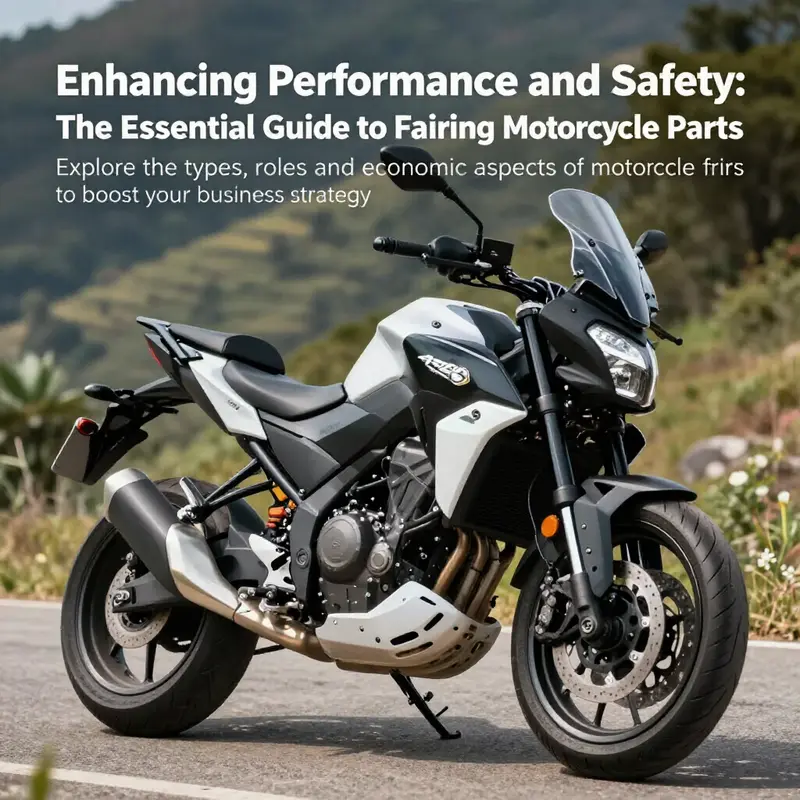
Fairing motorcycle parts play a critical role in the motorcycle industry, providing both functional and aesthetic benefits to riders. As motorcycle enthusiasts seek higher performance and personalized styles, understanding fairing parts is vital for business owners. This article delves into the various types of fairing motorcycle parts and their materials, their impact on aerodynamics and safety, customization and aftermarket options, and the economic implications of their production and sales. Each chapter will build towards an understanding of how fairing motorcycle parts can amplify your business’s offerings and customer satisfaction.
Material Alchemy: The Art and Science of Motorcycle Fairing Parts
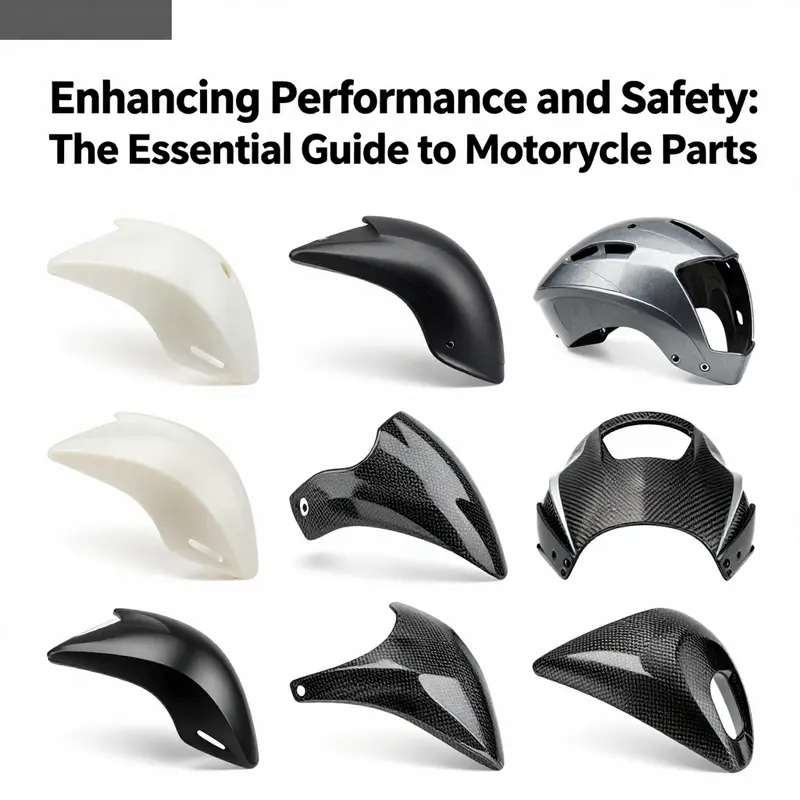
Fairings are more than a glossy shell sliding over a motorcycle’s core. They are the quiet engineers of speed, weather protection, and rider comfort, the external code that translates air and weather into measurable performance. When a rider leans into a turn or opens the throttle, the fairing must respond with a precision that blends aerodynamics, strength, and style. This is where the choice of material becomes as decisive as the design itself. The chapter that follows does not merely catalog materials; it threads them into a narrative about how modern fairings balance weight, stiffness, and durability, while offering room for customization, warranty, and fitment across a spectrum of models. It is a story of tradeoffs, standards, and the tangible feel of quality built into every contour you ride past a line of passing trees or a sunlit highway.
Fiberglass sits at a long-standing crossroad of affordability and formability. It is a favorable choice for many aftermarket and custom applications because it marries a respectable strength-to-weight ratio with ease of shaping. Gap lines, complex curves, and aggressive scoops can be coaxed into existence with relative ease, allowing fabricators to push the limits of what a fairing can look like without paying the premium for composites. Yet fiberglass has a vulnerability that cannot be ignored: it is more prone to cracking under hard impact than some plastics or carbon fiber. This makes it ideal for custom builds and experimental shapes where the rider or builder is willing to accept a maintenance mindset or periodic repairs. The material also accepts a variety of finishes, from bold color layers to subtle textures, and can be reinforced with internal ribs or composite skins to improve impact resistance. For riders who crave personalization or small-batch production, fiberglass remains a flexible canvas that can be tuned to fit a particular aesthetic or riding discipline without breaking the bank.
ABS plastic is the backbone of mass-produced fairings. Its popularity comes from a nimble blend of properties: good impact resistance, lightness, and a resilience to weathering and UV exposure. This material thrives where production volume matters most, because it shines in injection-molded processes that can deliver consistent fitment and predictable performance across thousands of units. ABS is not the lightest option in the fairing world, but its durability and cost-efficiency create an unbeatable value proposition for OEMs and large-scale aftermarket suppliers. The way ABS responds to temperature changes and sunlight is well understood, which translates into stable color retention and dimensional integrity over time. For most riders, ABS fairings offer reliable protection for the bike’s core components and a robust surface for finishes, decals, or protective coatings. The tradeoff is clear: ABS may not achieve the featherweight goals of carbon fiber, yet it often provides a practical, durable, and aesthetically versatile platform that suits a broad riding population.
Carbon fiber represents the pinnacle of lightness and stiffness in modern fairings. When speed and precision matter—think sport and race contexts—carbon fiber becomes more than a material; it becomes a statement about intent. The performance gains stem from a dramatic reduction in weight and a remarkable resistance to deformation under load, contributing to sharper handling and quicker response when the bike changes direction. The tradeoffs, however, are equally real. Carbon fiber parts come with a higher price tag, and their repair ecosystem is more specialized. Damage can be more difficult to repair, and the correct reattachment or repair technique can be crucial to maintaining the component’s performance characteristics and safety. Finishes and weaves are a meaningful part of carbon’s appeal. Glossy, matte, or satin surfaces can be paired with twill or plain weaves to create a spectrum of looks from raw race-day aggression to understated elegance. For enthusiasts who pursue premium builds or factory-style appearances, carbon fiber fairings offer a unique blend of aesthetic and performance. Advanced manufacturing methods, such as autoclave curing, ensure the material’s resin system remains well-impregnated and aligned with the fibers, producing a matrix that is both strong and consistent. Certifications like ISO/TS 22163 underscore that a carbon fiber part is manufactured under stringent quality controls, an assurance many riders seek when equipping a machine for performance riding or competitive events. In this material family, the cost is part of the proposition: carbon fiber is an investment, often paired with dedicated finishing options and more exacting installation requirements.
Metal alloys enter the conversation in more specialized roles. While full fairings are rarely made from metal due to weight and manufacturing complexity, aluminum and certain steel components perform effectively as structural reinforcements, mounting frames, or decorative accents within the fairing system. Aluminum, in particular, blends lightness with corrosion resistance and robust durability. When a builder wants added rigidity along the lower edges, internal spars, or brace points can rely on metal instead of composite laminates. The downside is obvious: metals introduce weight, complicate processes such as radio-frequency bonding or adhesives, and can alter the dynamic balance of how a fairing behaves at speed. For this reason, metal parts tend to occupy niche roles rather than serving as the primary aerodynamic surface. They offer long-term resilience and a distinctive tactile feel in areas where mechanical interfaces must endure repeated stress, such as fastener housings, bracketry, or interior frames that tie the fairing to the engine and chassis.
All these materials live within a larger system of production reality. Fairings for modern motorcycles are not generic; they are tuned for fitment across model years, trim levels, and sometimes even regional variants. This is why credible suppliers publish precise SKUs and installation guidelines, not just aesthetic swatches. The practical implication for a rider or a shop is compatibility verification: a part must align with the mounting points, the fairing’s internal cavities, and the bike’s overall geometry. In many cases, parts are designed to be model-year specific, with as-built tolerances accounted for in the tooling. A misfit is more than a cosmetic frustration; it can introduce gaps, vibration, or even interference with other components. The prudent approach blends careful research with direct verification against official product guidelines, and where possible, a test fit before committing. The modern ecosystem recognizes that a successful fairing must harmonize multiple strands: the material’s intrinsic properties, the look the rider seeks, and the practical realities of installation on a dynamic, high-performance platform.
The modern market also offers a spectrum of finish, texture, and aesthetic options that complement the material choices. Carbon fiber parts, for example, often go beyond hue and gloss. Finishes can include a choice of gloss, matte, or satin, and the weave type can range from twill to plain. These choices influence not only appearance but also perceived weight and the three-dimensional feel of the bike in motion. Café-racer-inspired front fairings, which evoke a vintage aesthetic while delivering modern aerodynamics, illustrate how form and function can be reconciled in a single component. In practice, a rider who values both heritage styling and contemporary performance will find a palette of options that suit the desired posture, wind management, and the way the bike speaks visually to the road. Customization remains a cornerstone of this narrative, with builders often experimenting with unique shapes, color-matched detailing, and protective coatings that resist abrasion and weathering. The result is a fairing ecosystem that embraces both high-tech materials and artisanal touches, a blend that supports identity as much as speed.
Across this material spectrum, the question of durability and warranties remains central. Reputable suppliers offer warranties that reflect confidence in their product and a commitment to the customer. A common arrangement is a one-year limited warranty, which provides coverage for manufacturing defects or early failures. Installation instructions are typically detailed, aiming to reduce the risk of improper fitment or damage during mounting. High-end or custom components may also carry safety certifications or quality assurances such as CE, BV, or ISO/TS standards, which can offer an additional layer of assurance for riders who demand reliable performance in varying weather conditions and riding environments. The practical upshot is that buying into a fairing ecosystem becomes a little like commissioning a small, highly specialized body panel for a high-performance chassis. You are not simply purchasing a shell; you are buying into a system—one that must cooperate with the engine, the frame, and the rider’s expectations about handling, protection, and appearance.
From the standpoint of procurement, the fairing market invites careful assessment of several factors. The material choice should be weighed against the price point and the intended use. A sport-focused build might justify premium carbon fiber parts that minimize weight, while a touring-oriented scenario may favor the resilience and cost-effectiveness of ABS. A custom project might lean into fiberglass for its shape versatility and easier repair, balanced by the opportunity to add reinforcements or protective coatings that extend service life. The ecosystem also rewards a disciplined sourcing approach. Verifying compatibility requires checking model years, trim levels, and official guidelines. The aim is to avoid mismatches that compromise fitment or safety. For those venturing into bulk purchases or multiple builds, tiered pricing is common, reflecting economies of scale. The market recognizes that the right fairing is not simply a single piece but a system of parts that must connect with mounting hardware, inner fairings, and the rider’s personal preferences about color and finish.
For readers seeking a reference point within the broader catalog of fairing options, the Honda fairings category provides a representative snapshot of how a single brand’s family of parts is organized—how different models, years, and trim packages influence available fairings, inner panels, and mounting hardware. This page illustrates how compatibility and design language evolve across a model range, reminding enthusiasts that one simple question—will this fit my bike? has layers of nuance. You can explore that category here: Honda fairings category.
As a closing note within this chapter’s sweep, it is worth recalling that the materials themselves are not just inert substances; they respond to design intent. The choice between fiberglass, ABS, carbon fiber, or metal-infused components refracts into ride quality, handling, and the rider’s confidence. Carbon fiber parts can sharpen steering and accelerate responsiveness, while ABS sheets can cushion against impact without breaking the bank. Fiberglass allows for agile customization that can be tailored to a rider’s aesthetic and kinetic demands, and metal reinforcements can provide lasting security at critical joints. The interplay of these materials with style, finish, and certification forms a coherent jargon that riders experience every time they strap on their gear and ride into the wind. In that sense, fairings embody a philosophy of restraint and ambition: they must be light but strong, capable of withstanding the elements while presenting a line that tells a story of speed, craftsmanship, and identity. This balanced, disciplined approach is what makes fairing parts not only functional components but also a canvas on which riders express who they are beneath the open sky.
External resource for further context on materials and manufacturing standards can be found here: https://www.alibaba.com/product-detail/Motor-Cycle-Accesorios-PARA-Motos-Motorcycle_1601785932627.html?src=srp&albCategory=201800100
Aerodynamics, Armor, and Style: The Hidden Power of Fairing Motorcycle Parts
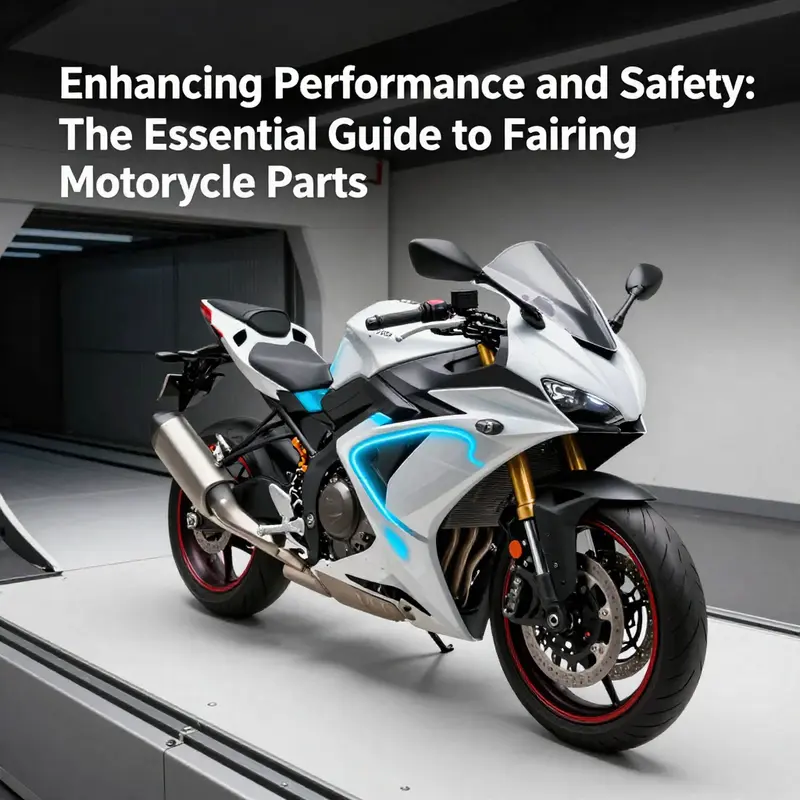
Fairings are often glimpsed as the motorcycle’s wardrobe, shifting with seasons and styles, but their true value lies far deeper than appearance. They are the engineering skin that guides air, protects the heart of the machine, and frames the rider’s experience. In a landscape where performance demands fewer drag losses, steadier handling, and uncompromised safety, fairing parts operate as a quiet but essential force multiplier. Their role weaves together aerodynamics, protection, and even identity, because the way a fairing looks and fits speaks to a rider’s purpose, whether that purpose is a daily commute, a weekend sprint, or a long-haul exploration. When we unpack the function and design of fairings, the narrative moves beyond form into function, where every line and attachment point is chosen to manage wind, shield components, and deliver a composed ride across varying speeds and weather. The consequence is clear: fairings are not mere shells; they are active contributors to efficiency, reliability, and rider confidence, all tightly interwoven with the bike’s overall character.
From the aerodynamic perspective, the emphasis on streamlining is not cosmetic parlor talk. The front fairing acts as the first contact point for the air mass encountered by the machine, and its geometry sets the stage for how air flows around the engine, frame, and rider. An aerodynamically optimized setup can reduce drag and wind resistance by a meaningful margin, a reduction that translates to real-world gains in fuel economy, top-end capability, and stability at speed. When a design minimizes the wake behind the bike, it also reduces buffeting that can toll the rider’s balance and comfort, especially on long highway stretches or during spirited riding where precision matters as much as speed. In practical terms, a carefully sculpted fairing helps keep the rider settled in the saddle, with less tumult from gusts or the slipstream created by the bike’s own motion. Such effects compound over a ride, yielding noticeable differences in throttle response, throttle-on acceleration feel, and the sense that the motorcycle is moving with less effort through air that would otherwise buffet it. The best designs, therefore, balance aggressive contouring with smooth transitions, ensuring that the air is directed efficiently around the chassis rather than diffused chaotically into the rider’s vicinity.
The safety dimension of fairings expands the frame beyond the rider’s perception. A well-integrated fairing sweeps around engine and exhaust components, protecting them from spray, small debris, and potential impact energy. In urban or mixed-road riding, where hazards appear unpredictably, this protective envelope acts as a shield that helps prevent minor insults from becoming costly repairs. Full or partial fairings alter how wind interacts with the rider, too. By deflecting air away from the torso and helmet, they reduce wind fatigue and combat the disruptive buffeting that can unsettle steering at speed. Even where access to mechanical components is necessary for maintenance, fairings are engineered to retain their protective and aerodynamic roles while providing measured, predictable access points. This is where the trade-offs between full and half fairings come into play: a full fairing may maximize streamline and rider shield, but a half fairing can offer easier engine access and cooling considerations without a dramatic loss in overall stability. The Heavy Bikes Fairing perspective emphasizes that even with these compromises, the structural integrity and aerodynamic benefit remain markedly enhanced when the design respects the bike’s natural balance and the rider’s reach. Across models and riding styles, the core idea holds: fairings are active safety and performance aids, not decorative afterthoughts.
Material science underpins these outcomes. The materials chosen for fairings—ranging from versatile plastics to reinforced composites like fiberglass and carbon fiber—impact weight, stiffness, impact resistance, and production flexibility. Plastic shells provide broad compatibility, ease of shaping, and cost efficiency, making them a common choice for mass-produced bikes and aftermarket kits. Fiberglass offers a middle ground with improved stiffness-to-weight characteristics, useful for custom or semi-custom builds where form and function must tolerate robust use. Carbon fiber, prized for its exceptional strength-to-weight ratio, delivers obvious performance advantages in high-end or racing-oriented applications. When carbon fiber is used, the manufacturing discipline often involves advanced techniques such as autoclave curing to achieve the desired resin-to-fiber alignment and consolidated layer structure. These processes, coupled with stringent certifications—such as ISO/TS 22163, which signals a commitment to high manufacturing standards—mark the transition from simple shells to purpose-built performance components. Finishes add another layer of capability and personality: gloss, matte, or satin surfaces, paired with different weaves in carbon fiber, not only affect aesthetics but also surface interaction with the air and the rider’s tactile feedback as they wrap their hands around the handlebars. Beyond aesthetics, these choices influence durability and maintainability in real-world riding, where exposure to sun, rain, and grit can challenge cosmetic and structural integrity alike.
The design vocabulary of fairings also embraces stylistic variety that appeals to riders seeking a particular aesthetic. The cafe racer-inspired front fairing, for example, speaks to a vintage mood fused with modern engineering. It represents a deliberate nod to classic lines while delivering contemporary protection and aerodynamics. Such styling is not merely about nostalgia; it communicates intent and purpose—an approach where form follows function without compromising the rider’s sense of identity on the bike. Yet even with the allure of distinctive styling, the primary questions remain practical: does the fairing fit the rider’s bike precisely, and does it align with the model year and trim level? In a market that often segments parts by compatibility, the answer hinges on a careful fitment check. This often means confirming model years, trim levels, and other specifications to ensure the part aligns with the bike’s mounting points, coolant routing, instrument clusters, and windscreen geometry. The devil is in the details, and those details determine whether an aerodynamic gain actually materializes on the road rather than in a parts binder or showroom display.
In this vein, the process of selecting fairing parts becomes a blend of engineering assessment and practical inspection. Compatibility checks are essential because some panels and brackets are tuned to specific model years, drawing attention to the need for official product SKUs and installation guidelines. The careful reader will recognize that even small mismatches can undermine both performance and safety. A poorly matched fairing may not align with mounting tabs, could obscure instruments, or interfere with cooling airflow—precisely the opposite of what a well-designed piece intends to achieve. For enthusiasts who value precision, this is where the retention of warranties and clear installation instructions becomes meaningful. A reliable fairing kit that arrives with clear guidance and stated warranty coverage offers assurance that the part will not merely fit but endure and perform under the stresses of real riding conditions. It is this blend of engineering, documentation, and after-sales service that elevates fairings from mere add-ons to integral components of a motorcycle’s mission.
From a procurement perspective, the supply ecosystem around fairing parts supports both mass production and customization. Standard body covers and universal-fit components address broad market needs, while model-specific parts enable a precise, calibrated fit that respects the bike’s dimensions and systems. Bulk availability can offer cost economies, particularly for teams and shops that undertake frequent builds or refurbishments. Yet even within bulk-market dynamics, the guiding principle remains consistent: compatibility and quality must govern every choice. A well-sourced kit tends to come with color-matched inner fairings, robust mounting hardware, and clear installation procedures, reducing guesswork and downtime in both street-ready and race-ready builds. In the end, fairing selection is a balancing act among aerodynamics, protection, weight, style, and practicality. When done thoughtfully, it yields a package that behaves as a unified system—reducing drag, protecting vital parts, and giving the rider a feeling of command as speed and wind converge on a single axis of motion.
For riders exploring model-specific options, a practical path is to look for a dedicated category of fairings that aligns with the bike in question. The right category provides a structured way to compare options, confirm fitment, and read installation notes before purchase. If you are seeking options within a specific brand ecosystem, you can explore that brand’s fairings category to locate pieces designed to harmonize with the bike’s existing design language and mounting geometry. This approach not only streamlines the shopping process but also reinforces the principle that every fairing part contributes to a cohesive aerodynamic and protective envelope rather than existing as a standalone shell. As you reflect on the journey from airflow science to street-ready riding, you may find that the most effective fairing choices are those that respect both the physics of air and the realities of road use, delivering a ride that is faster, safer, and more personal at the same time.
For readers interested in exploring model-specific options within a structured catalog, the Honda fairings category offers a representative example of how a curated set of parts can help ensure proper fit and predictable performance. This approach emphasizes the importance of compatibility and the value of a well-documented selection process. In practice, it means that the rider can pursue aerodynamics and safety with confidence, knowing that the components will align with the bike’s geometry and operate within the expected tolerances. As a broader takeaway, the interplay of materials, manufacturing rigor, and design intent demonstrates that fairing parts deserve careful consideration. They are an engineering system as much as they are an accessory, carrying the promise of improved efficiency, safer operation, and a more expressive riding character. The road tests of the future will continue to reveal how evolving composites, precision molding, and smarter integration with sensors and electronics will refine these advantages even further. Yet the underlying truth remains timeless: a well-conceived fairing is a thoughtful investment in performance, safety, and personal style, all harmonized to extend both the bike’s life and the rider’s enjoyment.
Aerodynamic Artistry: How Custom and Aftermarket Fairings Redefine Performance, Protection, and Personality
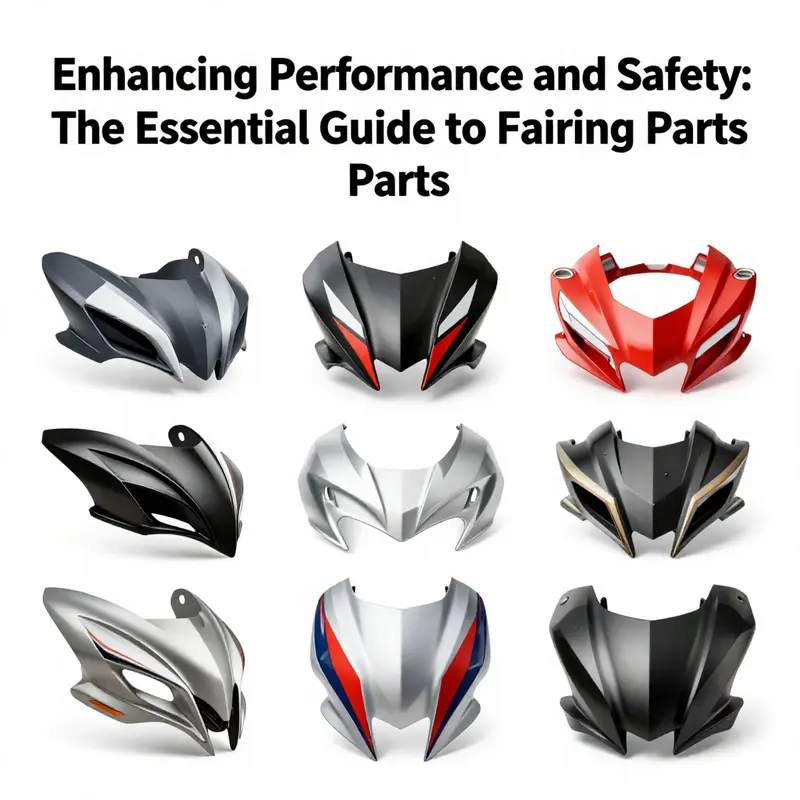
The fairing of a motorcycle is more than a shield against wind and weather. It is an interface between rider, machine, and road that blends aerodynamics, protection, and personal expression into a single, purposeful form. In the world of motorcycle modification and upgrade, the fairing serves as a canvas where engineering insight meets creative impulse. Its evolution—from simple shells to sophisticated composites and integrated systems—reframes how riders approach performance and aesthetics. When a rider contemplates customization, the decision pathways converge on fit, function, and finish, each with its own technical demands and expressive potential. The result is not merely a cosmetic upgrade but a reimagining of how a bike slices through air, how it shields the rider from the elements, and how it communicates the rider’s presence on the street or track.
The breadth of customization options available today reflects a maturation of the aftermarket ecosystem. At the core stands a spectrum of materials chosen for specific goals. Carbon fiber remains the aspirational choice for those seeking maximum stiffness-to-weight ratio and a standout visual signature. Yet high-strength engineering plastics, such as advanced ABS formulations, offer a robust, cost-conscious alternative with excellent impact resistance and a surface that accepts precise finishes. The choice between these materials is not merely about weight or cost; it is about how the panel interacts with heat from the engine, ambient temperature swings, and the rider’s expectations for resilience under track-day stress or long-range touring. The options extend beyond material selection to the very construction of the panel. Some suppliers provide shells that are designed to be bolted on with OEM-style mounting points, preserving the original alignment and avoiding invasive modifications. Others push toward more bespoke routes, offering cores that can be tailored via composite layups, weave patterns, and surface textures to achieve a distinctive matte, satin, or gloss effect while maintaining structural integrity.
Customization has moved past a paint job into a realm where the entire surface can be sculpted to reflect a rider’s identity or a team’s design language. It now encompasses color, texture, branding marks, and even bespoke graphics. The market understands that a fairing is a moving billboard as much as it is a performance device. For a rider who treats the bike as a personal statement, the ability to specify color-matched undertones, gloss levels, and micro-graphics offers a powerful outlet for expression without sacrificing compatibility with the bike’s geometry or engineering tolerances. Some high-end offerings even allow for one-off patterns or owner-provided artwork that can be integrated into the surface finish, turning the fairing into a wearable art piece that remains fully functional under race conditions or daily commutes. In this sense, customization transcends aesthetics and becomes a practical approach to coherence between styling intention and aerodynamic reality.
A defining feature of modern fairing customization is the use of digital tools to ensure a precise fit. The process often begins with a detailed inspection of the bike’s existing geometry and mounting locations. For riders pursuing exacting standards, some manufacturers or aftermarket houses will undertake 3D scanning of the rider’s chassis and fairing geometry, generating a digital replica that can be used to produce a “tailor-made” shell. This digital fitment approach helps ensure that the new fairing aligns with the tank, cockpit, and side panels, while preserving the clearance and lead angles needed for proper airflow. The result is not only visual fidelity to the rider’s concept but also a measurable improvement in how air flows around the machine. The digital-to-physical loop lowers the risk of misalignment, reduces the need for trial-and-error fitting, and speeds the path from concept to road-ready assembly.
In the aftermarket landscape, a range of options exists for riders who want to upgrade performance without abandoning the bike’s stock footprint. Some buyers prioritize reduced weight to sharpen handling and acceleration response, while others seek enhanced airflow that can moderate engine temperatures at high speeds or during prolonged riding on warm days. The engineering behind these choices often centers on the fairing’s internal geometry—air channels, ducts, and radiused tunnels that guide airstreams to critical components such as radiators, intercoolers, or carburetion systems where applicable. Even seemingly modest interventions, such as redesigned wind deflectors or a streamlined windscreen, can alter rider comfort by reducing buffeting or improving directional stability at speed. A growing subset of designs integrates lightweight, removable features that can be swapped between street and track configurations. Detachable air channels or modular side panels can be configured for different riding contexts, enabling a rider to adapt aerodynamics and protection to the day’s plan without changing the core structure of the bike.
Beyond the raw aerodynamics, contemporary fairings increasingly incorporate functional enhancements that blend seamlessly with the rider’s needs. Some aftermarket panels integrate lightweight LED arrays, not simply for illumination but for signaling and visibility at night or in adverse weather. Others embed cooling ducts or channels that guide airflow toward critical components, helping to sustain performance and reliability under demanding conditions. The trend toward integration reflects a broader move toward “plug-and-play” efficiency in the workshop. Many aftermarket paths now emphasize compatibility with existing mounting points and fasteners, less invasive installation, and clear installation instructions. This makes it feasible for hobbyists to undertake substantial upgrades in a home garage, with confidence that the new pieces will align with the bike’s original geometry and electrical or mechanical interfaces.
For riders who wish to keep a faithful nod to classic aesthetics while embracing modern functionality, the market accommodates retro or café-racer-inspired fairings that maintain the silhouette and charm of earlier eras while integrating contemporary materials and manufacturing techniques. These designs honor the history of riding culture while offering the practical benefits of modern composites and finishes. The result is a harmonious blend of vintage lines and modern performance, a synthesis that appeals to those who want heritage style without compromising today’s standards of safety, durability, and rideability. And for riders who prefer a crossover look—part classic, part contemporary—the options can be combined to deliver a transitional appearance that suits both daily use and weekend track sessions.
The aftermarket ecosystem also includes options that address fixture and compatibility considerations. Compatibility verification remains essential. Because fairings rely on precise mounting points and exact fitment with the bike’s frame and substructure, buyers are urged to check model-year ranges and trim-specific specifications. Even within a single model line, variations in mounting holes, tank contours, or radiator positioning can affect fit. Reputable suppliers will provide clear guidelines, including official product SKUs and fitment notes, to minimize confusion and ensure that the installation does not compromise safety or performance. The ability to confirm fitment through documentation helps riders avoid mismatches that could lead to fit, finish, or clearance issues after installation.
For those engaged in more rigorous or professional builds, the option to work with specialized manufacturers who offer precise, dimensionally accurate replicas—often created through CAD-generated tooling and additive manufacturing techniques—becomes compelling. The promise here is a fairing that not only looks right but also aligns with the bike’s aerodynamics and structural limits under load. In many cases, suppliers highlight certifications and quality standards that speak to engineering discipline and manufacturing reliability. When a panel is designed for high-speed stability or race-grade durability, certifiable processes and quality checks become as important as the badge on the door. Such assurances offer a layer of risk mitigation for riders investing in high-cost, high-performance configurations.
The social and stylistic dimensions of customization should also be understood as part of a broader culture of self-expression in motorcycling. For some, cafe racer styling, flat-panel aesthetics, or an aggressively sculpted front profile communicates a rider’s philosophy about speed, balance, and readiness. For others, the priority lies in a clean, minimal look that emphasizes the machine’s lines and metalwork. In all cases, the fairing is a tool for storytelling, a way to translate a rider’s values into visual and tactile form while preserving or enhancing the bike’s capabilities. This broader interpretive frame helps explain why aftermarket fairings have evolved from purely functional components into objects of design, engineering, and personal brand.
Within this evolving landscape, practical guidance remains essential. Prospective buyers should verify compatibility not only by model-year and trim level but also by confirming anchoring systems, electrical harness routing, and clearance with the rider’s height and instrument cluster. It is wise to request installation instructions and, if possible, to view a written maintenance or service note that outlines recommended care for the new panels. Light maintenance routines—gentle cleaning to preserve surface finishes, careful inspection of fasteners, and periodic checks of mounting hardware—help extend the life of synthetic or composite shells exposed to heat, UV exposure, and road debris. In addition, the choice of finish deserves attention. Clear coats, UV-resistant laminates, and protective films can extend the life of painted or unpainted surfaces, especially in climates with harsh sun or frequent rain. The right finishing touches can preserve gloss, reduce micro-scratching, and keep the panel looking sharp through seasons of wet weather and aggressive riding.
For readers seeking a structured route into this ecosystem, a balance between customization ambitions and practical constraints is essential. Start with a clear concept of what you want to achieve: a lighter shell for racing, a more protective shield for all-weather riding, or a bold visual statement that turns heads at the show or on the street. Gather measurements and, where possible, consult with a supplier about digital-fit services or 3D modeling. Consider whether your goal is a direct replacement for OEM components or a more radical reimagining that requires careful alignment with the bike’s airflow characteristics. In parallel, examine the market for OE-compliant designs, which emphasize compatibility with factory mounting geometry while delivering improved aesthetics or minor performance gains without altering fundamental interfaces. Such options can be attractive for riders who desire the look of a custom build without compromising the ride experience or requiring extensive fabrication.
A final note concerns the ecosystem’s breadth and how riders navigate it. The aftermarket for fairings has matured into a mature, dynamic space that accommodates a wide variety of needs, from restoration and homage builds to high-performance race machines and modern sport bikes. Buyers can pursue off-the-shelf replacements that closely mimic OEM shells, or they can embark on a collaborative path with manufacturers willing to tailor shapes, textures, and graphics to a specific vision. In either case, the core demands remain consistent: secure fitment, consistent aerodynamics, durable finishes, and a design that respects the bike’s lines while delivering the rider’s desired personality. For those exploring options that align with a broad range of models, see the 2023new category for newer fairing variants. This pathway can introduce contemporary geometry refinements and updated surface finishes that reflect current manufacturing capabilities while preserving compatibility with existing mounting points.
To learn more about the breadth of available categories and to see how these options are organized in the broader catalog, readers can explore a general catalogue of fairing collections that emphasize the concept of modular, scalable design. This approach highlights how modern fairings can be swapped or upgraded in stages, allowing riders to incrementally evolve the bike’s performance and appearance without a wholesale rebuild. The narrative of customization then becomes not only about a single panel but about a philosophy of ongoing adaptation—an ongoing conversation between rider intent, material science, and manufacturing ingenuity. In this light, the fairing emerges as a dynamic component, capable of translating evolving goals into tangible changes in how the motorcycle moves, sounds, and looks as it cuts through air and time alike.
Internal link: For readers exploring options that align with a broad range of models, see the 2023new category for newer fairing variants. 2023new
External resource: For further reading on specific customization pathways and market offerings, see this detailed external reference on customization services and materials, including bespoke logos, packaging, and advanced composite manufacturing. https://www.alibaba.com/product-detail/ZJMOTO-T-Sport-Fairing-Headlight-for-Harley_1600485812935.html
Riding the Wind: The Global Economics of Fairing Motorcycle Parts and Their Market Pulse
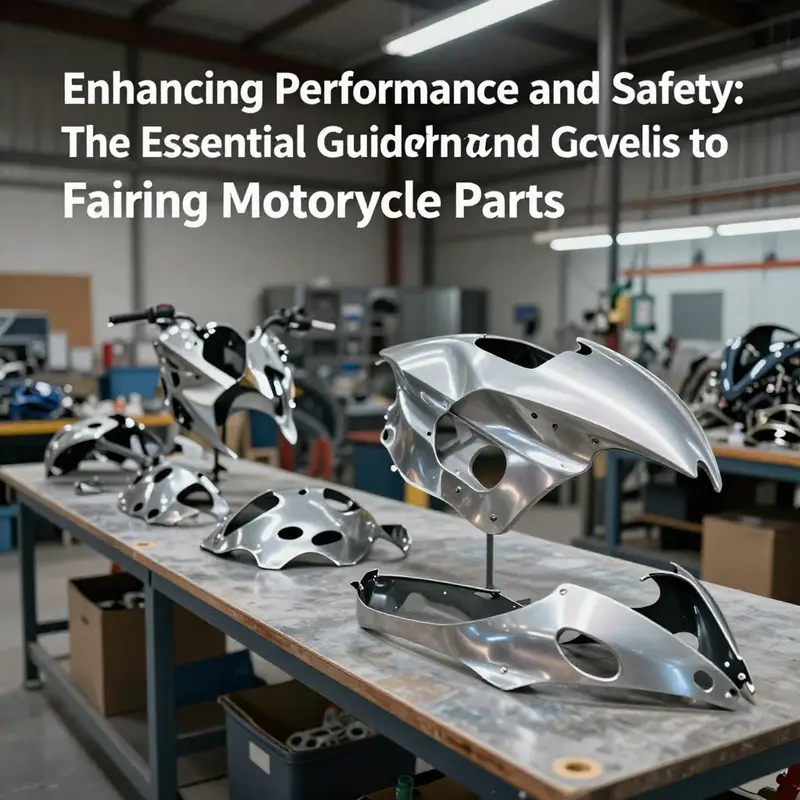
The fairing that wraps a motorcycle is more than a surface layer; it is a critical link between aerodynamics, rider comfort, and the economic web that binds design studios, manufacturers, distributors, and regional markets. When we trace the lifecycle of a fairing—from initial concept and material selection to mass production, customization, and after-sales service—we glimpse a microcosm of today’s manufacturing economy. The wind doesn’t just shape the bike; it shapes the flows of capital, skills, and employment across continents. In regions where urbanization accelerates and consumer tastes tilt toward customization and performance, fairing parts become a visible barometer of both demand and capability. The narrative of these body panels is thus a story about how a single design choice can ripple through supply chains, set regional employment trajectories, and influence how quickly a motorcycle ecosystem can rebound after disruption.
Across North America and Brazil, the fairing market is expanding not simply because riders seek a shinier shell, but because populations are increasingly urban, time-pressed, and image-conscious. Urban riders demand gear that reduces wind fatigue during commutes and enhances comfort on longer rides. They also chase a personal aesthetic—one that signals technical savvy without sacrificing daily practicality. These drivers converge with a broader rebound in the global motorcycle industry. From a global market vantage point, indicators point to a sizable growth trajectory. The motorcycle market, after a slump, has moved toward a renewed vigor that is estimated to lift overall market value into the mid-to-high hundreds of billions in the coming years. Within this broader sector, fairings occupy a high-value niche that benefits from manufacturing specialization, design refinement, and certified quality assurance. The dynamic is simple in outline yet complex in execution: as rider interest in customization grows, so does demand for reliable, well-fitting, and aesthetically versatile fairing systems that can be produced at scale and still offer customization options.
The supply chain for fairings leans heavily on a spectrum of materials, with durable plastics like ABS forming the backbone of many standard panels. Higher-end applications lean into composites, including carbon fiber for lightweight performance and a premium aesthetic. Each material choice carries a cascade of economic implications. ABS parts are rooted in mature injection-molding ecosystems, which support both quick turnarounds for mass orders and the flexibility needed for regional variants. Carbon fiber, by contrast, commands a premium price and demands specialized production techniques, such as autoclave curing, which confers both strength and a signature finish. The choice between these materials is not merely technical; it translates into cost structures, labor requirements, and the speed at which suppliers can respond to shifting demand. In regions where automation and skilled labor are strongly integrated, manufacturers can offer a portfolio that spans basic, standard panels to premium, performance-driven pieces. This ability to scale and diversify underpins the economic resilience of the fairing segment, particularly for suppliers that operate across borders or serve a broad range of models.
Within this ecosystem, regional hubs and cross-border trade shape how efficiently fairings reach consumers. In major manufacturing nodes, small- and medium-sized enterprises rely on relatively low minimum orders and transparent price bands to participate in international trade. For example, wholesale producers can offer fairing sets at competitive FOB prices with modest MOQs, enabling new entrants to build lines without astronomical capital outlays. This accessibility fosters a diversified supplier base, which, in turn, fuels competition and innovation. The result is a marketplace that rewards efficiency, reliability, and a willingness to adapt to the needs of different markets. When a supplier can balance price, quality, and delivery speed, it strengthens the overall resilience of the aftermarket, which is essential during periods of macroeconomic stress or supply chain disruption.
The economic implications extend beyond the shop floor. The fairing value chain touches design studios, injection-molding facilities, quality-control labs, logistics networks, and after-sales service providers. Each link has its own labor market implications. Design teams translate rider preferences into functional, aerodynamic shapes. Molding and assembly plants convert digital prototypes into physical reality. Quality assurance teams ensure that components meet safety and durability standards, a process increasingly aided by certifications such as CE, BV, and ISO-type frameworks. These certifications do more than ensure safety; they also build trust in markets with stringent import protocols. For economies transitioning toward higher value-added manufacturing, the fairing segment becomes a meaningful conduit for job creation and skills development. In areas where education systems emphasize advanced materials, composites, and precision manufacturing, the fairing industry can help anchor a cluster of high-value activities that spill into adjacent sectors like automotive accessory components, aftermarket tuning, and plastic recycling.
The customization impulse, long a hallmark of motorcycle culture, now intersects with formalized after-sales support and warranty ecosystems. Consumers seeking unique aesthetics or tailored fitment increasingly look for providers that combine customization with dependable service. Suppliers are responding by offering color-matched options, diverse finishes, and, crucially, clear installation guidance. The possibility of color-matched inner fairings or distinct finishes—such as glossy, matte, or satin surfaces—appeals to riders who want a distinctive look without compromising fit and safety. This demand for customization translates into flexible production lines and modular design strategies that allow for mix-and-match components without sacrificing quality control. In turn, this flexibility supports a broader ecosystem of aftermarket shops and independent workshops that can deliver personalized solutions while maintaining efficient turnaround times. The economic payoff for communities that host these services includes not just direct employment but also ancillary benefits to local retailers, logistics providers, and training facilities.
Parallel to customization, the aftermarket segment benefits from information-rich markets. Digital catalogs, standardized SKUs, and model-year compatibility checks simplify the consumer decision path. Buyers can compare parts across a broad price range and select options that best align with their budget and performance goals. Compatibility remains a critical design constraint; the more accurately a fairing set fits a given model year or trim, the lower the risk of returns and warranty disputes. This reliability has downstream economic effects: it improves dealer and workshop throughput, lowers life-cycle costs for riders, and sustains better resale values for bikes equipped with well-fitted fairings. In many markets, this is also where risk-sharing agreements and warranty commitments come into sharper focus, as manufacturers and distributors aim to reduce post-sale service costs while preserving customer trust.
Looking ahead, several structural forces are likely to shape the fairing economy. First, regional demand growth tied to urbanization—especially in Latin America—will sustain a steady demand stream for both standard and premium panels. Second, the normalization of cross-border e-commerce and online marketplaces will reduce friction for buyers seeking specific fitments or finishes. Third, continued innovation in materials and production processes promises to widen the range of viable price points. Carbon-fiber panels, while still premium, are gradually becoming more accessible as manufacturing technologies mature and global supply chains find more efficient ways to source raw materials and produce at scale. These shifts will influence how quickly new entrants can compete with established players and how quickly traditional workshops can pivot to include more advanced, high-value offerings.
From a macroeconomic lens, the fairing market operates as a robust export-led activity in several economies. The growth of the broader motorcycle sector, underscored by projections that place industry value on a rising trajectory into the next decade, offers a favorable backdrop for investment in design, tooling, and manufacturing capacity. This is not merely a story of high margins on aesthetically driven components. It is also about strategic allocations—investing in automation where it yields durable productivity gains, training local workforces in precision assembly and QC, and aligning with international quality standards that open doors to global customers. When a region builds this kind of capability, it can attract complementary industries, such as supply chains for interior components, weather- and impact-resistant coatings, and even recycling operations that recover plastics and fibers at end of life. The economic ripple is broader than the panel itself; it touches the communities where these activities are located and the networks that move products across oceans.
The market signals and policy environments that accompany these dynamics matter as well. Warranties and after-sales support, increasingly structured around predictable service windows and standardized maintenance intervals, help stabilize demand cycles. This stability is especially valuable for SMEs seeking to scale without sacrificing quality or delivery speed. Certifications and safety standards do more than verify product integrity. They reduce the perceived risk of cross-border trade and help smaller producers access new markets where regulatory barriers previously limited competition. In essence, the fairing segment embodies a pragmatic convergence of form, function, and finance. It sits at the nexus of customer satisfaction, manufacturing efficiency, and regional development. As riders seek lighter, stronger, and more personalized panels, the industry must respond with a blend of engineering discipline, supply-chain agility, and a clear-eyed eye on the costs and benefits of scale.
For readers who want a concrete sense of how this translates into market opportunities, consider how a rider or a shop might approach selection and sourcing. A clear, data-informed understanding of regional pricing, lead times, and compatibility can drive smarter procurement decisions and reduce total ownership costs. It also highlights the strategic importance of partnerships that offer reliable parts, clear installation guidance, and post-purchase support. In a marketplace that prizes speed, reliability, and customization, the fairing ecosystem stands as a compelling case study of how manufacturing specialization, global trade, and evolving consumer preferences intersect to create value. The wind may be the same for every rider, but the economic benefits generated by fairing parts travel in multiple directions, following the routes of supply chains and the trajectories of urban growth. This is how a seemingly simple external shell becomes a powerful driver of industry, employment, and regional prosperity across both developed and emerging economies.
As part of a broader content strategy that connects readers with practical insights, you can explore a dedicated category that aggregates brand-specific fairing options in a given market. For readers interested in a brand-aligned catalog, the Honda fairings category offers a representative cross-section of panel designs and finishes across different platforms while illustrating how official and aftermarket pathways converge in the marketplace. Browsing that category can illuminate the balance between standardized fitment and personalization choices, a balance that epitomizes the economics described here. Honda fairings
Ultimately, the numbers underpinning the fairing economy are a reminder that even specialized automotive parts contribute to broader economic resilience. The sectors that design, produce, distribute, and service these panels form a tightly connected web. They enable rapid responses to changing rider demands, sustain skilled labor forces, and support export-based growth in both mature and developing economies. The wind may push against the fairing, but the economic impact pushes forward the communities that build, stock, and install these components. And as riders continue to seek efficiency, style, and performance, the market for fairing motorcycle parts will remain a dynamic locus where engineering insight and commercial strategy converge to shape the pace of progress in the motorcycle industry.
External reference: https://www.statista.com/statistics/1117745/motorcycle-market-size-in-the-us/
Final thoughts
Fairing motorcycle parts are not only vital for performance and rider safety, but they also present numerous opportunities for business expansion in the motorcycle industry. By understanding the different types of materials used, their aerodynamic advantages, the customization market, and the economic landscape, business owners can make informed decisions that align their strategies with the evolving needs of motorcycle enthusiasts. Investing in quality fairing parts can lead to increased customer satisfaction and loyalty, ultimately enhancing profitability.