
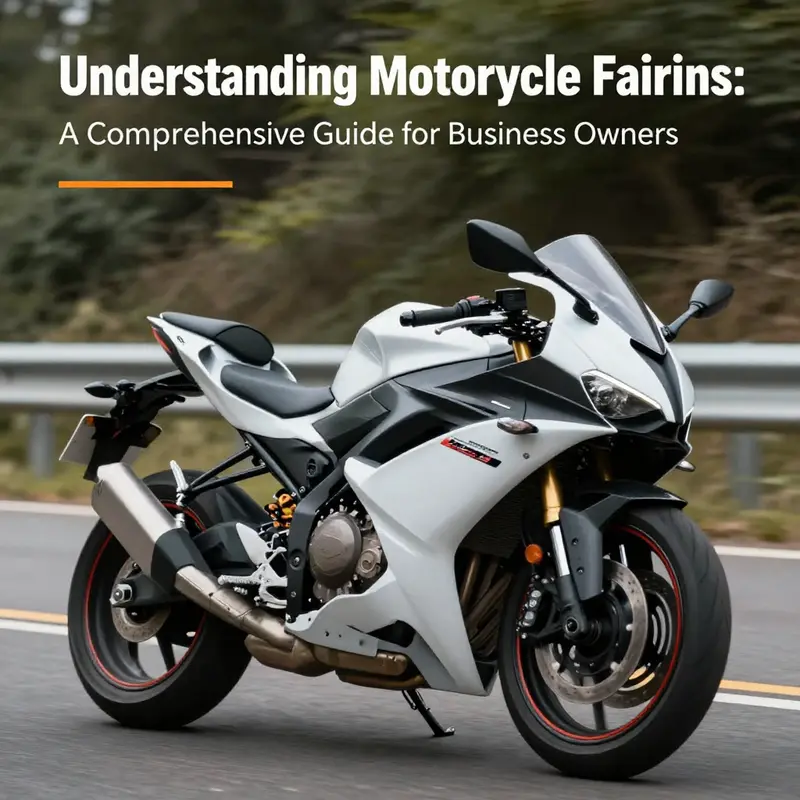
Motorcycles, with their unique blend of power and agility, have long captured the imaginations of riders and enthusiasts alike. Central to their performance and design is the motorcycle fairing—a component often overlooked but critical to maximizing efficiency and rider comfort. For business owners in the motorcycle industry, understanding the role of fairings can provide insights into product development, marketing strategies, and customer satisfaction. From their aerodynamic advantages to their evolution in different motorcycle types, chapters ahead will thoroughly discuss fairing motorcycle meaning, emphasizing its influence on rider experience and motorcycle technology.
Streamlined Meaning: How Motorcycle Fairings Shape Speed, Protection, and Rider Comfort
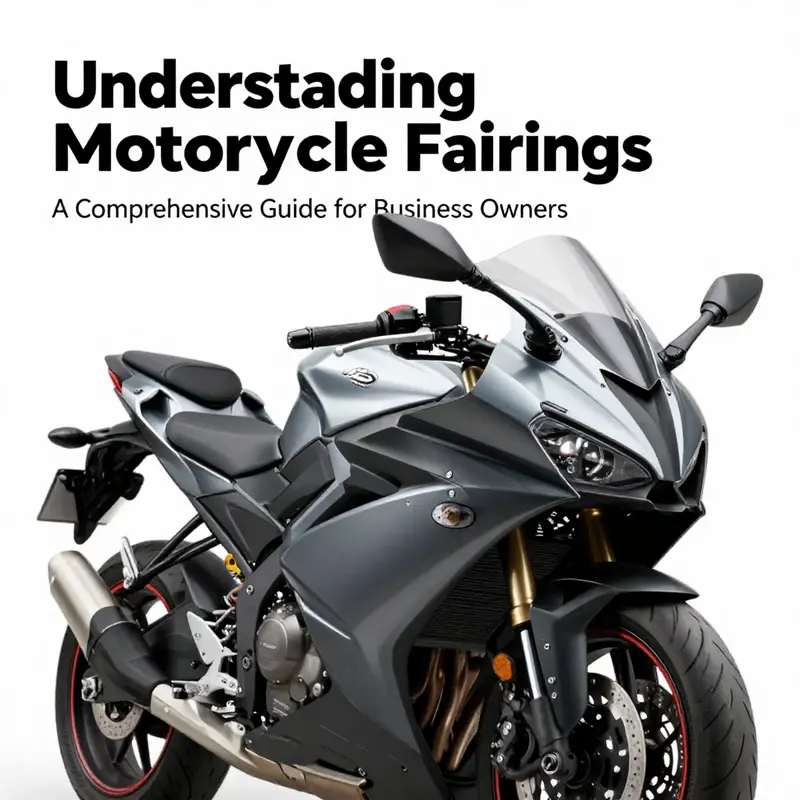
A motorcycle fairing is often seen as a silhouette of modern engineering on two wheels, but its meaning runs deeper than its surface. It is a carefully sculpted shell that fuses form and function, turning a naked frame into a purpose-built machine. The term itself traces back to the idea of making something smooth and streamlined, and in motorcycles that idea translates into a tangible advantage: a bike that cuts through air with less resistance, while still embracing the rider in a sheltering, controlled wind. When we speak of a vehicle as faired, we are recognizing a choice that blends speed with practicality. The fairing becomes the first line of interaction between rider and road, a moving membrane that negotiates the highway’s pressure and the rider’s needs at speed and in weather alike.
At the heart of every fairing is aerodynamic intent. Air rushing past a motorcycle is not simply a passive backdrop; it is a force that can propel or impede. A well-designed fairing smooths the air around the bike, guiding laminar flow along contours that reduce drag. The amount of drag saved grows as the fairing covers more of the front and upper body, with full fairings delivering substantial gains over half or weather-protective variants. These gains do not come free. They are the result of tuning the shape to slip past the air in a way that minimizes separated flow, reduces wake turbulence behind the rider, and lowers the overall power required to reach higher speeds. In practical terms, reduced drag often means better fuel efficiency, higher top speeds, and less rider fatigue. When a rider sits in a wind-rich environment, fatigue can creep in quickly. A smoother air path means shoulders stay less tense, arms experience steadier pressure, and the rider can maintain focus for longer.
The visual language of aerodynamics is clear: clean lines, a defined leading edge, a taper that guides the flow, and an interior that houses necessary components without creating dead zones where air stagnates. Full fairings wrap the bike’s front and upper sides, shaping the air over the engine and rider in one continuous curve. By comparison, half fairings shield the upper portion of the bike but leave more of the sides exposed. The difference is not merely cosmetic. It translates into how the bike breathes at speed, how stable it feels when gusts press from the sides, and how much wind the rider must contend with on a long stretch. The rider becomes part of the airflow equation, and the fairing serves as both an aid and a shield.
Protection is another pillar of fairing meaning. Beyond reducing drag, a well-executed shell guards vital components from weather, spray, debris, and small projectiles. The front mold carries weight in the sense that it directs air toward the radiator and cooling paths, but it also acts as a shield for wiring, headlamps, and dashboards. In a world where road grit and rain can rattle a machine’s reliability, the fairing contributes to longevity and resilience. The material choice matters here, too. Lightweight composites and thermoplastics resist heat and fatigue while maintaining rigidity. Yet every material has a threshold. Some plastics can crack under strong impact, which means factory or aftermarket designers weigh the risk of a damaged panel against repairability and replacement costs. This balancing act is part of the art of fairing design, where stiffness and flexibility must coexist without inviting weight penalties.
Structural integration completes the trifecta of function. A fairing is not just a shell; it is part of the bike’s chassis at scale, bonded or bolted to the frame in ways that preserve rigidity without inviting excessive vibration. Modern fairings leverage advanced materials like fiberglass-reinforced composites and thermoplastics, chosen for their heat resistance, stiffness, and the ability to be molded into complex shapes. The result is a set of panels that can be tuned for specific bikes and riding styles. The shape must accommodate anchors for headlights, instruments, and turn signals, while leaving room for air intakes, vents, and sometimes storage under panels. This integration means the fairing is a working system, not a decorative veneer. It interacts with the engine’s heat profile, the intake and exhaust architecture, and even the rider’s seating geometry. The ergonomic aim is to channel air across the rider so that wind pressure on the chest and helmet is managed, without creating tunnel effects around the shoulders or elbows.
Rider comfort, closely tied to aerodynamics, emerges as a distinct benefit of a well-calibrated fairing. The ultimate goal is to create a comfortable wind envelope around the rider that minimizes buffeting and protects the torso and head at speed. Comfort is not a luxury; it translates into better focus, better control, and longer riding endurance. A smoother air path reduces turbulence around the rider’s helmet, lowers ear-ringing wind noise, and can lessen the effort needed to maintain a steady posture. This is especially relevant on touring setups, where carrying luggage and longer ride durations amplify the need for a calm, predictable wind environment. Fairings can also support subtle micro-ergonomics: shaping the cockpit to direct airflow away from the hands and forearms, reducing fatigue during long days on the road. When a bike feels balanced in its interaction with the wind, the rider is more likely to ride with a light touch on the controls, which in turn improves handling and precision.
Beyond function, fairings carry an aesthetic vocabulary that communicates purpose and identity. The lines, curvature, and surface finish announce a bike’s temperament. A racing-inspired silhouette emphasizes speed and aggression, while a touring-friendly profile nods to endurance and weather protection. The seamless beauty of a well-made fairing depends on how well it marries physics with craftsmanship. This is not purely about form; the aesthetic reduces visual drag only when the lines are informed by real-world flow analysis and practical mounting realities. The shape must accommodate lighting configurations and instrumentation without compromising the flow. In this sense, the fairing is a translator: it takes the intangible, energetic push of air and converts it into a tangible, rideable experience that a rider can feel and judge in real time.
The practicalities of choosing or building a fairing reveal the trade-offs that riders and builders must navigate. A bike designed for the track might favor a full fairing with aggressive wind deflection and integrated ducts to feed cooling air efficiently. A sport-tourer, by contrast, might seek a balance between protection and accessibility, using a taller screen to improve wind quiet and a more modular panel arrangement to allow quick maintenance or adaptation to different climates. Material selection plays a decisive role here. Lightweight composites deliver stiffness and heat tolerance with a weight penalty that is carefully weighed against performance goals. Thermoplastics offer damage tolerance and easier manufacturing, but they may require more frequent replacement after impacts. The possibility of modular or removable sections can significantly affect ownership experience by enabling owners to tailor aerodynamics, cooling access, and rider protection for specific trips or conditions.
To connect this understanding to real-world choices, consider how a rider might explore the catalog of available fairings. The selection process is not just about fashion or speed; it is a rational assessment of how a bike will behave at highway velocity, how it will shield critical components during a rainstorm, and how easy it will be to repair or replace a damaged panel after a small accident or a tight off-road encounter. Even within the same model family, different fairing configurations can alter the weight distribution, the center of gravity, and the air flow that interacts with the rider’s body. When paired with the right windscreen and ventilation strategy, a fairing can transform a bike’s ride quality from a windy confrontation into a controlled conversation with the road.
For readers who are considering aftermarket options or factory-integrated designs, it helps to remember that the fairing is part of a larger ecosystem of the motorcycle’s architecture. The aim is to harmonize aerodynamics with protection, cooling, and rider interface. A well-thought-out fairing respects the rider’s line of sight, preserves accessibility to gauges and controls, and maintains the machine’s intended aesthetic. It is not a single component; it is a system that includes brackets, fasteners, gaskets, and seals that all contribute to reliability under weather exposure and vibration. The best designs anticipate maintenance realities, offering straightforward access for inspection and service, while keeping the aerodynamics intact. In this light, the meaning of fairing extends beyond the shell itself to how it supports the bike’s mechanical and ergonomic integrity over time.
This integrated perspective can be seen in how builders and owners approach customization. The decision to adopt or modify a fairing touches on performance instincts, riding conditions, and personal riding style. For some, a sport-focused fairing will emphasize aggressive lines and tight integration with the cockpit, while for others, a touring-oriented configuration will foreground weather protection, noise reduction, and ease of access. The goal remains to create a cohesive unit where every curve has a reason, and every junction serves a function. It is this philosophy that gives a fairing its meaning: not merely a shield or a cosmetic shell, but a deliberate instrument of velocity, safety, and comfort.
As a practical note for those exploring options, there is a wide spectrum of cataloged choices that reflect this philosophy. For example, a broad range of cataloged fairings can be explored across different brands in dedicated categories, recognizing that variety helps riders tailor their machines to specific uses and climates. If you are curious about the available designs within a particular brand’s line, the online catalog can be a useful starting point to understand how shapes and attachments align with performance goals. Honda’s fairings catalog, for instance, showcases how a manufacturer organizes panels to address both sport and touring needs, illustrating how design decisions map onto rider priorities. Honda fairings catalog.
The meaning of a motorcycle fairing, therefore, is not a single noun but a spectrum of purposes expressed through engineering. It is about how air, space, and material come together to produce a vehicle that feels lighter, more stable, and more capable at speed. It is about how the rider perceives wind and sound, how the engine breathes, and how maintenance becomes a manageable routine rather than a disruptive hurdle. It is about the quiet confidence that comes from knowing the bike has been shaped to negotiate pressure, heat, and weather with a disciplined, predictable behavior. And it is about the joy of riding a machine that feels engineered to respond to human intention rather than to fight it. For those who want to deepen this understanding beyond theory, the field offers a succinct, widely cited explanation that captures the essence of fairings and their role in modern riding. For a concise explainer on how fairings work and why they are called fairings, see Bike EXIF’s detailed overview. https://www.bikeexif.com/motorcycle-fairings-explained
Riding the Wind: How Fairings Define Aerodynamics, Comfort, and the Meaning of a Faired Motorcycle
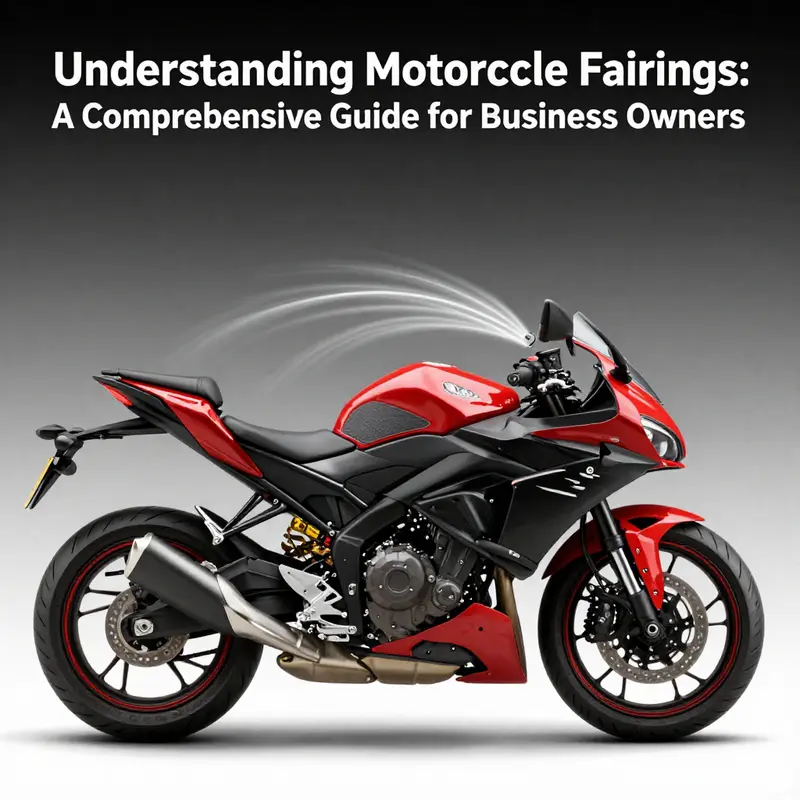
Riding the Wind is more than a metaphor when we talk about motorcycle fairings. A fairing is a carefully sculpted shell, a moving carriage built to love the road, the rider, and the air that rushes past at highway speed. In its simplest sense, a fairing is a streamlined cover attached to the front and sometimes the sides of a motorcycle. But its meaning runs deeper: it is a statement about how humans connect their machines to the flow of air, turning a chaotic gust into a manageable force that can be tamed, redirected, or even used to our advantage. The word itself hints at its task—to fair, to make smooth and efficient. When engineers and riders speak of a faired motorcycle, they are acknowledging a design choice that binds performance to physics, comfort to wind, and speed to strategy. The chapter that follows treats fairings not as ornament but as a functional system, a compact interface where aerodynamics, materials science, human factors, and maintenance converge.
From the outside, the fairing looks like a shell, but inside it reveals a philosophy of motion. The air around a moving motorcycle is a complex tapestry of swirling streams, pressure differentials, and intermittent turbulence. A fairing is designed to smooth those patterns, guiding air to travel with less resistance and with less disruption to the rider’s body. Every ridge, every curve, and every abrupt angle is chosen because it affects how air attaches to the bike, how it detaches, and where it forms eddies that could cause drag, wind blast, or undesirable vibrations. The outcome is not merely a higher top speed or a few extra mph; it is a more efficient use of power, a steadier ride at speed, and a kinder experience for the rider who spends long hours in the saddle.
The historical arc of fairings is telling. They began as race-day equipment, a way to shave precious seconds by reducing the energy wasted in fighting air. In those early days, craft and experimentation mattered as much as mathematics. As riders chased performance around the track, the shape of the bike began to matter as a measurable factor in lap times. The knowledge gained on the race circuit gradually migrated to street models. What was once a race-exclusive advantage became a standard expectation for sport bikes, touring machines, and many performance-oriented platforms. With improvements in materials—plastics that could withstand weathering, carbon fiber, and composites that balance strength with lightness—the fairing evolved from a simple shell to an active contributor to the bike’s overall dynamics. This transition—from artful shell to engineered system—reflects a broader trend in vehicle design: performance is increasingly inseparable from the way air behaves around the machine.
At the core of any fairing’s purpose is drag reduction. Drag is the resistance the air offers as the motorcycle slices through it. Lower drag means less power is required to maintain a given speed, which translates into better fuel economy and the ability to accelerate more cleanly. The fairing’s job, then, is to shape the airflow so that pressure remains balanced across the bike’s surface and so that the high-pressure region in front of the rider does not spill into the rider’s torso and helmet. When air follows an optimized path over the bike’s contour, turbulence behind the fork, under the seat, and around the wheels decreases. Less turbulence means less energy loss and, crucially, less fatigue for the rider as wind forces press against the body. The design challenge is intricate: you want air to hug the bike’s surface at cruising speeds, but you must also avoid directing an overwhelming blast at the rider’s chest and arms. The solution is a carefully tuned balance of sweep, angle, and alignment with the rider’s posture.
The rider’s experience completes the picture. A fairing directs air away from the rider to minimize wind fatigue on long rides. In sport and touring configurations, wind protection is not merely comfort; it shapes endurance, confidence, and even the amount of vibration felt through handlebars and pegs. A well-designed fairing helps stabilize the motorcycle at high speeds by smoothing the flow around the chassis, which reduces buffeting and assists steering precision. It is not just about keeping wind off the rider’s chest; it is about preserving control and reducing the cognitive load required to manage the bike in gusty conditions. When wind pressure remains predictable, the rider can focus more on line, throttle control, and braking—factors that ultimately determine both performance and safety on the road.
Fairings are also a practical home for the bike’s essential systems. Headlights, instrumentation, wiring, and sometimes even cooling ducts are housed within or attached to the surrounding shell. The design then becomes a question of integration: how to place these components so they are accessible for maintenance yet concealed enough to preserve a clean, aerodynamic profile. The balance matters. Full fairings offer exceptional wind protection and a superior aerodynamic jacket for the bike, but their more complex bodies can add weight and complicate engine access. Half fairings, with their pared-down forms, provide a compromise, trading some wind protection for easier maintenance and lower weight. Clip-on fairings, smaller still, emphasize adjustability and reduces mass while still contributing to airflow management. The decision is not merely a matter of aesthetics; it is a performance calculus that weighs wind protection against serviceability, weight against maneuverability, and long-distance comfort against track-ready aggression.
Material science underpins these choices. Modern fairings lean on lightweight plastics such as ABS and, increasingly, advanced composites like carbon fiber. Each material brings a different set of properties—rigidity, impact resistance, fatigue life, and cost—that influence both how air flows around the bike and how the shell behaves in a crash. ABS offers a robust, cost-effective solution with adequate flexibility to absorb minor impacts without cracking, while carbon fiber delivers exceptional strength-to-weight ratios but requires more intricate manufacturing and handling. The layering and perforation of the shell also matter. Vents and ducts can guide air around the engine and radiators, cooling critical components without introducing drag-inducing protrusions. In some designs, small strakes or channels are integrated to control boundary layers and to manage flow separation during high-speed runs. The result is a fairing that is not merely a shell but a dynamic interface that interacts with speed, weather, and the rider’s body.
Another layer worth acknowledging is how fairings influence riding position and ergonomics. A fairing can reframe the rider’s posture by shaping the cockpit around the rider and by guiding airflow away from the chest, shoulders, and head. This adjustment can reduce fatigue and extend comfort on long highway stretches, which in turn influences a rider’s ability to maintain optimal lines and stable control. Ergonomics and aerodynamics are not opposing forces here; they are mutual allies operating in a shared space. When riders can sit in a posture that aligns with the fairing’s airflow, the overall system experiences less drag, more efficiency, and a more intuitive ride. Designers thus calibrate rider geometry—handlebar height, seat angle, windscreen height—in concert with the fairing to create a cohesive performance envelope.
On the topic of performance envelopes, the type of fairing chosen becomes an essential part of the bike’s intended use. Racing applications favor full fairings to maximize speed and minimize turbulence around the rider and engine, delivering the sleekest possible profile and the most controlled airflow. Touring machines emphasize wind protection and stability over sheer airflow optimization, which translates into broader screens, more generous contouring around the rider, and carefully tuned airflow pathways that protect against fatigue even after hours in the saddle. In city riding or light sport use, half fairings or smaller fairings can offer a practical balance: reasonable wind shielding, simpler maintenance access, and a lighter overall package that makes urban maneuvering easier. Across these scenarios, the fairing’s role remains consistent: it is a designed partner to the machine’s power, weight, and stability characteristics, a part of the bike whose form is inseparable from its function.
The chapter’s arc would be incomplete without acknowledging the subtle, almost experimental, aspects of fairing design. Modern designers test air flows with computational fluid dynamics and wind tunnel data, translating that science into tangible forms that riders may barely notice. The shapes respond to questions about how to minimize drag without creating sharp turbulence at the rider’s helmet or pushing the air toward the engine in ways that hinder cooling. They also consider the aesthetic impact, since a rider’s perception of speed is tied to the way a fairing looks at a glance. A fairing that seems to melt into the bike’s silhouette can make a fast machine feel even faster, even if the actual numeric gains are modest. That is the beauty of the craft: it is both physics and poetry, one foot grounded in fluid dynamics and the other in the rider’s sensation of momentum and control.
For readers seeking practical guidance, the decision about a fairing is not an abstract debate but an experiential one. Consider your typical riding conditions, planned trips, and the level of protection you want from wind, rain, and debris. If your journeys include long highway hours, a fairing that channels air efficiently and shields you from buffeting can transform fatigue into focus. If you chase performance on a track or twisty back road, you may prioritize aerodynamics at the expense of some access to certain mechanical components. And if you ride primarily in urban environments, a more modest fairing with straightforward maintenance access could prove the most sensible compromise. In all cases, the fairing serves as a bridge between air and rider, a crafted interface that translates the physics of motion into a tangible, rideable reality.
If you want to explore how fairings are applied across brands and models, you can browse specific categories that illustrate how different manufacturers approach the same aerodynamic problem from distinct angles. For example, the Honda category demonstrates how the design language for fairings can prioritize a balance of wind protection and serviceability while delivering a clean, integrated look. See more about fairings in this brand-specific category: Honda fairings.
For a deeper understanding of the aerodynamic effects of fairings beyond aesthetics and fit, there is a concise synthesis available from a reliable outside source. It explains how fairings reduce drag, how that reduction translates into fuel efficiency and speed stability, and how engineers use shaping and materials to optimize performance. The external resource is a helpful complement to the practical observations above and provides a broader context for the physics at work when a motorcycle cuts through air: https://www.bikeride.com/motorcycle-fairings-aerodynamics/.
In sum, a fairing is a purposeful arch that arches over the road’s ordinary friction and turbulence. It embodies a design philosophy that sees the bike not as a static object but as an active participant in a complex flow field. The rider becomes part of that flow, and the machine becomes a tuned system whose efficiency, stability, and comfort hinge on the fairing’s capacity to smooth and steer air. The fairing’s meaning, then, is not merely a feature to be added on; it is a core element of how a motorcycle expresses its intent—whether to carve corners with precision, to ride long distances with less wind fatigue, or to achieve a balance that respects both performance and practicality. The wind, in turn, answers with a response that is as much about physics as it is about the rider’s experience, and the bike moves forward—a fusion of form, function, and feeling.
Sculpting Speed and Shielding: The Meaning of Motorcycle Fairings Across Types

A motorcycle fairing is more than a shell; it is a carefully engineered partner in how a bike meets the road. It is a streamlined cover, usually crafted from plastic or composite materials, that attaches to the front of the frame and, in many designs, wraps around the sides. Its primary job is to slice through air with less resistance, which lowers aerodynamic drag, enhances fuel efficiency, and stabilizes the machine at higher speeds. Yet the fairing also serves a human function: it shields the rider from wind pressure, rain, debris, and the sting of fast-moving stones. It can even influence how a rider sits in relation to the bike, directing airflow in a way that reduces fatigue over long miles. The term itself is a practical one, born from a verb that means to make smooth and organized, and that etymology matters because a fairing must smooth the rider’s experience against a sometimes unruly weather and road environment. When a bike is described as “faired,” that adjective signals a design philosophy rooted in performance, protection, and the pursuit of a more controlled, less turbulent ride. While the origin and language of the term sit in the world of mechanical engineering, the effects of a well-conceived fairing ripple into everyday riding, from the way a rider feels stepping onto a machine to how the bike behaves in gusts, crosswinds, or straight-line highway travel.
The material choices and the geometry of a fairing are not arbitrary. A fairing begins as a shell that must be strong enough to withstand highway debris, UV exposure, and the vibrations of the engine and the road. Yet it also must be light enough not to wash away performance gains or add unneeded mass. Plastic formulations, composites, and sometimes layered materials provide a balanced blend of stiffness and resilience. The shape itself matters as much as the material: the classic teardrop or aerofoil profile reduces pressure drag by guiding the slipstream in a way that minimizes turbulent wake behind the rider, letting the wind slip past rather than slam into the torso, shoulders, and helmet. In many bikes, the fairing also houses essential components such as headlights and instrumentation, which means the design has to balance aesthetics with practical access and protection.
While the fundamentals of a fairing are universal—drag reduction, rider comfort, weather protection—their expression shifts with the bike’s intended purpose. The most dramatic differences arise from how a rider imagines performance: the difference between a bike built for the track and one meant for long-distance touring, for example, is often encoded in the scale, contour, and features of the fairing. A sport bike tends to wear a full or semi-full fairing that encloses the front end completely. The purpose is aggressively aerodynamic: the shell channels air around the rider with minimal disturbance, and it often integrates complex windscreen geometries and multiple air channels to manage both forward thrust and the rider’s field of view. This environment rewards speed, precision handling, and a focus on top-end performance. In practical terms, the full fairing reduces the pressure drag at high speeds and helps keep the rider stable in a narrow tunnel of accelerating air.
On the other end of the spectrum lies the naked bike, where the fairing is either nearly absent or deliberately minimal. Naked bikes expose a substantial portion of the engine and frame, presenting a raw aesthetic that emphasizes weight, maneuverability, and ease of maintenance. The reduced fairing on these machines means more wind buffeting at highway speeds, but it also means the bike remains light and responsive, with simpler cooling and serviceability. The rider’s sense of speed and connection to the mechanical core of the motorcycle is more direct, heightened by the fact that the air does not pass through a large shell before reaching the rider’s torso. In this class, any fairing that does exist tends to be small, often securing wind-deflecting elements or a compact panel around the instrument cluster. The aim is not maximum aero efficiency but a balance between style, agility, and a minimal footprint.
Cruisers present a different kind of compromise. To preserve a classic silhouette while still offering a measure of wind protection, many cruisers employ either modest fairing elements or half-fairings. These structures or deflectors shield the upper body without radically altering the bike’s familiar lines. They are designed to enhance long-haul comfort—reducing fatigue on the shoulders and neck during sustained riding—while maintaining the relaxed, approachable posture that characterizes cruising. The result is a touring-friendly feature that respects tradition and style as much as it respects rider comfort and weather exposure.
Adventure and touring motorcycles, by contrast, rely on large, robust fairings that surround the windscreen and wrap around the sides. The goal here is comprehensive wind protection for hours of steady riding, often in varied weather and over uneven terrain. These fairings are designed with practicality in mind: they must contend with heat from the engine and exhaust, accommodate luggage racks and electronic controls, and allow for adjustable windshields that can be tuned to rider height or changing conditions. The large surface area also helps with high-speed stability by shaping the air behind the rider in a controlled, predictable fashion. It is no accident that adventure bikes have become a benchmark for weather resilience and comfort in exposed environments.
Dual-sport and light off-road machines follow a more modest logic. The fairing design here is often reduced to a minimal shell that protects the headlight and a small portion of the front, prioritizing light weight and ground clearance over pure aerodynamics. In many of these bikes the emphasis is on flexibility and durability rather than a perfect streamlining of air. The consequence is a vehicle that behaves well on uneven ground but is not optimized for stable high-speed wind handling in the same way a dedicated sport-tair or touring setup would be. The trade-off is deliberate: give up some aerodynamic polish to maintain maneuverability and resilience in harsh riding conditions.
Designing a fairing is really a negotiation among several forces. Aerodynamics is central; the shape and surface finish must coax air to part and reassemble around the bike and rider with as little energy loss as possible. The rider’s comfort is equally critical, because a gusty highway can translate into fatigue, discomfort, and bodily strain after hundreds of miles. A fairing therefore functions as a wind shield, heat shield, and protection in one. It also serves as a hub for components—headlights, instrumentation, and sometimes even integrated storage solutions—so its lines must accommodate functionality without compromising the bike’s overall balance. In addition to performance and practicality, there is a strong aesthetic impulse. The fairing has become part of a motorcycle’s identity, signaling the rider’s intentions—whether those intentions lean toward speed, endurance, or a blend of both.
If we step back from the particulars of each type, we can see that fairings embody a broader engineering philosophy: to shape the rider’s experience through controlled exposure to the wind. In that sense, the meaning of a fairing transcends raw performance data. It shapes perception—how fast the bike feels, how much wind one must contend with, how easy it is to breathe clean air at speed, and how much fatigue builds over long stints. The rider’s sense of speed is not simply a function of engine power; it emerges in part from how air moves around the body as the bike accelerates. A well-designed fairing harnesses air in a way that makes the machine feel poised, planted, and predictable, even when the rider pushes toward the upper limits of what the machine can do.
Aesthetics, though sometimes overlooked, has its own logic in the fairing’s vocabulary. The lines of the shell reflect the bike’s character—sleek and aggressive on a sport bike, rugged and practical on an adventure bike, timeless on a cruiser, and brutally minimal on a naked machine. The materials chosen—lightweight plastics, advanced composites, or layered laminates—tell a story about durability, heat management, and repairability. A fairing that is easy to service, replace, or modify can extend a bike’s life and fuel its community of enthusiasts who care about customization. In this ecosystem, a fairing is not a single, immutable piece of hardware; it is a modular element that can be tuned, swapped, or upgraded to better align with a rider’s goals, climate, and riding style.
For riders who crave a visible link between machine and road, the fairing also carries a subtle psychological charge. It communicates a message about the kind of journey the rider intends to undertake—whether it is a daily commute with occasional spirited stretches, a long-distance pilgrimage across changing weather, or a weekend sprint along winding asphalt. The fairing shapes the ride by shaping the air, and in shaping the ride, it shapes the rider’s expectations and the motorcycle’s story in return. That is why, when people talk about fairings, they do not only speak of physics or aesthetics; they speak of identity, capability, and the enduring conversation between human and machine.
If you want to explore a practical corner of the fairing world, consider how a rider might choose a fairing style that aligns with their needs. A sport-oriented rider might favor a full fairing with integrated wind management and tight, race-inspired contours. A long-distance traveler might look for wind protection, adjustable shielding, and compatibility with luggage systems. A rider who prioritizes a minimalist, tactile experience could embrace a naked configuration with selective deflectors to mitigate wind while preserving a direct line to the engine’s character. For those who ride on varied terrain or across continents, the adventure profile offers the most versatility, with fairings designed to modulate airflow at many speeds and under many weather conditions. Across all these choices, the underlying question remains the same: what kind of wind does the rider want to invite, and how does the fairing help sculpt that invitation into a stable, efficient, and enjoyable journey?
As the landscape of motorcycling continues to evolve, so too does the concept of the fairing. Advances in materials science, computational fluid dynamics, and rider-centric design all feed back into how these shells are imagined, tested, and refined. Yet the core purpose endures: to balance the air’s pull with the rider’s comfort, to protect without overwhelming, and to allow a machine to perform at its best in the conditions it encounters. The fairing remains a lucid expression of the rider’s intent translated into form and function—a wind-born signature of how meaning is made on two wheels.
To further connect these ideas with concrete examples beyond theory, consider a practical entry point in the broader ecosystem of motorcycle fairings. A dedicated category of fairings can be found in online inventories that focus on replacement and customization. For readers curious about specific aftermarket options and how they align with different riding goals, one can explore a broad range of choices by visiting a category that aggregates variants designed for particular bikes and styles. This path offers a hands-on sense of how form follows function in the real world of repairs, upgrades, and personal expression. Yamaha fairings provides a window into how aftermarket pieces map onto sport, touring, and naked configurations, illustrating how riders craft their own aerodynamic and aesthetic narratives.
In closing, the meaning of a motorcycle fairing can be understood as a synthesis of physics, comfort, durability, and identity. Across sport bikes, naked bikes, cruisers, adventure machines, and dual-sport designs, fairings encode a rider’s intent into a practical, scalable interface with the road. They are the wind’s counterpart, shaping the air to support speed and stability while offering shelter, visibility, and a channel for personal expression. The fairing’s value lies not only in how it reduces drag or how it shelters the rider, but in how it makes the riding experience more coherent, more enjoyable, and more capable across a spectrum of journeys. For readers eager to see how these principles translate into real builds, the external resource linked here offers a broadened perspective on how large fairings contribute to long-distance comfort and performance. https://www.bmwmotorrad.com/en/models/r-1250-gs.html
From Decorative Shells to Drag-Reducing Arsenal: The Engineering Story of Motorcycle Fairings
The fairing began as a simple skin meant to hide parts and protect a bike from rain, but it soon became a tool for control of air. Early designs were pragmatic and often plain, yet even then engineers sensed that the shape in front of a rider could steer the wind rather than fight it.
With higher speeds, wind pressure revealed the limits of a naked frame. Fairings evolved into engineered shells crafted from plastics and composites, shaped with wind tunnel ideas and later CFD simulations. The goal moved from covering the machine to guiding air around the rider and engine with predictable forces.
Modern fairings combine stiffness with lightness, and they must carry mounts for lights, radiators, and sensors. They also manage heat, ventilation, and cable routing while keeping the rider comfortable and the bike controllable at speed. The rider’s posture and line of sight become parts of the aerodynamics, not afterthoughts.
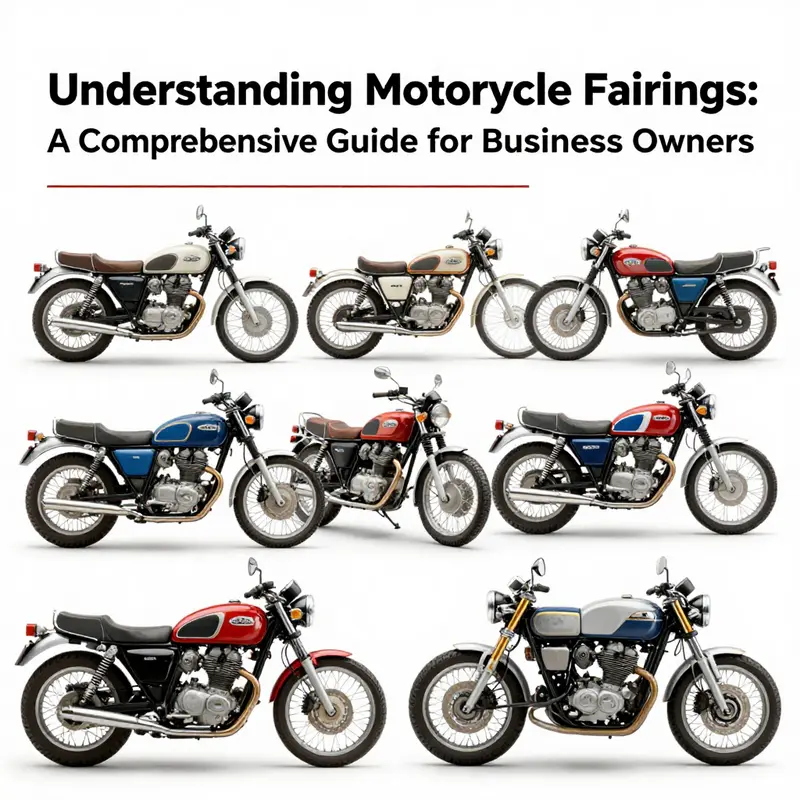
Different riding disciplines demand different compromises. A sport bike often wears a full, sculpted shell that hugs the rider and cuts through air with minimal drag. A touring machine prefers broader protection and calmer airflow. A cafe racer may favor a lean, minimalist fairing that emphasizes style and agility.
Safety and standards shape fairing design. Materials must withstand impact, maintain integrity in crashes, and support critical systems. Standards bodies and testing regimes codify expectations for crumple, mounting, and heat management, guiding manufacturers toward reliable performance.
Today, fairings are part of a larger integration with electronics, lighting, and aerodynamics that can be active or passive. They sit at the intersection of aesthetics and physics, balancing brand identity with measurable performance. The story of the fairing is ongoing, as new materials, simulation tools, and rider expectations keep redefining what a shield and a shape can do in the wind.
Final thoughts
In summarizing the multifaceted role of fairings in motorcycle design, it is clear that their significance extends far beyond aesthetics. For business owners, grasping the nuances of fairing motorcycle meaning is essential for innovation and competitiveness in the market. Fairings not only improve performance characteristics such as aerodynamics and stability but also enhance rider comfort—a key factor in customer satisfaction. As the motorcycle industry continues to evolve, understanding these components will allow businesses to better tailor their offerings to meet consumer expectations and drive growth.