
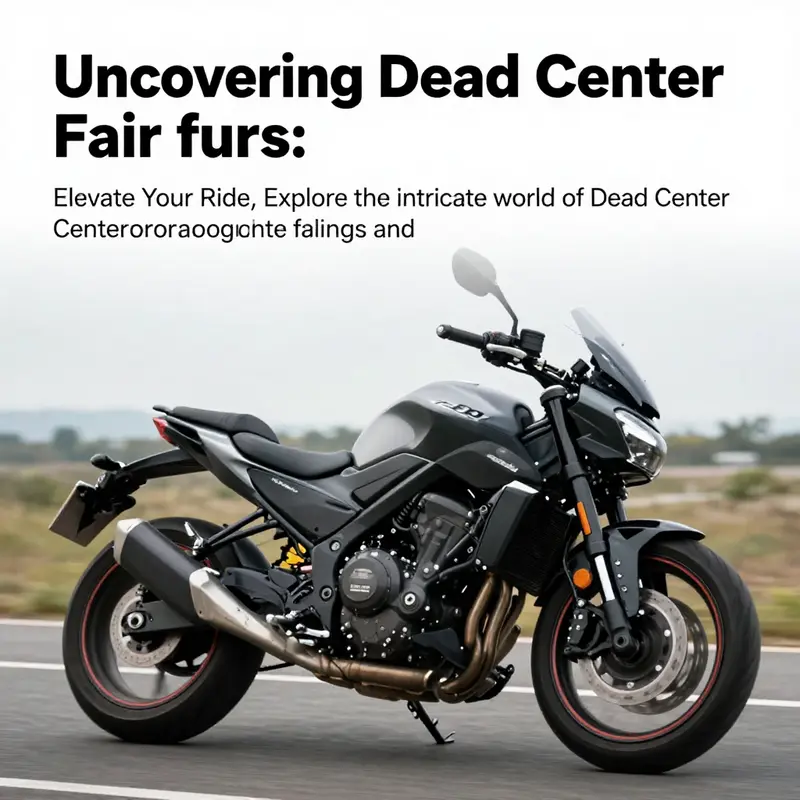
Dead Center motorcycle fairings represent a critical innovation in motorcycle design, merging functionality with aesthetics for an enhanced riding experience. As business owners in the motorcycle industry seek to align with evolving consumer expectations, understanding these fairings becomes imperative. This article delves into their various types and features, the impact of aerodynamics on performance and safety, the role of customization in builds, market trends affecting production, and future technological advancements. Each chapter provides insights crucial for business owners looking to optimize their offerings in the motorcycle accessories market.
Dead Center, Real Center: The Anatomy of Motorcycle Fairings and the Search for Aerodynamic Truth
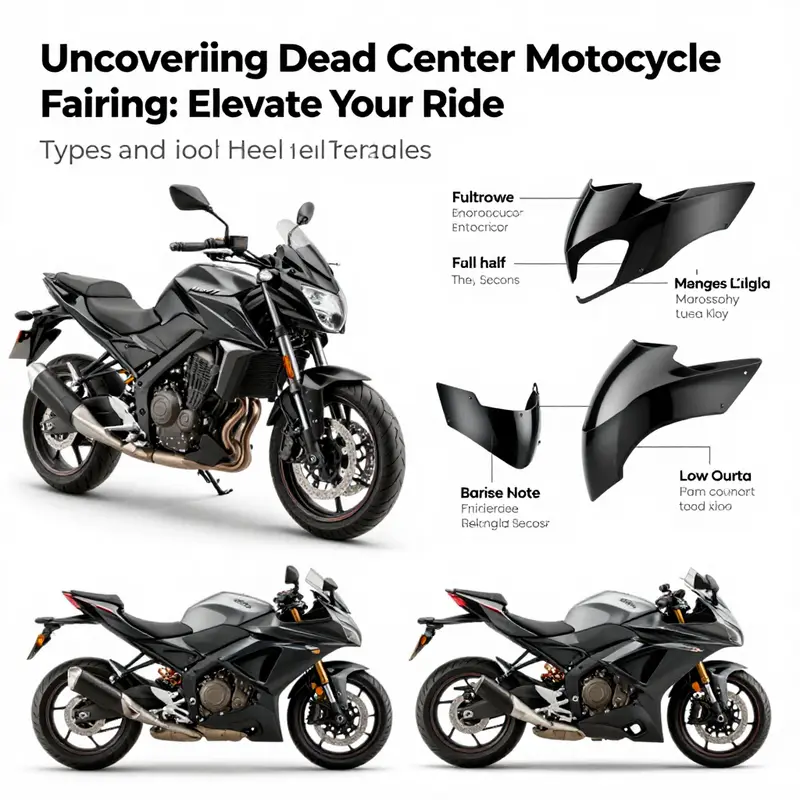
When a term like “Dead Center” enters the cycling conversation, it can spark curiosity and confusion in almost equal measure. In the current technical corpus, there isn’t a recognized category by that name, and no standard spec sheet uses it as a designation for a fairing type. Yet the idea behind it—an emphasis on the central line of the bike, the moment where air, rider, and machine converge—offers a useful entry point into how fairings actually work. Far more than a cosmetic shell, a motorcycle fairing is an engineered system that channels airflow, shields the rider, and tunes the machine’s balance at speed. This chapter grounds that exploration in real-world distinctions among fairing configurations while gently acknowledging the mystery that sometimes accompanies niche terminology. In doing so, it becomes clear that the question is less about a single label and more about how different fairing designs meet different riding purposes, climates, and philosophies of speed and comfort.
To begin, consider the spectrum of fairing forms that riders encounter on the road and in the workshop. Full fairings dominate the sport and touring segments because they offer the most comprehensive envelope around the engine, the fuel tank, and the tail. The payoff is clear: reduced wind fatigue for the rider, cleaner power curves due to smoother air over the body, and the potential for better high-speed stability. Yet there is no free lunch. The same panels that carve the air also trap heat, complicating engine cooling and ventilation. The more a machine is enclosed, the harder it can be to manage heat sinks and radiator access. Repairs, too, grow in complexity when a front fairing is damaged; the alignment between the headstock, windscreen, and belly pan must be preserved to reestablish the intended flow.
Flanking full fairings are three-quarter or half-fairing configurations. These midlines strike practical compromises. They preserve the dramatic, aero-informed silhouette that typifies sport machines while leaving room for a more visual connection to the engine and chassis. Riders who value a mix of protection and mechanical accessibility often gravitate toward these mid-sized shells. They reduce some wind pressure on the rider’s torso and shoulders, but not to the extent of full fairings. The airflow around the upper body remains manageable, and the engine can breathe more freely, which helps with quick maintenance checks and, in some cases, cooling performance. The lower extremities and midsection may be exposed enough to reduce weight and simplify customization, but that openness alters the balance of drag and lift in a way that some riders actually prefer for city commuting or spirited backroad riding.
Low fairings bring the conversation one step closer to a minimalist philosophy. They cover only the essential front-end area—typically around the headlight cluster and the top of the fork crown—while leaving much of the midsection and engine on display. The weight penalty is lower, installation is simpler, and airflow is less disrupted at the lower margins of the bike. Riders who want a sharper, more approachable look, combined with straightforward serviceability, often choose this route. But with less protection comes greater exposure to wind and weather. In wet or cold climates, the lack of a fully formed wind envelope can increase rider fatigue over long distances, even if the bike feels more playful and agile at lower speeds. The aerodynamic payoff is real, yet intimately tied to the rider’s posture, riding style, and the stiffness of the frame. This is the counterpoint to the looser, more enclosed configurations: a fairing strategy that favors feel and accessibility over maximum shielding.
Beyond these broad classes, the fairing ecosystem also encompasses custom or aftermarket variants designed to align with personal aesthetics or specific performance goals. The impulse to personalize is strong; riders want a shell that not only fits the bike snugly but also expresses identity and intent. Materials run the gamut from standard ABS plastics to fiberglass composites and carbon fiber blends. Each material brings its own blend of weight, impact resistance, and finish quality. ABS is durable and forgiving, easy to repair, and relatively affordable. Fiberglass offers versatility and lower material cost for custom builds, while carbon fiber delivers stiffness-to-weight advantages that appeal to performance-minded riders. The trade-offs are clear: lighter, stiffer shells can improve high-speed stability and cornering precision, but they often come with higher price tags and more demanding fitment and repair processes. Compatibility becomes a central concern as well; aftermarket pieces must align with mounting points, radiator openings, electrical routing, and the bike’s steering geometry. Even when a fit looks right from a distance, minute mismatches can disturb the intended aerodynamics, producing drag or buffeting that erodes the very benefits the fairing is supposed to deliver.
Material choice, however, is only part of the story. The centering of a fairing, its alignment with the bike’s centerline, and its interaction with the rider’s posture are equally critical. Fairings don’t just shield the torso; they sculpt the air as it meets the bike’s front end. A well-tuned shell can keep the center of pressure near a favorable location, reducing pitching moments during acceleration and deceleration and improving stability through corners. Conversely, a misfit shell can generate turbulent wake that unsettles the bike’s front-end feel, particularly at high speeds or when the rider adopts aggressive body positions. In this sense, the phrase “dead center”—though not a standardized term—invites riders and engineers to consider where the air meets the bike and ultimately how that meeting point governs handling and fatigue. The design challenge is to balance protection, weight, cooling, and aesthetics without tipping into inefficiency or fragility.
Choosing a fairing, then, becomes a matter of aligning design intent with riding realities. A rider who spends long hours on fast highways might prioritize full fairings for fatigue reduction and weather protection, even if that means more capital and more meticulous maintenance. A rider who enjoys canyon carving or city commutes might opt for the mid-range three-quarter configuration to preserve engine access and reduce weight, accepting a bit more exposure to wind. In cooler climates, the protection provided by a more enveloping shell can translate into practical comfort, allowing longer rides with less muscular strain. In hot climates, the extra surface area and airflow management should be weighed against potential heat buildup in the center of the machine. Materials, too, play a decisive role in this calculus. A carbon-fiber shell might appeal to performance enthusiasts seeking stiffness and lightness, but it comes with higher repair costs and a more delicate approach to maintenance. An OEM-grade ABS fairing, by contrast, often offers a balanced mix of durability, cost, and compatibility that suits a wider range of riders. The decision is personal, but the underlying physics remains constant: the fairing is a partner in steering, drag, and energy efficiency as much as a personal statement.
For readers who want to explore real-world cataloging of fairings without getting lost in marketing terms, a quick look at current product categories can help illuminate how shops organize these components. If you’re curious about how catalogs categorize new offerings this year, see the 2023 new products category. This example illustrates how vendors frame fairing options in a way that supports rider choices across riding styles and climates, rather than enforcing a single, all-encompassing solution. You can discover this approach here: 2023 new products category. For broader guidance about the logic of fairing selection, a trusted external resource provides an independent overview of how to choose the right type of fairing, taking into account aerodynamics, rider comfort, and maintenance. See the comprehensive guide at the Motorcycle Council’s site for a grounded, non-brand-specific framework that complements the discussion here. https://www.motorcyclecouncil.org/motorcycle-fairings-guide-how-to-choose-the-right-type/
The Aerodynamics of Dead Center Motorcycle Fairings: How Design Impacts Performance and Safety
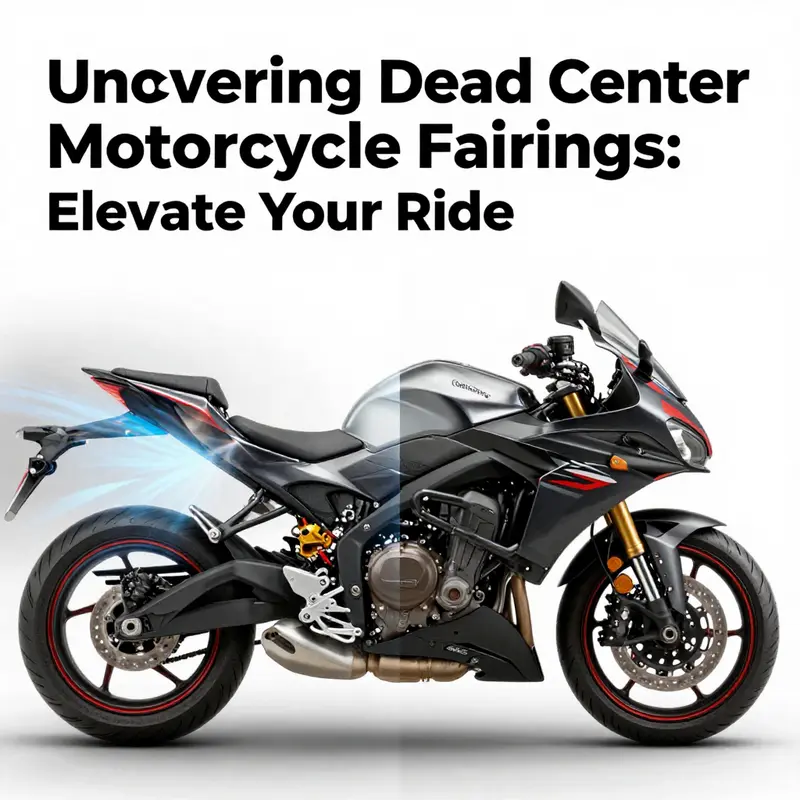
Air moves around a motorcycle with a precision that reveals both engineering intent and rider experience. The fairing is not just a shell; it’s a carefully shaped surface that choreographs airflow, shields the rider from harsh buffeting, and tunes the bike’s stance on the road. In discussions of high-performance kits, the name Dead Center often surfaces as a reference to a design philosophy that merges form and function. Yet the specifics of any given Dead Center fairing are best understood through the air itself: through how the surface guides streamlines, how tight the seams sit with the frame, and how the whole package maintains stability at speed. The chapter that follows dives into the aerodynamics of Dead Center fairings, but the deeper lesson is universal: the lay of a fairing matters as much as the engine under it.
At its core, airflow management aims to minimize drag and reduce turbulent wake behind the bike. A well-shaped fairing creates a smooth, attached flow over the front, sides, and into the rider’s shelter. Turbulence behind the handlebars, the mirrors, or the tank is a source of energy loss and stability challenges at high speed. By hugging the chassis and steering the air to follow the bike’s contour, a good fairing lowers the pressure drag that otherwise acts like an invisible pull on the tail. The result is a more efficient path for the engine to push air aside rather than push it around. In practice, this means the rider experiences steadier high-speed behavior and less wind fatigue on long rides. The best designs also keep the air attached to the frame at a wider range of speeds, reducing buffeting that can destabilize the upper body position.
Dead Center-style fairings emphasize precise fit and seamless integration with the motorcycle’s original geometry. The process typically begins with digital modeling that respects the bike’s geometry, line, and weight distribution. CAD work allows designers to simulate how the surface will split and rejoin as air approaches from different angles. In a wind tunnel, the same model is tested for pressure distribution across the chest, shoulders, and thigh areas, as well as for the fairing’s effect on the bike’s yaw stability. The goal is not just a glossy shell but a component that contributes to a more efficient ride. When the fairing sits cleanly against the frame, the seams align with the bike’s natural flow, reducing small eddies that would otherwise sap the machine’s momentum. The payoff for riders is tangible: improved fuel economy at highway speeds, a steadier line through corners, and a calmer cockpit that invites longer, more confident riding sessions.
Consider how drag translates into real-world numbers. A smoothly contoured shell reduces the cross-sectional area that the engine must push aside at each mile, which means the engine does not need to work as hard to retain speed. The practical upshot includes better fuel efficiency and, for touring riders, extended range between fills. Beyond economy, there is an equality between speed potential and stability: with less suction pulling at the rider’s torso, the shoulders can relax, allowing more precise steering and better control in gusty conditions. Reduced drag also correlates with less heat buildup in the upper body region, which is a comfort factor during summer rides or long stints in the saddle. In aggregate terms, the aerodynamic gains support a rider’s confidence, enabling acceleration to feel more effortless and the bike to respond with cleaner, more predictable transitions from straight lines to lean angles.
Material choice further shapes the safety profile of a fairing. ABS plastics offer a solid balance of stiffness and impact resistance, while carbon fiber variants bring higher strength-to-weight ratios that help protect the rider from debris and minor impacts. The structure should absorb some energy during a crash without shattering into sharp fragments, so the architecture often includes deliberate breakpoints and mounting that can detach energy-dissipating elements. Modern designs also consider the rider’s protection in a more holistic way: the fairing can cradle the torso, guiding the helmet’s airflow in a controlled manner and reducing abrupt pressure fluctuations that might upset balance. Carbon or reinforced plastics are light yet durable, enabling a stronger, more resilient shell without a heavy penalty on the bike’s overall mass. The intent is to strike a balance between protection and performance, so that in the event of a slide or a minor tumble, parts phase away in a controlled manner rather than contributing to injury risk.
Beyond passive shaping, many fairings incorporate features that complement safety and visibility. Integrated lighting, thoughtfully placed vents, and robust mounting points ensure the aerodynamics are not compromised by add-ons or misalignment. A well-executed fairing uses fasteners and brackets positioned to maintain smooth skin contact with the frame, minimizing any seam-induced drag. When the rider turns the handlebars, the fairing’s edge wakes align with the wind’s direction, reducing form drag and maintaining stable crosswinds. The most accomplished designs already anticipate the rider’s needs: quick-detach panels for maintenance, access to the radiator, or space for routing cables without interrupting the airflow. In the realm of long-haul riding, these details matter just as much as the primary silhouette. The rider experiences not only a quieter cockpit but also a sense that the machine is physically tuned to their posture and breathing, which translates into better focus and safer handling.
Fairings come in several broad configurations, each with a different aerodynamic persona. Full fairings wrap the entire body, creating the most integrated airfoil around the engine and fuel system. Three-quarter fairings strike a balance, covering the most critical zones while leaving parts of the midsection exposed to reduce weight or emphasize accessibility. Low fairings keep the installation lean, showing more of the engine and steering geometry while still guiding flow around the front end. The choice depends on riding goals: track riders prioritizing aero efficiency and protection at the highest speeds may favor full fairings, while sport-touring enthusiasts might value weight savings and serviceability from a three-quarter or low design. Regardless of configuration, the underlying principle remains constant: the surface must cooperate with the bike’s frame, wheels, and rider to sustain smooth, attached flow over a broad speed envelope. This coherence yields the most credible gains in speed, stability, and rider endurance.
Riders exploring Dead Center offerings often look beyond the look of a shell toward how it integrates with real-world riding. The best projects are those that respect the bike’s geometry and the rider’s breathing, posture, and line through corners. Even minor misalignments at the fastening points can generate micro-eddies that ripple through the chassis, amplifying buffeting and fatigue. For readers curious about model-specific fitment trends, the yamaha-fairings catalog provides a sense of how panels contour near the headlight cluster and fairing top to maintain a clean frontal profile while preserving rider comfort. yamaha-fairings.
Ultimately, the appeal of Dead Center fairings lies in their synthesis of aerodynamic science with practical riding realities. A shell that reduces drag, adds stability, and contributes to rider safety does more than enhance speed. It changes how a rider experiences the road: fewer wind fatigue, more confident cornering, and a cockpit that remains orderly at the end of a long day. The ongoing challenge, as with any performance upgrade, is to balance aerodynamics with the bike’s innate handling, weight, and the rider’s preferences. Industry discussions and testing from sources such as the external reference offer a window into how wind-tunnel insights translate into street-ready products. For more context on the aerodynamic heritage behind these designs, see Dead Center’s technical materials. External resource: https://www.deadcenter.com/
Dead Center in Custom Builds: Precision, Personalization, and Performance with Fairings
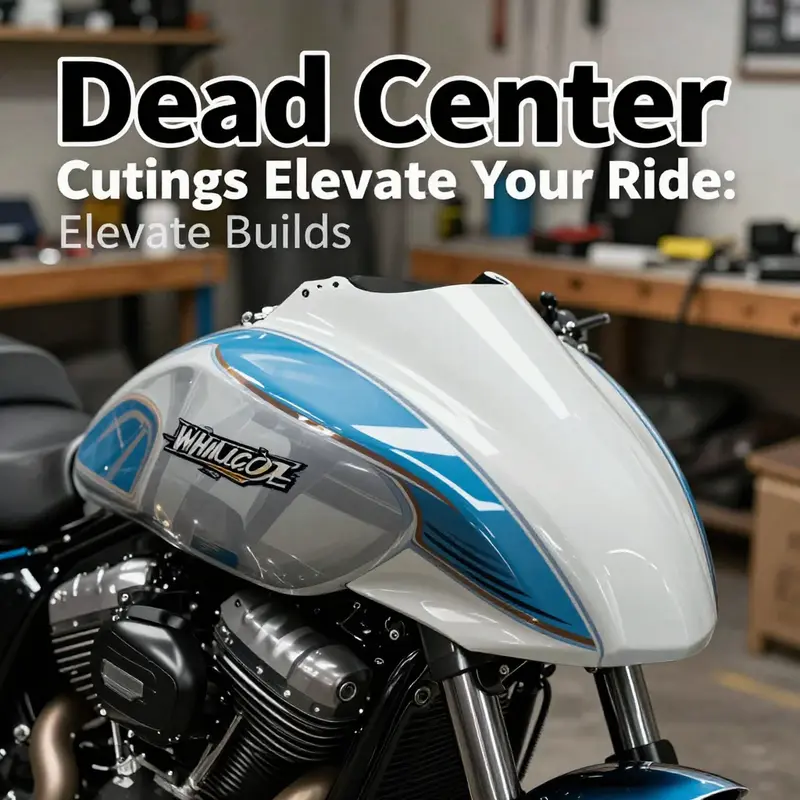
Choosing a fairing is not merely a matter of protection or style. In custom builds, it is a statement about where performance and personality meet. The phrase ‘dead center’ becomes more than a slogan; it signals a commitment to symmetry, balance, and predictable handling. When builders select fairings intended for precision aerodynamics, they position the rider and engine along a carefully tuned centerline. The result is a panel set that shapes the bike’s silhouette and its behavior in the wind. This is not cosmetic; it is a design decision that informs steering feel, front-end feedback, and the way a bike carries weight through corners. In practice, a fairing chosen with centerline intention reduces unnecessary drag while preserving access to controls and wiring. In this chapter, we explore how Dead Center Cycles translates that intent into parts that are both aerodynamically efficient and visually cohesive with a rider’s personal aesthetic.
Dead Center Cycles situates itself in the high-performance segment of the aftermarket ecosystem. Their fairings are manufactured from fiberglass and ABS, materials selected for lightness, rigidity, and impact resistance. A defining feature is the resin transfer molding process, RTM, which saturates a precisely laid reinforcement with resin in a mold cavity. The result is parts that maintain uniform thickness, resist warping, and present a consistently smooth surface ready for finishing. RTM excels at translating complex curves into repeatable geometry, a crucial factor for modern sportbike aesthetics where vents, ducts, and camera mounts demand exact alignments. Builders benefit from the predictable tolerances that RTM-founded components provide when mounting points line up with the frame and subframes. The combination of low weight and high strength means less rotational inertia at the nose and reduced fatigue on longer rides. In short, RTM helps Dead Center deliver panels that perform under race-day scrutiny and stand up to daily street use.
From a performance perspective, the manufacturing choice matters far beyond appearance. RTM unlocks artistic flexibility without compromising structural integrity. Complex air channels, integrated radiator inlets, and sculpted belly pans can be engineered into the fairing set while keeping the overall thickness consistent. For riders, that translates into more predictable airflow around the hands and chest and steadier front-end feedback at speed. The lighter weight of fiberglass and ABS contributes to a small but meaningful drop in front-end load, which, over time, can translate into sharper steering and quicker recovery after bumps. And because the panels are engineered for uniform thickness, the installation experience becomes smoother. Mounting points align with fewer surprises, and the panel joints present clean lines that reduce buffeting when riding at speed. The net effect is a chassis that feels responsive rather than labored, enabling a rider to exploit a tuned centerline without fighting against misfit parts.
Personalization in Dead Center’s approach is practical as much as it is artistic. Builders can tailor color schemes and graphics to their build’s narrative, from subtle monochromes that emphasize lines to bold, high-contrast finishes that announce a rider’s intent. Graphics can be integrated into the resin and refined by paint, delivering sharp edges and durable coatings that survive daily street use or track sessions. In addition to finishes, structural adjustments—when feasible—allow fairings to accommodate non-standard exhaust routes, intake ducts, or mounting hardware while preserving aerodynamics and fit. The aim is not to conjure up a one-off look but to provide a solid foundation that supports the owner’s vision. The process frequently starts with a consultation that aligns model compatibility, riding style, and aesthetic goals, ensuring the final product harmonizes with the bike’s frame geometry and the rider’s position on the saddle. For a broader sense of the available shapes and fitments across popular models, see the Honda fairings category Honda fairings.
Fitment and documentation matter just as much as color and curvature. A well-engineered fairing kit reduces the time a builder spends chasing misalignments, gaps, or hardware clashes. Mounting points should locate cleanly to the subframe, with access ports and harness routes preserved for service intervals. RTM’s uniform thickness helps ensure consistent seal lines, which in turn improves water and dust resistance at the joints. Builders also weigh the long-term durability of the panels under vibration and temperature swings, since fiberglass and ABS perform differently under sun and road heat. In a custom build, these considerations become a dialogue, with the supplier offering tolerances, test fits, and sometimes minor adjustments to tailor the kit to a particular chassis. The result is a modular yet cohesive assembly that the rider can refine with color, graphics, and the choice of fairing style, while still maintaining the refreshing performance benefits that stem from a precise centerline approach.
Beyond engineering, the design philosophy remains centered on clarity and performance. Full fairings, three-quarter shells, and low profiles each tell a different story about how a rider interacts with wind and sound. A full fairing can envelop the bike’s center of gravity, squeezing every last bit of drag reduction, while a three-quarter package might emphasize rider visibility and accessibility. A low fairing highlights the mechanical drama of the engine and reduces weight perception by exposing more of the bike’s upper structure. In a custom project, selecting a style becomes a statement about where the rider seeks protection, airflow, and visual gravity. The Dead Center approach recognizes that these choices must coexist with precise fitment and dependable mounting, so that performance is never sacrificed for flair alone.
Entering a project with a clear centerline objective helps builders move efficiently from concept to rideable reality. A well-chosen fairing kit creates a canvas for color stories and graphics while preserving the bike’s intended balance and steering response. The end result is a motorcycle that communicates its owner’s personality through lines and finishes that hold up under scrutiny. If you want to explore model-specific contexts and how these panels align with common chassis geometry, start with model-relevant catalogs in the broader fairings category, then consult the manufacturer’s notes for fitment guidance. For a deeper look into the material and production discipline behind these parts, the official Dead Center Cycles site offers extensive context on RTM, materials, and the custom-build workflow. External resource: https://www.deadcentercycles.com/
Centered at Speed: The Dead Center Philosophy in Motorcycle Fairings
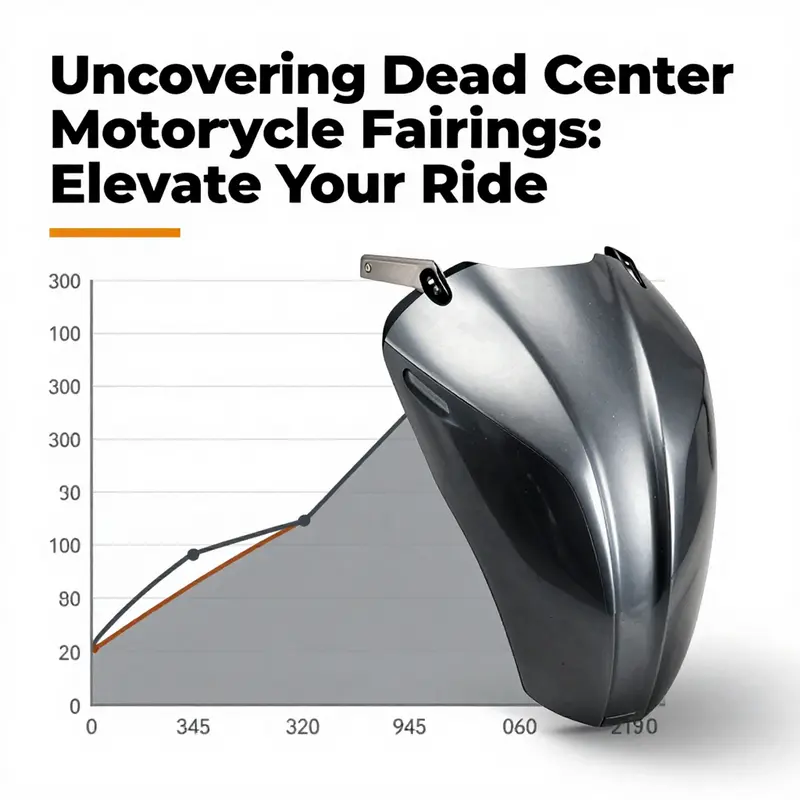
Looking past the name ‘Dead Center’ to the work itself, engineers treat the bike’s centerline as a critical control surface. In practice, a fairing’s midsection shapes how air splits, presses, and flows around the engine, the fuel tank, and the rider. A centered approach seeks symmetry to reduce drag, minimize buffeting, and stabilize the machine in crosswinds. The dead center idea serves as a practical compass for shaping performance and rider comfort at speed. The centered midline becomes a design doctrine—an invitation to respect the midline as a source of both aerodynamic efficiency and tactile feel. The dead center philosophy anchors a broader conversation about how symmetry, air, and rider comfort converge at speed.
The broader market context for motorcycle fairings follows a similar logic. Demand grows with better manufacturing, smarter materials, and sharper aesthetics. The market, valued at about 15.3 billion USD in 2025, is forecast to expand at roughly 10.1 percent annually through 2033. Those figures reflect a sector that benefits from tight supply chains, reliable production, and kontinuier design refinement. Key success factors include product quality, cost competitiveness, and responsive aftersales service. Firms that deliver precise fits, durable finishes, and dependable support win loyalty in a competitive space. Regional dynamics also matter. In many markets, rising incomes and a growing rider base fuel demand for both protective and expressive upgrades. The Middle East and Africa, in particular, are expected to show meaningful gains over the next five to ten years, as riders increasingly seek performance-enhancing and appearance-conscious alterations. At the same time, manufacturers push the envelope with air channels that guide cooling air to radiators while preserving a sleek exterior. CFD and CAD tools enable rapid testing of centerline concepts, letting teams compare symmetric versus asymmetric layouts for laminar flow and boundary-layer behavior. The result is a more predictable development cycle and a wider menu of options for riders.
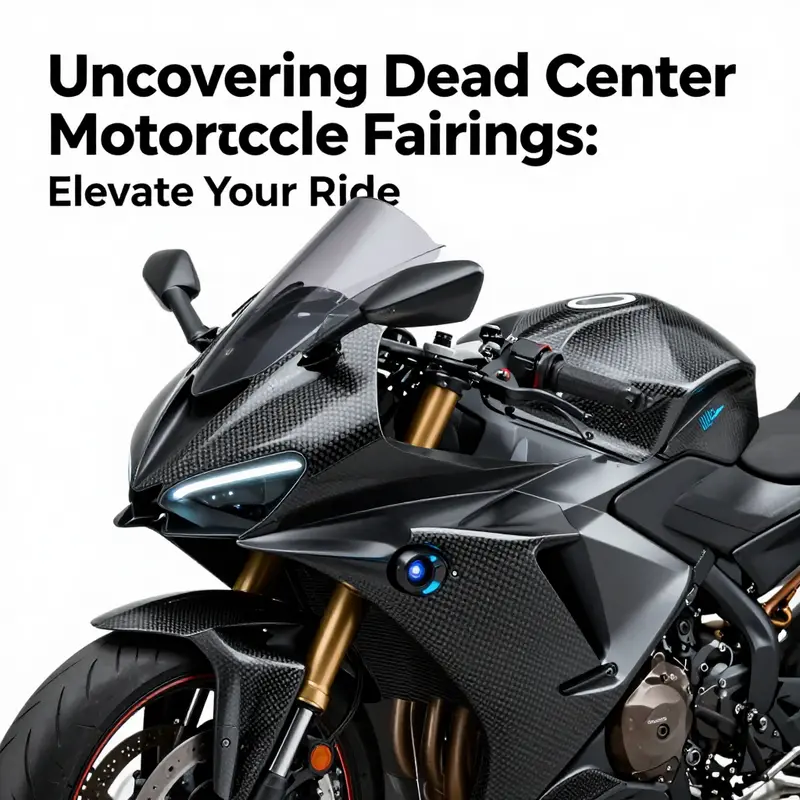
The dead center philosophy also interacts with ongoing material and process innovations. Lighter, stiffer composites cut weight and raise performance, while automation and precision assembly improve consistency across batches. Designers test hundreds of centerline configurations, refining curvature radii, cross-sectional areas, and undercut depths. The outcome is more than a faster bike; it is a better ride for the rider who values stability and comfort at speed. Full fairings offer the strongest aerodynamic envelope, while three-quarter designs strike a balance between protection and ease of maintenance. Low fairings favor lightness and engine visibility, appealing to riders who want a more exposed mechanical aesthetic without sacrificing performance.
As riders browse options, price and availability reflect both mass-market reach and boutique customization. Large programs spread tooling and quality assurance costs, enabling competitive pricing. Niche editions can command premium prices when they emphasize rare finishes, bespoke graphics, or unusual centerline treatments. The dead center concept becomes a touchstone for turning engineering rigor into everyday riding enjoyment. For readers who want to explore how fairings translate into real products, consult the broader catalog of fairing categories and see how a center-first design translates into fit and finish across models.
null
null
Final thoughts
Understanding Dead Center motorcycle fairings is essential for business owners aiming to stay competitive in the rapidly evolving motorcycle market. From the diverse types of fairings to their aerodynamic advantages, customization options, and insights into market trends, this knowledge can significantly influence product offerings and marketing strategies. As the industry moves toward innovative designs and materials, aligning with these advancements will ensure sustained relevance and success in meeting customer demands.