
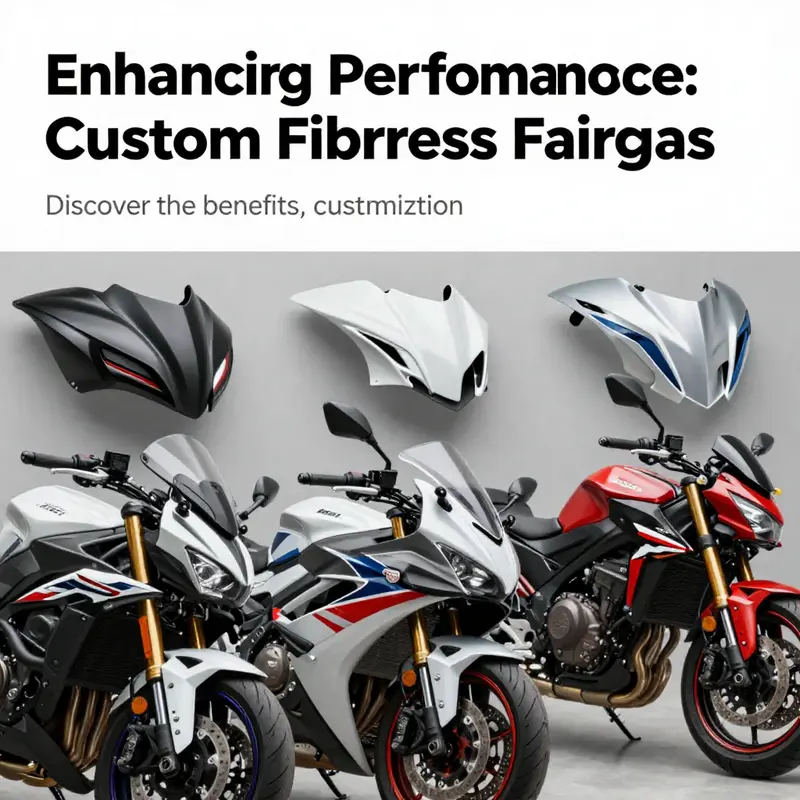
Custom fiberglass motorcycle fairings have become a significant choice for motorcycle enthusiasts and business owners looking to enhance both performance and aesthetics. Unlike traditional plastic fairings, these fiberglass alternatives provide advantages such as reduced weight, increased aerodynamic efficiency, and a variety of customization options. Understanding their aerodynamic benefits, customization possibilities, market trends, and rigorous safety standards will enable business owners to make informed decisions when sourcing and selling these products to customers seeking enhanced performance and personalized style.
Streamlining Performance: The Aerodynamic Edge of Custom Fiberglass Motorcycle Fairings
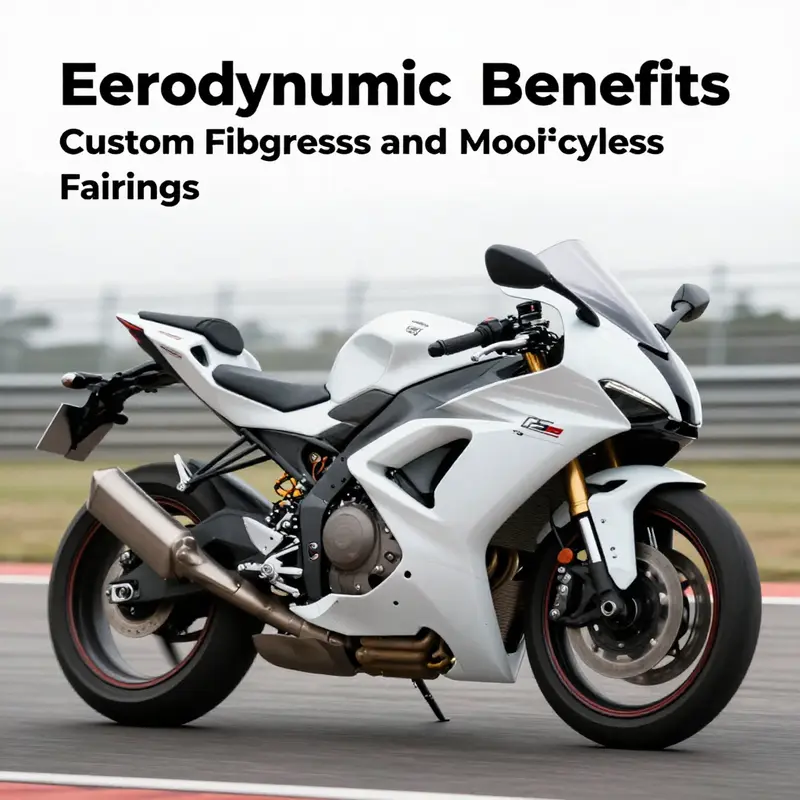
Air moves with intention around a motorcycle, and the shape of a fairing is its guide. When a rider leans into a curve or opens the throttle on a straight, the wind does not simply glide past; it gathers at edges, forms swirls, and creates drag that saps speed, efficiency, and comfort. Custom fiberglass motorcycle fairings approach this challenge as more than cosmetic shells. They are carefully engineered surfaces that sculpt airflow, tame turbulence, and tune the balance between rider comfort and machine capability. In that sense, the fairing becomes a precision instrument, where the artistry of layup, the science of curves, and the constraints of real-world riding converge to redefine what a motorcycle can do at speed. The fiber-reinforced composite behind that polished exterior brings a blend of lightness and stiffness that makes the aerodynamic work doable in the first place. A fiberglass fairing can shave weight by a meaningful margin while preserving a rigidity that keeps its shape under stress, which matters as air forces push on every contour during acceleration and cornering alike. Typical weight reductions compared with older, conventional plastics can approach a sizable fraction of the overall mass, and every kilogram shed translates into crisper handling, quicker throttle response, and a more eager platform for suspension and chassis dynamics. Yet the real payoff lies where air and rider meet—the rider’s silhouette, the bike’s shoulder line, and the underbody groove that guides the flow instead of letting air buffet the machine in unpredictable patterns. The tailored geometry of a fiberglass fairing, when designed with the bike’s geometry in mind, makes those benefits more consistent and repeatable across a range of riding conditions. This is not simply about going faster; it is about carrying more speed with less energy expenditure and with less mental and physical fatigue on long rides. The rider notices steadier stability at high speed, less wind buffeting on the helmet, and a more confident ride when crossing exposed stretches or negotiating gusts. All of these factors—drag reduction, smoother airflow, reduced wind noise, and improved rider comfort—are the stakes in the aerodynamics game that fiberglass fairings are uniquely positioned to win. \n\nFrom a technical perspective, drag is the enemy of efficiency. It strips momentum and compels the engine to work harder to maintain velocity. The fairing’s shape determines the size, direction, and persistence of the wake that trails behind the bike. When that wake remains orderly, the bike slices through air with less energy loss. A well-proportioned fiberglass fairing can contribute to drag reductions in the range of notable percentages, especially when it replaces bulkier stock shapes or when it features refined contours that minimize abrupt transitions. That is the essence of the aerodynamic advantage: a continuous profile that guides air more predictably around the machine rather than letting pockets of recirculation form behind the rider and chassis. The smoother this profile, the more the air can slip past rather than pile up and create pressure differentials that resist forward motion. \n\nBut true aerodynamic gain is not solely about the fairing’s visible lines. It also encompasses the way air interacts with the rider’s posture and the bike’s mechanical layout. When a fiberglass fairing is designed with rider position in mind—whether the rider sits upright for touring comfort or assumes a tucked posture for sport riding—the combined body-air-flow becomes a single, optimized system. The streamlining effect works in harmony with the throttle, gearing, and suspension to optimize speed support across a spectrum of RPMs and speeds. In practice, this means better fuel efficiency at cruising speeds, higher top speeds on straightaways, and more stable handling in windy conditions. Riders notice this as fewer energy swings during acceleration phases, a more predictable response when changing lanes at speed, and a reduction in the fatigue that can accumulate on long rides where wind pressure is constant and unforgiving. \n\nThe underbody and belly-flow play a crucial role in stabilizing a motorcycle at high speed. The fiberglass fairing, when engineered to facilitate controlled underbody air passage, helps reduce turbulent premature separation that can rattle through the chassis and disrupt steering feel. A carefully shaped underside can direct airflow to cleanly rejoin the main airstream, diminishing wake size and weakening eddies that otherwise induce lift, buffeting, or wobble at the limit. This is especially relevant on sport-oriented builds or touring rigs that spend extended periods at elevated speeds, where the combination of stable airflow and a controlled rider silhouette translates to cleaner handling and higher confidence in lean angles. The precise shaping also protects vulnerable edges from debris and weather, reinforcing the idea that aerodynamics and protection can be advanced in the same component rather than treated as separate concerns. \n\nThe customization aspect of fiberglass fairings amplifies these aerodynamic advantages. Unlike fixed plastic shells, fiberglass a fairing can be tailored to the bike’s specific geometry and the rider’s preferences. A skilled fabricator will adjust radii, line continuity, and sheltering contours to minimize abrupt corners that can create vortices while preserving the smooth transitions that the wind loves. This adaptability means riders can fine-tune the balance between drag reduction and airflow around the rider to suit personal riding style and conditions. The ability to finish surfaces with a high-gloss, matte, or custom paint job is not merely cosmetic; it also provides a smoother aerodynamic surface free of micro-textures that can disrupt laminar flow in sensitive areas. The combination of weight savings, precise shaping, and a refined surface finish creates a package that not only looks striking but delivers measurable performance gains. \n\nBeyond raw numbers, the aerodynamic story of fiberglass fairings is about consistency and reliability. The weather and the road never stop testing a bike’s wind management. A well-designed fiberglass fairing delivers predictable behavior from one ride to the next, even as gusts and road surfaces vary. The manufacturing process itself matters: layups executed with consistent fiber orientation, resin-rich pockets avoided, and careful alignment of sections to minimize gaps all contribute to a surface that behaves as intended under real-world loads. That reliability is part of the practical value riders seek when choosing a fiberglass option for their machine. It means the claimed reductions—whether in drag, weight, or wind-induced fatigue—translate into real-world performance on longer trips, track days, and spontaneous weekend rides. \n\nAesthetics and performance do not stand in opposition on fiberglass fairings; they reinforce each other when the design process is holistic. A smooth, polished surface does not merely appeal to the eye. It reduces turbulent bands and surface roughness that can incrementally dissipate energy as air travels along the fairing. Gloss finishes, clean seams, and expertly bonded joints keep the aerodynamic envelope continuous and predictable. Yet customization remains a central appeal. Riders want a fairing that reflects their identity and their riding philosophy while preserving the aerodynamic integrity that makes the difference on the road or the track. This is where an interactive design approach shines: the shape, the sensor where wind begins to detach, the airflow channels, and the material’s stance against impact all come together in a single package that respects form and function in equal measure. \n\nAs riders explore the option set, it is essential to consider fitment and compatibility. High-quality aftermarket kits are engineered for precise fit on a range of models, ensuring seamless integration without compromising structural integrity. This fit is not just about mounting points; it is about preserving the curvature continuity, maintaining fairing alignment during torque and vibration, and ensuring the rider’s cockpit remains recessed within the aerodynamic envelope. The right kit preserves wind shielding without creating gaps that act like vents for turbulent wake. It also ensures that any modifications to reduce drag do not inadvertently hinder access to essential components or impede cooling strategies. The balance between aerodynamics, protection from road debris, and weather resistance is nuanced, and it benefits from components designed to work together rather than cobbled from mismatched parts. \n\nThe broader context for these aerodynamic gains includes how it translates into everyday riding. For touring riders, the expected benefits are related to comfort and efficiency: a more stable ride at highway speeds, reduced wind noise, and less fatigue when the sun dips and the road stretches ahead. For sport riders, the emphasis shifts toward high-speed stability and track-ready handling: a cleaner slipstream, reduced flutter at elevated speeds, and a more predictable response when pushing into corners. In both cases, the fiberglass fairing acts as the first line of defense against disruptive air forces, a shield that reshapes the environment around the rider to allow a more focused, less encumbered riding experience. The material’s inherent properties—weight-to-stiffness ratio, resistance to impact, and capacity to hold after-market finishes—further empower designers to push the envelope. Practically speaking, these factors together can help a rider maximize fuel economy during long sessions while also shaving precious seconds off a lap time or a timed sprint, all without sacrificing durability or ride quality. \n\nOf course, the journey from concept to on-road performance requires more than a good shape. It calls for a careful evaluation of the rider’s goals, the bike’s existing aerodynamics, and the context in which the bike will be used. If a rider prioritizes quiet, consistent airflow for long-distance rides, the approach to shaping and finishing will emphasize streamlined transitions, effective wind shielding, and surface smoothness. If the goal is aggressive cornering and track days, the design may favor slightly different contours that steer the air to reinforce stability without introducing excessive drag in the straightaways. In both cases, the fiberglass approach offers the latitude to dial in those choices, aligning the visual language of the bike with a performance profile that is both measurable and repeatable. The best outcomes emerge when the design process integrates aerodynamic theory with practical testing and real-world feedback, ensuring that the finish line on a fairing project is not merely a glossy surface but a tangible enhancement to speed, efficiency, and control. \n\nFor readers who want to explore options within the broader ecosystem of aftermarket fairings, a range of cataloged offerings exists to support diverse model geometries. As you consider your own build, you can consult dedicated galleries or category pages that present compatible kits for different frames and riding styles. For instance, a catalog page in the aftermarket ecosystem highlights adaptable fitment and model-specific geometry, helping you map your riding priorities to a fairing system that preserves the intended rider position and the bike’s underlying aerodynamic philosophy. This approach ensures you do not trade off protection or structural integrity for the sake of a slimmer silhouette; rather, you obtain a comprehensive solution in which weight savings, airflow dynamics, and rider comfort reinforce each other. \n\nIn the end, the aerodynamic benefits of custom fiberglass motorcycle fairings come down to intentional design, precise fabrication, and thoughtful integration. When a fairing is engineered with an eye toward airflow continuity, rider posture, and the machine’s powertrain cooling needs, the result is a cohesive system that makes speed feel more manageable and efficiency more attainable. It is not just about cutting through air; it is about directing air in a way that supports the rider’s experience, from the first gust at highway speed to the squared-off corner on a sunlit track. The outcome is a motorcycle that responds with steadiness, accuracy, and a confident presence as it slices through wind, a testament to how material science, engineering discipline, and rider ambition converge in a fiberglass shell that is as functional as it is expressive. \n\nFor more detail on the aerodynamic performance data and testing context behind fiberglass fairings, see the authoritative discussion on how these composites influence drag, stability, and efficiency: Aerodynamics of Fiberglass Fairings. And for those exploring model-specific options within an established aftermarket ecosystem, broader catalog resources can offer practical guidance on fitment and compatibility, such as the Yamaha fairings category, which demonstrates how standardized interfaces help translate design intention into real-world performance. Access to such resources can simplify the path from concept to ride, ensuring your fiberglass fairing project delivers measurable improvements without compromising reliability or safety. \n
null
null
Shaping Speed and Identity: Market Trends in Custom Fiberglass Motorcycle Fairings
Riders now demand more than top speed or raw power from their machines. They want surfaces that perform as well as they look, and they want a bike that tells a story. In this landscape, custom fiberglass motorcycle fairings have evolved from cosmetic upgrades into strategic components that blend aerodynamic efficiency, structural integrity, and personal expression. The market narrative centers on personalization, precise fitment, and a design language that translates a rider’s identity into a streamlined shell. Fiberglass offers a powerful mix of strength, formability, and cost efficiency, enabling complex shapes, tight tolerances, and finish options that repurpose factory silhouettes into expressive possibilities. As a result, the ecosystem around fairings—manufacturers, aftermarket suppliers, and service providers—continues to grow, with model-specific kits, performance-focused variants, and enhanced finishing capabilities driving demand across touring, sport, and urban riding segments.
Safety-First: Standards and Considerations for Fiberglass Motorcycle Fairings
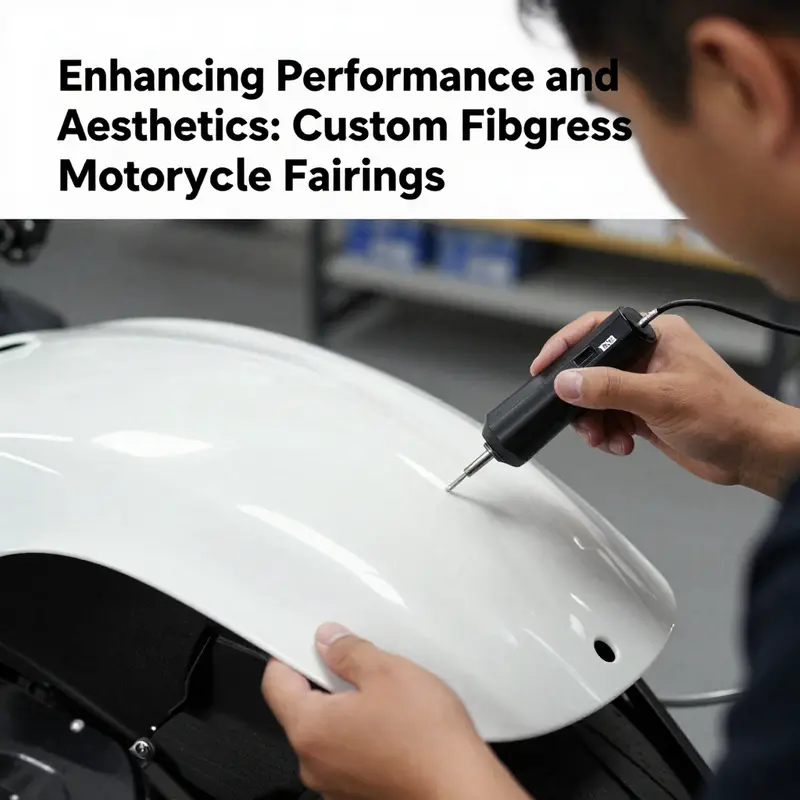
Safety-driven design starts before you buy. A credible fiberglass fairing should preserve visibility, maintain proper lighting alignment, and not interfere with controls, wiring, or frame geometry. Even a light panel that fits loosely can flutter at highway speeds, alter steering feel, or detach and become a road hazard.
Durability and crashworthiness are central. The lamination should resist impact, avoid brittle failure, and resist delamination from temperature changes or moisture. The material should handle vibration and wind loads while distributing stress rather than concentrating it at a small area.
Mounting and integration. The kit should align with original mounting points or use tested adapters that preserve stiffness. Fasteners and gaskets must withstand vibration, weather, and thermal cycles. Documentation and a mounting procedure are essential.
Certification and testing. Look for independent test data, environmental exposure results, and compatibility with local regulations. In many regions, components intended for public roads must meet defined performance criteria; certification marks, test reports, and traceability are indicators of safety.
Practical steps for buyers. Verify model year and geometry fit, request engineering data sheets, confirm lighting and sensor compatibility, and ensure a proper installation service with a warranty and post-install inspection.
Final thoughts
The exploration of custom fiberglass motorcycle fairings reveals a significant opportunity for business owners who seek to differentiate themselves in the motorcycle accessory market. The advantages in aerodynamics can lead to performance improvements that appeal to riders focused on speed and efficiency. Diversified customization options enable the creation of personalized designs that attract customers looking for uniqueness. As market trends indicate a growing demand for these high-performance parts, ensuring compliance with safety standards will further enhance customer trust and satisfaction. By leveraging this knowledge, business owners can effectively meet the evolving needs of modern motorcycle enthusiasts.