

Clear motorcycle fairings have become an essential component in the riding culture, offering not just protection, but also significantly enhancing performance and aesthetics. These fairings not only streamline the motorcycle’s design but also improve aerodynamics, resulting in a smoother, more comfortable ride. Business owners in the motorcycle accessories market can greatly benefit from understanding the advantages of these products. The following chapters delve into the multifaceted benefits, material comparisons, and customization options associated with clear motorcycle fairings, providing insights that can enhance product offerings and satisfy customer demands.
Seeing Through Performance: The Aerodynamic Edge and Comfort of Transparent Motorcycle Fairings
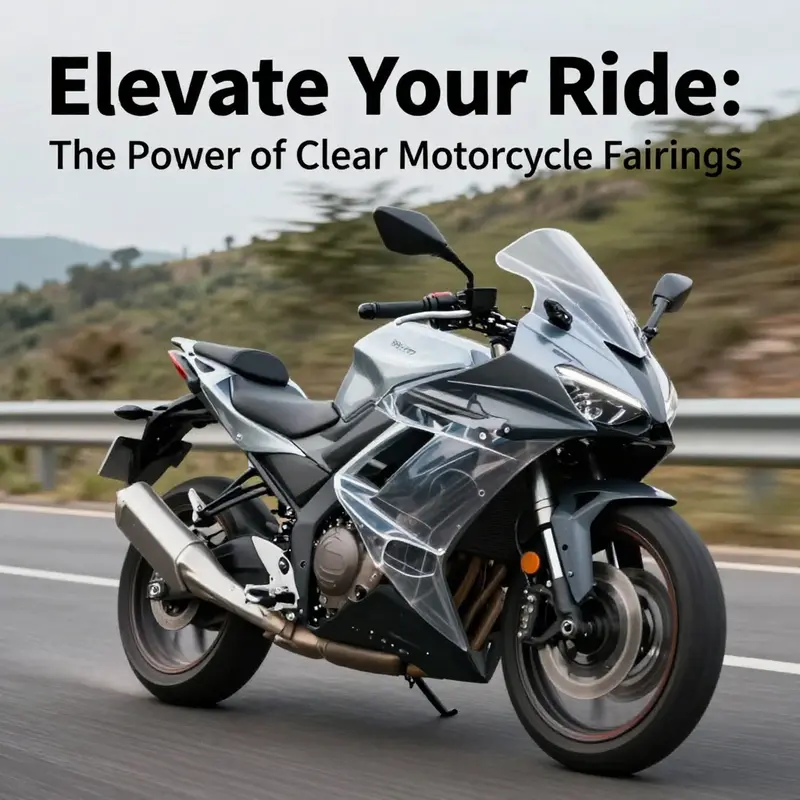
Clear motorcycle fairings sit at an intriguing intersection of design, physics, and rider experience. They are not merely about show so much as about shaping air, protecting essential components, and shaping the rider’s interaction with the machine. These shells, usually crafted from polycarbonate or acrylic, invite scrutiny because their transparency makes every line of the bike’s front end legible. The aesthetic appeal is obvious, but the deeper story lies in how a clear panel, when properly designed and mounted, preserves the same aerodynamic discipline that governs opaque fairings while providing unique benefits in visibility and comfort. The result is a nuanced instrument that can enhance high‑speed stability and long‑haul riding without disguising the bike’s inherent character. In this sense, clear fairings are not a contradiction of performance; they are a deliberate reimagining of how riders read the wind, respond to it, and compose themselves in saddle over the miles ahead.
From a practical standpoint, the core function remains straightforward: reduce drag, smooth airflow, and shield the rider and important components from wind pressure, rain, dust, and debris. The physics of air around a bike do not hinge on color or transparency; they hinge on the geometry of the profile, the coordination of the nose, the rider’s posture, and the way the air reattaches downstream of the fairing. A transparent shell that follows the same contours as an opaque one will offer comparable drag reduction and high‑speed stability. Historical analyses in the field reinforce this, noting that motorcycles do not rely on ground effects or spoilers for meaningful performance gains; the fairing’s value is primarily protective and aerodynamic, not color‑driven. The resemblance in aerodynamic potential between clear and tinted shells becomes meaningful only when the fairing’s shape is optimized for the bike’s front end and the rider’s stance. In other words, transparency reveals the true geometry rather than amplifying it; the effort to manage air remains the same, the visibility simply changes how that effort is perceived.
The most immediate advantage that clear fairings offer, however, is in rider perception and downstream comfort. Seeing the road ahead with an unblocked view matters. The absence of visual obstructions means better recognition of hazards, on‑ramp signals, lane changes, and uneven pavement textures that can influence line choice and speed management. This sharper real‑time feedback translates to a subtle but meaningful decrease in cognitive load during aggressive riding and long tours alike. The rider’s head and helmet move through a wind stream that is modulated by the fairing, and when visibility is high, the attention can stay focused on steering, throttle, and braking rather than compensating for a hazy or distorted line of sight. The wind around the upper body is still a factor, of course, especially at speed. The fairing’s role is to smooth that interaction rather than to eliminate wind entirely. A well designed translucent shell reduces buffeting and wind noise at typical sport and touring speeds, contributing to a more composed posture and reduced fatigue over time. This is a practical payoff that riders feel as much as engineers measure.
Such comfort gains extend beyond the rider’s torso to the bike’s essential systems. By shielding the upper radiator area, wiring harness passages, and critical electronics from rain and road spray, a clear fairing can help maintain optimal operating temperatures and reduce moisture ingress around sensitive components. In the long run, this translates to fewer maintenance events and more reliable performance during multi‑hour journeys. The effect on reliability may be understated, yet it matters for riders who spend long weekends chasing remote scenery or who daily commute through mixed weather. The protective function is part of a broader design philosophy that treats the front end as an integrated system: air, lights, electronics, and aesthetics all working in concert. The visual transparency then becomes a bridge between a bike’s mechanical soul and the rider’s experiential understanding of that soul at work.
No discussion of transparency should ignore the practical realities of weather exposure and durability. Clear fairings reveal every line of the bike’s face, which is part of their appeal and their risk. Without tinting or opaque surfaces to mask micro‑imperfections, the surface quality and edge seals matter more than with a shaded shell. The rain‑swept glare and grit from the road can be more aggressive on clear materials, so the choice between polycarbonate and acrylic matters. Polycarbonate typically offers superior impact resistance, a crucial attribute when debris or low‑speed projectiles strike the fairing at speed, and it tends to hold up longer under heat and UV exposure. Acrylic, while often clearer straight out of the mold, is more prone to cracking on impact and can yellow more quickly if UV protection is not adequately applied. For riders who ride in varied climates or who plan to keep a shell for several seasons, the long‑term clarity and resilience of polycarbonate with a robust anti‑UV coating become compelling reasons to favor it. The maintenance routine, too, informs durability. Gentle cleaning with non‑abrasive solutions and avoidance of solvents that can crack or dull the surface is essential, as is periodic inspection for micro‑scratches that can compound into noticeable dullness in bright sun. These scratches may not only mar the look but also scatter light and degrade visibility through the panel. A disciplined approach to care—regular cleaning, UV protection, and timely refinishing when necessary—helps preserve the shell’s clarity and its protective function.
The maintenance conversation naturally leads to installation and upkeep. A translucent shell does not behave like a one‑piece, factory‑fit cover; it is an assembly that interacts with mounting points, fasteners, and the bike’s original bodywork geometry. It is not unusual for riders to encounter minor fitment nuances as the fairing settles around the headlight cutouts, instrument housing, and mirrors. Clean fitment is essential to avoid gaps that can introduce wind noise or water ingress at speed. In practical terms, this means evaluating whether the fairing aligns with the bike’s frame rails, whether the headlight and instrument clusters are unobstructed, and whether the mirrors retain an unobstructed view. Some assemblies are accompanied by reassurance that they are a “guaranteed fit” for specific models; such assurances can reduce installation time and uncertainty, but they require the buyer to verify exact year, model, and trim. In this sense, clear fairings demand a similar due diligence to any other major aftermarket bodywork: verify fit, check clearance with the tank and handlebars at full lock, and consider whether the existing protective shields and mounting hardware need to be re‑drilled, trimmed, or upgraded to ensure a clean, secure installation.
Aesthetics, of course, is the other side of the story. The transparency of the shell invites a deeper visual dialogue between bike and rider. Tinting can be used judiciously to cut glare without obscuring the line of sight, while carefully applied graphics or etched accents can accent the bike’s geometry rather than mask it. The interplay of light is particularly compelling: headlights mount behind the panel, producing a halo of light on the inner surface that changes with the angle of approach and the brightness of the ambient day. When designers incorporate lighting elements—thin LEDs embedded near the edges or behind the panel itself—the practical function of visibility at night merges with the aesthetic drama of modern motorcycle design. In this sense, clear fairings become not solely protective or aerodynamic devices but dynamic surfaces that respond to the rider’s presence and to the bike’s motion. The narrative of the machine shifts as the light shifts, and this is a form of kinetic art that remains firmly grounded in performance, safety, and identity.
For riders exploring the options, the path toward a clear shell is often guided by compatibility and fit. Many communities emphasize the importance of model‑year accuracy and correct headlamp geometry to ensure that the shield lines up with factory sensors and the bike’s steering geometry. The practical guidance is to check mounting points, ensure that the fairing’s curvature aligns with the bike’s nose, and confirm that the chosen panel does not interfere with the turn signals or the instrument cluster. The sense of assurance offered by a guaranteed fit is meaningful, but it must be matched with careful verification of the model, trim, and year. Within this context, it helps to view the process as a negotiation between design ambition and mechanical reality—a negotiation that rewards careful measurement and clear expectations about installation time, potential trims, and the necessity for minor adjustments to make the panel feel like a natural extension of the bike rather than a clamp‑on addition.
If there is a through line to carry forward, it is this: transparency is more than a finish. It is a statement about how a rider interacts with airflow, with the road, and with the machine’s own architecture. Clear fairings do not promise a mystical speed gain or a shortcut to corner speed; they promise clarity of vision, refined upper‑body flow, and the protective envelope that keeps critical components out of harm’s way. They invite the rider to see the bike as a single organism, where the shell, frame, and rider share the wind in a responsive, coordinated dance. They also demand a commitment to care—the right material selection, protective coatings, disciplined cleaning, and thoughtful installation—to preserve those benefits over time. In that sense, choosing a clear fairing becomes an act of deliberate tuning rather than a cosmetic upgrade. It is a choice to emphasize perception and protection in equal measure, to honor the bike’s design while making the rider’s experience more direct and comfortable.
For readers who want to explore compatibility across popular models and brands, there is a practical reference point in the fairings category that highlights how fit and geometry are approached in different lines. Specifically, exploring the BMW fairings category can provide a useful context for how a manufacturer or aftermarket source translates the front‑end geometry into a clear module that preserves alignment with the bike’s sensors and lighting. This reference is helpful as a generalized guide to fit and geometry, rather than a product recommendation, and it can illuminate how the mounting interfaces and edge contours are treated in standard practice. BMW fairings offers a window into how a given platform handles a transparent front end, and it underscores the need to verify model‑year compatibility when purchasing. The chapter’s emphasis remains on the core idea that transparency affects perception and maintenance as much as it affects airflow, and that careful planning around materials, coatings, and fit is essential for realizing the promised benefits.
In closing, the value proposition of clear motorcycle fairings rests on a balanced reading of their strengths and limitations. They provide visibility that enhances rider awareness, a sense of wind management that can reduce fatigue on long rides, and a protective envelope for essential components. They also demand a pragmatic approach to weather protection, surface care, and precise installation. The strongest outcomes come when riders treat transparency as a badge of deliberate craftsmanship—a choice that respects the bike’s lines while embracing the clarity of air that moves around them. This approach aligns with the broader goal of the article: to illuminate how performance, aesthetics, and rider experience converge in contemporary motorcycle bodywork. For a broader technical discussion of how fairings influence aerodynamics and fuel efficiency, an external resource offers additional context and empirical insight: https://www.motorcycle.com/riding-tips/motorcycle-fairings-aerodynamics/.
Material Showdown: Polycarbonate vs Acrylic in Clear Motorcycle Fairings
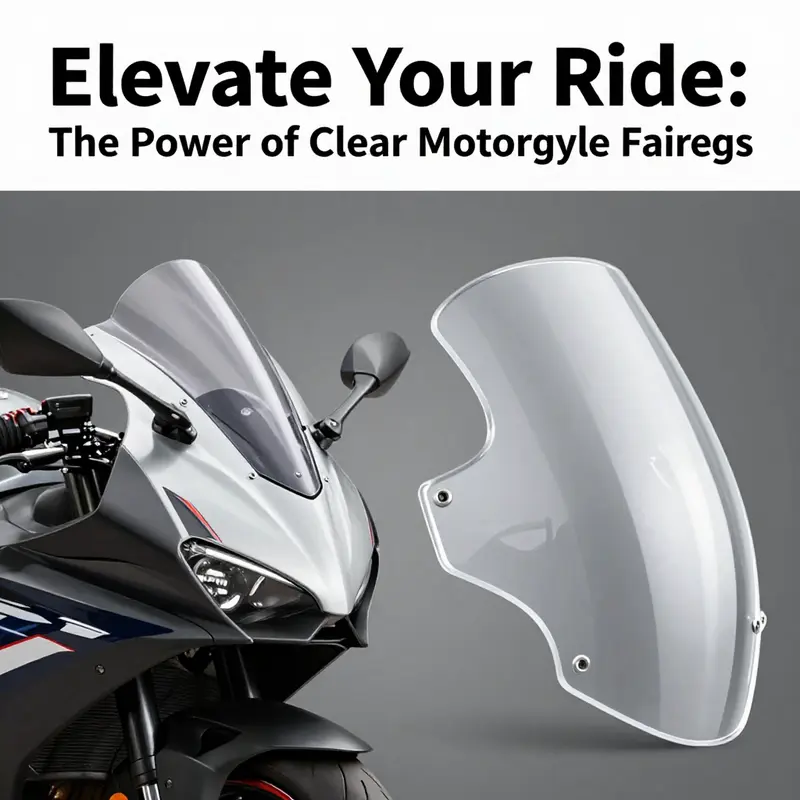
Clear motorcycle fairings are a striking blend of function and form, a window into a bike’s design as much as a shield against wind and debris. The chapter that follows digs into the heart of that design decision: choosing between polycarbonate and acrylic for the transparent shell that protects the rider and the engine bay while shaping airflow. It is a choice that influences safety, handling, and longevity, and it rests on a careful balance of properties that are sometimes at odds. In this discussion, polycarbonate emerges as the more practical default for most modern fairings, while acrylic keeps a small but important niche where optical perfection and scratch resistance are prioritized. The discussion is not merely about raw numbers; it is about how those numbers translate to real-world riding, maintenance routines, and the long arc of a bike’s life on the road. To understand the nuance, we first need to map the core performance traits of each material and then connect those traits to the demands of a motorcycle’s environment, which are anything but simple or uniform.
Polycarbonate, often labeled for its exceptional toughness, sits at the core of the material argument. Riders experience it in the way a fairing deflects a spray of road grit and how well it holds its shape at highway speeds. The impact resistance of polycarbonate is its defining feature. It is frequently described in the industry as shatterproof or bulletproof in common parlance, not because it truly defies all force, but because its crack propagation is far less likely and more forgiving when struck by debris kicked up from asphalt. This safety margin is not a cosmetic luxury; it is the shield that can prevent a single stone from turning into a costly crash that forces repair or replacement. When a fairing is constituted from polycarbonate, a rider can breathe a degree of reassurance that a midflight gravel strike will not leave the shell compromised or the rider exposed. Weight is another practical advantage. Polycarbonate sheets are lighter than their acrylic counterparts, a factor that translates into a small but meaningful improvement in handling, acceleration response, and even fuel economy over the life of the bike. In the context of a performance machine, every gram saved in the fairing translates into less inertial load during cornering and faster overall response to throttle and braking inputs. Temperature stability is equally important. Motorcycle fairings must operate through a broad gamut of climates and atmospheric conditions, and the engine bay can fuel the surrounding plastic with heat. Polycarbonate resists deformation across a wider temperature band than acrylic, typically maintaining its mechanical properties from well below freezing to well into the heat of summer. That stability helps a fairing stay consistent in fit and function, avoiding gaps that could reflect wind bursts back toward the rider or misalign mounting points during heat cycles.
Yet the story cannot stop with toughness and weight. Polycarbonate is not invincible. It is also known for UV sensitivity; extended sun exposure can lead to yellowing and embrittlement if the material is left untreated. This is not a fatal flaw, but it is a design and maintenance concern. Modern polycarbonate formulations often include UV stabilizers and the fairing’s outer surface is commonly finished with a hard protective coating to stave off the photo-oxidative effects of sunlight. When these coatings are properly applied and maintained, polycarbonate stays clear and flexible for a long time, resisting the formation of micro-scratches that can accumulate and worsen yellowing over the years. However, the surface itself remains relatively softer than acrylic, making it more vulnerable to abrasion from windborne grit, gravel, or even airlines of high-speed dust. The practical upshot is a clear commitment to care: the rider or installer must consider scratch resistance as a core design and maintenance objective, and invest in a robust hard-coat finish, along with routine care to minimize surface wear.
Acrylic, or polymethyl methacrylate, presents a different and complementary set of attributes. It is the material that often wins on optical clarity. Acrylic can deliver a crisper, more transparent view with higher clarity and less hazing than polycarbonate. For riders who prize an unblemished, glass-like transparency and a pristine, distortion-free view of the road ahead through the fairing, acrylic’s optical performance is a meaningful advantage. Its inherent UV resistance is a meaningful strength; acrylic does not yellow as quickly as untreated polycarbonate when exposed to sunlight, which preserves the fairing’s appearance with less maintenance intervention. Scratch resistance is another acrylic strength. An acrylic surface is harder and less prone to micro-scratches than polycarbonate in many situations, so a well-maintained acrylic fairing can retain its pristine look for longer with comparatively less attention to surface wear. This feature matters in a showroom or display context where aesthetics matter to perceived value.
But acrylic carries a notable set of caveats that riders should weigh in. Its heat deflection temperature sits lower than polycarbonate’s, usually around 90 to 100 degrees Celsius. In practical terms, acrylic near the engine or exhaust can soften or warp under sustained high heat. While a fairing is typically mounted away from direct heat sources, the proximity of engine heat, radiant heat from the exhaust, and even the sun’s radiant load on the fairing can accumulate. Over time, that heat exposure can produce distortion that affects how the fairing fits and how the wind flows over it. This brittleness is another important contrast: acrylic, while hard and scratch-resistant, can be more prone to cracking or shattering upon impact than polycarbonate if subjected to a sharp hit or a heavy impact. The combination of heat sensitivity and brittleness makes acrylic less forgiving in real-world road incidents and in environments where debris impact is a regular risk.
In the end, the material decision is a matter of balancing priorities. If safety margins against impact and a light overall weight are the guiding criteria, polycarbonate is often the more prudent choice for standard fairing design. It provides a robust foundation for modern fairings that expect to face the rough and tumble of street riding, highway speeds, and occasional off-road forays. Yet those who must maximize optical clarity for a particular aesthetic or who operate in unusually clean environments with minimal debris might still privilege acrylic, provided the fairing placement and environmental exposure align with its heat and brittleness limitations. The reality today is that polycarbonate has become the default for most new fairings, largely because the harsh realities of road use — unexpected debris, variable weather, and variable heat on long rides — tilt the scales in its favor. The rest of the discussion centers on how this material choice is reinforced, protected, and maintained to ensure reliability over the long term.
To put the material choice into a practical frame, consider the maintenance and protection routines that extend the life of clear fairings regardless of the base material. The coating layer on polycarbonate is a critical line of defense. A high-quality hard coating reduces the likelihood of surface scratches that would otherwise reveal the softer polymer beneath and could intensify yellowing if UV exposure continues. A well-applied hard coat is not a permanent shield; it wears, especially in the presence of abrasive particles kicked up by road traffic. This reality makes periodic inspection and, when needed, reapplication of protective coatings essential. The coating must be compatible with the substrate and with the chosen cleaning regimen, or it risks delamination or gloss loss. The coating also helps preserve the gloss and transparency, which matters to riders who spend long hours observing the road ahead and who want a fairing that remains visually unobstructed and glare-free under intense sunlight.
Acrylic’s surface resilience against micro-scratches is compelling, but it does not eliminate the need for surface care. Because acrylic is harder, it can resist light scuffs with less maintenance. Still, UV exposure can gently alter the optical properties over many years if the surface is untreated for protection. Even when acrylic does age well in sunlight, its higher likelihood of cracking under sudden shock means that careful installation and handling during assembly are important. When a fairing is in service, an annual or semiannual check for microcracks and signs of brittleness is wise, particularly for riders who live in regions with extreme temperature swings or where road debris is a common risk. The aim is to catch early signs of material fatigue so that a panel can be replaced before a fault develops that would compromise safety or performance.
The broader design decisions around clear fairings also intersect with how the bike is used and how the fairing integrates with other bodywork and components. The form of the fairing, its mounting hardware, and its boundaries near the radiator or engine bay influence heat management and airflow. Polycarbonate’s superior temperature stability makes it more forgiving in these configurations, where the panel may see heat soak from engine compartments or even direct solar heating in hot climates. Acrylic, with its clear advantage in optical quality, benefits from careful placement where heat and potential impact risks are minimized. In a sense, the fairing becomes a compromise between the engine’s thermal profile, the rider’s comfort, and the bike’s overall performance envelope. The ideal scenario often includes a polycarbonate base with a protective hard coating and, when possible, supplementary UV inhibitors to prolong clarity and strength in sunny climates. For riders desiring the sharpest possible optical experience, a carefully selected acrylic option can be considered, but only with an acceptance of its heat sensitivity and potential brittleness under impact.
A practical lens through which to view this material dialogue is how it translates into the rider’s daily life. When a shock or a stone hits a polycarbonate fairing with a topcoat, the surface may show a micro-scratch but the underlying structure remains intact, preserving the bike’s aerodynamics and the rider’s protection. The same scenario with acrylic could result in a deeper scar, sometimes enough to crack or distort the panel, requiring a replacement. Maintenance routines reinforce the decision: microfiber cleaning, non-abrasive solutions, and avoidance of harsh solvents help preserve clarity for both materials, but the risk calculus changes with acrylic. The UV story is also crucial. With polycarbonate, the right UV stabilizers and a robust anti UV layer can substantially reduce yellowing, particularly in regions with intense sun exposure. Acrylic’s UV resilience is more inherent but not limitless; coatings can still be employed for extra insurance, especially if the rider expects long-term coloration stability and minimal discoloration.
This is where the practical engineering of fairings fits with the everyday realities of riding. The material decision is not simply a spec sheet comparison; it is about how the bike behaves in wind and weather, how the rider perceives the forward field of vision, and how the surface ages under exposure to sun, wind, rain, and road grit. The case for polycarbonate grows stronger when the rider weighs the likelihood of high-speed encounters with debris or the need for a lighter overall fairing that does not require extraordinary reinforcement. The case for acrylic remains compelling in contexts where maximum optical clarity is a priority and where environmental and usage patterns minimize exposure to high heat and heavy impacts. Most practitioners, though, reconcile these factors by defaulting to polycarbonate as the backbone of a modern clear fairing and turning to acrylic only when a specific aesthetic or a controlled, low-risk scenario justifies the tradeoffs.
For those who want to see how these materials behave in model-specific contexts, a practical route is to explore model-compatible fairings in dedicated categories. The BMW fairings category, for instance, offers a clear sense of how manufacturers and aftermarket builders approach the integration of transparent shells with the bike’s existing geometry and mounting standards. This category can provide insights into alignment, fitment tolerances, and the way a hard coating is applied across a curved surface that must maintain both visibility and safety. See the BMW fairings category to explore how a real world kit handles the material choices and the protective strategies that accompany clear segments on a performance machine. BMW fairings category
The language of material choice also shapes maintenance philosophy. With polycarbonate, the emphasis rests on preserving the surface integrity of a relatively impact-tolerant shell through a protective coating and careful cleaning. This approach minimizes scratches, maintains transparency, and sustains the aerodynamic efficiency that a clear shell can contribute. The challenge is ensuring that the coating remains adhered over time and does not peel away in heavy rain or under high-speed abrasion. The maintenance routine thus becomes a ritual of inspection, reapplication, and mindful washing. Acrylic is managed with similar care, but its rigidity and surface hardness require gentler handling to avoid microcracking. In both cases, the rider benefits from a simple, consistent regimen: wash with a mild solution, dry with a soft microfiber, and check for signs of wear or distortion after exposure to extreme heat or impact. When signs of wear accumulate, replacement becomes a practical decision rather than a cosmetic one, especially with polycarbonate where the structural integrity remains a central factor in safety and aerodynamics.
Across the lifecycle, the decision to choose polycarbonate or acrylic influences not only initial fit and performance but also the long-term economics of ownership. Polycarbonate fairings, with their combination of lower weight and robust impact resistance, tend to deliver better performance durability in typical riding environments. The cost of coatings and periodic reapplication is a factor, but the savings from reduced impact damage and less frequent panel replacement can offset those costs. Acrylic fairings may incur higher replacement costs over time if they experience hard hits or repeated heat exposure that leads to distortion or cracking. The choice, then, is not only about what the rider sees through the fairing but also about how the bike will be used, stored, and maintained in a community of riders who share maintenance rituals and care expectations.
The final takeaway is not a universal decree but a guided framework. If the priority is protecting the rider and preserving aerodynamic efficiency in a broad range of environments while maintaining a manageable maintenance routine, polycarbonate with a high quality hard coat is the sensible default. If optical purity and scratch resistance are the primary concerns, and the riding environment is controlled or less demanding, acrylic presents an attractive alternative, provided the installation and usage context respect its heat and impact limits. The modern marketplace reflects this balance; you will find polycarbonate-based transparent fairings that come with robust UV protection and scratch-resistant coatings, and you will also encounter acrylic variants that emphasize clarity and surface hardness. The art of selection, like the art of riding, is about matching the material’s strengths to the rider’s expectations—safety, aesthetics, and longevity—so the bike remains a source of performance and pride rather than a constant maintenance project.
External Resource: https://www.motorcyclecruiser.com/2023/07/polycarbonate-vs-acrylic-for-motorcycle-fairings/
Seeing Through Style: The Customization and Aesthetic Edge of Clear Motorcycle Fairings
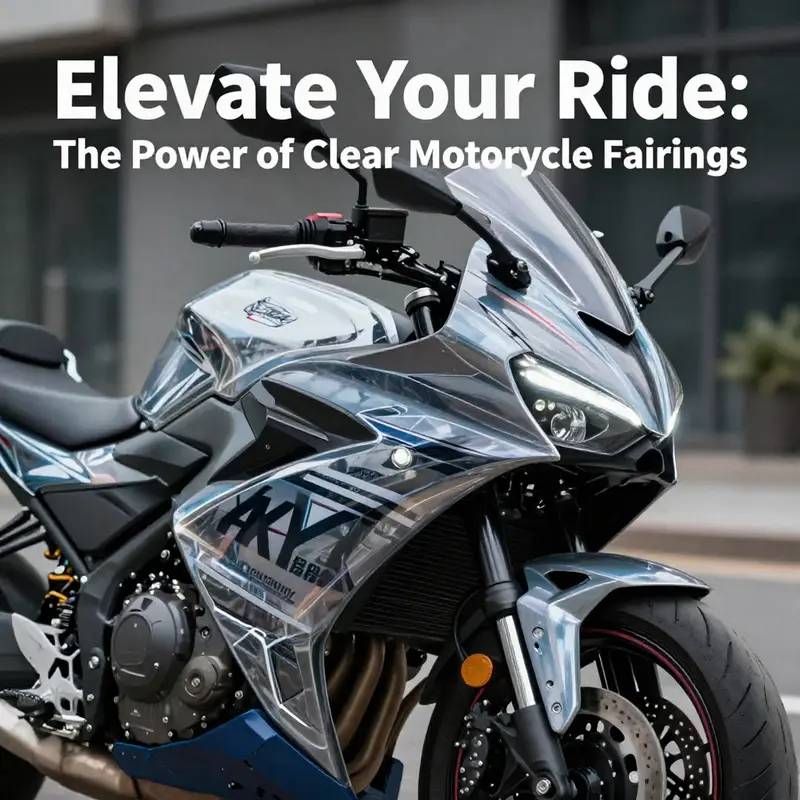
Clear motorcycle fairings transform the idea of a protective shell into a high-visibility canvas. They invite a rider to blend protection with expression, to let light and form travel together along the road. This chapter explores how a transparent or translucent skin can become more than just a cover; it can be a deliberate design statement that respects both function and flair. The argument rests on a simple premise: when the surface is transparent, the bike’s engineering—its contours, its internal hardware, even the texture of its frame—emerges as part of the aesthetic. The result is a look that feels future-forward, almost architectural, while maintaining the practical advantages of a fairing designed to streamline airflow and shield the rider from wind, rain, and road debris. Material choice anchors this possibility. Polycarbonate, favored for its resilience, stands in contrast to acrylic, which often lacks the same level of impact resistance and endurance. With clear fairings, the material matters as much as the design. A robust transparent shell can absorb the occasional hit from a stone or a stray twig without cracking, preserving the integrity of the rider’s weather protection. Yet durability is only one side of the coin. The real beauty of clear fairings lies in their ability to act as a light-controlled stage on which artistry can be performed without obscuring the bike’s fundamental engineering. When the surface remains pristine, it acts like glass through which the machine’s lines, welds, and internal components become part of a cohesive visual narrative. In this sense, the fairing becomes a storytelling device as well as a weather shield. The visual interplay between the bike’s metal or composite backbone and the clear sheath creates a “floating” effect. Subtle interior lighting can heighten that impression, turning the fairing into a luminous veil that emphasizes the silhouette rather than masking it. The effect is particularly striking on riders who appreciate precision in both engineering and appearance. In practice, the impression of a floating component emerges when the edge lines of the fairing are kept clean and the lighting is integrated with restraint. A soft glow along the inner edge, paired with a low-profile light strip that spreads light evenly across the transparent panel, allows the bike to appear as if it is a single, agile organism rather than a collection of separate parts. The transparency also invites the eye to trace the bike’s internal geometry—the ribbing of a frame, the curves of a fairing’s inner form, even the routing of cables—creating a sense of depth that can be as engaging as any external finish. Yet these possibilities rest on a careful balancing act between visibility and protection. Clear fairings must shield the rider while preserving the airflow advantages that make fairings effective in the first place. The aerodynamic aims—reducing buffeting, smoothing the wake, and directing air along the bike’s surface—do not vanish behind a glassy exterior. Instead, the transparency becomes an extra dimension of performance. When done well, a clear fairing offers the same clean, efficient silhouette as a colored shell, but with additional perceptual depth. Riders can observe how the fairing conforms to the bike’s front-end geometry, how the wind deflects around the interior structure, and how the surface interacts with the rider’s own motion through space. The aesthetic appeal, then, is not merely about showing off the bike’s internals. It is about presenting a coherent, modern language of design where the lines of engineering and the lines of style are inseparable. Customization expands this language in compelling ways. Clear fairings provide a blank canvas for a broad range of personalization options. Artists and technicians can apply specialized coatings designed for transparent substrates. These coatings can be transparent, tinted, or gradient, creating effects that highlight the bike’s geometry while adding a layer of color that is still see-through enough to reveal the underlying construction. The possibility of gradients—soft transitions from clear to a pale tint at the edges—offers a subtle way to emphasize the bike’s profile without overpowering its form. For riders seeking more dramatic effects, holographic finishes or micro-etched patterns can be embedded in or applied to the surface. A holographic layer can refract light in shifting hues as the rider moves, giving the bike a dynamic presence that changes with the angle of sun and streetlight. Micro-etching, meanwhile, can add texture without sacrificing clarity. It offers a technique to convey a sense of speed or to highlight the fairing’s engineering anatomy, such as channeling ducts or ribbed stiffeners, which remain visible through the clear skin. The customization potential also extends to integrated lighting. LED strips or diffused lighting elements can be embedded along the interior edge of the fairing. The result is illumination that enhances visibility and contributes to the fairing’s sculptural effect. The light can be tuned to reflect colors softly, or to create a cool, white emphasis on the bike’s lines. For many riders, the ability to adapt lighting extremes to mood, weather, or time of day adds a layer of personal expression that is hard to achieve with opaque shells. The sense of personalization in clear fairings is amplified by the ability to reveal and arrange graphics or paint in ways that are faithful to the surface’s transparency. Artists can integrate designs that appear to float just beneath the surface, or they can place a graphic that plays with negative space. The idea is to craft a narrative that belongs to the rider as much as to the machine. To maximize the effect, designers often blend techniques. A base clear layer can be topped with a protective transparent coating that adds UV resistance and scratch resistance while maintaining visibility behind the layer. Transparent paints or coatings designed for this purpose can be applied in gradients or patterns that respond to light. The result is a look that feels alive, shifting with the light as the bike passes under street lamps or dappled sunlight. The installation of clear fairings is a craft in itself, demanding respect for fit and alignment. Proper fit ensures that the fairing lines up with the bike’s front-end geometry and that mounting points do not introduce vibrations that could degrade the visual clarity or the rider’s comfort. A well-fit clear fairing also reduces the risk of edge chipping and clouding. For a rider, the process typically involves ensuring compatibility with the model’s frame and existing bodywork. The fairing’s edges should align with the bike’s lines, with proper gaps to prevent rubbing or flexing. It is essential to follow the manufacturer’s or installer’s guidelines for mounting hardware, sealants, and hardware torque. The maintenance routine for clear fairings centers on preserving clarity and preventing yellowing or scratch buildup. Regular cleaning with non-abrasive cloths and mild, non-alkaline solutions helps maintain transparency. Avoiding solvents that can degrade the surface is critical. Anti-UV coatings are beneficial, as they reduce the rate at which sunlight can degrade the surface’s clarity. Over time, micro-scratches can accumulate, especially in high-traffic environments. A gentle polishing or a dedicated clear-coat system can minimize the appearance of these micro-scratches. A careful approach to maintenance preserves the fairing’s aesthetic sincerity and its ability to reveal the underlying engineering. The practical considerations associated with clear fairings relate to their role in safety and reliability. Even as riders seek to showcase the bike’s design, the fairing must not compromise structural strength or affect critical surfaces. The choice of a clear over a colored shell does not free a rider from checking the fairing’s impact resistance. The material chosen should meet or exceed the anticipated performance demands, especially in high-speed riding or in environments where debris is common. Clear fairings that perform well in these conditions rely on more than the base material; they depend on a thoughtful assembly where protective inner layers, edge protectors, and careful routing of components support the overall durability. It is also prudent to consider compatibility with other components such as windscreen, mirrors, and mounting brackets. Some clear fairings are designed as pre-m molded kits that align precisely with specific frames, which simplifies installation and enhances the likelihood of achieving the intended aesthetic and aerodynamic performance. For riders who want a broader sense of what is possible, there are resources that map out the customization journey from concept to completion. A comprehensive guide on customization with clear covers outlines the steps involved in selecting materials, planning graphics, and implementing lighting, while also detailing maintenance practices that keep the clear surface vibrant over time. The guide emphasizes a careful approach to choosing coatings compatible with transparent substrates, as well as a disciplined maintenance routine to guard against yellowing and scratching. The result is a clear fairing ecosystem that supports both visual experimentation and reliable performance. While the visual impact of clear fairings is compelling, the broader context matters. An aesthetic that relies on transparency invites a more reflective approach to how riders perceive their machines. The bike becomes a display of its architectural logic: the way air is channeled, the way fasteners hold the pieces together, the way the internal components catch the light. The fairing then becomes a mirror—not only of the rider’s taste but of the engineering craft itself. This reflective quality is part of the appeal and a reason why clear fairings attract riders who want to speak through their bikes about speed, precision, and a refined sense of stewardship over materials and craftsmanship. For those who wish to explore this trend further, a dedicated guide can offer step-by-step insights into installation, maintenance, and customization techniques for clear motorcycle fairings, illuminating best practices and common pitfalls, and providing a structured path from concept to final look. In practice, the path to a striking, durable clear fairing sits at the intersection of material science, artistic intention, and mechanical accuracy. It requires choosing a substrate with proven impact resistance, applying coatings that resist yellowing and UV exposure, and planning the customization process with an eye toward longevity and performance. The most successful projects treat the fairing as more than a fashion statement; they treat it as a living part of the bike’s performance envelope. The perspective that emerges is one of balance. The rider’s desire for a distinctive look is reconciled with the bike’s aerodynamic needs and the practical realities of weather exposure, abrasion, and maintenance. The result is a visual narrative that is honest about technology and generous in its expression. For readers who want to locate a practical starting point, the route forward is clear: begin with a materials assessment to determine whether polycarbonate or acrylic best fits your climate and riding style, then map a design strategy that respects the fairing’s edge geometry and mounting architecture. Choose coatings and finishes that preserve clarity and resist glare, and design lighting or graphic accents that enhance visibility without overwhelming the fairing’s natural depth. Finally, plan a careful installation sequence that ensures a precise fit and reliable protection. The chapter’s thread ties back to the larger theme of the article: clear fairings are not merely cosmetic upgrades. They are a fusion of transparency, craft, and performance. They offer a stage for personal expression that remains faithful to the bike’s engineering essence. The right approach can yield a fairing that feels almost sculpture, while still providing the wind deflection and weather protection riders rely on every day. To those who crave a unique visual voice for their machine, the route through clear fairings promises a compelling blend of the tangible and the imaginative. Consider the design language you want to communicate as you ride, and let the invisible become legible on the street. If you want to see a practical example of how this philosophy translates into a real-world configuration, the related category page for fairings can offer inspiration and a sense of how clear designs integrate with existing bike architecture. For a concrete reference to a model-oriented path that aligns with the approach described here, you can explore the dedicated fairings category, which presents an array of options that respect fitment and performance while inviting transparent customization. In sum, clear fairings hold a distinctive niche in the world of motorcycle customization. They empower riders to reveal the machine’s inner geometry, to conduct light-based storytelling, and to craft a personal aesthetic that remains deeply connected to performance. The canvas is transparent, the possibilities are textured with light, and the road is the final judge of how well style and function mesh under pressure and speed. External resources can provide further technical guidance on materials, coatings, and maintenance practices that support the longevity of a clear fairing project. For detailed, practical guidance on the installation and ongoing care of clear cover systems, see a comprehensive external guide that focuses on the science and care of transparent fairings: https://www.motorcyclefairings.com/clear-fairings-guide
Final thoughts
Clear motorcycle fairings are more than just protective elements; they play a crucial role in enhancing the overall riding experience through improved aerodynamics, comfort, and aesthetic appeal. By opting for premium materials like polycarbonate, riders can enjoy durability and longevity in their fairings. Furthermore, the ability to customize these fairings allows for personal expression and uniqueness on the road. For business owners looking to cater to a growing market, understanding these aspects can lead to more effective product offerings and increased customer satisfaction. Embracing the clear fairing revolution can not only elevate your sales but also contribute to a vibrant riding community.