
Motorcycle fairings are crucial components for enhancing both performance and aesthetics in the motorcycle industry. For business owners, understanding where to purchase these essential parts, the types available, pricing considerations, and the scope for customization is paramount. Each segment impacts your competitive edge, whether you’re selling motorbike accessories or running a repair shop. This article unfolds in four chapters: The first explores the best platforms for purchasing motorcycle fairings, while the second delves into the various types and their specific applications. Chapter three focuses on the pricing strategies to keep you profitable, and the final chapter highlights customization options that can cater to diverse customer needs.
Finding the Right Channel: How to Choose Where to Buy Motorcycle Fairings for Quality, Fit, and Value
Choosing where to buy motorcycle fairings is a strategic decision that affects quality, fit, delivery, and after-sales support. The market offers three main channels: direct-from-manufacturer, online marketplaces, and dealers/authorized distributors. Direct-from-manufacturer sourcing can deliver scale and consistent lead times, especially for reinforced composites, but may require higher minimum quantities. Marketplaces provide breadth and rapid iteration, with the caveat that fitment and warranty terms vary; verify model-year compatibility and read trusted reviews. Dealers offer guaranteed compatibility and strong after-sales support, often with straightforward warranty handling, but may limit customization options and price competition. To pick the right channel, map your project requirements—model-year compatibility, required reinforcement, finish quality, lead times, and warranty expectations—and balance cost, risk, and desired level of customization. In many cases, a hybrid approach that combines a reliable direct supplier for core parts with a marketplace for niche finishes or prototyping can yield the best results.
Aerodynamics, Armor, and Aesthetics: A Pragmatic Guide to Choosing Motorcycle Fairings for Performance and Style
Choosing fairings is rarely just about cosmetics. For riders who want to balance speed, comfort, weather protection, and the expressive language of their bike, the decision involves a careful reading of how a fairing’s shape, material, and mounting system reshape the motorcycle’s character on every ride. The fairing is a shield, a guide for airflow, and a statement of intent rolled into one. It shapes how the machine handles at speed, how it slices through air resistance, and how the rider experiences wind blast, rain, and noise. It also frames how the bike looks when it sits in a garage or passes through daylight, lending a sporty silhouette or a touring-dedicated presence. In this sense, buying fairings becomes a strategic choice, not a mere swap of plastics. When you set out to buy, you are fashioning the front half of your riding identity as much as you are refining the bike’s performance envelope. The central questions quickly become practical: which type best fits the way you ride, which materials deliver the right balance of strength and weight, and which platform can guarantee fitment that matches your motorcycle model and year. While a shopper might be drawn to a dramatic look or a glossy finish, the underlying calculus must begin with function. The most visible benefits—streamlined profiles, reduced drag, and a calmer cockpit—are the measurable rewards that corporate laboratories and wind tunnel data try to translate into real-world riding. Yet the tactile experience matters just as much. The way fairings contour around the rider, the manner in which heat and engine noise are deflected, and the way wind interacts with the windshield all contribute to ride quality. A well-chosen full fairing can transform a sport machine into a tour-ready partner, while a more modest half or quarter setup can preserve a naked-bike spirit with just enough wind protection for daily commutes. The beauty of this phase of buying is that it is not one-size-fits-all. Aerodynamics, after all, is a conversation between the bike’s frame, the engine’s power band, and the rider’s posture. That conversation changes depending on whether you chase track limits, log miles on long road trips, or weave through city traffic. The chapters that follow will map this conversation into a practical framework, but in this chapter the aim is to reveal the logic that threads together design, material choice, and application. Full fairings, half fairings, and quarter fairings occupy different points on a spectrum of coverage, weight, and airflow management, and each type can be tuned to a particular riding philosophy. Full fairings are the most comprehensive and are typically the default choice for high-performance sport bikes and long-distance machines. They cover the front and sides, sometimes extending to the engine bay, and often include a built-in windscreen. The aerodynamic advantage is substantial: the larger, integrated shape smooths the air flow around the bike, reducing turbulence that would otherwise buffet the rider at speed. As a result, top speeds can be approached more consistently, fuel efficiency can improve through more stable airflow, and rider fatigue can be reduced on long stints behind a well-designed shield. Protection extends beyond speed. A full fairing also serves as a shield against rain, road debris, and wind gusts that can impose fatigue or distraction. For riders who value weather protection as part of a comfortable riding experience, this is a meaningful upgrade. The downside is the weight and the potential for more complex maintenance. If a panel is damaged, replacement can be costlier, and the mounting points must be precise to preserve alignment with headlights, vents, mirrors, and sensors. In contrast, half fairings, often referred to as clip-ons or sport fairings, deliver a leaner, more aggressive look that emphasizes maneuverability and weight reduction. They cover the upper front area and provide a meaningful windbreak, especially at higher speeds, while leaving much of the lower body and engine exposed to emphasize a lightweight, agile stance. Riders who prize nimble handling in twisty roads or who want a more naked-bike aesthetic with a dash of protection gravitate toward half fairings. The lighter weight helps acceleration and suspension dynamics, but the rider will feel more wind on the chest and arms at highway speeds, and some weather protection is sacrificed. Finally, quarter fairings—which are minimal and modular—offer a stylistic accent rather than a full protective shell. They are common on standard or naked bikes where the rider values freedom of movement and the option to customize with a more understated wind deflection. Quarter fairings may not yield the same aerodynamic gains as larger fairings, but they support a broader spectrum of personalization. The choice among full, half, and quarter fairings should be made in dialogue with the bike’s intended use. A touring-focused rider who spends hours on the highway benefits from the shelter of a full fairing, a sport-focused rider chasing precision and braking stability may prefer the purity of a half fairing, and a city rider who wants color and character without a weatherproof fortress might opt for a quarter fairing. In this decision space, the material matters as much as the form. ABS plastic remains the workhorse of mass-produced fairings because it offers a favorable balance of stiffness, impact resistance, and affordability. Fiberglass can be lighter and a bit stiffer, but its manufacturing variability can challenge consistency. Carbon fiber, the glossy icon of performance, offers a striking weight advantage and unparalleled stiffness, but at a premium price and with greater repairs complexity if damage occurs. The choice of material is not just about a weight number; it is about resilience under real riding conditions, repairability after a fall, and the ease with which a body shop can restore the shell to its original shape. The finish and color also deserve attention. A fairing’s surface must withstand UV exposure, rain, and the occasional high-velocity stone. Clear coatings, durable paints, and the ability to repaint or touch up panels without compromising fitment become practical considerations, especially in the aftermarket market where not all panels are created equal in fit or finish. Beyond the fixed shape, how well the fairing attaches to the bike is a critical determinant of real-world performance. Fitment is not a ceremonial detail; it affects handling and rider confidence. Aftermarket panels that promise universal fit often require careful alignment with OEM mounting points or the inclusion of additional brackets and grommets. It is common for riders to encounter minor gaps, misaligned edges, or slightly offset mounting holes. In some cases, a professional installation can offer peace of mind, but many enthusiasts prefer to tackle the task themselves, drawing on guides and community wisdom to secure a precise fit. The fit is also influenced by year-to-year changes in a model’s fairing design, which is a reminder that compatibility matters as much as the look. A bike’s front end evolves with new headlights, vents, and windscreen geometries, and the same basic fairing pattern may not align perfectly across a few model years. When evaluating options, it helps to confirm that the panels are dimensionally matched to your exact model year. Some riders will value a precise, factory-backed fit for the assurance of weather sealing and noise reduction, while others may embrace the flexibility of aftermarket solutions that promise broad compatibility with a suite of mounting approaches. The practical path forward is to approach the purchase with a plan that integrates your riding goals, your mechanical comfort level, and your budget. Start by clarifying the use case: do you ride primarily for commuting and occasional weekend trips, or do you chase track days and back-road blitzes? Establish a target balance between protection, weight, and aesthetics. Then translate these preferences into a type selection—full for weather protection and comfort on long rides, half for aggressive riding and a lighter footprint, or quarter for a customized look that preserves freedom of movement while offering a hint of wind deflection. The next step is to vet what’s available on the chosen platform. Reputable sellers will emphasize fitment accuracy, include mounting hardware, and provide clear guidance on compatibility with your model. Customer feedback can illuminate how panels hold up under actual riding conditions, how well they align with headlights and mirrors, and how durable the finish proves over time. It is wise to seek sellers who show transparent return policies and a reasonable warranty window, because fairings are an investment not only in style but in the integrity of the bike’s exterior and its ability to shield the rider from wind and weather. Price is not a sole determinant. The total value includes fit, finish, durability, and the ease of replacement should a panel sustain impact. When the decision leans toward aftermarket solutions, consider the community consensus on fit and the level of after-sales support offered by the seller. A robust network of repair shops and replacement parts can make a big difference when a panel requires attention after a mishap. This is where the practical art of shopping intersects with the science of aerodynamics. You are not simply picking a color; you are choosing a tool that will alter how air moves around the machine, how the rider sits in the saddle, and how the bike communicates with the asphalt at speed. In other words, the fairing becomes part of the ride’s choreography. Aligning your choice with your riding tempo—whether that tempo is a long highway glide or an accelerate-and-cackle sprint out of a corner—helps you land on a configuration that feels instinctive. A thoughtful approach also respects the platform you are buying from. Consider a marketplace or supplier that offers detailed fitment data, multiple imagery angles, and a clear description of which components are included. The right source will present the fairing as a system, not as a handful of panels, and will acknowledge that the system’s effectiveness depends on careful installation and proper care. For riders who want to begin the exploration with a tangible reference, a catalog like the BMW fairings collection can be a useful heuristic to compare silhouettes, materials, and mounting approaches across bike categories, while still keeping in mind that the final choice should be tailored to your model and riding style. This kind of comparison is not about copying a look but about understanding how different shapes and thicknesses interact with the wind and with your posture. If you are navigating a wide market, remember that the right fairing is an intersection of fit, function, and form. The best choice will feel inevitable when you stand back after installation and recognize that the bike’s profile aligns with your goals for speed, comfort, and personal expression. In the end, the decision to buy fairings should feel like a deliberate, informed step rather than a speculative impulse. The bike deserves a shell that respects its engineering and your plans for the road. The rider deserves a cockpit that is shielded, stable, and quiet enough to hear the bike’s music at speed. And the overall presentation of the machine—the siren song of a well-wrapped front end—should be a reflection of a thoughtful approach to riding, one that balances performance, protection, and personality. For those who want to do more than skim the surface, investing time in researching fitment specifics, material properties, and real-world anecdotal experiences will pay dividends in satisfaction and reliability. See, for instance, a general overview of market dynamics and application trends in motorcycle fairings to better understand how choices today may influence resale value, maintenance considerations, and continued compatibility with evolving design standards. External resources can offer context for how the market values different combinations of protection, aesthetics, and weight, and they can illuminate the practical trade-offs that shape a buyer’s decision. If you’d like a starting point for broader context, you can consult this industry overview on market trends and applications. For further context on how the market views fairing choices and their impact on performance, see the external resource. https://www.marketsandmarkets.com/Market-Reports/motorcycle-fairing-market-35671984.html
Pricing Without the Guesswork: Navigating Value, Fit, and Durability When Buying Motorcycle Fairings
Choosing to buy motorcycle fairings marks a decision that blends aesthetics, performance, and practical safeguards. The fairings you select are more than shell and color; they shape aerodynamics, wind protection, and even ride comfort. In the long run, they influence maintenance cycles, repair costs, and resale value. A thoughtful approach to pricing begins with recognizing what you truly need. If you ride daily through varied weather or push performance in weekend sessions, your priorities will tilt toward durability and precise fit more than pure visual appeal. Conversely, for riders chasing a fresh look or a quick cosmetic refresh, lower-cost options may seem attractive, but they carry trade-offs in rigidity, finish, and how long the color stays vibrant under sun and rain. The path you choose should align with how you ride, where you ride, and how much time you want to invest in upkeep. The marketplace reflects this range, offering options that span from budget kits to premium, model-specific assemblies, each with its own price signals, material choices, and expected lifespans.
To understand pricing clearly you must first separate two broad categories: OEM and aftermarket. OEM fairings, designed to fit a specific model and manufactured to factory tolerances, sit at the upper end of the spectrum. They promise a near exact match to the original lines, with a factory-quality finish that holds color and shape over time. But the premium comes at a price that can be substantially higher than aftermarket equivalents. Aftermarket options, which are designed to fit a wide array of models or specific subsets of models, occupy a broad price band. They generally offer a spectrum from budget to premium. Within this spectrum, the price is driven by factors that feel tangible to riders every day: the raw materials, the precision of molds, the craftsmanship of paint and clear coats, and the level of aerodynamic refinement built into the design. The cost even within aftermarket products can swing widely depending on the origin of production, the casting or molding process, and the standards the maker adheres to during assembly and finishing.
Material choice is often the most visible driver of price. In the affordable tier, you will commonly encounter ABS plastic or fiberglass composites. These materials keep sticker prices low and allow mass production with acceptable surface finish. But they can be more vulnerable to UV degradation, impact scuffs, and color fading with exposure to sun and temperature fluctuations. The UV resistance and long-term aesthetics of budget fairings may require more frequent repainting or protective coatings if you want your bike to retain its showroom shine beyond a season or two. In contrast, mid-range and premium offerings frequently switch to higher-grade ABS blends, fiberglass reinforced with advanced laminates, or even carbon fiber components for certain sections. The result is improved rigidity, better impact resistance, and a finish that holds color and gloss longer in harsh conditions. These advantages come with a commensurate increase in cost, reflecting material quality and the engineering behind the laminate and paint systems.
Design complexity plays a parallel role to material choice. A straightforward, flat surface kit is easier to produce and typically cheaper. But the most appealing appearances—those that mimic the sculpted lines of a modern sport bike or recreate the exact curvature of a classic model—require more intricate molds, tighter tolerances, and specialized finishing work. Molds produced in regions known for high-precision tooling can deliver fairings with tight gaps, precise alignment with mounting points, and accurate replication of original contours. For riders seeking performance and a visually seamless integration with the rest of the bike, those design and molding costs translate into higher price points. Yet the payoff can be worth it when the wind keeps the rider stable at speed, when panel gaps remain consistent after multiple rides, and when the color job resists chipping in high-stress areas.
Origin matters for both cost and risk management. The global supply chain has enabled very accessible pricing in large parts of the aftermarket market, especially in manufacturing hubs with mature tooling and labor efficiencies. Regions with established molds and a long track record of producing fast, repeatable parts can deliver consistent quality at lower price points. That said, price signals do not always map directly to performance. Buyers should consider the total package: how the fairing fits, how the surface is prepared for painting, and what warranty or after-sales support is offered. In this frame, a budget kit from a high-volume producer might carry a modest warranty and limited support if a part doesn’t mount cleanly or requires extra hardware. A higher-end option may come with more hands-on assistance, a longer warranty window, and guidance on proper installation to preserve fit and strength over time.
The decision between OEM and aftermarket hinges not only on the upfront sticker price but also on long-term value. An OEM set might cost roughly double or more the price of many aftermarket families, yet it promises model-specific accuracy, a factory-quality finish, and a known standard of safety compliance. This clarity can translate into cost savings over several seasons if it reduces the need for repainting, prevents misalignment that forces costly repairs, and maintains the bike’s aerodynamic profile as originally designed. Even within the aftermarket arena, there is a spectrum where some kits deliver near-OEM fit and finish, while others emphasize rapid turnaround and price over flawless alignment. In practical terms, this means buyers should assess the total cost of ownership: what it will take to install, protect, and maintain the fairings, and how long before the next replacement becomes necessary after a few close encounters with road debris or a curious curb.
The budgeting process gains clarity when you set expectations for durability and aesthetics up front. A low-cost kit must deliver reliable performance despite thinner walls or lighter laminates. If your goal is to rebuild a bike for daily commuting, a durable, easy-to-repair kit with decent UV resistance may be the optimal choice, even if it means trading a little bit of that showroom gloss. If your project centers on weekend racing or a show-stopping street bike, a premium option can be worth the investment for its smoother aerodynamics, tighter tolerances, and more refined finish. The frame of the decision, then, is built around how aggressively you want to hedge against damage, how quickly you want to see a return on your aesthetic investment, and how much time you will devote to maintenance and touch-ups over the life of the bike.
Another practical dimension to budgeting is fit and compatibility. The market offers platforms that promise model-specific fit guarantees, reducing the risk that a kit simply will not align with your mounting points or fairing stays. Such services help you avoid the scenario in which you purchase a kit that can be forced to fit with improvisation, only to find mounting points that don’t line up correctly or that require invasive trimming to squeeze onto the frame. In the context of choosing compatible fairings, it is helpful to browse options that emphasize fit assurance and customer feedback about installation experiences. If your aim is to explore options that align with a particular model, you can start by visiting the Honda fairings category to compare shapes, finishes, and mounting approaches that other riders have found reliable for that family of machines. This kind of consumer research lowers the risk of selecting a kit that looks right but fails to integrate with the bike’s actual geometry. Honda fairings offers a window into how different makers approach fit and finish for a given model family, and it serves as a practical reference point during budgeting discussions about what is truly necessary for a comfortable, secure, and visually cohesive result.
As you navigate the numbers, it helps to translate the price bands into practical budgeting frameworks. A budget-minded rider, aiming to minimize upfront spend, might target a kit under 180 currency units, recognizing that these options frequently originate from high-volume regional manufacturers. The typical trade-off is the use of lower-grade ABS or fiberglass, which can impact UV resistance and long-term aesthetics. A rider who needs a stronger sense of protection against wind and weather, or who regularly participates in longer rides or more exposed conditions, will likely lean toward mid-range or premium options. In the mid-range camp, expect prices from about 250 to 650, reflecting more sophisticated materials, tighter tolerances, and aerodynamic engineering that better preserves the bike’s lines under pressure. Finally, OEM or premium aftermarket sets can push well above these thresholds, especially if the kit is tailored to a specific year and model with strict safety and performance criteria. In some comparisons, genuine OEM fairings may cost roughly 400 euros, which translates to about 430 US dollars, illustrating how the perceived premium can escalate quickly when model-specific accuracy and factory-grade finishes are the primary goals.
Even within the aftermarket space, the difference between standard kits and highly engineered or custom lines can be meaningful. In specialized manufacturing hubs known for high-precision mold-making, designers push for complex aero shapes and additional features such as integrated venting channels, smoother interior surfaces for airflow, and subtle bevels that reduce drag. The payoff is not just a sharper look; it is measurable in wind behavior and rider stability at speed. For riders chasing performance, those details matter. For casual riders, the same investment can still be sensible if it extends the life of the kit by reducing damage from road debris and keeping the surface intact long enough to justify the price.
Budgeting for fairings also means anticipating the cost of upkeep. Even the most robust kits require care: proper cleaning, occasional repainting, and protective coatings that resist sun, rain, and abrasion. Resin-based finishes may yellow or crack if exposed to harsh climates, and the paint layers can peel away if subpar prep work accompanies installation. A prudent plan includes a maintenance schedule that accounts for weather exposure, daily riding conditions, and storage practices. It can be tempting to assume that the initial price tells the whole story, but shrewd budgeting accounts for the ongoing costs of keeping the fairings looking and performing at a high level. In practice, this means balancing a purchase that meets your immediate needs with a long-term plan that minimizes the total cost of ownership over several riding seasons.
To conclude, price is not merely what you pay at checkout. It is a constellation of material quality, mold precision, finish, and future maintenance that determines how well a given kit will perform in real-world use. The best choice blends your riding style, your budget, and your willingness to invest in potential future repairs or refinishing. For riders who want to explore model-focused options and assess fit before committing to a purchase, a targeted browse of model-specific catalogs — such as the Honda fairings collection linked above — can illuminate practical differences you may not see in a simple price tag. This approach helps you ground your decision in concrete expectations about fit, durability, and the total cost over time, rather than chasing the lowest upfront price alone. And because the best decisions arise from a clear view of the trade-offs, you can proceed with confidence that your final choice aligns with both your riding needs and your financial plan. For those seeking a broader reference that delves into material performance and price considerations in more technical terms, an external resource offers additional context on durability and economy in fairing selections: https://www.motorcyclefairings.com.au/buy-cheap-motorcycle-fairings/.
Shaping Speed and Style: The Deep Customization Journey When You Buy Motorcycle Fairings
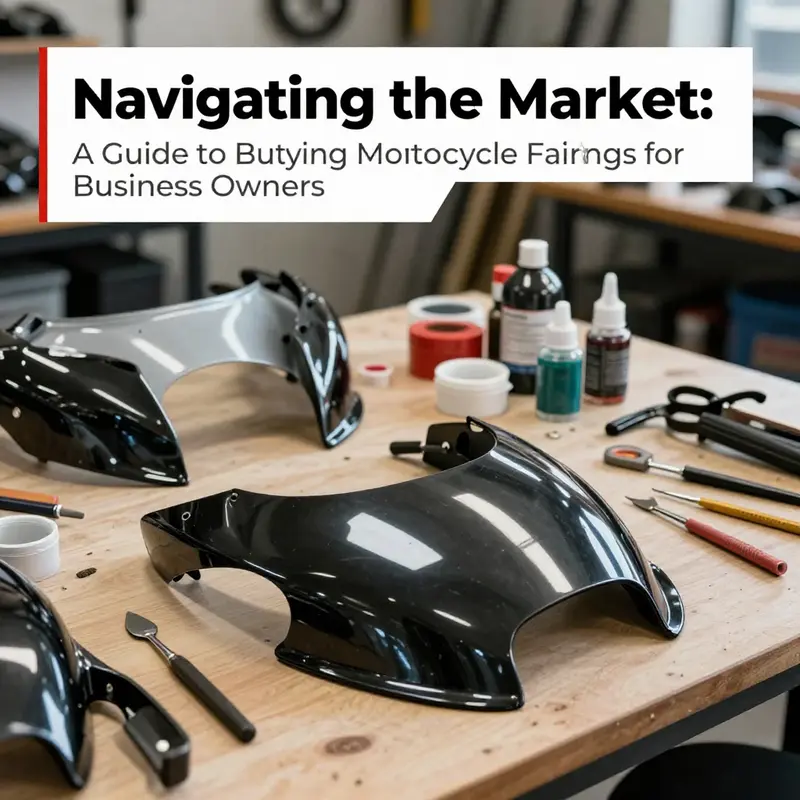
Customization is more than a hobby for riders who buy motorcycle fairings; it is a philosophy of how a machine communicates its purpose. Every choice—the material that shields the frame, the contour that cuts through air, the color that tells a personal story—speaks to a rider’s goals, whether those goals are race-day efficiency, daily commuting practicality, or a bold street-cred presence. In this chapter, we move beyond the basics of fitment and price to explore how customization becomes a conversation between rider and maker. The journey begins with a simple but powerful decision: what do you want your bike to say at speed, and how do you want it to perform while saying it? The answer lies not in a single option but in a spectrum of materials, shapes, and finishing techniques that can be tailored to almost any model, budget, and riding style. The modern market for fairings reflects a maturation in how riders think about protection, aerodynamics, and identity, and that maturation is driven by materials science, design experimentation, and the capacity for bespoke workmanship to slot into a system that once felt rigid and stock-driven. When you buy motorcycle fairings today, you’re not simply replacing an outer shell; you are engineering an aerodynamic partner that must endure wind, vibration, and the occasional tumble, while remaining responsive to each rider’s aesthetic and mechanical demands. In this sense, customization becomes the central lane of the buying journey, guiding decisions that blend performance science with personal expression, and it is a journey worth charting in detail because each choice compounds into ride feel, handling, and even resale value over time.
At the heart of any customization program is material selection. The three most common families—ABS plastic, polycarbonate, and carbon fiber—each occupy a distinct niche in the balance sheet of performance, cost, and practicality. ABS plastic offers an attractive blend of durability, impact resistance, and affordability. It is resilient in typical road hazards and curb contacts, and it tolerates heat cycling without excessive warping. Its weight is manageable, which helps maintain predictable mass distribution around the steering geometry and suspension geometry that a rider already tunes for comfort and control. For many riders who want to refresh a classic or restore a sport bike to a near-original feel with a modern edge, ABS represents a reliable baseline: a fairing that can be molded into intricate shapes, painted with long-lasting finishes, and backed by a supply chain accustomed to mass production without relinquishing too much customization latitude.
Polycarbonate, by contrast, elevates the engineering capabilites of a fairing project. When a rider prioritizes strength and resistance to impact in a high-speed environment, polycarbonate is a natural ally. It tolerates flexible substrates and shade variations that can occur with heavy sun exposure, and its impact resistance translates into a more forgiving shield against grinds, gravel, and field repairs after a mishap. For riders who ride aggressively on track days or who live in urban environments where debris is an occupational hazard, polycarbonate offers a practical upgrade path from basic ABS while retaining a reasonable weight profile. The choice between ABS and polycarbonate often comes down to the expected duty cycle of the bike: daily rider in mixed traffic, or weekend warrior on a busy circuit. In both cases, the ability to tint, coat, and precisely match a paint scheme remains central to achieving a cohesive, race-ready or show-ready appearance.
Carbon fiber remains the aspirational end of the spectrum. It is the lightest and strongest option, delivering a high strength-to-weight ratio that can translate to a more forgiving power-to-weight balance and improved energy efficiency through reduced drag and smoother airflow around the bike’s chassis. Carbon fiber’s appeal lies not only in performance gains but in aesthetics—the woven pattern, the lustrous finish, and the subtle, high-contrast sheen that makes a bike look as if it’s carved from a single block of performance. Yet carbon fiber is also the most expensive choice and requires careful integration with the bike’s existing structural points to ensure fitment remains solid under stress, vibration, and temperature changes. The material’s cost must be weighed against the potential gains in acceleration feel and cornering precision, and it often drives a bespoke workflow that includes precise CAD modeling, high-precision molds, and meticulous finishing steps. The overall effect is that carbon fiber can redefine a bike’s visual language and performance envelope, but it demands clear alignment between rider goals, budget, and the capabilities of the workshop or manufacturer that handles the project.
Beyond material choices, the shape and design of a fairing are as crucial as the raw material. The spectrum here ranges from aerodynamic to aggressive, with ample space for customization that truly personalizes the riding experience. Aerodynamic designs, for instance, are engineered to minimize drag, optimize downforce, and stabilize the motorcycle at higher speeds. This is not simply a cosmetic pursuit; the geometry of the fairing interacts with the rider’s posture, wind resistance, and the bike’s overall balance. A well-considered aerodynamic silhouette can lower drag coefficients, reduce rider fatigue on long rides, and improve fuel efficiency by smoothing the air that flows around the bike. For riders who push for track performance, these shapes may incorporate vents, ducts, and contours that manage airflow in nuanced ways, guiding air to critical components or directing it to assist with cooling. The result can be a bike that feels more planted and responsive at speed, with a tangible sense that every contour has a reason rooted in performance science rather than mere appearance.
Aggressive styles, on the other hand, are prized for their dramatic presence and distinct personality. They lean into sharper lines, bolder edges, and a stance that communicates intent even when the bike is stationary. This is the realm where artistry and engineering converge to create a visual identity that matches the rider’s aspirations—an expression of speed, danger, and individualism that turns heads as the bike rolls past. Aggressive designs are also a practical test of compatibility, as they must align with mounting points, fairing stays, and windscreen geometry without compromising serviceability or safety. For riders who chase a fierce look alongside performance targets, aggressive fairings can be the catalyst for a broader customization ecosystem, encouraging collaboration with designers who can tailor shapes to a specific frame and geometry while preserving the bike’s underlying ergonomics.
Many manufacturers and craft studios offer bespoke services that turn a general concept into a tailor-made reality. This is where the process becomes a dialogue rather than a one-way transaction. Riders can work with designers to craft unique fairings that feature custom shapes and contours tailored to their specific bike frame. The bespoke workflow often includes sharing exact measurements, reference photographs, and, in some cases, digital scans of the motorcycle. The result is a fairing that doesn’t merely mount onto the bike; it integrates with it, matching mounting points, radiators, exhaust routing, and the rider’s preferred cockpit geometry. A well-executed bespoke project will deliver a set of fairings that feel as if they grew out of the motorcycle rather than being bolted onto it, with a seamless transition between the bodywork and the frame, panels, and mechanical components. Customization here extends to practical details like the number of mounting points, the proximity of the edges to critical hardware, and the way the panels open, close, or hinge for maintenance access. This careful alignment matters not only for aesthetics but for serviceability, which remains a central concern for riders who expect their fairings to endure the rigors of frequent track days, long commutes, or adventures that demand rugged resilience.
Color schemes and graphics finish the narrative of personalization. A fairing’s color is far from superficial; it is an element of visibility, brand identity, and personal storytelling. Riders can opt for full integration where logos, stripes, or team colors are encoded into the base layers or overlays of the panels, creating a coherent relationship between the bike’s bodywork and its rider’s identity. The level of artistry can range from subtle, color-matched finishes that emphasize a clean, understated look to bold graphic packages that celebrate a rider’s passions, achievements, or personal milestones. Graphics can be applied through long-lasting paint, durable vinyl overlays, or even laser-etched accents that interact with light in nuanced ways. The choice of finish—gloss, satin, or matte—also communicates a mood, from a showroom shine to a stealthy, modern aesthetic. The broader effect is that color and graphics do more than decorate; they unify the visual language of the bike, the rider’s stance, and the space the bike occupies in the garage or on the track.
For riders who begin a customization journey with a brand-agnostic mindset, it helps to explore a catalog of practical options while keeping a clear eye on fitment and compatibility. Brand catalogs and dealer networks often provide a useful baseline, enabling riders to identify a hardware platform from which to tailor the fairings. This approach can be particularly advantageous when you want to compare how different shapes and materials respond to the same frame geometry, or when you need reliable mounting points that align with your bike’s existing chassis. If you are curious about how a particular platform supports customization, you can examine catalog sections that specifically address compatibility with a broad range of models. A convenient starting point is to explore a brand-focused collection that showcases fairings designed for common models; for example, you can browse a page that houses a dedicated Honda fairings lineup to assess fitment options and potential customization paths. This type of exploration helps ensure that your bespoke design will harmonize with the bike’s frame, fuel system, and electronics without causing interference or serviceability concerns. See the Honda fairings collection for a representative example of how a brand-aligned catalog can guide customization choices while keeping the process anchored to real-fit realities.
In addition to the material, shape, and color decisions, modern buyers often consider how customization aligns with the purchasing platforms they use. A robust customization program thrives when paired with vendors that offer comprehensive fitment guidance, clear return or warranty policies, and efficient after-sales support. Buyers should look for service ecosystems that can translate a design concept into a physically accurate, test-verified set of panels. That translational step—from concept to mold to finished panel—requires collaboration across design teams, engineering teams, and the bike’s original geometry to ensure that the final product integrates smoothly with the frame and does not impede maintenance, cooling, or rider comfort. The right partner will provide detailed fitment notes, precise measurements, and, ideally, a pathway for post-purchase adjustments if required. This collaborative, service-oriented approach is what elevates customization from a decorative gesture to a performance-enhancing, ownership-enhancing investment that can boost confidence in daily riding, in competitive environments, and in the day-to-day expression of a rider’s personality.
To bring all these elements together, consider how the journey to customization speaks to your broader buying strategy. A thoughtful buyer will balance the desire for cutting-edge aesthetics with the practical realities of maintenance, weather exposure, and budget. The material choice might set the baseline for durability and weight, while the design language determines whether the bike communicates speed, aggression, or elegance. The color and graphics complete the look and can be tailored to personal milestones or team affiliations, should those be part of the rider’s narrative. The process may involve digital modeling, client reviews, and prototype fittings to ensure the panels align not only with the bike’s lines but with the rider’s ergonomic preferences, including seating position, cockpit reach, and wind protection needs. In short, customization is a holistic discipline rather than a single choice; it threads together engineering, aesthetics, and rider identity into a cohesive, expressive whole. The result is a motorcycle that feels less like a factory product and more like a customized instrument tuned to its owner’s voice. The experience of buying fairings thus becomes an act of design collaboration, where the rider’s intent is translated into technical detail, tested fit, and a finished shell that performs as beautifully as it looks.
For readers who want to explore further before committing to a bespoke path, a practical guide on choosing custom motorcycle fairings offers a structured overview of materials, design efficiency, and compatibility with various frames. This resource helps map the decision space—from understanding the tradeoffs between weight, strength, and cost to assessing how a given design will age with exposure to sun, rain, and road debris. By combining this external guidance with direct vendor conversations, riders can approach customization with confidence and clarity, knowing that each option serves both function and form. For a deeper dive into the practical considerations that underlie successful customization, see the referenced guide, which complements the broad overview provided here and anchors your decisions in tested practicalities. And as you navigate these choices, keep in mind that the journey itself is part of the reward: a more personalized motorcycle that reflects your riding goals, your taste, and your commitment to performance and style.
If you are curious about how different models and brand-specific lines approach fairing customization, you can begin by examining brand-specific catalogs that present base configurations and their customization pathways. For instance, a dedicated page for a major manufacturer’s sport bike fairings offers insights into how designers align with the bike’s frame geometry, cooling channels, and rider protection requirements while leaving room for color, graphics, and bespoke contours. This approach helps ensure you start from a solid, realistic baseline and then tailor it to your own goals. The page you explore may highlight the breadth of choices available within a single model family, demonstrating how flexible and adaptable a fairing system can be when the design intent and the rider’s needs are in sync. As you read through the options, you’ll notice that the path from stock appearance to personalized shell often involves a few well-defined steps: selecting a base material, choosing an aerodynamic profile or an aggressive silhouette, committing to a color and graphics plan, and coordinating the integration with mounting points, vents, and maintenance access. Each step narrows the field toward a unique, rider-specific outcome that preserves or enhances performance while giving the bike a look that is unmistakably its owner’s.
In the end, buying motorcycle fairings with customization in mind invites a broader sense of ownership. It invites a conversation with craftsmen and suppliers who treat the bike as a project rather than a product. It asks the rider to consider not just how the fairings will protect the chassis, but how they will shape airflow, weight distribution, and control feedback at speed. It invites anticipation of the finish under sun and streetlight, the way a color looks after several heat cycles, and how a custom contour might influence the feel of a turn or the ease of line-through when cornering. The best outcomes emerge from thoughtful alignment between materials science, design discipline, and the rider’s personal narrative. If you approach the process with that mindset, the act of purchasing becomes a form of craftsmanship—an investment in a bike that not only performs at the edge but also communicates its owner’s identity with clear, compelling language.
External resource for deeper guidance: How to Choose Custom Motorcycle Fairings: A Practical Guide. https://www.bikeexif.com/how-to-choose-custom-motorcycle-fairings-a-practical-guide
Internal link for brand-specific exploration: Honda fairings. https://ultimatemotorx.net/product-category/honda-fairings/
Final thoughts
Understanding how to buy motorcycle fairings wisely impacts your business’s success. By selecting the right platforms, recognizing the types available, budgeting accordingly, and offering customization, you can enhance customer satisfaction while ensuring profitability. As the motorcycle market grows, implementing these insights will keep you ahead of the competition and assist in building a robust business model.