

The belly fairing motorcycle component serves a crucial role in optimizing aerodynamics and enhancing the overall riding experience for sportbike enthusiasts. As a business owner in the motorcycle industry, understanding the multifaceted benefits of belly fairings—from improved aerodynamics to aesthetic customization—can provide a competitive advantage in a market increasingly focused on performance and style. This article will explore the functionality of belly fairings in aerodynamics, delve into the material science behind innovative designs, analyze market trends for accessories, discuss their impact on motorcycle performance, and finally, highlight the opportunities for aesthetic appeal in customization, helping you maximize your offerings in this niche.
Streamlining the Underbelly: How Belly Fairings Shape Aerodynamics, Protection, and Performance on Modern Motorcycles

Belly fairings occupy a quiet yet essential place in motorcycle design, a sleek answer to the question of how air behaves around and beneath a machine that thrives on speed. While the rider and the silhouette above the frame command much attention, the belly fairing works in the shadows, guiding the air that would otherwise swirl and disrupt. The essential role of these components is not merely to cloak the engine or to add a sportier look; it is to orchestrate a more predictable flow that translates into tangible gains in efficiency, stability, and protection. In high-performance riding, where every gram of drag is paid for in horsepower and every gust of wind tests composure, the belly fairing becomes a practical and strategic ally. It is a deliberate intersection of aerodynamics, material science, and practical protection that reflects a broader design philosophy: shape the underside as thoughtfully as the top surfaces, and the entire motorcycle behaves with a calmer, more confident breath at speed.
The air beneath a motorcycle is rarely a calm, laminar sheet. It is a complex field where the ground, the wheels, the exhaust, and the gearbox interact with the wake created by the fairings and the rider. The belly fairing’s central task is to smooth this chaotic region by guiding airflow toward the rear of the bike in a controlled, low-drag fashion. This smoothing reduces boundary-layer separation and diminishes turbulence that would otherwise peel away from the chassis and create energy-sapping vortices. In practice, that translates into a measurable drop in form drag and, importantly, a reduction in the drag experienced when the machine travels at high speeds. A lighter, more streamlined underside aids the bike’s overall aerodynamic balance, enabling the rider to maintain speed with less engine strain and with a margin of stability across a wider operating envelope.
The benefits of this aerodynamic choreography extend beyond raw drag numbers. Riders consistently report improved high-speed stability, especially in crosswinds or when negotiating subtle lane changes at near‑limits speeds. A smoother underside helps stabilize the flow as it interacts with the rider’s posture and the bike’s mass distribution. When the air above the fairing remains well-behaved, the wind pressure that accumulates around the rider’s torso becomes less aggressive, which translates into a more comfortable ride as the air impinges less directly on the helmet and shoulders. That reduction in wind intrusion not only lowers fatigue but can also decrease wind noise, a welcome improvement on longer sessions where fatigue is a constant challenger to performance.
The structural and material choices behind belly fairings reinforce these aerodynamic goals while delivering practical durability. Modern designs often favor lightweight composites and metals, with carbon-fiber laminates and aluminum alloys being common choices for their strength-to-weight advantages. The manufacturing approach can vary, but a common thread is the emphasis on surface quality and dimensional precision. Techniques that ensure rigid, smooth skins—sometimes produced through autoclave or vacuum-assisted methods—result in panels that not only resist the rigors of track or street but also maintain their aerodynamic shape under heat and vibration. Reduced weight in the belly area is especially meaningful because it directly influences the bike’s moment of inertia and its ability to respond to steering input. In the end, the effect is a bike that feels more agile in the midrange while maintaining the calm demeanor necessary for high-speed confidence.
Beyond airflow, belly fairings perform a protective function that aligns with their aerodynamic mission. They shield critical components located near the underside of the chassis from debris, water spray, mud, and abrasive particles kicked up by the front wheel. Protection is not merely about keeping a clean look; it is about preserving the integrity of the engine, exhaust, and other vulnerable systems that contribute to reliability and longevity. In rough riding conditions or during spirited track sessions, this protective role becomes a practical necessity, reducing the likelihood of debris-induced wear or unexpected failures that could interrupt a ride or a race. Because these panels are often exposed to stones and spray, durability is a non-negotiable attribute, but it must be balanced against weight and stiffness. The result is a design that prioritizes resilience without compromising the smooth, continuous flow that makes the underside so capable.
In the aftermarket and OEM ecosystems, belly fairings reflect a broader trend toward customization and performance optimization. Panels are increasingly offered with finishes and textures that evoke a high-end aesthetic—glossy carbon fiber weaves or metallic surfaces that catch the eye while remaining functional. The ability to tailor these pieces to a particular chassis or riding preference speaks to a wider market shift: riders want not only speed and protection but also a personal statement that matches the machine’s silhouette and the rider’s identity. Yet beneath the surface, the engineering remains consistent: the fairing must integrate with the bike’s existing geometry, air intakes, cooling routes, and engine bay access. The best designs achieve harmony where every line on the panel corresponds to a controlled perturbation of airflow rather than a mere visual flourish.
An important thread in this narrative is how research translates into practical design rules. Experimental and numerical studies alike have demonstrated that even modestly optimized belly pan configurations can yield meaningful aerodynamic improvements. By examining pressure distributions and flow patterns beneath the chassis, engineers can identify where flow separation occurs and how tweaks in curvature, thickness, or edge shaping influence the downstream wake. The upshot is a design process that uses simulation and wind tunnel validation to tailor the panel to a specific motorcycle geometry and riding condition. This means that a belly fairing can be tuned for sprint performance in a closed-loop track environment or balanced for endurance riding on open roads. The idea is not one-size-fits-all; it is a canvas on which airflow can be sculpted to meet particular goals, whether those goals emphasize top speed, fuel efficiency, or rider comfort.
The practical implications extend to the engine bay and related subsystems as well. A well-designed belly fairing can help regulate the thermal environment around the bottom of the engine and lower portions of the exhaust. By shaping the air path in a way that promotes a steady bypass around those heat-producing components, the system can support more stable engine temperatures and more predictable performance under load. In that sense, the belly fairing contributes to a holistic approach to motorcycle dynamics, where aerodynamics, cooling, and mechanical integrity are treated as parts of a single, integrated performance package.
As riders encounter different tracks and roads, the importance of customization becomes clearer. A track-focused rider may seek configurations that prioritize short-term stability and reduced drag at extreme speeds, while a touring rider might favor a design that minimizes wind noise and fatigue over long distances. The design language of belly fairings accommodates this diversity through careful shaping, material selection, and mounting geometry. In all cases, the underlying principle remains the same: manage the air under the bike to support the chassis in working with gravity, weight distribution, and rider input rather than against them. This philosophy mirrors broader shifts in motorcycle engineering toward systems-thinking where every fairing, vent, and edge is considered in relation to the whole vehicle.
For readers exploring related categories of fairings online, a practical way to contextualize these options is to browse the fairings ecosystem for a familiar chassis family. See the BMW fairings category for a sense of how standardized lines can coexist with modular, replaceable panels that still respect the undercarriage’s aerodynamic role. This approach helps illustrate how a single concept—the belly underbelly’s influence on airflow—manifests across different platforms and brand families, reinforcing the idea that the belly fairing is a universal tool in the designer’s kit for optimizing speed, stability, and protection. BMW fairings category.
Looking forward, the trajectory of belly fairing development points toward smarter materials and smarter geometries. Advances in computational fluid dynamics, coupled with more accessible prototyping methods, enable rapid iteration and closer alignment with real-world riding conditions. Multimaterial builds and integrated cooling pathways are likely to become more prevalent, allowing designers to merge aerodynamic efficiency with thermal management and mechanical protection in ever more compact ways. The promise is not only faster bikes but more dependable ones, with smoother performance curves and a rider experience that feels steady at speed, responsive in corners, and composed over long missions. The belly fairing, once viewed as a simple cover, emerges as a principled instrument—a facet of engineering that makes the air cooperate rather than collide with the machine and its rider.
External resource: Motorcycle Aerodynamic Performance Improvement (Elsevier) provides a rigorous synthesis of experimental and numerical findings that frame these practical insights within a broader engineering context. https://www.sciencedirect.com/science/article/pii/S014269112500234X
Shell, Stream, Shield: Material Science and the Aerodynamic Design of Belly Fairings

Belly fairings sit under the bike like quiet sentinels, a sculpted shield that folds air into order while guarding the delicate heart of the machine. To the untrained eye they may seem simply functional skirts, but in truth they embody a careful synthesis of material science, engineering judgment, and tactile aesthetics. The belly fairing is not an isolated piece; it is a bridge between the engine’s thermal needs, the chassis’s load paths, and the rider’s tactile experience of speed. Designers begin by asking what the air wants to do as it encounters the bike at high speed. The answer is a continuous negotiation: the flow should stay attached, laminar where possible, and avoid creating vortices that sap energy or buffet a rider at the bars. The fairing becomes a channel and a shield at once, shaping air to minimize drag, guiding cooling air to crucial components, and repelling grit that could chip exterior surfaces or erode engine seals. This layered purpose explains why modern belly fairings lean on advanced materials while embracing forms that can be mass produced and tuned for individual models and riding styles. The result is a component that looks lean and aggressive, yet functions as a system link, quietly supporting performance that a rider feels as steadiness at speed and confidence in corners.
Delving into the materials reveals a concise map of tradeoffs. For many years, belly fairings were built from practical plastics or simple aluminum. Plastics offered strength and ease of molding, and aluminum offered rigidity with relatively low cost. In the pursuit of lighter weight without sacrificing impact resistance, engineers have increasingly turned to reinforced polymers as a sweet spot. ABS or polycarbonate blends provide a durable shell that can absorb impact, shed heat through designed vents, and resist environmental factors such as heat, moisture, and road debris. The texture and color through the clear coat finish remain part of the rider’s visual language, so the surface quality must be consistent and resilient over time. As performance demands rise, carbon fiber reinforced polymers enter the conversation. CFRP brings a remarkable weight advantage and strong stiffness, allowing more aggressive shapes without a penalty in deflection under load. When CFRP is paired with smart layups and tuned resin systems, a belly fairing can be both lighter and stronger, but the price and manufacturing complexity rise accordingly. Across these material families, the central design question remains: how much weight can be shaved away before the component loses its protective role or sacrifices durability under real world riding and environmental conditions? The right material mix depends on the target motorcycle class, the expected maintenance regime, and the climate in which the bike will be raced or ridden daily.
Design decisions flow from material choice into the aerodynamic problem. Engineers use computational fluid dynamics to craft the entire underbody profile, then validate with wind tunnel tests or dynamic rigs. The goal is to minimize drag while encouraging a smooth underbody flow that reduces turbulent wake behind the front wheel and around the crankcase. The shape must also avoid creating air pockets that trap debris or cause vented hot air to stagnate. Thoughtful belly fairing geometry guides air around the engine and transmission, channels cooling air where heat is generated, and accommodates fasteners and service access through carefully placed cutouts and access panels. The interplay of airflow with the bike’s geometry is delicate; even a seemingly small alteration in curvature or shoulder line can shift the location and intensity of high and low pressure zones. Designers therefore pursue continuity rather than confrontation: the belly fairing should arc into the side panels and the engine cover in a way that preserves a coherent silhouette while delivering measurable gains in stability at high speed. When the airflow remains calm and attached, the rider perceives less buffeting, especially in mid to high throttle ranges, and the motorcycle can maintain a steadier ride with improved fuel efficiency and marginal drag reduction that compounds over long stretches of road or track.
Maintenance access is another crucial design axis. A fairing must protect internal components yet not prevent routine checks or quick oil changes. Strategically placed vents and channels serve dual purposes: they contribute to cooling and they provide pathways for air to escape, reducing backpressure that could otherwise be felt as heat buildup or noise. In practice, engineers blend form with function by pairing stiff, impact-resilient panels with flexible seals that accommodate thermal growth and vibration. The fastening strategy is chosen to support rapid service while resisting loosening from engine heat and road vibration. The result is a belly fairing that can endure heat cycling, water immersion hazards from rain or washing, and the occasional stone strike without compromising structural integrity or the rider’s confidence.
The aesthetic dimension of these components is not an afterthought. The external surface is a showcase of finish and texture, often featuring high gloss or matte carbon fiber appearances that communicate performance even before the motorcycle reaches speed. The material palette influences not only the visual but the tactile experience: a CFRP surface reads as crisp and premium, while a well-tuned polymer shell offers a resilient, almost composite feel that evokes durability. The correlation between material choice and perceived quality matters because riders interpret the bike’s overall character through the beltline and the belly fairing’s integration with the rest of the chassis. This is where the market and customization culture intersect. Riders seek a look that matches their riding persona, and manufacturers offer variations in surface texture, color, and detailing that align with the bike’s brand language without altering the essential protective and aerodynamic functions. For readers curious about how fairings vary across brands, the BMW fairings category provides a window into the broader design ecosystem, illustrating how different engineering teams reconcile branding with performance constraints. BMW fairings category.
Manufacturing realities shape what is practical on a belly fairing. Autoclave-cured carbon fiber offers superior structural performance and surface finish, but it commands higher tooling and processing costs. For mass production and consumer aftermarket applications, resin-infused composites or vacuum-assisted resin transfer molding provide a balance of stiffness, weight, and cost. Reinforced polymer panels can be molded with precision to accommodate intake ducts and mounting points while maintaining dimensional stability under thermal stress. Aluminum components, although heavier, contribute durability in budget segments and provide robust mounting hubs for heavy crash pads and other protective accessories that might sit adjacent to or integrate with the belly fairing in the assembly. The end result is a modular system where the core fairing and its protective add-ons share a common geometrical language. This shared geometry helps ensure that upgrades or replacements preserve the bike’s aerodynamic profile and maintain the legible silhouette that riders value when looking down at the underbody during a fast pass on a twisty road or a day at the track.
In market terms, belly fairings are part of a broader ecosystem of aerodynamic upgrades. They sit at the intersection of technology and choice: a modern rider can select a light, CFRP-based shell for performance at a high price or a robust polymer alternative for everyday reliability. The right choice depends on how much weight the rider is willing to sacrifice for stiffness, how severe the riding environment is, and how much serviceability matters in daily use. The broader lesson is that the belly fairing embodies a disciplined approach to design, one that treats air as an active partner rather than a passive nuisance. The component demonstrates how riders experience the road as a continuous feedback loop: the smoother the underbody, the quieter the wind around the rider, the more easily the engine can breathe, and the easier it is to push the motorcycle toward its limits without being overwhelmed by drag, heat, or debris.
For researchers and practitioners alike, the belly fairing stands as a compact case study in how materials and aerodynamics converge. It is a reminder that performance is not a single metric but a system property that emerges from the interplay of form, material behavior, and boundary layer physics. The best designs balance lightweighting with durability, ensure cooling paths remain efficient, and deliver the rider experience that makes speed feel controllable rather than violent. The ongoing evolution in this area is driven by advances in composite science, more accurate aerodynamic simulations, and a growing appetite among riders for personalized aesthetics without compromising safety or performance. Those exploring this topic will find that the belly fairing is a microcosm of motorcycle engineering where every gram saved, every airflow alteration, and every seam sealed contributes to a more confident ride. External resources on protective accessories and related design considerations can provide practical context for how this knowledge translates into real-world choices on the road or track: https://www.motorcycleperformance.com/frame-sliders-crash-pads-protector-guide/.
Underbelly Dynamics: How Belly Fairings Shape Speed, Style, and the Market Pulse

The belly fairing of a sport or naked motorcycle is more than a decorative contour under the engine. It is a carefully conceived piece of aerodynamic architecture that interacts with speed, wind, cooling, and even rider psychology. When a rider pushes a bike toward the limit, air rushing along the body of the machine becomes a competing force. The belly fairing acts as a quiet referee, smoothing the flow where the air would otherwise churn, create drag, and send erratic pressure waves across the engine bay and undercarriage. In doing so, it stabilizes the machine at lean angles and high speeds, reducing drag and enhancing the efficiency of the machine’s cooling pathways. This is not merely about shaving seconds on a lap; it is about preserving power, minimizing transient buffeting, and giving the rider a predictable, confidence-inspiring ride at the edge of the envelope. The way air travels beneath a motorcycle is a window into the larger philosophy of modern sportbike design: fuse performance with protection, while amplifying the visual language that signals intent to both the rider and the world watching from the roadside or the trackside barrier.
The functional case for a belly fairing starts with aerodynamics, but it cannot be separated from protection. Debris, spray from wet roads, and tiny stones pose risk to the engine’s vulnerable lower surfaces, the exhaust system’s junctions, the intake paths, and the delicate precision around the sump. A well-shaped belly panel serves as a shield that reduces the likelihood of stone impact and surface abrasion, which is especially valuable on long road trips, aggressive street riding, or track sessions where the bike is pushed to higher regimes. Yet protection is not the sole currency. Modern belly fairings are designed with a second, equally important purpose: cooling efficiency. By guiding and stabilizing the underside airflow, they can improve how air reaches critical heat exchangers and radiative surfaces. When a bike is asked to shed heat during a sustained sprint or a demanding corner sequence, every degree counts; a streamlined underbody helps maintain an optimal engine temperature and protects lubrication performance. This cooling consideration is not an abstract advantage; it translates into real-world reliability and consistent throttle response across sessions, particularly on bikes that operate near the thermal edge in hot weather or on closed circuits where engine stress climbs high.
Material choices for belly fairings have moved decisively toward performance-driven composites and alloys. Carbon fiber remains the archetype of lightweight strength, offering stiffness and fatigue resistance that reduce flexing and vibration under load. The visual appeal of a carbon weave—glossy, intricate, and seemingly endless—also communicates a track-ready, precision-engineered character that many riders prize. Aluminum alloys remain in use for cost, impact resistance, and certain mounting geometries, where a different balance of stiffness and weight is advantageous. The manufacturing path matters as well. Advanced composite belly pans often employ vacuum infusion or autoclave-curing processes to achieve consistent resin distribution and high laminate integrity. The result is a part that can withstand high-speed stresses without delaminating or developing surface flaws that would undermine airflow or durability. Although these processes involve sophisticated equipment and tighter quality controls, they ensure that the finished piece sits flush with the bike’s contours, reducing turndown or gaps that could disrupt the air stream. In a market where every gram saved translates to sharper handling and better acceleration, these materials and methods are not merely performance features; they are the backbone of a product category that blends artistry with engineering.
The aesthetic dimension of belly fairings should not be underestimated. A low, sculpted line under the engine signals a motorcycle’s intention: speed and precision. The surface finish—whether a high-gloss carbon weave, a matte composite, or a brushed metal look—conveys a mood, a brand language, and a rider’s personal statement. The fairing’s appearance matters because it is part of the visual dialogue between machine and rider. This is especially true for riders who customize their machines to reflect a unique identity, choosing finishes, logos, or colorways that set their bikes apart on the street or at the show. At the same time, this fusion of form and function meets practical constraints. A belly panel must be compatible with the bike’s exhaust routing, heat shields, and frame geometry. It must also maintain ground clearance and avoid encroaching on suspension travel. The balance between an aggressive look and reliable clearance is a delicate negotiation—one that designers navigate with wind tunnel data, finite element analysis, and real-world testing. For those who contemplate aftermarket upgrades, the appeal lies not just in the new look but in the promise of improved airflow, marginal drag reduction, and a refreshed sense of control at speed. For readers exploring OEM and aftermarket options, a practical touchpoint is to browse the BMW fairings catalog, where the fusion of fit, finish, and functional underbody design demonstrates how belly fairings integrate with the bike’s overall silhouette and performance goals. BMW fairings catalog.
Market dynamics around belly fairings reveal a market that is growing in step with the broader appetite for performance-oriented customization. Industry analysis places the global motorcycle fairing market in a robust growth trajectory, with the market valued at a substantial figure and continuing to expand at a double-digit pace over the coming years. The demand driving this expansion comes from several converging forces. First, performance-minded riders are increasingly aware that aerodynamic improvements can translate into measurable gains in stability at speed, enhanced fuel efficiency, and more consistent engine performance under load. The improved airflow navigates around the entire bike, including the often overlooked belly area, to minimize drag while ensuring that cooling pathways remain effective during high-demand riding. Second, the aesthetics of a sportbike have become part of the ownership experience. Riders want components that not only perform but look part of a coherent, high-end machine. The glossy weave of carbon fiber or the metallic sheen of a precision-milled panel speaks to a commitment to quality and to the idea that a motorcycle is a performance tool rather than a mere form of transportation. Third, the customization trend continues to accelerate. Buyers seek options that reflect personal taste, model-specific needs, and even regional riding conditions. The market responds with a spectrum of offerings—from universal underbody panels to model-specific fairings designed to optimize fit and function. The result is a dynamic marketplace where design, material science, and consumer desire intersect, creating a feedback loop that pushes developers to explore new materials, new finishing techniques, and new ways to tailor aerodynamics to distinct riding styles.
For riders navigating this landscape, the choice of a belly fairing becomes a decision that weighs multiple factors. Weight savings versus durability; airflow benefits versus ease of maintenance; heat management versus ease of installation; and the look that best communicates the rider’s intent. A fairing that excels on the track must still serve the street rider who prefers a clean, low-profile appearance, while a street-oriented panel might emphasize easy cleaning, robust protection, and subtle airflow enhancements. The market’s breadth means there is a solution for many priorities, from cost-conscious upgrades to premium, high-performance configurations that promise a noticeable difference in ride feel. As manufacturers innovate with design curves, weave patterns, and attachment schemes, the underbelly of the bike becomes a canvas where performance and personality converge. The trend toward integrated styling—where the belly fairing aligns with the engine cover, the chassis, and the exhaust line—demonstrates how these components are increasingly seen as a unified system rather than isolated add-ons.
In evaluating the broader implications, it is clear that belly fairings occupy a pivotal role in how modern motorcycles deliver both efficiency and emotion. The combination of advanced materials, precision manufacturing, and a growing appetite for customization ensures that belly fairings will remain a focal point for riders who demand more than just a conveyance but a complete expression of speed and control. As the market continues to evolve, prospective buyers and enthusiasts will benefit from reading broader market analyses that sketch the growth trajectory and technology shifts surrounding motorcycle fairings. This context helps explain why a seemingly small underbody panel can carry outsized influence on performance, reliability, and the character of a bike itself. For readers seeking deeper market context, see this external resource on motorcycle fairing market trends and applications: Motorcycle Fairing Market Trends by Type and Application.
Underbelly Precision: How Belly Fairings Shape Speed, Shielding, and Style

A belly fairing, mounted beneath the engine, often slips from view in glossy catalogues and showroom photos. Yet its ripple effect on a motorcycle’s performance is anything but hidden. The belly fairing acts as a careful governor of how air travels under the chassis, shaping the wake that forms behind the machine. When the bike moves, air that would otherwise swirl into a jumble of eddies under the engine is coaxed into a smoother, more orderly path. The result is a reduction in aerodynamic drag and a tightening of the flow field around the underbody. In practical terms, this translates to improved high-speed stability, where the slightest gust or uneven pavement can otherwise translate into a restless chassis. A well-executed belly fairing minimizes the energy lost to turbulent air, leaving more of the engine’s power to do the work of acceleration and maintaining speed. The effect compounds as speeds climb; even small drag reductions compound into meaningful gains in top-speed potential and fuel efficiency over longer rides.
The science behind these changes hinges on how air behaves as it meets the fairing’s curves. Underneath the bike, air can separate from surfaces and shed vortices that create drag and unwanted lift. A belly fairing provides a streamlined contour that encourages a more attached boundary layer, guiding air along the bottom like a well-titted wing. By smoothing the airflow, it reduces pressure differences that oppose forward motion and dampens the dynamic pressures that can destabilize the bike at speed. In modern design practice, engineers quantify these effects through a blend of wind-tunnel testing and computational fluid dynamics. The goal is to coax a favorable pressure distribution around the engine and chassis while avoiding any unintended interference with the bike’s hot surfaces or exhaust routing. The practical payoff is a coherent aerodynamic picture: less drag, more efficiency, and better predictability when the pavement throws a stray crosswind or when riding conditions become less than perfect.
Yet the benefits of a belly fairing extend beyond sheer aerodynamics. By protecting the underbody components from road debris, spray, and small impacts, the fairing reduces the cumulative wear on vital parts such as the lower engine case, exhaust mounting, and sensor housings. The result is a durable platform that can withstand the kind of gravel- and stone-littered surfaces that reliably puncture unprotected underbodies. In this sense, the fairing serves a protective role as much as a performance one. The combination of drag reduction and protection helps explain why belly fairings are commonly found on high-performance and sport-oriented motorcycles, where every gram of drag reduction translates into a tangible performance advantage and a shield against the rigors of aggressive riding.
From a materials perspective, belly fairings epitomize the balance between stiffness, weight, and resilience. The modern trend toward carbon fiber composites and lightweight aluminum alloys offers a compelling mix: exceptional strength with minimal added mass. Carbon fiber, in particular, provides a high strength-to-weight ratio and a premium surface finish that looks as sharp as it performs. The material choice matters not only for the ride quality but also for manufacturing realities. Vacuum-assisted resin transfer molding and other advanced fabrication methods yield parts with consistent thickness, tight tolerances, and a surface that accepts color and clear coats without sacrificing gloss. Even when built from more economical composites, the belly pan remains a mostly rigid shield that resists bending under load and resists cracking from light impacts. Lightweight construction helps preserve the bike’s overall mass distribution, which, in turn, keeps handling characteristics aligned with the rider’s control inputs.
The rider’s experience is inevitably tied to these underbelly dynamics, though it is important to distinguish what the belly fairing does and does not do. It is not a shield for the rider’s upper body; its protective and aerodynamic benefits are focused below the engine and around the undercarriage. For riders who demand substantial wind protection, other fairing elements—the larger, higher panels and fairing extensions—remain the primary tools. Belly fairings complement those components by reducing the drag penalty and by creating a cleaner, more stable flow around the underside. In practice, this can translate into smoother acceleration in mid- to high-speed ranges and steadier cornering behavior when the underbody is kept clean of turbulent flow. The rider feels a subtle but meaningful sense of maturity in the bike’s manners at speed, a quiet confidence born of a well-managed aerodynamic baseline.
There is also a cost-to-performance equation to consider. Belly fairings are frequently a cost-effective upgrade relative to more comprehensive fairing kits. They deliver a clear, tangible improvement in aerodynamics and protection without a wholesale reworking of the bike’s overall skin. For many riders, this makes them an accessible modification that can be installed with modest mechanical skill and without extensive frame alterations. This economic practicality matters because it broadens the range of riders who can adopt a higher level of engineering sophistication without committing to a major cosmetic or structural overhaul. Moreover, the ongoing market for such components reflects a broader trend toward modular, upgrade-friendly sportbike customization, where riders selectively modify areas that yield the greatest return in performance for the intended use—be it track days, spirited back-road riding, or long-distance sport touring.
The integration of a belly fairing into an existing design is a careful exercise in compatibility. Designers must account for clearance with the exhaust system, the engine’s cooling paths, and the various routing harnesses and sensors that live under the chassis. A misalignment can lead to rubbing, heat buildup, or interference with other protective shields. The mounting points must be robust enough to withstand vibration and the occasional impacts from road debris, yet they must not add excessive weight or stiffness that would alter the frame’s natural dynamics. These realities influence not only the performance outcomes but also the maintenance profile of the bike. When a belly pan is damaged or scratched, repairs should be straightforward, with the possibility of a replacement part that restores the original geometry and airflow characteristics.
For readers exploring options and inspiration beyond single-brand pages, the broader catalog landscape offers practical context. A widely referenced resource category provides a snapshot of how belly fairings are presented in aftermarket and OEM-inspired lines. This context helps riders assess fitment, mounting strategy, and aesthetic integration with the rest of the bike’s silhouette. An accessible reference is the BMW fairings catalog, which illustrates how underbody components are designed to complement the engine bay and overall stance of sport-focused platforms. This catalog serves as a useful baseline for understanding how underbody shapes influence both airflow behavior and the perceived aggression of the machine’s look. BMW fairings catalog offers a representative view of the kind of form and function a belly fairing can embody, without tying the discussion to any one specific model.
The chapter’s takeaway is clear: belly fairings are not a miracle cure for all aerodynamic ills, but they are a precise, targeted improvement that can elevate a motorcycle’s efficiency, durability, and handling at speed. They do not replace the need for broader aerodynamic work or a rider’s skill; rather, they complement those elements by shaping the air that threads the bike’s most critical underbody region. When designed with a thoughtful balance of material, geometry, and mounting practicality, belly fairings contribute to a coherent aerodynamic package. This package, in turn, supports the rider’s goals—whether those goals involve pushing the machine toward a higher top speed, achieving steadier stability on fast corners, or simply extending the engine’s life by reducing underbody wear. The interplay between airflow, protection, and weight remains at the heart of why these components endure as a staple in sport and performance-oriented motorcycles.
For readers seeking deeper technical depth on the performance implications of belly pan design, a foundational study offers a comprehensive look at both experimental measurements and numerical analyses. It provides a rigorous account of how modifying the underbody contour influences lift, drag, and pressure distributions, and it helps connect practical modifications with measurable outcomes. As the field continues to refine the link between form and function, belly fairings exemplify how a relatively small design change can resonate through a bike’s dynamics, efficiency, and resilience on the road. This integrated perspective—combining airflow science, material choices, and real-world riding experience—helps explain why the underbelly remains a focal point for riders who seek both performance and durability in equal measure. For more technical depth, see the scholarly article on belly pan design: https://www.sciencedirect.com/science/article/pii/S014272662500134X.
Underneath the Line: How Belly Fairings Shape Speed, Protection, and Style on Modern Motorcycles
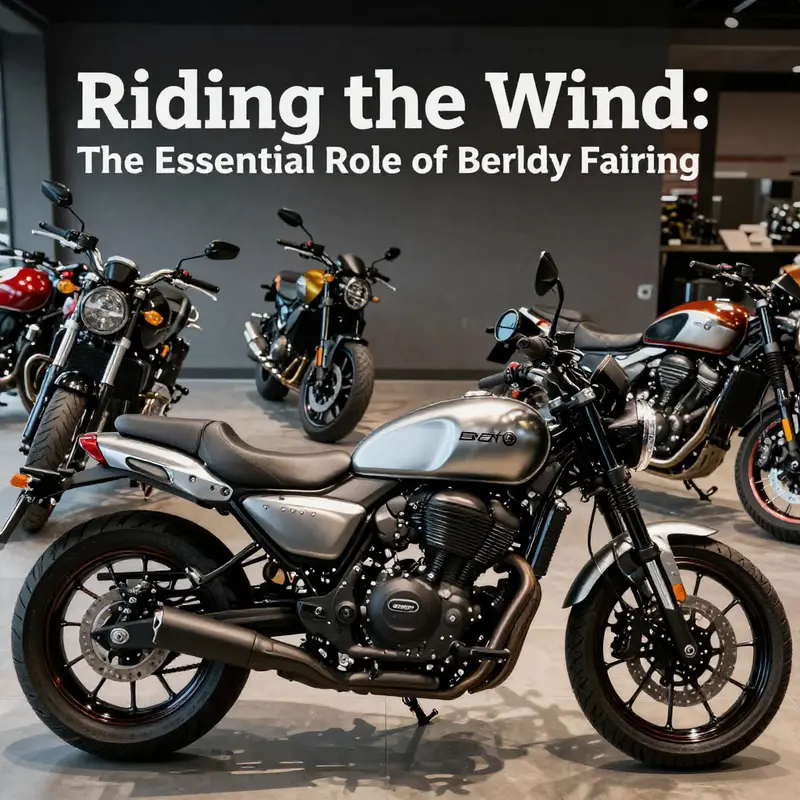
Belly fairings sit at the quiet intersection of engineering and aesthetics, where function and form converge to influence how a motorcycle moves through air, over debris, and into the rider’s perception of speed. Far from being mere cosmetic add-ons, these underbody panels are deliberate aerodynamical tools that shape the bike’s stability, heat management, and even its tactile connection to the road. When the eye catches a streamlined underside, it is signaling a design philosophy: reduce drag, protect essential components, and present a silhouette that communicates purpose. The belly fairing is the point where physics meets personality, and its presence changes more than just the lines on a bike’s chassis; it alters the rider’s confidence at speed, the bike’s response to gusts, and the way the machine behaves as it passes through varied road surfaces.
The aerodynamics of a belly fairing are subtle yet consequential. Air streams toward the bottom of a motorcycle differently than they do from the sides or the top, where exposed engine blocks and frame rails can create turbulent wake. A well-shaped belly panel smooths the airflow as it travels beneath the bike, guiding it toward the rear with less separation and less vortical energy at the front wheel. This smoothing reduces some of the drag that acts against forward motion and can contribute to a more composed feel when cruising at highway speeds or braking into a corner. It is a quiet optimization that compounds with time, especially when riders spend long hours on the bike or push toward higher speeds where even small aerodynamic gains translate into measurable stability and slight fuel efficiency improvements. The design intent is not to defy physics outright but to invite a more efficient percentage of the air to cooperate with the machine rather than fight it.
Alongside performance, the belly fairing serves as a shield. The undercarriage of a bike is exposed to the elements in a way that top panels rarely are. Stones, water spray, mud, and minor impacts can deflect upward and toward sensitive components like the exhaust system, oil pan, and lower cooling areas. A robust belly pan acts as a barrier, absorbing or diverting some of that grit before it can reach seals, casings, or bearings. The practical value is unglamorous but undeniable: fewer rides interrupted by debris-related wear, and less time spent cleaning hard-to-reach gaps after a spill or a wet ride. That protective role becomes even more meaningful for riders who navigate rural lanes, gravel patches, or damp surfaces where the road’s surface tells a different story with every turn.
Material choices for belly fairings have evolved in step with the ambitions of modern riders. Lightweight composites, often featuring a carbon fiber appearance or a high-gloss finish, strike a balance between stiffness and weight. Real carbon fiber parts maintain exceptional rigidity while trimming weight, which helps with the bike’s steering feel and acceleration characteristics. Aluminum alloys and other advanced composites also offer a compelling mix of durability and lightness, depending on the intended use and price point. The manufacturing process matters, too. Techniques like vacuum infusion and autoclave curing produce panels with consistent thickness, tight resin distribution, and a smooth surface that resists delamination during tough riding. The result is a belly fairing that feels solid under load and holds its finish through road salt, puddles, and the sun’s glare.
From a visual perspective, the belly fairing contributes significantly to a bike’s perceived velocity. The underside meets the eye as a single, cohesive plane that echoes the curvature of the engine and the lines of the chassis. When the fairing blends with the bike’s color or finishes—whether a deep, glassy black, a satin tone, or a carbon weave that catches the light—it creates a cohesive, race-inspired look. Enthusiasts often describe the effect as “completing the package”—the expectation that every visible angle communicates purpose. This aesthetic hook matters because a rider’s sense of identity with the machine grows stronger when the bike looks like it is built to conquer the next stretch of road, not just to cover it. In that sense, the belly fairing becomes a canvas for personalization, offering variations in texture, shade, and detail that align with a rider’s taste without compromising the mechanical story beneath.
Customization, then, is where the belly fairing becomes a spoken language between rider and machine. Aftermarket and factory options alike present a spectrum: finishes that imitate weave patterns, solid high-gloss surfaces, or even color-matched panels that echo other components on the bike. The options extend beyond color and texture. Some riders request small logos, initials, or accents that trace along the fairing’s edge or along its inner contour, transforming the piece into a signature rather than a generic component. The trend toward customization mirrors the broader motorcycle culture, where individuality is celebrated through equipment choices that remain faithful to the bike’s geometric rhythm. Careful selection of a belly panel can harmonize with the frame’s geometry, the engine’s contour, and the exhaust’s footprint, creating a unified look that reads as both engineered and expressive.
For those exploring the breadth of choices, the landscape extends into brand-wide categories offering a range of fitments and patterns. A rider curious about how a belly fairing might integrate with different models could explore various catalog sections that describe compatibility, mounting schemes, and finish options. In practice, this means checking fitment for a particular bike generation, confirming mounting points, clearance with exhaust pipes, and the potential impact on heat management. Compatibility is not merely about alignment; it is about ensuring that the panel does not encroach on airflow paths intended for the radiator, oil cooler, or muffler, nor does it create unintended interference with the rider’s leg position or foot controls. The best-fit solutions are those that respect the bike’s original design philosophy while offering an extra margin of protection and an elevated aerodynamic profile.
Within this context, the journey toward a belly fairing’s ideal look and function becomes a study in balance. The rider seeks a panel that is strong enough to withstand road realities, yet light enough not to dull the bike’s eager handling. It must sit in harmony with the bike’s lines so that the visual language remains cohesive from every vantage point. Upholding such balance requires attention to mounting hardware, gasket integrity, and alignment precision. The result is a panel that feels like part of the machine rather than an add-on. When installed correctly, the belly fairing enhances the rake and lean characteristics in a measured way, subtly altering the bike’s footprint without redefining its fundamental geometry. In other words, the enhancement is incremental yet meaningful, a quiet conversation between air, metal, and rider.
For readers who imagine their machine as a canvas, a near-universal truth emerges: the value of a belly fairing is not only in what it hides but in what it teaches the eye to expect. It teaches the rider to look beyond the obvious engine and frame, to see how each curve, line, and surface participates in a larger aerodynamic and protective system. It invites questions about how the air will behave at variety of speeds, how heat will exit efficiently, and how environmental exposure will age the components beneath. It invites a deeper dialogue with the road itself, where the panel’s presence encourages smoother lines through corners, steadier stability on straightaways, and a calmer, more controlled ride when the weather turns unpredictable.
For those who wish to extend the narrative of customization into the digital or shopping space, many riders turn to online catalogs and marketplaces where a belt of options is presented in model-agnostic terms. These listings describe materials, weights, and finishes in a way that allows a buyer to imagine how a panel would look on their own bike. An important nuance for readers is to compare not only the aesthetic choices but the practical ones: does the panel use a water-tight seal, is the finish resilient to road salt, and does it accommodate the heat generated by nearby components during extended high-speed runs? The best choices offer both visual appeal and robust protection while maintaining the bike’s intended riding dynamics. As with any addition that alters the underside of the machine, the final decision should align with a rider’s goals—whether those goals are to optimize aerodynamics for track days, shield delicate parts from road grime, or simply craft a more cohesive, aggressive stance.
In the spirit of supporting informed decisions, those curious about a broader catalog of fairings can explore dedicated product categories that aggregate options by compatibility and finish. For example, a scaled view of available categories can help a rider zero in on a look—whether they want a carbon-fiber aesthetic, a glossy black surface, or a color-synced panel that mirrors the bike’s other components. The market’s breadth allows for experimentation: a rider might begin with a minimalist panel to test fit and impact before selecting a more intricate pattern or texture. The underlying message remains consistent: the belly fairing is a strategic component that, when chosen and fitted with care, can elevate both the performance and the personality of a motorcycle without turning it into a compromise between speed and style.
For a glimpse into the wider ecosystem of options online, the following resource offers a broad spectrum of models and finishes across brands and generations: bmw fairings. This link serves as a convenient reference point for readers who wish to scan the landscape of possible undertank or undercarriage panels and imagine how a belly fairing could integrate with their bike’s overall silhouette.
As the market continues to evolve, the belly fairing remains a compelling case study in how a single component can unify aerodynamics, protection, and aesthetics. Its value is not merely in what it shields or the drag it gently reduces; it is in how it alters the rider’s experience. When a belly panel fits correctly, finishes well, and harmonizes with the bike’s geometry, it becomes more than a practical accessory. It is a deliberate design statement that underlines a motorcycle’s identity as a machine built for controlled speed, confident handling, and personal expression. For riders who crave that blend of function and flair, the journey toward the right belly fairing is a journey toward a more assured, more cohesive ride.
External resource: For a snapshot of the marketplace breadth and to see how countless suppliers present belly pans for a variety of models, you can explore market listings such as Alibaba, which demonstrates the diversity of options and customization capabilities available to buyers today. https://www.alibaba.com/showroom/motorcycle-belly-fairing.html
Final thoughts
In summary, belly fairing motorcycles represent a pivotal element in the industry, not only enhancing aerodynamics and performance but also catering to the aesthetic desires of modern riders. Through advanced materials and innovative designs, they protect essential engine components while boosting the visual allure of the motorcycle. As the market for customizable accessories grows, embracing the potential of belly fairings can significantly elevate your business offering, meeting the needs of discerning customers and staying ahead in the competitive landscape of motorcycle retail.