
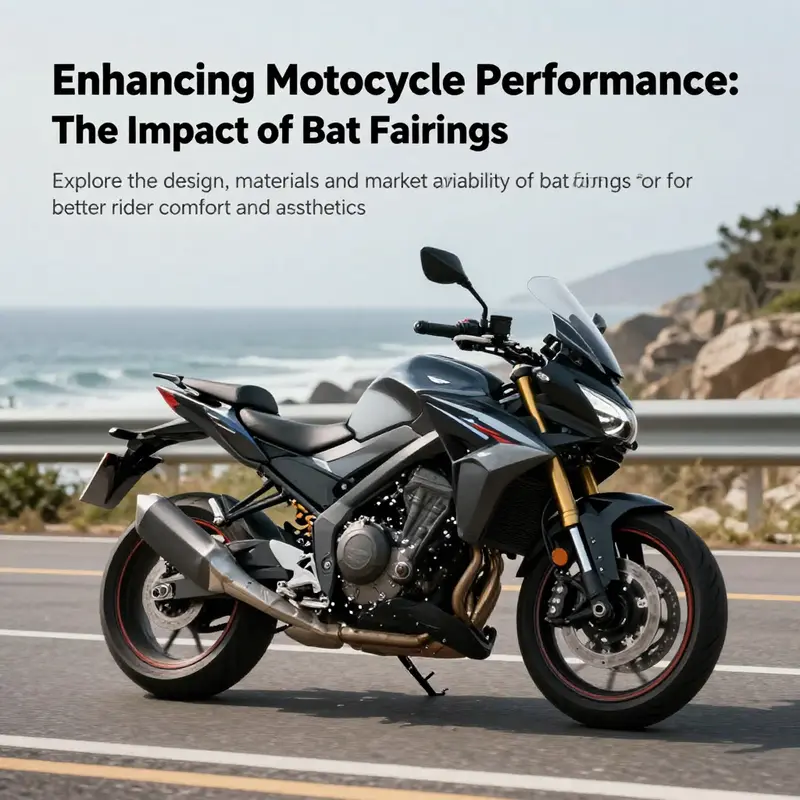
Batwing fairings, widely recognized for their aerodynamic benefits and stylish appearances, play a crucial role in the motorcycle industry. As motorcycle enthusiasts seek improved comfort during long rides, understanding the design and functionality of bat fairings is essential. These distinctive fairings not only enhance the visual appeal of motorcycles but also significantly reduce wind resistance, making them a popular choice among riders. The following chapters will delve into the mechanics of bat wing designs, the versatile materials and customization options available, and their compatibility with various motorcycle models, providing business owners insights into this attractive market segment.
Bat Wings in Motion: The Design and Practical Functionality of Motorcycle Batwing Fairings
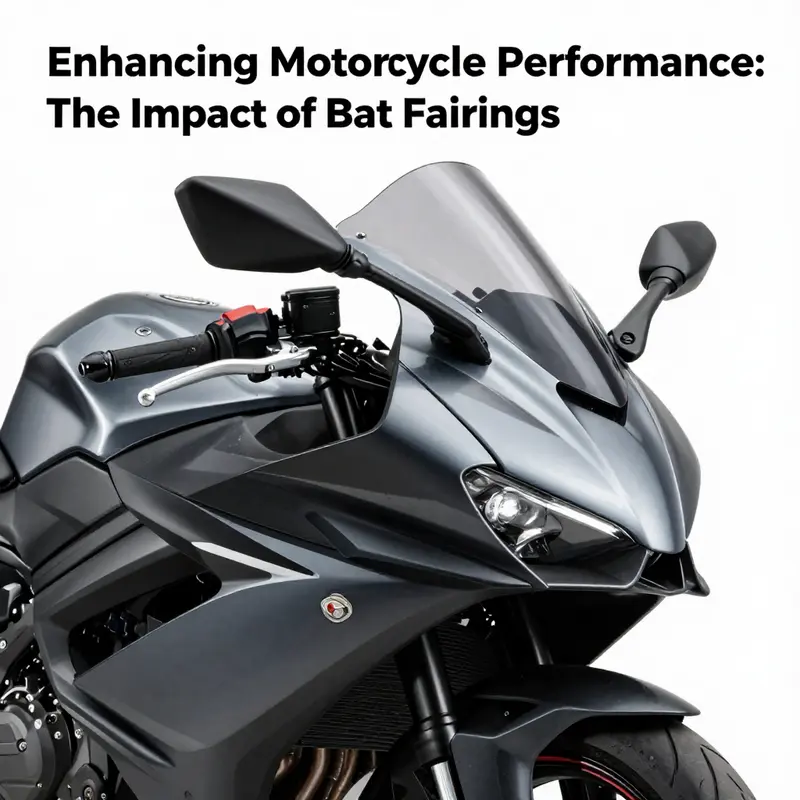
The batwing fairing stands as a striking and practical statement on a motorcycle that seeks both performance and presence. Its upward sweep and broad, enveloping form do more than catch the eye; they shape the air that wraps around the bike and, by extension, the rider. In the simplest terms, a batwing fairing is a carefully engineered canopy that pushes wind away from the rider, channels air toward a smoother path along the bike’s chassis, and creates a shield that blends protection with style. The essence of its appeal lies in a purposeful balance: it shields and streamlines without turning the motorcycle into a wind tunnel for its rider. The design philosophy behind this type of fairing emerges from a long-standing aim in motorcycling culture—to deliver comfort on long journeys while preserving, or even enhancing, the bike’s character and aggression. A fairing that looks to the sky must also reckon with the road, the rider’s posture, and the machine’s overall geometry. This is where the batwing’s distinctive silhouette becomes more than a fashion choice. It is a functioning extension of the bike’s airflow management that, when executed well, can transform how a rider perceives speed, fatigue, and control on hours-long stints between fuel stops or scenic vistas.
From the vantage of aerodynamics, the batwing is designed to address several interlocking challenges. At highway speeds, wind pressure can exert a continuous push against the rider’s torso and upper body. The fairing’s shape serves to reduce the effective cross-sectional area the rider experiences, smoothing the flow so that the air does not buffet the rider with abrupt gusts. The windshield, integrated into the fairing, works in concert with the side panels to form a shield that redirects air upward and outward, creating a microenvironment of calmer air around the rider. The result is not merely less resistance; it is a more composed riding position that allows the rider to maintain a steady line and a more economical breathing rhythm. And where wind resistance fades, wind noise tends to fade with it as well. A well-proportioned batwing can reduce the howling whoosh that often compounds fatigue on long rides, allowing conversations with a passenger or the hum of the engine to take on a more predictable and comfortable balance. The auditory experience of a long journey—one of the less glamorous but profoundly meaningful aspects of riding—shifts when wind noise drops, and that shift is often enough to extend stamina and focus over miles that would otherwise feel endless.
But the functional story of a batwing is inseparable from its protective reach. The air deflection is not just about steering wind away from the rider’s torso; it is about guarding the upper body from rain, debris, and the occasional errant insect with a deliberate canopy that keeps spray at bay during a sudden shower or a crossing of spray-laden roads after a rainstorm. That deflection is particularly valuable for riders who spend hours in the saddle, where exposure to the elements becomes a cumulative factor in fatigue and comfort. The fairing’s ability to channel air also influences the bike’s handling, because a stable flow of air around the upper body helps stabilize the rider’s weight distribution. In other words, the batwing does not merely shelter a rider; it contributes to the perception of the bike’s stability at speed. For riders who prefer long, uninterrupted rides through varying weather, the fairing’s protective envelope becomes part of a broader strategy to sustain focus and control mile after mile.
The aesthetic appeal of batwings is inseparable from their practical benefits. The silhouette of a wingspan spanning the front of a cruiser or a sport-touring machine gives the bike a bold, aggressive stance. The lines of the fairing—curved, upward-arched, and often with a broad windshield—echo a design language that communicates motion even when the motorcycle is standing still. That visual impact matters to riders who want their machine to carry a certain attitude, a sense of purpose, and a cohesive identity. The batwing’s dramatic form can be harmonized with the bike’s other stylistic cues, from the tank graphics to the exhaust notes, giving the entire build a unified statement. Yet this visual power is not in conflict with practicality; it is the result of careful decisions about materials, surface finishes, and the interaction between lines and angles. The choice of a matte versus a glossy finish, the alignment of the fairing’s edges with the bike’s shoulders, and the gradient of color or chromed accents all contribute to a look that is unmistakably intentional. For riders who crave a customized aura—one that reads as both contemporary and timeless—the batwing offers a canvas that invites personal expression while still delivering the measurable benefits of aerodynamics and protection.
The materials that form a batwing fairing reflect a balance between strength, weight, and workability. A common choice is an ABS plastic composite, prized for its rigidity, impact resistance, and ease of shaping. ABS provides a forgiving base that can be molded into complex, sculptural forms without sacrificing durability, and it accepts finishes well, whether a smooth glossy layer or a textured matte coat. The manufacturing approach often includes multiple layers that contribute to a clean, integrated appearance: outer shells that define the fairing’s shape, inner panels that conceal mounting hardware, and strategically placed reinforcements where brackets and bolts anchor the assembly to the motorcycle’s frame. Fiberglass and other reinforced composites also find their place in higher-end builds, offering a slightly different balance of stiffness and weight, along with a willingness to be tuned for exacting fitment on a particular model. The choice of material influences not only the fairing’s physical performance but also its long-term resilience against sun exposure, temperature fluctuations, and road debris. A well-chosen material will resist UV-induced fading and cracking while remaining tractable for repair should a panel suffer a minor impact during a trail or a parking lot mishap.
Installability and fitment are crucial to realizing the batwing’s potential. A fairing that cannot be mounted cleanly or returns to an imperfect alignment quickly undermines both its aerodynamic intent and its aesthetic payoff. Modern batwings typically come with a windshield integrated into the fairing’s upper region, plus a set of hardware and brackets designed to align with specified model mounting points or with a vehicle-specific bracket system that relocates the fairing to optimize angles of attack and rider clearance. The installation experience can range from a straightforward bolt-on upgrade to a more involved process requiring minor bracket fabrication or a careful remounting of fog lights, gauges, or ABS sensors. For new builders, the path of least resistance often involves model-specific kits that attach to existing mounting points with minimal modification. For more ambitious projects, the approach may involve fabrication of bespoke mounting brackets, precise trimming, and a repaint to unify the color and texture with the rest of the bike’s paint scheme. In any case, proper alignment is essential: the fairing must not encroach on the headlight’s throw, the instrument cluster, or the rider’s seating geometry. A misaligned fairing can create buffeting or shadow lines that spoil both the wind management and the rider’s field of vision, undermining the very benefits the batwing promises.
The fairing’s windshield is not a mere cosmetic addition but a core element of its wind-management strategy. The curvature, height, and angle of attack of the windshield determine the path of air over and around the rider. A tall, flat screen might offer ample protection for a taller rider, but it can magnetize the wind into a more pronounced whistling or buffeting at certain speeds if the air gaps and seals are not properly tuned. Conversely, a shorter screen might reduce weight and allow for a more immersive ride but at the expense of upper-body weather protection. The best setups strike a balance that suits the rider’s height, seating position, and typical riding conditions. Some riders prefer a screen with adjustable height or angle, enabling a quick adaptation to changing weather or road conditions. The fairing’s side panels contribute to this airflow management by guiding air away from the rider’s torso and toward the bike’s flanks. When the wind is redirected cleanly along the fairing’s planes, the rider experiences less direct disruption, minimizing fatigue and enabling a steadier core posture. A well-designed batwing, with its windshield and side panels working in concert, thus becomes an air-handling system as much as a cosmetic shell.
Beyond the mechanical and aerodynamic arguments lies the batwing’s role in personalization. The fairing offers a broad canvas for expression through color, finish, and surface detailing. A rider can opt for a gloss, satin, or matte finish, with or without decals that echo the bike’s branding or story. The curvature and lines of the fairing can be tailored to echo other design cues on the motorcycle, so the whole machine reads as a cohesive, intentional creation rather than a jumble of parts. This visual cohesion matters because the motorcycle ecosystem thrives on a sense of identity and narrative. The fairing is not just a shield; it is a signature element that signals the rider’s stance on performance, comfort, and style. In practical terms, the fairing also integrates with seating, footpeg positioning, and handlebar reach. If not planned with care, the visual drama can collide with ergonomics, producing a ride that feels exciting in a showroom but tiresome in the saddle. Thoughtful design, on the other hand, yields a package that feels as if it grew from the bike rather than being bolted on after the fact. When riders talk about a fairing that looks right and feels right, they are likely describing an outcome in which the geometry, the finish, and the ride quality align into a single, satisfying experience.
Material choices influence the options for refinishing and customization as well. ABS plastics respond well to a range of coatings, from high-gloss clear coats to color-matched paints that hide seams and bolts. The finish can be tailored to withstand the elements, with protective clear layers that resist scratching and hazing. For builders who aim for a high-contrast or integrated appearance, paintwork can be designed to accentuate the batwing’s contours—highlighting the ridges and hollows that add depth to the silhouette. A matte finish can give a modern, understated look that pairs nicely with blacked-out components or a monochrome scheme. Gloss finishes, in contrast, reflect light in a way that emphasizes the fairing’s sculptural form and can suit bikes whose broader aesthetic is designed to announce presence. Regardless of the finish, the final look should feel intentional and harmonious with the motorcycle’s entire visual language.
As with any major add-on, one must consider fitment within a broader ecosystem of parts and upgrades. The batwing’s footprint on the bike affects not only aerodynamics but also storage, instrument visibility, and the rider’s field of view. Integrating auxiliary elements such as heated grips, wind deflectors, or auxiliary lighting requires careful layout so that wiring remains clean and drainage paths stay clear. All of these considerations are part of a holistic approach: the batwing should be viewed as a central component in a modular system that serves comfort, protection, and style while preserving or enhancing the bike’s original character. This is why many riders who undertake a batwing upgrade approach the process with a careful sense of timing and intention. They do not rush to install a striking shell; they design the installation to preserve selvedge quality on the bike’s surface, ensure long-term resistance to weather, and maintain a clean, integrated look.
For riders who are curious about how batwings behave across different models and brands, there is value in exploring how similar fairings adapt to a range of chassis geometries. The basic principles remain consistent: a well-made batwing curtails wind gusts, minimizes noise, and channels air in a way that accommodates rider height and seating posture. The execution, however, shifts with the bike’s proportions. On a lighter, more agile cruiser, the fairing might emphasize a classical, sweeping profile that celebrates vintage lines while delivering modern wind protection. On a sport-touring model, the batwing can be tuned to provide more aggressive wind deflection at higher speeds and a broader shield for a rider who sits in a more forward-leaning position. In each scenario, the fairing’s lines interact with the bike’s frame, the rider’s posture, and the road beneath. The result is a dynamic relationship where form follows function, and function is expressed through a look that still resonates with personal taste.
In practical terms, anyone contemplating a batwing upgrade should begin with a clear sense of intent. Are you seeking to lengthen the riding season by adding weather protection? Do you want to reduce fatigue on long highway stints, or are you chasing a bolder visual identity that signals a customized, road-ready attitude? Each goal points toward a slightly different configuration: a taller windshield or a deeper wind deflector for colder climates; a more integrated color match or a sharper, race-inspired silhouette for a sportier stance. It is worth noting that the selection process should involve a careful check of compatibility with the rider’s bike model and year. Many fairings are designed to fit a range of years or models within a family, but precise fitment remains the gold standard for a clean installation and predictable performance. The cost of achieving a perfect fit is often less than the long-term consequences of a poorly matched system: vibrations, rattles, and misalignment that degrade both aero performance and aesthetics. To navigate this, riders frequently lean on model-specific references or consult with builders who have worked on similar configurations. The result is a fairing that looks and rides as if it came from the factory, even when it represents a thoughtful modification that speaks to personal taste and riding philosophy.
Within this framework of design and function, the batwing fairing stands as a striking example of how form and function can be married in a way that respects the original motorcycle while expanding its possibilities. The end product is more than a protective shell; it is a carefully engineered interface between rider, machine, and environment. The rider experiences the benefits as a calmer cockpit, reduced fatigue, and a sense of connection to the road that feels less like fighting the wind and more like guiding it. The machine responds with a steadier, more composed ride that preserves the bike’s character while broadening its capabilities. It is this synthesis—the fusion of aerodynamic insight, protective utility, and expressive design—that makes the batwing fairing a compelling choice for riders who want their bikes to speak with both strength and sophistication. For anyone exploring this path, the journey begins with a clear sense of purpose, a respect for the bike’s geometry, and a willingness to invest in a solution that will evolve with the rider’s needs over thousands of miles of open road.
If you are curious about how similar fairings are positioned across different brands and model lines, you can explore a broader catalog of fairings in the Honda category to see how a model-specific approach shapes the integration and aesthetics of fairings in that family. Honda fairings offers a range of options that illustrate how the same aerodynamic and protective principles are translated into different chassis configurations, reinforcing the idea that the batwing’s value lies in thoughtful compatibility and purposeful design rather than a single, one-size-fits-all solution. While the batwing itself is a distinctive statement, its ultimate success rests on a careful alignment with the motorcycle’s ride, the rider’s posture, and the conditions under which the machine is most often deployed. That alignment—between air, machine, and human—defines the true meaning of a batwing’s contribution to modern motorcycling.
External resource: For riders who want to see a broad marketplace representation of batwing installations and related fairings, an external listing provides a practical sense of what is available and how it comes together in real-world projects: https://www.ebay.com/itm/403876925138?hash=item5f0a2d3b02:g:ZiYAAOSwQrBjLqJx
Material Truths and Personal Expression: Crafting Batwing Fairings for Comfort, Performance, and Style
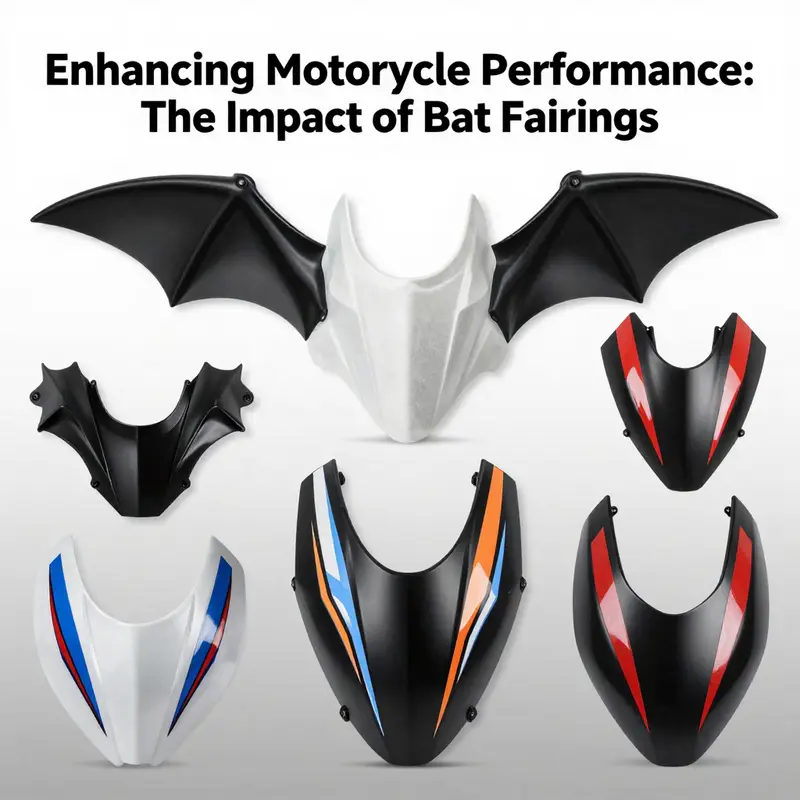
The batwing fairing is more than a distinctive silhouette on a motorcycle; it is a carefully engineered shield that blends aerodynamics, durability, and rider comfort into one package. When you consider the batwing as a system rather than a simple shell, you begin to see how material choice and customization options ripple through every aspect of riding, from noise levels at highway speed to long-term maintenance costs and even rider confidence. The two most common materials—ABS plastic and fiberglass—represent divergent design philosophies. ABS is the lightweight, impact-resistant workhorse that lends itself to precise shaping and smooth surface finishes. It is forgiving in injection-molding processes and responds well to cosmetic demands, making it a popular choice for standard and mid-range fairings. Fiberglass, by contrast, is the older, more rugged path. It trades a bit of weight for superior rigidity and durability, advantages that matter when the rider pushes toward high-performance setups or custom configurations where structural integrity cannot be compromised. Understanding these materials is the first step toward making a fairing not only look right but also ride right, rain or shine, lean or straight, windy or calm.
The decision between ABS and fiberglass is not merely a question of weight or strength. It is a decision about how the fairing will behave in the real world. ABS, with its thermoplastic backbone, has a natural resilience to minor impacts and temperature fluctuations. Mild heat from a sunlit fairing can soften the material, allowing for intricate shapes to be molded during production and later adjusted during refinishing. Because ABS responds well to heat, it can be repaired with a heat gun or re-molded around a new inner framework, which keeps the fairing adaptable as technology shifts and rider needs change. The smooth, paint-ready surface of ABS can hide subtle complex curves that enhance airflow without imposing excessive drag. For the rider who values a sleek, factory-like appearance and predictable, consistent color matching, ABS is often the most practical choice.
Fiberglass, on the other hand, brings a different calculus. The material stack-up—glass fibers embedded in a resin matrix—offers exceptional stiffness and endurance in the face of vibration and wind load. This is why high-performance and custom builds frequently lean toward fiberglass or even advanced composites for the fairing’s primary shell and reinforcement components. The trade-off is increased weight and a more challenging repair process if damage occurs. Yet weight is a relative term in wind-tunnel influenced aerodynamics. The fairing’s job is not merely to block wind; it is to shape it. In that sense, fiberglass can deliver a more rigid shell that holds precise geometry under load, a crucial factor when a rider is carving through rough air at triple-digit speeds or when the fairing must support heavier windshields or integrated venting systems without flexing. Modern fiberglass methods also allow for complex internal channels and mounting points that align with stock hardware, which can simplify installation and preserve the fairing’s fit across model lines.
Beyond the core materials, the production path and post-processing steps are equally meaningful. ABS fairings often benefit from advanced polymer formulations that resist UV exposure, reduce discoloration, and tolerate finishing techniques that yield a high-gloss or matte look. The ability to produce a uniform surface with consistent gloss is essential when decals or graphics are part of the plan, since any variation in sheen can distort the overall appearance and break the rider’s visual coherence at speed. The paint process for ABS is streamlined through injection-molded or thermoformed panels that arrive with a smooth, uniform substrate that accepts coatings readily. This is particularly helpful for riders who want to achieve a custom livery or simple color-matching to their bike’s original palette without paying a premium for specialized topcoats.
Fiberglass, while capable of accepting the same color and finish, often requires a more deliberate surface prep. The resin system chosen for a fiberglass fairing can influence surface hardness, crack resistance, and patchability. A hand-laid fiberglass shell can incorporate extra reinforcement near mounting points or along edge seams, improving impact resistance and longevity in demanding touring routes where long hours on rough pavement stress the chassis and fairing alike. For builders who crave a blended aesthetic—where the fairing appears almost as a sculptural piece integrated with the motorcycle’s lines—fiberglass can be shaped to tighter tolerances before any finishing work begins. In practice, many riders opt for a hybrid approach: ABS for primary shells completed with fiberglass reinforcements in critical stress areas. This balance of weight, stiffness, and process flexibility yields a fairing that is both resilient and cost-effective.
The customization options extend well beyond the raw materials. Colors, finishes, graphics, and decals are where the fairing becomes an expression of rider identity as much as a performance accessory. Color choices range from bold, eye-catching palettes to subdued, stealth tones that echo the bike’s own color story. Finishes can be matte, satin, or gloss, each delivering a different tactile feel and light interaction that changes how the fairing reads in sunlight and under street lighting. The choice of finish can also influence maintenance cycles; matte finishes, while attractive, tend to show micro-scratches more readily and may require specialized products to maintain even tone and texture. A gloss finish, by contrast, can make surface flaws more noticeable if the base color is not flawless, but it tends to be more forgiving during routine washing and polishing. The gloss level affects not only aesthetics but also wind-cut and reflection characteristics, subtly guiding how the air flows around the rider’s torso and shoulders.
Custom graphics and decals unlock a realm of personal storytelling on the bike’s silhouette. A single graphic line, a geometric motif, or an elaborate airbrushed scene can transform the batwing into a rolling canvas. For designers and builders, decals serve as a bridge between a rider’s personality and the machine’s performance. The process of applying graphics must consider curvature, panel thickness, and the potential for edge lifting along seams. In practice, designers often pre-visualize the graphics on a CAD model of the fairing, then translate to a vinyl or painted finish that adheres to the panel’s curves. The result is a seamless aesthetic integration where the graphics align with the bike’s existing contours, creating a cohesive presentation that looks as if it evolved from the factory rather than being an aftermarket addition.
Interchangeable windshields are a practical and popular dimension of customization. Many batwing fairings ship with windshields designed for a broad rider range, offering different heights and sometimes adjustable tilt to tailor airflow and visibility. A taller windshield reduces buffeting around the helmet and shoulders, a boon for riders on high-mileage routes. Shorter windshields, meanwhile, can give a sportier silhouette and a more direct wind exposure that some riders prefer for control feedback and a bracing sense of openness at lower speeds. Adjustable height systems or modular windshield inserts enable quick on-the-fly changes without tools, making it feasible to switch between long-distance touring setups and weekend back-road riding with minimal downtime. This adaptability is particularly valuable in climates with variable wind patterns, where the rider’s comfort and clothing insulation can significantly influence fatigue over the day.
The customization journey does not stop at aesthetics and windshields. For many enthusiasts, the final layer of personalization involves the integration of additional components and refinements that enhance fitment, aerodynamics, and reliability. Mounting hardware is a critical consideration; a well-designed fairing uses robust, corrosion-resistant fasteners and a mounting framework that aligns with the motorcycle’s original points. The design should minimize the need for drilling or permanent alterations that could affect resale value or warranty coverage. In this sense, a fairing that preserves the stock mounting geometry while incorporating reinforced internal brackets can deliver a dependable platform for further customization without sacrificing structural integrity. Compatibility is more than a check on a parts list; it is a predictor of how well your system will endure road shocks, vibration, and temperature variations without loosening, rattling, or misalignment. The ideal fairing accommodates a broad range of model variants and year intervals, while providing precise fit where it matters most—around the headstock, along the radii of the forks, and at the fairing’s lower edge where it intersects with the bike’s knee area and tank contours.
For riders who want a turnkey solution with proven fitment, aftermarket kits are often designed with model-specific mounting points, radioing in a balance of flexibility and stability. These kits tend to emphasize a few core goals: simplicity of installation, preservation of original electronics routing, and a warranty that covers workmanship for a reasonable period. A one-year warranty is a common baseline in many kits, offering reassurance for buyers who want to explore a new look or improved aerodynamics without a long-term commitment to a custom build. The warranty language typically addresses issues such as cracking, deformation, and mounting hardware failure under normal riding conditions, while leaving room for interpretation regarding cosmetic alterations or impact damage that results from collisions or misuse. While warranties are not a substitute for prudent riding, they do provide a safety net that helps riders evaluate the risk–reward equation of a new fairing project. If a rider anticipates frequent long-haul trips through varied climates, the material and finish selection can be steered toward durability and ease of maintenance. In this sense, the customization process is really a negotiation between aesthetic desire and practical necessity, a dialogue that keeps the motorcycle coherent with the rider’s riding life rather than just a showpiece.
Beyond off-the-shelf and stock-inspired options, custom fabrication opens a new horizon for those who view the fairing as a platform for innovation. Specialist shops can craft fairings from advanced composite materials or employ CNC-machined components to refine fit and function. A carefully engineered composite shell can combine lightness with exceptional stiffness, reducing flex-induced cockpit noise and improving overall handling at speed. CNC-machined brackets and internal supports provide repeatable accuracy that translates into reliable alignment across a rider’s lifetime. The advantages are clear: a strong, well-supported fairing that doesn’t rattle, warp, or vibrate under the duress of long-distance riding. The trade-offs include higher cost and longer lead times, as custom fabrication requires precise measurement, prototyping, and meticulous finishing. Yet for builders seeking a one-of-a-kind silhouette or a fairing tuned to a specific aerodynamic target, custom fabrication offers a pathway to achieve outcomes that are simply not available off the shelf.
As riders explore these paths, the practicalities of materials and finishes begin to shape everyday decisions. UV exposure is a central concern—sunlight can degrade certain plastics, leading to color fading, surface chalking, or micro-cracking over time. Protective clear coats or UV inhibitors embedded in the resin can mitigate these effects, extending the life of the finish and preserving color depth. Cleaning regimes matter, too. Gentle detergents and non-abrasive cloths protect the surface while maintaining gloss and preventing micro-scratches that would otherwise reveal dull patches after months of riding. The choice of finish also influences maintenance, as matte surfaces invite dust-attraction and require specific care to keep them uniform, while glossy finishes demand regular polishing to maintain their mirror-like quality. The rider’s maintenance habit, climate, and typical riding speed all feed back into the material selection and finish strategy. A batwing fairing is a long-term investment; it will travel with the rider through seasons, weather systems, and evolving personal tastes. The materials and customization choices chosen today set a trajectory that redefines comfort, confidence, and even the motorcycle’s identity on the road tomorrow.
The broader ecosystem around batwing fairings—home workshops, professional shops, and online catalogs—also informs how riders approach customization. Platforms that curate model-specific kits simplify the selection process, ensuring you do not have to guess which panels will align with your bike. When you browse for parts, you may encounter a wide range of configurations, from factory-style replacements to unique, hand-finished shells. The compatibility story matters as much as the look. A well-engineered fairing preserves the bike’s existing aerodynamics while enhancing rider protection, so the wind rush feels predictable rather than chaotic. It should also support the rider’s natural posture, keeping the torso, hands, and head aligned with the handlebars. The best designs reduce the fatigue that long rides can induce by smoothing the air behind the rider’s torso, minimizing turbulent drafts and creating a calmer cockpit. Even tiny differences—such as the curvature of the windshield’s leading edge or the angle of the fairing’s side panels—can produce meaningful changes in rider comfort and perceived power at speed. The goal is not to overpower the machine with a loud, aggressive silhouette but to harmonize technology, design, and the rider’s own sense of proportion.
In this sense, material selection and customization become a conversation rather than a one-way decision. ABS offers a cost-effective, versatile platform for color and finish, delivering reliable performance and straightforward maintenance. Fiberglass provides a backbone for more ambitious builds that demand stiffness and a rugged sense of permanence. Custom fabrication and advanced composites expand the horizon even further, inviting riders to push the envelope of aerodynamics and aesthetics. Through careful consideration of these options, a rider can craft a batwing fairing that feels like a natural extension of the bike and of the rider’s own ambitions on the road. For those curious about how this translates into real-world fit and broader ecosystem options, exploring a widely used catalog of fairings can be instructive. For instance, the Yamaha fairings category offers a breadth of choices that illustrate how model-specific fit and design philosophy shape the final look and performance. This kind of resource can help guide a decision toward a balance of fit, finish, and far-reaching potential, even as you consider the unique constraints and desires of your own build. Yamaha fairings provide a practical reference point for how a manufacturer-centered approach to fairings translates into rider-focused customization options that echo across brands and models.
As you move from concept to concrete build, the endgame remains consistent: a batwing fairing that reduces wind fatigue, protects important components, and amplifies the rider’s voice in the machine’s silhouette. The materials chosen—their cells, their resins, their surface treatments—set the baseline performance. The finishes and graphics then tell your story, turning a protective shell into a partner on road and highway. Interchangeable windshields respond to the rider’s posture and weather, while mounting points and hardware preserve fit across the bike’s life. Custom fabrication expands the realm from functional shell to performer on a stage of air and noise, where every curve and panel earns its place in the rider’s daily journey. In the end, the batwing is a craft object as much as it is a component. Its value lies in how well it embodies a rider’s balance of speed and serenity, and how naturally it integrates into the bike’s fundamental geometry. Materials provide the skeleton; finishes give the skin; customization adds the personality; and every ride becomes a test of how well those choices harmonize with the open road. If you listen closely, you can hear the wind learning your name as it meets the fairing—the sign of a design that respects both machine and rider, a single narrative told through the language of air and form.
External reference: For a deeper understanding of how manufacturers frame materials, warranties, and long-term care for fairings, see official product details and warranty guidelines at https://www.h-d.com/warranty. This resource offers context on how manufacturers approach durability, fitment, and service expectations, which can inform a rider’s expectations when selecting a material and a customization path for a batwing fairing.
From Shelf to Street: Navigating Availability and Fit in Batwing Fairings for Motorcycles
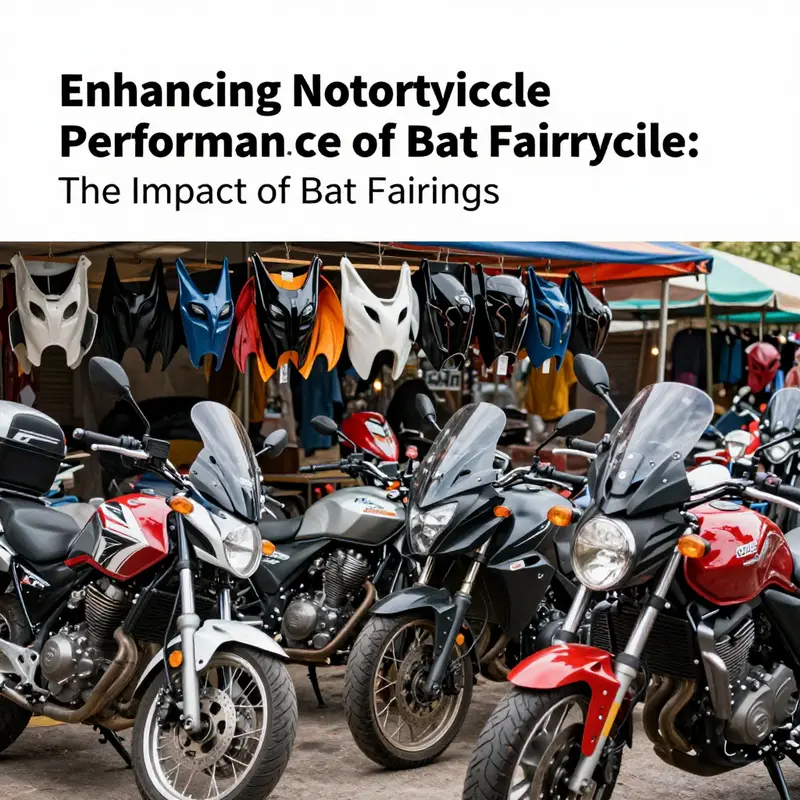
Batwing fairings have quietly become a cornerstone of how riders balance wind protection, style, and long-distance comfort. Their broad, wing-like silhouette emerges from the front of the bike in a way that is immediately recognizable and undeniably practical. The shape is designed not merely to look bold; it is engineered to sculpt the incoming air, reduce turbulence around the rider, and cushion the torso from the relentless push of open highway. In markets around the world, this kind of fairing has found a wide audience among cruiser and touring builds, where riders rack up miles and seek a ride that feels settled, smooth, and almost effortless at speed. The market for batwing fairings is both robust and diverse, reflecting a common demand: riders want a combination of aerodynamic efficiency, weather protection, and the possibility to express personal style through color, graphics, and finishes. The result is not a single product, but a family of options that can be adapted to many motorcycles and rider preferences. The overall effect is a canopy of wind protection that wraps around the upper body, with a large windshield and side panels that help to streamline the rider’s experience while leaving room for visibility and control. These benefits are most noticeable on long trips or daily commutes where the body fights less against wind pressure and fatigue; in practice, riders report a steadier ride, fewer shoulder and neck aches, and a more comfortable posture as they maintain a relaxed grip on the bars. Yet the fairing’s value is not limited to comfort alone. There is also a tangible performance aspect. Reducing wind resistance and drag can have a modest impact on fuel efficiency and overall handling, especially at highway speeds or in gusty conditions. The wind buffers created by a batwing fairing help stabilize the front end, allowing the rider to maintain a smooth line through corners and straights alike. It is a reminder that aerodynamics are not only about speed but also about sustaining a steady, controllable ride that respects the road and the rider’s energy. This dual focus—comfort and control—helps explain why batwing fairings have endured as a popular modification across a wide range of models and riding styles. In practical terms, the battery of choices available to interested riders ranges from universal fitment kits to more precise, model-specific assemblies. This spectrum reflects the reality of a diverse rider base whose motorcycles differ in mounting points, windscreen height, and the architecture of their front ends. Universal kits are designed to accommodate multiple bikes, and that flexibility is precisely what makes them appealing to a broad audience. These universal options typically come with mounting hardware, a clear set of installation instructions, and sometimes even weatherproof seals to help reduce wind noise and water intrusion. They are a pragmatic solution for riders who want a recognizable fairing silhouette without committing to a model-specific path. Importantly, universal kits often require some degree of adaptation. While the general mounting points are designed to align with a wide range of bikes, the exact fitment can hinge on factors like the width of the fork tubes, the shape of the triple tree, or the proximity of the tank and handlebars to the mounting brackets. In many cases, a rider may need minor modifications or additional hardware to achieve a clean, secure fit, and to ensure that the fairing aligns with the windscreen in a way that preserves visibility and prevents contact with the rider’s gloves or gloves’ sleeves during full lock turns. For riders who seek a more precise, factory-like feel, there are brand-specific or model-specific kits. These are engineered for exact fitment and are typically constructed from high-quality ABS plastic, sometimes reinforced with fiberglass, to deliver a precise surface finish that can be coated or painted to integrate with the bike’s original color scheme. The advantage of model-specific kits is clear: the mounting points align exactly with the bike’s original structure, the edges meet the lines of the fairing and tank with engineered precision, and the overall aesthetic resembles a factory component rather than an aftermarket addition. In other words, compatibility becomes a matter of design intent as much as engineering. The market ecology supporting batwing fairings is anchored by a strong presence of online retailers and specialized motorcycle accessory platforms. The breadth of options allows riders to choose between subtle, minimal windscreen enhancements and full-body fairing replacements that transform the front end of a bike. Price points reflect this range, with universal front outer batwing fairings featuring a clear windshield commonly found around the modest figure of $128.50. This price point makes the entry into batwing styling practical for riders who value wind protection without wanting to invest heavily in a complete aesthetic overhaul. On the other hand, full-body kits that promise comprehensive coverage—complete ABS panels, carefully engineered brackets, and the flexibility to tailor colors and artwork—represent a higher tier of investment. The aim of such kits is to deliver a factory-like finish that can be integrated with a bike’s lines and contours, offering a seamless look while preserving or enhancing the bike’s aerodynamic characteristics. The decision to pursue a universal kit versus a model-specific solution often hinges on the rider’s priorities. Those who value a quick, cost-effective upgrade may opt for a universal kit that provides broad compatibility and straightforward removal or reinstallation. Riders seeking a pristine, showroom-quality finish, or those who own a model with particularly distinctive lines, may prefer a model-specific option that minimizes gaps, maintains precise aerodynamics, and reduces the risk of misalignment. The installation journey itself is part of the appeal for many enthusiasts. It is a hands-on process that invites the rider to learn more about the bike’s front-end architecture, the fairing’s mounting points, and the relationship between the fairing and the windshield. The practical steps include removing the existing front end or the headlight fairing if the bike already has one, sorting through the supplied brackets or fittings, and carefully aligning the fairing before securing it with the prescribed hardware. A well-executed installation will account for electrical routing, ensuring that any integrated lighting or charging components are aligned and protected. It will also consider the fairing’s weight distribution, making sure that the added mass at the front does not introduce unwanted handling quirks in high-speed gusts or during aggressive cornering. An often overlooked but critical aspect of fitment is the windshield itself. A batwing fairing’s effectiveness is closely tied to the height and curvature of the windshield. An ill-suited windshield can create turbulence, whistle in the wind, or create uncomfortable glare at the rider’s eye line. This is where the market’s breadth proves valuable. Riders can choose a universal kit with a clear windshield or, in many cases, a tinted or lightly smoked option for glare reduction, depending on personal preference and local riding conditions. The windshield’s optical quality matters as well. A high-quality acrylic or polycarbonate lens will resist scratching and maintain clarity after exposure to sun, rain, and road grit. The fairing’s side panels also contribute to the overall wind envelope, guiding air around the rider’s torso and shaping the sense of enclosure. The interplay between the fairing’s curves, its mounting hardware, and the bike’s natural geometry determines the final effect on wind pressure. When a rider considers color and graphics, the fairing becomes an extension of personal style as well as function. ABS plastic panels provide a durable, paint-ready surface that can be refaced, repainted, or adorned with decals and artwork. This customization potential makes batwings a canvas for expression, allowing riders to coordinate with existing paint schemes or to create bold contrasts that set their machine apart on the road. For those who want to explore the design ecosystem beyond the bike itself, a practical reference point is the availability of a Yamaha fairings catalog that illustrates how different fairing pieces can align with specific model families. If you want to see how a Yamaha platform is supported within this ecosystem, explore the Yamaha fairings catalog. Yamaha fairings catalog. This kind of resource helps riders visualize alignment, mounting hardware compatibility, and the flow of lines from front to rear that define a bike’s silhouette after the upgrade. It also reminds us that the ecosystem is not static. New models, updated mounting points, and evolving manufacturing methods continually shape what is possible. Riders who stay engaged with these developments are better positioned to choose components that not only fit well but also honor the bike’s architecture. Market availability extends to distribution channels beyond the factory or OEM-adjacent spaces. Reputable motorcycle parts suppliers and specialized accessory shops offer a curated mix of universal and model-specific options, with customer support that helps interpret fitment charts and installation guides. These retailers typically provide detailed specifications, including the materials used, the thickness of the ABS or fiberglass, the level of UV resistance in finishes, and the painting options that can help the final piece harmonize with the bike’s color scheme. The availability of universal and model-specific batwing fairings means that a rider can pursue a spectrum of outcomes, from a clean, understated change to a dramatic alteration of the bike’s face. The diversity of finishes—gloss, satin, metallic, or matte—extends the possibilities for customization and allows riders to coordinate with helmets, apparel, and other chrome or blacked-out accents on the bike. For those who will be purchasing through online marketplaces, the guidance in the research results suggests looking for listings that provide compatibility details, installation instructions, and clear return policies. Detailed product descriptions can reveal the scope of the fitment, the hardware included, and any caveats about minor modifications that may be necessary. Those careful checks reduce the risk of receiving a kit that promises broad compatibility but requires more effort to achieve a precise fit. In evaluating market availability, it is helpful to think about the rider’s priorities. If the aim is immediate wind relief on a reasonable budget, a universal front outer batwing fairing with a clear windshield can be a strong starting point. If the objective is to preserve or enhance the bike’s original lines and to achieve a near-factory appearance, a model-specific kit is often worth the larger initial investment. Either path emphasizes the same core benefits: improved wind protection, greater rider comfort, cleaner aerodynamics, and a sense of personal ownership expressed through the front-end design. The conversation surrounding batwing fairings is not only about parts and fits, but about a philosophy of riding that values long days on the road without sacrificing control or comfort. It is about choosing a profile that aligns with one’s riding posture, seat height, handlebar reach, and even the rider’s torso width. It is also about recognizing that the bicycle’s geometry, fork geometry, and the fairing’s mounting geometry must harmonize to deliver a stable ride at a wide range of speeds and winds. The market’s breadth, the variety of fitments, and the capacity to customize all combine to create a nuanced decision-making process for riders. It is not simply about a piece of plastic that covers the front; it is about how that piece changes your interaction with the wind, your fatigue over long hours, and the impression your machine makes on the road. As the landscape continues to evolve, new materials, new finishing techniques, and new mounting strategies will continue to blur the line between aftermarket add-on and factory feature. Riders who stay informed about these shifts—through product guides, installation resources, and peer experiences—tend to make smarter, more confident choices. They appreciate that the right batwing fairing honors the bike’s geometry, complements its silhouette, and contributes to a ride that feels cohesive from the ground up. In the end, the decision to buy and fit a batwing fairing comes back to the same simple questions: How will this change the way I ride? Will it improve comfort on long trips? Does it align with my bike’s lines and my own aesthetic? And perhaps most practically, can I source a kit that fits correctly with reasonable effort and a fair price? The market answers with a spectrum of options designed to meet those expectations, and the rider’s task is to navigate that spectrum with an eye for fit, finish, and future satisfaction. External resource: https://www.amazon.com/s?k=Motorcycle+Batwing+Fairing&i=automotive
Final thoughts
Understanding the intricacies of bat fairings—including their design, material options, and market compatibility—can help business owners capitalize on a lucrative niche in the motorcycle industry. Offering customizable and functional solutions not only attracts dedicated riders but also positions businesses as leaders in motorcycle accessories. The growing popularity of batwing fairings underscores the importance of adapting to evolving rider expectations, making it essential for businesses to stay ahead of the market trends.