
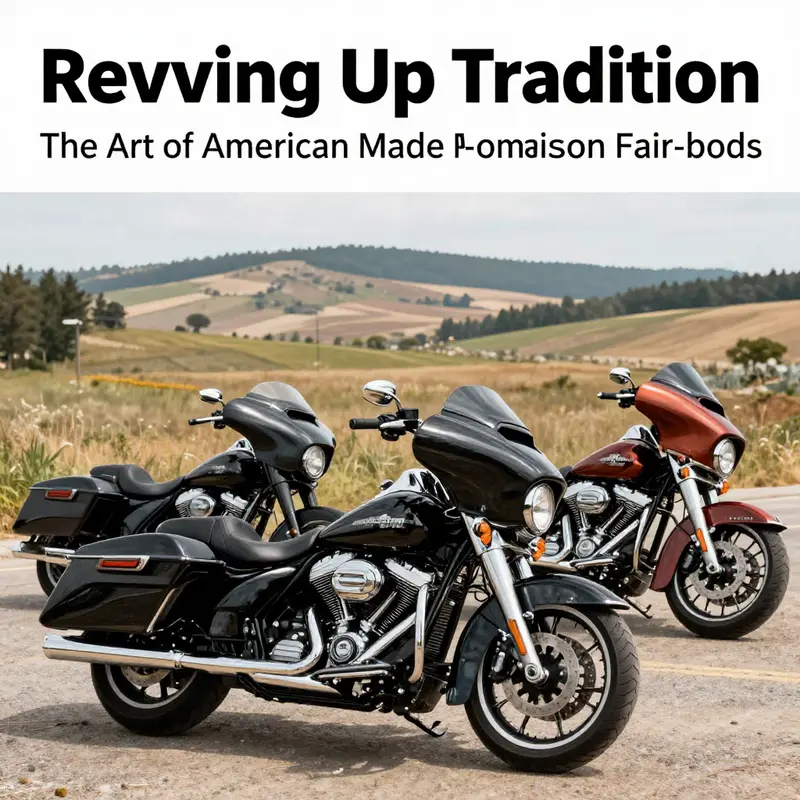
American made motorcycle fairings symbolize the enduring craftsmanship and innovation inherent in Harley-Davidson’s legacy. These designs, such as the modern reinterpretations of the Batwing and Sharknose, merge traditional artistry with advanced technology, enhancing rider experience and safety. This article unfolds through four chapters, examining Harley-Davidson’s dedication to design and craftsmanship, the technological advancements embedded in these motorcycle fairings, the economic benefits stemming from domestic manufacturing, and their vital cultural significance in American society. By dissecting these elements, we reveal how American made motorcycle fairings not only sustain a legacy but also pave the way for future generations of riders and craftspeople alike.
Wings of Steel: Crafting American-Made Motorcycle Fairings That Bridge Heritage and Modern Performance
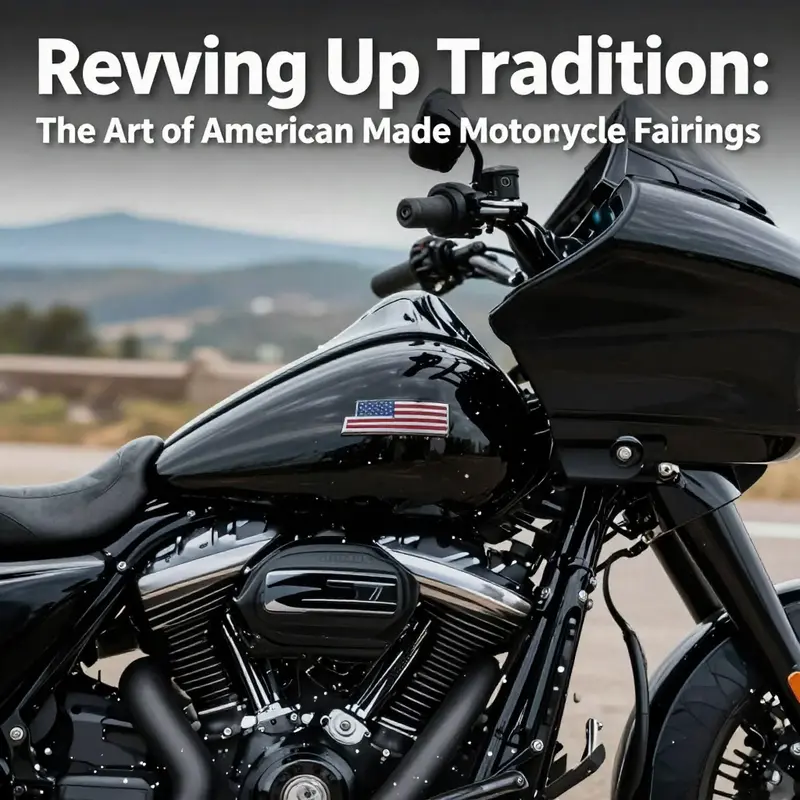
A motorcycle ride is a dialogue between machine and road, and the fairing is the translator. In the United States, the fairing has become more than a cosmetic shell; it is a statement of an enduring craft, a physical reminder that functionality and artistry can share the same workspace. The silhouette of a broad, flowing shell—often described in terms of batwing lines or sharknose contours—has evolved from a heraldic emblem of a bygone era into a modern tool kit. The transformation is as practical as it is poetic. Designers and manufacturers work within a tradition of American engineering that prizes fit, finish, and fearless use of material to tame the wind while honoring the rider’s human scale. The result is a language of form and function that speaks to long rides, harsh weather, and the mechanics of aerodynamics, all while preserving a sense of identity that feels both familiar and new to the contemporary motorcyclist.
The heart of this craft lies in the decision to produce in the USA, a choice that carries a chorus of implications. First, there is the discipline of quality control. When components are manufactured domestically, the sponsorship of local standards—tight tolerances, consistent surface finishes, and rigorous testing—becomes part of the story. The fairing is not merely a shell; it is a precision instrument that must align with frame geometry, fairing mounts, and windshields, all while withstanding road shock, temperature swings, and the occasional gust that can test even the most careful engineering. The pride that comes from American production is not just in the assembly line that shapes the shell, but in the entire ecosystem that surrounds it: tooling suites, composite recipes, paint shops, and finishers who bring color and character to each piece. In this sense, the fairing becomes a microcosm of American manufacturing ethos—the convergence of time-honored skill and contemporary problem solving, performed with attention to the rider as a whole, not merely as a rider’s silhouette in a wind tunnel.
The design vocabulary of American-made fairings carries a narrative thread that runs from the early days of open-road touring to today’s high-tech motorcycles. The batwing silhouette, with its bold shoulders and sweeping crest, establishes a dramatic presence on the road while also serving practical needs: it channels air around the rider, reduces fatigue on long journeys, and shields more delicate components from the elements. The sharknose profile, by contrast, emphasizes a leaner, more aerodynamic posture. Both shapes are more than aesthetics; they encode an understanding of how air behaves at highway speeds and how a rider’s posture interacts with the wind over hours of riding. In the hands of skilled designers, these lines become a coherent grammar that riders can recognize instantly. They signal not only allegiance to heritage but a willingness to reinterpret it for modern performance: integrated mounts for accessories, clean routing for cables and hardware, and attention to airflow that minimizes buffeting without compromising visibility or wind protection. This is where heritage and innovation converge, where a long memory of road culture informs decisions that affect a rider’s comfort today.
Functionality is inseparable from form in this landscape. The fairing is not a decorative veil but a carefully considered interface between rider, machine, and environment. It must deflect wind and weather with a predictable pattern, smoothing the rider’s path through turbulence and crosswinds. It should also optimize the rider’s ergonomics, shaping a cockpit that feels natural, balanced, and calm at speed. The fairing’s inner surfaces influence cooling channels, instrument readability, and the routing of communication lines and electrical harnesses. In a place where electronics are increasingly integrated into the riding experience, the fairing is the first layer that can carry and conceal real advances in technology. For a rider, this means more than a quiet windscreen. It means smoother throttle response, steadier steering feel, and less fatigue in shoulders and wrists because the wind’s push is distributed in a way that respects the rider’s posture. The engineering decision tree behind a fairing, then, blends fluid sculptural intent with a thorough understanding of aerodynamics, materials science, and human factors. It is this blend that defines why American-made fairings remain relevant as wind tunnels and wind tunnels’ heirs persist as benchmarks for performance and comfort on the road.
Within this lineage, customization emerges as a key value proposition. A broad spectrum of fairing styles is offered to accommodate rider taste and riding needs, from classic silhouettes that honor the past to modern, streamlined profiles that emphasize minimalism and efficiency. A comprehensive fairing kit becomes a bridge between factory design and individual expression. These kits typically include the necessary hardware for a straightforward installation, ensuring a seamless fit with the bike’s frame and mounting points. For riders who want a tailored look without compromising performance, the option to alter color, shading, or surface treatment becomes a meaningful enhancement rather than a cosmetic afterthought. Even the hardware—nuts, bolts, brackets, grommets—carries the same standard of care as the shell itself, reinforcing the idea that American craftsmanship is a holistic process rather than a series of discrete components. The ease of installation and the reliability of fit are not merely conveniences; they are a guarantee that the rider can preserve the machine’s integrity while exploring a personal design language. In this sense, customization is not a vanity project but a continuation of the historic American habit of tailoring a machine to the rider’s body and journey. The kit approach also invites a broader ecosystem of accessories that respect the fairing’s lines, whether those accessories are mirrors, wind deflectors, or storage solutions that seamlessly integrate with the shell’s contour.
An often-overlooked, but critically important, dimension of this craft is mirror integration. For riders seeking a clean, integrated look, dealer-exclusive fairing mount mirrors offer a harmonious balance between visibility and silhouette. These mirrors are designed to blend with the fairing’s curves while maintaining durability and clarity. Their existence speaks to a broader design philosophy: every addition to the bike should feel inevitable, as if it grew out of the fairing itself rather than being bolted on as an afterthought. The result is a visual continuity that enhances the overall aesthetic, preserving the fairing’s line while delivering the practical benefits riders depend on during long highway runs. It is this attention to detail—the careful consideration of how every accessory sits within the fairing’s geometry—that characterizes the most respected examples of American-made craftsmanship. It is also a reminder that the story of a fairing is not only about the shell, but about an ecosystem of parts that together create a coherent, reliable riding experience.
The craftsmanship behind these fairings is rooted in decades of American motorcycle tradition. Each piece is designed with a sense of responsibility to both the rider and the machine, and every stage—from concept sketch to finished paint—requires patience and precision. The process often begins with a robust design brief that translates rider needs into solid geometry. Then, through a combination of hand-finishing and precision molding, the shell is shaped. The shell’s exterior is painstakingly prepped, primed, and painted, with attention paid to color depth, scratch resistance, and UV stability. Internally, the reinforcements and mounting points are reinforced to handle the vibration and flex that come with long-distance travel. The choice of materials—ranging from sturdy fibers to advanced composites—reflects a balance between weight, strength, and cost. In the most refined examples, a light, stiff composite allows the fairing to maintain its form in various weather conditions while contributing to the machine’s overall balance. The finish work—polish, clear coat, and meticulous seam management—speaks to a craftsmanship tradition that values the eye and the hand in equal measure. The result is a product that looks assembled with care and performs with the quiet assurance of a tool that has been tuned for a wide range of riders and roads. This blend of heritage, precision, and materials science is what many enthusiasts come to expect from American-made fairings and what they often remember most when they step back from a ride and look again at the machine from a distance—an enduring reminder that the bike is a product of place, time, and the hands that shaped it. In that sense, American-made fairings are not relics of a past era, but a bridge to a future where heritage and modern engineering travel side by side on every turn of the road.
External resource: For a broader look at how one enduring example of American fairing craftsmanship fits into the larger story of motorcycle accessory design, see this official resource: https://www.harley-davidson.com/us/en/motorcycle-accessories/fairings.html
Riding the Edge: The American-Made Fairing Renaissance Where Material Mastery Meets In-Fairing Intelligence
The road has always been the proving ground for how a motorcycle’s silhouette translates ambition into performance. In the United States, that translation is now happening with a clarity that feels both traditional and new. American-made motorcycle fairings, once defined by bold silhouettes and reputations for rugged craftsmanship, are entering a fresh era where material science and smart technology converge within the same shell. The 2026 Harley-Davidson Street Glide and Road Glide models illuminate this evolution. They reinterpret the iconic Batwing and Sharknose lines not as nostalgia, but as a flexible platform that supports a new generation of features while honoring a heritage of American manufacturing. The result is not merely a refreshed look; it is a holistic system where the fairing itself becomes an integrated performance component, a transparent partner in how the bike handles wind, weight, and information at speed.
At the heart of this transformation is a deliberate shift in materials. Lightweight composites, carbon fiber, and eco-friendly plastics are no longer niche options; they are becoming the standard for fairings designed to reduce weight without sacrificing strength. In the touring and sport segments, every gram saved is a step toward better handling, quicker throttle response, and improved fuel economy. But weight reduction alone does not guarantee performance. The shape and finish of the fairing determine how air flows around the bike at highway speeds and how turbulence interacts with the rider’s comfort. Modern designers are optimizing laminar flow, minimizing buffet through the rider’s line of sight, and tuning down the震 sound and vibration that can carry through to the cockpit. This is engineering with a singular goal: to make long rides feel effortless while preserving the bold, American-made character that riders expect from a flagship touring platform.
The materials story is inseparable from the design language that defines American fairings today. The Batwing and Sharknose silhouettes, historically potent symbols of the Harley lineage, are being reinterpreted to accommodate a modern aerodynamic envelope. The Batwing, larger and more enveloping than many of its predecessors, serves not only as an emblem but as a carefully contoured shield that manages eddies and pressure zones around the rider’s torso and shoulders. The revised Sharknose—slimmer, more aggressive at the leading edge—speaks to the same intention: reduce parasitic drag while offering a stable, confident wind break at speed. The challenge for designers is to maintain the visual identity that resonates with riders and dealers while integrating components that previously lived in separate shells. The result is a cohesive skin that supports both performance and presence, a skin built with domestic crafts and a supply chain that emphasizes reliability as much as beauty.
This synthesis of form and function has a practical meaning beyond aesthetics. Aerodynamics, in this context, translates directly into rider comfort and fuel efficiency. A well-finished fairing with optimized contouring can markedly reduce rider fatigue on multi-hour journeys and can help stabilize the motorcycle’s steering feel at high speeds and in crosswinds. The air is not simply deflected; it is managed. Subtle changes in curvature and edge sharpness influence how air reattaches downstream, how vortices form around the mirrors, and how the rider experiences wind pressure on the chest and helmet. The improvements accumulate over hours of riding, shaping not just the ride but the sense of control a rider has over the bike’s behavior. In this sense, the fairing becomes a performance component rather than a passive enclosure, a paradigm that redefines how riders assess value in a motorcycle’s most visible shell.
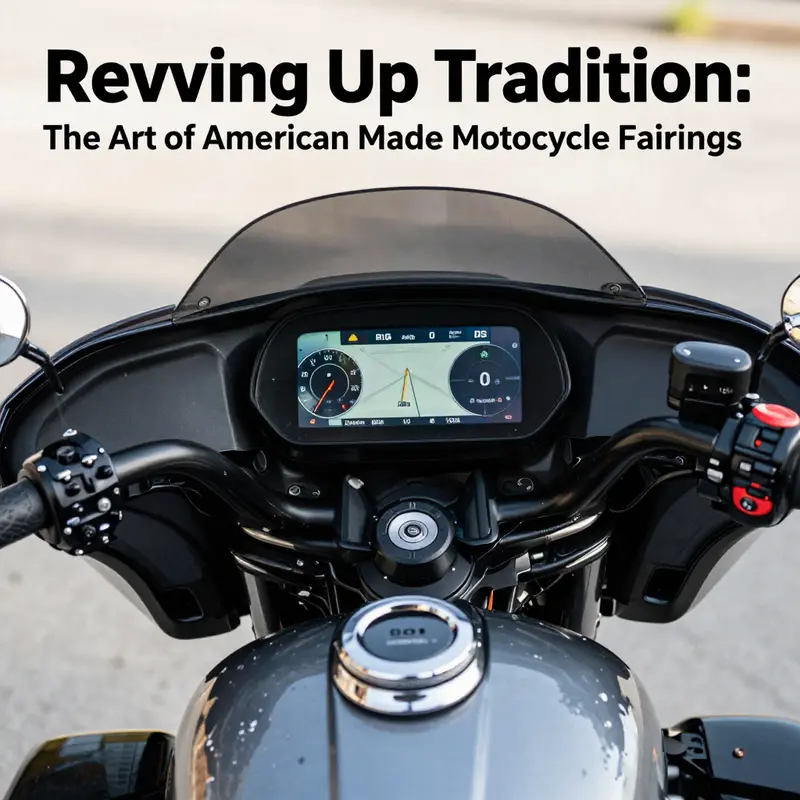
Meetings of material science and ride experience are only part of the equation, however. The 2026 models bring an even more explicit fusion of hardware and software into the fairing ecosystem. The Skyline OS, a 12.3-inch display embedded within the fairing, represents a bold step toward a cockpit that is more connected and more context-aware than ever before. This interface is not a separate gadget mounted onto the bars; it is integrated into the fairing, placing navigation, vehicle information, and media options within reach of the rider’s natural line of sight. The interface supports ride modes that tailor power delivery, traction control, and suspension behavior to different road conditions and riding objectives. It can display turn-by-turn navigation and a range of indicators that help the rider manage ongoing trips with fewer device distractions. Apple CarPlay support is also part of the package, enabling seamless integration with mobile apps and messages, while a carefully designed, glare-resistant screen helps preserve situational awareness. In practical terms, the fairing is now a digital hub that reduces the need to look down at separate devices, while maintaining the tactile rituals of riding—gear shifting, clutch feel, throttle control—without forcing a compromise between information and attentiveness to the road.
This technological integration changes more than the rider’s day-to-day experience. It has implications for safety, maintenance, and the longevity of the motorcycle’s electronics. A centralized display that is shielded from the elements can withstand the rigors of long tours and adverse weather more reliably than a cluster mounted on the handlebars. With ride modes, riders can optimize performance for wet conditions, highway cruising, or spirited mountain passes, with fewer manual adjustments needed mid-ride. Apple CarPlay makes certain forays into navigation and music feel natural, reducing cognitive load as the rider remains focused on the road. The turn-by-turn navigation, displayed within the fairing’s field of view, creates a more intuitive information loop than a remote smartphone screen, helping riders anticipate upcoming turns and road features without taking their eyes too far from the horizon. In a market where riders increasingly expect a turnkey, connected experience, the fairing becomes a conduit for technology rather than a barrier between rider and machine.
Brand identity matters in this evolving landscape, and American manufacturers have a unique advantage when it comes to blending craftsmanship with digital intelligence. The factories that produce the fairings are sites of precision and care, where CNC processes, composite layups, and hand-finishing come together to deliver a product that feels both modern and durable. The “Made in USA” badge, long valued for its craftsmanship and reliability, now communicates a broader promise: a holistic system designed to maximize rider confidence through material performance and smart features that anticipate rider needs. The synergy between the manufacturing floor and the digital cockpit signals a shift away from a purely aesthetic upgrade to a comprehensive performance philosophy. It is not enough to have a sleek silhouette if the shell cannot control wind forces or if the interface cannot respond to rider intent with clarity and immediacy.
To understand how this philosophy translates into consumer choice, consider the broader aftermarket ecosystem that surrounds American-made fairings. Even as the domestic market pushes the boundaries of material innovation and integrated intelligence, riders still evaluate options across brands and regions. The availability of aftermarket components in other markets highlights how different manufacturers balance performance, weight, and protection. For riders who want to explore a portfolio of fitments outside the American-made sphere, the range of options illustrates the variety of approaches to fairing construction—from alternate plastics formulations to different mounting architectures and even alternative aesthetic finishing techniques. This wider perspective does not diminish the American achievement; rather, it underscores how global demand and competition shape the domestic design language. For those curious about how different brands approach fairings, a broader glance at the market can be instructive. You can explore the Honda fairings category to see how another major market handles the challenges of fitment, aerodynamics, and style within its own engineering culture: Honda fairings.
The trajectory of American-made fairings is as much about the rhythm of manufacturing as it is about the rhythm of the road. The attention to eco-friendly materials reflects a growing emphasis on sustainability in a field that has long prioritized strength and lightness. Carbon fiber offers high specific stiffness and excellent fatigue resistance, yet it comes with production considerations that require precise control over resin systems and cure schedules. Eco-friendly plastics, meanwhile, bring a lighter environmental footprint to a sport where weight savings translate to measurable performance benefits. The choice of materials affects not just performance numbers but the feel of the bike on a long stretch of freeway and around a winding hillside. A rider who notices less buffeting, smoother wind pressure, and a more predictable windscreen experience will also notice the quiet confidence that comes with a well-made, American-produced shell that has been engineered for both durability and refinement. In this way, the fairing becomes a shared canvas where art, engineering, and rider psychology converge.
The chapter’s focus on materials and digital integration should not obscure the craft behind the silhouette. The Batwing’s ancestry remains visible—that deep, protective arc that frames the rider and the upper fairing area—yet it is reimagined with tighter tolerances and more precise alignment to the bike’s centerline. The Sharknose, too, receives a modern update that preserves its aggressive profile while incorporating a shallower radiator intake, a refined airflow path, and integrated mounts for sensors and small-screen devices that keep the rider oriented without interrupting the lines of sight. The end result is a signature look that tells a story of continuity and evolution: a heritage brand embracing new manufacturing realities and new user interfaces. In the hands of riders, the fairing becomes more than a shield from wind; it becomes a stage upon which performance, comfort, and personal identity perform in unison.
The practical implications of this renaissance extend beyond the showroom and into the everyday life of riders. Maintenance routines adapt to a more integrated system where the display, the navigation software, and the performance settings are designed to operate in concert. OTA updates may enrich ride modes and navigation capabilities, while service intervals might become more data-driven as the fairing’s sensors and electronics report wear patterns and environmental exposure. This implies a future where the line between hardware and software blurs even further, and where service professionals must be conversant with both the physical craft of fairing construction and the digital language of the onboard systems. Yet for all the sophistication, the heart of the American-assembled shell remains the same: a commitment to durability, a respect for the rider’s experience, and a story about making things in the United States that endure on the road.
For readers who want to situate this specific evolution within a wider context, the Harley-Davidson 2026 Road Glide and Street Glide specifications provide a detailed case study of how these ideas translate into a bundled product. The Skyline OS, the ride modes, and the integration of CarPlay and navigation reflect a broader philosophy of creating a cohesive, rider-centric ecosystem inside the fairing. These features are not mere add-ons; they are integral to how the chassis communicates with the environment, how the rider perceives capability, and how the bike fulfills the promise of an authentic American-made touring tool. The result is a fairing that is both a fortress against the wind and a gateway to a smarter, more connected riding experience.
As the industry continues to advance, the conversation about American-made fairings will inevitably touch on the balance between iconography and innovation. Designers will be tasked with preserving the cultural resonance of Batwing and Sharknose while refining them with laser-guided precision and screens that anticipate rider needs. Engineers will press forward on new composite formulas, novel laminar flow techniques, and smart sensors embedded within the shell to monitor impact, heat, and wear. The best outcomes will emerge from teams that view form and function not as competing forces but as complementary disciplines that share a single objective: to empower riders to travel farther, more safely, and with a stronger sense of American craftsmanship under the skin. In this sense, the fairing is no longer a cosmetic module but a living interface—an alloy of material mastery and digital intelligence that defines how Americans ride into the future.
External reference: https://www.harley-davidson.com/en_us/motorcycles/road-glide/2026-road-glide.html
Riding the Value Chain: How American Made Motorcycle Fairings Sustain Jobs, Innovation, and Resilience
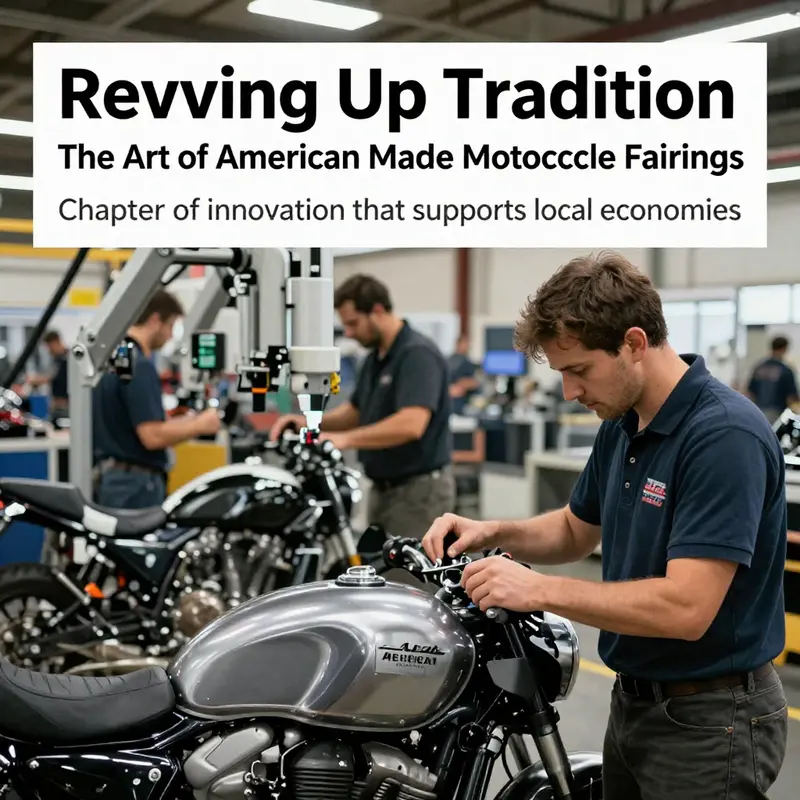
The fairing on a motorcycle is more than a shield against wind or a shell for storage of aesthetic identity. It is a component of a broader, tightly woven value chain that anchors domestic manufacturing, sustains skilled labor, and underpins the health of a high-performance industry. When we speak of American made motorcycle fairings, we are talking about a product that crystallizes the relationship between design ambition and practical execution. These plastic and composite shells, formed, painted, and fitted in the United States, embody a deliberate choice to invest in local capability rather than rely solely on overseas suppliers. The effect ripples outward, shaping not just the factory floor but the neighborhoods that host suppliers, the engineers who test new materials, and the technicians who keep paint lines precise and consistent year after year. In this sense, American made fairings are a front line in the story of how the United States maintains competitive momentum in an era of global supply complexity. They demonstrate how a seemingly specialized, even niche, component can become a fulcrum for broader economic vitality when it is designed and produced close to the communities that depend on it.
The market for North American motorcycle fairings, driven by demand for high-performance touring motorcycles and premium aftermarket accessories, has matured into a sizable sector. At approximately USD 350 million, the market reflects not only the love riders have for aerodynamics and protection but also a durable appetite for customization and quality. This value is not a static number. It captures a trend toward lighter, stronger materials, more precise fitment, and better finishes that improve both performance and aesthetics. As riders seek longer trips, more capable suspensions, and advanced rider aids, the fairings that house or support these features become more than a cosmetic canvas. They become a platform for iterative improvements in aerodynamics, cooling, and insulation, while maintaining the ease of maintenance that riders crave. In a sense, the fairing market mirrors a larger shift in the motorcycle industry: customers are not merely buying a shell; they are investing in the durability, efficiency, and soundness of the machine as a whole. The value proposition from these American makers hinges on a blend of craftsmanship, engineering, and a willingness to iterate with rigor under domestic conditions.
A crucial pillar of this ecosystem is the commitment to domestic production that strengthens the resilience of the industry against the volatility typical of global sourcing. Domestic manufacturing supports local economies through direct employment, contracts with suppliers, and a network of service providers—paint shops, mold makers, testers, and logistics firms—that collectively form a robust local economy. When components are sourced and assembled within the United States, companies can weather tariff fluctuations and supply chain disruptions that would otherwise ripple through pricing and lead times. A telling illustration from the broader sector is the experience of a major domestic producer that faced sharp cost escalations when tariffs targeted imported parts. The incident underscored how even a single policy shift can realign cost structures, trigger price adjustments, and, ultimately, influence a rider’s choice between a locally made fairing and imported alternatives. It is not merely about tariffs but about the predictability and flexibility that domestic suppliers can offer. The ability to adapt quickly to shifts in demand, to rework supply lines, and to collaborate with regional fabricators keeps the market functioning with a steadiness that downstream users notice and appreciate.
Investment in U.S.-based manufacturing goes beyond sustaining current demand. It is a deliberate bet on long-term capability building that enhances product quality, accelerates innovation, and strengthens the industry’s competitive posture in a global context. When manufacturing activity is concentrated at home, there is a direct link to the education and training pipelines that feed it. Apprenticeships, skilled trades, and design engineering programs benefit from local demand for high-precision work. The requirement for consistent tolerances, flawless finishes, and repeatable paint results translates into invested time in tooling, process control, and quality assurance. This investment pays off in a cycle of continuous improvement. New composite materials, more uniform finishes, and smarter mold designs become feasible as factories scale their capabilities. The result is a set of fairings that not only meet stringent performance standards but also accommodate evolving rider expectations for customization, quietness, and integration of sensors and displays. In a market where premium feel and performance can justify higher price points, the ability to deliver consistent, high-quality results week after week becomes a clear differentiator.
The story of American made fairings is inseparable from the health of the broader domestic motorcycle industry. These components interact with a network of suppliers and manufacturers who collectively advance innovation and sustain jobs across multiple regions. The near-shoring of some manufacturing steps reduces transit times, lowers risk exposure, and allows for tighter collaboration between design teams and fabrication shops. This proximity fosters an iterative design process in which tweaks to aerodynamics, material composition, or surface finishing can be prototyped and validated quickly. As a result, manufacturers can tailor products to evolving rider needs such as improved heat management on hot-weather routes or reduced drag in long-distance touring configurations. The payoffs extend to the consumer: better fitting fairings, smoother airflow, quieter operation, and enhanced compatibility with onboard electronics. The new generation of fairings can house increasingly sophisticated ride modes, navigation aids, and connectivity features, while still preserving the essential protective and aesthetic roles that riders expect.
The aftermarket ecosystem surrounding American made fairings further enriches this narrative. A vibrant market exists for replacement, customization, and upgrading that thrives on the capacity to source components domestically. In this space, the alignment between design excellence and supply chain reliability matters as much as the outright price. Owners who want a bike that expresses a personal brand, while retaining reliable performance and serviceability, benefit from the assurance that local manufacturers can deliver consistent fitment. The relationship between original equipment and aftermarket suppliers is not adversarial but symbiotic. Aftermarket options extend the life and versatility of motorcycles, while domestic production standards lift the baseline quality for all competitors in this space. For readers who are curious about the diversity of aftermarket options, a representative category includes the broad range of fairings suitable for various brands and models, including those offered through widely recognized product lines. For a concrete sense of the breadth available, enthusiasts can explore the Honda fairings category, which showcases how a major aftermarket segment approaches fit and finish across different models. Honda fairings illustrates how a well-organized domestic supply chain can meet the exacting needs of riders who prize compatibility and precision.
From a rider’s perspective, the economic health of American made fairings translates into tangible benefits. The domestically produced shell can be tailored to local road conditions, climate considerations, and even regulatory regimes that vary from state to state. The ability to control the paint process, cure cycles, and quality checks locally can reduce the risk of finish defects that might otherwise lead to warranty claims or customer dissatisfaction. Moreover, the capacity to invest in light-weight materials without sacrificing structural integrity points to a future where fairings contribute to better fuel efficiency and improved handling. Engineers experimenting with carbon fiber composites, advanced resins, or optimized foam cores can push the envelope more credibly when the manufacturing base is anchored within the same country that demands the performance metrics. The end result is not just a more appealing appearance but a more effective, durable, and maintainable product that riders will depend on across dozens of thousands of miles of riding.
Economists and industry observers often highlight the broader implications of a robust domestic fairing sector. When a critical component like a fairing is produced locally, it can help stabilize the cost structure of motorcycles overall by reducing exposure to international price swings and supply disruptions. This contributes to a more predictable pricing environment for both manufacturers and consumers, which in turn supports planned production cycles, dealer inventory strategies, and consumer confidence. A stable domestic base does not translate into a closed market; rather, it creates a platform from which the industry can participate more resiliently in international trade dynamics. In the long view, a steady, well-supported fairing sector helps preserve the market’s vitality, ensuring that the domestic industry remains a credible option for riders who value craftsmanship, serviceability, and the cultural resonance of American manufacturing.
The economic narrative of American made motorcycle fairings also intersects with policy and industry-wide advocacy for resilient supply chains. Producers, suppliers, and technicians benefit from an ecosystem that recognizes the value of domestic capability and the role it plays in safeguarding national industrial capacity. Such a stance supports not only current production but also future opportunities for material science breakthroughs, precision manufacturing, and digital integration. As riders, businesses, and policymakers continue to navigate the post-pandemic global environment, the case for domestic, high-quality fairings strengthens. It demonstrates a clear path from artisan-level handwork to automated, scalable processes that can keep pace with demand while maintaining the highest standards of fit, finish, and reliability.
The practical takeaway for readers is that American made motorcycle fairings represent more than an aesthetic and functional accessory. They are a signal about how a country chooses to invest in its industrial base, how it builds and sustains skilled labor, and how it reduces exposure to the vagaries of global markets. The fairing is, in many ways, a microcosm of manufacturing in the United States: it blends heritage with innovation, local capability with global reach, and protection with performance. As the industry continues to evolve, the fairing will remain a critical touchpoint for designers, engineers, riders, and policymakers who seek a balance between national economic resilience and the exhilaration of riding a machine that embodies American craftsmanship. The momentum behind American made fairings argues for continued investment in domestic tooling, in advanced materials research, and in the training pipelines that cultivate the workers who make and finish these precise shells. It is a story about how small, specialized components can anchor a larger economy, sustain communities, and keep the road ahead lined with opportunities for riders and manufacturers alike.
For readers seeking a broader context on the trajectory of the motorcycle industry in the United States, including trends in manufacturing and trade, a comprehensive overview offers additional perspectives on how these dynamics unfold across the sector: https://www.statista.com/statistics/1427985/motorcycle-industry-in-the-united-states-statistics/ . In the spirit of practical, grounded analysis, the chapter above emphasizes the value of domestic production and the ripple effects that begin with a single, carefully engineered fairing and extend through the economy to the riders who cherish the experience of American made machines.
Winged Identity: The Cultural Impact of American-Made Motorcycle Fairings
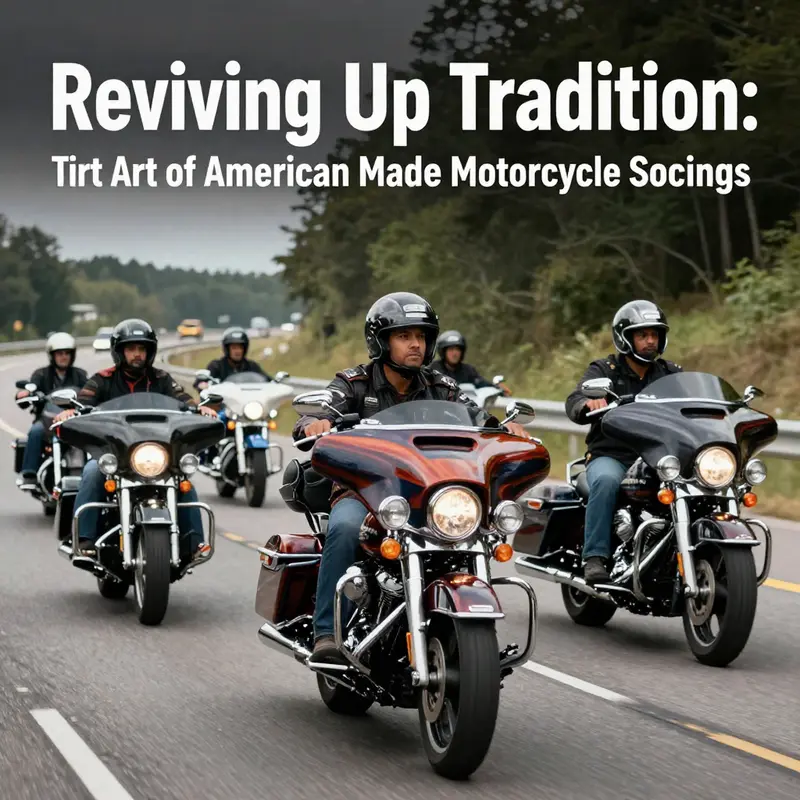
Winged Identity: The Cultural Impact of American-Made Motorcycle Fairings
Fairings—the sculpted exoskeletons that cloak a motorcycle’s frame—are more than wind-slicing surfaces. In the American-made tradition, they carry a payload of meaning that runs as deeply as the metals and paints that shape them. They are both the product of technical craft and the canvas on which riders inscribe who they are, what they believe, and how they imagine their place in a world that constantly seeks to redefine speed, freedom, and resilience. The Batwing and Sharknose silhouettes, with their long-lived associations with American motorcycle design, serve as a historical dialect. They speak a language that is part engineering, part folklore, and part political statement. When these fairings are built in the United States, they become living artifacts of a nation’s approach to making things—an approach that prizes hands-on skill, legacy, and a direct relationship between maker and rider.
To understand the cultural resonance of American-made fairings, one must begin with the very idea of craft in a contemporary economy. Domestic production carries meanings beyond the functional. It signals a promise: skilled labor is valued, local suppliers are supported, and material choices start with a community rather than a global supply chain. The hours spent on machining, finishing, and painting—even when aided by modern automation—reflect a deliberate choice to keep certain capabilities within national borders. In an era when many components travel across oceans before they ever arrive on a factory floor, the decision to produce fairings in-country is a statement about quality, accountability, and the tactile pleasure of watching a part come to life under the hands of a craftsman or craftswoman. The result is not simply a superior panel but a tangible link to a tradition of problem-solving where fixability matters as much as aesthetics. A fairing, in this sense, is a portable workshop—a compact representation of a broader culture that values practical knowledge, apprenticeship, and the slow, patient progress of turning ideas into durable objects.
Design matters as much as function in this culture of making. The Batwing and Sharknose silhouettes, with their sweeping lines and bold profiles, are more than stylistic preferences. They are cultural signposts that echo a period of American motorcycle history when form followed a fierce sense of identity. The Batwing’s broad, protective sweep suggests a shield for the rider against wind, weather, and the noise of the road. The Sharknose, with its crisp, angular beauty, speaks to a more aggressive, forward-looking aesthetic. These shapes become semiotics within the riding community, signaling allegiance to a lineage of design that treats the bike as an extension of the rider’s personhood. When manufacturers or builders recommission such silhouettes in new materials or with updated manufacturing techniques, the conversation shifts from a simple aesthetic to a discourse about continuity and renewal. The fairing ceases to be merely a shell; it becomes a statement about how a culture negotiates change while remaining tethered to its roots.
The cultural significance of these American-made panels extends into the subcultures that have grown around motorcycles as a form of self-expression. In communities where custom bikes are celebrated as art and where riding is both a lifestyle and a statement, fairings function as personal canvases. They carry color stories, emblematic motifs, and even political or social messages. The sculptor’s hand that shapes the fairing’s curve is, in effect, the rider’s hand on the fabric of identity. Each curve can convey a mood or a memory—the triumph of a long ride, a lesson learned on a twisty road, or a moment of defiance against conformity. This is not vanity; it is evidence of belonging. The process of customization—from selecting materials and finishes to coordinating graphics and trims—transforms the fairing into a chronicle of the rider’s life. The panel becomes a page in a personal autobiography written in chrome and lacquer, and the rider becomes the author who determines what the story says to the world.
Media representations have amplified these associations, even as they sometimes simplify the narrative. Shows and documentaries about custom bike building have brought to a broad audience the idea that a fairing is a partner in storytelling, not merely a protective shell. Viewers learn to recognize the symbolic currency of color schemes, crest motifs, and the way a silhouette interacts with a bike’s overall line. In these stories, the fairing is a collaborator—one that demands respect for skill and patience while offering a platform for imagination. The rising interest in American-made goods across diverse markets adds another layer to this cultural fabric. People increasingly seek authenticity, and they value products that they perceive as handcrafted or locally produced. A domestically built fairing answers this demand with a narrative of place, craft, and responsibility. It says that the part you ride with was shaped in a workshop where artisans understand the stakes of quality and longevity, not merely efficiency or cost-cutting.
This broader cultural shift toward domestic craftsmanship intersects with concerns about sustainability and ethical production. In a world of global supply chains, the environmental footprint of freight and overseas manufacturing can be heavy. American-made fairings can align with a growing consumer conscience that prioritizes lower shipping emissions and the maintenance of regional economies. People who buy locally made components often relish the idea that their purchase supports skilled labor close to home, sustains traditional trades, and keeps alive the possibility of future apprenticeship programs. The conversation about fairness and accountability in production becomes inseparable from aesthetics and performance. A fairing crafted nearby may be more amenable to future repairs or modifications, enabling riders to keep their motorcycles in service longer. In this sense, the fairing becomes part of a broader ethic of responsibility, durability, and stewardship that many riders already value when they consider the life cycle of the machines they depend upon.
Cultural significance is not static. It evolves as material science, design tooling, and rider expectations change. Modern manufacturing can bring improvements in rigidity, weight, and integration with onboard electronics, yet these advances do not erase the historical conversation about form and meaning. A fairing that can accommodate new digital interfaces, for example, still carries the memory of how a rider interacted with wind and weather in earlier eras. The essence of the design—how it frames the rider’s silhouette against the road, how it channels air, how it lends a certain rhythm to the machine’s appearance—remains a touchstone that connects the present to the past. Integrating contemporary technologies does not substitute for tradition; it augments it. The rider still experiences the same fundamental relationship with wind, road feedback, and the bike’s personality, but now with enhanced navigation, ride modes, and connectivity that help translate intention into action. In this way, fairings serve as a hinge between heritage and progress, keeping a living tradition relevant in a world that relentlessly pushes forward.
To see how this cultural frame plays out in practice, one can observe how design choices communicate values. A metal panel finished with a classic luster may signal respect for irreplaceable techniques and the tactile joy of real materials. A composite or lighter alloy might reflect modern efficiency and the willingness to embrace new manufacturing technologies while still honoring the silhouette’s historical resonance. The color palette is never incidental; it is a language that can reference a rider’s alliances, preferences, and ideals. Emblems, typography, and graphic treatments become shorthand for a rider’s stance on topics ranging from personal sovereignty to participation in a shared, highly visible community. The fairing thus becomes a social artifact—one that both reveals and shapes identity. This social dimension is why passionate communities invest time and resources into the craft. It is why the act of choosing, painting, and installing a fairing is not a trivial upgrade but a declaration that the rider is part of a larger, ongoing narrative about American ingenuity, independence, and artistry.
As with any living art form, the conversation around American-made fairings incorporates evolving tastes and technologies while respecting and reinterpreting heritage. The practical benefits—improved aerodynamics, protection from the elements, and spaces for instrumentation—are inseparable from the symbolic layers they carry. A rider may appreciate the way a Batwing-like curve funnels air at highway speeds, but there is equal appreciation for the way that same curve frames the rider’s presence on the road, turning a passenger seat into a focal point of story and meaning. The bike becomes a stage on which personal values are performed in motion. This is not mere display; it is a form of self-invention, a way for individuals to claim ownership of the road and of their place within a broader cultural landscape. In that sense, the fairing acts as both instrument and emblem—an engineered solution that also tells a meaningful tale about where the rider comes from and where they hope to go.
The embrace of American-made fairings also signals a recognition that manufacture is a skill to be passed down. Communities of builders, painters, and fabricators who keep these panels in daily use create apprenticeships that are essential to sustaining the crafts that define the country’s industrial culture. The continuity of technique—grinding, fitting, smoothing, coating, and polishing—becomes part of a pedagogy that values hands-on know-how as much as design intellect. The end product—the finished fairing—carries with it the tacit knowledge of the person who shaped it. The rider who installs it is not a mere consumer but a co-creator who takes responsibility for how a machine and its appearance will age together. In this way, the cultural significance of American-made fairings extends into education, mentorship, and the ongoing transmission of a practical, artisanal sensibility across generations.
For readers seeking to connect these observations to a broader ecosystem of motorcycling culture, there is value in exploring catalogues and communities that celebrate fairing variety, including those that showcase American and global designs side by side. One example of how the conversation travels across markets is seen in available catalogs that categorize fairings by model, design lineage, and material family. These resources help illuminate how a traditional silhouette can be reimagined with modern materials, finishing techniques, and interface integration while still honoring its historical roots. Such catalogs encourage new riders to participate in a long held practice of customization and to consider how a single panel can anchor an entire narrative around a bike and its rider. The fairing becomes not only a shield and a stylistic choice but a doorway into a way of thinking that values craft, authenticity, and community.
As the motorcycles themselves continue to evolve with new control systems and digital features, the fairing’s role remains central to the rider’s experience. It frames the rider in a language of design that communicates intent at a glance and fosters a sense of belonging within a broader, ongoing culture. The panel’s surface becomes a story surface—one that can be revised, restored, or reinterpreted as tastes shift and as the rider’s life changes. This resilience—the ability to adapt while staying connected to core values of craftsmanship, locality, and self-expression—keeps American-made fairings relevant in a rapidly changing world. It is a testament to how material culture can anchor identity without becoming a relic. Rather than a static object, the fairing is a dynamic participant in a cultural practice that thrives on making, sharing, and storytelling on two wheels.
To explore more about the ways in which cataloging, mid-market fabrication, and design integration shape how riders engage with fairings, you can reference the Honda fairings collection in a broader browsing context Honda fairings. This resource illustrates how a range of styles and finishes coexist within a marketplace that values both individuality and compatibility. It highlights how riders navigate choices about form, function, and identity when they encounter a diverse spectrum of options. The key idea is not sameness but the opportunity for personal expression within a shared language of engineering and art.
External resources also offer deeper perspectives on the cultural and practical dimensions of American craftsmanship in motorcycling. For a broader understanding of how American-made products fit into contemporary culture and safety discourse, see the resources provided by the American Motorcyclist Association: https://www.americanmotorcyclist.org.
Final thoughts
American made motorcycle fairings encapsulate a blend of artistry, innovation, and cultural identity that resonates deeply within the motorcycle community. As Harley-Davidson leads the charge in revisiting traditional designs while weaving in modern technology and manufacturing practices, the impact extends beyond the product itself. It fosters economic benefits, instills pride in American craftsmanship, and nurtures a vibrant culture around motorcycling. Ultimately, understanding this legacy invites business owners and stakeholders to recognize the importance of American made fairings—not just as components of a motorcycle, but as emblematic pieces of a rich heritage that continues to drive forward into the future.