
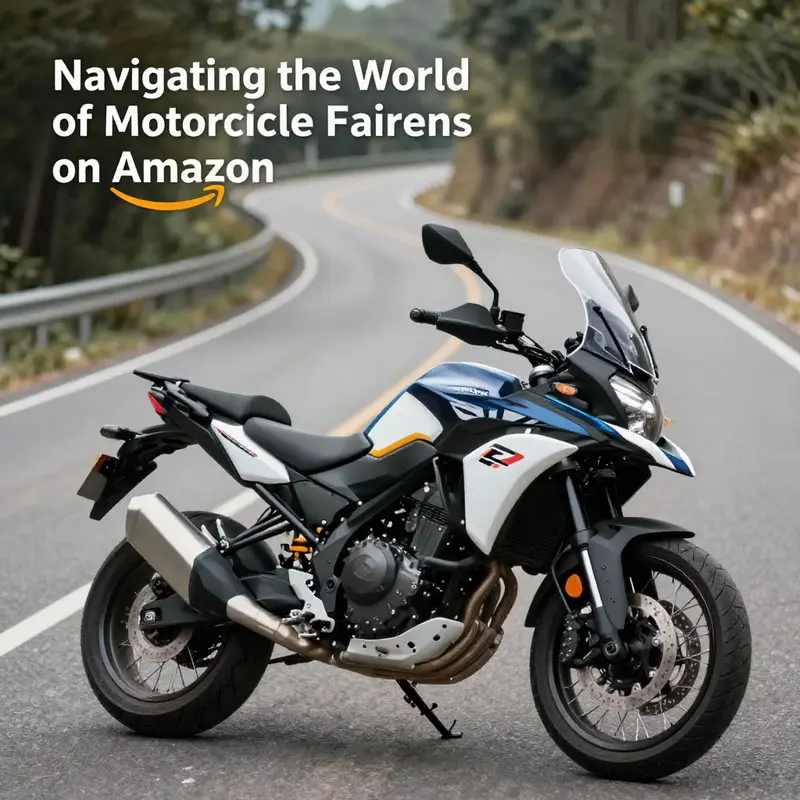
Motorcycle fairings play a pivotal role in enhancing both the performance and aesthetic appeal of bikes. For business owners looking to tap into this dynamic market, understanding the variety of fairings available on platforms like Amazon is essential. This article delves into four key areas that define the motorcycle fairings landscape: the different types available and their applicability, the materials and performance metrics that characterize them, specialized uses and accessories offered, and current consumer preferences and market trends. Each chapter aims to equip business owners with the insights needed to make informed decisions in this thriving sector.
Winds of Change: Navigating Amazon’s Motorcycle Fairings for Airflow, Style, and DIY Upgrades
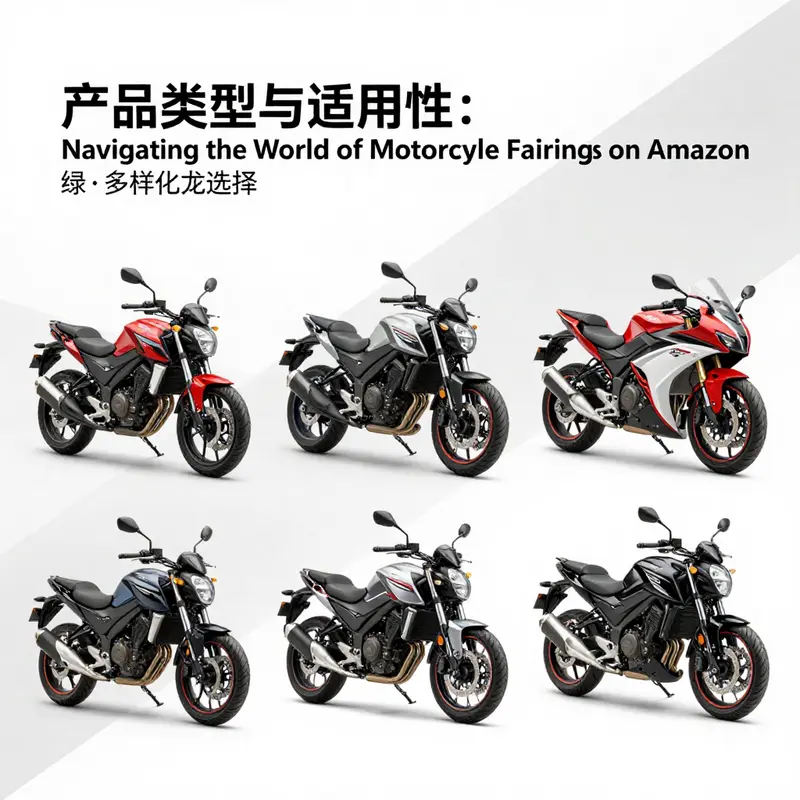
Across the digital marketplace, the motorcycle fairing category on Amazon presents a landscape that feels almost as dynamic as the wind itself. Shoppers arrive with different motorcycles, ambitions, and budgets, and the platform’s breadth makes it possible to pursue everything from a modest shield of protection to a full racing-ready silhouette. The chapter that follows traces this diversity in a way that helps readers understand not just what is available, but how the pieces fit together in a practical, ride-ready system. It is not merely about acquiring plastic parts; it is about sculpting a bike’s presence while sharpening its performance, comfort, and personality. The journey begins with how products are organized—by type, by material, and by purpose—and ends with a clear sense of how to select options that align with a rider’s goals and the constraints of installation and maintenance.
When browsing Amazon for motorcycle fairings, it becomes immediately apparent that the catalog is organized into layers of utility. At the broadest level, buyers encounter three core categories that map directly to riding style and intent. Full fairings cover the front and mid sections of a motorcycle, sometimes extending toward the seat. They are popular with sport and touring riders who want to optimize aerodynamics, shielding, and weather protection over long distances. Half fairings, by contrast, offer a lighter footprint. They shield the headlamp and instrument cluster while preserving a leaner silhouette and the natural lines of the bike. Side cover panels sit more like cosmetic or protective accents, enhancing visual appeal and providing additional protection while preserving access to the bike’s structural elements. Each category serves a distinct purpose, and many riders blend elements from several categories to achieve a personal balance between protection, weight, and aesthetics. The practical implication is that a shopper can begin with a single component—perhaps a screen to improve wind deflection—and then build toward a complete system that feels cohesive and purpose-built.
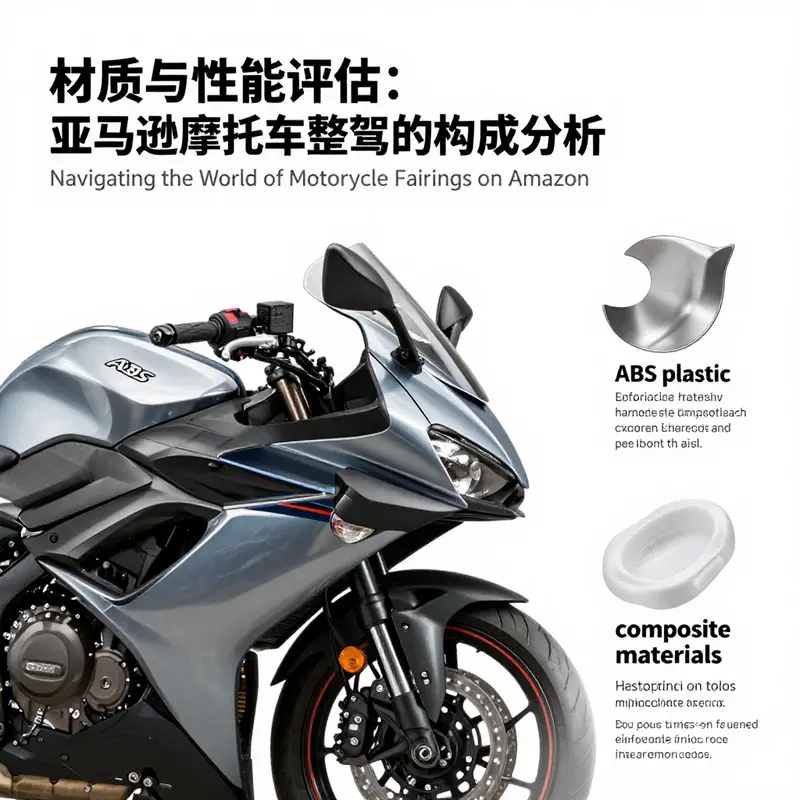
Materials are a second axis of differentiation that heavily influences value and performance. ABS plastic remains the most common base material in mass-market fairings, prized for its balance of stiffness, impact resistance, and affordable pricing. ABS-based kits are durable enough for daily commuting and occasional track days, and they lend themselves to a wide range of finishes, from solid colors to subtle textures designed to echo authentic carbon fiber. In more performance-oriented corners of the catalog, manufacturers and third-party suppliers offer composites and carbon-fiber look finishes. These options use fiberglass or high-strength plastics with a surface layer that mimics carbon fiber, delivering a sportier appearance without the premium cost of true carbon fiber. The trade-off is typically in weight and durability under high-speed impacts, but for many riders seeking a visually aggressive upgrade, synthetic carbon looks provide a compelling middle ground. Across both material families, the fit is crucial. A fairing can look striking, but if it warps, interferes with the steering lock, or rubs on tires at full lock, the aesthetic value collapses into a maintenance concern.
Beyond type and material, there is a whole ecosystem of special-purpose designs and add-ons that broaden what a fairing kit can deliver. Racing-oriented fairings often incorporate quick-release fasteners, designed to simplify on-track maintenance or rapid pit-stop changes. The idea is to minimize down-time, allowing riders to swap panels or shields with speed and reliability. There are also race-inspired pieces that pair with exposed or semi-exposed components to create an integrated look that communicates intent—whether in the paddock or on the street. For riders who prefer modularity, many kits are marketed as assemblies that can be added piece by piece. A common path is to start with a fairing set that bolts onto standard mounting points without permanent modifications and then incorporate ancillary pieces such as extended chin spoilers or wind deflectors that refine airflow characteristics. This modularity aligns with a broader consumer desire for customization without the commitment of major fabrication work. It makes the upgrade accessible to beginners while still offering a meaningful upgrade path for more experienced riders who want to experiment with different aerodynamic profiles or styling cues.
The practical lens on fitting the right fairing on a given machine hinges on compatibility and installation considerations. The catalog highlights a spectrum of fitment philosophies, from OEM-style replacement sets that aim to mirror a factory silhouette to more generic, universal kits that require careful alignment and some trimming. The promise of a smooth install—often marketed as “no need for welding or cutting”—is a strong driver for customers seeking a straightforward upgrade. This is where the idea of a modular approach becomes especially appealing. A rider can choose a full kit for a new look and improved airflow or assemble a lighter configuration that preserves the essence of the bike’s original geometry while delivering a fresh aesthetic. Installation hardware is a critical element in this conversation. It is common to find kits that come with a complete set of fasteners, clips, and brackets, along with detailed mounting instructions. A robust hardware package can often determine whether a kit feels secure at highway speeds or rattles in crosswinds. In practice, the best buys are those that present a transparent path from unboxing to a clean, ride-ready finish, with clear guidance on fitment across a range of models and years.
Market dynamics on the platform reinforce the appeal of certain design attributes. Among the most sought-after items on the most-wished-for lists in the powersports space are accessories and kits that combine model-specific replacement parts with high-quality finishes and practical engineering. The value proposition for many buyers is straightforward: a kit that fits without modification, offers a strong protective function, and enhances the bike’s appearance without sacrificing comfort. This is especially true for riders aiming to maintain a close-to-stock weight distribution and handling feel, while still enjoying the benefits of improved aerodynamics and an updated aesthetic. In this context, the emphasis on “original equipment manufacturer-style” replacement parts in some listings serves a dual purpose: it offers familiarity in mounting points and tolerances, and it reduces the risk of misfit that can arise from more generic designs. Yet the catalog’s breadth ensures there is something for every preference—from riders who want the most subtle, low-profile updates to those who seek a bold, race-inspired silhouette.
As a reader considers shopping strategies, the value of understanding the interplay between appearance and performance becomes clear. A full fairing kit can transform wind behavior by redirecting the boundary layer and shielding sensitive mechanical areas from debris and weathering. A well-designed screen or visor can reduce fatigue on long rides by smoothing the airflow around the rider’s torso, which translates to more comfortable highway miles and steadier control in crosswinds. More modest upgrades, such as side panels or protective wind deflectors, can offer incremental improvements and a chance to experiment with color and finish without committing to a comprehensive retrofit. The practical takeaway for shoppers is to define priorities first: Is the aim to reduce wind pressure on the chest and shoulders? To alter the bike’s visual language? Or to preserve original geometry while refreshing the exterior with improved surface protection? The answers guide not only the selection of specific pieces but also how to approach the shopping process on a platform that aggregates options from multiple suppliers, each with its own engineering priorities and manufacturing standards.
For readers who want to broaden their exploration beyond the immediate catalog, there is a path that balances novelty with practicality. A quick-click exploration into a dedicated category that highlights new offerings can reveal contemporary approaches to fairing design—such as updated mounting methods, lighter materials, and finishes that better resist UV exposure and weathering. This is where a targeted nudge toward the 2023 new fairings category becomes useful. By exploring that collection, riders can gauge current design trends, notice how many products emphasize easy installation, and observe how some listings advertise compatibility with a wide range of models. The goal is not to chase every new release, but to understand what a modern kit is prioritizing—whether it is aerodynamics, aesthetics, or ease of maintenance. The link to this category serves as a practical compass for readers who want to anchor their decisions in recent design trajectories and manufacturing capabilities, rather than relying solely on older, static references.
In weaving together the themes of type, material, and practical fit, the chapter returns to a central insight: Amazon’s motorcycle fairing catalog is a living interface between rider aspirations and engineering pragmatism. It invites a disciplined approach to upgrades, where the payoff is measured not just in looks, but in how the wind behaves around the machine, how easily the kit can be installed, and how robustly the hardware holds up under the stresses of riding. The best purchases are those that emerge from a clear assessment of needs, a candid appraisal of the bike’s existing geometry, and a willingness to adopt a modular mindset that prioritizes ease of upgrade and maintenance over a single, dramatic change. This approach aligns with the way serious riders think about their machines: they want parts that respect the bike’s original character while letting them tailor the experience to their riding style, climate, and comfort thresholds.
Finally, readers should approach the shopping journey with an eye toward long-term value. Fairings are more than cosmetic; they are components that interact with aerodynamics, weather exposure, and road debris. Materials, mounting hardware, and customer support for fitment guidance collectively influence the total cost of ownership. By choosing systems designed to fit a range of models without intrusive modification, and by prioritizing pieces that come with comprehensive installation kits, riders can realize a durable upgrade that remains visually coherent as the bike ages. The result is not merely a better-looking motorcycle, but a machine whose performance envelope has been expanded with a conscious, design-forward choice. As the landscape of online shopping continues to evolve, the lesson remains: a thoughtful combination of category awareness, material understanding, and modular installation options can turn a broad catalog into a precise, ride-ready upgrade plan.
External resource: https://www.amazon.com/s?k=motorcycle+fairing
Internal link note: For readers seeking a focused catalog of contemporary offerings in category development, see the 2023new category on the site. This internal resource highlights how newer designs are being positioned to simplify installation and broaden compatibility, offering a practical contrast to older, more rigid configurations. 2023new
Materials in Motion: How ABS, Composites, and Design Converge to Define Amazon Motorcycle Fairings
On a bustling marketplace like Amazon, motorcycle fairings are less a single part than a spectrum of solutions tied to purpose, price, and performance. Riders arrive with different bikes and ambitions, from urban commuters seeking wind protection to racers chasing marginal gains in top speed and stability. The fairings that show up in this ecosystem are not mere shells; they are functional systems whose composition shapes aerodynamics, weight, heat management, and even safety during a slide. In this chapter, we explore how the dominant materials—most commonly ABS plastic and various composites—interact with design choices to alter what a fairing can do on the road or the track. We also consider installation realities, quick-release concepts for race-oriented kits, and how consumer preferences are steering the market toward modular, OEM-grade replacements that can be swapped without heavy tools or modifications. The core message is simple: material choice and geometry are inseparable in determining whether a fairing merely covers the bike or actively enhances its performance envelope.
Two broad material families dominate the listings that riders encounter when browsing the Amazon marketplace. The first family centers on ABS plastic, prized for its strength, impact resistance, and weather resilience. ABS-based fairings are relatively inexpensive to produce, easy to mold into smooth, curved surfaces, and forgiving for riders who want a straightforward installation without specialized tools. The typical ABS fairing is designed to withstand road hazards, resist cracking under ordinary loads, and maintain its shape under sun, rain, and heat. These practical attributes translate into real-world benefits: a stable, predictable ride, less wind buffeting at highway speeds, and a surface that tolerates exposure to the elements without rapid fading or warping. In many cases, ABS fairings arrive as ready-to-assemble kits that include mounting hardware tailored to common frame geometries and standard radiator and instrument configurations. That compatibility is a decisive factor for riders who want to upgrade aesthetics and aerodynamics without custom fabrication or cutting.
A second, more nuanced category comprises composites and composite-simulated finishes. While true carbon fiber offers exceptional stiffness-to-weight ratios, the cost and manufacturing complexity often push fairing suppliers toward glass fiber or high-strength plastic blends that mimic the carbon look while preserving affordability. The appeal here is twofold: the visual impact of a racing-inspired weave and the potential for modest weight savings relative to pure ABS equivalents. For riders, this combination of appearance and performance can be compelling, especially when a fairing kit promises the crisp, high-contrast lines that evoke a sportier silhouette. The caveat is that composites and carbon-fiber-inspired finishes may require more careful surface protection and finishing work to resist micro-scratches and the eventual gloss- loss that can accompany repeated cleaning and polishing. Nevertheless, when these materials are paired with clean installation and high-quality mold tolerances, the result is not only an eye-catching upgrade but a tangible air-management improvement that contributes to reduced drag and calmer wind over the rider’s helmet.
The performance implications of material choices extend beyond aesthetics. Aerodynamic improvement hinges on the outer shape as much as the material itself. ABS parts can be engineered with refined radii, smooth transitions, and tapered edges that minimize turbulent wake across the front end of the machine. The goal is to shrink the frontal area presented to the wind, channel airflow efficiently around the rider’s posture, and reduce noise and buffeting at speed. When the design integrates with mounting points and instrument clusters, the overall airflow behavior becomes increasingly coherent, allowing the rider to sustain higher speeds with less fatigue. Composite skins, while sometimes offering a lighter weight, need to be paired with accurate tooling and precise layups to deliver consistent curvature and stiffness. In practice, the most successful fairings—whether ABS or composite—achieve a balance: a robust shell that resists impact, a finish that remains attractive under sun exposure, and a geometry that harmonizes with the bike’s frame and the rider’s riding position.
A notable design pathway in this marketplace is the inclusion of race-oriented fairings that emphasize rapid detachability. These kits often employ quick-release fasteners and modular panels designed for easy removal on track days or during maintenance. The rationale is straightforward: on a racetrack, riders and teams value time and serviceability, so a kit that can be disassembled in minutes without special tools becomes a practical asset. Even when not used on the track, such modular concepts influence street-oriented fairings by offering easier repair or replacement after minor impacts or road debris encounters. In this light, the material choice interacts with fastener systems and panel interfaces to determine how quickly a rider can swap damaged sections, upgrade aesthetics, or revert to a stock appearance. The integration of these features with the shell material—ABS or composite—illustrates a broader trend toward more adaptable, user-friendly products in the Amazon catalog.
Safety considerations intersect with material and design choices in meaningful ways. A fairing does more than shape air; it forms part of the protective envelope surrounding the engine and rider. When paired with engine guards or crash bars, a well-designed fairing can help absorb and deflect impact energy, reducing ground clearance damage during a slide and potentially mitigating secondary injuries to components that are expensive to replace. In practice, this means that some fairing kits are marketed not only for their appearance and air-flow benefits but also for their cooperative function with other protective accessories. The mounting system and panel architecture determine whether a fairing remains intact or succumbs to the first impact, and the choice of material influences how the shell behaves under stress. ABS tends to distribute impact energy across a broader area and resist brittle failure, while composites might offer greater stiffness but can be more susceptible to localized cracking if the protective layer is compromised. The best designs address both performance and safety by ensuring that the fairing contributes to aerodynamics without becoming a hazard in a fall.
From the rider’s perspective, the installation experience is inseparable from the perceived value of the upgrade. A fairing that promises aerodynamic gains but requires complex modifications or specialized tools may not deliver the expected return on investment. The market tends to reward solutions that are modular, with standardized mounting patterns and minimal, well-documented steps for installation. This is why many users gravitate toward OEM-grade replacement parts or kits that advertise compatibility with a wide range of frames and mounting points, without the need for welding, cutting, or permanent alterations. The balance here is delicate: a kit that is too generic may not align perfectly with a specific frame geometry, leading to flares, gaps, or misaligned fasteners. Yet when a kit is carefully engineered to fit a broad spectrum of models and to install with readily available hardware, it demonstrates the practical wisdom of modular design. In such cases, the fairing’s material choice—ABS for robust, weather-resistant performance, or composites for a lighter, sportier look—works in concert with a mounting plan that emphasizes ease of use and reliability over time.
Consumer preferences on platforms like Amazon reflect this balance. The most sought-after items tend to be those that combine performance potential with straightforward maintenance and a degree of personalization. Power-sports fairing kits that offer model-specific substitutions or OEM-grade replacements resonate with riders who value a seamless swap, maintained ride height, and predictable fitment. At the same time, there is a visible appetite for visually striking finishes, including carbon-fiber-inspired textures or glossy, color-matched surfaces that harmonize with a rider’s overall aesthetic. The tension between cost and quality is evident in the catalog. High-end composites deliver the look of racing hardware, but their perceived value is only realized if the finish holds up to the elements and the installation remains reliable over the long haul. ABS, with its proven durability and finish stability, still represents a mass-market staple, particularly for riders who prioritize practicality and value without sacrificing the benefits of modern aerodynamics.
To provide a practical pathway for readers navigating this landscape, consider the following integrated approach. Start by clarifying your riding mode and environment: will you primarily ride in urban conditions, or do you spend long stretches on highways and back roads? If longevity and weather resilience are top priorities, ABS-based fairings can deliver dependably. If you’re chasing a particular look or marginal weight savings, composites with a carbon-fiber aesthetic may be appealing, provided you accept the potential care these surfaces require. Next, assess the installation profile. Look for kits advertised as modular or OEM-grade, with explicit notes about compatible mounting patterns and the absence of welding or permanent modifications. The presence of quick-release fasteners, if offered, signals a design oriented toward frequent removal and replacement. Finally, think about safety integration. A fairing that supplies good protection, supports or complements engine guards, and maintains panel integrity after a minor impact offers more value than one that prioritizes aesthetics at the expense of durability.
For readers seeking a broader sense of how these design choices play out across different platforms, consider exploring a catalog that presents fairings in a model-agnostic context. Such a resource can illuminate how standardized mounting patterns translate into real-world compatibility, even when the bikes themselves vary in geometry, radiator placement, and instrument layout. This chapter has dwelt on the material foundations and performance implications, but the larger takeaway is this: in the Amazon marketplace, the most enduring fairings are those that align material science with thoughtful geometry, robust mounting, and practical safety features. The best choices empower a rider to experience reduced wind fatigue, quieter rides at speed, and a sense that the vehicle’s appearance reflects both personal taste and engineering intent. As new designs come to market, the conversation between form and function will continue to evolve, shaping what riders expect from a simple shell that rides with them every mile of the way.
To explore a broader context of model-wide fit and historical design patterns in the catalog, the Yamaha fairings section offers a window into how standardized patterns are applied across different model families. See the catalog here: Yamaha fairings.
External resource for further reading: For a detailed, practical look at ABS-based fairings and their real-world performance characteristics, see the external resource linked from the research results: https://www.amazon.cn/dp/B0XXXXXX
在风道与外观之间的专业市场:解码亚马逊摩托车整流罩的特殊用途与改装生态
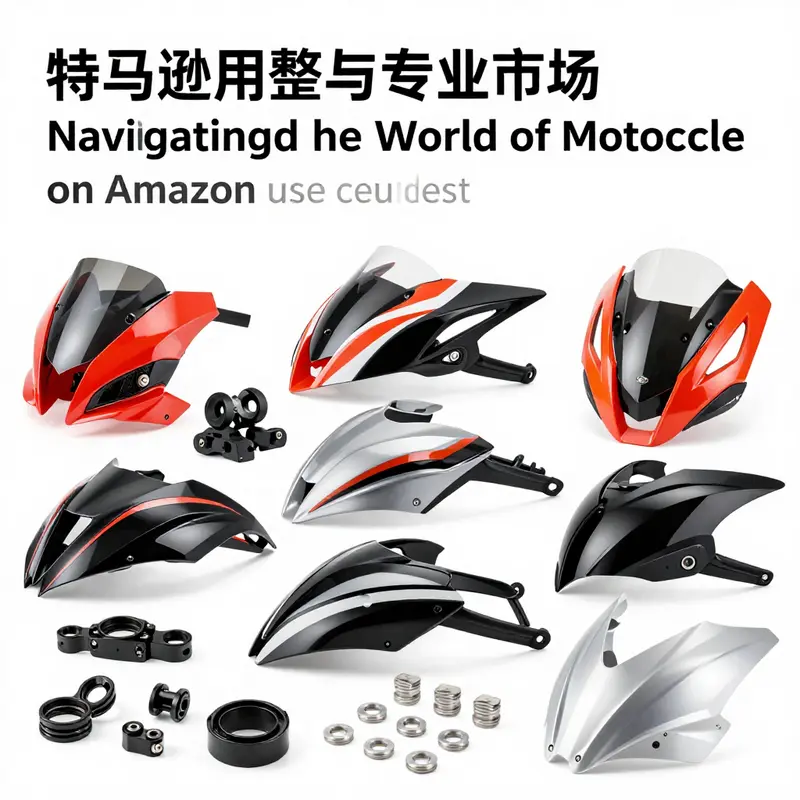
当我们把视线从单纯的外观改装转向空气动力学与功能性时,亚马逊平台上摩托车整流罩的专业市场就显示出一条清晰的演化轨迹。这一市场并非仅仅提供“美观的外罩”,它在某种程度上承担着把不同风格的骑行体验与复杂的机械改装联系起来的桥梁。整流罩在现代摩托车世界里既是前部空气动力管理的关键部件,也是个性表达的载体。亚马逊的卖家群体围绕着三大核心需求聚合:一是适用于不同车型的全包式或半包式设计,二是材料与制造工艺的可预见性,三是安装与维护的便利性。这些需求共同驱动了一个以专业性为导向、以快速更换和易维护为特征的细分市场逐步成形。
首先,关于产品类型的设计哲学,市场把整流罩分为几类基本形态,尽管不同厂商的命名略有差异,但核心功能和安装逻辑在很大程度上是一致的。全整流罩以覆盖前部甚至延展到座鞍区域为特征,主要面向追求极致空气动力学性能的运动型与长途巡航型骑手。它们通过降低风阻、优化迎风面来提升高速稳定性和长途的疲劳度,从而实现更高的巡航效率与更平顺的气流分布。半整流罩则更强调轻量化与风格化的视觉冲击,常用于改装派对的外观效果与车身重量控制的折中。侧盖板则作为整流罩体系的一部分,提供额外保护并增强前后视觉的一致性。这样的分类并非仅以美学为导向,而是综合考虑了空气动力学、盗窃防护、维修便利性以及车型的几何约束。
在材料与工艺层面,ABS塑料作为市场上的主力材料,因其强度、耐候性和成本效益而被广泛采用。ABS制品在高温、日晒与日常日常应力下的表现通常相对稳定,且可通过喷涂、贴膜或贴花等工艺实现与原车色彩的接近或完全一致。对于追求更高质感和运动感的细分需求,碳纤维风格的复合材料或玻纤增强塑料也出现在高端套件中。虽以“仿碳”为美术质感,但在耐热性、抗冲击性和抗老化方面,往往不及原生碳纤维材料,成本也随之抬升。这样的材料对比使得消费者在选择时必须权衡外观与长期使用成本,尤其是在长时间暴露于日光、雨水和高速气流中的情况。
关于特殊用途与配件的组合,专业市场的特色更为鲜明。赛车用整流罩作为一个重要分支,强调快速拆装的便捷性和现场维护的效率。快速释放扣具、两件套或分体式结构在这类产品中并不少见,便于在赛道日快速更换零部件,缩短整备时间,提升训练与竞速日的效率。与之并列的是通用紧固件套装,例如含有大量不锈钢螺栓、螺丝和夹扣的组合,为不同车型、不同品牌的改装需求提供了底层的硬件支持。这些配件的存在,使得整流罩的安装更具可重复性与安全性,减少在高速行驶中的松动风险。市场对这一类“整流罩+紧固件”的组合需求,往往伴随对模块化设计的偏好,即无需焊接或切割即可实现装载与更换的目标。
从消费者的角度来看,亚马逊的“最想拥有”清单反映出一个显著趋势:动力运动配件及其套件成为高关注度的品类。模型化、定制化与车型特定的替换件相互交织,推动了“原厂级替换件”与“高性能改装件”的并行发展。这一现象背后其实是对真实世界骑行体验的追求——快速换装、无缝配合、色彩与纹理的高度一致性。对于多数骑手而言,最具吸引力的往往不是单一部件的外观改变,而是整套解决方案的连贯性:颜色、光泽、边缘处理、顶盖与侧板的缝隙控制,以及与座椷高度、把手宽窄等人体工学参数的协调。
在安装与维护方面,市场的专业化也日益明显。许多卖家标注“与原厂规格相同等级的注塑件”,并强调“完美贴合、无间隙”的安装体验。这些说法的背后是一套严格的模具校准、品控流程与出厂前的组装测试。对普通车主而言,这意味着选择时需要更关注车型匹配的准确性、安装难度与后续维护的可行性。部分产品明确标注为“售后市场但非OEM零件”,这类信息对那些追求个性化外观且愿意承担额外调校工作的骑手来说,是一个重要的信号。对于这类件的安装,专业摩托车店的参与往往更能确保安全与性能的平衡,避免因不当安装导致的操控偏差或部件磨损。
在全球化采购与供应链的背景下,亚马逊的专业市场还体现出跨品牌、跨地区的协同效应。消费者从不同国家的卖家那里获取同一车型的改装件,往往能在同一页面内看到不同工艺、不同价格带的选择。这种多样性既扩展了购买的灵活性,也带来了一些需要注意的细节,如对照相容性描述、运输过程中的防护、以及对涂装和表面处理工艺的期望值管理。对于那些希望尽量缩短等待时间、实现快速上路的骑手而言,快速更换、无需焊接的模块化设计成为关键卖点,而这是亚马逊专业市场能够稳定满足的需求。
从信息获取的角度看,平台的用户评价体系扮演着重要角色。购买后的真实反馈帮助潜在买家判断某款整流罩是否在实际使用中具备良好匹配度、耐久性和贴合度。评估一个套件的价值,往往不仅看外观是否美观,更要关注其装配过程的可行性、部件配件的齐全度、以及在不同气候条件下的表现。这样的一种信息生态,促使卖家不断优化模具设计、改进包装和提升售后服务,从而在竞争激烈的市场中维持信任。
在本文的叙述中,值得关注的是一个连接点:对于那些希望系统性理解不同车型整流罩设计差异的读者,内部链接可以提供向更具体类别的跳转。例如,宝马整流罩系列在市场上形成了一个多元化的子生态,从设计语言到装配几何都有清晰的共性。这一点可以通过以下链接进一步探索:宝马整流罩系列。这类链接不仅帮助读者对比不同厂商的思路,也提供了对比不同风格和工艺的具体案例。
总的来看,亚马逊上的摩托车整流罩专业市场呈现出一个以功能性与定制化并重的生态。它连接着追求空气动力学改进的运动性 riders、热衷于视觉与风格表达的改装爱好者,以及需要在可控成本内实现快速更换的维护导向群体。对于消费者而言,最需要的不是单个部件的奇效,而是在众多选项中形成一个“整体解决方案”——一个色彩协调、材质一致、安装便捷、并伴随可验证性能的整流罩系统。随着市场的进一步成熟,模块化设计、快速拆装方案与全系兼容性的提升仍将是推动该领域发展的关键因素。
外部资源参考:如需进一步了解空气动力学对整流罩设计的影响与基本原理,可参阅 NASA 的空气动力学与阻力教育资源,了解如何通过表面形状与迎风面的分布来改善气流与降低阻力的基本思路。 参考链接: https://www.grc.nasa.gov/www/k-12/airplane/drag.html
Riding the Trend: How Amazon’s Motorcycle Fairings Reflect Demand for Custom Fit, Quick Access, and Dynamic Performance
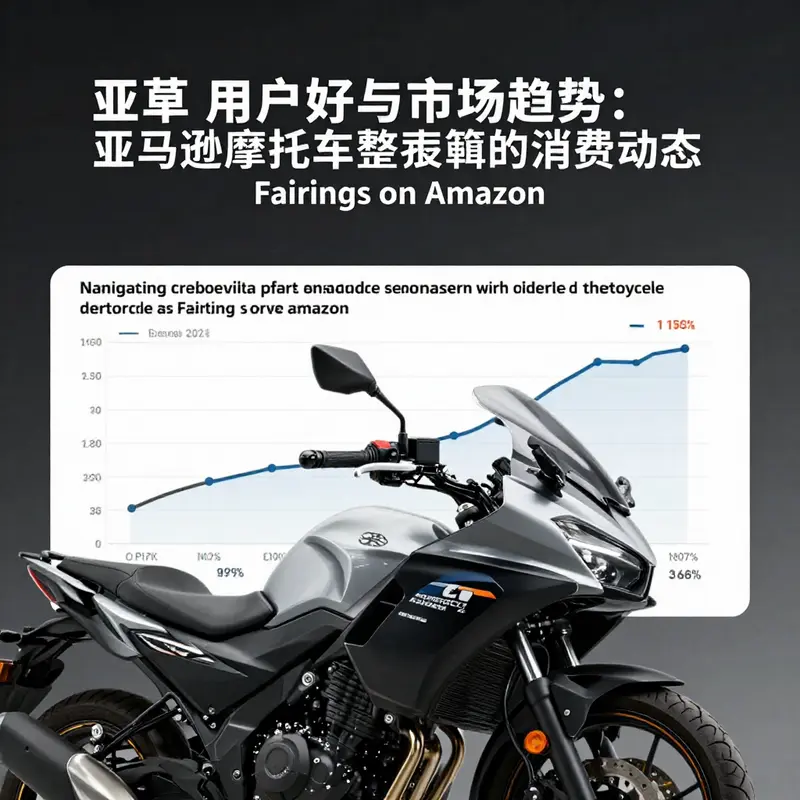
Few markets reveal how riders value technology, aesthetics, and practicality as clearly as the aftermarket fairings scene on Amazon. The chapter that follows explores how consumer preferences on this platform are shaping product design, material choices, and installation experiences. It reads the landscape not as a catalog of parts, but as a conversation between riders who seek better aerodynamics, bolder looks, and simpler, faster modifications. In this evolving marketplace, the most compelling products do more than cover a bike; they make a rider’s goals tangible—whether those goals are a smoother ride on long stretches, a sharper race-inspired silhouette, or the confidence that a kit will fit precisely with minimal fuss. Against that backdrop, the category of powersports fairing kits has become a lens through which we can understand broader shifts in customization, ergonomics, and value on one of the world’s largest shopping platforms for riders.
Riders arrive at Amazon with varied expectations. Some seek full fairings that cradle the front end, wrap around the fuel tank, and even extend toward the rear. The benefit is more than style: a well-integrated full fairing can meaningfully reduce wind fatigue on long rides, lower drag, and stabilize airflow around the rider’s torso and hands. Others lean toward half fairings or side panels, prioritizing weight reduction, ease of installation, and a leaner, more aggressive stance. The decision to select full versus partial coverage often comes down to a rider’s baseline objectives: comfort over hours in the saddle, the thrill of a sportier profile, or the desire to preserve serviceability and the ability to swap back to stock when circumstances demand. The market, in turn, rewards products that provide modularity—instant upgrades with the option to revert without costly modifications.
On Amazon, the strongest sellers are those that clearly marry fit, finish, and function. A growing segment emphasizes customization that goes beyond simply changing color or texture. Riders want dynamic, functional accents that can be integrated with existing electrical systems or lighting rigs. A notable trend is the emergence of plug-and-play, modular inserts and decorative elements that do not require invasive wiring or permanent hardware changes. This approach lowers the perceived risk of trying something new, reducing the time and effort required to achieve a cohesive look. In practice, this means kits that offer quick-release or snap-fit components, pre-drilled mounting points, and hardware that mirrors the specifications of common fasteners used in sport and cruiser motorcycles. The market’s emphasis on ease of installation dovetails with a broader consumer preference for immediate gratification—riders want to see the result of a modification soon after purchase, rather than embark on a long, complex project.
Material choice remains a decisive factor in purchase decisions. ABS plastic remains the workhorse of the category because it balances rigidity, impact resistance, and weather durability with reasonable cost. For many riders, ABS-based fairing kits offer dependable performance during daily commuting and weekend rides alike, and they are straightforward to install for the hobbyist who enjoys a hands-on project. Yet the appeal of more premium aesthetics—particularly the look and feel of carbon fiber—drives demand for composites that simulate carbon with glass fibers or high-strength plastics. These options provide a sportier, high-tech appearance that resonates with enthusiasts chasing an authentic racing-inspired vibe without paying the premium price of true carbon fiber. The conversation around materials on Amazon also underscores durability in the face of road hazards and climate exposure. Riders want kits that resist deformation, cracking, and surface wear after seasons of use. In practical terms, that means emphasizing products that maintain precise alignment with mounting points and preserve the intended aerodynamics even after repeated removal and reattachment.
The market’s appetite for model-specific fitment is another recurring theme. Consumers increasingly gravitate toward replacements that are designed for particular motorcycle families or genera—sport bikes, touring people, and everyday commuters—because they promise a cleaner integration with existing bodywork and a more consistent aesthetic. The appeal of model-specific, OEM-grade replacements lies in the predictable installation experience: parts align with existing mounting points, no custom fabrication is required, and the rider can achieve a factory-like appearance with a simple, reversible upgrade. This trend aligns with the broader consumer desire for reliability and value: a kit that fits well from the outset minimizes the risk of gaps, rattles, or misalignment that would otherwise demand further adjustment or professional help.
Access and practicality have become central to who buys fairings on Amazon. The platform’s breadth allows a rider to compare multiple options quickly, read reviews, and weigh the trade-offs between price, weight, finish, and fit. A notable sub-trend is the preference for items marketed as “no painting necessary,” which aligns with the desire to complete a look with minimal preparation. For many riders, the ability to swap a kit in without painting or extensive prep work is a deciding factor, especially for those who value a rapid, reversible upgrade. In parallel, the market shows resilience in offering complete kits that include risers, brackets, and hardware, as well as standalone components for riders who want to tailor a project step by step. The compatibility narrative—whether a kit fits a broad range of models or is tailored to a specific generation—plays a crucial role in search and purchase decisions, because buyers seek predictable results and a straightforward return path if something doesn’t align.
A striking reflection of rider sentiment is the continued interest in retro and café-racer aesthetics. While modern aerodynamics is a common selling point, many riders pursue vintage-inspired fairings that deliver a timeless look with contemporary durability. The appeal of retro styling is not merely about nostalgia; it signals a broader preference for designs that can fuse classic lines with modern manufacturing standards. Kits that offer transparent or gloss finishes, vintage shapes, and finishing options that are easy to customize resonate with a subculture of riders who want to express personality through their bike’s silhouette without sacrificing the benefits of modern materials and modular installation.
In terms of performance, buyers are increasingly aware of the aerodynamic realities that fairings can influence. The decision calculus extends beyond appearance to how a kit can affect ride quality in real-world conditions. For instance, certain fairing configurations are marketed with emphasis on reducing rider fatigue by smoothing air around the torso at highway speeds and keeping wind off the arms, chest, and head. Some products highlight airflow management features such as venting channels and carefully contoured profiles that direct air toward or away from the rider to minimize buffeting and turbulence. While the precise gains depend on the bike’s geometry and riding posture, the framing principle is clear: a well-designed fairing kit can convert a gusty ride into something more stable and controllable, particularly for long trips or aggressive riding styles. The practical upshot is that aerospace-inspired design language is increasingly translated into consumer-friendly products that promise real-world comfort alongside a sharper look.
The shopping experience itself shapes the market. Riders value clear product descriptions that tie the advertised features to tangible benefits—fitment notes, installation instructions, and the presence of quick-release hardware that makes removal and reattachment painless. Reviews matter, as riders share real-world impressions about fit and finish, the ease of installation, and the degree to which a kit’s profile aligns with their bike’s lines. The best listings translate technical jargon into accessible, actionable guidance while still offering enough technical depth for the more hands-on buyer. In this environment, a strong listing will also anticipate common questions: whether the kit requires repainting or prep, what kind of tools are necessary, and how robust the supplied mounting hardware is under dynamic riding conditions. When a listing delivers on clarity and confidence, it becomes a trusted reference point for the rider who is weighing whether to invest in a fresh, more integrated aesthetic versus keeping the stock look and feel.
The consumer motion on Amazon is also shaped by social proof. Most wished-for items in the powersports category tend to be those that deliver a compelling combination of fit, finish, and practical upgrades—such as modular, paint-free, and fast-install kits. Buyers are drawn to products that help them achieve a perceived OEM-grade replacement with the added flexibility of upgrade paths and modular components. In effect, Amazon users are voting with reviews, questions, and purchase histories for solutions that appear to reduce complexity while raising the overall experience of riding. The trajectory suggests manufacturers and retailers who invest in precise fitment data, accessible installation guidance, and robust, weather-tolerant materials will continue to perform well, especially as more riders begin to view their bike’s silhouette as a canvas for personal expression and performance tuning.
To connect the narrative back to practical navigation, consider what a rider seeking the right fit and look might do. They would first identify the category that best matches their bike’s type—sport, touring, or cruiser—and then examine kits that emphasize straightforward mounting and paint-free finishes. They would look for listings that specify compatibility with broad model families or generations, and they would weigh the promise of reduced air resistance against the realities of storage, weight, and maintenance. They would likely favor products that come with complete mounting hardware and hardware guarantees, as well as those that offer measured alignment with existing fairing lines so that the upgrade looks cohesive rather than improvised. They would also appreciate listings that provide practical guidance about how to achieve the best performance from their chosen configuration, linking the aesthetic change to rider comfort, handling, and confidence at speed.
For riders who want to explore more specific categories without committing yet to a particular brand or model, there is value in seeing how a comprehensive catalog approach translates to real-world fit and finish. One practical way to experience this is to browse a broader category that presents a spectrum of options, from full fairings to partials and side panels, and from classic to contemporary styling cues. This approach helps riders calibrate their priorities—whether their focus is on achieving a sleek, low-drag profile, preserving the stock ride characteristics, or embracing a bold, race-inspired look that signals intent even when the bike is stationary. As a result, the Amazon marketplace for motorcycle fairings becomes not just a shop but a proving ground where design decisions meet rider expectations, and where the best offerings rise to the top because they deliver on fit, durability, and ease of use.
To provide a tangible point of reference within this landscape, readers can explore a flexible, model-aware approach to selecting parts. A practical path is to consider factory-inspired, OEM-grade replacements that promise straightforward swapping and a cohesive finish with minimal modification. This philosophy aligns with riders who want a reliable upgrade without enduring downtime or complicated preparation. It also resonates with a broader market trend toward modular, plug-and-play solutions that respect the original architecture of the motorcycle while enabling a customized appearance and improved aerodynamics. As the catalog continues to mature, these principles—precision fitment, durable materials, ease of installation, and a balance between modern performance and retro aesthetics—will likely guide how products are designed and marketed on Amazon.
For readers seeking a curated glimpse into the broader marketplace and a sense of how product lines are evolving, consider visiting a page that highlights recent additions and new collections within the fairing category. This helps illuminate how the platform surfaces new ideas while maintaining practical compatibility with a wide range of bikes. The page serves as a reminder that the best upgrade kits are those that fold seamlessly into a rider’s existing setup, rather than forcing a compromise between form and function. It also demonstrates how a consumer’s journey—from discovery to purchase to installation—can unfold with confidence when the listing communicates clear expectations and dependable performance.
If you want to contextualize these observations within a broader ecosystem of motorcycle aesthetics and aerodynamics, a foundational resource on drag and its implications for vehicle design offers valuable grounding. Understanding the basics of drag coefficients, flow separation, and how surfaces interact with airflow helps riders appreciate why certain fairing shapes and materials perform the way they do in practice. For a concise, rigorous overview, see the external resource on drag in physics. This background enriches the screenshot-level experience of shopping for fairings by linking visual appeal to tangible performance outcomes, enabling riders to make more informed choices that align with their riding goals. Further reading on drag and aerodynamics can be found here: https://en.wikipedia.org/wiki/Drag_(physics).
Internal link note: for readers who want to explore more generic fairing categories and how they relate to model families, the site also hosts a dedicated section that aggregates fairings by category rather than brand. You can explore a neutral, non-brand-specific collection at the 2023 new category page, which often highlights fresh designs and updated compatibility notes. This page can be accessed here: 2023 new products. It serves as a useful compass for shoppers who are weighing new arrivals and looking for designs that harmonize with current styling trends while offering straightforward installation paths. Even as brand-focused options proliferate, such a neutral hub helps riders evaluate form, function, and fit without the pressure of chasing a single manufacturer’s lineup. It also demonstrates how the market is embracing a broader spectrum of aesthetics—from pure race-inspired silhouettes to more understated, refined clients that emphasize longevity and a polished street presence.
In sum, the Amazon motorcycle fairings market embodies a confluence of three enduring currents: the relentless push for better aerodynamics and rider comfort, the impulse toward personal expression through style, and the growing appetite for practical, reversible upgrades that respect the bike’s original architecture. The strongest products in this ecosystem deliver clear fitment, robust materials, and installation pathways that enable enthusiasts to take control of their ride with confidence. They recognize that a fairing kit is not simply a cosmetic add-on but a collaboration between human intention, engineering, and the realities of real-world riding. As riders continue to seek faster, more comfortable, and more individualized experiences, Amazon’s fairing category will keep evolving—feeding a cycle of design innovations that help riders feel, and look, faster, safer, and more in command on every road they traverse.
Final thoughts
In summary, the realm of motorcycle fairings on Amazon is rich with opportunities for business owners. By understanding the varied types, materials, specialized applications, and shifting consumer preferences, businesses can better position themselves to meet market demands and optimize their offerings. As the motorcycle accessory market continues to evolve, staying informed and adaptable will be essential for capturing consumer interest and driving sales.