
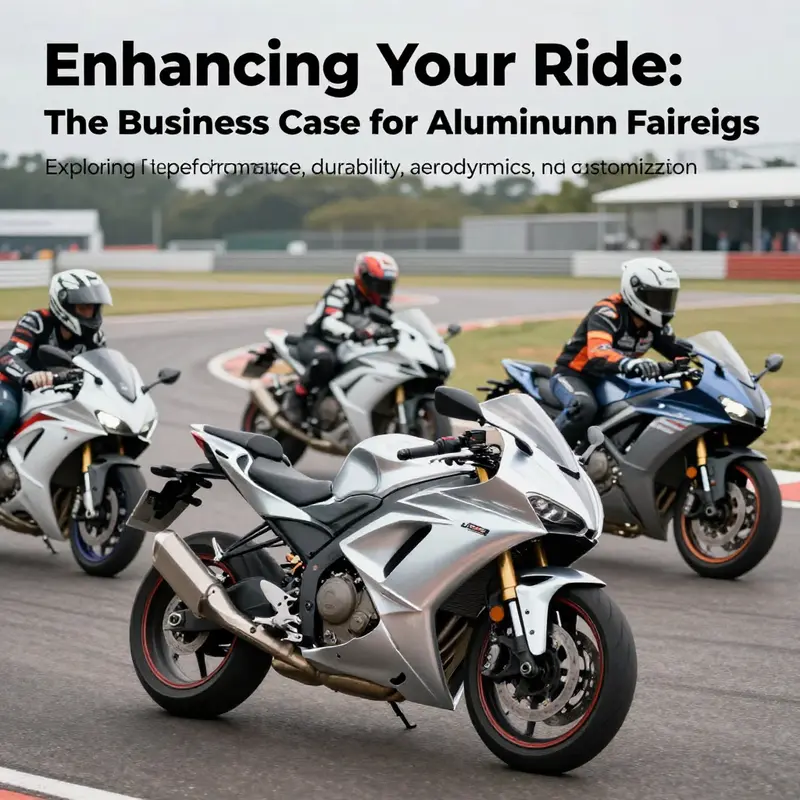
Aluminum motorcycle fairings are becoming an essential element for custom motorcycle builds, offering a perfect blend of performance, durability, and aesthetic charm. These fairings not only protect vital components but also improve overall riding experience. Business owners in the motorcycle industry should take note of the increasing demand for aluminum fairings, as they provide distinct advantages over traditional plastic options. This article delves into the performance aspects, durability and maintenance considerations, aerodynamic benefits, and customization opportunities offered by aluminum motorcycle fairings, providing a comprehensive understanding for those looking to enhance their offerings.
Rugged Precision: Unpacking the Performance Promise of Aluminum Motorcycle Fairings

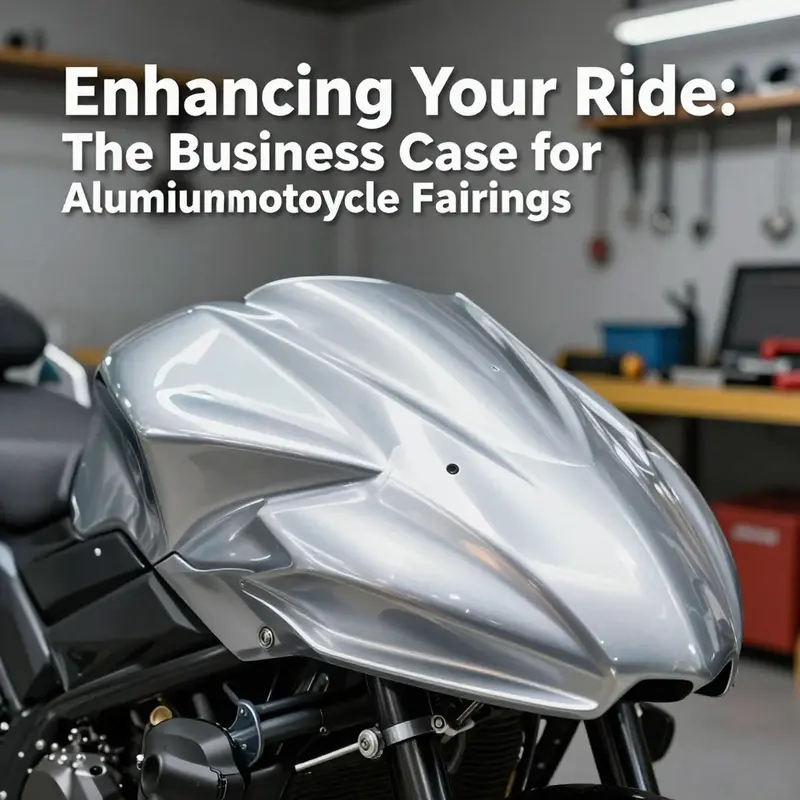
Aluminum has long lived in the background of engineering as a material that blends stiffness, toughness, and workability. When that metal is shaped into motorcycle fairings, it does more than simply cover the bike. It becomes a functional element that can influence handling, rider protection, and the overall aura of a machine. The performance story here is not about a single metric but a balance sheet of strengths and trade offs. Aluminum fairings are not as common as some other materials, yet they offer a unique blend that certain riders find indispensable. They are most compelling when engineers and riders look for a durable, long run option that does not trade resilience for elegance or lightness. The result is a fairing that feels premium in both form and function, a skin that can endure the test of weather, road debris, and the rapid demands of mixed riding regimes that span long highway stints to twisty mountain passes.
To appreciate what aluminum brings to the table, it helps to start with how the material behaves in the harsh environment of a motorcycle. Aluminum alloys used in fairings have a good strength to weight ratio and a natural resistance to corrosion when properly treated. A typical alloy in this family can be machined to tight tolerances and fashioned into hollow sections that preserve strength while thinning material where it helps most. The practical upshot is a shell that can be robust enough to shrug off knocks from gravel and curbs yet precise enough to mount behind a windscreen with little flex under stress. This combination yields a confident, direct feedback through the handlebars at speed that some riders associate with a sense of predictability and control. The feel matters, because at highway speeds the fairing is not just about how it looks, but about how its surface interacts with the air, how it carries rain and wind away from the rider, and how its rigidity translates into the stability of the entire chassis.
Strength and impact resistance sit near the top of the list of performance advantages. Aluminum can absorb and distribute impact energy in a way that helps prevent catastrophic cosmetic damage. In a low speed bump with a curb or a parking lot scrape, the outer skin may scuff and bend but rarely shatters. This resilience matters more when the rider is far from a roadside repair and wants a shell that holds its form through a long trip. The practical benefit is not solely aesthetic; it is the safer ride that comes from maintaining the engine bay protection, wiring harnesses, and radiator ducting that often run through or behind the fairing. Strength translates into less risk of a sudden deformation that would complicate control, particularly if an encounter with debris or a rough road occurs at speed. The stainless steel or alloy fasteners that join the pieces are chosen to maintain that integrity, and the result is a skin that can shrug off mechanical tests that would leave brittle plastics looking worse for wear. In the end, the rider notices a fairing that remains true after a long day on the road, a shield that continues to do its job without nagging reminders about its fragility.
Aerodynamics is another critical dimension where aluminum demonstrates its potential when designed with care. Aluminum can be formed and joined in a way that yields smooth, continuous surfaces with minimal seams. When the design team deploys wind-tunnel informed curves and carefully integrated ducts, the fairing can guide air efficiently around the rider and the engine bay. A well designed aluminum shell reduces wind tug at high speeds, lowers drag, and improves stability by smoothing the wake created behind the bike. Yet aluminum also has a rigidity that can complicate the pursuit of the most aggressive, sculpted shapes that wind-tunnel fine tuning sometimes demands. In practice, this means aluminum fairings shine in designs that prioritize clean lines, robust radii, and carefully engineered junctions with other bodywork. The result can be excellent highway manners and strong high speed comfort, particularly on sport touring and touring bikes where long rides demand predictable airflow and minimal buffeting. The architecture matters as much as the alloy in this case, because the same material used for a simple shield can also host performance oriented features such as integrated air channels and mounting points that keep the surface smooth and the rider feeling connected to the machine.
Weight is another essential variable. Aluminum sits between the very light composites and some heavier metal skins, and its weight is sensitive to how the fairing is engineered. In practice, modern aluminum fairings can be built with hollow sections or machined features that reduce mass without sacrificing stiffness. The challenge is a careful balance: you do want to keep weight down for quicker acceleration and more responsive handling, but you also want real strength for protection and durability. In many configurations, the aluminum fairing ends up being heavier than a typical fiberglass or carbon counterpart, yet it compensates with superior impact resistance, longer service life in salty or rugged environments, and a high level of rigidity that translates to more direct steering inputs and feel through the handlebars. For riders who place value on a sense of solidity and durability, the extra mass is a worthwhile trade off, especially on long tours or in areas where road surfaces are less forgiving. When the fairing is designed with integrated features such as air vents, mounting points, or built in windshields, the mass is not merely a drawback but a byproduct of functional, durable design that reduces the need for frequent replacements.
Aesthetics play a quieter but equally important role in the performance equation. Aluminum fairings often reveal a premium, machined finish or a metallic sheen that stands out on modern street machines. The surface quality communicates care and precision, which in turn colors the entire riding experience. For owners who crave a custom look, aluminum supports high levels of customization. It can be painted, powder coated, or wrapped, and the machinability enables tight tolerances and logistically clean mounting integration. The result is a skin that not only performs but also makes a strong visual statement about the rider and the bike. The metallic surfaces catch light in ways that plastics rarely replicate, and the ability to sustain a high polish or a matte industrial look gives owners a wide range of styling options that hold up under the elements. In this sense, aluminum fairings function as part of the bike’s personality as well as its performance envelope, making them a natural choice for riders who equate riding with a look and a feeling that are as persistent as the road beneath them.
The practical side of installation and durability is inseparable from performance. Aluminum fairings require a robust mounting approach to preserve that sense of stiffness and alignment that riders expect. This means high quality fasteners, corrosion resistant coatings, and well designed attachment points that endure repeated heating and cooling cycles as the bike runs through weather and road conditions. A complete hardware approach, including truss screws, washers, and appropriate well nuts, helps maintain the finish and the integrity of the installation over time. The goal is a mounting system that holds a smooth exterior while resisting loosening vibrations and the pull of wind that can gradually shift those connections during long distance rides. In many cases, the teams behind aluminum fairings emphasize compatibility with riders who favor aftermarket options and customization. They emphasize modules that keep the fairing stable at speed, allow for straightforward serviceability, and preserve the glaze of the finish. For riders who want to explore how aluminum fairings fit different models, a dedicated category of aluminum based options exists that can be browsed to match specific bikes. For Kawasaki models, the available category showcases the range of aluminum skins and their mounting assemblies, making it easier to align a fairing with the bike’s silhouette and mounting hardware. This approach reduces guesswork and helps maintain the pristine look that aluminum can deliver when installed with care. If you are curious about how aluminum fairings fit with specific model families, you can explore the Kawasaki fairings section to see how the shapes and mounting patterns align with that brand’s lines.
Beyond the hardware and the mounting logic, aluminum fairings open doors to a broader ecosystem of aerodynamic aids and performance oriented enhancements. CNC machined winglets or small aerodynamic deflectors can be added to certain designs to influence the flow of air around the front wheel and the rider. These elements, sometimes referred to as winglets or shark fins, serve to guide air to where it does the most good. They can contribute to improved stability at higher speeds, a calmer air cushion for the rider, and a more predictable wind breakout for the tail of the bike. While these features carry a performance premium and require precise alignment and integration, they illustrate how aluminum can support sophisticated, purposeful modifications without bending or cracking under pressure. The combination of robust shell, purposeful detailing, and a broad scope for customization makes aluminum fairings a compelling option for riders who value both resilience and personalization. In practice, the most effective aluminum skin is built as a cohesive system rather than a sum of independent parts, where the fairing and its mounting hardware, windscreen, and any added aero features all communicate through carefully engineered connections and surface geometry. For riders who want to explore a path that merges tradition with modern performance, aluminum fairings offer a stable foundation that can evolve with the bike over many seasons.
The topic of customization is not an afterthought. Aluminum fairings have built in advantages for personalization because their surface can host a range of finishes without losing integrity. The raw machined look, the possibility of powder coating, or high gloss paints can be applied while maintaining the shell integrity. Wrapping is another viable option, letting riders express their personal style without sacrificing structural performance. OEM service options can also be available, enabling custom design work tailored to specific models or branding needs. The combination of durability, aesthetic appeal, and the potential for bespoke finishes makes aluminum fairings a compelling choice for riders who treat the bike as both a machine and a canvas. It is this blend of function and form that keeps the aluminum skin relevant in a market where many riders seek components that can deliver both on the open road and in the garage when the bike is being prepared for a show or for a longer trip.
In the broader context of fairing materials, aluminum sits alongside a family of options that each offer a different balance of weight, aerodynamics, and durability. The choice often comes down to how a rider expects to use the bike and what their tolerance level is for maintenance and repair after wear and tear. For a rider who values longevity, weather resilience, and a premium look that ages gracefully, aluminum fairings can offer a compelling combination. They are especially appealing for sport touring and touring motorcycles, where long road commitments demand materials that will stay solid across a range of climates and road conditions. The result is a practical, aesthetically pleasing, and dependable skin that supports the bike’s performance narrative rather than obscuring it. For readers who want to explore the practical implications of material choice further, a well regarded external resource offers a broader technical comparison of fairing materials and how they alter on road dynamics and handling: https://www.motorcycle.com/technology/fairing-materials-comparison/ .
For those who want to take a closer look at the practical ecosystem around aluminum fairings, a useful entry point is to explore categories that tailor alloy based skins to specific model families and brands. The Kawasaki fairings section, in particular, provides a sense of how aluminum skins are aligned with model design and mounting architecture, which can help a rider assess the feasibility and cost of a swap or upgrade within a known ecosystem. The combination of brand aligned fitment, robust hardware, and a high quality finish is what often tips the scale in favor of aluminum for riders who plan to keep a bike for many seasons. The ability to maintain the shell with minimal cosmetic deterioration, while also enhancing aerodynamics and ride feel, makes aluminum fairings a thoughtful investment for riders who view the bike as a long term partner in performance and style. Ultimately, the choice of material comes down to how the rider balances durability, weight, and refinement against the expectations for performance in various riding scenarios. Aluminum fairings, in this sense, offer a durable, adaptable, and visually striking option for riders who seek a distinct blend of capability and character in their motorcycles.
null
null
Shaped by Wind: The Aerodynamic Edge of Aluminum Motorcycle Fairings
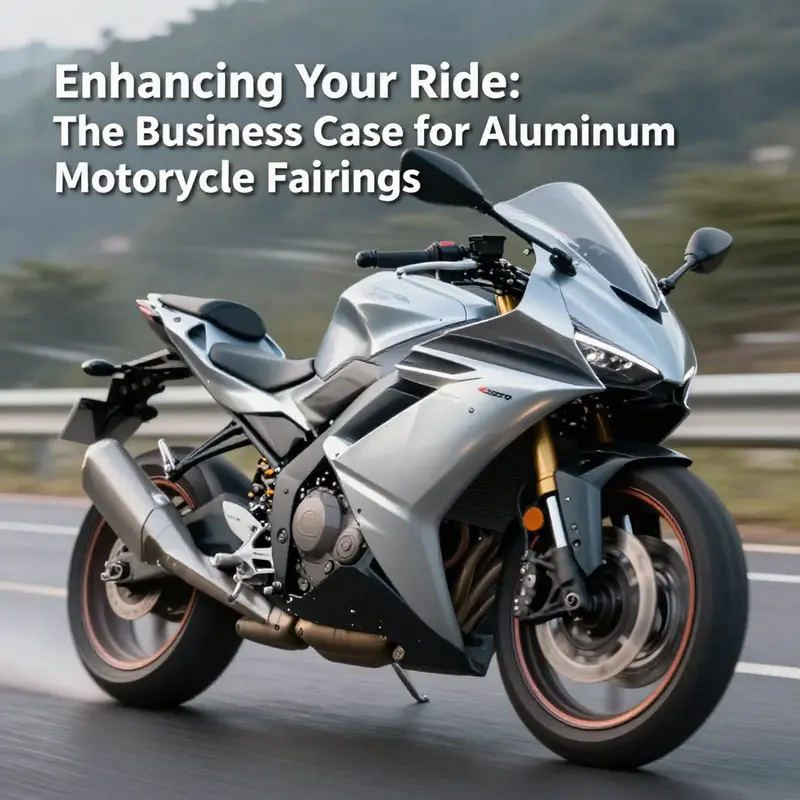
The open road is a test bench where every gram of drag becomes a verdict in speed, efficiency, and rider comfort. Aluminum motorcycle fairings sit at the nexus of form and function, blending engineering precision with a pared‑down, weight‑savvy aesthetic. They are more than cosmetic shells; they are active aerodynamic bodies that sculpt the flow of air around the motorcycle and rider. When the wind meets a well‑designed aluminum shell, the interaction is less about a stiff, rigid shield and more about a tuned partnership that channels air in ways that reduce resistance, stabilize motion, and even influence the feel of the chassis. The result is a package that can deliver measurable gains in performance and endurance, while still offering the durability and customization options riders expect from modern machinery. The aerodynamics of aluminum fairings emerge from a careful balance: the material’s strength and stiffness allow more aggressive shaping without sacrificing structural integrity, and its surface can be finished with a high quality that minimizes roughness and maintains laminar flow where possible. The practical upshot is a shell that can be formed into clean, continuous contours—edges that trim separation, surfaces that guide wake, and transitions that fuse rider, bike, and air into a single streamlined entity. This is the essence of aluminum fairings as performance hardware, not merely as bodywork.
At the heart of their aerodynamic prowess lies a simple but powerful truth: smoothness of flow translates into less drag and more usable power. Drag, the opposing force the bike must overcome to move through air, can rob acceleration and efficiency, especially at highway speeds. Aluminum’s relatively high stiffness-to-weight ratio makes it possible to engineer fairings with tight tolerances and stable profiles. With plastic, designers sometimes trade stiffness for flexibility, which can lead to micro‑warping or flex that subtly alters the surface geometry under load. Aluminum, when properly formed, holds its shape with precision. This precision matters because even small deviations in contour can shift the point at which flow reattaches after separating from a surface. In other words, a well‑executed aluminum fairing minimizes flow disruption and reduces pressure drag, which is the component of drag most affected by the shape and surface quality of the shell.
The aerodynamic advantages of aluminum fairings manifest across several concrete dimensions. First, there is the straightforward benefit of weight neutrality relative to the performance gain. Aluminum keeps the overall mass modest while enabling more aggressive contours than softer plastics might tolerate, especially when those plastics must accommodate mounting points, stiffeners, and integrated brackets. A lightweight shell reduces the inertial penalties during acceleration and deceleration, allowing the bike to respond more crisply to rider input. The rider feels a more immediate connection to the bike as shifting wind loads and airflow patterns are better harnessed by the fairing’s geometry. Second, aluminum enables precise shaping and finishing that are core to aerodynamic optimization. Complex curves, gentle transitions, and sharp trailing edges can be machined or formed with exacting accuracy. This level of precision reduces turbulent eddies that would otherwise form behind the rider and along the bike’s sides, easing the wake and lowering overall drag. Third, aluminum supports integrated aerodynamic features that would be more challenging with other materials. Wing-like additions, fences, or micro‑deflectors can be machined or welded into a shell without compromising structural integrity. These features can actively guide airflow around the rider’s torso and over the motorcycle’s silhouette, increasing stability at speed and smoothing the ride through gusty conditions. In this way, the aluminum shell becomes a platform for aerodynamic engineering rather than a passive cover.
The practical benefits of this approach show up in several performance metrics that riders and engineers care about. Fuel efficiency improves as parasitic drag declines, especially on long rides or sustained highway cruising where air resistance accounts for a large portion of energy expenditure. Higher top speeds become more attainable when the fairing maintains a stable, laminar flow around the bike, reducing the energy that would otherwise be squandered on turbulent wake. Stability at high velocity, a common concern for sport and touring bikes alike, benefits from reduced buffeting and more predictable handling as the rider tenses to counter wind gusts. In many cases, these aerodynamic improvements also translate to a more comfortable riding experience. Reduced fatigue means riders can maintain focus and form for longer periods, which is a non-trivial performance advantage on time‑sensitive events or endurance trips.
A major point of flexibility with aluminum fairings is the ability to tailor their aerodynamics to specific riding contexts without sacrificing durability. Aluminum’s formability supports precision shaping—from the windscreen profile to the fairing’s side contours—that aligns with a rider’s posture, seating position, and the bike’s engine cooling needs. When a fairing’s surface is designed to optimize flow, the wind is guided smoothly toward and past the rider’s torso, reducing the aerodynamic penalties of wind pressure against the chest and shoulders. That smoother interaction also interacts with the bike’s overall avenue of escape for heat. A well‑designed shell acknowledges that the radiator and engine require space and airflow, and it negotiates both roles without creating drag hotspots or obstructing cooling air.
Another practical dimension of aluminum aero design is the potential for targeted enhancements through machined features. CNC machining can yield precise winglets, deflectors, and small fins that function as micro‑aerodynamic components. These elements do not merely embellish the bike’s look; they influence how air negotiates the front of the fairing and the nacelle areas around the rider. In high‑speed riding, even tiny surfaces can alter the boundary layer—an invisible sheet of air hugging the surface—that determines how quickly the air transitions from smooth to turbulent as it flows over the fairing. By shaping these interactions with care, designers can reduce flow separation at critical points, such as near the windscreen, the rider’s helmet, or the fairing’s trailing edges. The result is a more coherent aerodynamic package where every line and edge serves a purpose in air management.
Aesthetic ambitions and aerodynamic logic are not at odds in aluminum fairings. The aluminum shell can be finished to maintain a glossy, smooth surface that minimizes surface roughness and the associated drag penalties. A clean surface reduces skin friction drag, a component of total drag that can accumulate across the entire fairing. This is why surface treatment, from precise polishing to uniform painting or wrapping, matters as part of the aerodynamic package. The choice of surface finish also affects durability in harsh weather, contributing to corrosion resistance and long-term structural integrity. In touring and commuting contexts, where exposure to rain, road salt, and varying climates is routine, aluminum’s corrosion resistance helps preserve the shell’s geometry and its aerodynamic effectiveness over time. In performance contexts, that durability supports sustained aerodynamic advantage, even as miles accumulate and the fairing bears the weight of road grime and impacts from debris.
The design language of aluminum fairings often embraces modularity and customization. The ability to produce complete replacement kits that include aluminum fasteners, trim pieces, and brackets supports a coherent, corrosion‑resistant assembly. The hardware chosen for mounting is not an afterthought; it’s a crucial part of maintaining the fairing’s aerodynamics and appearance. Corrosion‑resistant fasteners ensure that the fairing maintains its stiffness, alignment, and surface finish through years of riding in varying weather. The result is a system that can be refreshed or upgraded without compromising the airflow it was engineered to create. For riders who want to push the aesthetics a notch further, painting or wrapping the aluminum shell is a straightforward path to personal expression while preserving the shell’s aerodynamic integrity. OEM and custom design services often exist to tailor the fairing to a given model, balancing required cooling airflow, engine access, electrical routing, and wind management with the bike’s intended use and rider preferences. In this sense, aluminum fairings become a platform for a holistic performance approach rather than a single feature of cosmetic improvement.
A representative implication of this aerodynamic philosophy is the willingness to adopt modular, model‑specific approaches within a universal platform. Some riders prefer to start with a universal shell and then add or remove features to align with their riding style. Others seek fixed, model‑specific fairings designed from the start to match a bike’s geometry and rider ergonomics. The material’s adaptability makes both paths viable, with the guarantee that aerodynamic benefits remain tied to the shell’s geometry and surface quality. A thoughtful design process weighs the balance between mass, stiffness, and aerodynamic load paths. The goal is not to maximize raw curves or to chase the most aggressive lines, but to sculpt a shape that harmonizes rider posture, engine cooling, and wind‑induced forces into a stable, efficient whole. In the end, the aerodynamic advantage of aluminum fairings rests on a synthesis of precise shaping, surface quality, and intelligent feature integration that respects the rider’s control, the bike’s powertrain, and the wind that travels with them.
For readers who want to connect the theory with practice, it helps to see how these principles appear in real‑world products and configurations—how fairings can be shaped to reduce drag while accommodating riders’ needs for visibility, weather protection, and control. The point is not to chase exotic shapes for their own sake, but to craft aerodynamics that remain robust under dynamic riding conditions. Aluminum’s strength makes it possible to implement clean lines and hard‑edged transitions that a softer material could not hold over time without deformation. The same property enables safer integration of features such as windscreen edges and interior contours that reduce buffeting around the helmet and shoulders. When executed well, the resulting fairing feels almost invisible as air moves around it, while the rider experiences a tangible sense of efficiency and stability at speed.
This chapter aims to connect the material science of aluminum with the practical realities of riding—a blend of physics, engineering, and rider intuition. The aerodynamic benefits discussed here are not abstract ideas; they are the visible outcomes of careful contouring, precise finishing, and thoughtful integration with other motorcycle systems. Aluminum fairings, as a result, offer a compelling combination of performance, durability, and design flexibility. They empower riders to pursue higher efficiency, faster top speeds, and steadier handling without compromising the bike’s aesthetic appeal or long‑term reliability. In the larger arc of motorcycle design, aluminum fairings represent a pragmatic triumph: a material that can be formed to meet aggressive aerodynamic goals while standing up to the demands of exposure, weather, and time. As riders seek to optimize both performance and personality, the aluminum fairing stands ready to channel wind into a friendlier ally rather than a disruptive force. A nod to the practical side of this approach is evident in the way multiple fairing families are organized and offered as compatible options. A glimpse into a broader ecosystem—such as the BMW fairings collection—illustrates how aluminum shells can be tailored to a wide range of models without sacrificing the aerodynamic core. This synergy of customization and aerodynamics is at the heart of why aluminum remains a preferred choice among riders who demand both performance and resilience from their bodywork.
In sum, aluminum fairings demonstrate that aerodynamic excellence does not require sacrificing durability or aesthetics. The material’s properties enable precise shaping, stable contours, and the integration of directed airflow features that reduce drag, improve stability, and enhance efficiency. The result is a bike that cuts through the wind with less effort, delivering a more responsive ride and a more enduring performance envelope. It is a careful balance of science and craft, where the shell is not merely a defense against the weather but a dynamic partner in the rider’s quest for speed, control, and confidence on every mile of the road. For riders and builders alike, this is the essence of the aerodynamic edge that aluminum fairings can bring to modern motorcycles.
Internal link: BMW fairings collection
External resource: For a deeper dive into how fairings influence performance through material behavior and airflow, see Motorcycle Aerodynamics: How Fairings Improve Performance. https://www.motorcycle.com/motorcycle-aerodynamics-fairings-performance/
Shaped by Light and Steel: The Craft and Character of Aluminum Motorcycle Fairings
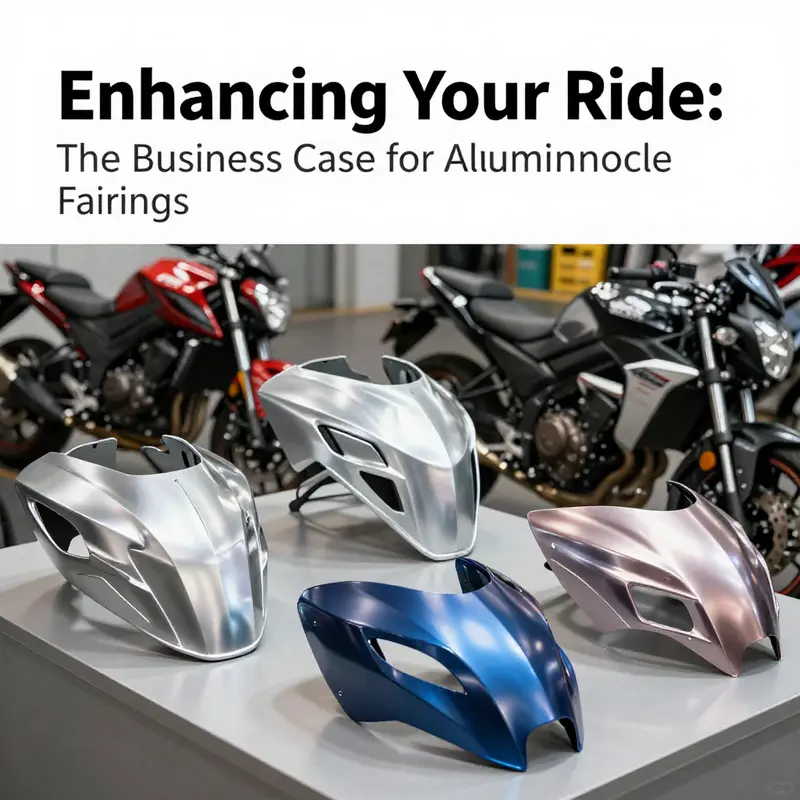
Aluminum motorcycle fairings have earned a reputation beyond their first duty of streamlining a bike’s silhouette. They are a material declaration, a statement that performance and personality can ride in tandem. When a rider looks at an aluminum fairing, they see more than a shield against wind and debris. They see a canvas where engineering discipline meets design emotion. The choice of aluminum signals intent: a commitment to precision, durability, and a readiness to personalize a machine so that it speaks with the rider’s own voice. The material’s appeal rests not only in what it does under a rider’s hand but in how it behaves when the ride begins. Aluminum is light, but it is also strong enough to support aggressive aerodynamics, thermal protection for engine components, and the subtle, intricate details that turn a factory build into a personal one. In this sense, aluminum fairings sit at the intersection of performance engineering and aesthetic storytelling. They enable a bike to cut through air with minimal drag while inviting a longer look and a deeper appreciation for the craft that shaped them.
The practical advantages of aluminum begin with its physical properties. Compared with traditional plastic alternatives, aluminum alloys bring superior resistance to corrosion and impact, which translates into longer term reliability in varied weather conditions and rougher road surfaces. A fairing carved from billet or forged from high grade alloy becomes less prone to cracking under bumps and less susceptible to pitting in a salt spray environment. The higher stiffness to weight ratio of aluminum also means that the structural load the fairing must bear shielding the rider and protecting engine components can be managed with a thinner, more aesthetically precise skin. This translates into a bodywork package that feels both robust and refined.
From a manufacturing perspective, aluminum is inherently friendly to the kind of detail work that elevates a bike from a functional machine to a personal sculpture. CNC machined surfaces, carefully milled edges, and machined texture patterns can be integrated into the fairing without sacrificing the material’s strength. The tactile quality of machined textures catches light in a way that flat plastics simply cannot, creating visual depth that changes with the angle of the sun or the shifting gaze of a rider leaning into a bend. The potential to work with forged billet stock opens another dimension of precision and symmetry. A forged or milled aluminum cover can feature flawless alignment with adjacent components, a requirement when the fairing is designed to accommodate windshields, headlights, and mounting hardware with exacting tolerances. In practice, this means a seamless transition from the edge of the fairing to the rider’s line of sight, from the leading edge into the curve of a windshield, and from the outer surface to the subtle interior channels that manage airflow and cooling attention.
Aesthetics are not an afterthought but a guiding principle in aluminum fairing design. Premium finishes lend a language of sophistication that plastic pieces often struggle to convey. A forged billet aluminum cover with machined details can be finished in dual anodized tones black and raw aluminum to create stark visual contrast while preserving the metal’s natural warmth. Anodizing stabilizes the surface against wear and corrosion, while also allowing a play of light that highlights edges knurls and textures. The result is a surface that ages with character rather than fading with time. The contrasting tones can emphasize the geometry of the fairing, from the sharp angular facets intended to gather and redirect air to the softer curves that cradle a rider’s field of view and protect sensitive engine hardware. The finish itself becomes a design feature, telling a quiet story of durability craft and intention every time the bike is parked, started, or taken through a city street at dusk.
Finishes extend beyond color and texture. Finishing processes such as brushed, satin, or polished treatments interact with the bike’s overall aesthetic, echoing other metal components on the chassis and in the cockpit. A brushed surface can read as restrained and modern, catching light with a subtle grain that shifts as the bike moves. A polished surface can amplify reflections, delivering a high contrast dialogue between the fairing’s planes and the surrounding environment. The choice of finish often aligns with the rider’s broader aesthetic goals whether that means pairing with a matte frame, harmonizing with blacked out accessories, or creating eye catching, high contrast details that emphasize the bike’s geometry. The same underlying material can deliver widely different visual impressions, making aluminum fairings a flexible platform for creative expression without sacrificing the predictability and reliability that riders demand when they’re pushing a machine toward the edge of its performance envelope.
The interplay of form and function becomes especially vivid when aluminum is integrated with the rest of a bike’s aerodynamics and rider interface. Aerodynamic efficiency is enhanced when fairings are designed with features that manage the boundary layer flow across the front of the bike and around the rider’s torso. Lightweight rigid aluminum components can support additional aero aids, such as carefully shaped winglets or fasteners that do not introduce unnecessary weight or flex. The practice of adding small purposeful extensions often described in the community as shark fins or front winglets illustrates how a subtle change in profile can stabilize airflow at higher speeds and reduce buffeting around the rider’s helmet. These details require precise engineering and high quality finishes, because even a minor surface imperfection can create a disruption in air patterns that negates the intended performance benefits. For enthusiasts who care about the look as much as the ride, aluminum’s capacity to hold complex sculpted shapes with tight tolerances is essential, allowing a bike to appear as cohesive as it feels when accelerating through a gusty stretch of road.
Customization flows naturally from this material capability. The language of customization in aluminum fairings is not only about swapping colors or textures; it is about defining a visual and tactile vocabulary that complements the rider’s identity. The possibility of pairing a forged or CNC machined cover with a dual anodized finish creates a striking contrast that will catch the eye from a distance and reward a second inspection up close. Fine detailing such as knurled or machined texture patterns on panels, laser etched lines, or precision cut vents add depth and personality. The aesthetic rhythm of a bike arises from the way these elements interact with other hardware on the machine: the mounting points, the windshield, the headlight bezel, and the surrounding bodywork. When these pieces are fabricated from aluminum, the consistency of material tone and surface texture helps the entire assembly read as a single intentional sculpture rather than a patchwork of aftermarket additions. This is where the story of customization becomes a story of craft each piece measured finished and installed in a way that preserves the bike’s core silhouette while giving it a personal signature.
The evolving language of personalization extends well beyond the external surface. It reaches into the realm of integration: how the fairing meets the windshield, how the mounting hardware anchors securely, and how the overall assembly stands up to the daily realities of riding. A well designed aluminum fairing does not simply attach to a frame; it communicates with the rider through precise alignment and a balanced distribution of mass. When the fairing and windshield are designed in concert, the rider experiences a harmonious cockpit where visibility is optimized, wind protection is more uniform, and the sensation of air is managed in a way that reduces fatigue on long rides. The hardware that secures these pieces must be corrosion resistant and engineered to maintain tight tolerances over time. An aluminum fastener kit, for instance, can ensure that the fasteners do not contribute to corrosion or finish mismatch, maintaining the visual integrity of the entire assembly even after years of exposure to rain, sun, and road salt. In practice, this means that customization can be as lasting as it is expressive, with components that keep their alignment and appearance under the demands of daily riding and season after season of use.
Riders who want to push the boundaries of customization often pursue a broader design language that ties the fairing to other bespoke elements of the bike. Custom windshields, docking hardware, and even interior touches become parts of a coherent aesthetic story. The integration of a dedicated docking kit, for example, enables a more seamless transition between a rider’s chosen windshield and the fairing structure. This is about more than convenience; it is about ensuring the bike’s front end design breathes as a single system. In this sense, aluminum fairings contribute to a broader customization ecosystem, where each part is chosen, machined, finished, and installed to support a specific visual and performance vision. The capability to paint or wrap aluminum surfaces expands these possibilities even further. With proper surface preparation and compatible coatings, riders can realize vivid color schemes, complex gradients, or design motifs that flow from the fairing across adjacent panels and into the rest of the bike’s bodywork.
The narrative of craftsmanship in aluminum fairings also touches on the broader context of design in the motorcycle world. While the core purpose remains weather protection and aerodynamics, aluminum allows for design details that reinforce a sense of premium manufacture. This is evident in examples where the surface treatment be it brushed texture that catches the light in a disciplined linear pattern or a high contrast satin polished edge creates a visual hierarchy that guides the eye. The result is a fairing that does not merely shade the rider but enhances the perception of speed, stability, and refinement. Such effects are particularly meaningful in custom builds where riders consciously stage a look that communicates a narrative about performance, taste, and the ride’s intended character. The finish and geometry of aluminum panels become part of that narrative, a durable elegant platform that supports the rider’s personal story of speed, solitude, and the shared culture of the open road.
For enthusiasts seeking a broader reference point, the customization conversation around premium aluminum finishes and integrated hardware can be extended to other elements of the bike and even to spaces beyond the bike itself. In a wider design sense, aluminum’s lightweight strength makes it an attractive material for protective shelters or canopy like accessories that sit in the rider’s immediate environment, such as lightweight high transparency shelter components for sheltered parking or private garages. These applications echo the same design logic a material that is strong yet adaptable capable of high tactile quality and resilient performance and able to carry finishes that complement or contrast with the bike’s metal skin. The reach of this material story is the way it blurs the line between functional engineering and personal expression, allowing riders to forge an identity through a combination of form, finish, and fit that remains durable under the test of time.
As a practical note the journey from concept to finished piece is underpinned by attention to detail at every stage—from initial design through finishing to installation. This is where the interplay between aesthetics and engineering becomes most vivid. The rider’s eye appreciates not only the final look but the assured feel of a panel seated correctly, the smoothness of the edge, and the absence of unintended gaps where wind could affect performance. Precision, endurance, and the possibility to personalize come together in a way that makes aluminum fairings particularly compelling to riders who value both form and function in equal measure. In the end, the fairing becomes more than armor and silhouette; it becomes an expression of the rider’s approach to speed, weather, and style—an assertion that modern motorcycling can be at once a science and a personal art.
For readers who want to explore how aluminum fairings intersect with model specific platforms and to see how these pieces adapt across brands and chassis lines, a browse of model oriented fairing categories can be revealing. The depth of options—paired with the material’s suitability for customization—highlights why aluminum remains a favored choice among riders who demand performance without compromising on visual impact. This is especially true when the aim is not simply to replace a damaged panel but to reimagine a bike’s front end language, harmonizing airflow, rider protection, and the rider’s own aesthetic signature into a single, coherent, and durable package. The conversation is ongoing with ongoing refinements in finish technology, surface engineering, and integration methods that continually push the envelope of what aluminum fairings can accomplish on the street and on the track. For a practical entry point into model specific customization options, readers can explore Kawasaki fairings category to gain a sense of how aluminum components are positioned within a broader ecosystem of compatible, performance minded bodywork. Visit https://ultimatemotorx.net/product-category/kawasaki-fairings/.
Across this spectrum of possibilities, aluminum fairings stand as a testament to how material science and design aspiration converge in motorcycling. They enable riders to achieve a symbiotic relationship with their machine: a front end that is not merely protective but expressive, not merely functional but personal, and not merely engineered but crafted. The result is a bike that communicates a rider’s values—speed, resilience, and style—through a surface that gleams with the history of forging, machining, and finishing. Aluminum, with its quiet strength and capacity for refined detail, gives designers and riders a reliable platform to push boundaries, to experiment with contrasts of texture and tone, and to create a ride that feels as good in the showroom as it does on a long highway into the late afternoon sun. The story of aluminum fairings, then, is a story of continuous refinement—of new textures, new finishes, and new ways to honor the human desire to personalize, protect, and propel a motorcycle toward the horizon.
Final thoughts
The journey through the world of aluminum motorcycle fairings reveals their vital role in modern motorcycle design and performance. For business owners, understanding these components means tapping into a growing market that values quality, durability, and customization. Aluminum fairings not only enhance the functional aspects of motorbikes but also provide unique artistic expressions that appeal to riders. By integrating aluminum motorcycle fairings into product lines, businesses can meet customer needs for aesthetics and functionality, ensuring a competitive edge in the motorcycle industry.