
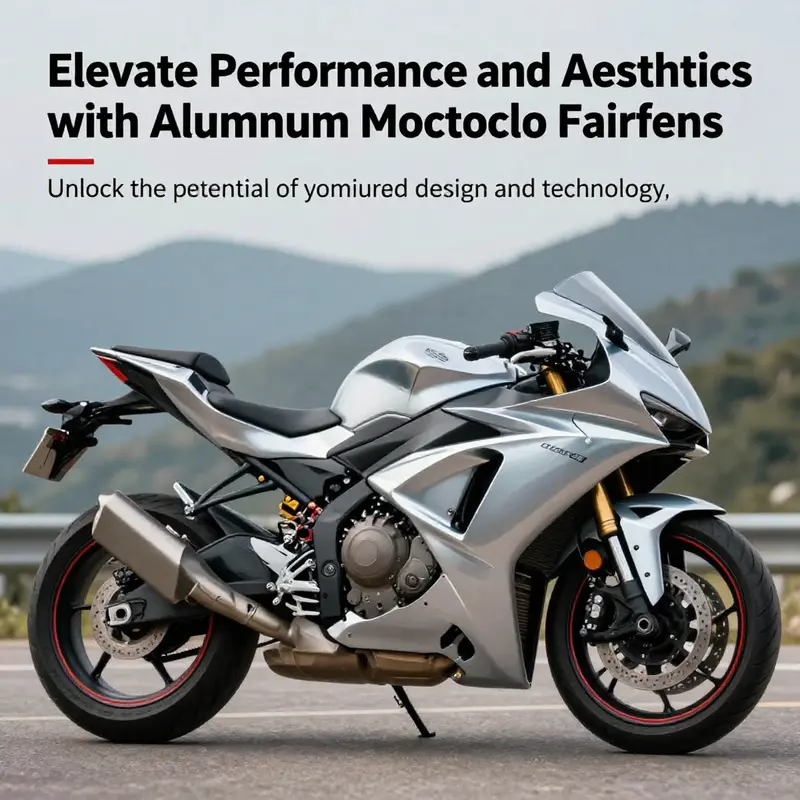
Aluminium motorcycle fairings represent a significant advancement in the motorcycle industry, combining durability with performance-enhancing features. These precision-engineered components serve not just as protective facades but as integral parts that influence the motorcycle’s aerodynamics, maintenance, and customization possibilities. In this exploration, we will delve into the principles of design and engineering behind aluminium fairings, understand their impact on aerodynamics, discuss their durability and maintenance needs, highlight current customization trends, and provide an in-depth market analysis to reveal their economic impact. Each chapter interlinks to present a comprehensive view that business owners can leverage to enhance their offerings in the motorcycle market.
Aluminium Aeroforms: Engineering the Sleek, Protective Skin of High-Performance Motorcycles
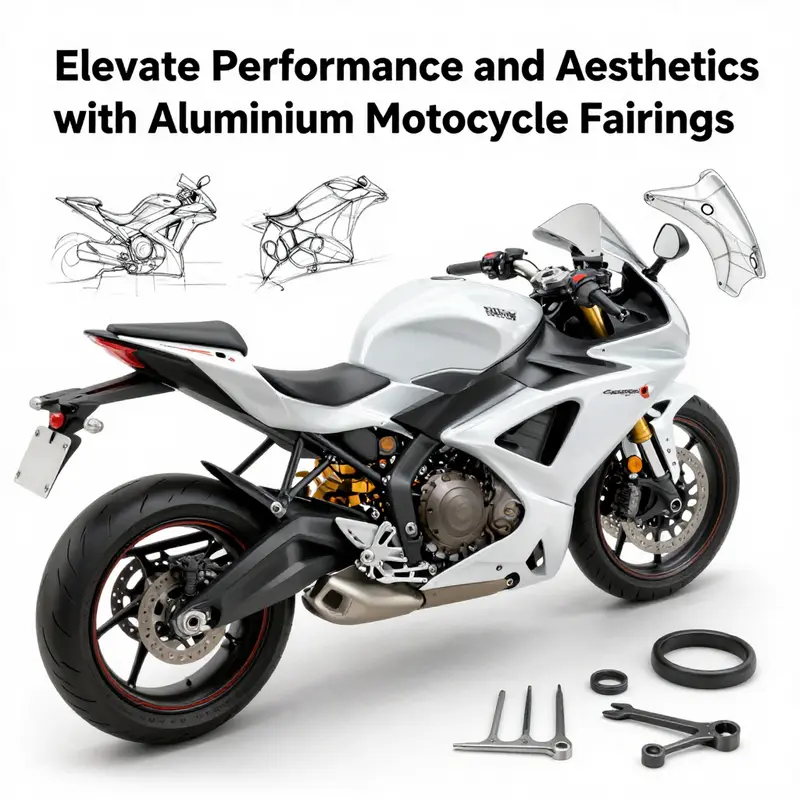
Aluminium fairings are more than a glossy shell that dresses a motorcycle’s silhouette. They are the product of a deliberate alliance between materials science, aerodynamics, and practical manufacturing, aimed at delivering a skin that is light, stiff, and shaped to manage airflow with precision. The choice of aluminium, often in alloys such as those in the 6000 and 7000 series, is driven by a suite of properties that matter most on two wheels: high strength relative to weight, excellent corrosion resistance, and superb formability. Aluminium offers a formability that supports the sweeping curves and complex contours needed for clean, laminar flow around the rider and the engine bay. It also accepts surface finishes that resist UV exposure and environmental wear, a practical boon for riders who routinely push through sun, rain, and road grime. The result is a fairing that not only looks contemporary but performs at speed, protects vital components, and contributes to rider comfort by shaping the wake that forms behind the motorcycle in motion.
Design and engineering begin in the digital atelier. Engineers deploy CAD to map the fairing’s geometry against the chassis, lighting clusters, mirror housings, radiators, and air intakes. Every contour is scrutinized for compatibility with the bike’s overall architecture and for how it will interface with the rider’s line of sight and control reach. The goal is a seamless assembly where the fairing does not merely cover the frame but becomes an active participant in the machine’s aerodynamics. This synthetic blueprint then enters the realm of computational analysis, where CFD simulations render a three‑dimensional portrait of airflow across a wide range of speeds and riding conditions. CFD helps identify areas where flow separates or forms turbulent eddies, guiding adjustments that reduce drag and minimize lift while preserving stability on gusty roads and highways. In practice, the wind envelope around a motorcycle is a dynamic field; designers tune the fairing to generate a stable pressure distribution that supports straight-line stability at speed and predictable, manageable crosswinds in turns.
Yet the aerodynamics alone do not determine the final geometry. Structural integrity remains a parallel imperative. A fairing must withstand wind pressures at high velocity, showroom sheen notwithstanding, while tolerating the vibrations that accompany powerful engines and uneven pavement. Here, finite element analysis becomes indispensable. FEA reveals how material thickness, ribbing patterns, and internal structures distribute load and dampen resonance. Engineers balance weight against stiffness to avoid flex that could distort mounting points or compromise sealants and gaskets. Complex shapes may require strategic internal supports—thin-walled shells reinforced by honeycomb cores or lattice ribs that stiffen critical regions without adding excessive mass. In the same breath, the joining method must endure real-world use. Aluminium fairings are commonly joined by TIG welding, mechanical fasteners, and adhesive bonding. Each method carries tradeoffs: welding offers robust, continuous joints but can complicate repairability; mechanical fasteners simplify removal for maintenance yet add potential sites for micromovements; adhesive bonding can spread stress more uniformly but demands meticulous surface preparation. The design team weighs these choices against riding conditions, maintenance expectations, and the intended lifecycle of the motorcycle.
Finish is not merely cosmetic. Anodizing and powder coating do more than color the surface; they seal micro‑porosity, reduce wear from debris and UV exposure, and enhance corrosion resistance. Anodized finishes can introduce subtle color shifts that accentuate a bike’s lines, while powder coatings deliver uniform thickness and additional scratch resistance. The surface treatment also influences heat management and cleaning ease, both of which matter when a fairing serves as part of the radiator’s air channeling system or as a shield around hot components. The surface integrity of aluminium fairings is a practical advantage: dents and abrasions in metal can often be repaired with patching or localized replacement, unlike some composites where damage can require more extensive replacement or tooling. These attributes help justify the investment in aluminium when performance, durability, and aesthetics are all critical.
Manufacturability enters the discussion in the shaping room as much as in the design studio. Aluminium sheet forming and hydroforming enable the creation of long, uninterrupted curves that would demand multiple composite layers or complex layups in other materials. The tooling must accommodate springback, tolerances, and dimensional stability across temperature fluctuations encountered during paint curing or heat‑treating operations. The production process is thus a choreography: the raw alloy is cut, formed, bent, and joined with an eye toward minimizing waste while preserving precision. Surface preparation for finishing, masking for paint, and post‑processing steps all contribute to the total cost and lead time. In a market where riders expect swift turnarounds and consistent fit across model years, the ability to reproduce geometries with high fidelity is as valuable as the initial aerodynamic tuning itself.
The balancing act between performance, safety, manufacturability, and cost is never abstract. A well‑designed aluminium fairing can reduce engine bay temperatures by streamlining the intake and infusing the air with a carefully sculpted pressure field that aids cooling. It can also shield cables and electronic modules from vibration and debris, shielding sensitive components from the rigors of real roads. The aesthetic payoff is equally meaningful. In high‑end, custom, and performance contexts, the fairing’s geometry reads as much about technical ambition as about visual identity. A clean line across the shoulder of the bike, a tightly defined transition from windscreen to chassis, and a coordinated color finish all contribute to a perception of precision. The integration with electronics—display screens, speaker grills, and control panels—requires not only a physical fit but a chemically compatible surface that accepts coatings and adheres robustly to mounting hardware without creeping or peeling under heat cycles.
For readers exploring the ecosystem of fairings across brands and models, the palette of options is as varied as the machines themselves. In many cases, the same core principles of aerodynamics, structural optimization, and surface protection recur, even as the external styling cues shift to match a particular lineage or rider preference. If you’re curious about how this translates into a broader catalog of options, you can explore a representative range of fairings available for different models. For a sense of how a specific brand’s line approaches the balance of form and function, consider looking into the BMW fairings collection, which illustrates how designers optimize geometry to harmonize with chassis geometry and engine layout while maintaining a consistent finish and fit. BMW fairings demonstrate how the same engineering vocabulary adapts to diverse stylistic directions across a family of bikes.
The discussion circles back to the core aim of aluminium fairings: to act as a capable, attractive, and durable interface between rider, machine, and environment. The engineering narrative—CAD modeling, CFD refinements, structural simulations, and careful choices in joining and finishing—reflects a disciplined approach to creating a skin that behaves as a system rather than as a passive shell. It is this systemic thinking that lets riders experience the practical benefits of aluminium: smoother aero, steadier handling, quieter cockpit, controlled airflow to cooling paths, and a surface that remains visually coherent through the miles and seasons. The sophistication of this approach underscores why aluminium has become a preferred material in high‑performance and premium applications, where every gram saved, every contour refined, and every finish choice contributes to a tangible, ride‑quality difference.
External resource and further reading can deepen understanding of the material science and design methodologies that underpin these advances. For a comprehensive overview of aluminium’s role in motorcycle design, explore the technical resource provided by industry experts: Aluminium in Motorcycle Design – A Technical Overview. This resource offers contextual detail on alloy selection, processing routes, and long‑term performance considerations that complement the practical design narratives described here.
External resource: Aluminium in Motorcycle Design – A Technical Overview
Note: For brands and product families that illustrate the breadth of fairing options, you can also peruse a representative catalog of models and configurations that illuminate how the same design principles manifest across different motorcycles. See the BMW fairings collection for an example of how a single engineering language translates into diverse aesthetic and functional outcomes across a brand’s lineup.
Sculpting Speed: How Aluminium Fairings Refine Aerodynamics on Modern Motorcycles
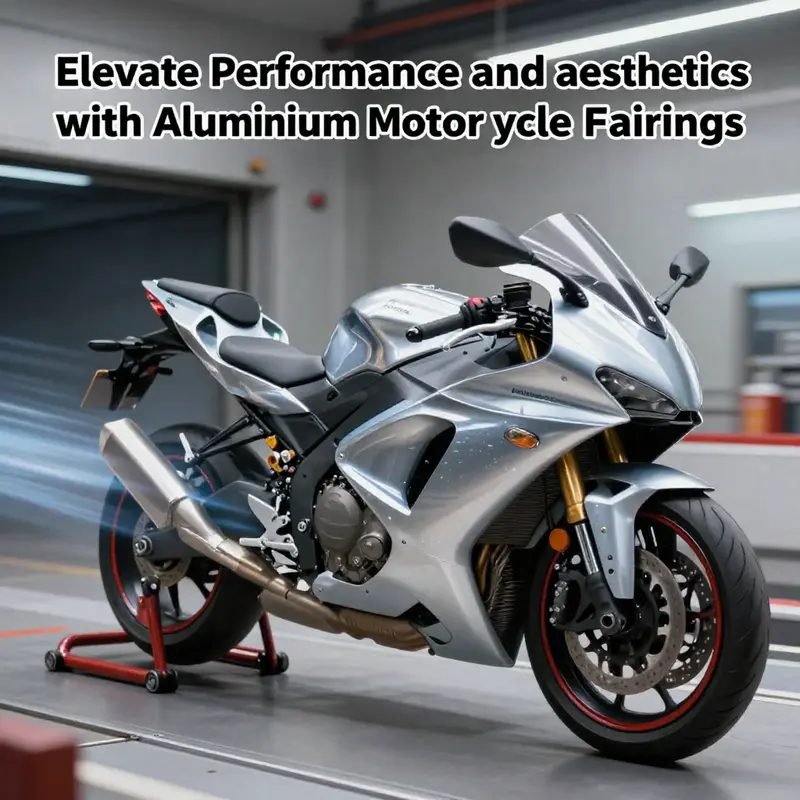
Aluminium motorcycle fairings are more than shells that cover the bike’s core mechanics. They are precision-engineered surfaces where science and sculpture meet. The material’s distinctive blend of light weight and structural rigidity makes it possible to craft shapes that blend form and function with remarkable subtlety. In the realm of aerodynamics, every curve, every transition, and every joint matters because the shape interacts with the air flowing around the motorcycle at high speed. Aluminium enables designers to push those interactions toward laminar, orderly airflow rather than chaotic, turbulent wake. The result is a fairing that not only looks streamlined but also actively reduces drag, channels wind to protect the rider, and supports the overall performance envelope of the machine.
The primary aerodynamic advantage of aluminium lies in its favorable strength-to-weight ratio. Aluminium is lighter than many traditional metals used in manufacturing, such as steel, which means engineers can push the boundaries of contouring without paying a heavy weight penalty. When a fairing is light, the bike benefits across several performance dimensions. Acceleration feels quicker, steering and handling respond with sharper immediacy, and the powertrain can work more efficiently with less inertial resistance from the bodywork. At highway speeds, where drag dictates energy expenditure, every gram matters. Aluminium makes it possible to sculpt fairings that sculpt the air instead of fighting it, enabling more aggressive lines for sport-oriented frames or smoother, more forgiving radii for touring configurations that still maintain an edge in stability.
Beyond weight, aluminium’s rigidity plays a pivotal role in achieving consistent aerodynamic performance. A wind-reduced surface is only as effective as its continuity. Joints, seams, and abrupt angles can disturb the airflow, creating vortices that increase drag and generate unwanted lift or buffeting. Aluminium can be formed into tight, seamless surfaces through a combination of stamping, hydroforming, and careful welding or bonding. When designers aim for smooth, continuous contours, the material’s ability to hold precise geometries is a decisive advantage. These advantages become especially important as fairings transition from a basic shell to an integrated system that houses electronics, sensors, and cable routing. The architecture of a modern fairing often includes channels and internal walls that guide air in specific ways. aluminium’s strength helps maintain these features under the loads encountered at high velocity, so the airflow remains predictable rather than oscillating with every gust.
The idea of laminar flow—air sliding smoothly over a surface with minimal separation—often surfaces in conversations about fairing design. While real-world riding includes crosswinds, turbulence, and occasional gusts, a well-executed aluminium fairing helps cultivate a laminar-like baseline along the body. Fewer seams and a continuous surface reduce opportunities for air to disrupt its path. This is why, in practice, a full or semi-full fairing that leverages aluminium’s sculptural capabilities can outperform simpler, more modular plastic configurations in sustained high-speed riding. The benefit shows up not only in top speed or drag coefficient numbers but in the rider’s experience: less wind jab and lower fatigue on long stretches, which translates into steadier control and reduced energy expenditure for the rider through the miles.
Yet the aerodynamic benefits of aluminium are not solely about air passing over the surface. The way a fairing integrates with the motorcycle’s wind protection system matters, too. A well-chosen aluminium fairing panels the front end, guiding air toward the rider’s torso and helmet in a controlled manner. In many designs, a carefully located windscreen, combined with the aluminium shell, creates a shield that reduces buffeting without introducing a heavy, inertial barrier that would slow the bike’s forward motion. Even in configurations where windshields are added or adjusted for comfort at high speed, the aluminum structure can maintain the integrity of the overall shape. It keeps transitions smooth, ensuring that the air can glide past rather than shear away, which is critical when the bike is slicing through air at race-inspired velocities.
There is also a practical dimension to aluminium’s use in fairings: manufacturability and integration. Aluminium lends itself to precise forming and multi-axis shaping, which allows designers to realize complex geometries without excessive tooling complexity. This means the same material can be employed to craft the fairing’s outer surfaces, internal panels, and mounting structures with compatible tolerances. A high-end aluminium fairing can house electronics in compact, protected channels, while still presenting a cohesive exterior. The ability to color-match aluminum surfaces—via anodizing or powder coating—adds another layer to its appeal. The finish not only looks refined but also helps resist environmental exposure, keeping the surface smooth and consistent over time. When a rider selects a colour-matched finish, such as a vivid alpine hue that contrasts with a display screen and speaker grilles, the result is a modern aesthetic that communicates both speed and precision.
In practice, the choice between aluminium and other materials often hinges on the intended riding discipline and the desired balance of weight, rigidity, and longevity. In sport-touring and high-performance contexts, a semi-full or full aluminium fairing can deliver meaningful aerodynamic gains without the fragility that sometimes accompanies other advanced materials. The structural ribs and engineered transitions that aluminium enables can also translate into improved crash resilience, better energy dissipation in minor impacts, and easier field repair relative to some composite or polymer-based systems. This resilience matters when the rider depends on confident handling in varying weather, road quality, and riding posture. The fairness of distribution is also a factor: a well-designed aluminium fairing can contribute to balanced weight distribution across the motorcycle, which influences steering feel and weight transfer during acceleration, braking, and cornering. The net effect is that aluminium supports a more predictable dynamic behavior, a quality riders often describe as confidence at speed.
Any discussion of aluminium in fairings should acknowledge the broader ecosystem of materials used in modern motorcycles. Plastics and composites still offer excellent impact resistance, crack tolerance, and molding freedom for intricate shapes that would be expensive to achieve with metal alone. The most effective configurations, however, often blend the strengths of materials: aluminium where rigidity and precision matter most, with carefully chosen plastics or composites where energy absorption or multi-material bonding can optimize weight and protection. The result is a hybrid approach that respects both the aerodynamics and the structural realities of a high-performance motorcycle. In this light, aluminium is not a universal substitute for other materials but a strategic choice that aligns with a bike’s performance profile and the rider’s expectations for response and control.
For readers who want a concrete, real-world reference to the kind of fairing system that supports these aerodynamic goals, consider exploring the broader category of riders’ accessories that focus on bodywork designs tailored to sport and touring duties. The fairings in these collections demonstrate how a single material can be leveraged across a family of shapes and sizes to yield cohesive aerodynamics and consistent aesthetics across different bike platforms. In the end, the material is a tool, and the engineer’s job is to wield it in service of speed, stability, and rider comfort. The aluminium fairing becomes a living part of the motorcycle’s aerodynamic story, a curated surface that meets air on its own terms and, in doing so, helps the machine earn its keep at the edge of performance.
For a focused look at a representative range of fairings in this sphere and how they are positioned within different motorcycle families, see Honda fairings for CBR. This internal resource provides context on how a common sport framework leverages fairing geometry to achieve both protection and performance, while retaining a design language that resonates with riders who demand speed without sacrificing control. https://ultimatemotorx.net/product-category/honda-fairings/fairings-for-cbr/
External resources provide a complementary, deeper technical grounding. For a broader technical overview of how material choice, including aluminium, influences aerodynamic performance in motorcycle design, you can refer to this technical overview: Motorcycle Technology: Aerodynamics and Materials in Motorcycle Fairings. https://www.motorcycle-technology.com/aerodynamics-and-materials-in-motorcycle-fairings
Endurance in Aluminum: Durability, Finish, and Maintenance for Motorcycle Fairings
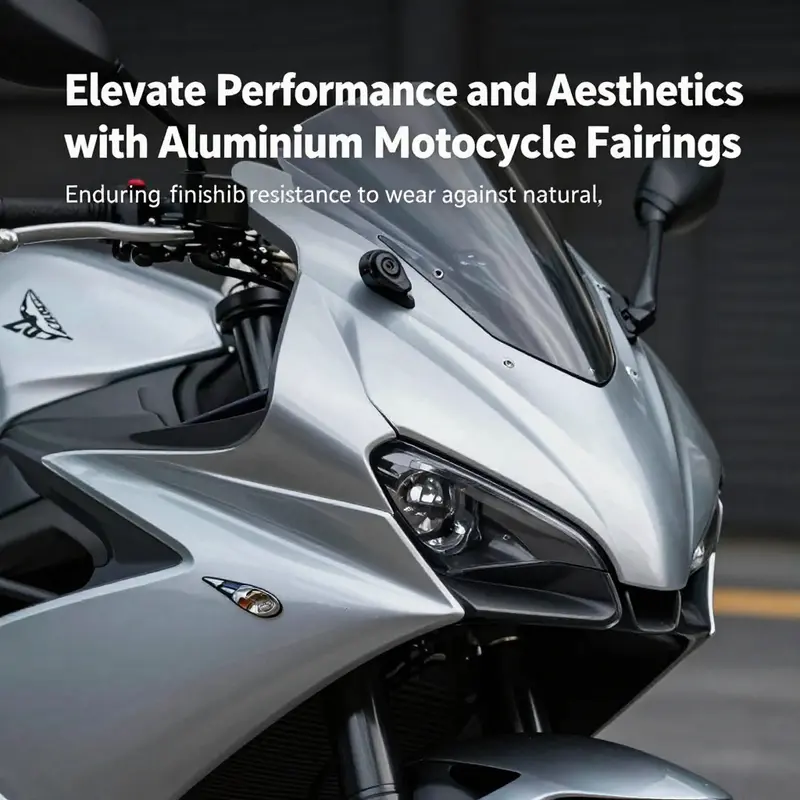
Aluminium motorcycle fairings sit at the intersection of lightness, strength, and style. They shield the heart of the machine from weather, road debris, and the constant vibrations of high-speed travel. Aluminium delivers a unique balance—lighter than steel, strong enough for daily riding, and highly resistant to corrosion from rain and grit. The result is an exterior that supports aerodynamics while remaining practical to maintain. Anodizing extends the life of the surface and offers a spectrum of color options without compromising the metal’s integrity. The color is both protective and aesthetic, helping visibility while preserving a clean, streamlined silhouette.
Durability starts with material selection and continues through manufacturing. Billet aluminium and high-grade alloys resist deformation and withstand thermal cycling as the engine heats and cools. These alloys are chosen to keep panels tight and aligned, even after long rides and repeated heat cycles. Anodizing adds a protective oxide layer that thickens the surface and increases hardness, reducing scratches and dulling. The finish remains bright under sun and rain, with colors such as black, silver, gold, blue, and red available.
Maintenance centers on respecting the material’s strengths and acknowledging its vulnerabilities. Aluminium resists rust, but micro-scratches and edge oxidation can occur if care is neglected. Clean with a mild soap and water solution to loosen dust and grime, then dry thoroughly to avoid water spots. For deeper cleans, use non-abrasive cleaners formulated for aluminium and avoid abrasive polishes that can dull the anodized layer. Regular inspection of mounts and hardware—M5 and M6 bolts, speed clips, washers, and well nuts—helps prevent loosening and misalignment. Tighten to manufacturer torque specifications and replace corroded components as needed.
In the long term, billet aluminium or high-grade alloys offer stability through multiple heat cycles, preserving fitment and reducing wind noise. Aftermarket kits should maintain the strength‑to‑weight balance and ensure mounting points align correctly with the bike’s structure. A well-maintained finish also helps protect seals and gaskets by limiting weather ingress.
For riders exploring options, aluminium fairings provide a practical, high‑value balance of performance and personality. The durability comes from material choice, manufacturing discipline, and careful upkeep, allowing the bike to look refined and perform reliably mile after mile.
Shaped by Style and Strength: Aluminum Fairings Redefining Custom Motorcycle Design
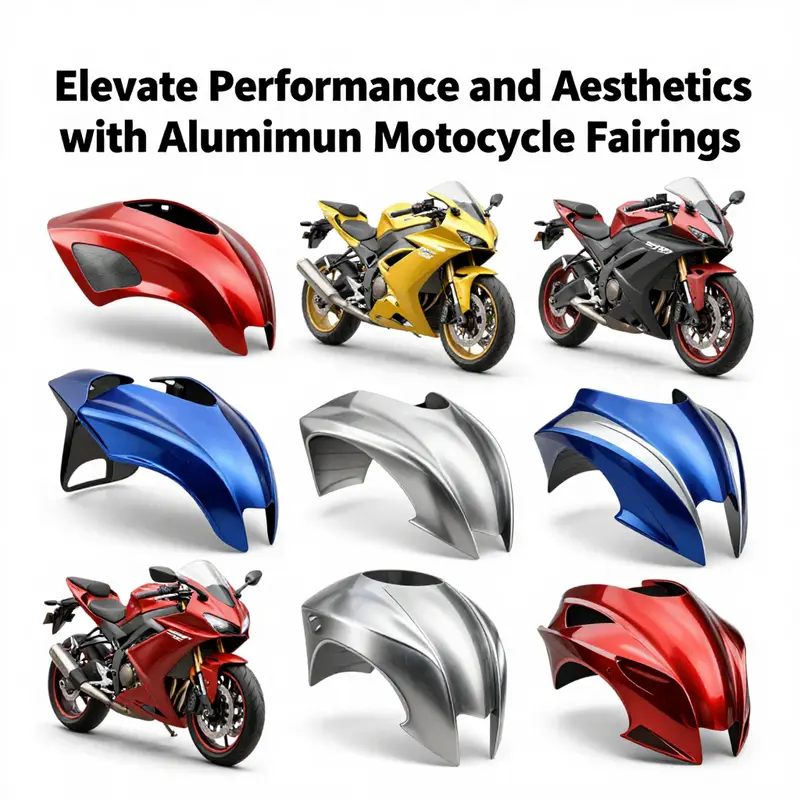
Riders who want a machine that is both a statement and a shield are turning to aluminum fairings as a canvas for personalization without sacrificing performance. Aluminium’s versatility offers more than color; it provides a structural language for a uniquely crafted experience at the helm of the bike.
The finish options—polish, powder coat, or anodized textures—can harmonize with bodywork or stand alone as a visual signature, while aluminum’s resistance to environmental wear helps keep its look over years of riding. This isn’t just about aesthetics; it’s about durability, heat management, and a clean integration with modern electronics and controls.
Durability and weight are the twin pillars of aluminum fairings: the strength-to-weight ratio enables complex shaping without bloating mass, preserving rigidity for improved handling and protecting sensitive components behind the shell. The result is a fairing that feels part of the chassis, tuned for airflow, pressure distribution, and heat management while reflecting the rider’s chosen character.
Design workflow matters: concept, CAD, prototyping, CNC machining, and finishing steps align curvature, mounting points, and panel fit with precision. Anodized, painted, or clear-coated surfaces can enhance depth and gloss, while textures such as satin or brushed finishes can reduce glare and emphasize modern character.
The broader message is ownership and predictability: aluminum enables modular upgrades and long-term value, allowing riders to refresh the look, swap panels, or update cockpit components without starting from scratch.
As customization matures, riders expect a cohesive system where light, sightlines, and electronics work together with a deliberate design language. Aluminum supports this evolution by offering a reliable foundation for a rider’s evolving identity, better aero performance, and durable protection. The path ahead is a continuum of choice, control, and craft.
External resource: https://www.motorcycleindustry.com/2026-aluminum-fairing-trends
null
null
Final thoughts
Aluminium motorcycle fairings stand as a testament to the evolving landscape of motorcycle design and engineering, blending functionality with aesthetic appeal. As business owners, understanding the intricacies of these components—from design and aerodynamics to durability and customization—provides a pathway to elevate market offerings. The rising trend towards personalized motorcycles implies a lucrative opportunity to cater to consumer preferences, while the durability aspects promise lower maintenance costs and improved customer satisfaction. Ultimately, the continuous innovation within the aluminium motorcycle fairing sector presents a compelling case for investment and engagement in this thriving industry segment.