
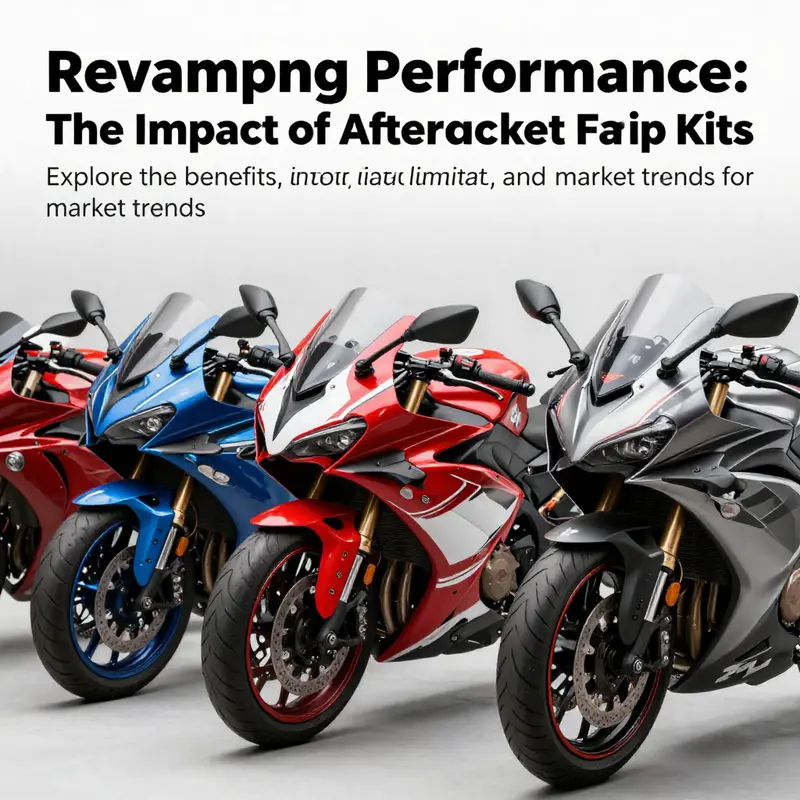
In the world of motorcycling, aftermarket motorcycle fairing kits play a crucial role not only in enhancing the visual appeal of sportbikes but also in improving their performance. These kits, composed of high-quality materials like ABS plastic, fiberglass, and carbon fiber, can significantly impact wind resistance and structural integrity. This article will delve into the many benefits of these kits while also discussing material choices and their durability, installation considerations, and current market trends. Each chapter aims to equip business owners with insights to better understand how aftermarket fairing kits can serve their clientele and ultimately boost sales.
Wings of Speed and Style: How Aftermarket Fairing Kits Elevate Performance on the Track and Street
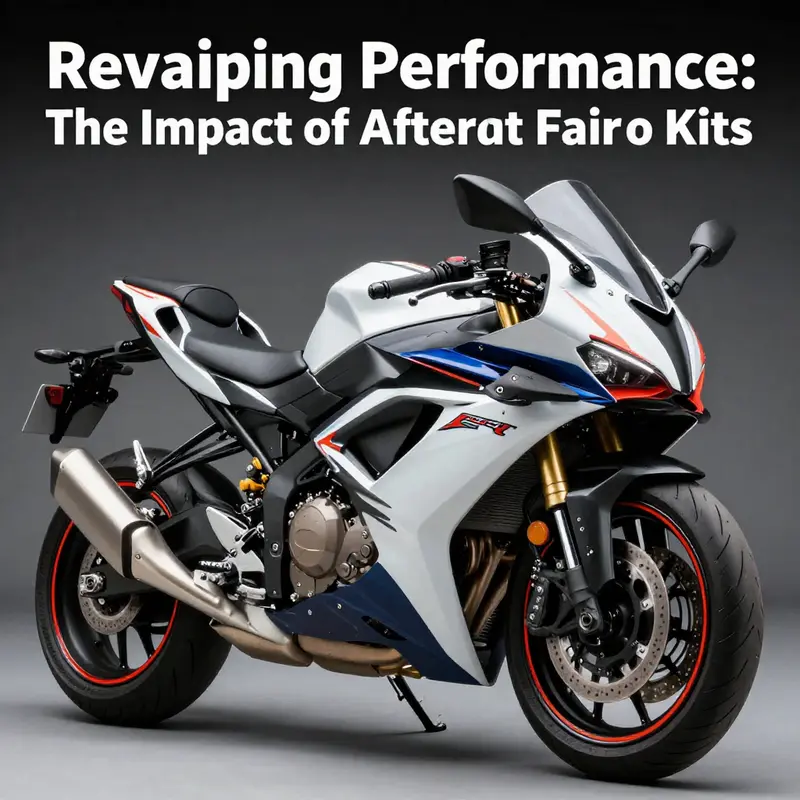
The fairing on a sportbike is more than a visual signature or a shield against the weather. It is an engineered system, a sculpted surface that shapes the air around the rider and the mechanical parts, guiding momentum, managing heat, and ultimately influencing how a machine behaves at the edge of its performance envelope. Aftermarket fairing kits are not merely cosmetic upgrades; they are aerodynamic tools and structural interfaces that can alter the way a bike cuts through air, how it behaves in corners, and how efficiently it uses energy at speed. For riders seeking a blend of aggression in appearance and precision in handling, the choice to swap factory panels for purpose-built, aftermarket alternatives invites a holistic shift in how the motorcycle performs, feels, and responds to rider input. And because these kits come in varied materials—ABS plastic, fiberglass, carbon fiber, and hybrids—their impact is a delicate balance between weight, strength, and wind management, all tuned to specific riding intents, from spirited street riding to competition-trembling track sessions.
Consider the physics that govern motorcycle dynamics at speed. The wind rushing over a rider and the bike creates a complex interplay of drag, lift, and fore-aft forces that influence stability. A well-designed aftermarket fairing reduces parasitic drag, but it does so without inflating weight or compromising rigidity. In practical terms, this means less work for the engine to push the bike forward and steadier behavior when the wind shifts or the rider adopts aggressive lean angles. The most striking quantitative claim associated with properly engineered aftermarket fairings is a drag reduction in the neighborhood of 15 percent. While the exact figure depends on the model, the shape, and how well the kit integrates with the bike’s chassis, the principle remains consistent: a cleaner air path through the front of the bike translates to higher efficiency, improved top speed potential, and calmer handling at the speeds where most riders begin to push their limits.
A reduction in drag does more than shave seconds off lap times or push a top speed higher. It directly affects fuel economy and thermal performance. When aerodynamic resistance is trimmed, the engine can sustain high speeds with less throttle and less heat buildup around critical components. The rider experiences steadier air pressure against the chest and torso, which can translate into reduced fatigue and better concentration over longer sessions. This is not merely about chasing numbers; it is about delivering a more predictable, confident ride. The effect is especially pronounced when the fairing contributes to a more cohesive airflow around the radiator and engine covers, helping maintain stable temperatures during sustained sessions on the track or during extended highway cruises.
Weight, though often overlooked in casual conversations, is another fulcrum of performance. The shift from heavier traditional fairings to lighter materials can yield meaningful gains in acceleration and handling. A common benchmark you’ll encounter is a weight reduction of up to about 20 percent when switching from conventional fiberglass to lightweight, automotive-grade ABS plastics used in many aftermarket kits. The practical outcome is a bike that rotates quicker on its suspension, responds more crisply to steering inputs, and recovers more readily after braking into a corner. Weight savings near the moving mass—parts that contribute to the rotational inertia of the wheel and swingarm—are especially impactful on mid-corner transitions and quick direction changes where every gram matters. More importantly, the reduction is not about making the bike fragile; it is about converting material choices into stiffness and resilience that harmonize with the bike’s frame geometry and the rider’s weight distribution.
In the broad spectrum of aftermarket options, the material choice is a central design decision with cascading consequences. ABS plastics provide a durable, impact-resistant, and cost-effective solution that can be molded into complex shapes with good dimensional stability. Fiberglass offers strength and a traditional route for stiffness, while carbon fiber delivers exceptional strength-to-weight advantages, though at higher cost and more intricate installation considerations. Each material interacts with the mounting points, the radiator, the steering head clearance, and the footpeg and lever geometry in its own way. A well-made kit is not a collection of shells slapped onto the bike; it is a carefully engineered ensemble that respects the bike’s lines, preserves access to essential service points, and integrates with the bike’s electronic routing where necessary—things that matter when you need quick maintenance or a fast track-day pit stop.
Beyond the physics, the modular construction of modern aftermarket kits adds a new layer of practicality and personalization. These kits frequently embrace modularity, enabling riders to replace, reposition, or swap individual panels without reworking the entire bodywork. The modular approach invites a more inquisitive form of customization—riders can adjust the venting, refine the line of the chin fairing, or alter the angle of attack on the windscreen to meet evolving riding preferences. The empowerment comes not from a single drastic change but from a suite of interchangeable components that collectively alter the bike’s silhouette and performance envelope. A modular system can deliver a level of customization that rivals the most sophisticated race bodies, offering options that keep pace with a rider’s evolving ambitions.
From a practical standpoint, ease of installation and compatibility with the bike’s mounting architecture are central to realizing these performance gains. A well-designed kit aligns with OEM mounting points, preserves access to service panels, and avoids forcing riders to wheel out a toolbox full of improvised solutions. Precision fit—reportedly improved by as much as 25 percent in some model-specific engineering efforts—reduces the need for on-bike trimming or after-market hacks. It makes the installation feel like an extension of the bike’s original design rather than a deviation from it. A precise fit also preserves the rider’s aesthetic goals; the lines of the fairing appear integrated, not tacked on, which has a psychological impact as well. A machine that looks and feels like a cohesive system inspires more confident riding, and confidence translates into smoother, more controlled throttle exposure, steadier corner entries, and a more relaxed posture at high speeds.
The protective role of aftermarket fairings is substantial, particularly when riders push their machines toward limits on a track or a windy back road. While mid or half fairings may not offer the same lower-body wind protection as full-body panels, they still shield critical components—engine casings, exhaust headers, and wiring harnesses—from debris, rain, and gravel. The ability to replace damaged panels after a fall or a close encounter with a curb is an attractive aspect of aftermarket systems, especially for riders who ride aggressively and frequently ride in variable weather. In short, the protective function is not simply about staying clean; it is about preserving mechanical integrity, reducing exposure to road hazards, and prolonging the life of core components when the going gets rough.
Fit accuracy plays a crucial role in all of these benefits. Model-specific engineering ensures that a given kit sits true to the bike’s geometry, maintains the clearance necessary for steering range and suspension travel, and avoids interference with the exhaust and cooling systems. When fit is optimized, the fairings do not rub on moving parts, do not bind at full steering lock, and do not require permanent alterations to the frame or subframe. A 25 percent improvement in fit accuracy might sound numerical, but it translates into a quiet, seamless integration that resonates with riders who value a bike that feels factory-fresh and purpose-built, rather than cobbled together. In that sense, the value proposition extends beyond performance metrics; it touches the rider’s everyday experience, contributing to better ride quality, fewer nuisance adjustments, and a more predictable response when the handlebars are turned at speed.
The decision to adopt aftermarket fairing kits is rarely driven by a single outcome. It is the convergence of aerodynamic efficiency, weight management, customization latitude, protective capability, and precise fit that makes these systems compelling. For riders who treat riding as a holistic discipline—balancing speed with control, aesthetics with function, and personal expression with reliability—the kit represents a mature, design-driven choice. It allows riders to experiment with balance and style without compromising the bike’s fundamental integrity. In this sense, fairing kits act as a bridge between the engineering discipline of the original equipment and the expressive freedom that defines modern motorcycle culture. They enable a rider to articulate intent through form and function, to tune the machine as an extension of self, and to do so with a measured investment in materials, engineering, and compatibility.
Of course, the process of selecting and installing such a kit benefits from disciplined evaluation. Prospective buyers should weigh material durability, weight implications, ease of installation, and whether the kit includes all necessary mounting hardware. Reputable suppliers provide detailed specifications, clear installation instructions, and transparent customer feedback that helps riders assess fit, finish, and performance outcomes before committing to a purchase. When you consider this combination of engineering precision and practical support, aftermarket fairings emerge as a smart option for riders who demand more from their bikes than a showroom silhouette. They offer a platform for ongoing experimentation with airflow management, rider ergonomics, and aesthetics, while remaining anchored to the real-world needs of maintenance access, heat management, and long-term durability.
For riders who want to explore model-specific opportunities and see what is possible within a given bike family, a visit to the Honda fairings category on a trusted aftermarket site can be a helpful starting point. There, you can examine how different styling approaches align with your ambitions—whether you favor aggressive lines that emphasize airflow, or cleaner, more understated forms that emphasize the bike’s existing silhouette. The category page acts as a curated gateway, showcasing several fits and finishes designed to preserve OEM-like compatibility while enabling a broader spectrum of visual and aerodynamic experiments. As you scroll through the options, it becomes clear that the appeal of aftermarket fairings lies not only in the speed gains or weight savings, but also in how they enable a rider to craft a personal narrative on two wheels. Honda fairings category.
Beyond the rider’s garage, the decision to invest in aftermarket fairings interacts with market realities and service ecosystems. Suppliers these days offer certified product standards and OEM-like capabilities, ensuring that the aftermarket kits do not diverge from the intended mechanical interface or safety envelopes. The modern market recognizes that a fairing kit is part of a broader ecosystem that includes mounting hardware, weather sealing gaskets, paint and finish options, and post-purchase support. This ecosystem matters because it reduces the likelihood of misfit issues and simplifies maintenance. When a kit comes with well-documented fitment data, mounting instructions, and compatibility notes, it becomes easier for a rider to protect the investment through careful storage, routine cleaning, and timely panel swaps when necessary. In addition, the presence of robust support can make the difference between a satisfying, repeatable upgrade and a frustrating experience marked by misaligned panels or rattling at speed.
To bring a sense of concrete context to these generalities, consider the real-world accounts of riders who have embraced aftermarket fairings as part of their performance trajectory. They describe not just faster lap times or marginally improved fuel economy, but a more responsive front end, a sharper transition into corners, and a more confident stance at the apex. They report smoother throttle transitions, more consistent airflow feel on the chest, and less fatigue on long rides, all of which contribute to a riding experience that feels closer to a well-tuned race machine. These subjective benefits—confidence, predictability, and personal style—often accompany measured improvements in drag, weight, and fit, reinforcing the argument that aftermarket fairings can elevate both performance and enjoyment on the motorcycle.
For riders who pursue a balanced approach to upgrades, the aftermarket fairing kit is a compelling option precisely because it allows performance tuning without overhauling the entire bike. A good kit respects the bike’s core architecture, preserves or enhances cooling, maintains access for maintenance, and delivers a consistent aesthetic from the front to the tail. It is a carefully considered compromise between form and function, where every panel choice supports a coherent whole. That coherence matters because it shapes how a rider interacts with the machine in the heat of a corner, under the glare of a track’s lighting, or during a windy crosswind on a long highway stretch. The result is a machine that not only looks more purposeful but also feels more deliberate—an instrument that invites you to ride with precision, intention, and a sense of anticipation about what the next twist of the wrist will reveal.
External resource for further context on model-specific application and materials can be found on widely used supplier pages that provide detailed product data and compatibility notes. For a concrete example of an ABS-based fairing kit built for performance-oriented sportbikes, see the product listing on a major marketplace: https://www.alibaba.com/product-detail/Honda-CBR900RR-893-1992-1993-ABS-Motorcycle_1601147574636.html. This reference illustrates how an ABS-based kit can achieve a balance of lightweight strength, modular design, and OEM-level fitment that supports both racing-inspired styling and real-world reliability. While specific model names and configurations vary, the underlying principles—airflow optimization, weight savings, modularity, protection, and precise fit—remain central to the aftermarket fairing philosophy.
For readers seeking ongoing exploration of options within a trusted ecosystem, there is value in looking at a broader range of model-focused product categories and the way they present fitment data, installation guidance, and customer feedback. A well-curated catalog helps buyers compare the relative benefits of different materials, shell shapes, and mounting approaches without sacrificing the integrity of the bike’s frame geometry or electronics routing. The best projects begin with a clear sense of purpose: do you want to shave lap times, improve highway stability, or simply express a personal style that echoes your favorite race aesthetic? Answering that question shapes every subsequent decision—from material choice to panel lines to the exact way you seal vents and airflow paths. And in the end, when a fairing kit is chosen with an eye toward cohesive integration—bodywork that respects the bike’s airframe, powertrain, and rider position—the result is more than a cosmetic update. It becomes a deliberate performance upgrade that can deliver tangible gains on both the street and the track, while also offering a platform for ongoing customization as riding goals evolve.
Choosing the Right Skin: Material Choices, Durability, and Performance in Aftermarket Motorcycle Fairing Kits
Every rider who contemplates an aftermarket fairing kit faces a deceptively simple question in the first moment of consideration: what should these panels be made of? The answer cascades through every other design decision, shaping cost, weight, finish quality, and how the bike behaves on the road or track. Material choice is not merely a matter of appearance; it is a practical, performance-driven concern that determines how a fairing will age, perform under wind pressure, and weather the inevitable knocks of daily riding or high-speed sessions. In the realm of aftermarket bodywork, three materials dominate the landscape—ABS plastic, fiberglass, and carbon fiber—each with its own temperament, strengths, and compromises. To understand how these options influence durability and overall riding experience, it helps to trace a continuum from everyday reliability to high-end performance, while keeping sight of the intent behind a given kit: better protection from the elements, improved aerodynamics, and a sharper, more personalized silhouette that still respects the bike’s fundamental geometry and balance.
ABS plastic, the workhorse of mass-market fairings, sits at the crossroads of cost, resilience, and finish quality. Its resinous core, when combined with injection-molded precision, yields panels that resist cracking from minor impacts and tolerate a wider range of daily-use conditions than some more brittle alternatives. The trick with ABS is not only the material itself but how the kit is engineered and finished. A well-designed ABS fairing set will include carefully aligned mounting points, hardware that complements the bike’s existing fasteners, and a finish that stands up to sun and abrasion. The durability gains come not from the material being invincible but from a thoughtful synthesis of thickness, layered coatings, and edge treatment that reduces micro-cracking under flex. For riders who want a dependable, affordable upgrade that holds color well and maintains OEM-level fitment, ABS remains the most pragmatic choice. It also offers robust impact resistance; a fairing made from injection-molded ABS can absorb energy from a light collision, reducing the chance that the entire bodywork will warp or delaminate under stress.
Fiberglass, meanwhile, presents a compelling blend of lightness and rigidity that often serves as a middle ground between budget ABS and premium carbon fiber. It can be molded into complex shapes with relative ease, supporting aerodynamic contours that some plastic blends struggle to achieve. The fiberglass finish, when properly prepared, sanded, and coated, achieves a smooth surface ideal for race-inspired lines or touring-oriented shells. In performance-oriented designs, the lightweight quality of fiberglass translates to meaningful gains in acceleration and handling, particularly when paired with a design that emphasizes clean airflow around the bike. The key with fiberglass is understanding its resin matrix and layup quality. A well-constructed fiberglass fairing will resist sagging and flex under high-speed wind loads, but it may require meticulous surface finishing because resin-rich or poorly aligned fibers can reveal seams or distortions as temperatures change. For riders who crave agility and a more aggressive profile without paying carbon fiber prices, fiberglass offers a balanced path, provided the kit is engineered with attention to fit and structural integrity.
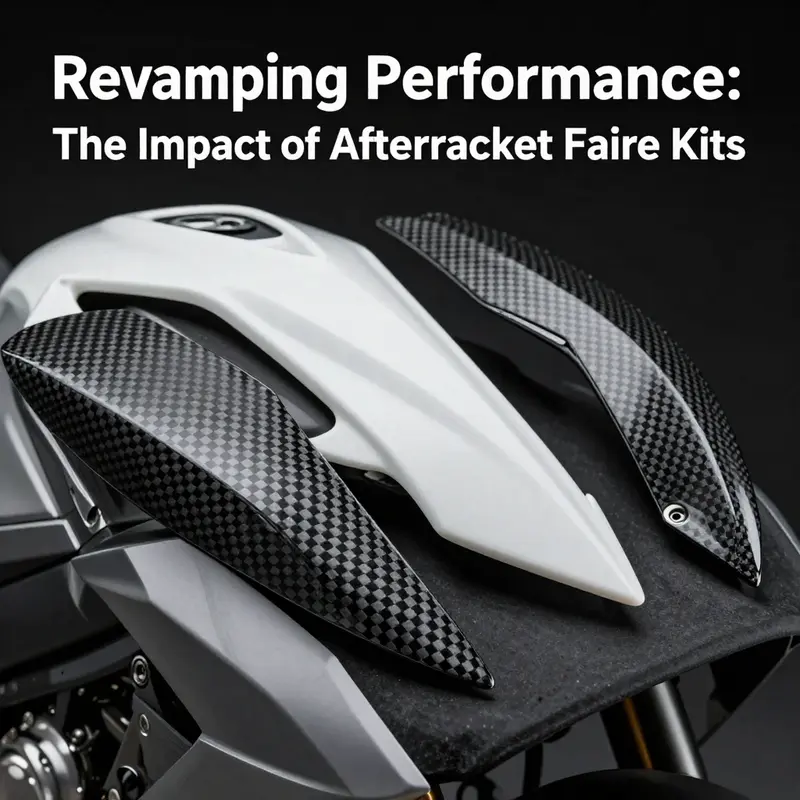
Carbon fiber stands at the apex of the material hierarchy for fairings, celebrated for its extraordinary strength-to-weight ratio and the premium aesthetic it conveys. A carbon fiber kit can shave precious grams from the bike’s overall weight while enhancing rigidity, which can translate into more immediate throttle response, steadier handling, and a perception of increased precision at the limits. Yet carbon fiber carries a different cost and maintenance profile. The high price reflects not only the material itself but the labor-intensive process required to achieve the wrap-around finishes and flawless resin bonding that carbon composites demand. In addition, the UV sensitivity and color-patching considerations require careful finishing and protection with topcoat layers, so the final sheen remains consistent through sunlight exposure. For riders pursuing top-tier aesthetics and performance, carbon fiber offers a compelling payoff, though it demands a higher budget and a plan for long-term care, including attention to gel coatings, scratches, and potential micro-damage that can affect structural integrity if left unaddressed.
The conversation about material selection is incomplete without acknowledging the long-term value that well-engineered fairings can deliver. As noted by a respected customization specialist, riders who upgrade to properly engineered fairings often report improved riding comfort and fewer maintenance issues over time. The durability gains come not merely from the raw strength of the chosen material but from the combination of correct resin systems, precise tolerances, robust mounting hardware, and finishes designed to resist cracking, fading, and moisture ingress. This perspective underscores a broader theme: material choice is inseparable from design philosophy. A kit that prioritizes ease of installation, predictable fit, and durable surface treatment will likely deliver superior real-world longevity, even if its upfront cost is higher than a minimal spec alternative.
From a practical standpoint, riders should consider how the material interacts with the bike’s unique geometry and the way riders subject the fairing to wind, heat, and road debris. A fairing designed for a lightweight, aero-focused application will behave differently from one intended for daily commuting or endurance riding. For bikes with particularly tight tolerances or distinctive frame lines, the mounting interface—clips, brackets, and fasteners—becomes a critical dimension just as important as the panel’s core material. A kit that neglects mounting alignment risks introducing rattles, increased vibration, or even misfit that requires additional trimming or refitting. In other words, durability is as much about how the kit attaches and plays with the bike as it is about the resilience of the panel itself. This is why reputable suppliers emphasize complete specification sheets and hardware inclusions, and why consumers should scrutinize fitment data before committing to a purchase.
When a rider weighs material choices, it’s also essential to visualize how the kit ages under typical riding conditions. Absent deep sun or extreme weather cycles, ABS generally holds color well and resists minor impacts without developing unsightly cracks. Nevertheless, prolonged exposure to high UV levels can still lead to color fade if the surface lacquer or clear coat is compromised. Fiberglass, with its glass-reinforced resin matrix, tends to hold paint well but may show sanding marks or micro-blemishes if the finishing process is rushed or if environmental humidity interferes with curing during manufacturing. Carbon fiber, besides its lofty cost, benefits from resilient resin systems that protect the weave, yet it requires a thoughtful topcoat and care to prevent surface yellowing and micro-scratches from dulling the lustrous look. Each material has a characteristic maintenance profile, and understanding that profile empowers riders to align a purchase with their expectations for upkeep, appearance, and resilience.
From a practical maintenance perspective, the finish on any aftermarket kit matters as much as the core material. Clear coats, UV inhibitors, and topcoats are not decorative add-ons; they are protective layers that shield the underlying panel from sun, rain, and abrasion. A robust coating system reduces paint chipping and edge wear, which can become a gateway for moisture intrusion and micro-movement between the panel and the bike’s frame. A kit that ships with a well-applied finish and documented care guidelines tends to outlive one that relies on a bare resin surface and expects the end-user to fix the surface later. In fact, the longevity of a fairing often hinges on a concise care routine: regular cleaning with non-abrasive products, careful waxing to preserve gloss without building up layers that trap heat, and prompt attention to chips and cracks so early damage does not propagate into bigger, more costly repairs.
Weight, too, plays a decisive role in how a fairing material translates to performance. ABS remains in the middle ground for weight, offering reasonable protection with a modest mass that does not overly burden handling. Fiberglass, while lighter than many solid plastics in some builds, can appear slightly heavier than carbon when you compare equivalent shell thicknesses. Carbon fiber’s standout advantage is reduced weight without sacrificing stiffness, a factor that becomes noticeable when the bike accelerates and decelerates through corners or during rapid direction changes. The perceived difference is often more significant on track-oriented applications, where every gram matters and the rider can feel a more immediate connection to the bike’s aerodynamic silhouette. Yet the practical reality is that the difference must be weighed against price, durability in a typical street-riding environment, and the likelihood of needing repair after a mishap. A lighter, stiffer shell can also transfer more vibration to the rider if the mounting system is not tuned to absorb or isolate some of that energy. Therefore, manufacturers frequently pair the panel material with bracing, foam liners, or dampening elements to optimize comfort and control.
Compatibility and installation are inseparable from material choice. The ideal aftermarket kit should not require a full bike-wide re-radiusing or a bespoke mounting approach that exceeds a typical owner’s skill set. A kit that arrives with clearly labeled hardware, straightforward alignment marks, and tested mounting points reduces the risk of misfit, which can be worse than a minor cosmetic imperfection. Even with a premium carbon-fiber shell, if the kit cannot be mounted cleanly without forcing or trimming, durability is compromised in a functional sense—the resulting gaps can worsen air intake and wind noise, and the panel margins can be prone to cracking under heat expansion and contraction. Conversely, a well-engineered ABS or fiberglass kit that respects the bike’s geometry, with generous tolerances and robust fastening options, can deliver reliable performance with a tolerance for a wider range of riders and aftermarket accessories.
In selecting materials, riders should also consider how the kit will be finished to their liking. A satin or matte finish can conceal small surface imperfections and wear, while high-gloss layers produce a striking, showroom look that persists if the surface is properly prepped and protected. The decision there is often less about ultimate durability than aesthetic preference, yet it can influence maintenance needs. Gloss finishes may show riding hazards and micro-scratches more readily, while matte finishes can mask some minor scuffs but may demand careful cleaning and specialized products to avoid sheen loss.
For riders who want a practical, well-rounded approach, the recommendation is clear: assess the conditions in which you ride, your budget, and your tolerance for maintenance tasks. If you commute daily in variable weather and you want an economical, durable upgrade, ABS is a sensible default that will hold up well with regular care. If you crave a sportier feel and are willing to devote more time to finishing details and care, fiberglass provides an attractive compromise with performance benefits. If you are chasing the pinnacle of lightness and aesthetic impact and are prepared for higher cost and more meticulous upkeep, carbon fiber delivers unmatched performance potential, especially in a well-engineered, properly finished package. Regardless of the path chosen, you will be balancing weight, durability, cost, and ease of installation against your personal riding goals and maintenance appetite.
For riders curious about model-specific options, sport-minded builds, or brand-specific design cues, explore the broader catalog of fairings that tailor fit to your bike’s geometry and mounting scheme. A dedicated BMW fairings category, for example, can help you compare shape, fit, and mounting realities across different models, ensuring you don’t waste time on incompatible shells. Check the catalog here: BMW fairings.
The broader message remains consistent: material choice is not a one-size-fits-all decision; it is a careful calibration of cost, weight, finish, and air-handling performance. The best kits harmonize with the bike’s existing architecture and the rider’s expectations for comfort, durability, and aesthetic expression. In the end, the right shell is the one that meets the rider where they ride—whether that means everyday commuting through sun and rain, weekend canyon carving, or track-day precision—without forcing a compromise that undermines the bike’s overall performance or the rider’s confidence. And while the finish and the look may grab the initial attention, it is the long-term resilience of the material system, the integrity of the mounting interface, and the stewardship of the finish that will determine whether a kit remains a source of pride or becomes a maintenance burden.
External resource for deeper technical insights on durable ABS applications and fairing performance is available here: https://www.motorcyclepartspro.com/universal-abs-fairing-set. This resource provides a broader technical context on how ABS-based fairings are engineered to cope with impact, weather, and long-term wear, complementing the person-to-person guidance discussed above.
Between Fit and Finish: Installing and Verifying Compatibility in Aftermarket Motorcycle Fairing Kits
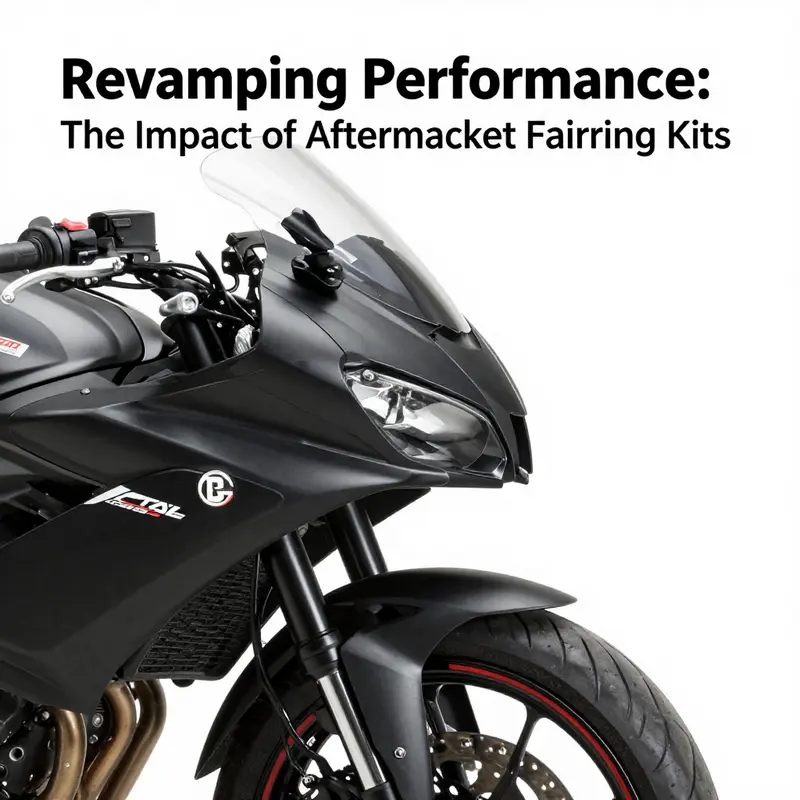
Installing aftermarket fairing kits is more than swapping panels on a motorcycle. It is a careful convergence of form and function, where appearance must harmonize with the bike’s geometry, weight balance, and airflow. A kit that looks aggressive in a showroom photo can, in real riding conditions, become a source of drag, turbulence, or even safety hazards if the fit is off. The journey from buying a set of panels to riding with a cohesive, performance-minded exterior begins with a clear understanding that compatibility is the single most important gatekeeper. Even small discrepancies in frame geometry, mounting points, or clearances around the handlebars and fuel tank can cascade into misalignment, rubbing, or interference with controls. Manufacturers typically publish compatibility charts that specify make, model, and year ranges, and reputable retailers usually include this critical information in product descriptions. When a kit is explicitly designed for a particular model and year, it preserves the structural integrity of the original mounting system, or at least provides a detailed blueprint for how to adapt it without compromising safety. The practical takeaway is straightforward: before you order, confirm that the kit is designed for your exact bike. If the documentation is vague or silent on fitment, consider reaching out to the supplier or choosing a different option. This diligence saves time, money, and the risk of installing something that doesn’t align with the bike’s architecture. The compatibility conversation also invites a broader reflection on the bike’s frame geometry and how it interacts with aftermarket panels. Even when mounting points line up, minute differences in the distance between brackets, the curvature of the fairing’s inner surfaces, or the way the nose tucks under the triple clamp can alter the line of the bodywork. A panel that seems to fit fiat in one area may bow outward or inward elsewhere, creating gaps that can trap water, grit, or heat. This is not merely cosmetic; gaps can channel air in unintended directions, degrade aerodynamics, or cause contact with moving parts during suspension travel, steering input, or wheel movement. The stakes rise further when you consider wind protection and rider comfort. A kit that looks sharp but creates excessive wind noise, buffeting, or turbulence around the rider’s chest and helmet undermines the very purpose of a fairing upgrade. It is essential to view fitment as a systems problem, not a surface problem. The fairing, the mounting hardware, the weather sealing, the windscreen, and even the headlight or turn-signal housings must work together to maintain the bike’s intended airflow patterns. For riders chasing a factory-like finish or a complete restoration, a full fairing kit promises the most cohesive look, but it also escalates the installation challenge. Full upper and lower panels come with a larger number of components and mounting brackets. They demand meticulous alignment of multiple reference points across the frame. This is where a methodical approach pays dividends: inventory and sort parts before you touch any tools, check every piece against the manufacturer’s drawings, and plan the sequence of mounting to minimize rework. In contrast, a smaller, upper-handed kit or half-fairing subset reduces the number of attachment points and can be friendlier to DIY enthusiasts. Even so, these kits can alter the vehicle’s lighting alignment, requiring careful evaluation of headlight, taillight, and indicator position after the initial mock-up. The lighting system is not merely an aesthetic addition; it is part of the fairing’s geometry. If a kit modifies the headlight nacelle or eliminates a portion of the original fairing, you may need to re-route wiring harnesses, add relays, or source new mounting hardware to keep all electrical functions operating correctly. The practical implication is clear: plan for electrical work as an integral element of the install, not an afterthought. When you begin the actual installation, the process reveals the layered realities behind the glossy images in catalogs. The first stage is often a containment check—verifying that every fastener, bracket, and clip is present and free of defects. Skips here, and you risk misalignment or stripped threads once the fairing is torqueed to the specified values. The next stage is an initial dry fit, which is done with the bike supported and upright, rather than with the fairing panels press-fit to a weight-bearing position. This dry fit helps to reveal early conflicts between the fairing’s inner surfaces and the bike’s hardware. It also makes it possible to determine whether the kit requires modification to mounting brackets, or if a different door-like approach to fastenings is necessary. In practice, such a test-fit often exposes a few realities about installation complexity. Full kits typically require bracket modification or replacement, careful routing of wiring harnesses, and verification of clearances around the handlebars, fuel tank, engine blocks, and radiator ducts. These steps are not mere tasks; they are a re-engineering of how the bike’s front end is held together. Even seemingly minor tasks, like adjusting the height of the windscreen or rethinking the position of the headlight cowl, can cascade into changes that affect wind protection and airflow. That is why a methodical, patient approach is essential. It is also worth noting the role of finish and material quality in the installation narrative. The most common materials for aftermarket fairing kits are ABS plastic, fiberglass, and carbon fiber composites. ABS plastic is favored for its durability, ease of repair, and consistent finish. It tends to perform well under typical riding temperatures, resists impact, and holds paint relatively well when properly prepped. Fiberglass is lighter in some formulations and can be molded into complex shapes with good stiffness, but it may require more careful finishing work, including filler, sanding, and a high-quality paint process to avoid surface imperfections. Carbon fiber is prized for its lightness and strength, but it arrives at a higher price point and demands precise workmanship in both mold quality and surface finishing. Regardless of material, the fairing kit often arrives unpainted and requires color matching to the bike. This step is not cosmetic alone; paint matching protects the finish from UV degradation, seals against moisture, and helps preserve the adhesive performance of the mounting tape or sealant used during assembly. To achieve a factory-like appearance, many riders pursue paint work in a controlled environment, using a spray booth, proper ventilation, masking techniques, and trained application protocols. Poorly executed paint finishing can undermine the very purpose of the upgrade by introducing irregular color tones, visible seams, or adhesive failure at the edges of panels exposed to the elements. The effort invested in finishing is not wasted, because a seamless paint job contributes to the aerodynamics and water shedding properties of the final assembly. If the finish is uneven, panels may create small pockets of stagnant air, or moisture can find its way into gaps and joints during rain, accelerating corrosion at mounting points or fasteners. The aerodynamics and wind protection implications extend beyond the surfaces themselves. A well-fitted fairing kit should work with common aftermarket accessories, such as windshields and LED lighting. Designs that anticipate rider upgrades will include provisions for these additions, ensuring that future modifications do not force a rework of the entire front end. Conversely, kits that lack flexibility in this regard can lock a rider into a limited upgrade path, making it harder to adapt to different riding conditions or to switch to a taller windscreen for improved comfort at highway speeds. The considerations above reinforce a central truth: compatibility is a systems problem. A kit may fit the frame, but if it clashes with a windscreen, a radiator duct, or a headlight assembly, it can degrade both performance and safety. Therefore, a thorough evaluation should go beyond a quick visual check. It should include a line-by-line review of the kit’s hardware, a test of electrical connectors, and a virtual or physical check of clearance along every axis. A practical tip for riders chasing both aesthetics and performance is to treat the installation as a staged process. Start with a non-permanent mounting approach, using temporary fasteners and painter’s tape, so you can observe how the panels align across the bike’s front end. Move to a semi-permanent stage where you secure all mount points with the recommended fasteners at the correct torque values, while temporarily routing wiring harnesses. Only then should you install the final hardware and perform a full electrical functional test for all lighting, indicators, and auxiliary power. This staged method reduces the risk of irreversible mistakes and minimizes potential damage to either the panels or the bike’s components. In addition to the mechanical and electrical considerations, a reliable installation also rests on the clarity of the product documentation. High-quality aftermarket kits typically come with detailed installation manuals, torque specs, and step-by-step diagrams that help the installer stay aligned with the intended assembly sequence. They may also provide troubleshooting guidance for common issues such as misalignment, panel gaps, or electrical faults. When the documentation is thorough, the likelihood of a smooth, professional-looking result increases substantially. It is worth reiterating that the pursuit of a well-executed install should be balanced with safety and warranty considerations. Some kits are designed to preserve original crash protection benefits, while others may modify or relocate certain mounting points in ways that could affect the frame’s integrity in a crash. Before committing to a fitment path, riders should understand the warranty implications of the kit and the installation. This awareness helps prevent post-purchase disputes when a panel fails or a mounting point fails under load. Suppliers often outline warranty coverage, including what qualifies as improper installation versus a material defect. A cautious rider will compare these terms, ensure alignment with the bike’s service history, and consider professional installation if there is any doubt about the ability to achieve a flawless, safe result. For riders who want to expand their knowledge beyond the basics, there is value in consulting dedicated guides that synthesize fitment, material science, and aerodynamic theory into practical advice. A reputable resource can articulate why certain shapes align with a bike’s natural airflow and how that alignment translates into reduced drag and improved rider comfort. Such guidance complements hands-on experience and helps set realistic expectations about the outcomes of an aftermarket fairing upgrade. When planning an upgrade, it is also prudent to consider the broader ecosystem around the fairing kit. Accessories that complement the new bodywork, such as compatible LED indicators, seals, and weatherproofing solutions, can contribute to a more cohesive final result. Likewise, robust packaging and careful shipping practices protect delicate panels from impact during transit, reducing the chance of damage before installation even begins. In the end, the value of aftermarket fairing kits lies not in a glossy catalog image but in how well the installed panels integrate with the bike’s architecture, weather exposure, and rider needs. The most satisfying outcomes are born from a thoughtful blend of model-specific compatibility verification, a deliberate, staged installation approach, a careful finish that respects the original aesthetics, and an awareness of how the new geometry affects aerodynamics and cooling. This integrated perspective helps riders avoid the twin traps of overreaching with a demanding full-kit install and underperforming with a glossy but ill-fitting half measure. It also sets the stage for successful future upgrades, such as improved wind protection, better lighting integration, or enhanced ducting that works with the bike’s cooling system rather than against it. For readers seeking practical, model-agnostic guidelines on choosing the right fairing type and understanding the trade-offs involved, a well-regarded resource offers a concise framework that connects form, function, and safety in a single, readable guide: https://www.bikeexif.com/motorcycle-fairing-guide-how-to-choose-the-right-type/.
Riding the Edge: Market Trends, Customization, and Supplier Innovation in Aftermarket Motorcycle Fairing Kits
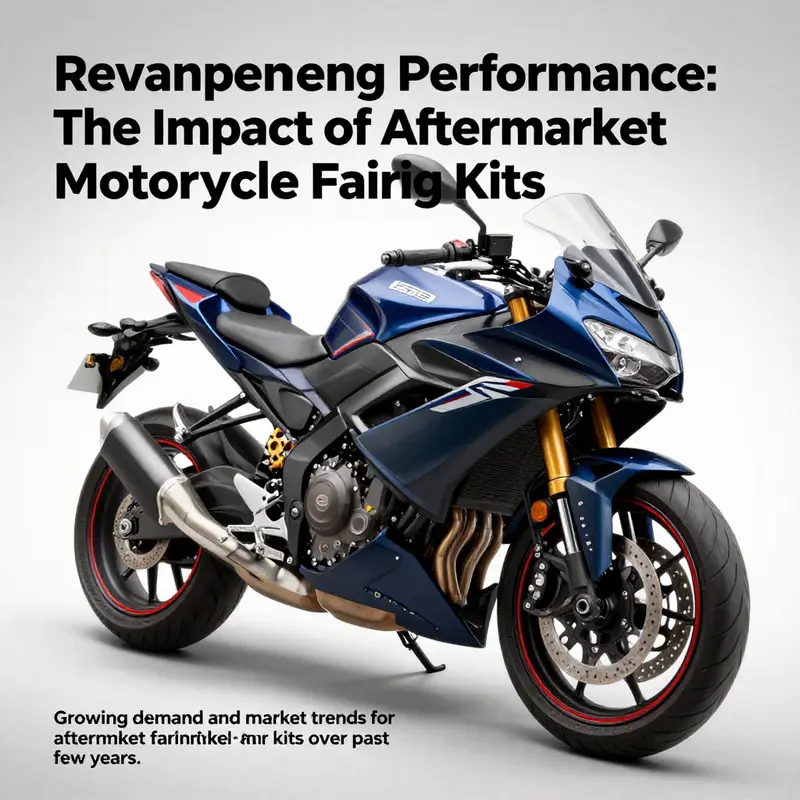
The aftermarket motorcycle fairing kit landscape sits at a pivotal crossroads where engineering meets identity. Riders seeking speed and protection still crave improved aerodynamics, but an equally strong impulse pushes toward personal expression, subtle customization, and a tactile connection to their machines. Across sport bikes, touring machines, and urban commuters alike, aftermarket fairings have matured from simple cosmetic add-ons into carefully engineered systems designed to shave weight, streamline airflow, and soften the wind fight at highway speeds. This evolution mirrors a larger shift in motorcycle culture: performance upgrades are no longer solely about horsepower; they are about how a rider feels in the saddle, how the machine communicates with wind, and how the bike communicates back in terms of balance, control, and day-to-day usability. The market’s ascent reflects how riders blend function with form, and how suppliers respond with architectures that respect both physics and personal style.
From a macro perspective, the market has demonstrated robust expansion. The global market valuation reached a notable level in the mid-teens of billions, with a compound annual growth rate running in the low double digits through the next several years. This momentum is not driven by a single factor; it is the result of intertwined forces. First, there is a rising demand for enhanced aerodynamics. Fairings that shape airflow more precisely can contribute to fewer drag losses, lower wind pressure on the rider, and in some configurations, modest gains in fuel efficiency on longer rides. Second, rider comfort has moved to the forefront. Wind protection, reduced fatigue on long days in the saddle, and improved weather resilience all factor into the decision to upgrade, especially for touring and sport-touring models. Third, personalization remains a constant. Riders desire a look that mirrors their riding philosophy, whether that is a stark, race-inspired silhouette or a more understated, minimalist presence. Taken together, these drivers have created a market where function and aesthetics support each other rather than compete for attention.
One of the most noteworthy shifts within customization is the rise of half fairings as a practical compromise. Half fairings offer meaningful wind deflection while preserving access to maintenance points, battery terminals, and other routinely serviced components. This category has grown in popularity as riders demand both form and flexibility. For those who want a high-gloss, race-ready presentation without sacrificing ease of upkeep, half fairings with matte finishes have become especially appealing. Matte textures not only reduce glare under bright sunlight but also provide a tactile sense of rugged refinement that many riders find aligns with track-day and street-oriented aesthetics alike. In addition to texture, color-matching panels and pre-painted kits that align with original equipment manufacturer (OEM) standards have moved from novelty to mainstream. With color-matched assemblies, the bike reads as a cohesive whole rather than a patchwork of after-market panels, reinforcing both visual appeal and perceived craftsmanship.
Material choice remains a central design lever in aftermarket fairings. Early iterations leaned heavily on ABS plastic or fiberglass, prized for their balance of rigidity, impact resistance, and ease of fabrication. As the market matures, carbon fiber and advanced composites begin to appear more frequently, especially among performance-oriented builds. These materials offer a compelling combination of stiffness, lightness, and perceived prestige, though they often come with higher cost and more exacting fabrication requirements. The material conversation is not merely about weight; it is about the way panels respond to heat, vibration, and wind load during aggressive riding. Careful resin systems, precise layups, and robust protective coatings are essential to maintain gloss retention and color stability under sun exposure and road grime. Suppliers have responded by refining finishing processes, such as UV-resistant clear coats and advanced edge treatments, which help preserve the aesthetic integrity of a kit over years of use.
The pursuit of aerodynamic excellence underpins much of the product development in this sector. Modern fairing designs emphasize smoother leading edges, refined air channels, and strategically placed vents that help manage pressure differentials around the rider’s torso and helmet. When done well, these features translate into a more predictable wind buffet, reduced helmet buffeting at high speeds, and a calmer ride experience overall. Importantly, the aerodynamic improvements are not merely about top speed; they influence handling stability and comfort during everyday riding. For instance, a well-executed fairing can help stabilize steering feel at mid- to high-range speeds by smoothing the wind-induced forces that otherwise tug at the front end of the bike.
Consumer behavior has evolved in tandem with these technical advances. Riders increasingly expect products that deliver both aesthetic wow-factor and tangible practical benefits. They want kits that arrive with clear installation guidance, compatible mounting hardware, and documented fitment for specific models. They also want reviews and technical data that confirm the kit aligns with OEM tolerances and does not introduce adverse effects such as excessive wind noise or fitment gaps. In response, suppliers have built more transparent product pages that include precise weight specifications, mounting hardware inclusions, and detailed compatibility notes. The emphasis on reliability and support has become a differentiator in a crowded market, where a thoughtful after-sales experience can convert a curious shopper into a long-term customer.
Within this dynamic landscape, the supplier community plays a central role. The field includes specialized manufacturers that focus on performance-oriented fairings as well as those that concentrate on aesthetic refinement. A respected supplier in this space emphasizes precision fitment and high-quality materials, ensuring that the installed kit behaves like a factory counterpart in terms of both fit and function. These providers often offer a spectrum of options tailored to specific popular models, with a gallery of configurations that address common rider goals—from weight reduction and improved air management to bold visual statements. The best suppliers accompany their product lines with robust technical support, clear installation guidance, and post-purchase service that helps riders resolve any alignment or fitment concerns after installation. The outcome is a sense of confidence: the rider knows that the kit is not a decorative shell but a coherent, performance-minded system integrated with the bike’s overall engineering package.
Material composition and manufacturing innovations continue to push the category forward. Lightweight and durable choices dominate, but the nuanced reality is that there is no one-size-fits-all solution. ABS remains popular for its affordability and ease of manufacturing, while fiberglass offers ruggedness and a modest weight reduction. Carbon fiber, while more premium, unlocks significant weight savings and a distinct aesthetic that resonates with track-day participants and discerning street riders alike. Manufacturers experiment with reinforced cores, smart laminates, and improved bonding methods to minimize flex under high-speed wind loads. Finishing technologies are equally important; durable paints, clear coats with UV resistance, and edge-sealing techniques preserve the visual integrity of the kit through exposure to rain, sun, and road salt. All of these materials and processes contribute to a product ecosystem that promises not only a striking look but also resilience in real-world riding conditions.
From a purchasing perspective, the decision matrix for riders extends beyond the kit itself. The most informed buyers weigh material durability, weight savings, ease of installation, and whether the kit includes all necessary mounting hardware. They also consider fitment accuracy, which correlates with overall performance and rider confidence. Reputable suppliers typically provide detailed specifications and robust support—cars or bikes share the need for exacting tolerances, and riders expect the same standard of clarity. A well-documented kit with precise model compatibility reduces the risk of misfits that can compromise both appearance and daily usability. Moreover, many buyers now cross-check multiple sources, read third-party reviews, and compare installation timelines to minimize downtime between when a kit arrives and when the bike is back on the road or track.
Market channels for aftermarket fairing kits have also matured. Online marketplaces and specialized platforms offer expansive catalogs that connect riders with a broad array of options, including model-specific configurations and universal solutions. Suppliers with certified product standards and OEM capabilities can provide an added layer of assurance, especially for riders who demand consistent fitment across years and different sub-models. For buyers who want to explore the model- or brand-specific landscape, targeted browsing can be efficient. A common starting point is to explore category pages that curate kits by model family or fairing type, which streamlines the discovery process and helps riders quickly narrow down to options that align with their bike’s geometry and intended use. As the market continues to evolve, the value proposition expands beyond the kit itself to include a more comprehensive package: installation guidance, after-sales support, and a network of service professionals who can help with customization and alignment checks after a purchase.
In terms of market positioning, there is a notable emphasis on aligning aftermarket offerings with OEM standards in terms of fit and finish. The best suppliers take care to ensure that their kits do not merely resemble the original design but actually replicate the functional interfaces and mounting strategies that contribute to reliable installation. This approach reduces the risk of misalignment, which can manifest as gaps between components, wind noise at speed, or reduced protective coverage during rain and cold weather. The result is a smoother integration experience for riders who value both performance consistency and aesthetic coherence. The broader market picture also reflects the continued importance of education and documentation. Riders appreciate installation manuals that cover step-by-step assembly, recommended torque specifications, and cautions about potential interference with electronic components or radiator shielding. Clear documentation translates into fewer returns, faster assembly, and higher levels of rider satisfaction.
Beyond individual rider choices, the market is seeing a convergence of supply chain resilience and design consistency. Suppliers increasingly emphasize consistent color matching, surface finish quality, and standardized accessory kits that can be adapted across several models with minimal rework. This trend helps reduce lead times and production variability, ensuring that even limited-run or race-inspired configurations can be delivered with predictable quality. The sophistication of recent designs also reflects a growing emphasis on environmental controls within manufacturing facilities. Controlled environments ensure that resin infusion, carbon layups, and gel coats maintain uniform results across batches. For riders, this translates into fewer surprises when the kit arrives at their doorstep and a more confident expectation of long-term performance.
To support the practicalities of building a capable, cohesive aftermarket motorcycle, many kits now come with considerations for rider comfort and protection beyond wind deflection. Designers optimize caf system integration to accommodate rider cockpit ergonomics and reduce wind pressure on the upper body, which can contribute to a more relaxed posture during long rides. The balance between performance, protection, and style is a delicate one, and successful kits are those that achieve measurable gains in wind management without introducing new sources of noise or vibration. In practice, this balance often emerges from a combination of aero shaping, targeted venting, and precise tolerances that keep panels aligned with the bike’s frame and bodywork geometry. The result is a kit that not only looks purpose-built but also behaves as an integrated component of the motorcycle’s overall aerodynamics and protection strategy.
As riders browse for options, the choice of vendor remains a critical consideration. A dynamic supplier landscape features specialists who can deliver complete, model-specific kits and broader lineups that offer adaptable solutions for multiple platforms. The market rewards those who couple design excellence with reliable manufacturing practices and transparent customer support. Buyers increasingly demand that suppliers provide a clear rationale for design choices—why a certain clipping method, why a particular panel thickness, or why a given paint layer is chosen for weather resistance. In this sense, the kit becomes not just a collection of panels but a carefully engineered system whose performance depends on the fidelity of its construction and the integrity of its documentation. This integrated approach to design, production, and post-sale assistance forms the backbone of a mature aftermarket ecosystem that supports riders across a spectrum of use cases—from weekend track enthusiasts to daily commuters who want weather protection and a personalized aesthetic on their daily ride.
For riders who want to dive deeper into the practicalities of catalog navigation and model-specific options, a reliable starting point is to explore aftermarket fairing categories tailored to particular lines. A convenient entry point for model-oriented exploration is the Yamaha fairings category, which aggregates relevant options and can guide a shopper toward compatible configurations that respect the geometry and mounting conventions of that family. The convenience of model-targeted listings helps ensure that choices align with the bike’s structural interface, reducing the risk of misfits and the friction that can accompany a broader, non-specific search. This approach, while seemingly incremental, reflects a broader market trend: buyers are increasingly choosing specificity and compatibility as a core criterion for making a purchase in a technically complex domain like fairing kits. To maintain a high level of satisfaction, suppliers continue to refine fitment data, use standardized naming conventions for compatibility, and publish installation resources that reflect real-world assembly scenarios.
The evolving market narrative also recognizes the importance of global reach. While many riders seek local or regional availability, the emergence of cross-border suppliers and international marketplaces has broadened the pool of available designs and materials. This expansion brings both opportunities and responsibilities. On the positive side, riders enjoy greater access to high-quality, OEM-grade options and a wider diversity of aesthetic modes. On the downside, buyers must exercise diligence in evaluating supplier credibility, warranty terms, and post-purchase support. The period ahead is likely to feature an increasing emphasis on certifications and standards that help reassure buyers about material quality, appropriate use, and long-term durability. For enthusiasts who want a balance of performance, style, and confidence, this developing ecosystem promises more predictable outcomes and a clearer path from concept to finished installation.
In sum, the aftermarket fairing kit market is not a mere accessory segment. It is a sophisticated, multi-faceted industry that blends aerodynamics, materials science, industrial design, and consumer psychology. The growth trajectory is reinforced by a confluence of customization trends, performance imperatives, and a supplier community that remains responsive to rider needs. The most successful products are those that respect the bike’s original engineering while offering meaningful enhancements in wind management, protection from the elements, and a distinctive visual signature. As riders continue to seek a more tailored riding experience, the fairing kit ecosystem will likely become even more integral to how motorcyclists define their relationship with their machines—an adaptive partnership between rider, machine, and the wind that surrounds them. Yamaha fairings offers a concrete example of how model-focused categories can streamline discovery and help riders align their aesthetic goals with solid, model-specific fitment data. The interplay of design intent, material science, and consumer expectation will continue to shape this evolving domain, with suppliers striving to deliver coherent, reliable kits that meet the demands of both street and track use.
External resource: For a broader market perspective and current projections, see MarketsandMarkets’ analysis of the motorcycle fairing market. https://www.marketsandmarkets.com/Market-Reports/motorcycle-fairing-market-149882777.html
Final thoughts
The aftermarket motorcycle fairing kit market presents a wealth of opportunities for business owners. Understanding the benefits these kits provide for performance enhancement, the selection of durable materials, installation intricacies, and current market trends is critical for meeting customer needs. As riders seek ways to personalize and optimize their sportbikes, stocking and promoting tailored fairing kits can significantly boost sales and customer satisfaction. Embracing this segment of the motorcycle market could yield significant rewards as trends continue to evolve.