
Introduction
As the motorcycle industry evolves, aftermarket fairings have become a cornerstone for enthusiasts and business owners alike, bridging the gap between factory standards and custom needs. These fairings not only boost the aesthetic appeal of bikes but also enhance aerodynamics and rider protection. This guide serves as a resource for business owners by detailing the various types of aftermarket fairings, the materials that define their durability and performance, popular brands that specialize in these products, financial implications, and insights on installation and customization. By understanding these key areas, business professionals can make informed decisions and provide value to their customers.
Tables of Contents
Chapter 1: Exploring the Varied Landscape of Motorcycle Fairings: Material Differences and Practical Uses
- The Material Spectrum of Aftermarket Motorcycle Fairings: Characteristics and Customization Opportunities
Chapter 2: Exploring the Fabric of Aftermarket Fairings: Performance, Materials, and Aesthetic Customization
- On the Fast Track: How Material Choices in Aftermarket Fairings Influence Performance and Personalization
Chapter 3: Exploring the Versatile World of Motorcycle Fairings
- The Enduring Appeal of ABS Plastic in Aftermarket Fairings
Chapter 4: Diving Deep into the Genesis of Motorcycle Fairing Materials
- Unveiling the Versatility of Carbon Fiber in Aftermarket Motorcycle Fairings
Chapter 5: Innovative Trends in Aftermarket Fairings: Material Science and Precision Engineering
- Revolutionizing Motorcycle Aesthetics and Performance with Cutting-Edge Fairing Technology
Chapter 1: Exploring the Varied Landscape of Motorcycle Fairings: Material Differences and Practical Uses
1. The Material Spectrum of Aftermarket Motorcycle Fairings: Characteristics and Customization Opportunities
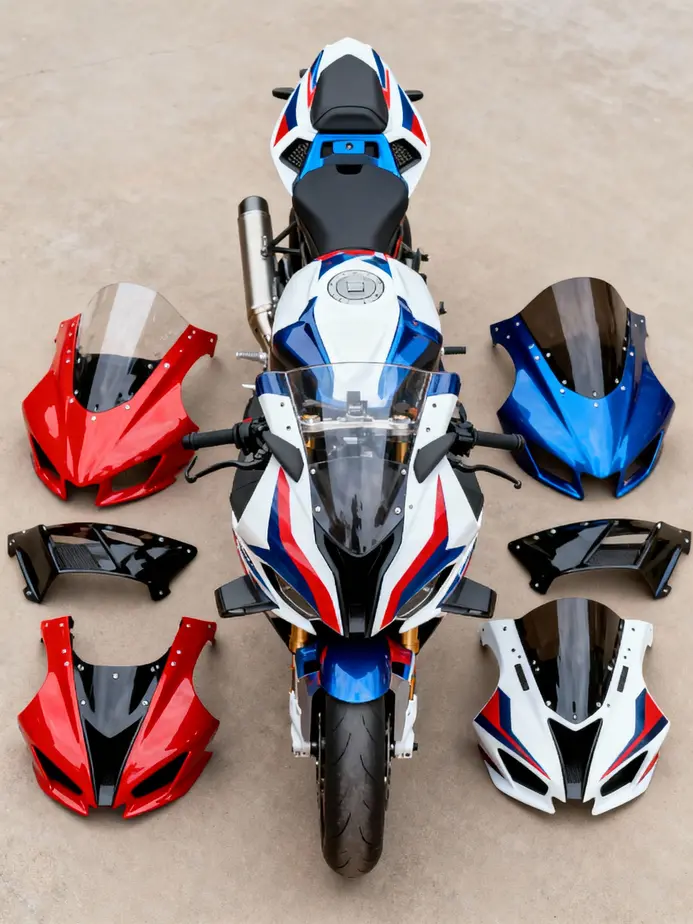
In the world of motorcycles, personalization and performance optimization are paramount, with aftermarket fairings playing a crucial role in achieving both. In this discussion, we delve deeply into various materials used for these fairings, evaluating their unique properties, advantages, and the specific types of riding applications they cater to. Each material brings forth distinct benefits that allow riders to customize their machines for different experiences, be it for day-to-day commuting or exhilarating race tracks.
ABS Plastic stands out as the most widely utilized material in the aftermarket fairing market. Renowned for its cost-effectiveness, lightweight nature, and impressive impact resistance, ABS is the go-to choice for many riders. Its flexibility lends itself to easy installation, allowing enthusiasts to upgrade their bikes quickly. Typical applications include daily commuting and entry-level bikes where drops might occur but do not necessarily warrant high-end repairs. However, while ABS affords an aesthetic appeal adequate for most, it does not match the sleek, premium appearance of more advanced materials, somewhat limiting its desirability for show bikes. With price ranges generally between $150 and $400 per kit, it presents a compelling option for budget-conscious riders looking to enhance their motorcycles without a significant financial outlay.
Moving to Fiberglass, or Glass Reinforced Plastic (GRP), this material is frequently favored for its impressive durability and favorable strength-to-weight ratio. Fiberglass fairings are designed for a range of applications from spirited weekend riding to competitive environments such as club racing. The versatility of fiberglass shines through when repairs are needed. Crashes are an inevitability in both racing and casual riding scenarios, and the nature of fiberglass allows for repairs that can render them nearly as good as new. Reinforced fiberglass options, incorporating materials such as Kevlar-carbon, provide the added benefit of increased puncture resistance, which is especially critical in high-stakes racing, where even a small advantage can be decisive.
Price ranges for fiberglass kits hover around $200 to $600, appealing to both amateur racers and serious enthusiasts. While fiberglass may encounter cracking under high impacts, its propensity for repair adds to its value as a long-term investment. Thus, riders participating in track days or rally events frequently seek out fiberglass fairings to establish the right balance between performance and cost.
The pinnacle of high-performance materials is undoubtedly Carbon Fiber. Known for its extraordinary strength-to-weight ratio, carbon fiber fairings can reduce weight by approximately 30% compared to standard ABS alternatives. This property makes it the material of choice for racing applications and show bikes where agility and performance are non-negotiable. Carbon fiber’s rigidity enhances aerodynamics, contributing to refined handling and speed, setting the stage for top-tier performance on the track.
This premium material does command a higher price, typically ranging from $600 to over $2,000, but it provides exceptional returns for dedicated racers and those seeking an ultimate aesthetic. However, prospective buyers should be aware that while visually stunning with its unique weave pattern, carbon fiber can be fragile and is susceptible to ultra-violet degradation. Repairs require specialized knowledge and skills, emphasizing the need for caution and maintenance to preserve these high-stakes components.
The final material we examine is thermoplastics, specifically polycarbonate. Known for exceptional clarity and high impact resistance, thermoplastics are frequently utilized in windshields and utility panels for touring motorcycles. This material offers a promising blend of durability and lightweight properties, facilitating designs that prioritize visibility without compromising rider safety. As touring enthusiasts often require something that withstands the elements while enhancing sightlines, polycarbonate becomes an excellent choice.
Despite its benefits, thermoplastics often require primers for painting, and achieving a precise fit can pose difficulties for manufacturers. The cost of thermoplastic panels can vary, making them a less predictable investment than ABS or fiberglass but ultimately an essential part of custom builds focused on usability.
When considering aftermarket fairings, understanding each material’s properties allows for informed decisions based on riding style, aesthetic preference, and practical needs. A summary table highlighting the key material types encapsulates this information succinctly:
| Material | Key Advantages | Typical Applications | Drawbacks | Price Range (Kits) |
|——————|————————————-|—————————————–|————————————–|———————-|
| ABS Plastic | Cost-effective, impact-resistant, lightweight, easy to install | Street, commuting, entry-level | Less premium aesthetics | $150–$400 |
| Fiberglass | Durable, repairable, strong for rough use | Racing, rally, track days, customs | Can crack, needs finishing | $200–$600 |
| Carbon Fiber | Ultra-light, high rigidity, agile | Pro racing, show bikes, performance | Expensive, fragile, repair-complex | $600–$2,000+ |
| Thermoplastics| Clear, tough against elements | Windshields, touring | Fitment/paint issues | Varies (often panels) |
Ultimately, these material choices reflect a motorcycle’s intended use, with aftermarket fairings prioritizing specific qualities over OEM parts to achieve greater customization and enhanced performance. Brands such as Puig and GPR lead the market with options tailored for sportbikes, ensuring precise fitting much needed for optimal aerodynamics. Selecting the right material is contingent upon the rider’s goals, budget, and desired aesthetics. Whether it’s a daily ride around town or a thrilling lap on the race track, understanding these variations will ensure that motorcycle owners can find the fairing best suited for their specific needs, enhancing their riding experience.
For those who like to mod or build their motorcycles uniquely, exploring options across different platforms is crucial. Options for many major motorcycle brands can be found, such as Honda, offering specific integrations and custom features that elevate the riding experience and highlight individual style.
Chapter 2: Exploring the Fabric of Aftermarket Fairings: Performance, Materials, and Aesthetic Customization

1. On the Fast Track: How Material Choices in Aftermarket Fairings Influence Performance and Personalization
The world of motorcycle aftermarket fairings presents a fascinating intersection between functionality and aesthetic personalization. With a variety of materials available, motorcycle enthusiasts can choose options that not only enhance performance but also align with their own style and preferences. From casual riders focusing on daily handleability to serious racetrack competitors looking for every advantage, each type of fairing offers unique benefits tailored to specific needs.
Exploring the Material Spectrum
Among the most popular materials for aftermarket fairings are ABS plastic, fiberglass (FRP), carbon fiber, and thermoplastics, not to mention the innovative Kevlar-carbon variants. Each material contributes differently to the bike’s performance, weight, and appearance, allowing users to align their motorcycle aesthetics with their riding philosophy.
Starting with ABS plastic, it reigns as the go-to choice for many riders due to its robustness and flexibility. This material is favored for daily riding and moderate customization because it is durable and easy to install. Riders can expect to pay between $150 and $400 for a complete kit, making it a budget-friendly option when compared to astronomical OEM prices. The availability of ABS plastic fairings from numerous retailers like NiceCycle and Kings Motorcycle Fairings ensures that most bike models are covered, showcasing this material’s widespread acceptance.
In contrast, fiberglass (FRP) fairings cater to those looking for a lighter and more customizable alternative. Weighing less than their ABS counterparts, fiberglass fairings appeal to riders who actively seek to improve performance while also aiming for distinct visual flair. However, they do come with a caveat; fiberglass can be more vulnerable to cracking under severe impact. This fragility makes it essential for users to employ skilled professionals for prep work if they opt for a custom paint job, as improper adhesion could wreck the desired outcome. The cost for fiberglass kits generally falls between $200 and $600, providing an attractive compromise between weight savings and visual originality.
Next in line, carbon fiber fairings are the crème de la crème for serious racers and enthusiasts. With their superior strength-to-weight ratio, carbon fiber components allow for remarkable performance enhancements, making them ideal for those aiming for the track and pushing their machines to the limits. While they come with a heavy price tag—often exceeding $600 and reaching upwards of $2,000—many riders justify such an investment through the enhanced handling, reduced fatigue during long rides, and overall racing competitiveness. This material is especially prevalent in high-stakes environments where milliseconds matter.
For those desiring an additional layer of resilience, Kevlar-carbon reinforced fairings offer a unique blend of safety and performance. With their puncture-resistant properties, these fairings excel in protecting critical areas of the bike. They become particularly valuable in racing contexts, providing not just aerodynamics but also a safeguard against potential spills that could cause more than just aesthetics damage. The reassurance of knowing that critical parts are less likely to fail in adverse scenarios makes them a compelling choice for competitive riders.
Lastly, polycarbonate and thermoplastics serve specific purposes, namely in windshields and panels that need enhanced clarity and superior impact resistance. While they might not form the primary bodywork, these materials do play a critical role in providing visual appeal as well as enabling seamless interaction with the rider’s environment. However, when painting polycarbonate or thermoplastics, one might find that special primers are necessary to ensure longevity of the finish, and care must also be taken as fitment can vary.
Impact on Performance
The weight reduction achieved through the installation of aftermarket fairings results in enhanced handling and performance, a boon especially evident in high-speed contexts. Riders who value nimble maneuverability will appreciate the difference a lightweight fairing can make during sharp turns or sudden stops. Improved aerodynamics serves as another crucial component of performance impact; aftermarket fairings are often designed with streamlined shapes that significantly reduce drag, allowing motorcycles to cut through the wind with greater ease. The superiority of components designed specifically for aerodynamics—such as those engineered by racing companies—often outperforms factory components, enabling seasoned riders to maximize their speed while maintaining stability during rides.
Aftermarket fairings are additionally capable of enhancing airflow and cooling, helping to maintain the motorcycle’s optimal temperature even under demanding conditions. This effect is particularly beneficial when riding at high speeds or during summer months, where overheating can compromise performance. Riders who participate in track days or competitive racing find such benefits indispensable, and many choose full fairing kits that encapsulate the bodywork fully to afford maximum aerodynamics.
Customization Options for Personal Expression
Customization goes beyond just replacing broken panels; it allows for an expression of personality and style. Riders can take advantage of the wide array of customization options offered by aftermarket manufacturers, from custom colors and logos to special designs that reflect individual tastes. The ability to tailor these products to specific bike models or personal designs enhances their appeal. For instance, customizing a fairing kit in a color scheme that matches the rider’s personal gear or that stands out in a crowd at events turns the motorcycle into a personal canvas.
Integration of complementary elements, such as reinforcing carbon fiber fork shrouds alongside matching fairings, will create not only cohesion in the visual aspect but also amplify the performance aspects across various components. Many riders relish the opportunity to fuse different materials or customize parts to create a bespoke appearance that speaks to their identity as riders.
Conclusion
Ultimately, choosing the right aftermarket fairing is an undertaking that involves balancing performance impacts with cosmetic desires. The market offers a dizzying array of materials, each with its strengths and weaknesses. ABS plastic and fiberglass present budget-friendly solutions wide enough to make a significant impact on aesthetics and everyday rideability, while premium choices like carbon fiber and Kevlar-carbon are tailored for those whose riding conditions demand the utmost in performance and safety.
Whether you’re looking to make repairs after a mishap or hoping to revitalize your bike with a bold new look, aftermarket fairings offer endless possibilities. With numerous options and the potential for customization, riders can not only enhance the performance attributes of their motorcycles but also create a unique expression of themselves on the open road. For further insights into specific models and popular options, you might want to explore dedicated pages, such as those that feature fairings for popular brands like Yamaha or Honda.
Chapter 3: Exploring the Versatile World of Motorcycle Fairings
1. The Enduring Appeal of ABS Plastic in Aftermarket Fairings
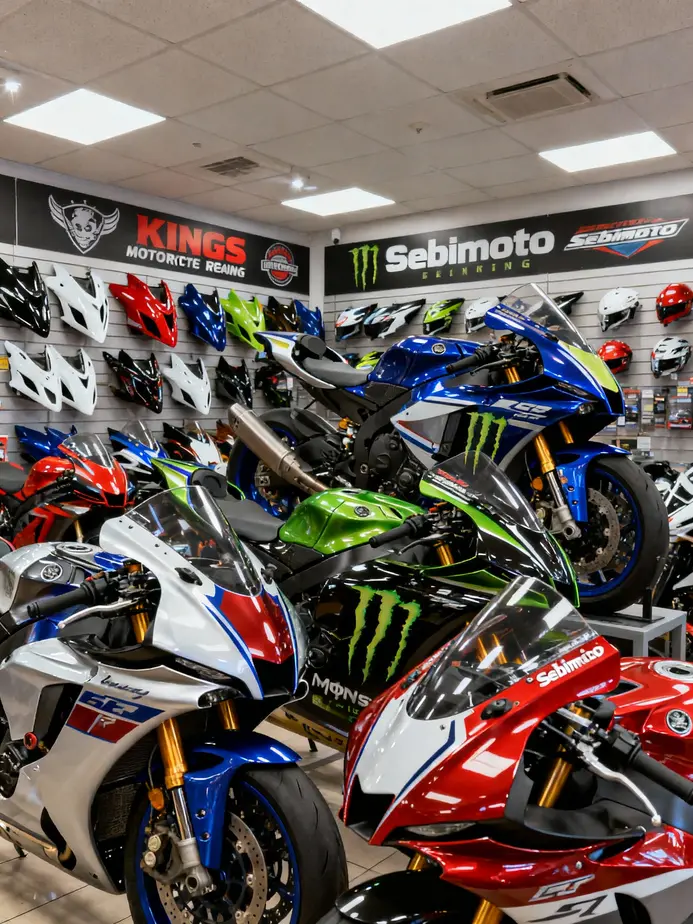
The motorcycle aftermarket is a haven for enthusiasts looking to enhance performance and aesthetics, and one of the most popular materials within this realm is Acrylonitrile Butadiene Styrene (ABS) plastic. Widely recognized for its versatility, affordability, and favorable properties, ABS plastic serves as a cornerstone in the production of aftermarket fairings, becoming indispensable for riders who seek both practicality and personalization.
At its core, ABS plastic is a synthetic thermoplastic that combines the benefits of three primary components: acrylonitrile, butadiene, and styrene. This unique blend imparts a series of characteristics that are essential for motorcycle fairings, including impact resistance, durability, and the ability to maintain stability under varying temperature conditions. These properties make ABS plastic particularly appealing in the demanding environment that motorcycle fairings often endure, from daily commutes to exhilarating track days.
One of the key advantages of utilizing ABS plastic in aftermarket fairings lies in its impressive impact resistance. Riders can encounter rough weather, road debris, or minor falls, and ABS fairings can withstand these challenges without succumbing to cracking or breaking. This means that for a motorcycle owner, investing in ABS fairings not only enhances the bike’s aesthetics but also offers a level of assurance regarding the safety and protection of the bike’s underlying components.
Additionally, ABS is characterized by its lightweight nature. This quality is significant because reducing the weight of a motorcycle can result in improved acceleration, better handling, and increased fuel efficiency – all crucial aspects that appeal to motorcyclists looking to enhance overall performance. Moreover, the low density of ABS ensures that it does not add unnecessary weight to the bike, thus facilitating a more responsive riding experience.
Cost-effectiveness is another cornerstone of ABS plastic’s popularity among motorcycle fairing materials. Unlike alternatives such as carbon fiber or fiberglass, which can come with hefty price tags, ABS fairings generally range from $150 to $400 per kit, making them an accessible option for a broader audience. This affordability does not come at the expense of quality, as ABS offers a good balance of performance and cost, enabling bike owners to achieve a customized look without breaking the bank.
Aesthetics play a quintessential role in the customization of motorcycles, and ABS plastic provides a canvas that is easily painted and decorated. This ease of customization is particularly attractive to motorcycle aficionados who want to express their individuality through their rides. Whether it’s a high-gloss finish or a matte look, ABS fairings can be modified to align with personal style preferences, thereby transforming a standard bike into a unique reflection of its owner’s personality. Furthermore, many manufacturers producing ABS fairings offer options for pre-painted kits, saving riders time and labor associated with DIY paint jobs.
In addition to its many advantages, ABS plastic is notable for its adaptability in molding and fabrication. The material can be shaped into intricate designs, allowing for fairings that don’t just serve a functional purpose but also enhance the visual appeal of a motorcycle. Whether one is looking for a full fairing kit that encompasses the front end of a sportbike or a more streamlined ducktail fairing, ABS can be molded to meet a variety of design specifications, accommodating the evolving tastes of motorcycle riders.
However, operating within the realm of ABS plastic is not without its drawbacks. One significant concern regarding ABS fairings is their vulnerability to UV degradation. Prolonged exposure to sunlight can lead to fading, brittleness, and a general decline in the aesthetic quality of the fairings. Riders living in sunny climates or those who expose their bikes to harsh sunlight for extended periods may need to take additional measures, such as using UV-protective coatings or regularly treating the surface to maintain the fairings’ vibrant appearance.
Another challenge associated with ABS plastic is its repairability. Though minor scratches can often be buffed out, more severe damage resulting in deep cracks can compromise the integrity of the fairing. In such cases, the only viable solution may be to replace the damaged section entirely, which can become an ongoing expense for motorcycle owners who frequently engage in activities that risk their fairings. This concern emphasizes the need for conscientious usage and care when utilizing ABS fairings—particularly for riders who may take their motorcycles on more adventurous journeys.
Temperature sensitivity is also a notable factor affecting the performance of ABS plastic. Depending on specific environmental conditions, ABS can experience warping or cracking when subjected to extreme temperatures, both hot and cold. This characteristic necessitates caution, particularly for riders operating their motorcycles in regions with significant temperature fluctuations. Understanding these limitations and actively working to mitigate risks can extend the life and performance of ABS fairings.
Ultimately, the investment in ABS plastic aftermarket fairings is often guided by a balance of performance, aesthetic desires, and economic considerations. Many riders appreciate ABS for its combination of lightweight properties, impressive impact resistance, and ease of customization, making it an ideal choice for a variety of motorcycle applications from street to track. The strategic use of ABS can contribute to achieving a bike that not only looks good but is also tailored for optimal performance and repair ease, especially in comparison to the often higher-priced OEM alternatives.
Looking ahead, future developments may focus on enhancing the properties of ABS plastics—such as increasing UV resistance or simplifying the repair of damage—thereby solidifying its role in the motorcycle aftermarket even further. As motorcycling enthusiasts continue to modify and improve their rides, the quest for materials that combine durability, lightness, and cost-effectiveness will undoubtedly keep ABS plastic at the forefront of aftermarket fairing discussions. Each type of motorcycle—from sportbikes to café racers—can find suitable ABS fairings that enhance both style and performance, contributing to the vibrant culture and community of motorcycling that celebrates both innovation and personalization.
In the grand tapestry of motorcycle customization, ABS plastic stands out as a prime candidate for those seeking a versatile, high-performing, and cost-efficient alternative to factory options. Whether for replacement purposes or to breathe new life into an older model, investing in high-quality ABS aftermarket fairings ensures both protection and the opportunity to cultivate a unique identity that resonates with the motorcycle community. For those interested in exploring specific ABS plastic fairing options tailored to their bike model, numerous manufacturers and aftermarket providers offer robust selections that can cater to virtually every type of motorcycle.
Chapter 4: Diving Deep into the Genesis of Motorcycle Fairing Materials
1. Unveiling the Versatility of Carbon Fiber in Aftermarket Motorcycle Fairings
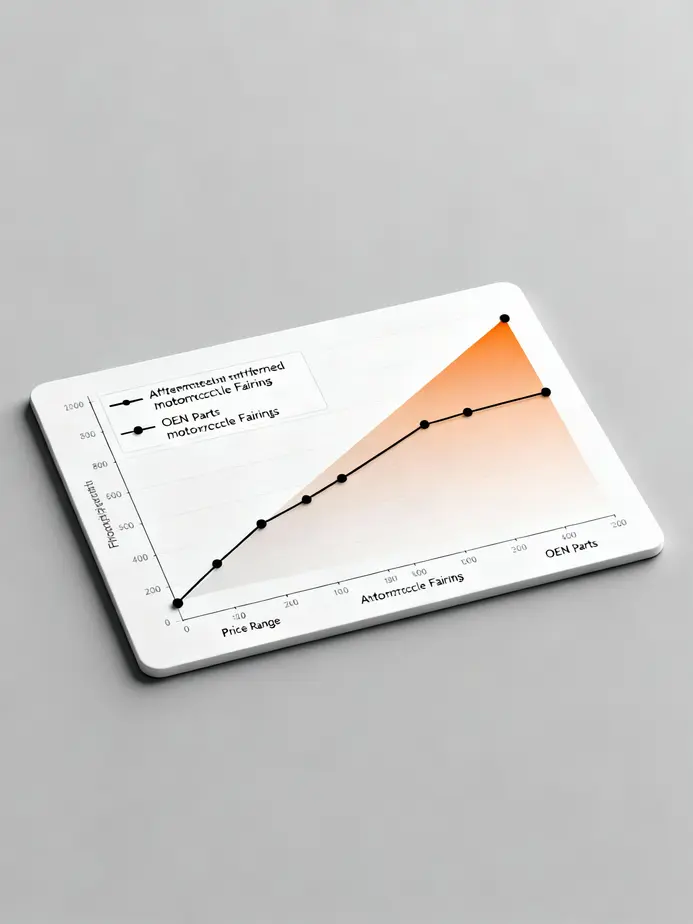
Carbon fiber has become a popular buzzword in various industries, ranging from aerospace to automotive, due to its exceptional strength-to-weight ratio and aesthetic appeal. Yet, in the world of aftermarket motorcycle fairings, carbon fiber remains somewhat of a paradox. Despite its renowned reputation, true carbon fiber is not as prevalent as one might expect; many fairings marketed as carbon fiber are actually embellished with a carbon fiber pattern atop more conventional materials, primarily ABS plastic.
This distinction is crucial for motorcycle enthusiasts to understand when seeking replacements or upgrades for their bikes. The allure of carbon fiber lies in its performance benefits and striking visual appeal, but true carbon fiber fairings come with a higher price tag and may not offer the flexibility or crash resilience that budget-conscious riders or casual commuters often seek. Most manufacturers opt for an ABS plastic base due to its durability and cost-effectiveness, marrying form with function by applying a carbon fiber style finish that mimics the sleek look without the accompanying weight and brittleness.
Even high-performance race fairings focus predominantly on providing OEM-grade ABS plastic structures, ensuring precise fitment and ease of installation for various motorcycle models such as the Yamaha YZF-R1 or the Honda CBR1000RR. This injection-molded ABS option benefits from pre-drilled holes and a flexible nature that can absorb impacts without shattering, a significant advancement over the brittle nature of carbon fiber. Hence, for everyday riding or spirited canyon carving, an ABS base with a carbon fiber finish strikes an ideal balance, allowing riders to sport the look of carbon fiber while enjoying the practical advantages of plastic.
Vendors specializing in aftermarket fairings, such as Monster Fairings and MTCfairings, have capitalized on the appeal of carbon fiber aesthetics without burdening the consumer with the high costs associated with genuine carbon fiber. Their applications of a seven-layer UV-resistant paint process create a glossy or forged carbon fiber illusion that enhances the bike’s appearance while maintaining the structural integrity offered by ABS plastic. This process not only prolongs the life of the finish but also provides an additional layer of protection against the elements, ensuring that bikes retain their custom appearance longer.
For specific models such as the BMW S1000RR or the Yamaha R6/R7, the option to purchase fairings in a ‘Gloss Carbon Fiber Style’ or ‘Faux Forged Carbon Fiber’ finish allows riders to customize their machines without sacrificing functionality. On the other hand, true carbon fiber fairings are available in limited aftermarket options and are often sought for niche applications—particularly in racing configurations where weight savings are paramount. However, even these specialized fairings remain somewhat niche due to their complexity and cost, often favoring fiberglass constructions for performance-oriented applications.
Amid the myriad choices available, it’s essential for riders to prioritize their personal needs and riding style when selecting fairings. Factors like the bike’s intended purpose, whether for racing, street riding, or aesthetic enhancement, dictate the appropriateness of carbon fiber versus ABS plastic with a carbon fiber aesthetic. Options exist for performance-focused riders looking for weight reductions, with true carbon fiber materials resurfacing primarily in higher-end racing setups or custom builds focused on achieving ultimate performance metrics.
In summary, while carbon fiber remains a tantalizing option for aftermarket motorcycle fairings, the reality in the consumer market shows a preference for materials that blend practicality and aesthetics. ABS plastic, adorned with a convincing carbon fiber look, serves the majority of motorcycling enthusiasts well. The vast array of styles available, combined with durability and affordability, suggests that the market will continue to innovate around these established materials, providing riders a fusion of functionality and flair.
For those contemplating a switch from original equipment manufacturer (OEM) parts to aftermarket alternatives, it’s worthwhile to explore a brand’s offerings thoroughly and examine tangible benefits like UV resistance and impact resilience. With options like those from established suppliers that offer a range of customizable choices, riders can achieve desired looks and safeguarded performance without indulging in the more fragile domain of true carbon fiber. As the market for motorcycle fairings evolves, understanding the interplay between material properties and application will play a pivotal role in making informed purchasing decisions.
Chapter 5: Innovative Trends in Aftermarket Fairings: Material Science and Precision Engineering
1. Revolutionizing Motorcycle Aesthetics and Performance with Cutting-Edge Fairing Technology
In the expansive landscape of motorcycle customization, aftermarket fairings play a pivotal role in enhancing both the performance and aesthetic appeal of motorbikes. With a focus on popular brands, it is essential to delve into the technological innovations that have revolutionized the design and functionality of motorcycle fairings, particularly from leading manufacturers. These developments not only cater to the desires of passionate riders but also address the practical needs that arise from daily riding and motorsport activities.
The foundation of any high-quality aftermarket fairing rests in its material selection. A dominant choice among manufacturers is Acrylonitrile Butadiene Styrene (ABS) plastic. This material stands out for its remarkable flexibility and impact resistance, making it a superior alternative to traditional materials that often succumb to impacts or harsh weather conditions. ABS plastic is molded into fairings utilizing advanced injection molding techniques, ensuring a precise fit that matches OEM specifications tightly. The seamless integration of these fairings helps maintain a motorcycle’s aerodynamic efficiency, which is a crucial factor for riders seeking speed and performance.
Furthermore, the advancements in manufacturing technology have permitted the creation of aftermarket fairing kits that not only meet OEM standards but often exceed them. The meticulous nature of injection molding minimizes variances in shape and size, leading to a flawless installation experience. Riders looking for a smooth transition between original parts and aftermarket options find peace of mind knowing that they can enjoy distinctive styling without compromising on performance. These precision-engineered components allow for modifications that enhance aerodynamics—a necessity for both casual riders and high-octane racers.
To complement these advancements in materials and manufacturing techniques, the 7-stage UV-resistant paint processes employed by brands like Monster Fairings ensure a stunning finish that is both eye-catching and durable. This innovative painting method protects fairings from UV rays and environmental factors that can cause colors to fade over time. Riders can customize their motorcycles with vibrant, lasting color options without the worry of gradual wear and tear. Such advancements in paint technology combine visual appeal with protective functionality, allowing enthusiasts to showcase their motorcycles while preserving their investment.
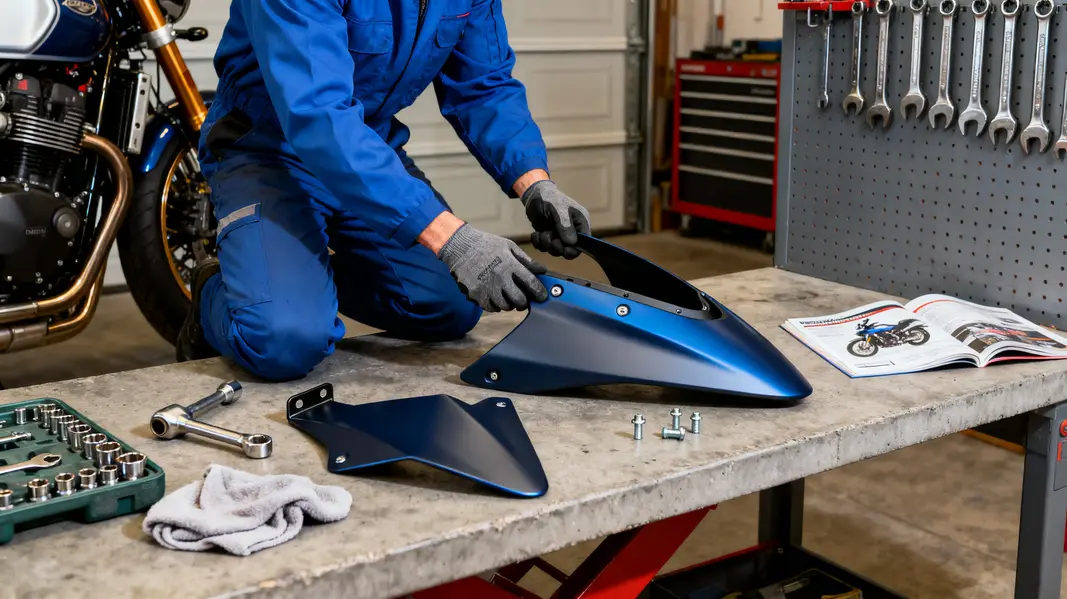
Installation processes have also been enhanced through technological innovations. Many aftermarket fairings now come with pre-drilled components, simplifying the installation for riders, regardless of their mechanical skills. This user-friendly feature means that a novice can outfit their bike with new fairings successfully, transforming their motorcycle’s appearance without the need for professional assistance. Local mechanics and DIY enthusiasts appreciate that manufacturers have taken accessibility into account, leading to an increase in aftermarket fairing installations on personal motorcycles. Whether riders are looking to replace worn-out components or entirely overhaul their bikes’ visual identity, these considerate design aspects make the transition smooth.
Additionally, many fairing kits are bundled with convenient extras, such as heat shields, tinted windshields, and seat cowls, which enhance both the aesthetic continuity and functional aspects of the motorcycle. These components encompass both style and substance, improving heat management during rides and ensuring a more comfortable experience behind the handlebars. Brands that provide integrated components highlight their awareness of riders’ needs by offering complete solutions rather than standalone pieces. Amidst this focus on performance and aesthetics, it shows a commitment to enhancing the overall riding experience.
The leading brand in this sector, Monster Fairings, sets a benchmark in aftermarket fairing innovation. Their kits, particularly for motorcycles like the Kawasaki ZX6R (2024-2026), are constructed from high-grade ABS plastic, yielding significant improvements in flexibility and durability over time. Monster Fairings’ commitment to high-quality inputs underscores its position as a formidable competitor in the aftermarket fairing industry. The thoughtful design extends even to aesthetic details, ensuring that fairings complement the unique styles of different motorcycle models without compromising on their primary functions.
While the aftermarket market thrives on advancements in material science and manufacturing precision, it is essential to note the current limitations faced by brands concerning technological integration into fairings. Unlike OEM manufacturers that are exploring more advanced features such as adaptive aerodynamics or the integration of electronic components, most aftermarket fairings prioritize pure material quality and aesthetic fit. These factors are universally appealing to enthusiasts, as they focus on creating a visually cohesive experience without the complications that additional technology might introduce. Moreover, brands often offer a degree of customization, allowing motorcycle owners the freedom to integrate personal logos or distinct color palettes, catering to the individual tastes of riders.
The technology that shapes aftermarket fairings is an evolving domain still in the grips of potential development. As brands seek ways to further push the envelope, it remains evident that the core values comprising durability, style, and functionality define their reputations. In the face of rapidly changing dynamics in the motorcycle world, aftermarket fairings have become essential components that perfectly balance lasting functionality and expressive aesthetics.
Riders searching for ways to enhance their motorcycle’s performance without delving into extensive engine modifications now have a credible solution in aftermarket fairings. While they represent a critical upgrade, ensuring that they choose an appropriate option tailored to their specific models is just as important as selecting performance upgrades. Each motorcycle brand and model has unique characteristics that affect fitment, and this necessitates careful consideration when selecting aftermarket fairings. Riders benefit significantly from thorough research and a keen understanding of their bike’s requirements before making a purchase. Accelerated designs may offer a competitive edge for racers, while aesthetically inclined buyers might focus on color schemes and designs influenced by popular culture or personal preferences.
Ultimately, the future landscape of aftermarket fairings hinges on continuous innovation, technological prowess, and a responsive industry willing to adapt. Intriguingly, these facets will likely influence how brands approach not only manufacturing but also marketing and consumer engagement. As motorcycle enthusiasts continue to seek distinction and improvement in performance, the advancements seen in aftermarket fairings will remain central to the evolving story of motorcycle customization, bridging together form and function in a harmonious union that excites both heart and mind. For those interested in exploring available aftermarket options for specific motorcycle models, platforms like ultimatemotorx.net offer a range of choices tailored to diverse motorbike brands. Riding is an expression of identity, and the choice in fairings communicates so much more to the world than just speed; it’s a statement of passion.
Final thoughts
Navigating the world of aftermarket fairings for motorcycles opens significant opportunities for business owners, from enhancing customer experiences to contributing to their bottom line. Understanding the types, materials, brands, and economic considerations associated with aftermarket fairings enables better strategic decisions. Additionally, offering customization solutions can set businesses apart in an increasingly competitive market. By focusing on quality products and expert installation, motorcycle retailers can foster loyalty and satisfaction among riders seeking to enhance both the performance and aesthetics of their bikes.
Upgrade your ride with UltimateMotorX’s premium motorcycle fairings—durably crafted, precision-fitted, and stylish. Meeting OEM standards for easy installation, our collection suits upgrades or replacements. Shop now for fast shipping, secure checkout, and expert support. Give your bike the ultimate quality it deserves!
About us
At UltimateMotorX, we’re rider-founded experts in top-tier motorcycle fairings. We source premium materials, partnering with trusted manufacturers for perfect fits and durability. Enjoy expert advice, hassle-free returns, and seamless shopping. Ride with confidence—style and quality guaranteed!