
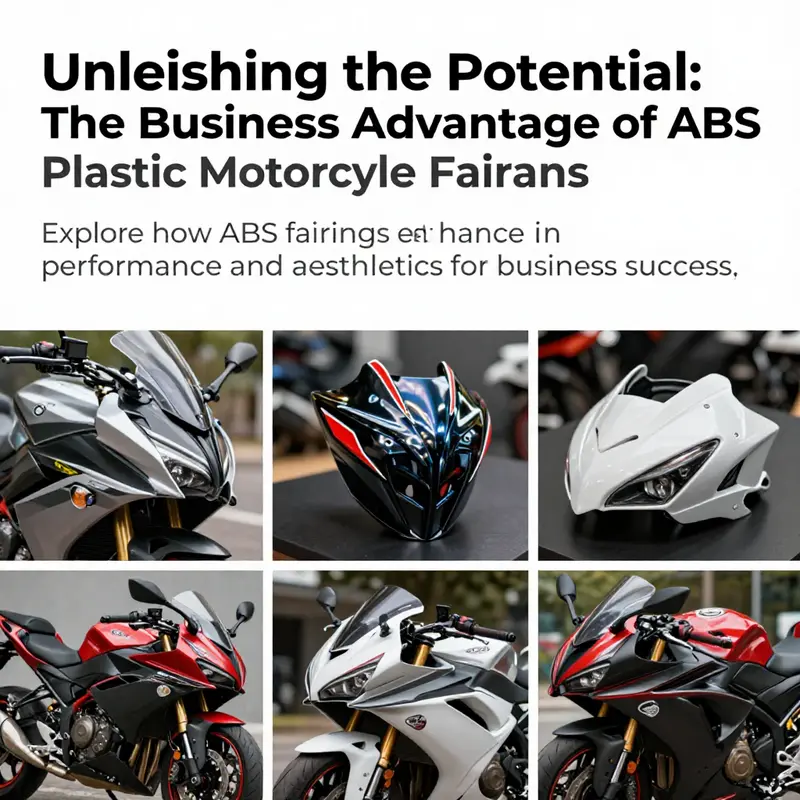
The motorcycle industry is evolving, with ABS plastic motorcycle fairings leading the charge in performance and aesthetic enhancements. Crafting these fairings from durable acrylonitrile butadiene styrene (ABS) ensures that businesses can offer products that resonate with both casual riders and performance enthusiasts. This article delves into five critical chapters encompassing the aerodynamic advantages, durability and resistance features, customization options, economic considerations, and market availability of ABS plastic motorcycle fairings. Understanding these aspects will empower business owners to make informed decisions that can enhance their offerings and adapt to market trends effectively.
Harnessing Form and Flow: How ABS Plastic Fairings Shape Aerodynamics and Ride Quality
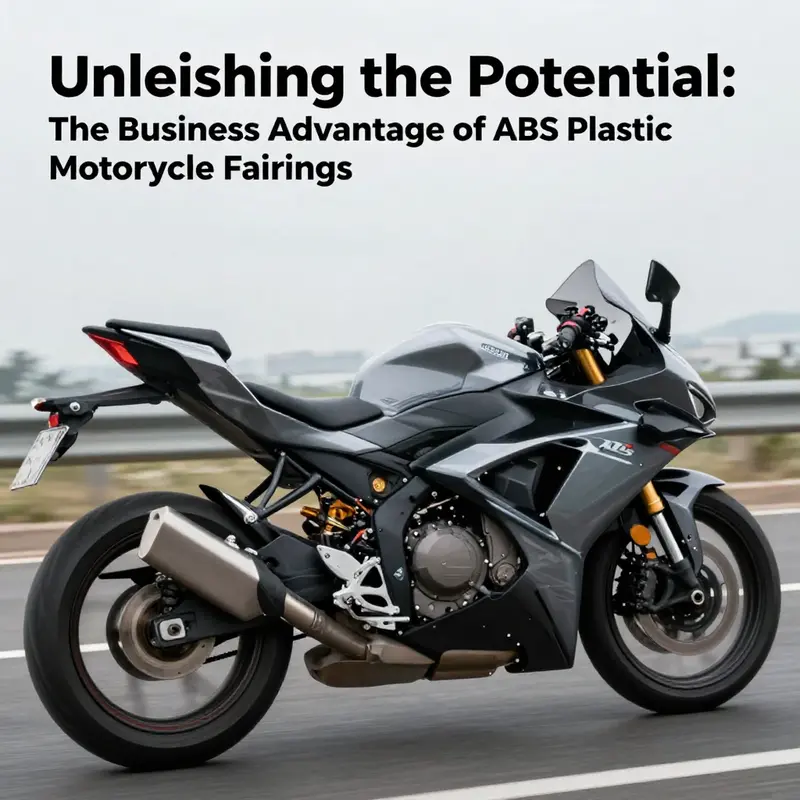
The moment a rider pushes past a city’s static air into the open road, a hundred little decisions about the bike’s shape and surface texture begin to matter. Among these, ABS plastic fairings play a decisive role, not merely in how a motorcycle looks but in how it moves through air, how it handles buffeting, and how efficiently it uses fuel at speed. When engineered with a clear sense of aerodynamics, ABS fairings become more than a shell; they become an active contributor to performance. They are designed to balance several competing demands at once: strength and impact resistance, lightweight construction, and the capacity to hold complex curves that guide air smoothly around the machine. The result is a bodywork system that can reduce form drag without compromising the rider’s protection, visibility, or the machine’s mechanical reliability. The material’s intrinsic properties—high impact resistance, flexibility, and a relatively light footprint—make this balance possible. ABS can be molded into precise, sharp-edged profiles and then finished with a gloss that preserves both aesthetics and surface integrity through miles of rain, gravel, and heat. The gloss itself is not just for looks; it adds a layer of abrasion resistance, helping maintain a pristine airfoil-like silhouette even after long hours on the highway or in street battles with crosswinds. These attributes translate into tangible, measurable advantages when a rider is cornering at speed or sitting in a long, steady cruise where wind noise and buffeting would otherwise disrupt calm, controlled riding. The essence of ABS fairings rests on a straightforward idea: reduce resistance while maintaining stability, so the rider can focus on line choice, throttle control, and tire feedback rather than fighting against the wind. The interplay between material behavior and geometry is where the aerodynamics truly comes alive. ABS is flexible enough to be formed into streamlined, wind-tunnel-inspired curves that serve multiple purposes at once. The front of the fairing, for instance, may feature a tapered surface that splits the oncoming air—partly letting air slip past, partly guiding it to the engine bay to be managed by the bike’s cooling system. In the side panels, shallow angles and sharp edges can sweep air along the bike’s length, reducing wake behind the rider and diminishing turbulent eddies that would otherwise buffet the rider’s helmet and shoulders. This is especially important as speeds climb and the rider’s body acts as a secondary airfoil, shaping the flow in ways that either cooperate with or oppose the fairing’s intent. When these panels wrap around the engine and chassis, the result is not simply a more stylish facade but a meticulously contoured body that helps keep the motorcycle planted, stable, and predictable in gusty conditions. Even the choice of surface finish matters in this ongoing dance with air. A high-gloss finish offers efficient, low-friction interaction with airflow and has the added bonus of durable scratch resistance. UV resistance and weatherproofing preserve the smooth surface over time, ensuring that the shape continues to function as designed rather than degrade into micro-scratches and micro-dents that can alter airflow characteristics. The practical implications flow from these design goals: better fuel economy at highway speeds, a calmer ride with less wind pressure against the rider’s torso and head, and easier control during lane changes or abrupt steering inputs. For riders who spend long hours on the road, those small gains accumulate into meaningful reductions in fatigue and a sense of confidence that stems from predictable handling and consistent performance. Aesthetic considerations are not afterthoughts here; they are integrated into the aerodynamic strategy. The sharp, angular cues that define modern ABS fairings are typically more than stylistic choices. They serve to direct air along predetermined paths, aligning with the bike’s chassis geometry to create favorable pressure zones that support stability. The design language can also contribute to a rider-friendly feel at lower speeds—where the fairing’s shape helps manage flow around the knees and shins, reducing wind pressure in places that provoke fatigue during urban riding or stop-and-go traffic. The engineering behind these components is not purely theoretical. In practice, good ABS fairings bring together three core capabilities: durability under heat and vibration, precise molding of complex geometries, and a modular approach that allows riders to swap panels or modify the configuration without sacrificing structural integrity. This last point is particularly important for riders who want to tailor wind protection to their riding stance, luggage needs, or track days. Many kits are designed with pre-mounted fasteners and modular components that enable quick color changes, decal updates, or panel replacements. The ease of service means a rider can rejuvenate the appearance of the bike while preserving aerodynamic continuity, rather than undertaking a full fairing replacement. CE certification, observed in many contemporary offerings, provides an external validation of safety and performance standards. It signals that the product has undergone rigorous testing for durability, rider protection, and compatibility with European safety norms. Certification is not merely a badge; it is a practical assurance that the fairing’s structural joints, mounting points, and energy absorption characteristics meet strict criteria, which is particularly valuable when the bike is used in challenging conditions or sold in markets with stringent quality requirements. The broader ecosystem surrounding ABS fairings—OEM replacements, aftermarket upgrades, and performance-oriented builds—reflects a pragmatic truth: the best aerodynamic surfaces are those that can be reliably produced, easily installed, and maintained across many years of use. The modular nature of many ABS kits aligns with this principle, enabling riders to upgrade segments of the fairing as needed, or to experiment with different lines to suit a particular bike model or riding style. This flexibility also translates into a robust secondary benefit: it lowers the total cost of ownership. A single damaged panel can be replaced without a full fairing overhaul, reducing downtime and keeping the bike on the road. In the marketplace, the appeal of ABS fairings is reinforced by widespread supplier networks and platforms that provide access to a wide range of colors, textures, and finishes, often accompanied by certifications and warranty support. For riders navigating the marketplace, these factors combine to deliver a compelling proposition: aerodynamic performance that does not demand compromise in durability or ease of maintenance. To ground this discussion in a practical sense, consider how a modern ABS fairing system can influence a sport or touring bike’s stability envelope. At high speed, the airfoil-like shape generates favorable pressure gradients that help keep the front end planted, reducing the tendency to wander in crosswinds. At the same time, the bodywork’s geometry can direct cooling air efficiently to the radiator and engine bay, ensuring that the bike maintains optimal operating temperatures without requiring aggressive fan interventions. In a touring setup, smoother airflow around the cockpit area minimizes rider fatigue by reducing turbulent gusts that race across the chest and helmet, while still providing the weather protection expected from full body panels. The end result is a cohesive integration of form and function, where a single material choice—ABS—supports a broader performance philosophy: ride comfort, fuel efficiency, predictable handling, and long-term durability. For readers seeking a deeper look at how model-specific fairings implement these principles, it helps to explore category pages that curate the dialogue between design and application, such as those dedicated to Honda fairings. This resource provides a window into how different bikes reinterpret the same aerodynamic fundamentals to suit riding ergonomics and chassis geometry. External observers will also appreciate the practical, hands-on aspects of these systems. Quick-install kits, pre-mounted hardware, and removable windshields reflect a design philosophy that prioritizes rider autonomy and serviceability as much as aerodynamic perfection. The conversation about ABS fairings extends beyond pure science; it is about the rider’s evolving relationship with the bike—how air, friction, and pressure shape not just speed, but confidence and control on every journey. For more context on how model-specific fairings are presented and categorized in online marketplaces, the Honda fairings category offers a useful reference point for seeing how different shapes and finishes align with various bike families. Readable lines, accessibility of replacement panels, and consistent fitment data contribute to smoother customization experiences for riders who value both performance and personal expression. In sum, ABS plastic fairings exemplify how modern motorcycle engineering blends material science with aerodynamic intent. They harness the strengths of ABS to sculpt air into a partner rather than an obstacle, turning wind into an element that supports stability, efficiency, and rider comfort. The result is a fairing system that does not merely cover the machine; it coordinates with the bike’s dynamic behavior, complementing the chassis and the rider’s inputs to create a more refined riding experience. For readers who want to explore further, one external resource offers a sense of how these products perform in real-world supply chains and market contexts, illustrating how a single fairing kit can become a practical entry point into an enhanced riding experience. External resource: https://www.alibaba.com/product-detail/Bajaj-Pulsar-135-Motorcycle-Full-Plastic1600748343935.html?spm=a2700.galleryofferlist.poffer_list.2.5b4c5a23VtBpFJ&urlShowRelated=false&fsb=1&scm=1007.13313.13452.0&src=gallery&searchText=Bajaj%20Pulsar%20135%20Fairing
ABS Motorcycle Fairings: Endurance, Protection, and Performance
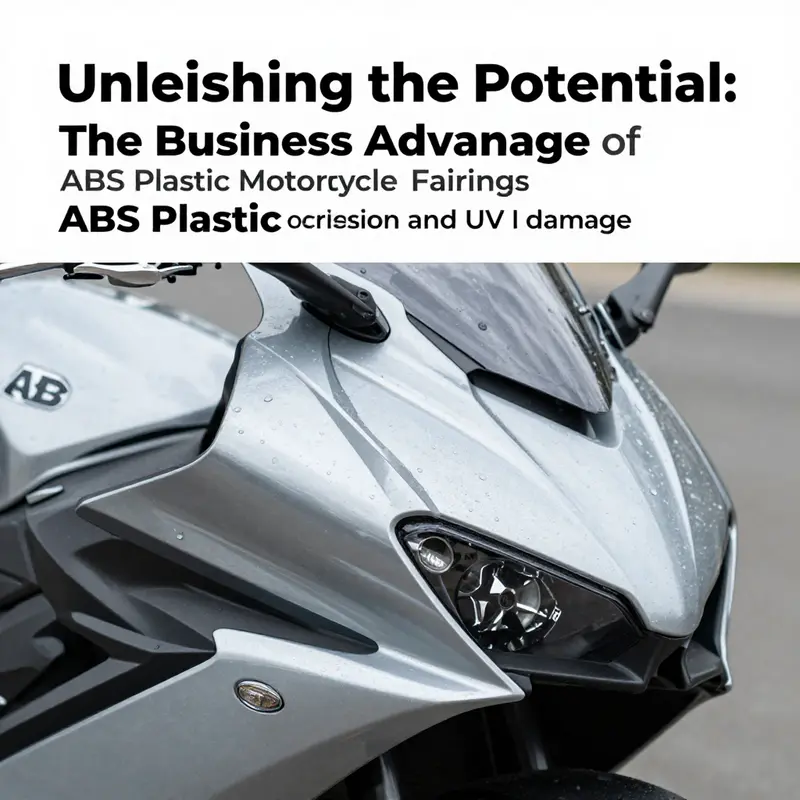
In the wind-driven world of riding, the motorcycle fairing is more than a cosmetic shell. ABS plastic provides a resilient, lightweight platform that blends impact resistance with excellent processability. As a terpolymer of acrylonitrile, butadiene, and styrene, ABS balances rigidity, toughness, and gloss, enabling fairings that resist cracking while accepting complex shapes. This combination helps riders protect the engine and bodywork, reduce drag, and maintain confidence at speed. ABS panels absorb light impacts and flex enough to avoid transmitting full force to mounts, a practical edge for urban commutes and long tours alike. The material’s chemical and thermal stability means better resistance to road spray, heat from the engine, and everyday weathering, especially when paired with UV stabilizers and protective coatings.\n\nSurface quality is another advantage. ABS finishes accept painting and decals cleanly, resulting in vibrant colors and durable aesthetics that hold up to washing, road grime, and sunlight. When properly processed and assembled, ABS fairings deliver reliable gaps, tight seals against wind and water, and predictable vibration behavior that supports rider comfort. The design emphasis is to exploit ABS’s strengths—toughness, thermal stability, and surface finish—without sacrificing weight or aerodynamics. Maintenance is simple: regular cleaning, UV protection, and minor repairs are usually enough to keep panels performing for seasons.\n\nFinally, lifecycle and maintenance matter. Modern ABS kits often include modular panels and quick-fastener systems that simplify replacement and customization, while coatings and sealants extend appearance and service life. In short, when engineers select ABS for motorcycle fairings, they choose a material that supports performance and style through the ride, from city streets to mountain roads, rain or shine.
Crafting Identity and Performance: The Art of Customizing ABS Plastic Motorcycle Fairings
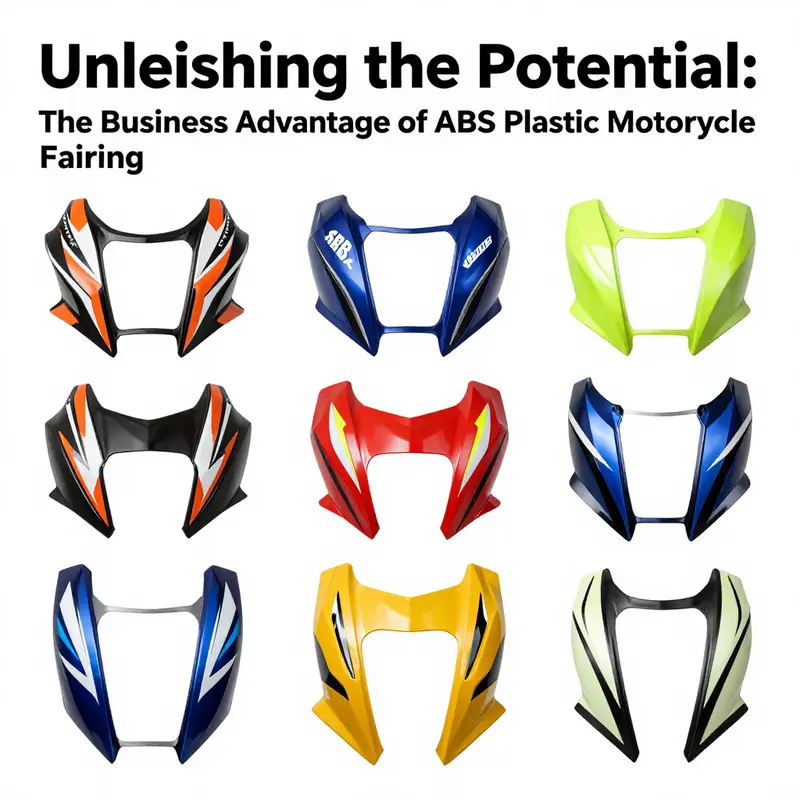
Customizing ABS plastic motorcycle fairings is less about vanity and more about translating rider needs into a tangible blend of aesthetics, aerodynamics, and protection. When riders look at a fairing, they rarely see just a shell; they see a canvas that can reflect personal style, riding goals, and the practical realities of daily use. ABS, with its durable yet forgiving nature, serves as a versatile medium for that translation. It behaves well under sun and rain, resists corrosion, and holds a glossy or textured finish long enough to keep color and detail from fading in the glare of streetlights and highway speed. Yet the material’s real strength for customization lies not in one fixed form, but in a spectrum of tunable attributes that allow a single design language to adapt to many different bikes and riders without sacrificing the core advantages—lightweight structure, impact resistance, and reliable, repeatable manufacturing.
Logo customization sits at the top of the practical hierarchy of customization. For teams, shops, or individuals who want a distinctive identity on the street or track, the ability to embed logos, branding, or personal emblems onto a fairing turns a protective shell into a moving billboard of intention. This is not merely about visibility; it is about ownership. A rider who has a custom logo on the fairing carries a sense of belonging to a team or a personal ethos of performance, while a company that uses a consistent logo in its aftermarket line can preserve a recognizable visual identity across a fleet of bikes. The same logic extends to packaging customization. When the outer packaging echoes the same color rhythm, font choices, and branding language as the product inside, the entire ownership experience feels cohesive. For manufacturers and distributors, packaging becomes part of the product experience, reinforcing quality and care even before the first unboxing.
Color and finish options, in particular, reveal how flexible ABS can be without eroding performance. ABS provides a solid, uniform base, but it is the surface treatment that shapes the rider’s perception. A high-gloss finish can evoke a sense of showroom polish, while a matte or satin finish softens glare and hides micro-scratches that occur from curbside events and urban commutes. A carbon-fiber visual—whether simulated through texture or layered composites—offers a sportier, aggressive silhouette without the weight penalty of genuine carbon. The choice of finish often interacts with the bike’s overall look, creating a coherent aesthetic for riders who want their fairings to complement, rather than clash with, their machine’s lines. In practice, these options encourage riders to think about proportion—the way light plays across a contour at different angles and speeds—and about longevity, since gloss or matte coatings can differ in their UV resistance and scratch tolerance over years of exposure to heat, road grit, and weather.
Beyond color, thickness variations and targeted reinforcements give customization a tactile dimension. ABS panels can be tuned in thickness to balance stiffness, impact resistance, and weight. A model-specific kit may feature thicker sections in high-stress zones—areas prone to debris impact or flex under aerodynamic loading—while maintaining lighter thickness elsewhere to keep the overall mass down. This is not merely a matter of making a panel heavier or stiffer; it is a careful engineering choice that affects the bike’s handling, vibration transmission, and even rider fatigue on long rides. When designers discuss reinforcement, they are acknowledging the realities of real-world riding: a fairing must resist rattle, withstand curious curbs, and manage the heat generated by the engine bay while remaining comfortable to sit behind at speed. The end result is a panel system that feels tailor-made for its rider’s expectations, offering a sense of confidence that comes from a design tuned to a specific riding style rather than a one-size-fits-all shell.
The design and fit aspect of customization is where the conversation becomes almost architectural. Modern ABS fairings are conceived with an awareness of wind and weight, graphically optimized for airflow in a way that reduces drag and buffeting at speed. The aerodynamic philosophy is not merely about looking fast; it is about shaping a rider’s experience: smoother lines that channel air more predictably, reducing fatigue on a long highway stint and enhancing control around tuck-and-roll transitions in a corner. The digital era of design enables fairings to be sculpted with wind-tunnel insight while still accommodating the typical constraints of motorcycle geometry—frame widths, mounting points, and wheel travel. The result is a product that can be shaped to fit a broad array of models, even when those models diverge in Europe, Asia, or the Americas. The practical upshot is a modular approach to customization, where kits can be swapped, upgraded, or trimmed as a rider’s preferences evolve.
For riders who need or desire a precise fit for non-standard configurations, customization often centers on fit and design compatibility. This means fairings can be tailored to accommodate unusual wheel sizes, suspension travel, or altered chassis geometry without forcing the rider to choose between aesthetics and function. In some cases, designers will offer dedicated fitment pages or engineering notes that explain the adjustments required to ensure a clean integration with a given bike’s skeleton. It is a reminder that customization is not simply about applying a new color or logo; it is about shaping a whole architectural envelope that respects the bike’s fundamental dynamics while presenting a new visual identity. In practice, this translates to a fairing system that offers pre-mounted fasteners and modular components, compelling riders to appreciate how ease of installation and maintenance can be as important as the cosmetic finish. Removable windshields, quick-release panels, and standardized mounting kits are the practical enablers that make customization accessible to hobbyists and pro builders alike, turning what could be a brittle or time-consuming upgrade into a straightforward, repeatable process.
As much as customization is about form, it is also about the life cycle of the product. ABS’s corrosion resistance and UV stability extend the life of a personalized look, ensuring that the chosen color, finish, or graphic remains vibrant across seasons. This durability matters when riders spend long hours exposed to sun, rain, and road grime; a well-chosen finish can resist yellowing and micro-scratches that would otherwise blunt the intended effect of the design. Aerodynamic integrity and heat tolerance are maintained even as the paneling takes on more aggressive styling cues, because the finishing layer does not obscure essential properties like heat resistance near engine compartments or resilience against impact. The practical union of form and function is what makes customization meaningful—not just a cosmetic exercise, but a lever to improve protection, efficiency, and ride quality. When a rider selects a fully customized ABS fairing kit, they are choosing a solution designed to survive real-world road life while wearing a look that communicates their riding philosophy.
The market for customizable ABS fairings is anchored in a broad ecosystem of suppliers who recognize that customization is most effective when it can be scaled. Options range from logo and packaging personalization to design-for-fit programs that account for model families and modular upgrade paths. Even within this diversity, a clear trend emerges: customization is increasingly accessible through standardized components and thoughtful engineering that anticipate installation realities. For example, a rear-spoiler accessory system designed for a compact urban model demonstrates how a simple add-on can alter both the visual footprint and aerodynamic balance of a bike. It is a reminder that customization can be incremental, incremental, but cumulative—each choice building toward a distinct, personal profile that remains compatible with aftermarket and OEM expectations. A rider doesn’t need to be a professional to appreciate these options; they are designed to empower enthusiasts, clubs, and small shops to craft a fairing package that reflects a shared language of performance.
For readers exploring this landscape, a practical entry point is to examine model-targeted or category-based lines that emphasize fit and finish without compromising core performance. A well-structured catalog can reveal how a company translates a rider’s preferences into a set of standardized decisions—logo placement, color palettes, finishes, and thickness choices—while still honoring the bike’s geometry and expected use. This approach fosters confidence that customization does not mean sacrificing reliability or warranty. It means building a tailored protective shell that looks right at rest and feels even better at speed. The choice to customize, in this sense, becomes an expression of responsibility: selecting materials and processes that deliver durable aesthetics while supporting efficient maintenance, ease of assembly, and predictable replacement paths if a panel becomes damaged. Riders who engage with this approach often appreciate the hidden complexity of manufacturing and the artistry of designing around real-world needs, which ultimately elevates the experience of riding itself.
Internal link reference for readers seeking a model-focused entry point into customization options: Honda fairings. This category illustrates how a manufacturer or aftermarket supplier frames fit and finish for a broad spectrum of bikes within a defined design language, offering a practical template for thinking about your own customization journey. For a deeper dive into practical underfairing options and related engineering considerations, you can explore additional context at this external resource: https://www.motoonfire.com/products/abs-underfairing-for-m8-touring-motorcycles. It presents real-world perspectives on underfairing solutions and their role in shaping both protection and aerodynamics in touring-oriented configurations.
Currents of Demand: How Economic Forces Shape ABS Plastic Motorcycle Fairings
The story of ABS plastic motorcycle fairings is not just about material science or aerodynamic shapes. It is a tale of how money moves, how people choose what to buy, and how the market translates those choices into the panels that wrap a machine and the way riders experience the ride itself. ABS, by its nature, blends durability, lightness, and resistance to weather and UV exposure. Yet the price a rider pays for those benefits is never static. It shifts with disposable income, macroeconomic mood, and the logistics that stitch together global supply and local garages. In that sense, ABS fairings sit at a crossroads where engineering meets economics, and the road ahead is lit by numbers as much as by wind-tunnel curves.
Economic conditions ripple through riding communities in predictable ways. When inflation tightens wallets and earnings stagnate, riders tend to postpone cosmetic upgrades and high-cost modifications. The impact is most felt in markets where discretionary spending on mid- to high-end accessories competes with essential maintenance and service needs. In the North American context, the fairing market has grown to a sizable presence—valued around USD 350 million—yet its momentum remains highly sensitive to broader economic trends. The story here is not a simple one of rising demand; it is a careful calibration of value, risk, and payoff. Consumers weigh the benefits of a glossy, aerodynamically tuned shell against the price tag that accompanies premium finishes and engineered precision. During tougher years, the emphasis shifts away from a complete, race-inspired aerodynamic system toward more affordable options that deliver practical protection and style with fewer installation demands.
That shift toward affordability often manifests as a preference for partial fairing kits, protective panels, or modular components that can be added or swapped over time. Riders who want to refresh a machine’s look without committing to a full replacement understand that modern ABS kits can be both modular and forgiving in terms of installation. The appeal lies in being able to upgrade incrementally, test a new aesthetic, or swap colors and decals with ease. In a market where upgrades are sometimes measured not by the breadth of the fairing package but by the perceived value of its longevity, the logical choice becomes a balance between cost, ease of maintenance, and durability. In this environment, the ability of ABS to resist corrosion, UV damage, and heat near the engine becomes a selling point not only for immediate appearance but for long-term reliability. Riders recognize that a longer-lasting finish reduces the frequency of replacement and repainting, softening the upfront cost over the lifespan of the product.
But the economics of ABS fairings extend beyond consumer pockets. Tariffs, exchange rates, and supply chain disruptions color the final retail price and the speed with which new designs reach the street. When import costs rise or shipments are delayed, manufacturers respond by adjusting product lines to maintain affordability while safeguarding quality. The result is a market that is not static but tiered. A single fairing kit may come in entry, mid, and premium tiers, each with different levels of pre-mounted hardware, finish options, and warranty terms. This tiering is a practical response to the reality that buyers at different income levels seek value in different ways: durability and ease of maintenance for some, and the latest aerodynamic refinements for others. The overarching goal remains consistent: offer a product that protects the motorcycle, keeps its styling cohesive with the rider’s budget, and reduces the friction of maintenance and replacement.
Design intent continues to matter, but the way design is funded has a budgetary lens. Aerodynamic optimization remains a differentiator for those who ride at high speeds or value reduced wind fatigue during long journeys. Yet even here the market shows resilience through smarter, cost-conscious engineering. Designers and manufacturers pursue curves that deliver stability and reduced drag without creating prohibitive assembly costs or heavy finishes. ABS remains a favorable canvas because its properties enable reliable, heat-tolerant performance near engines and air intakes while staying relatively easy to mold and assemble into modular kits. The result is a suite of products that can maintain a sharp, glossy finish and resist scratching, yet still appeal to riders who must consider the economics of ongoing ownership. And while the goal of any fairing is to improve aesthetics and airflow, the economic reality nudges some buyers toward simple, sturdy panels that deliver core protection and a dependable look rather than the most ambitious, fully integrated wind tunnel solution.
Market dynamics reveal another layer of complexity. Demand for ABS fairings does not rise in a vacuum; it moves with broader consumer confidence and the health of the motorcycle market in general. When buyers feel secure about their finances, they invest in performance-related upgrades and cosmetic enhancements that reflect both personal taste and riding aspirations. In lean times, they prioritize practicality: protection against road debris, weatherproofing, and the ability to refresh the bike’s appearance without significant downtime or expense. This pragmatic preference helps explain why the market often witnesses a surge in available, affordable modular kits that can be installed with basic tools and simple instructions. For riders who value DIY potential, this is particularly appealing because it aligns with a culture of personal customization that doesn’t require factory-level pricing. The feasibility of such projects increases when distributors and retailers respond with value-driven messaging that highlights long-term savings from reduced maintenance costs and extended panel lifespans.
The distribution ecosystem further shapes what riders actually encounter on showroom floors or in online carts. A modern ABS fairing program thrives on accessible distribution channels and clear, maintenance-friendly designs. The ability to pre-mount fasteners, provide modular components, and offer easy color changes or decal applications reduces the perceived risk of investment. For riders who care about installation simplicity and repairability, these features translate into real-world savings in time and labor, which compounds the initial affordability story. The emphasis on durability and ease of upkeep resonates with buyers who navigate unpredictable weather, rough roads, and the demands of daily use. In this context, the value proposition of ABS fairings rests not only on beauty or speed but on the practical economics of keeping a motorcycle in service with less downtime and lower long-term cost.
For readers who want to see how these economic narratives translate into concrete choices, consider the variety of fitments and compatibility options that mark modern ABS kits. A catalog of fairings for different bike families often showcases how design teams adapt shapes and mounting systems to maintain a cohesive rider experience while managing cost structures. Such catalogs also illustrate how some offerings emphasize compatibility and interchangeability, a feature that reduces the risk associated with switching brands or upgrading models. The ability to select a fairing line that matches a specific bike’s geometry, colorway, and service life is a tangible signal of how economics informs design strategy. Within this landscape, the idea of value grows beyond a single metric; it becomes a composite of durability, installation simplicity, maintenance efficiency, and the flexible return on investment that riders expect from aftermarket panels. For riders seeking a practical window into how a given catalog balances these aims, the Honda fairings category offers a curated glimpse into compatible options and design philosophies that prioritize adaptability and value. Honda fairings catalog
Looking ahead, the macroeconomic tone of the market remains a guiding factor. Industry analysts highlight a robust, long-term demand for lightweight, impact-resistant materials in both protective gear and bodywork, driven by the perpetual chase for efficiency and performance. A notable forecast points to a compound annual growth rate around the mid-teens from 2025 through the early 2030s, underscoring that while headwinds exist, the appeal of ABS-based solutions endures because they offer a compelling mix of light weight, resilience, and adaptable aesthetics. The relevance of this forecast extends beyond motorcycles to broader protective gear, where the same material properties underpin performance and safety. In the realm of fairings, that translates into ongoing investment in smarter production, more durable finishes, and better value propositions that align with riders’ evolving economic realities. The market’s resilience will hinge on how well manufacturers balance premium capabilities with accessible options, and how retailers present those options in a way that makes sense to buyers weighing cost against durability and style. Industry observers point to a future where ABS fairings remain a reliable, adaptable choice, able to meet riders’ needs across a spectrum of budgets and riding ambitions. External market research supports this view, signaling a trajectory that blends economic awareness with engineering practicality to sustain growth even as headlines shift. 13.2% CAGR forecast (2025–2032) reflects a willingness to invest in lightweight, protective bodywork that can endure the road and the weather with confidence. For more on this growth outlook, see external market research in the closing notes.
External resource note: Market dynamics and material-specific trends point to continued expansion in lightweight, impact-resistant plastics used in bike bodywork and helmets alike. See MarketsandMarkets for a broader view of the favorable long-term outlook (13.2% CAGR, 2025–2032). https://www.marketsandmarkets.com/Market-Reports/modified-abs-plastics-helmet-market-219467887.html
Global Currents in ABS Plastic Motorcycle Fairings: Availability, Trends, and Supplier Dynamics
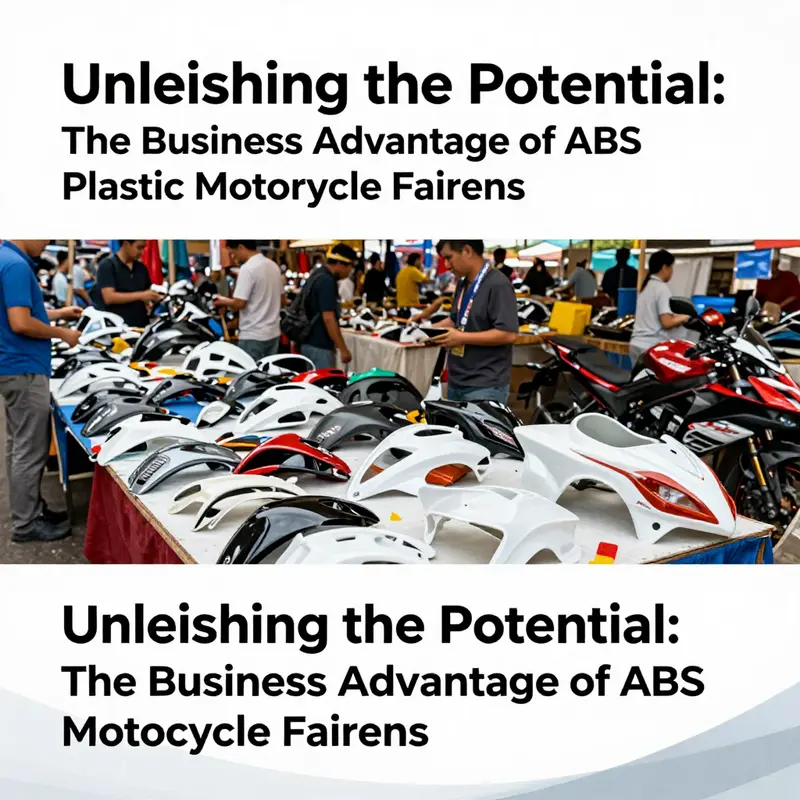
Across the spectrum of motorcycle design, ABS plastic fairings have become a quiet engine of both form and function. They mold not only air around a rider and engine but also the market itself, shaping choices made in design studios, factory floors, and aftermarket workshops. The appeal of ABS-based fairings rests on a blend of durability, lightness, and adaptability. ABS resin forms a tough, impact-absorbing shell that resists weathering and corrosion, while its moldability makes it an ideal substrate for complex curves and integrated aerodynamics. The lightweight characteristic lowers overall vehicle mass, a factor that translates into quicker throttle response, improved handling, and, over time, better fuel efficiency. This trifecta—durability, performance, and aesthetics—drives sustained demand across both original equipment manufacturer (OEM) lines and the aftermarket segment, keeping ABS fairings in steady rotation even as trends in styling and technology evolve.
Material science underpins these capabilities. ABS is a thermoplastic that can be shaped with precision through modern molding methods, enabling wind-tunnel-inspired contours that reduce drag and buffeting at speed. The same geometry that cuts turbulence also contributes to rider comfort, especially during longer rides where wind noise and vibration become fatiguing factors. The glossy, scratch-resistant finishes often seen on ABS panels not only enhance visual appeal but also shield the surface from minor abrasions that accumulate over time. More importantly, ABS exhibits commendable heat tolerance, an asset in areas near the engine where temperature fluctuations are a daily reality. These properties combine to create fairings that endure the rigors of road exposure while preserving their shape, color, and gloss for longer periods.
The market, however, is not a simple matter of material performance. It is driven by a robust ecosystem of OEM and aftermarket suppliers who must balance strict tolerances, color customization, and rapid, scalable production. Modern ABS kits frequently arrive with modularity baked in. Pre-mounted fasteners, interchangeable panels, and removable windshields are now common features that simplify installation and maintenance. For riders who want to swap out colorways or decals, the modular approach minimizes downtime and reduces the likelihood of misalignment or fitment issues. In some cases, components carry certifications or quality marks that signal conformance with broader safety and durability standards, reinforcing buyer confidence in the face of global supply variability.
This ecosystem thrives on clarity of specification and reliability of supply. Industry suppliers are increasingly transparent about production capabilities, tolerances, and post-sale support, recognizing that a smooth chain from factory to rider requires more than a low price. Tight dimensional tolerances—typically within a half-millimeter—are now a baseline expectation for OEM-compliant replacements. Such precision supports consistent surface finishes, which in turn facilitates accurate color matching and decal adhesion. The trend toward transparency also aligns with the evolving expectations of professional installers and fleet operators who demand predictable performance, batch traceability, and clear returns or warranty policies. In this context, builders and buyers alike seek partners that can demonstrate stable processes, documented quality control, and dependable logistics.
Geography plays a central role in shaping availability. The global picture is heavily influenced by manufacturing clusters in China, with major hubs around cities known for logistics efficiency and scale. Guangzhou, Shenzhen, and Ningbo serve as focal points where large volumes of ABS fairings are produced and shipped. The proximity of these centers to coastal corridors helps streamline freight terms such as FOB (Free On Board) and CIF (Cost, Insurance, and Freight), which are common in international trade. For buyers, this proximity translates into shorter lead times and more predictable replenishment cycles, a crucial factor for both OEM programs and dynamic aftermarket businesses that must respond quickly to demand shifts. Typical MOQs (Minimum Order Quantities) for complete fairing sets tend to start around 50 units, a quantity that suits regional distributors and smaller shops while still enabling economies of scale for manufacturers.
Pricing, as a practical anchor, sits in a range that reflects both material costs and the complexity of tooling. For a full set, FOB pricing often lands in a band around the $80 to $100 per set mark, a level that remains competitive given the durability, finish quality, and customization options on offer. This price point supports supply chain resilience, allowing suppliers to invest in UV-stabilized coatings, consistent surface treatments, and color-master batches that ensure uniform shade across batches. UV stability, in particular, has evolved from a modest add-on to a baseline expectation. Prolonged sun exposure can yellow or dull plastics over time, but reputable suppliers now emphasize UV-stabilized coatings or intrinsically UV-resistant formulations. This shift protects the investment riders make in appearance, even as fleets cycle through paint schemes and seasonal revamps.
The market’s appetite for OEM-compliant replacements is another defining trend. For many riders, factory-like fit and finish are non-negotiable, especially when panel geometry directly influences aerodynamics, rider comfort, and protection for critical components. Achieving this level of fidelity requires precise dimensional tolerances and consistent surface finishes, which, in turn, demand disciplined production processes and rigorous quality assurance. Suppliers increasingly align themselves with these expectations, investing in better tooling, standardized testing, and traceable batch records. In such a landscape, long-term partnerships become valuable assets. Buyers can move beyond price competition toward relationships that guarantee consistent deliveries, cooperative product development, and reliable post-sale service.
The supply chain is not simply a corridor of manufacturing; it is a marketplace of capabilities and collaborations. Platforms that connect buyers with manufacturers play a pivotal role in widening access to ABS fairings, especially for regional distributors or independent shops seeking custom options. Platforms like Alibaba.com illustrate how a diverse base of producers can offer a spectrum of finishes, color options, and modular configurations. This enables a broader range of riders to specify finishes that align with regional tastes and climate considerations, while still meeting the structural requirements that keep panels intact under impact and vibration. In practice, this means a customer can explore different UV-stable coatings, verify tolerances, and request color-matched components that harmonize with a specific bike’s aesthetic.
From a user perspective, the purchasing journey for ABS fairings has become less about finding a single off-the-shelf part and more about negotiating a calibrated balance among design intent, procurement realism, and service reliability. The closest alignment often occurs when buyers evaluate not just the price tag but the supplier’s capability to deliver consistent quality across multiple SKUs, maintain stable lead times, and offer clear after-sales support. In a market where aftermarket culture thrives, riders and shops alike appreciate the ability to customize, swap, or upgrade pieces without sacrificing the integrity of the original fit. A case in point is the growing emphasis on color options and decal flexibility—features that enable personal expression while preserving the structural performance that ABS provides.
For readers keen to explore model-specific options or to gauge the breadth of aftermarket availability, consider exploring a dedicated section of the ABS fairings ecosystem that highlights compatible categories. This path naturally leads to discussions about cross-brand compatibility, the trade-offs between exact OEM replication and bespoke styling, and how such decisions affect warranty coverage and return policies. It also highlights how digital catalogs and 3D modeling tools help buyers visualize fitment before committing to a purchase, reducing the risk of misfit and rework at the install stage. To see how the broader ecosystem organizes these options, you can browse through the Honda fairings collection, a representative example of the aftermarket’s breadth in colorways and panel configurations. Honda fairings demonstrates how a single platform curates modular options, allowing riders to mix and match components while preserving a cohesive silhouette and a reliable mounting interface.
Industry observers who map the supply chain point to a notable acceleration in collaboration. Manufacturers increasingly work with distributors to tailor tooling, color-mantle development, and minimums to regional preferences, a strategy that helps mitigate the risk of obsolescence as tastes shift and new models emerge. Such collaboration is as much about sustainability as speed. By extending planning horizons and sharing production roadmaps, suppliers can amortize tooling costs and maintain better control over material quality, batch-to-batch consistency, and the environmental footprint of manufacturing processes. In this sense, the ABS fairing market embodies a broader trend toward responsible production paired with rapid customization—a combination that keeps the segment vibrant, resilient, and ready to respond to evolving rider expectations.
The larger narrative of ABS plastic motorcycle fairings is therefore one of integration: between material science and aesthetics, between global supply networks and local riders, and between the desire for nimble customization and the discipline of standardized engineering. It is a narrative where the right blend of durability, finish, and fit underwrites both the beauty and the performance of modern motorcycles. As the market continues to expand in Asia-Pacific and beyond, the value of transparent supplier relationships, quality-focused manufacturing, and flexible logistics will remain central to sustaining momentum. For stakeholders seeking a deeper dive into market dynamics and supplier capabilities, industry analyses such as those provided by Global Market Insights offer a broader context for how these trends coalesce into a coherent, long-term trajectory: https://www.globalmarketinsights.com/industry-reports/motorcycle-fairings-market
Final thoughts
In conclusion, ABS plastic motorcycle fairings present an unparalleled opportunity for business owners looking to enhance both the performance and aesthetic appeal of motorcycles. With their robust aerodynamics, exceptional durability, and extensive customization options, these fairings not only meet the specific needs of riders but also adapt to market demands effectively. The economic viability and supplier accessibility further reinforce their position as a worthwhile investment for any motorcycle business. Embracing these advancements allows businesses to stay competitive and cater to a growing consumer base eager for quality, performance, and style in their motorcycle accessories.