
Introduction
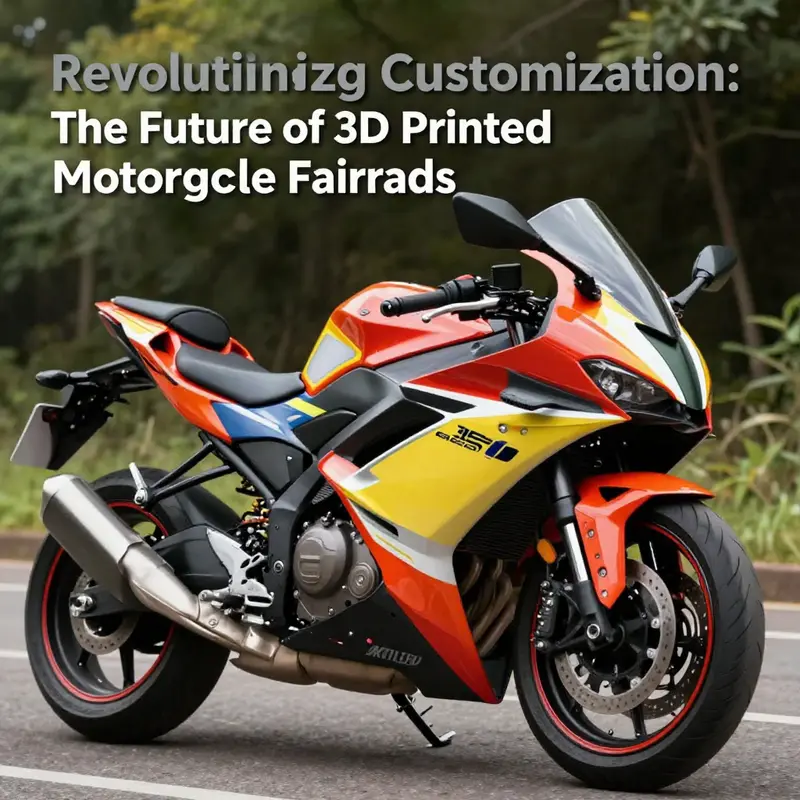
Custom motorcycle design is evolving with the introduction of 3D printed fairings, enabling businesses to offer unique options that enhance performance and aesthetics. This innovative approach allows for the creation of intricate, aerodynamic shapes with precision that traditional methods struggle to achieve. As we delve into the chapters of this article, we will explore the custom design capabilities of these fairings, the material science powering them, the efficiencies gained in prototyping and production, the ecological impacts of 3D printing technology, and the promising future trends in this dynamic sector. Each chapter will reveal how business owners can harness these advancements to elevate their operations and meet the growing demand for customization in the motorcycle industry.
Tables of Contents
Chapter 1: Harnessing Innovation: The Evolution of Custom Motorcycle Fairings Through 3D Printing
- Breaking Barriers: Aerodynamic and Structural Transformations in 3D Printed Motorcycle Fairings
Chapter 2: Transforming the Motorcycle Industry Through 3D Printed Custom Fairings
- Shifting Paradigms: The Economic and Societal Transformations Driven by 3D Printed Motorcycle Fairings
Chapter 3: Innovative Materials Driving the Future of 3D Printed Motorcycle Fairings
- Exploring Polymer Innovations: Strength, Flexibility, and Performance in 3D Printed Motorcycle Fairings
Chapter 4: Integrating Advanced Materials into 3D Printed Motorcycle Fairings
- Exploring the Cutting-Edge Materials Driving 3D Printed Motorcycle Fairing Innovations
Chapter 5: Elevating Design Craftsmanship through 3D Printing in Motorcycle Fairings
- Harnessing Design Optimization Techniques for Revolutionary Motorcycle Fairings
Chapter 1: Harnessing Innovation: The Evolution of Custom Motorcycle Fairings Through 3D Printing
1. Breaking Barriers: Aerodynamic and Structural Transformations in 3D Printed Motorcycle Fairings
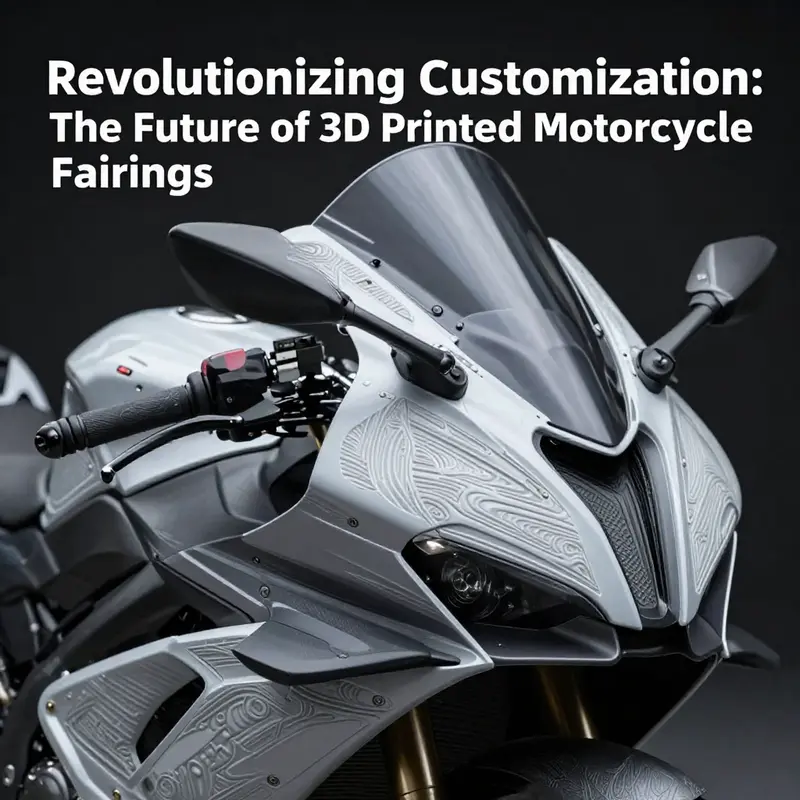
The integration of 3D printing technology into motorcycle fairing design marks a pivotal evolution in custom motorcycle engineering, pioneering unprecedented advancements in both aerodynamic performance and structural integrity. Unlike traditional manufacturing techniques, which conventionally rely on rigid molds and bulk materials, 3D printing liberates the design process, enabling the production of intricate geometries specifically tailored for maximum aerodynamic efficiency and weight distribution.
One area where the implementation of this technology has notably excelled is in the design of custom headlight fairings. Traditionally, these components were often limited in shape and performance due to constraints associated with conventional molding processes. However, with the advent of 3D printing, designers can now create sophisticated contours and embedded structures, permitting fine-tuning that translates directly to improved vehicle stability and fuel efficiency at high speeds. As highlighted in a 2025 analysis by Inside Story, the pioneering designs stemming from additive manufacturing challenge the notion of what can be achieved in motorcycle aesthetics and functionality. The assertion that “starting with a custom design allowed us to display what additive manufacturing is all about” encapsulates the essence of this technological revolution.
The significant advantages of 3D-printed fairings extend beyond aerodynamics; they enable engineers to innovate with internal lattice structures and hollow geometries that drastically reduce weight without sacrificing strength. These attributes are crucial in high-performance motorcycles, where even marginal changes in weight can dramatically affect handling, acceleration, and overall riding experience. In practical terms, integrating design features that reduce mass—while maintaining robust structural integrity—can enhance both the rider’s performance and the motorcycle’s efficiency. The increasing use of advanced materials such as carbon-fiber-reinforced polymers in the 3D printing process plays an instrumental role in amplifying these properties, ensuring components exhibit exceptional resistance to both impact and thermal stress.
A particularly striking example of this technological capability is observed in the recent innovations surrounding universal headlight fairings. Through 3D printing, manufacturers have succeeded in engineering components that optimize aerodynamic profiles across a variety of motorcycle models. This adaptability not only streamlines the production process but also allows customization that can cater to diverse riding conditions and rider preferences. According to a 2025 technical review, the nuanced designs achieved through 3D printing necessitate workmanship from skilled installers to optimize performance and ensure a flawless fit. This interplay between cutting-edge fabrication and expert application highlights a defining trend in the modern motorcycle industry: an increased focus on precision and bespoke designs that cater to specific dynamics, paving the way for a new era of customized two-wheelers.
Furthermore, One of the most conspicuous attributes of 3D-printed fairings is their propensity for dynamic aerodynamics. These fairings can be engineered with varying thicknesses and integrated airflow channels that considerably enhance airflow quality around the motorcycle. By alleviating turbulence and drag, designers can significantly improve the bike’s overall performance, enabling riders to achieve superior handling and stability at high velocities. Each design iteration can be tested digitally without the need for costly prototypes—a practice that expedites the development cycle and enhances overall design accuracy.
For enthusiasts seeking to delve into their own 3D printed motorcycle fairing aspirations, platforms like MyMiniFactory and Thingiverse serve as invaluable repositories of user-generated designs. These resources not only provide an expansive library of templates suitable for various models but also inspire creative customization that taps into the growing community of 3D printing enthusiasts. However, aspiring builders must also consider the technological demands of the applicable 3D printers, with models like the Dowell 3D DM PLUS leading the charge in precision printing dedicated to automotive applications. The ability of such printers to handle materials specifically designed for enhanced mechanical properties underscores the synergistic relationship between innovative design and technological capabilities.
As the industry continues to evolve, the repercussions of 3D printing on the motorcycle sector are becoming increasingly apparent. Reducing the time and cost associated with prototyping fosters an environment where experimentation can thrive. Companies can iterate designs faster and pinpoint optimal configurations to meet specific performance criteria. In essence, the once-rigid classifications of motorcycle fairings have given way to a dynamic landscape of possibilities, where every element can be tailored to enhance rider experience in a way that was previously unimaginable.
This shift is emblematic of broader changes within manufacturing; the interplay between engineering prowess, material advancements, and the creative spirit of motorcycle design is more robust than ever. As a result, consumers can enjoy a level of personalization that reaches beyond mere aesthetics and delves deep into performance optimization. The ability to customize motorcycle fairings not only stimulates user engagement but also embraces the broader philosophy of making technology more accessible to passionate individuals who wanted their bikes to reflect their personalities and riding styles.
Moreover, the lightweight constructs made possible by 3D printing are not merely a trend; they are a necessity in an increasingly competitive landscape where high performance and fuel efficiency reign supreme. For riders who seek the thrill of speed, every gram saved translates to improved performance metrics and a more exhilarating riding experience. A consequence of these innovations is the drive toward achieving superior aesthetics without compromising on core motorcycle functionalities.
For instance, when considering fairings for popular models such as the BMW S1000RR or the Ducati 1299, manufacturers must balance elements such as aerodynamics, aesthetics, and rider comfort. Each of these distinctive models presents unique parameters that can benefit from 3D printing’s versatility. Designers can create fairings that minimize drag and create optimal airflow paths while enhancing the visual appeal to align with the identity of each motorcycle brand. As consumers become more informed about the performance implications of design choices, the demand for tailored, high-quality 3D-printed fairings is likely to grow.
In conclusion, the ever-evolving capabilities of 3D printing are steering the motorcycle fairing industry into a future characterized by tailored aerodynamics, structural innovations, and unparalleled customization potential. With an emphasis on optimizing a motorcycle’s performance while inciting a fresh wave of aesthetic creativity, manufacturers are no longer restricted to traditional constraints. The new generation of motorcycle fairings is set not just to follow a trend but to revolutionize the riding experience, carving out a distinctive niche for enthusiasts and professional builders alike. As the landscape continues to change, it becomes increasingly evident that 3D printed motorcycle fairings are not only a technological marvel but also integral to the identity of modern motorcycling—ushering in an era where every detail can be meticulously crafted to enhance both form and function.
Chapter 2: Transforming the Motorcycle Industry Through 3D Printed Custom Fairings
1. Shifting Paradigms: The Economic and Societal Transformations Driven by 3D Printed Motorcycle Fairings
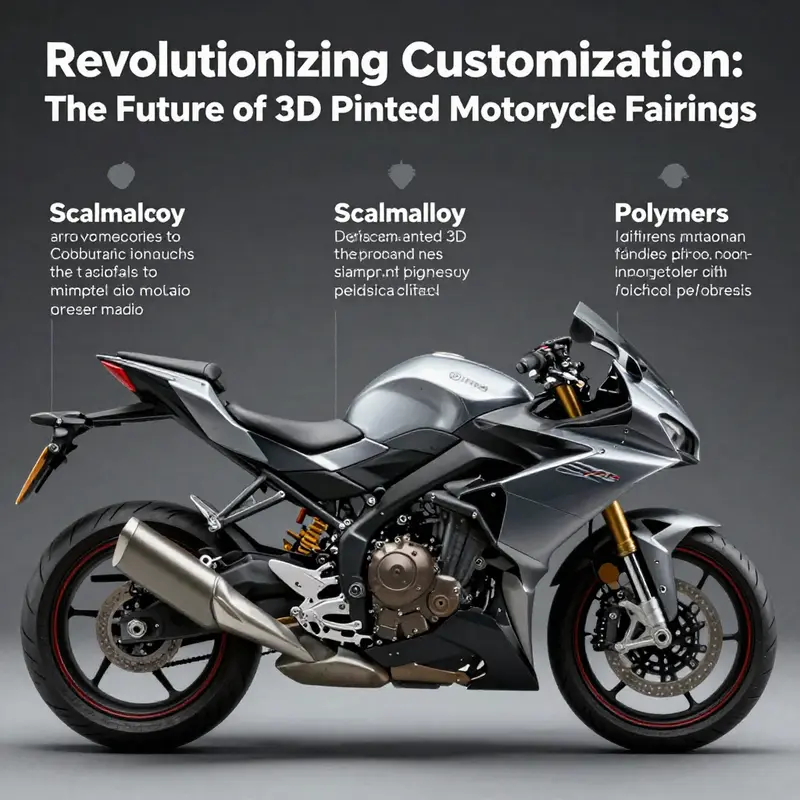
The integration of 3D printing technology into the motorcycle industry, especially in the realm of custom fairings, represents a radical departure from traditional manufacturing practices. This disruption not only extends to the economic landscape of motorcycle production, but also permeates societal frameworks, redefining how enthusiasts and manufacturers connect with their machines and each other. At the heart of this transformation is the potential for customization and personalization, which echoes broader cultural shifts towards individual expression and innovation.
Economic Implications: Enabling a New Entrant Ecosystem
The economic landscape surrounding motorcycle manufacturing is experiencing a seismic shift, primarily due to two pivotal factors: lower barriers to entry for new manufacturers and rapid prototyping capabilities provided by 3D printing. Traditional manufacturing methods often necessitate significant upfront investment in specialized tooling and machinery, such as injection molds. This financial barrier has historically deterred small-scale manufacturers and independent designers from participating in the market.
However, with the advent of accessible 3D printing technology, these barriers have been dramatically lowered. 3D printers, such as the Dowell 3D DM PLUS, require less capital investment while offering high accuracy and material compatibility. This democratization of design facilitates a landscape where small manufacturers can thrive alongside established brands, leading to a diversity of products and ideas that fuel innovation in custom motorcycle fairings.
Rapid prototyping capabilities further catalyze this economic transformation. Entrepreneurs and artisans can iterate designs swiftly, testing and refining concepts with minimal resource expenditure. For example, a small manufacturer can produce a new fairing design tailored for specific bikes, evaluate its performance, and make adjustments based on direct feedback, all within weeks instead of the months or years often required by traditional methods. In essence, the marriage of 3D printing technology and motorcycle fairing design accelerates product development cycles, allowing new entrants to bring unique offerings to market much faster than ever before.
Moreover, the shift toward low-volume production capabilities allows for niche offerings that would not be economically viable through traditional manufacturing methods. Consumers are increasingly seeking personalized products that reflect their personal style or enhance their riding experience. The proliferation of small-scale manufacturers focusing on specific models or custom designs brings forth a richer product catalog for riders, encompassing everything from aesthetic choices to performance-enhancing features.
This dynamic changes the industry’s competitive landscape. As more entrepreneurs enter the market, the competition intensifies, driving innovation and efficiency while offering consumers a broader array of choices at various price points. As discussed in various forums, platforms like Thingiverse and MyMiniFactory have developed ecosystems of user-generated designs where enthusiasts can share their creations and ideas, further lowering the threshold for individuals wanting to create custom fairings for their motorcycles.
Societal Changes: The Rise of Personal Expression Through Motorcycles
In tandem with the economic shifts, the societal impacts stemming from the custom design capabilities of 3D printed motorcycle fairings are profound. Motorcycles are no longer viewed merely as modes of transport; they have evolved into canvases for personal expression. Enthusiasts are increasingly customizing their bikes not solely for performance but as a reflection of their individual personalities and lifestyles. This trend aligns with broader cultural movements that emphasize individuality and self-exploration.
The ability to design and print unique fairings enhances this cultural trend. Riders can modify their machines to suit their aesthetics or functional requirements, turning motorcycles into legitimate expressions of personal identity. Moreover, such customization trends foster a sense of community among riders, as they share their designs and modifications on social media and various online forums. This communal spirit extends beyond individual expression; it cultivates connections and dialogues among enthusiasts, creating networks of shared experiences and inspirations within the motorcycle community.
With this personal touch comes an inherent shift in the way people perceive motorcycles. By transforming these vehicles from mass-produced entities into unique symbols of personal expression, riders can communicate their values and personalities through their custom designs. This evolution in perspective fosters a deeper emotional connection between the rider and the machine, transcending traditional ownership dynamics.
Enhancing Safety and Performance with Personalization
Additionally, the design freedom enabled by 3D printing allows for enhanced performance and safety features. Custom fairings can be aerodynamically optimized to improve airflow, reducing drag and enhancing the motorcycle’s handling, ultimately delivering a more stable ride. This not only contributes to performance gains but can also positively impact safety; motorcycles that are better optimized aerodynamically tend to handle more predictably in varying conditions, thus potentially leading to a reduction in accidents.
Such improvements underscore the tangible benefits of personalized, bespoke motorcycle design. Riders can create fairings tailored to their specific riding styles or conditions, whether for racing, touring, or casual riding. This constructive engagement leads to innovation that directly responds to the needs and preferences of real users, contrasting with standard mass-produced offerings that may not address the complexity of individual riding experiences.
Environmental Considerations and Sustainability
An often-overlooked advantage of integrating 3D printing into motorcycle fairing production is its potential for promoting sustainability within the industry. Traditional manufacturing methods often generate considerable waste through the overproduction of parts or non-recycled materials. In contrast, on-demand manufacturing facilitated by 3D printing minimizes excess inventory, significantly reducing waste. Instead of creating large volumes of fairings that may never sell, manufacturers can produce parts as needed, significantly lessening the environmental footprint associated with overproduction.
Furthermore, the local production capabilities offered by 3D printing cut down on transportation emissions linked to shipping products across the globe. As businesses and designers adopt local production strategies, they can manufacture custom fairings close to their customer base, contributing to a more sustainable and decentralized industrial model. This localized approach is not only beneficial for the environment but also supports local economies, creating job opportunities and encouraging the growth of localized talent in design and manufacturing.
The combination of reduced waste, localized production, and the emphasis on customizable, meaningful products positions the motorcycle industry at the frontier of sustainable practices. As the demand for environmentally responsible production grows across all sectors, the 3D printing applications in motorcycle fairings embody an industry pioneering a shift towards conscientious manufacturing processes.
These various aspects collectively illustrate how the custom design capabilities of 3D printed motorcycle fairings are catalyzing economic and societal transformations. The onset of new manufacturing technologies heralds not merely the arrival of rapid prototypes or niche brands, but a comprehensive reevaluation of motorcycle culture and industry practices. Enthusiasts can enjoy greater personalization, performance, and safety, while the industry moves towards more sustainable practices. As these changes unfold, the motorcycle landscape is redefined, presenting exciting opportunities for both creators and riders alike, contributing to an ever-evolving narrative of mechanical art and personal identity on two wheels.
To delve further into the material science and performance insights of custom motorcycle designs, especially for other components such as gauge faces, refer to insights from industry experts that provide a deeper understanding of the advancements in custom motorcycle parts.
Chapter 3: Innovative Materials Driving the Future of 3D Printed Motorcycle Fairings
1. Exploring Polymer Innovations: Strength, Flexibility, and Performance in 3D Printed Motorcycle Fairings
The realm of material science has become pivotal in the evolution of 3D printed motorcycle fairings, with a critical focus on polymers and composites that meet the high-performance demands of motorcycle enthusiasts and manufacturers alike. As traditional manufacturing techniques struggle to match the complexity achievable through 3D printing, especially for aerodynamic design, the selection, and engineering of polymer materials adapt in exciting ways to overcome the challenges presented by additive manufacturing.
At the core of this transformation is an understanding of the mechanical properties that polymers can offer. Thermoplastic polymers, while versatile, often encounter significant limitations in strength and performance when 3D printed compared to their traditionally manufactured counterparts. This stems primarily from the anisotropy of the printed materials—meaning their strength can vary significantly in different directions—and the challenges of layer adhesion that can arise during the printing process. Consequently, achieving the ideal balance of functionality, weight, and durability in motorcycle fairings necessitates the use of advanced polymer formulations and composite materials.
Innovative composites have recently emerged to address these issues effectively. Polyamide 6 (PA6), particularly when enhanced with reinforcements such as graphene oxide or glass fibers, showcases remarkable improvements in tensile strength and stiffness. The addition of such materials not only strengthens the base polymer but also significantly boosts thermal performance, allowing the fairings to endure the heightened operational stresses they will encounter in high-performance environments. For instance, composites like PA6/glass-fibre-reinforced (PA6/GF) manifest superior resistance to thermal degradation, extending the operational lifetime and reliability of motorcycle components.
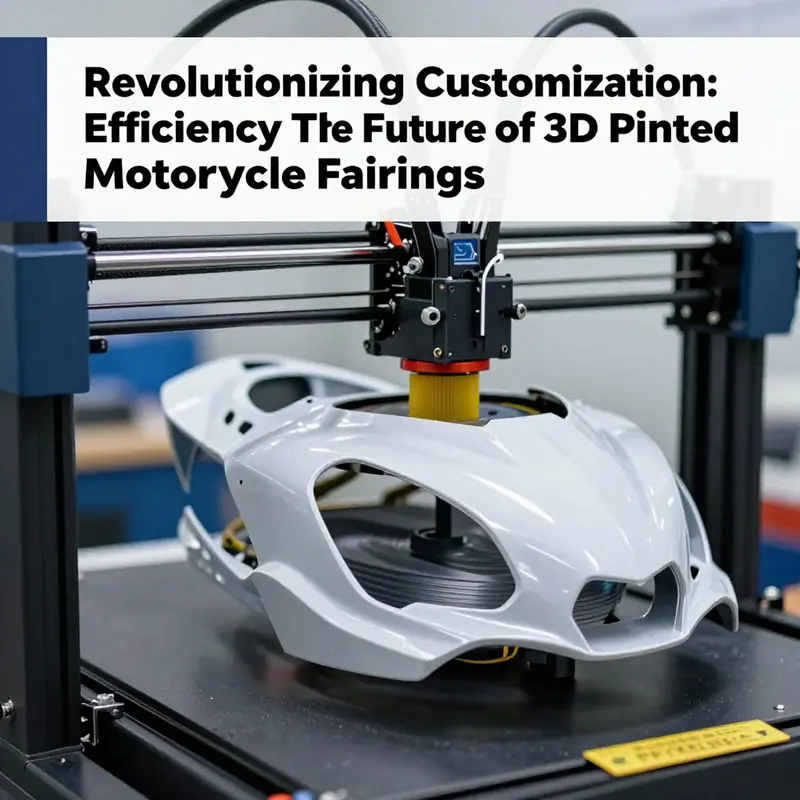
Moreover, the transformative capabilities of materials such as Scalmalloy—a high-strength aluminum alloy designed specifically for additive manufacturing—demonstrate the potential of new materials to redefine motorcycle construction. While not a polymer, Scalmalloy serves as an illustrative example of how innovative material science can yield robust structural components through 3D printing. Its framework enables the creation of intricate geometries that are both lightweight and durable, similar to the performance characteristics of titanium yet significantly lighter. This synergy between form and function highlights a pathway toward the development of next-generation materials, vital for structural applications in motorcycles.
As enthusiasts and designers look to enhance their motorcycle fairings, the incorporation of additive manufacturing opens the door to creating custom components tailored not only to aesthetic preferences but also to performance specifications. This customization extends into the ability to incorporate reinforcing agents directly into the polymer mix, allowing for enhanced performance while maintaining a lightweight profile necessary for speed and agility in motorcycle dynamics. The introduction of graphene oxide as a reinforcement material within polymer matrices, for example, has been shown to significantly increase mechanical performance without adding excessive weight.
The scope of these material innovations is anchored in the comprehensive study of mechanical and thermal properties associated with 3D printed polymer composites. Advanced research highlights how composite materials can curate a unique blend of characteristics suited specifically to the needs of motorcycle fairings: high impact resistance, dimensional stability, and a lightweight design. This multifaceted approach to material development addresses varying needs—whether for load-bearing designs that demand excellent rigidity or flexible configurations that allow for aerodynamic efficiency without compromising durability under strain.
For motorcycle fairings, the design objectives emphasize a balance between aesthetic appeal and performance enhancement. Rigid designs focus on withstanding high forces while flexible fairings can reduce turbulence and streamline airflow, thus increasing overall efficiency. For instance, flexible fairings help in mitigating drag and offer dynamic adaptability in response to changing wind conditions. However, such properties come with challenges, including increased maintenance needs and potential wear from environmental exposure. Striking this balance requires a deep dive into the properties of different polymer formulations and their performance under real-world conditions.
Notable applications exemplifying these principles include custom designs available on platforms like Thingiverse or MyMiniFactory, where creators share unique CAD models that tap into the burgeoning potential of 3D printed motorcycle fairings. Using tools like the Dowell 3D DM PLUS printer, which boasts high precision and material compatibility, makers can print detailed and robust fairings tailored to their motorcycles’ specifications. The accessibility of such advanced printing technology heralds a significant shift in the industry, closing the gap once held by traditional manufacturing methods.
One of the standout examples of 3D printed motorcycle innovation is the development of the Light Rider by APWorks, a project that serves as a benchmark for what’s achievable with modern materials and printing techniques. The use of selective laser melting (SLM) technology allows for the creation of complex, hollow structures that reduce weight while simultaneously integrating functions such as cable routing into the very framework of the motorcycle. This holistic approach to design reflects a significant departure from conventional practices, demonstrating how sophisticated 3D printing technologies can redefine motorcycle architecture and functionality.
Sustainability in material use has also come into focus, with researchers exploring the potential of utilizing waste plastics blended with standard polymers to create composites with superior tensile strength. By incorporating even a small percentage of recycled materials, innovations in 3D printing can yield substantial environmental benefits without compromising the performance of the final product. Emphasizing sustainability alongside performance indicates a promising avenue for the future of motorcycle fairings, aligning with global shifts towards environmentally conscious manufacturing processes.
As 3D printed motorcycle fairings evolve, attention must heed both the mechanical attributes and the broader context of design philosophy and sustainability. Whether for aftermarket enthusiasts looking to customize their bikes or manufacturers aiming to streamline production processes, the role of advanced polymers and composite materials is paramount. As demonstrated in studies and real-world applications, the future of motorcycle design and engineering will likely hinge upon the successful integration of innovative materials that enable the performance, durability, and sustainability required to meet the demands of both the rider and the environment.
In conclusion, the intersection of polymer science and motorcycle design through 3D printing marks a significant chapter in the evolution of motorcycling. The marriage of material innovation, optimized mechanical performance, and sustainable practices heralds a new era where customization and cutting-edge engineering propel the motorcycle industry forward. As enthusiasts continue to explore and refine these materials for 3D printed motorcycle fairings, the landscape of motorcycle design will irrevocably change, unlocking unprecedented possibilities for personalization and performance enhancement.
Chapter 4: Integrating Advanced Materials into 3D Printed Motorcycle Fairings
1. Exploring the Cutting-Edge Materials Driving 3D Printed Motorcycle Fairing Innovations
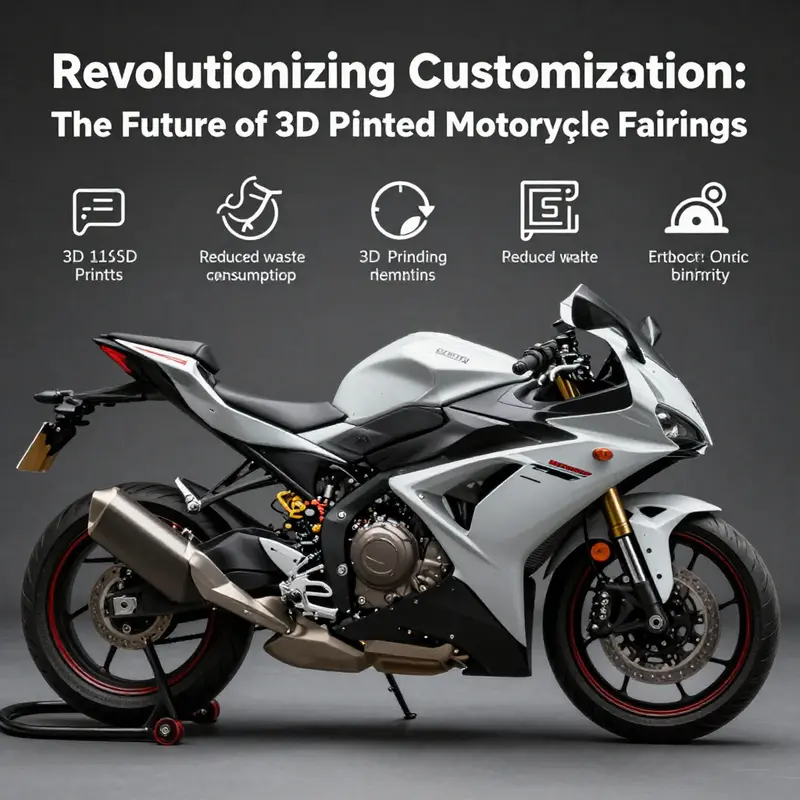
In recent years, the realm of motorcycle fairing design has been revolutionized by advances in material science, especially with regard to 3D printing. This transformation is primarily fueled by the use of high-performance polymers and innovative filament compositions, which give motorcycle enthusiasts and manufacturers unprecedented flexibility in design while maintaining, and sometimes improving, structural performance. At the core of this evolution is polylactic acid (PLA), a biodegradable thermoplastic derived from renewable resources, which has become a staple in the 3D printing community due to its ease of use and adaptability.
A pivotal study conducted in 2022 explored the mechanical performance of 3D printed PLA joints. This research introduced a technique utilizing a 3D pen to join printed parts, effectively enabling on-demand reinforcement of components. Notably, this method significantly enhanced the tensile strength and durability of the joints compared to traditional printed interfaces. By bridging the gap between the initial limitations of additive manufacturing and the rigorous demands of real-world performance, this approach exemplifies how advanced material applications can lift the performance of motorcycle fairings to new heights.
Furthermore, the advantages of frameworks designed through computational modeling cannot be overstated. By integrating computational analytics with experimental validation, engineers can predict failure points and optimize design parameters before creating physical prototypes. This synergy accelerates development cycles, allowing for rapid iteration and refinement of fairing designs that can withstand the rigors of high-speed riding. The ability to simulate stress distributions before any physical production can lead to better-informed design choices and more resilient components.
The evolution of PLA has been complemented by significant advancements in filament composition, particularly through the integration of carbon fiber and glass fibers. These enhancements have transformed standard PLA into a composite that boasts improved stiffness, heat resistance, and impact strength. As a result, motorcycle fairings manufactured from these advanced materials are not only capable of intricate and aerodynamic designs but also possess the robustness to endure the dynamic stresses encountered at high speeds. This coupling of aesthetic appeal with functional durability marks a turning point in the production of motorcycle fairings, allowing for both expressive designs and high performance.
The implications of these developments extend beyond just the creation of new designs. For motorcycle owners looking to personalize their rides or replicate race-inspired aesthetics, platforms like Thingiverse and MyMiniFactory have emerged as invaluable resources. They serve as repositories for user-generated designs, facilitating a culture of creativity and customization where builders can find inspiration and frameworks for their own projects. As these resources continue to grow, they democratize access to advanced design concepts, allowing even novice users to embark on ambitious projects with the aid of modern technology.
When diving deeper into the specifics of filament utilization, recent innovations have also highlighted the performance metrics of infused filaments. For instance, carbon fiber-reinforced PLA provides a competitive advantage, particularly for parts that need to maintain dimensional stability while combating cracking and deformation. Its low weight and enhanced strength characteristics make it ideal for motorcycle fairings that are both lightweight and aerodynamically optimized. Such capabilities facilitate greater speed and efficiency while riding, making these materials as crucial to performance as they are to aesthetics.
On the flip side, the rise of Post-Processing Techniques is equally noteworthy. Utilizing advanced techniques to treat 3D printed surfaces can enhance both the mechanical properties and the visual appeal of fairings. The integration of methods such as smoothing and sealing not only improves aesthetics through a smoother finish but also reinforces structures by filling micro-defects inherent in the layering process of 3D printing.
Moreover, these techniques allow for varied surface textures that can add to the customizability of motorcycle fairings. Riders can opt for finishes that match their stylistic preferences ranging from matte black to glossy carbon fiber looks, ensuring that design remains as personal as performance. These surface treatments play a critical role in the integration of design and function, supporting the narrative that motorcycle fairings should not just serve as protective shells but as integral components of the rider’s identity.
As the motorcycle industry continues to push the envelope of design and fabrication, the need for real-world application studies becomes increasingly clear. The balance between aesthetic design and functional integrity requires continual research and development. Studies assessing the performance of 3D printed motorcycle fairings under different conditions contribute immensely by informing manufacturers about potential weaknesses and areas for improvement. This iterative approach fosters a landscape where materials advance in lockstep with design capabilities, bringing forth products that meet the high standards set by contemporary riders.
In conclusion, the advancements in material science and the integration of cutting-edge design technologies have significantly driven the evolution of 3D printed motorcycle fairings. As manufacturers leverage the unique properties of high-performance polymers and refine production techniques, the future holds promise for increasingly sophisticated designs that elevate both the aesthetic and functional attributes of fairings. For enthusiasts eager to bring their concepts to life, the growing availability of customizable designs and materials empowers them to craft distinctive rides. motorcycle fairings not only protect but also exemplify personal expression, with each curated piece telling the story of its creator. Thus, the journey of 3D printed fairings is not merely one of technological marvels but also a narrative woven with passion, craftsmanship, and a profound connection to the open road.
For those interested in acquiring tailored motorcycle fairings that embody these advancements, exploring the offerings across various platforms can yield exciting possibilities. Customizable fairings designed for specific models, such as the BMW S1000RR or the Honda CBR line, are widely available, allowing riders to harmonize form and function in ways not possible before. Visit Ultimate Motorx for a variety of options and to explore the cutting-edge world of 3D printed motorcycle fairings.
Chapter 5: Elevating Design Craftsmanship through 3D Printing in Motorcycle Fairings
1. Harnessing Design Optimization Techniques for Revolutionary Motorcycle Fairings
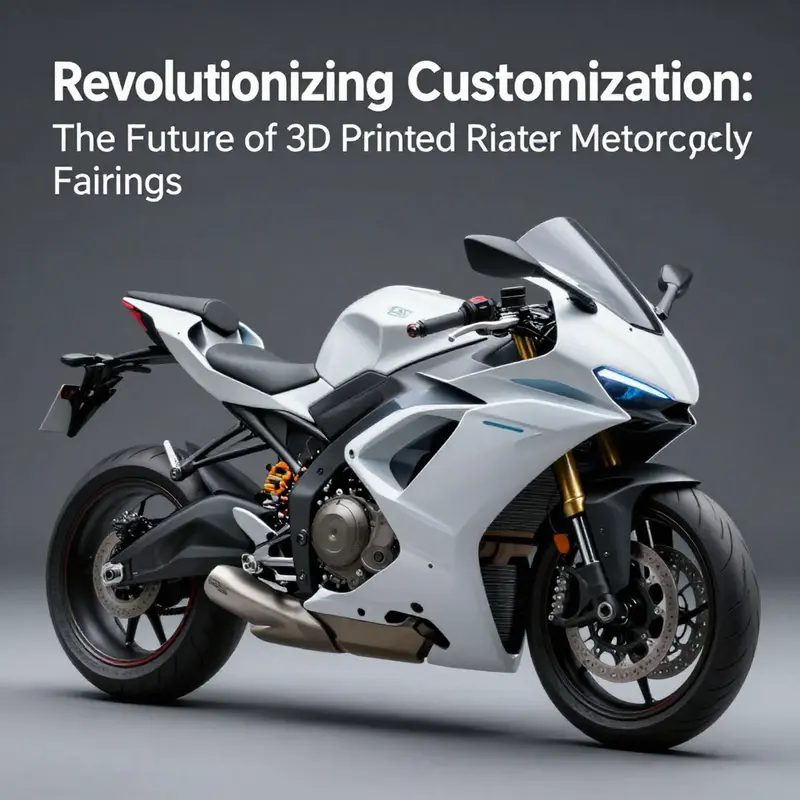
The integration of design optimization with advanced prototyping techniques—most notably through 3D printing—represents a significant turning point in the manufacturing and customization of motorcycle fairings. This evolution leads not only to improved aesthetic appeal but also to substantial enhancements in functionality and performance metrics. At the heart of this revolution is a blend of computational design methods and additive manufacturing, paving a pathway for motorcyclists and manufacturers towards achieving unique, tailored solutions that prioritize both weight reduction and aerodynamic efficiency.
One compelling illustration of this transformative impact is found in the work of AP Valerga, who has made notable strides in leveraging topological optimization to create innovative support structures for racing motorcycle fairings. By employing sophisticated algorithms, Valerga’s approach allows for the design of intricate frameworks, akin to a spider’s web, where the intelligent distribution of material is utilized to preserve structural integrity while minimizing weight. The result is a fairing that not only meets aesthetic demands but also embodies enhanced performance characteristics—key factors that resonate strongly in the fast-paced world of motorcycle racing.
This optimization is not merely theoretical; it yields tangible benefits that are relevant to both professional and amateur builders. In practical applications, 3D design tools allow for the modeling of complex geometries that would otherwise be unfeasible with conventional manufacturing methods. This opens a new frontier for motorcyclists interested in customizing their machines. For instance, enthusiasts can utilize resources such as Thingiverse or MyMiniFactory for user-generated design files that can be further modified to suit specific preferences or performance metrics.
Furthermore, the case study of kenstomoto illustrates how the seamless fusion of SOLIDWORKS Premium 3D design software and 3D printing capabilities propels the design and development process for custom motorcycle parts into an expedited realm. Kenstomoto’s results are striking: they achieved an 80% reduction in time-to-market while decreasing design cycle times by 70%. Such dramatic shifts enable a more agile response to the evolving market demand, allowing manufacturers to adapt and innovate without the burden of traditional resource-intensive machining. This shift toward a more streamlined production framework is vital as consumers increasingly expect customization as a standard rather than an exception.
As manufacturers pivot toward utilizing additive manufacturing, they also see significant cost reductions—kenstomoto noted a 20% decline in production costs as compared to traditional methods. This not only benefits manufacturers but ultimately consumers as well, as new offerings can emerge at competitive price points with advanced features that enhance the riding experience. The success story underscores the depth of synergy achievable when intelligent design principles and innovative technologies converge in the motorcycle sector.
Moreover, the unique capabilities of 3D printing, such as selective laser melting (SLM), have introduced new possibilities for creating lightweight fairings. For instance, the construction of hollow components means that intricate designs that optimize airflow and structural performance can be achieved without incurring the penalties of added weight. The development of the Light Rider, a fully 3D-printed motorcycle, serves as a paramount example of how these technologies can be leveraged. It showcases not only the beauty of bespoke design but also offers functionality through the incorporation of Scalmalloy, a high-strength, corrosion-resistant aluminum alloy. The ability to fabricate such components—hollow yet robust—illustrates the promising future of motorcycle design.
In recent years, the motorcycle customization landscape has dramatically shifted to favor those who embrace technology and innovation. While traditional methods often limit designers due to the complexity and cost of production adjustments, 3D printing affords unprecedented flexibility. No longer are manufacturers confined to producing only a handful of standardized designs; the custom approach allows each motorcyclist to express their individuality through personalized fairings. As enthusiasts, builders, and engineers lean into this new paradigm, the role of prototyping evolves. Rapid prototyping becomes more than just a means of visualizing an idea; it transforms into a pivotal stage in product development, allowing for fine-tuning and real-world testing—iteratively improving design with every iteration.
From a broader perspective, the movement towards sustainability further validates the shift towards 3D printed fairings. Traditional manufacturing methods often result in significant waste, particularly when machining solid blocks of material. In contrast, additive manufacturing processes build objects layer by layer, which significantly minimizes material waste. The potential to design intricate parts that utilize materials more efficiently aligns with the motorcycle industry’s increasing focus on eco-friendly practices. Manufacturers can now create lightweight parts that enhance fuel efficiency and reduce emissions, directly addressing the rising consumer demand for greener solutions across all transportation modalities.
In a practical context, those interested in delving into the world of 3D printed motorcycle fairings need not be daunted by the complexities of technology. Platforms like 24h Print or industry-focused forums offer insights, tutorials, and design files that cater to various skill levels. Armed with accessible CAD software and printers such as the Dowell 3D DM PLUS, hobbyists can bring their concepts to life, refine them, and contribute to a collective pool of knowledge that continues to grow within the motorcycle community. Whether it’s tweaking existing designs for improved aesthetics or pioneering wholly unique components, the capabilities within reach are boundless, exemplifying a craftsmanship renaissance driven by technology.
As enthusiasts experiment with various designs and materials, they also contribute to a vibrant culture of collaboration and ingenuity within the motorcycle community. As others draw inspiration from shared successes and challenges, the collective knowledge expands, fostering a fertile ground for innovation. Increased connectivity between designers and manufacturers fosters a system of rapid feedback that can dramatically accelerate advancements in fairing design. This interconnected ecosystem showcases the potential for a thriving future, one where every motorcycle boasts a fairing tailored not only to the individual rider’s taste but also honed for performance optimization through rigorous testing and iteration.
Woven into the very narrative of 3D printed motorcycle fairings is the story of human ingenuity and creativity collaborating with cutting-edge technology. This journey reveals not only advancements in aesthetics and functionality but a broader commitment to sustainability and community-driven innovation. As the industry continues to explore the limits of what is possible with 3D printing, it prompts riders to dream without boundaries and elevate the essence of motorcycling into an unparalleled, personalized experience. Those looking to explore specific motorcycle models can find tailored options for various brands, such as BMW, Ducati, or Kawasaki, via dedicated resources which showcase a range of designs catered to specific needs and aesthetics. Harnessing these emerging technologies in motorcycle fairings signifies just the beginning of an exciting new chapter in motorcycle manufacturing, promising exhilarating possibilities for motorcyclists everywhere.
Final thoughts
The emergence of 3D printed motorcycle fairings represents a pivotal moment for customization and innovation in the motorcycle industry. By leveraging advanced design capabilities, material science, and production efficiencies, business owners can create specialized products that resonate with the desires of today’s consumers. As environmental concerns continue to grow, the ecological benefits of 3D printing offer an important avenue for sustainable practices within manufacturing. Looking ahead, staying abreast of future trends will be crucial for businesses seeking to remain competitive in a rapidly evolving landscape. Embracing this technology not only meets the needs of modern riders but also sets the stage for the future of motorcycle design and production.
Upgrade your ride with UltimateMotorX’s premium motorcycle fairings—durably crafted, precision-fitted, and stylish. Meeting OEM standards for easy installation, our collection suits upgrades or replacements. Shop now for fast shipping, secure checkout, and expert support. Give your bike the ultimate quality it deserves!
About us
At UltimateMotorX, we’re rider-founded experts in top-tier motorcycle fairings. We source premium materials, partnering with trusted manufacturers for perfect fits and durability. Enjoy expert advice, hassle-free returns, and seamless shopping. Ride with confidence—style and quality guaranteed!