
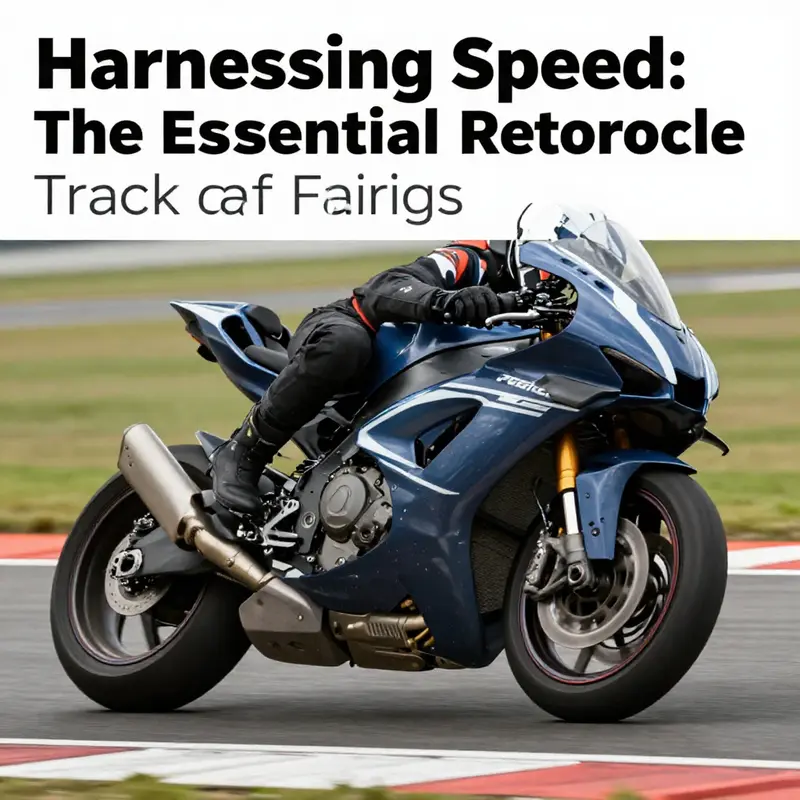
Motorcycle track fairings serve as vital components for enhancing performance on racing circuits. These aerodynamic structures are specifically designed to minimize drag and optimize stability at high speeds, making them indispensable for serious riders and racers alike. Unlike standard street fairings, which prioritize comfort and weather protection, track fairings focus exclusively on aerodynamic efficiency and performance. This article delves into various aspects of motorcycle track fairings, including their aerodynamic benefits, material composition, impact on thermal regulation, compatibility with different sport bikes, and their overall effect on performance. Each chapter will build upon the last, providing a comprehensive understanding of how these specialized components contribute to improved lap times and ride stability.
Aerodynamic Mastery on the Circuit: Unpacking the Efficiency of Motorcycle Track Fairings
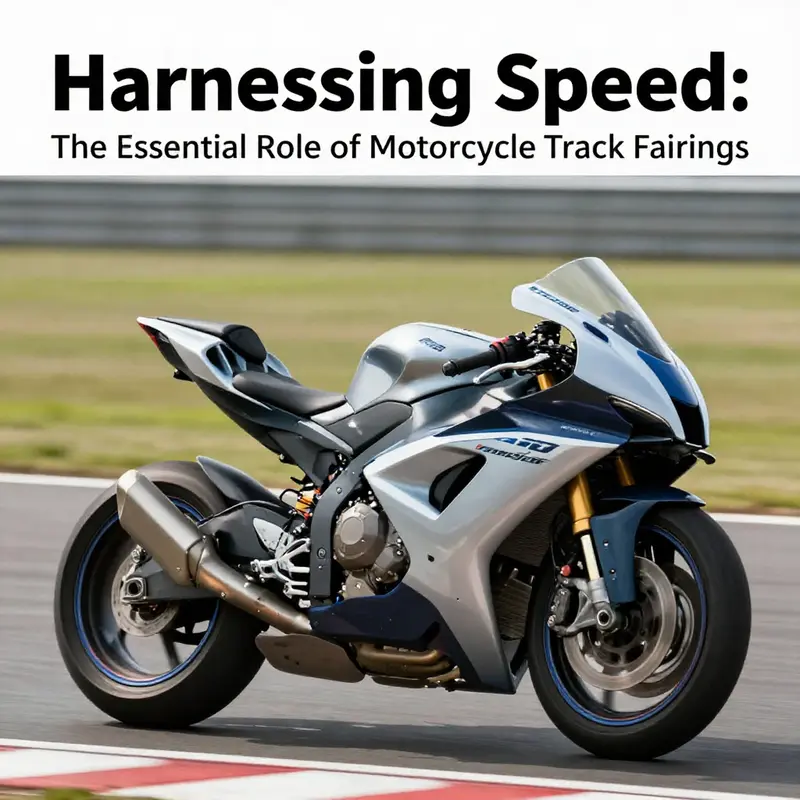
A track-focused motorcycle lives and dies by its ability to slice through air with minimal resistance while preserving stability and controllability at the very edge of what the chassis can handle. The aerodynamic efficiency of track fairings is not just a veneer of high-speed aesthetics; it is a carefully engineered system where every curve, panel, and junction is tuned to manage air as a valuable resource. On the racetrack, where fractions of a second separate victory from near-miss, the fairing becomes a functional equal to the engine, the tires, and the rider’s technique. The difference between a configuration that merely looks fast and one that actually performs on a lap-by-lap basis often hinges on how well the fairing integrates with the bike’s overall aerodynamics, how cleanly it directs airflow around the engine, and how it negotiates the gusts and crosswinds that surge through high-speed straights and tight corners alike. This chapter explores the core principles of aerodynamic efficiency for track fairings, weaving design intent with real-world consequences for speed, stability, and rider comfort in a demanding environment.
At the heart of modern track fairings is a commitment to minimizing drag while sustaining or even increasing the downforce that helps the front end bite into the pavement. The front end is a battlefield of competing requirements: the nose must cut through air with minimal resistance, yet it must also house intakes that feed the radiator and keep the engine within its ideal temperature window during prolonged stints. Advances in design now incorporate double-profile wings integrated into the fairing’s leading region. These wings are not merely decorative fins; they generate a controlled amount of downforce that adds to chassis grip, especially when corner speeds rise and the bike leans further. When a rider is stepping from a long, straight line into a banked arc, that downforce translates into more consistent tire contact patches and steadier steering responses. The effect is not just about speed in a straight line; it is about the rear wheel and front wheel sharing a more predictable load path through a corner, which lowers the chance of twitching or unpredictable snap that can upset lap times or, worse, safety margins on the exit.
Another subtle but critical feature is the rearward shifting of the fairing’s leading edge relative to the front wheel. By moving the point where air first contacts the bike further back, designers reduce the abrupt flow separation that can occur when air encounters a sharp intake or a sudden change in contour. In practice, this translates to improved agility during rapid direction changes and greater resilience against crosswinds that can otherwise push the bike sideways at the most inopportune moments. Riders who push into high-speed chicanes or sweepers feel a more linear, manageable response from the chassis. The fairing thus serves a dual role: shaping the air for better aero efficiency and shaping the rider’s relationship with the bike through more stable handling dynamics. It is a reminder that aerodynamic performance is not a single, isolated attribute but an emergent property of how air moves around the entire vehicle, from the nose to the tail, and how that motion interacts with the rider’s inputs.
A modern track body also pays careful attention to the integration of ancillary aero elements with cooling and engine management. The radiator is not a passive heat sink but a dynamic feature of the motorcycle’s aero ecosystem. Designers integrate the mudguard and intake architecture with the radiator’s cooling channels in a way that streamlines airflow and reduces turbulence around the core of the machine. This integration serves a dual purpose: it maintains engine temperatures within optimal ranges under sustained high-load conditions and it preserves the smooth airflow that reduces overall drag. In high-speed runs, even minor misalignments or gaps can create wake zones that increase drag and raise the rider’s energy expenditure. By ensuring that the intake paths, radiators, and fairing contours are harmonized, tracks benefit from better thermal stability and a more efficient air path that supports higher sustained speeds without forcing the engine to work harder to shed heat.
Full coverage is another hallmark of track fairings. Unlike street-oriented enclosures, track kits envelope the engine, fuel tank, tail, and often the belly area in a seamless shell. This comprehensive envelope reduces air separation and minimizes wakes that would otherwise create stray vortices behind the rider and along the sides of the bike. The cleaner the flow across the body, the less energy is wasted on swirling air, and the more the bike can exploit the dynamics of lift and downforce to stabilize at speed. The result is a virtuous circle: better flow means reduced parasitic drag, which translates into lower fuel burn for given lap times and less rider fatigue due to a calmer, more predictable ride profile. It also means riders can sustain aggressive positions for longer periods, knowing the air around them is cooperating rather than fighting against the bike’s own silhouette.
The noise around “race-optimized” fairings often mentions aggressive lines and showpiece materials. In reality, the most effective race-optimzed kits balance aggressive shaping with precise material choices. Lightweight yet stiff constructions—commonly reinforced ABS or carbon fiber composites—deliver the strength needed to hold the fairing’s complex curvature under high-speed loads while contributing minutely to weight reduction. The material choice matters not just for weight but for how it behaves under heat and stress: differential expansion, micro-cracking, and resin integrity can subtly alter the fairing’s surface quality and, by extension, the airflow that glides over it. A fairing that maintains uniform surface smoothness under sprinting heat will perform more consistently than one that develops micro-deformations. This is why the manufacturing discipline behind track fairings emphasizes not only the theoretical aero performance but also the real-world durability that keeps the air path predictable session after session.
Even small shape modifications can have outsized effects on performance. Contemporary analyses of track aerodynamics show that minor revisions to the fairing’s silhouette can overcome some of the intrinsic limitations of a two-wheeled platform. A few millimeters added here, a slightly altered curvature there, and the entire pressure distribution along the fairing shifts enough to shave tenths from a lap time or to sharpen the bike’s response to a late-braking entry. In the context of competition, that margin matters: a disciplined approach to fairing geometry, developed through wind-tunnel testing, computational fluid dynamics, and track testing, becomes a differentiator between a mid-pack machine and a podium contender. The emphasis is not on flashy geometry alone but on repeatable, measurable improvements: predictable drag coefficients, controlled downforce at critical speeds, and a clean, uninterrupted air path that carries the rider through corners with confidence.
The rider’s experience remains central to this aero equation. Track riding, by its nature, demands that aero devices offer more than top speed; they must support consistent steering feel, stable front-end feedback, and reduced front-end weight transfer that can destabilize a bike during aggressive lines. Aerodynamic efficiency thus dovetails with chassis geometry, suspension setup, and tire behavior. A well-integrated track fairing reduces turbulent air behind the rider’s torso, which can otherwise translate into a felt push or shove during late-apex transitions. In practice, this means riders experience steadier feedback through the handlebars and a more linear throttle response as the air around the upper body remains well-behaved rather than flapping against the rider’s chest or helmet. The ultimate goal is a harmonized system where the bike, the aero cover, and the rider operate as a single, responsive entity in the corners and on the straights alike.
Practical considerations, however, remind engineers and builders that track fairings are a compromise, not a utopia. Their design prioritizes performance and stability over weather protection and rider comfort in everyday riding. The full coverage that aids aerodynamics tends to seal out much of the wind, which can be advantageous at speed on a track but less so in street conditions where rain and prolonged exposure would matter. Mounting and fitment also demand careful attention; compatibility with a specific frame, fairing stay, and mounting points is essential. A misalignment can introduce gaps that ruin the intended air path, increase drag, or cause flutter at high speeds. Riders and teams must verify fitment not only to maximize aero gains but also to ensure clean engine cooling, unobstructed air intake, and reliable protection for critical components. In this careful balancing act, aero engineers, fabricators, and riders converge around shared data: drag coefficients, downforce maps, intake temperatures, and subjective feel from the saddle. The best results come from iterative refinement rather than a single monolithic design, ensuring that every session on the track translates into incremental gains rather than a one-off improvement.
As with any specialized equipment, the language of aero efficiency can feel abstract until it is grounded in what it means for a helmeted rider perched over the tank. The track fairing is a tool that shapes the air so that it no longer fights the bike but rather becomes a partner in motion. It is the difference between chasing the wind and inviting the wind to assist the bike in turning and accelerating. With a well-crafted kit, a bike can emerge from a corner with a smoother transition to the next straight, allowing the rider to hold lower angles of attack for longer and to manage braking zones with more predictability. The rider’s fatigue becomes less a function of wind pressure and more a function of focus and technique, which is what ultimately translates into faster laps and fewer errors under pressure.
For readers seeking a practical touchpoint on the topic, consider exploring a broader catalog of track-ready components in the context of the latest releases. A page dedicated to recent entries showcases how new geometries, materials, and integration techniques have progressed since earlier generations. This resource can provide a sense of the evolving toolkit available to teams and enthusiasts who want to pursue track performance without overhauling an entire bike. While the catalog itself is not a substitute for hands-on testing, the trend lines it reveals offer valuable context for why certain design choices persist and how they align with successful modern race programs. If you’re curious about the latest in the catalog, you can browse the 2023 new releases page for context on contemporary styling and structural updates that influence aero behavior on the circuit. 2023 new catalog.
To anchor this discussion in a broader technical frame, it is useful to consult external analyses that parse the aerodynamic design of motorcycle track fairings with precision. A technical article on aerodynamic design provides deeper insight into how double-profile wings, flow management, and integrated cooling channels interact in practice, reinforcing the idea that even incremental changes can yield meaningful performance gains. These external perspectives help illuminate the practical implications of the design choices described above and offer a rich backdrop for ongoing exploration in track aerodynamics. For readers seeking that deeper technical dive, a detailed study is available from an external resource: https://www.motocycle.com/technical-insights/aerodynamic-design-of-motorcycle-track-fairings-2026.
In sum, the efficiency of motorcycle track fairings arises from an integrated approach to air management. It is a story of how form and function align to reduce drag, generate controlled downforce, and maintain clean air pathways across the entire machine. It is also a reminder that performance on the track is the product of countless small decisions—leading-edge position, wing profiles, cooling integration, and full-body coverage—that collectively shape how a bike behaves at the limit. The next layer of refinement will continue to balance the relentless pursuit of speed with the realities of durability, setup flexibility, and rider feedback. The result is a continually evolving aero story, one where the fairing is not simply a cover but an active, responsive companion in the dance between rider, machine, and wind.
Materials Under Pressure: How Composition and Durability Shape Track Fairings
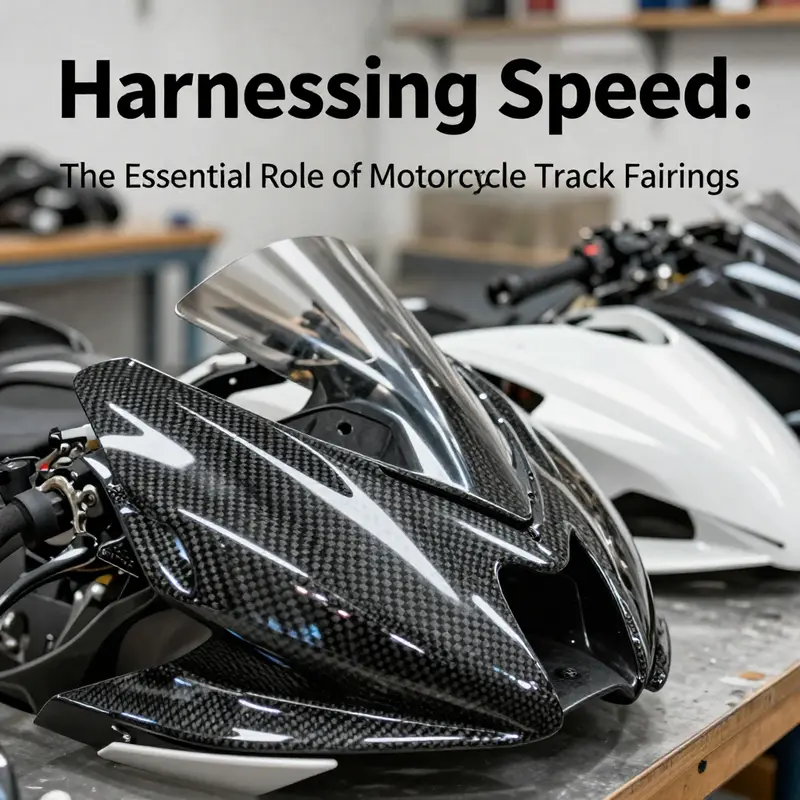
Track fairings are not merely decorative shells on a sport bike; they are engineering statements that translate speed into control. On the race circuit, every gram of weight, every contour, and every material choice can alter how a motorcycle slices through air, how heat dissipates from the engine, and how predictable the bike feels at the apex. The pursuit of aerodynamic efficiency often comes at the cost of rider comfort, but the materials chosen for track fairings are selected to maximize stiffness, impact resistance, and durability while keeping overall weight to a minimum. In this environment, material composition becomes a language of performance, one that speaks directly to safety, lap times, and the consistency required in high-stress track sessions. A fairing’s job is to smooth the air that confronts the rider and the machine, but it must also withstand the rigors of debris, wind shear, and repeated high-load cycles. The choices riders and fabricators make about polycarbonate, ABS plastic, and fiberglass—three of the most common track-specific materials—drive both the immediate handling characteristics and the long-term resilience of the setup. Each material has its own profile of strengths and trade-offs, and understanding those profiles helps explain why a given fairing feels rigid in one session and pliant in another, why it may glare with a new scratch in the sun, or why a particular combination of layers holds up after a minor race-day incident.0
Polycarbonate sits at the top of many performance shortlists for track fairings because it blends clarity, toughness, and light weight in a way that aligns with racing needs. Its impact resistance is outstanding, which matters when a stray stone, a bird, or a piece of debris from a rival bike can suddenly become a projectiles of consequence at high speed. The ability to resist shattering is not just about protecting cosmetic surfaces; it’s a clear safety feature that preserves the rider’s line of sight and the integrity of the aerodynamic profile during a session. UV stabilization has evolved in modern polycarbonate formulations, reducing yellowing and embrittlement that can accompany prolonged sun exposure on long track days. Nevertheless, polycarbonate does have its Achilles’ heel: a higher tendency to scratch than some alternatives. The scratches can micro-abrasively disturb the laminar flow, especially along the edges and high-shear regions where the air clings to the surface. For this reason, track fairings in polycarbonate are frequently coated or film-protected. The protective coatings serve a dual purpose: they preserve optical clarity where it matters most—on windshields and headlamp covers—and they provide a sacrificial shield that can absorb abrasion before the base material shows wear. When a rider notices a surface blemish that could influence airflow, it’s usually the coating that has borne the brunt, not the structural skin beneath. In terms of manufacturing, polycarbonate is well-suited to large-scale molding and vacuum forming, enabling complex, wind-cheeked geometries that optimize flow while maintaining a predictable laminate behavior under racing loads. The material’s balance between stiffness and flexibility helps the fairing resist flutter at high speeds, a critical factor when air currents press against the front end with the intensity of a test wind tunnel. The air gap around the engine, ventilated or restricted by design, is all the more delicate when the outer skin is too rigid or too soft. Polycarbonate offers a middle path that doesn’t demand extravagant wall thickness to achieve aero harmony. For riders chasing frame rigidity and a light, quick-on-turn feel, polycarbonate often represents the most coherent compromise between durability and weight. That does not mean it’s a one-size-fits-all solution. In endurance or longer track sessions where heat builds and repeated heat cycling takes its toll, the structural behavior of polycarbonate under thermal stress must be repeatedly validated. The resin and the surroundings gradually respond to thermal exposure, potentially altering stiffness and dimensional stability over many laps. A well-designed polycarbonate fairing remains stable by relying on a carefully engineered thickness and a robust mounting strategy that distributes loads across the frame, ensuring the portion of the shell that faces the most air register remains compliant with aerodynamic expectations.
ABS plastic presents a different set of attributes that suit a broad spectrum of track-day uses. It is inherently lighter than many solid composites and excellent at taking the molding process to completion, allowing manufacturers to craft highly intricate fairing shapes that optimize airflow around the rider and the engine. ABS is celebrated for its impact absorption and its affordability, sewing a practical line between performance and price. This makes it a favorite for OEMs and aftermarket suppliers alike, particularly when a fairing must be produced in larger quantities or adapted across several bike platforms. ABS also provides a predictable baseline for repairs after minor tip-overs or ground contact. Its resilience helps prevent catastrophic failures when a crash occurs, and its ductility can absorb energy that would otherwise crack a stiffer shell. The material’s bend-y resilience, however, carries a caveat: prolonged UV exposure can degrade ABS more noticeably than polycarbonate, leading to color fade and surface chalking that may irritate a rider in bright daylight. This risk is mitigated through UV stabilizers embedded in the resin or via protective coatings that shield the surface from direct sun exposure. While ABS is more forgiving in molding and impact performance, it can be more susceptible to environmental aging over time if left unprotected, particularly in races held in bright climates. The balance of cost, ease of repair, and rate of UV degradation makes ABS a robust choice for those who want reliable performance without the premium price tag of higher-end composites. ABS fairings often benefit from rounded edges and reinforced joints that help manage load paths during aerodynamic pressure and track vibrations. A well-executed ABS skin can be both stiff and forgiving, maintaining a competitive aero silhouette under a wide range of speeds and conditions.
Fiberglass occupies a different tier in the spectrum of track fairing materials. Known for its rigidity and strength, fiberglass provides a superior weight-to-strength ratio that can translate into a more precise aero profile and less flex under cornering loads. In professional racing and high-performance builds, fiberglass fairings are favored for their pronounced stiffness and excellent resistance to crack propagation when subjected to high-load impacts from debris or a tumble at the apex. The trade-offs appear in the manufacturing and repair workflow: a fiberglass shell tends to be more labor-intensive to produce and repair than its plastic counterparts. It often requires more meticulous hand work to achieve the smooth surface finish that aerodynamic performance demands, and repairs can involve resin layups and sanding that may extend downtime between sessions. Yet, fiberglass’s durability under thermal cycling is typically superior to ABS in the sense that it maintains shape and rigidity better in the heat of sustained high-speed runs. For riders who want a highly tailored fit and a surface that resists deformation during aggressive riding, fiberglass can be the best option when cost and repair logistics are managed by a skilled crew. Its surface can also accept high-performance paints and clear coats that sustain gloss under bright sun and high-velocity wind, a factor that helps maintain consistent boundary-layer behavior over many laps.
The material landscape of track fairings is rarely a pure choice of one resin. In practice, many teams and builders adopt layered or hybrid architectures that combine the best of several worlds. A common approach might involve a polycarbonate or ABS outer shell reinforced by internal fiberglass or composite ribs to raise stiffness without a proportional increase in weight. Such laminates can be tuned to manage edge stability, drag reduction, and resistance to heat and impact. The surface finish becomes a critical variable, not only for aesthetics but for aerodynamic smoothness. A uniform, low-friction surface minimizes skin friction drag and reduces the likelihood that micro-scratches will become drag-inducing roughness. This is why protective films and coatings are frequently specified for high-wade running conditions. The coatings can reduce scratch propagation on polycarbonate, shield the surface from UV damage on ABS, and preserve the clean, laminated look of fiberglass without compromising aerodynamic integrity. The end result of these material choices is a fairing that can endure long track sessions, absorb minor impacts without catastrophic failure, and deliver consistent handling characteristics lap after lap.
From a maintenance and usage perspective, compatibility and fitment are crucial. A fairing system must align with the motorcycle’s frame geometry, mounting points, and coolant or air intake routing. The wrong combination of material properties and mounting stiffness can translate into unwanted vibration or even misalignment at speed, undermining the intended aerodynamic profile. Builders emphasize that every model has its own constraints; what works brilliantly on one platform may not translate identically to another. This is where the dynamics of track-speaking performance become tangible: the fairing’s material discipline interacts with the bike’s chassis dynamics, engine heat, and rider input to yield a stable, communicative feel through lean angles and high-speed straights. Understanding the material’s behavior under heat cycling, impact, and UV exposure becomes part of the rider’s daily discipline—especially during multi-session track days where the sun’s arc and the track’s temperature shift dramatically over the course of a day.
Beyond the raw material metrics, riders often weigh the practicalities of service and repair when selecting a track fairing solution. A polycarbonate shell, with its ease of repair and excellent impact resistance, can be patched quickly after a light collision, preserving the aero form and reducing downtime. ABS, with its ease of thermoforming and cost efficiency, is a solid choice when a rider expects frequent fairing replacements or updates to match evolving livery or scheme. Fiberglass, though requiring more labor to repair, offers unmatched rigidity, which can translate into more predictable behavior in tight corners and high-speed transitions. The choice is never purely about one property in isolation; it is about how a material’s profile—impact resilience, weight, UV stability, reparability, and finish quality—aligns with a rider’s track ambitions and the team’s logistical realities. In the end, the right combination of materials produces a track fairing that remains faithful to its aerodynamic promise while surviving the rollers and rapids of a busy race calendar. If you are exploring a model-specific setup, you can investigate the Honda fairings collection for examples of how these principles play out across a widely used sportbike platform. This approach helps illustrate how the same aerodynamic goals are achieved through distinct material choices and joinery details that suit different riding styles and team strategies.
As the industry evolves, the conversation about material composition and durability in track fairings expands to include ongoing advances in coatings, surface treatments, and lamination techniques. Protective films and UV-curable topcoats increasingly serve not only to preserve optical clarity but to reduce drag penalties associated with micro-scratches. The interplay between surface finish and boundary-layer behavior means that even small improvements in coatings can translate into measurable gains in cornering stability and top speed. The overall trend is toward fairings that maintain a pristine aerodynamic surface longer under race conditions, while remaining repairable and not overly fragile in the face of debris and collisions. In that sense, material science and mechanical design meet the desire for competitive consistency: a track fairing that behaves the same way session after session becomes an ally rather than a variable. As engineers and riders weigh the benefits of polycarbonate’s clarity, ABS’s moldability, and fiberglass’s rigidity, they are, in effect, calibrating a personal balance between raw speed and sustainable performance over the course of a season. The final verdict is context-dependent—dependent on the bike, the rider’s ambition, the track’s demands, and the support crew’s capacity to service the machine efficiently. For a broader view of how model-specific fairings are organized and sourced, consider exploring model-oriented catalogs such as the Honda fairings collection linked earlier, which demonstrates how a single shell can be adapted across generations while preserving the core aerodynamic philosophy.
External resources and industry guidelines underpin these practical decisions. Standards and safety considerations from established industry bodies guide material selection, testing protocols, and long-term durability expectations. For riders and teams looking to ground their choices in recognized benchmarks, consulting official guidelines and industry best practices is essential. Official references provide context for how track fairings are expected to perform under the stress of racing conditions, ensuring that decisions about material choices translate into real-world reliability. For further reading on the standardization and safety expectations that shape track fairing production and usage, see the following external resource: https://www.motorcycle.org. This resource offers broad guidance on industry expectations, safety standards, and practical considerations that accompany the day-to-day realities of track riding and fairing maintenance.
Cooling at the Edge: The Thermal Realities of Track Fairings on Aerodynamics and Rider Endurance
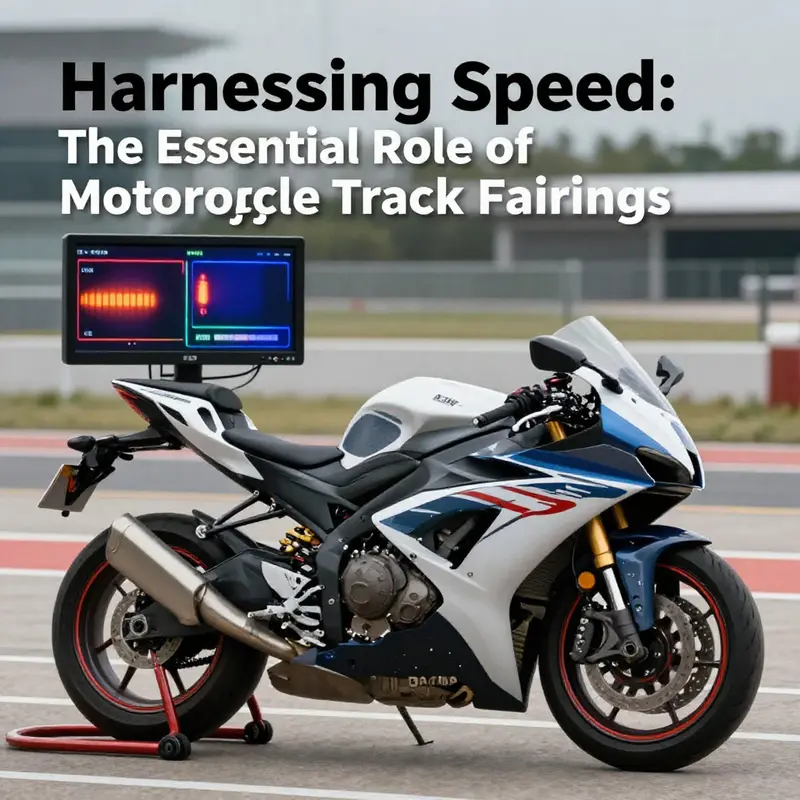
Riders chasing the razor’s edge of speed quickly learn that every decision on a race-ready motorcycle is a calculation. In the world of track engineering, fairings are not merely cosmetic shells that shave wind off the front of the bike. They are active components in a complex system where aerodynamics and thermal regulation intersect. The way a fairing shapes the flow around the rider and the engine has a direct bearing on how heat is transported away from critical components, how stable the machine remains at high speeds, and how comfortable a rider stays in the cockpit under sustained load. This is not a simple trade-off between drag reduction and rider comfort. It is a careful orchestration of pressure gradients, channeling of air, and the disciplined use of vents and ducts that can either keep the engine cool and the rider focused or trap heat that saps performance over a long stint on hot pavement. In this light, track fairings transform from passive shells into active thermal assistants, and their design becomes as much a heat-management strategy as an aerodynamic one.
Airflow dynamics around a motorcycle on the track are radically different from those encountered on a street ride. At high speeds, the air rushes in from the front, accelerates along the fairing’s contours, and forms a complex tapestry of vortices, stagnation points, and high-velocity sheets near the rider’s torso and arms. The goal of a track-oriented fairing is to minimize drag without starving the engine and rider of cooling air where it is needed most. But because the rider and the engine share the same constrained space, the geometry of the fairing inevitably alters how air circulates around both. A smooth, carefully contoured surface can guide cooler air toward radiators, oil coolers, and bespoke cooling channels, while simultaneously shaping the flow around the rider’s torso to keep the core body area comfortable enough to maintain focus through a tense lap sequence. The result is a distinctive tension: you want the surface to be slick, but not so sealed that heat cannot escape from the heart of the machine.
Ventilation, in particular, sits at the heart of this tension. Track fairings often trade generous intake openings for more refined, purpose-built vents and internal ducts. The balance is delicate. Full fairings can restrict natural ventilation around the engine and rider, especially during lengthy sessions where heat buildup compounds under sustained power output. Yet a thoughtfully engineered fairing uses vents and channels not as a concession to cooling but as a dedicated cooling engine within the bodywork. Integrated ducts can pull heat away from the engine bay and direct it toward exit points where it can dissipate into the ambient airstream without creating disruptive back-pressure. In some designs, vents are positioned to capture ram air at the right moments, using the momentum of motion to enforce a cooling flow that supplements the bike’s primary cooling system. When the airflow is choreographed this way, cooling becomes a predictable variable rather than a reactive afterthought.
The design of cooling pathways inside a track fairing is not an afterthought. It is a deliberate, computationally refined feature. Radiators, even in modern liquid-cooled configurations, rely on air to remove heat efficiently. The fan may do its work in a paddock, but on the straightaway the air is the main driver. Fairings that incorporate internal channels and strategically placed vents can guide cooler air toward hot spots such as the upper engine area and the cylinder head, while channeling warmer air toward exits that feed into the slipstream rather than stagnating near critical components. In high-load conditions, such as a long pace lap or a sequence of aggressive corner entries, the effectiveness of these channels becomes quantifiable: cooler intake temperatures, steadier oil temperatures, and a more stable thermal envelope for the rider. The importance of this alignment cannot be overstated for anyone who wants to push a bike to the limits without jeopardizing reliability.
Rider comfort, while secondary to ultimate performance on the track, remains a decisive factor in how long a rider can sustain peak performance. Heat around the chest, arms, and thighs can sap concentration, triggering fatigue that erodes lap times more subtly than any dramatic loss of grip. Fairings that prioritize aero efficiency occasionally funnel more heat toward the rider because they reduce natural convection around the cockpit. This is where the art of fairing design shows its nuance: not every path toward optimal aerodynamics is the right path for rider comfort. Designers respond with carefully shaped wind deflectors, cockpit screens, and mini-ducts that pull a flow of cooler air across the rider’s torso without undoing the gains in drag reduction. In practice, this means the most effective track fairings marry a high-performance aerodynamic silhouette with a rider-centric cooling strategy. The rider’s body becomes part of the thermal system, not an afterthought to the engine’s needs. When the airflow around the rider is steadied and slightly accelerated along the arms and shoulders, the perceived comfort improves, and focus can remain unbroken through critical phases of a lap.
Another layer of complexity comes from the materials and the mass of the fairing itself. Track fairings aim to combine light weight with strength, typically using reinforced ABS plastics or carbon fiber composites. Lighter panels reduce the load on the chassis, which translates to quicker response in steering and weight transfer—a welcome benefit when precision matters in corners and during braking. Yet weight alone does not determine thermal performance. The thermal conductivity of the chosen material, along with how it is laid out and vented, influences how quickly heat can move from the engine bay to the external air. Carbon fiber, for instance, offers excellent stiffness-to-weight characteristics and can accommodate intricate internal channels with high precision. It also tends to retain heat differently than ABS, which can intra-matrix warmth and transfer heat to the surface more readily. The resulting heat footprint, in combination with vent placement, can steer the temperature behavior of the entire powertrain package. In practice, designers work with fluid-dynamics simulations to predict how a fairing will shape not only the ride height and stability but also the surface temperature distribution across the bike’s front end while carving the air toward favorable exit paths.
Fitment and integration are the unsung factors that determine whether a track fairing will deliver the anticipated thermal and aerodynamic benefits. A fairing is only as effective as its connection to the bike’s existing cooling system and its ability to avoid inadvertent airflow barriers. Misaligned vents or blocked apertures can create local hot spots or disrupt the intended airflow patterns. This is why careful mounting, precise tolerance matching, and attention to the bike’s cooling flow architecture matter just as much as the fairing’s shape. Track riders who maximize performance typically seek fairings engineered for their specific platform, ensuring that the radiators and oil coolers retain access to direct air and that the fairing’s channels align with the engine’s heat-extraction needs. At the same time, compatibility with the rider’s stature and positioning is essential. A fairing that produces ideal cooling in a textbook geometry may underperform if the rider’s body occludes critical vents or alters boundary-layer behavior in unexpected ways. In turn, the rider’s posture during aggressive riding becomes a factor in this thermal equation, not merely a stylistic choice.
In the practical realm, teams and individuals approach fairing selection with a holistic lens. They evaluate how a given fairing’s aerodynamic gain translates into higher corner speeds and more stable mid-cair load while interrogating whether the design maintains desirable engine temperatures during a race-like sequence of laps. A fairing that trims drag by several percentage points but allows engine temperatures to creep upward can diminish gains through reduced power output and occasional detuning caused by thermal management protections. Conversely, a fairing that channels cooling air effectively yet leaves a noticeable drag penalty can steal lap time under the wrong track conditions. The optimal choice, then, sits at the intersection of aerodynamics, cooling efficiency, and rider endurance. It is a dynamic compromise shaped by track layout, ambient temperature, engine power, and the rider’s own tolerance for heat. In this sense, track fairings function as an integrated part of the bike’s thermal management strategy, not a standalone upgrade.
For readers seeking practical context beyond theory, the market offers a spectrum of fairing configurations designed to meet these dual demands. Some configurations emphasize vent-rich front ends that invite a steady supply of air to the engine while maintaining a streamlined silhouette. Others emphasize sealed profiles that reduce drag aggressively but rely on advanced internal cooling channels to move heat away efficiently. The choices align with how a rider intends to spend time on track: sprint sessions with aggressive acceleration, endurance-style laps on a demanding circuit, or a mix that balances speed with reliability. Importantly, any track-focused fairing should be evaluated not only on how it looks under a pit-lawn spotlight but on how it behaves in the real-world, high-speed environment where heat becomes as critical a variable as air pressure and velocity. A well-informed choice will also consider compatibility with the bike’s cooling architecture, ensuring that the added panels do not obstruct radiator flow, oil cooling routes, or air intake behavior that has already been tuned for performance.
As the science of aerodynamics advances, so too does the sophistication of thermal management within fairing design. Engineers continuously explore how to sculpt wake regions behind the rider and engine so that heat finds the path of least resistance without compromising stability. This ongoing research supports a broader narrative about track performance: speed and endurance are not separate goals but twin pillars supported by a shared, well-calibrated cooling strategy. Riders who recognize this connection—and who insist on fairings that actively manage heat as part of the overall aerodynamic package—tend to maintain higher levels of concentration and performance through longer sessions. In that sense, better cooling isn’t a luxury; it is a competitive advantage that translates into more consistent lap times and fewer reliability-related interruptions on race day. For readers who want a deeper dive into the technical interplay between fairing geometry, airflow, and thermal regulation, a comprehensive resource offers an in-depth exploration of how these elements cohere in modern fairing design. Honda fairings catalog provides a practical sense of how manufacturers and builders translate these principles into track-ready bodies, while keeping in mind the broader goal of safeguarding engine temperatures and rider comfort on the complex wind-swept stage of the racetrack.
In sum, the chapter on track fairings makes clear that aerodynamic efficiency and thermal regulation are inextricably linked. The most effective fairings do not merely slice through air; they choreograph a pathway for heat to leave the machine at a pace that keeps both engine and rider in their optimal operating envelopes. The resulting stability, power consistency, and rider endurance emerge from this careful engineering synthesis. While the aesthetic appeal of a fairing contributes to a bike’s visual identity, it is the internal coordination of vents, ducts, and material choices that ultimately defines how well a track bike performs across a full session. As riders push toward faster laps and longer stints, the fairing becomes an active participant in the pursuit of speed—an ally in the race to stay cool under pressure. For those who wish to extend their understanding beyond the practical, the external resource linked here offers a technical lens on the broader thermodynamics and fluid dynamics that animate modern fairing design. https://www.motorcyclecycling.com/tech/track-fairing-aerodynamics-and-thermal-management
Tight Tolerances, Clear Turns: The Precision of Fitment for Track Fairings on Sport Bikes

A track day demands more than raw horsepower and taut suspension; it requires a harmony between air, structure, and rider. The track fairing sits at the center of that harmony, shaping the airflow around the bike and protecting essential components while pushing the machine toward its aero limits. Yet the aerodynamics are only as effective as the way the fairing fits the motorcycle. Compatibility and fitment are not afterthought concerns but core performance variables. A properly matched track fairing does more than reduce drag. It creates predictable handling at high speeds, stabilizes the bike through long, sweeping curves, and helps manage heat during extended sessions under sustained throttle. When fitment is off, even the most efficient fairing can introduce drag, create flutter, or interfere with crucial systems. The result is not just slower lap times but a rider who must adapt to mechanical quirks instead of relying on the bike to respond crisply to every steering input.
The specificity of fitment rests on a simple truth: track fairings are engineered around a particular frame geometry, a precise arrangement of mounting points, and the way the bodywork integrates with the bike’s electrical, cooling, and instrumentation systems. A kit designed for one motorcycle generation may not line up with the fixture points on a slightly newer or older year. Small variances in frame stiffness, the position of the steering head, or even the shape of the radiator shrouds can ripple into alignment issues that degrade aero performance or compromise safety. This is why most riders who pursue track performance gravitate toward fairing systems that are explicitly designed for their exact model and generation. The difference may be minute in a shop photo, but on the track it translates to how cleanly the nose of the bike meets the air, how well the windscreen or screenless nose directs that air around the rider, and how reliably the mounting points accept fasteners without bending or flexing under load.
The mounting interface is where fitment becomes a practical art. Full fairings, half fairings, and the various sub-assemblies each demand a distinct approach to installation. The primary attach points usually sit at strategic locations on the frame and subframe, designed to carry the aerodynamic load and maintain panel alignment during aggressive cornering. Even if a kit appears to bolt onto the bike quickly, the true test is how the pieces align with the bike’s chassis when the rider is tucked behind the wind and the tires are loaded into a mid-ccorner grip. Misalignment can reveal itself as a visible gap or as a subtle increase in aerodynamic noise and flutter at high speed. More insidious are misfits that alter rider ergonomics—bars, footpeg positions, or radiator access panels can all intrude on the intended geometry. The rider notices this in turn by feeling less precision through the hands, more effort required to drive the bike into the apex, or a tendency to push wide in a turn because the fairings subtly alter the center of pressure.
A critical consideration in fitment is clearance. Track fairings must coexist with the bike’s existing components, including the radiator, hoses, wiring harnesses, and the exhaust system. Even trace amounts of contact between a fairing panel and a hose or a heat shield can create unwanted heat transfer, wear the fairing surface, or rub a wire loom, leading to short circuits or compromised cooling. The fairing design often anticipates these clearances, using built-in reliefs, grommets, and relief cuts to avoid interference. But these features are only effective when the fairing is mounted with exactness. A common pitfall is over-tightening a fastener in a way that causes a panel to bow ever so slightly, pulling other panels out of line and producing a cascade of clashes across the nose and side sections. A meticulous installation that respects these tolerances is not a cosmetic exercise; it is essential to maintaining the fairing’s aerodynamic profile and the bike’s ability to shed heat during long track sessions.
Beyond mounting, fitment interacts with the bike’s instrumentation and electrical system. The cluster or dash, switches, and harness routing must be preserved or carefully re-routed to accommodate new fairing pieces. In some cases, the fairing kit will rehome a headlight assembly or substitute a streamlined light shell, requiring additional wiring work or the use of a dedicated harness. The fine print behind many aftermarket systems notes that universal or semi-universal options can necessitate more invasive modifications to wiring or bodywork, potentially affecting safety features or weather seals. For this reason, many riders prioritize model-specific kits or vendor-guided fitment guides that map out the exact mounting points, the related hardware, and any minor adjustments needed to preserve alignment and coverage. The safest path preserves warranty and ensures the fairing’s performance envelope remains aligned with the bike’s original design intent.
Material choice and construction method also influence fitment outcomes. Reinforced ABS plastic, fiberglass composites, and carbon fiber pull the rider down different roads in terms of rigidity, weight, and how they tolerate heat. Carbon fiber skins can offer stiffness and a light touch that helps maintain panel alignment at speed, but they demand precise layups and careful bonding to structural substrates. ABS-based fairings tend to be more forgiving with fitment quirks, offering resilient surfaces that tolerate small misalignments during installation. Each material class brings a unique balance of elasticity, thickness, and mounting tolerance. The effect on fitment is not merely cosmetic. A panel that flexes or shifts under load can change the air gap around the radiator or alter the intended slot for a side intake, diminishing the intended airflow path and altering the bike’s cooling performance. The interplay between panel stiffness and the frame’s dynamic behavior under braking and cornering can be the quiet determinant of whether the fairing maintains its aero shape at the apex or succumbs to flutter that spoils stability.
The decision-making process around fitment threads back to how riders intend to use the machine. Track-focused builds that see long sessions and sustained high-speed runs often accept a stiffer, more aggressively sculpted fairing with limited ventilation as a trade-off for maximum aero efficiency and stability. Street-oriented fairings, by contrast, emphasize weather sealing and rider comfort, with more generous ventilation and a different expectation of wind protection. This distinction matters when assessing compatibility. A fairing designed for high-speed stability may require careful attention to airflow management and heat dissipation on a hot day when the bike is idling in the pit between runs. Conversely, a fairing with broader ventilation routes can create more drag if the rider is chasing top speed, even if it fits perfectly on the frame. Fitment thus cannot be divorced from the intended environment; it is a conversation about how the bike will be used, how brave the rider will push the aero, and how confident the mounting system feels when the front wheel rides the edge of gravity through a high-G corner.
In practice, confirming compatibility begins long before a single bolt is tightened. A disciplined approach starts with a careful review of the manufacturer’s specifications for mounting points, alignment marks, and the required hardware. A compatibility check is often a two-person task: one to hold panels in place, the other to verify alignment against reference points on the subframe and brackets. A dry run without fasteners helps reveal potential interference with the steering lock, the instrument cluster, or any quick-access latches that might be present on the bike. This is the stage where a rider can anticipate the need for minor modifications, such as trimming a small notch, adjusting a stay angle, or selecting slightly longer or shorter fasteners to achieve the correct panel line. The aim is not to force a perfect fit out of the box but to invite the fairing to work with the bike’s design language, honoring the lines of the frame while preserving the rider’s control interface and the bike’s ability to shed heat where needed.
As riders weigh their options, it is useful to consider the latest entries in the market with a critical eye toward fitment. The category of 2023 new fairings offers an up-to-date view of how manufacturers and aftermarket providers are dealing with evolving frame geometries, new headlight housings, and optimized attachment systems. Those exploring such options can benefit from examining alignment features, mounting point counts, and the way each kit accounts for the interface with the bike’s electrical harnesses and cooling pathways. This kind of due diligence pays dividends on the track, where even small misalignments can become a drag penalty at high speed. For riders who want a practical starting point, a targeted look at model-year-specific guides and installation notes provides a solid baseline to compare how a given kit handles access to serviceable components, easy maintenance, and future upgrades. See the 2023 new fairing entries for a sense of current directions in aero shaping and fitment logic. 2023 new fairing entries.
Ultimately, fitment is about ensuring that the science of aerodynamics and the art of engineering converge with the reality of the machine and rider. A well-fitted track fairing enhances stability, reduces drag, and preserves heat management, all while delivering a clean, integrated silhouette that speaks to the rider’s discipline and ambition. It requires patient preparation, careful measurement, and a willingness to invest time in test fits and minor refinements. The rider who approaches fairing selection with this mindset respects the delicate balance between speed and safety, between panel stiffness and gusting wind, and between the bike’s innate personality and the aero that shapes it. In the end, compatibility and fitment are not about simply choosing a fairing that looks fast; they are about choosing a system that works with the bike as a complete entity, enabling the rider to harness the machine’s potential with confidence, precision, and repeatable consistency across sessions and corners.
External context can help frame this practice within broader design thinking about performance motorcycles. For a deeper dive into the intended philosophy behind fairing design and integration, consult the official manufacturer site. It offers background on how aerodynamics, cooling, and instrumentation are balanced in contemporary track-focused bodywork and why precise fitment matters as much as shape and material. official manufacturer site
Performance in the Wind: The Aerodynamic Edge of Motorcycle Track Fairings
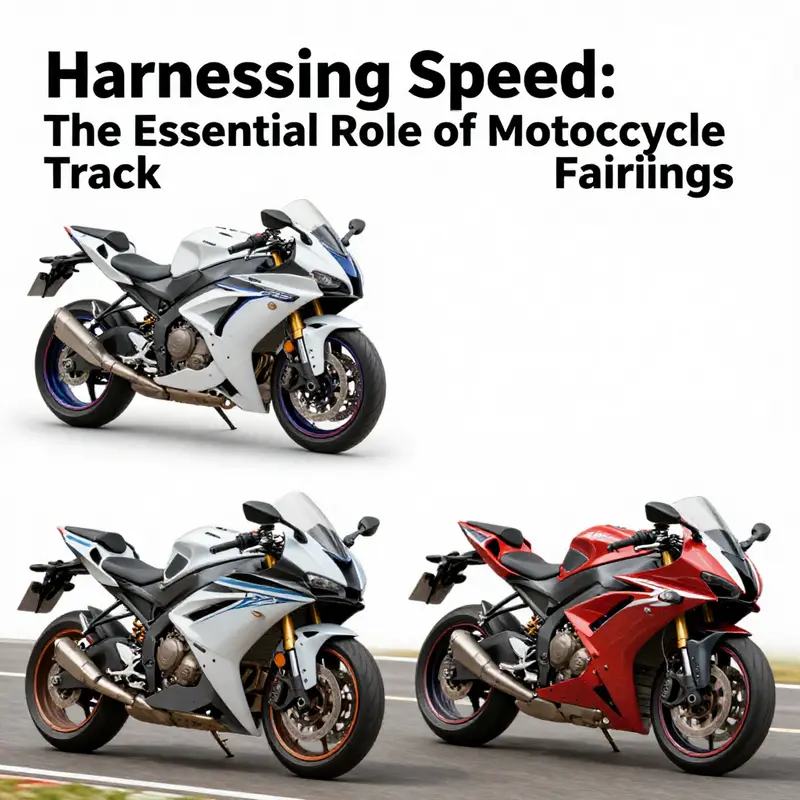
Track fairings are engineered to tame the airstream, converting wind into stability, handling, and sustained performance. In racing, every contour of the surface influences drag, lift, and the bike’s front end trust. A well designed fairing smooths airflow around the engine and cockpit, reduces parasitic drag, and shapes the wake to favor predictable handling through corners and under braking. Materials such as reinforced ABS and carbon fiber balance weight, impact resistance, and stiffness, while glossy finishes improve surface smoothness and machining precision. Quality assurance with certifications helps ensure performance and safety under race conditions. Modularity in panel design enables quick repairs between sessions and the ability to tailor aerodynamics for specific tracks. While track fairings represent a performance investment with trade offs in ventilation and weather protection, their aero gains translate into measurable improvements in top speed stability, corner entry, and rider confidence. Finally, the best track fairings integrate with the bike’s geometry and mounting hardware to maintain aero silhouette and reliability throughout a day of laps.
Final thoughts
In summary, motorcycle track fairings are indispensable for enhancing performance in racing applications. They provide significant aerodynamic advantages, are constructed from durable materials to withstand racing conditions, and manage thermal performance effectively. Compatibility and fitment considerations are crucial to ensure that these fairings provide their intended benefits. By investing in high-quality track fairings, business owners can offer products that truly enhance the riding experience for their customers, particularly those focused on improving their track performance.