
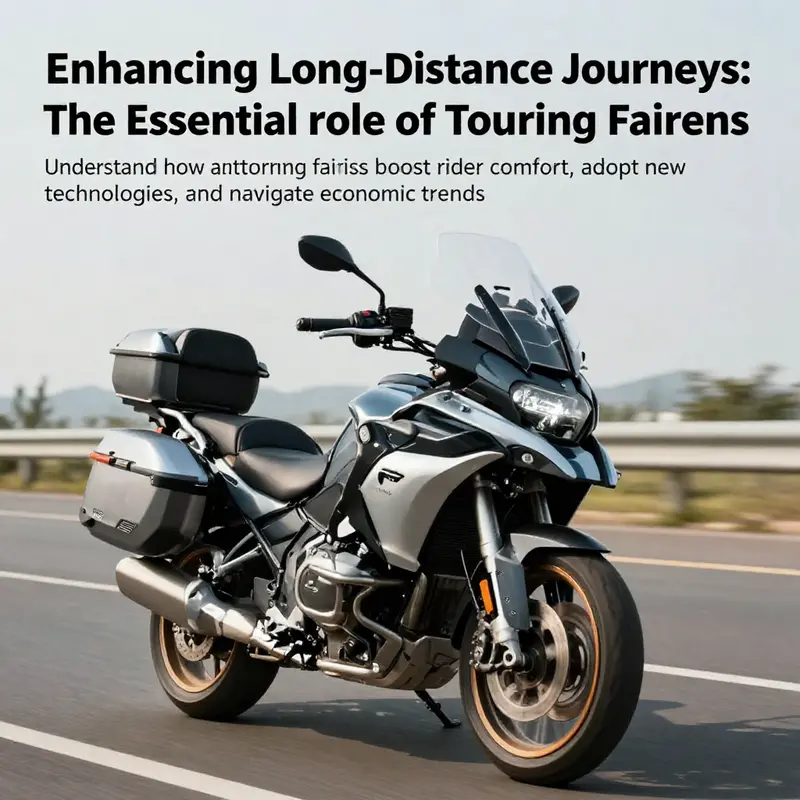
Motorcycle touring fairings have emerged as crucial components for enhancing long-distance riding experiences. Their role extends beyond aesthetics, offering significant benefits related to rider comfort, safety, and vehicle performance. As motorcycle touring becomes increasingly popular among riding enthusiasts, understanding the geometric intricacies, material advancements, and market dynamics surrounding touring fairings becomes essential for business owners in the motorcycle industry. Throughout this exploration, the following chapters will delve into how these elements contribute to an elevated riding experience, the technological innovations shaping fairing design, and the economic implications guiding purchases and sales in this sector.
Shielding the Journey: How Touring Fairings Enhance Rider Comfort and Safety on Long-Distance Adventures
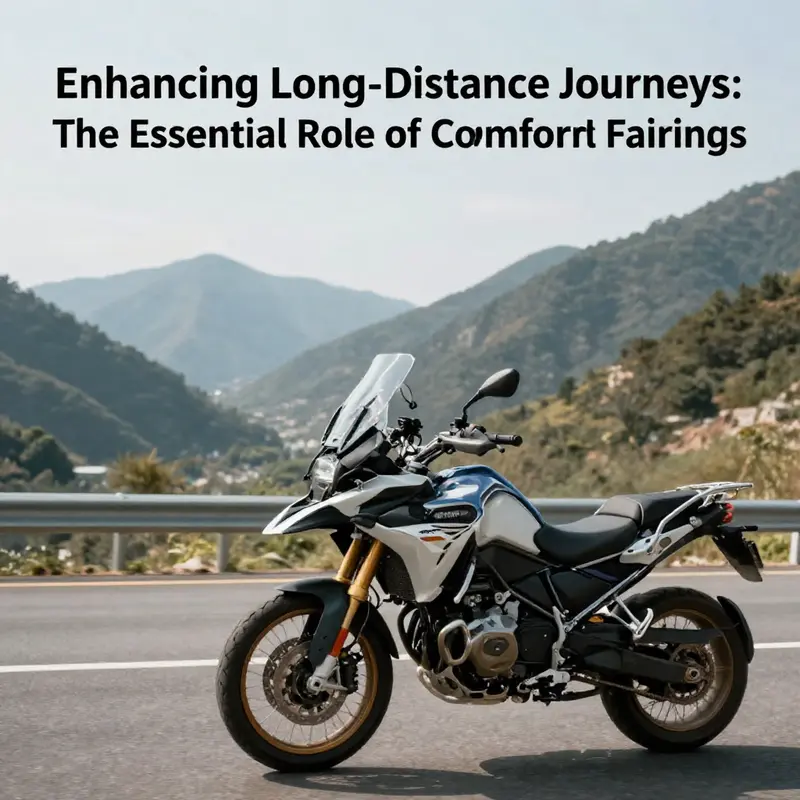
Motorcycle touring fairings have long been recognized as a cornerstone innovation for riders who spend countless hours navigating open highways and unpredictable weather. The melding of engineering finesse with ergonomic design not only elevates the overall riding experience but also brings an essential layer of protection and comfort that can be felt from the very first mile. By reducing wind resistance, enhancing aerodynamics, and shielding riders from nature’s elements, these fairings transform long-distance travel into a smoother, safer, and far more enjoyable undertaking.
At the heart of the touring fairing’s contribution to rider comfort is its exceptional ability to deflect wind and reduce the drag that typically exhausts a rider over long stretches of road. Without a fairing, riders contend with the incessant force of high-speed wind, which induces fatigue through relentless buffeting of the upper body and arms. The design of these fairings is honed through years of aerodynamic research, ensuring that each curve and contour of the fairing channels air more efficiently. When a rider mounts a motorcycle equipped with a well-engineered fairing, the wind is redirected in such a way that it creates a near-cushioned effect, keeping the rider’s posture stable and reducing the force exerted on exposed skin.
This reduction in wind resistance is more than just a comfort upgrade; it is also crucial for safety. Long rides at highway speeds expose the rider to environmental distractions, and the unyielding wind can sap concentration, contributing to mental fatigue. An effective touring fairing minimizes these distractions by providing a consistent flow of air around the body, allowing the rider to focus on the road ahead. Such protection ensures that the rider’s attention remains centered on navigation, road conditions, and other critical safety factors. The reduced wind impact lessens the physical strain on the body, which, in turn, enables the rider to maintain sharper reactions and better control when sudden maneuvers are required.
Integral to the fairing’s overall design is its aerodynamic shape, which not only minimizes drag but also contributes positively to fuel efficiency. This dual advantage is achieved by streamlining the motorcycle so that energy is not wasted fighting the force of the wind. The fairing’s sleek design works symbiotically with the motorcycle’s engine and frame, ensuring that the entire vehicle operates as a cohesive unit. This integration significantly lowers the barrier posed by high wind resistance, making it possible for riders to maintain higher speeds with less energy. Moreover, by reducing the energy required to overcome drag, riders experience less fatigue over time, allowing prolonged use of the motorcycle with a reduced risk of exhaustion. The cumulative effect of these improvements is a ride that feels almost effortless, with the engineering expertise behind fairings translating into smoother acceleration and more balanced handling.
Beyond the aerodynamic and energy-saving benefits, one of the most significant advantages of motorcycle touring fairings is the comprehensive environmental protection they offer. As riders set off on journeys where weather can change without warning, riding exposes the body to challenges such as rain, dust, road debris, and even harsh sunlight. The fairing functions as a shield that encapsulates the front and upper portions of the motorcycle, safeguarding both the mechanical components and the rider. During sudden rain showers or gusty windy days, the fairing significantly dampens the impact of the elements. It directs raindrops and airborne particles away from both the rider and the sensitive engine parts, ensuring that visibility remains high and the mechanical systems are not clogged or damaged by unexpected weather conditions.
In addition to physical protection, the fairing plays a key role in reducing the mental load on riders. When facing prolonged journeys, even minor distractions can lead to lapses in concentration, and these distractions can amplify over hours of riding. By offering a buffer against wind and environmental debris, the fairing reduces the number of micro-stressors that compound fatigue. For instance, the vibration and noise generated by air impact are significantly lowered, allowing riders to enjoy a quieter, more controlled ride. This reduction in sensory overload facilitates better focus and heightened awareness on the part of the rider. In essence, the fairing works to create a calm micro-environment for the rider, where increased concentration translates directly into safer handling of unexpected road challenges.
Another layer of sophistication in modern touring fairings is their ability to integrate additional functional features. Many of these fairings are designed with adjustable wind deflectors or windshield extensions that allow riders to tailor the angle and height according to their personal comfort needs and prevailing weather conditions. This adjustability is critical during long trips where the rider may encounter both high-speed highways and more winding, slower rural roads. The fairing’s design may also incorporate integrated storage compartments that can house small essentials or accessory mounting points for devices such as GPS units, lights, or communication systems. Such integrations not only enhance the functionality of the ride, but also contribute to a more organized touring experience by reducing the need for extraneous additional equipment that might otherwise disrupt the aerodynamic profile of the motorcycle.
Material selection for touring fairings has also evolved dramatically over the years, striking a delicate balance between durability, weight, and cost-effectiveness. Modern fairings are commonly crafted from high-impact-resistant ABS plastics or composite materials that are engineered to withstand the rigors of prolonged exposure to UV rays, rain, and fluctuating temperatures. The use of such materials ensures that fairings are not only robust enough to survive the inherent hazards of long-distance travel but are also lightweight enough to maintain the motorcycle’s overall performance levels. The longevity of these materials provides riders with a reliable investment that will endure the challenges of various climates and terrains. Manufacturers continually refine these materials and their manufacturing processes to ensure that fairings meet strict quality standards, thereby reinforcing rider confidence and contributing to a sense of security on every journey.
The engineering of touring fairings is not a one-size-fits-all endeavor. Each motorcycle model, whether it is a high-performance model or a classic touring cruiser, requires a fairing that is specifically designed to integrate perfectly with its unique bodywork and structural layout. For example, the integration of fairings on certain models involves extensive testing in wind tunnels, where researchers analyze how every component interacts with airflow at high speeds. This rigorous testing leads to a highly tailored design that optimizes fit and performance. A fairing that has been meticulously engineered for one model may include distinct curves and mounting points that align with the frame geometry and engine architecture, ensuring not only aesthetic appeal but unequivocal functional precision. Riders seeking fairings for their specific models can find manufacturer-approved options that have been tested for compatibility and performance. For those interested in models of certain brands, high-quality selections can be explored on platforms dedicated to specific fairing types, such as the comprehensive collections available on websites featuring a range of offerings – for instance, enthusiasts can read more about different styles and functionalities on pages dedicated to Honda fairings to appreciate the variety and precision behind each design.
The safety enhancements provided by touring fairings extend beyond the mere deflection of wind and debris. By reducing the external stimuli that can distract or fatigue a rider, fairings indirectly contribute to reducing the probability of accidents caused by slowed reaction times or misjudged distances. The secure and unyielding nature of a well-fitted fairing means that in the event of a sudden gust of wind or an unexpected obstacle, the rider’s headset is less likely to be shaken loose, and their vision remains undisturbed. This stabilization is particularly crucial for riders who cover extensive distances where even small lapses in concentration, when compounded over time, can lead to dire consequences. In this context, the touring fairing serves not only as a physical shield but also as a psychological buffer, reassuring the rider that environmental challenges are being consistently mitigated.
Over long distances, the interplay of environmental factors with the human body is complex. Prolonged exposure to high-speed winds, temperature fluctuations, and varying road textures can create cumulative fatigue, which in turn impacts a rider’s overall wellbeing. A touring fairing helps to optimize the riding ergonomics by ensuring that the rider’s upper body, which is usually more exposed, experiences less jitter and strain. This ergonomic advantage is not just about comfort but also about long-term health. Riders who use touring fairings report lower instances of shoulder, neck, and back pain because the fairing’s design reduces the need for constant corrective adjustments during the ride. This added comfort makes it easier for riders to maintain an efficient posture, reducing muscular strain and supporting a more relaxed riding experience over hours of travel.
The benefits of motorcycle touring fairings are evident in both subjective feedback from riders and in the objective performance metrics measured through various tests. Manufacturers and designers continuously refine fairing designs, employing cutting-edge computer simulations and on-road testing data to improve their products. The iterative process of design not only ensures compliance with stringent safety standards but also leads to the integration of features that enhance the overall ride. Riders who relish the experience of long journeys find that a well-designed fairing is indispensable because it transforms what could be a grueling ordeal into a pleasurable adventure. It is not uncommon for touring enthusiasts to discuss how their fairing has become their constant companion, one that offers reliability, adaptability, and unwavering protection in the face of nature’s unpredictability.
Moreover, the evolution of motorcycle touring fairings mirrors the wider advancements in motorcycle design and technology. As motorcycles have evolved to incorporate more sophisticated engines and modern suspension systems, the fairings have similarly advanced to complement these changes. The modern touring fairing is an embodiment of technological integration, where even subtle design tweaks can have profound impacts on ride quality and safety. For example, advancements in composite materials allow for more intricate shapes and finer detailing, while still providing the rigid structure necessary for high-speed stability. This interplay of technology and design not only enhances the motorcycling experience but also pushes the boundaries of what is expected in terms of rider safety and vehicle efficiency.
The comprehensive benefits of fairings become even more pronounced when considering the psychological impact on the rider. A well-engineered fairing instills a sense of confidence as the motorcycle and rider move in unison. This harmony is crucial for long trips where every aspect of the ride can influence the rider’s alertness and decision-making capabilities. Riders have described a noticeable improvement in their ability to maintain focus during monotonous stretches of road, attributing much of this sustained concentration to the reduction in wind buffeting and environmental distractions provided by the fairing. The resulting mental ease allows riders to enjoy the journey, appreciating the scenic landscapes without being preoccupied by the impending fatigue of harsh wind impacts or disruptive weather patterns.
As we look toward the future, it is clear that the role of touring fairings will only become more central to the motorcycle touring experience. The continuous advancements in materials science, aerodynamic engineering, and ergonomic design are paving the way for fairings that are even more responsive to rider needs. Innovations such as smart fairings that can automatically adjust their angle in response to wind conditions, or those equipped with integrated sensors to monitor weather and ride dynamics, are on the horizon. These future iterations may soon offer an unprecedented level of customization, allowing riders to tailor their motorcycle’s external configuration with the flip of a switch. In many ways, the touring fairing has evolved from a simple protective accessory to a complex, adaptive system that enhances every aspect of long-distance travel.
In conclusion, the touring fairing stands as a testament to the ingenuity of motorcycle engineering—a critical element that bridges the gap between raw mechanical performance and rider comfort. Its multifunctional role encompasses the reduction of wind resistance and drag, the safeguarding against environmental hazards, and the enhancement of overall rider stability and focus. Each journey is transformed by this integration of form and function, merging safety and comfort into a single, seamless experience. By shielding the rider from the relentless forces of nature, the fairing ensures that the true spirit of the ride—the thrill of new adventures and the pleasure of the open road—is never compromised.
For any touring enthusiast, the importance of selecting a fairing that offers precise compatibility with their motorcycle’s design cannot be overstated. A perfectly matched fairing not only augments the aesthetic appeal of the motorcycle but also fulfills its promise of enhanced safety by reducing physical strain and airborne hazards. As riders continue to push the boundaries of distance and explore new horizons, the sophisticated design of touring fairings guarantees that every mile traveled is met with optimal performance and unparalleled comfort. It is this fusion of protective engineering and rider-oriented design that cements the touring fairing’s role as an essential companion on every long journey.
For those looking to explore further innovations and specific design options, detailed explorations can be found on industry platforms. Additionally, for a more in-depth analysis of fairing dynamics and its ongoing evolution, interested readers are encouraged to consult the comprehensive overview available at Motorcycle.com. Riders and enthusiasts alike continue to benefit from such resources, ensuring that every new journey is informed by the latest advancements in technology and design.
Revolutionizing the Ride: Technological Milestones in Motorcycle Touring Fairing Development
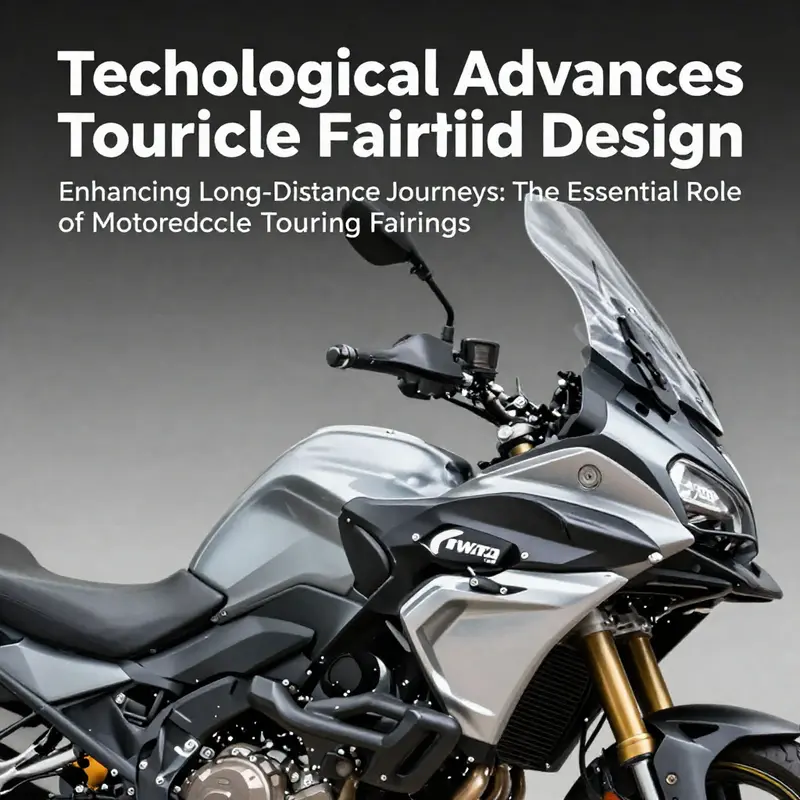
Motorcycle touring fairings have evolved into a cornerstone of modern long-distance riding, standing at the crossroads of engineering excellence and rider comfort. Every journey demands a blend of aerodynamic efficiency, structural durability, and thoughtful design, and fairings have risen to that challenge. Today’s touring fairings are not just cosmetic add-ons but highly engineered components that significantly enhance the riding experience. They reduce wind drag at high speeds, deflect unpredictable gusts, and serve as the first line of defense against hostile weather conditions. In addition, modern fairings are designed to integrate seamlessly with the motorcycle’s overall architecture, often becoming an essential element of the vehicle’s performance and aesthetics.
At the heart of these advancements lies a deep understanding of aerodynamics. Engineers now harness the power of computational fluid dynamics (CFD) to simulate airflow over every curve and surface of the fairing. This technology enables designers to observe how air moves around the motorcycle and rider during high-speed travel. By analyzing the simulation data, designers can refine the shape of the fairing in minute detail, reducing turbulent wake and minimizing drag. The optimized airflow directly translates into improved fuel efficiency and a smoother ride. Riders now experience a reduction in wind-induced fatigue, a benefit that becomes particularly pronounced during extended highway journeys. Each iteration of CFD analysis contributes to a design that not only meets but exceeds the aerodynamic requirements of modern touring motorcycles.
The evolution in fairing design is also powered by breakthroughs in materials science. High-strength polycarbonate and fiberglass composites are now common in the construction of touring fairings. These materials offer the critical balance of weight reduction and impact resistance. Lightweight fairings improve the overall power-to-weight ratio of the motorcycle while maintaining high levels of durability in the face of road debris and environmental stress. The composites are designed to resist UV radiation, ensuring that the fairing maintains its structural integrity and appearance even after prolonged exposure to the sun. This technological progress means that riders can rely on their fairings for many years, regardless of the harsh conditions encountered on long rides.
Modern fairings are celebrated for their integrated features that enhance overall functionality without sacrificing style. Adjustable wind deflectors, for example, are engineered to accommodate diverse riding postures and environmental conditions. These deflectors can be tuned to redirect airflow suitably, reducing turbulence over the upper body and ensuring a more relaxed and ergonomically favorable riding position. The fairings often incorporate built-in storage compartments, whereby small essentials can be securely stowed away. With thoughtful design, these compartments come without spoiling the aerodynamic profile. Additional features also include pre-integrated mounting points for critical accessories such as GPS units or LED light systems, which further streamline the rider’s setup. Even the integration of lighting systems is refined: modern fairings house LED configurations that enhance visibility and safety without adding considerable weight or complexity.
One of the most exciting developments comes from the integration of smart technologies. Today’s touring fairings sometimes embed sensors that monitor temperature, humidity, and the dynamic flow of air around the motorcycle. Such sensors are not merely passive devices; they actively relay real-time data to connected applications, enabling riders to adjust the fairing settings on the fly. Whether it is calibrating the wind deflector or monitoring the performance of the fairing in adverse weather, this level of interactivity represents a significant leap forward. Riders are empowered with insights that allow them to optimize their gear dynamically, ensuring that their journey remains as comfortable and efficient as possible. The fusion of physical design with digital intelligence heralds a future where fairings evolve with each ride, adapting to both mechanical and environmental variations on the fly.
The design process itself has been revolutionized by extensive testing and simulation environments that replicate real-world conditions. Prototypes are subjected to wind tunnel tests to verify the aerodynamic simulations produced by CFD software. This rigorous approach guarantees that each iteration of the fairing not only performs well on paper but also under the stressors of actual riding conditions. Manufacturing techniques have similarly advanced, with precision molding and computerized quality control systems ensuring that each component meets exacting standards. The use of robotic assembly lines minimizes human error, while innovative curing processes for composite materials guarantee a uniform finish and enhanced structural properties. As a result, modern touring fairings emerge from the production line with consistently high performance and reliability, ensuring rider safety and satisfaction.
The benefits that modern touring fairings offer extend far beyond improved aerodynamics and material robustness. A thoughtfully designed fairing exerts a direct positive influence on a rider’s endurance. By cutting down wind noise and reducing turbulence over the rider’s body, the fairing allows the rider to maintain a more natural posture. This ergonomic benefit is critical during long rides when even minor discomfort can accumulate into significant fatigue. The overall stability provided by a streamlined fairing means that high-speed cruising becomes less taxing on the motor system and the human body alike. Reduced fatigue translates into not just comfort, but also enhanced concentration and safety, especially during extensive journeys where prolonged periods behind the handlebars can have cumulative adverse effects.
When considering the integration of new technologies and materials, it is essential to also address compatibility issues. Motorcycle manufacturers often develop fairing kits that are precisely tailored to the specific frame and engine layouts of their models. A touring rider might seek a fairing designed exclusively for a particular engine type or chassis configuration, ensuring that performance deficits do not arise from misaligned components. In some scenarios, official manufacturer kits are available that are meticulously engineered to work in tandem with the motorcycle’s existing systems. These kits are designed with both aesthetics and functionality in mind, ensuring that the fairing does not appear as an afterthought but rather as an integral part of the motorcycle’s design philosophy. It is for this reason that some riders explore options such as the one for Honda motorcycles, where models like the CBR600RR have dedicated fairing solutions. For instance, enthusiasts can explore detailed options such as the Honda CBR600RR fairing options available through specialized retailers.
Throughout the design evolution of motorcycle touring fairings, the interplay between form and function has been relentless. While aesthetics remain important, engineers consistently prioritize utility and performance. This emphasis is evident in every curve and contour of the fairing, which is meticulously formed to balance light reflection, surface tension, and aerodynamic drag. Not only do these factors contribute to the rider’s comfort, but they also enhance the motorcycle’s fuel efficiency. With the modern fairing enforcing a tighter seal against wind turbulence, the engine operates under more stable conditions. Less wind resistance means that power is utilized more efficiently, allowing riders to achieve higher mileage with lower fuel consumption. In many ways, fairing improvements have a ripple effect on overall motorcycle performance, offering benefits that extend from the fuel tank to the exhaust pipe.
The adoption of advanced materials has also seen a cost benefit. Although high-tech composites were once reserved for premium models, advancements in production have made them accessible to a broader range of touring motorcycles. The use of high-impact-resistant ABS plastic, polycarbonate, and fiberglass composites not only improves the durability of the fairing but also contributes to lighter body weights. Lighter motorcycles are easier to handle, especially on long journeys where the cumulative fatigue from a heavy ride can be significant. Furthermore, these advanced materials enable designers to create intricate shapes that were impossible with traditional materials. The result is a fairing that marries elegance with performance, the best of both worlds for riders seeking reliability and speed.
In parallel to material and aerodynamic innovations, the introduction of modular features into fairing design has improved the riding experience tremendously. Adjustable installations like wind deflectors now offer customization not only in the way air is channeled but also in how the motorcycle’s aesthetics are perceived. A fairing with a customizable curve allows the rider to achieve an ideal balance between aggressive sportiness and refined touring comfort. Built-in compartments offer secure storage without adding visual clutter. Engineers have found that well-planned integrations yield a product that caters to the various needs of the rider. This convergence of form and integrated utility has marked a significant departure from earlier designs, which were often either too flashy or inadequately focused on performance. The modern touring fairing stands as a multifaceted solution, combining rider-centric comfort with specialized engineering that addresses the critical challenges of long-distance travel.
Smart connectivity features are the next leap in fairing evolution. Some touring fairings are now embedded with sensors that offer continuous feedback on environmental conditions. These sensors, which monitor aspects such as temperature and airflow, are interfaced with mobile devices through dedicated applications. The resulting data empowers riders to modify settings while on the move, ensuring that conditions are always optimized for personal comfort and performance. In real time, the fairing can adjust elements like the wind deflector angle to counter unexpected gusts or temperature shifts. This synergy between hardware and software transforms what was once a passive protective element into an active component of the motorcycle’s performance ecosystem. It represents the marriage of traditional mechanical ingenuity with contemporary digital solutions, carving a path toward an unprecedented level of interactive riding technology.
A continuous flow between technology and hands-on riding experience defines modern fairing development. Every update begins with a deep dive into rider feedback, which is then paired with sophisticated design tools to ensure that the final product meets real-world needs. The feedback loop is essential, as riders offer insights into slight modifications that can enhance comfort or performance. This thorough approach to product development has led to incremental improvements that compound over time. Each new fairing may offer minor tweaks in contouring, adjustments in sensor calibration, or door-integrated storage space that marks a significant upgrade from previous models. The participatory evolution of touring fairings signifies an industry that listens closely to its base of passionate riders and continuously evolves to meet emerging demands.
The advanced design process calls for meticulous multidisciplinary collaboration. Engineers, designers, and materials specialists work together to balance every element of the fairing. Computer simulations, wind tunnel tests, and real-world ride assessments all contribute critical data to the design process. This collaborative effort ensures that the fairing fulfills its twofold role of protection and performance enhancement. It is a synthesis of art and science: the aesthetic appeal must merge seamlessly with the pragmatism of enhanced aerodynamics and improved rider ergonomics. In many respects, the modern touring fairing is a microcosm of the broader technological advancements in motorcycle design, reflecting a shift toward products that are smart, adaptive, and meticulously refined.
The ride itself transforms when these advancements are integrated into each journey. Riders notice an immediate difference in how the motorcycle responds to gusts, how the fairing channels air, and how integrated features contribute to onboard convenience. The reduction in wind noise, the improved high-speed stability, and the ergonomic advantages all come together to make every journey more enjoyable. The motorcycle becomes more than just a mode of transportation; it transforms into an experience that melds engineering precision with human-centric design. In this environment, every detail matters: from the centrifugal balance achieved by a lighter composite structure to the micro-adjustments made possible by interfaced sensor networks. This synergy allows riders to push the boundaries of performance while maintaining a high degree of control and comfort.
The scientific journey of motorcycle fairing innovation is ongoing. As computational capabilities grow and new materials are developed, the potential for further refinements is immense. Researchers continue to explore ways to reduce noise, further improve aerodynamic profiles, and integrate emerging sensor technologies into fairing designs. Future fairings may harness machine learning algorithms that adapt their performance based on historical riding data, weather patterns, and real-time environmental analysis. This open-ended potential signifies that the landscape of motorcycle touring fairing design is as dynamic as it is promising. The current state-of-the-art solutions are only a snapshot of what is possible, and each new design iteration paves the way for future breakthroughs.
When viewed as a component of the overall motorcycle experience, the touring fairing represents a vital nexus of technology, design, and functionality. Its evolution has led to significant improvements in rider safety, efficiency, and comfort, making it an indispensable accessory for riders invested in long-distance travel. The journey of innovation in fairing design is marked by a sequence of thoughtful, deliberate enhancements that collectively redefine what it means to ride. Every refinement, every material enhancement, and every integrated electronic solution plays a role in creating a more refined riding experience. By addressing the many challenges of wind turbulence, environmental exposure, and rider fatigue, modern touring fairings become essential companions on the open road.
This dynamic integration of technology and design underlines the importance of continuous innovation. The evolution of touring fairings is not merely about making incremental improvements; it is about reimagining the way motorcycles engage with the environment. When aerodynamic principles are fused with state-of-the-art materials and smart technology, riding becomes a holistic experience where every element is tuned for peak performance. The literal and metaphorical winds of change drive a field that remains receptive to new ideas and bold experimentation. As advances accumulate, each journey on a motorcycle outfitted with a modern touring fairing feels like a seamless blend of control, efficiency, and freedom.
The ongoing developments in touring fairing technology are a testament to the spirit of innovation that permeates the motorcycle industry. Enhanced aerodynamics, novel material applications, integrated convenience features, and smart technologies collectively propel touring motorcycles into a new era of performance and comfort. Riders can now look forward to an evolving array of options that cater specifically to the demands of long highway journeys and challenging weather conditions. In the same way that engine technologies and suspension systems have seen dramatic improvements over the years, touring fairings stand as an equally important frontier of engineering advancement. Every finely tuned element contributes to making each ride safer, more efficient, and simply more pleasurable.
The progress witnessed in recent years has set a strong foundation for more innovations to come. As researchers and engineers continue to collaborate across disciplines, the gap between possibility and practice narrows. Motorcycle manufacturers are poised to integrate these breakthroughs into their next-generation models, ensuring that riders across the globe can benefit from the latest technological advancements. While the future remains bright, current technologies already offer a robust suite of features. The seamless integration of technical advances such as CFD-driven design, next-generation composite materials, and smart sensor arrays illustrate the potential for fairings to transform every aspect of touring. Enthusiasts and professionals alike are coming to embrace these advances as critical improvements that make rides not only more efficient but more engaging.
For any rider intent on maximizing the performance and safety of their motorcycle, understanding these technological innovations is key. The iterative enhancements in aerodynamic shape, combined with sensor-based performance monitoring and adaptive design elements, ensure that the touring fairing remains more than a passive accessory. Instead, it plays an active role in energy efficiency, rider safety, and overall vehicle dynamics. The benefits are felt in the reduced resistance at highway speeds, the more intuitive handling around corners, and the confidence that comes from knowing that protective features are actively responding to changes in the environment.
In conclusion, the development of motorcycle touring fairings represents a rich tapestry of innovation. Each technological leap, from the adoption of advanced CFD analysis to the integration of smart sensors, enhances the motorcycle’s overall performance. The increased focus on materials that are both lightweight and durable has paved the way for fairings that contribute directly to fuel economy, safety, and rider endurance. As a critical part of a modern motorcycle’s design, touring fairings have transformed long-distance riding into an experience that is both technically refined and exceptionally comfortable.
For those interested in exploring the meticulous design behind these fairings and how each technical specification contributes to the overall performance, further details can be found at an external resource: Understanding Aprilia RS 125 Fairing Kit: Technical Specifications, Grades, and Application Techniques.
Navigating Market Momentum: Economic Forces and Future Trends in Motorcycle Touring Fairings
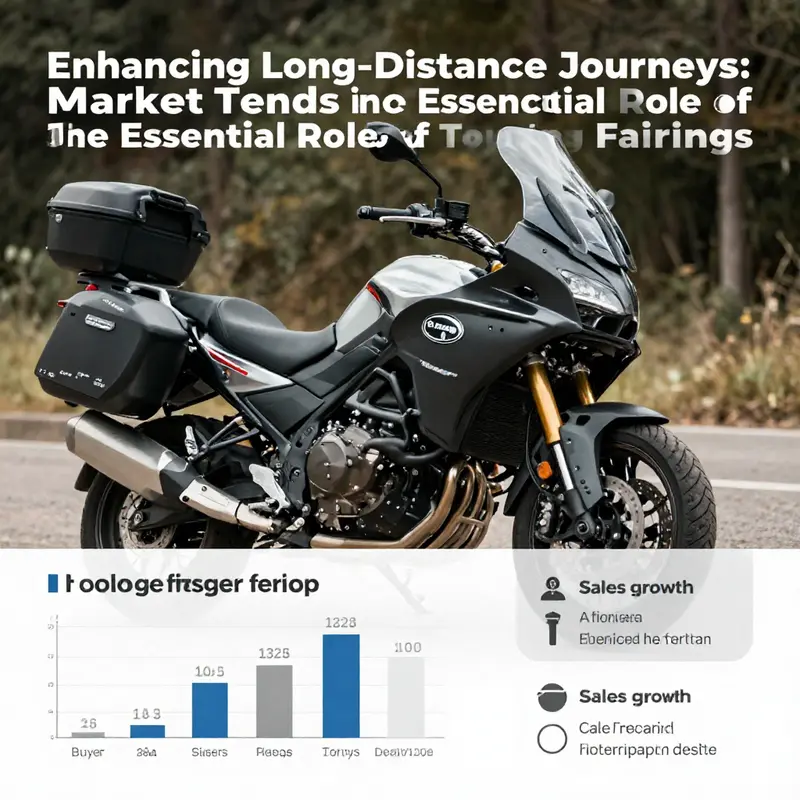
The surge in demand for motorcycle touring fairings ushers in a new era where economic factors and innovation converge in a promising market landscape. Over the past several years, riders have increasingly sought performance-enhancing accessories not only for aesthetics but also for strategic advantages in reducing wind resistance and enhancing comfort during long-distance journeys. Manufacturers have responded with both cutting-edge designs and a diverse range of products that cater to varying budgets, ensuring that both entry-level and premium segments thrive. The competitive climate is characterized by an impressive projected compound annual growth rate, with expectations of up to 11.7% growth from 2025 to 2033, that signals continued investment and vigorous research. As the market matures, designers, engineers, and economic planners work together to balance high-quality materials—such as resilient ABS plastics and refined fiberglass compositions—with cost-effective production methods. This integrated approach has resulted in touring fairings that do more than simply deflect wind; they serve as strategic assets that contribute to overall fuel efficiency, reduced rider fatigue, and improved vehicle performance. In balancing cost and functionality, the economic impact carries far beyond the initial purchase to long-term savings and increased innovation. This harmonization of technical advancement and market economics creates a vibrant period for the motorcycle touring fairing sector in today’s dynamic global market.
Underlying these economic fundamentals are the detailed considerations of material selection, pricing strategies, and the differential tiers that the market offers. At the most accessible level, economy tier fairings crafted primarily from sturdy ABS plastic provide affordable yet reliable solutions that appeal to the everyday commuter and the rider who prioritizes utility over lavish embellishments. Economically, this tier exposes consumers to essential technological benefits without incurring significant expenses, thereby making the innovative technology widely accessible. However, as the market has evolved, mid-range options utilizing fiberglass and composite materials have emerged, providing not only structural integrity but also a noticeable improvement in visual appeal and aerodynamic efficiency. These products often come with added features such as adjustable wind deflectors and integrated mounting points for navigation or electronics, which further enhance the riding experience. Manufacturers carefully calibrate production costs with the long-term benefits offered by enhanced designs, ensuring that every increment in price is closely matched with demonstrable returns in performance. This strategic balance between cost and quality continues to be a decisive factor for both end users and companies looking to capture a larger slice of the growing market.
In addition to material and production considerations, influential shifts in consumer behavior and market trends signal that riders are increasingly discerning in their selections. With long-distance touring becoming more popular, motorcyclists actively seek fairings that blend practical performance with innovative design elements. The value proposition of these fairings is not solely measured in upfront cost savings but also in the operational advantages provided during prolonged journeys. An ever-broadening spectrum of models now targets hobbyists and professional riders alike, with many products tailored to specific motorcycle models. For example, riders looking for a blend of style and durability might explore options such as those showcased on pages highlighting Yamaha fairings for FJR1300, which provide a glimpse into how manufacturers continue to push design boundaries. This diversity ensures that riders can find a model that complements the ergonomics and performance of their bikes, reinforcing a market driven by the dual pursuit of speed and stability. Such consumer insights not only influence manufacturer strategies but also inform the broader outlook on the cost-to-benefit ratios that are critical during extended touring scenarios.
Further expanding on the economic discourse, the interplay between aerodynamics and energy efficiency stands as a central pillar in market innovation. Manufacturers have devoted significant research and development resources to optimize fairing architecture, diminishing wind interference and minimizing drag. This careful design process results in lower fuel consumption and reduced strain on engine components, thereby reinforcing the economic rationale behind investing in high-quality touring fairings. In parallel, the integration of adjustable wind deflectors and other dynamic features systematically enhances rider comfort by mitigating buffeting and fatigue during extensive rides. Economists and engineers agree that improvements in fairing aerodynamics translate into long-term savings, making the upfront cost an investment that gradually pays off in efficiency and performance benefits. This intersection of design expertise and economic viability represents a new chapter in motorcycle touring, where every innovation is benchmarked against stringent performance standards while also addressing the consumer’s expectations for safety, durability, and versatility under varied weather conditions and road types.
The economic impact of upgrading motorcycle touring fairings extends well beyond the initial transaction, influencing broader trends in device innovation and secondary market growth. When riders invest in fairings made with superior materials and advanced engineering techniques, they often enjoy a significant return on investment manifested in reduced maintenance costs and enhanced fuel efficiency. Improved fairing performance reduces mechanical strain on the bike, thereby protecting critical components and extending service intervals. For manufacturers, achieving these technological enhancements fosters stronger brand loyalty, reinforced through increased market share in both domestic and international arenas. This dual benefit model demonstrates that every dollar spent on quality fairing upgrades contributes to both a refined riding experience and tangible long-term savings. Market studies have shown that riders who invest in well-engineered touring fairings often see measurable reductions in operating expenses along with marked improvements in ride dynamics. This strategic integration of product durability and energy conservation exemplifies a forward-thinking philosophy adopted by many leading industry players.
Looking deeper into the mechanics of cost efficiency, the fairing industry is not immune to the broader economic fluctuations that influence manufacturing inputs and consumer spending behavior. Economic downturns, volatile fuel prices, and changing material costs all contribute to shaping market performance and influencing investor sentiment. In times when economic conditions are uncertain, the affordability and demonstrable return benefits of touring fairings become even more important. Consequently, fairings that successfully optimize cost reduction while incorporating advanced functionalities experience a surge in popularity. This responsiveness to economic signals has led companies to innovate modular design concepts, enabling riders to upgrade specific components over time rather than replacing entire fairing assemblies. The dynamic interplay between macroeconomic trends and product innovation creates a feedback loop: market stability fosters technological advancement, and these advancements subsequently bolster consumer confidence, encouraging further investments in performance-enhancing accessories. Companies must remain agile, continuously adapting production processes to reflect real-world economic indicators while ensuring that the quality and functionality of their products meet the evolving needs of motorcycle touring enthusiasts.
Parallel to retrospective analyses of current economic circumstances is a forward-looking perspective that emphasizes avenues for future growth. Market analysts predict a sustained upward trend in the demand for motorcycle touring fairings as evolving consumer preferences favor products that combine high performance with economic efficiency. This growth is evident in the expanding product lines and increasingly efficient supply chains adopted by leading manufacturers. Innovations in advanced composite materials, coupled with the integration of smart and adaptive design technologies, allow for a high degree of aerodynamic tuning tailored to specific riding conditions. Both enthusiasts and industry experts recognize that these improvements not only enhance safety and riding comfort but also contribute significantly to strategic fuel savings and lower overall operational costs. Market segmentation strategies are continually refined to ensure that the available products reflect both global economic realities and the specialized interests of the touring community. Incremental design enhancements, therefore, echo the dual market demands of energy conservation and riding efficiency, setting the stage for a future where motorcycle touring fairings become even more technologically sophisticated and economically attractive.
Competitive pressures within the motorcycle touring fairing landscape have prompted businesses to reimagine their product development models and streamline their cost structures. Companies are increasingly investing in research and development programs that emphasize both aesthetic appeal and high functional performance. The inherent challenge is to deliver products that meet rigorous safety and durability standards while remaining accessible to a broad spectrum of consumers with differing economic capacities. To achieve this, manufacturers are adopting digital modeling and simulation techniques that significantly reduce development time and material wastage. This approach not only accelerates the introduction of new products to the market but also ensures that each product iteration offers subtle yet significant improvements in aerodynamic efficiency and overall cost savings. Competitive pricing strategies that are sensitive to market fluctuations have emerged, balancing the need for continued innovation with consumers’ expectations for long-term reliability and affordability. Incremental improvements in design accumulate to produce fairings that enhance both vehicle performance and environmental sustainability, providing a compelling model of industry excellence in a competitive market.
Emerging market segments reflect a broader shift in consumer priorities that merges the thrill of adventure with practical investment strategies. As riders aspire to undertake extended journeys on their touring motorcycles, the functionality of a fairing evolves from a mere accessory to an integral component of the overall riding experience. Manufacturers have taken note, offering increasingly personalized packages that integrate advanced aerodynamic features with customizable elements suited to varying weather conditions and usage patterns. This diversification is marked by a convergence of high-quality design, technological innovation, and strict adherence to economic prudence. Product lines are now segmented to cater not only to entry-level riders but also to those prepared to invest in premium performance enhancements. The use of sophisticated production techniques, including modular wind deflector systems, underscores manufacturers’ commitment to delivering both safety and financial sensibility in an era of rising fuel costs and stringent market competition. In this transformative phase, touring fairings continue to secure their place as vital components in the vibrant ecosystem of motorcycle touring, reflecting both today’s economic realities and tomorrow’s innovative possibilities.
As the motorcycle touring fairing industry navigates complex market forces and a rapidly evolving technological landscape, the economic benefits and market trends converge to paint a promising picture for the future. This multifaceted environment offers riders an extensive range of options, each designed to deliver measurable performance enhancements alongside tangible cost savings over the long run. By balancing state-of-the-art design with affordability, manufacturers are creating products that excel in efficiency and durability, ensuring that every investment contributes not only to a smoother, more enjoyable ride but also to sustainable long-term savings. The industry’s proactive approach to emerging trends—such as the integration of smart technologies and environmentally friendly materials—further solidifies its reputation as a dynamic and responsive field. Observers and practitioners alike are encouraged by the blend of rigorous economic analysis with innovative design strategies that promise to unveil even more sophisticated solutions in the coming years. Continuous synergy between cost-effectiveness, performance benefits, and market adaptation underpins the robust growth forecast projected by industry analysts. For those keen to explore practical examples of this dynamic evolution, the evolving landscape of fairings illustrates both current successes and a roadmap for future achievements. Detailed insights into these trends can also be further explored through external analysis, such as the Grand View Research Motorcycle Fairing Analysis, which offers a comprehensive view of the industry’s ongoing transformation.
Final thoughts
The journey of understanding motorcycle touring fairings reveals their essential nature for enhancing rider experiences. By focusing on rider comfort and safety, leveraging technological advancements, and staying informed about market trends, business owners can better connect with their customers. Emerging trends and changing demands indicate that investing in high-quality touring fairings is not just beneficial for riders but also profitable for businesses. As the motorcycle industry evolves, staying ahead in the fairing market will remain crucial for meeting the expectations of long-distance riders seeking performance, comfort, and style.