
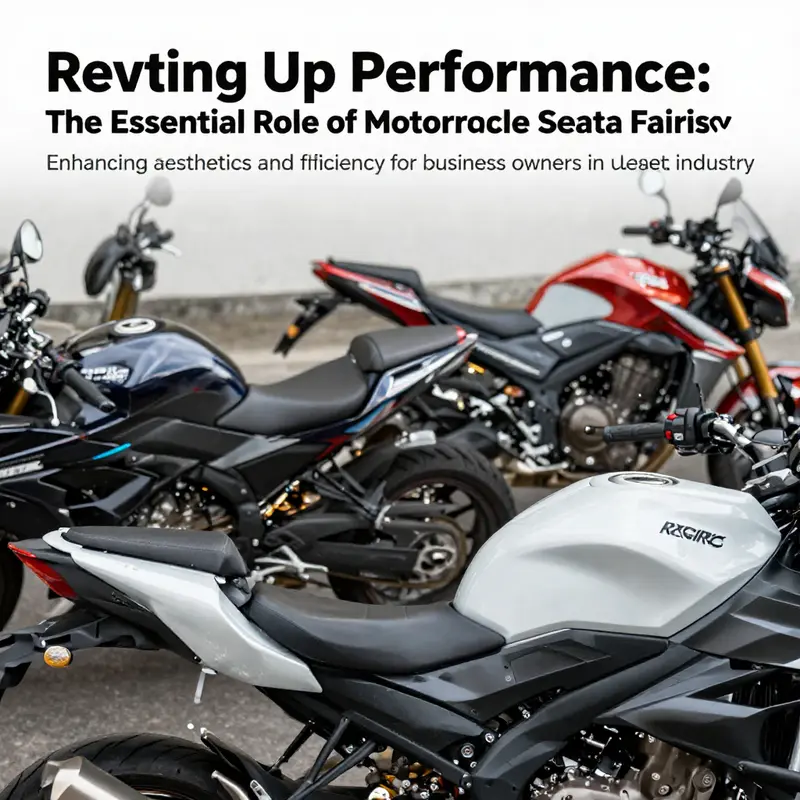
Motorcycle seat fairings have become indispensable in the industry, serving multiple purposes ranging from aerodynamic enhancement to aesthetic appeal. As business owners navigate the competitive landscape of motorcycle accessories, understanding the intricacies of seat fairings is crucial.
This article delves into the aerodynamic benefits these components bring to motorcycles, discusses innovations in materials that elevate their performance, explores current customization trends catering to diverse rider preferences, and provides guidelines for installation and maintenance to ensure longevity and functionality. Each chapter is designed to provide insights that contribute to the holistic understanding of motorcycle seat fairings and their impact on both business performance and rider satisfaction.
Shaping Speed: How Seat Fairings Refine Motorcycle Aerodynamics
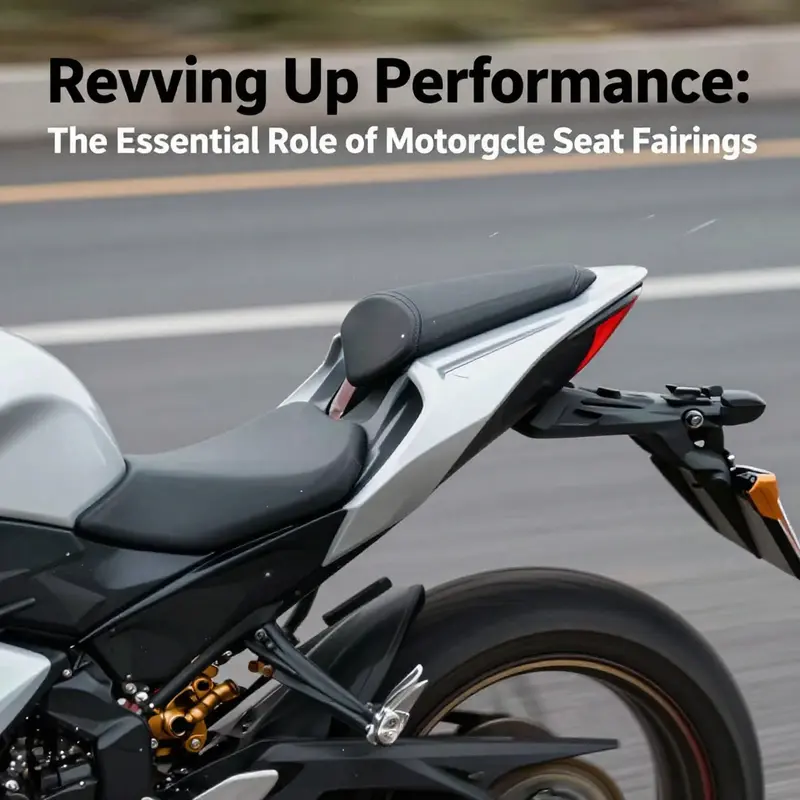
A seat fairing does more than complete a motorcycle’s look. It guides air across the most chaotic zone on a bike: the rider-seat-tail junction. Where a rider’s shoulders, helmet, and the rear of the seat interrupt smooth flow, a well-shaped seat fairing restores order. This restoration cuts form drag, calms vortices, and produces measurable gains in efficiency, stability, and rider comfort.
At speed, air behaves like water flowing past a rock. The rider represents a bluff body that creates unsteady wake behind the machine. That wake is a region of low pressure and intense turbulence. A seat fairing reduces that wake by altering how the air separates from the motorcycle. By extending and shaping the tail profile, the fairing encourages a cleaner detachment point. The air peels away in a narrower, more coherent eddy, instead of spawning multiple small vortices. The result is reduced form drag, which improves fuel economy and raises achievable top speed for the same engine output.
The underlying physics are simple and elegant. Drag from a motorcycle has several components, but form drag is dominant when the rider is exposed. Form drag scales with frontal area and with how abruptly the airflow separates. A seat fairing effectively reduces the apparent roughness of the aft section. It lowers the effective frontal disturbance by smoothing the transition from rider to tail. In practical terms, this smoothing reduces the coefficient of drag by a few percentage points on many sport designs. Those few points are significant at highway speeds, where aerodynamic resistance increases with the square of speed.
Beyond lowering drag, seat fairings control where air goes after it passes the rider. Designers use subtle shaping and small ducts to channel flow. That channeling can cool rear-mounted components, such as the exhaust muffler or brake hardware. Directed airflow reduces local heat buildup. It also stabilizes temperatures during prolonged hard runs. This thermal management is not a primary motive for most seat fairings, yet it offers valuable secondary benefits on performance and reliability.
The relationship between fairing geometry and stability deserves attention. A tapered, slightly raised tail can generate a small rearward aerodynamic lift, which modifies load distribution. Properly designed, this effect helps the front end feel planted at speed. On the other hand, a poorly executed cowl can introduce yaw sensitivity in crosswinds. The interaction of tail shape with the rider’s silhouette and with side gusts matters. Designers balance taper, curvature, and surface transitions to maintain neutral handling across a range of yaw angles. This balance keeps long-distance riders comfortable and track riders predictable under varying conditions.
Rider comfort ties directly to aerodynamic performance. A seat fairing can reduce wind buffeting behind the head and shoulders. Less turbulence hitting the helmet means lower neck strain and less fatigue on long highway stints. Small gains in stability translate into clearer inputs at the bars. That clarity improves small-line corrections, enabling steadier throttle and brake control. On motorcycles aimed at sport touring, seat fairings often work in concert with windscreens and hand protectors to sculpt a more benign cockpit environment.
Materials matter as well. Modern seat fairings come in high-impact plastics, fiberglass, and carbon fiber. Each material changes the trade-offs between stiffness, weight, and durability. Carbon fiber is light and stiff, allowing very precise shapes that resist flex at speed. High-impact plastics are lighter on cost and forgiving with fitment. Fiberglass offers a middle ground with good moldability for custom shapes. Weight savings at the rear reduce the moment of inertia, making direction changes slightly quicker. Even modest mass reduction can matter when chasing lap times or when rapid transitions are frequent.
Integration with a motorcycle’s other aerodynamic components multiplies benefits. A seat fairing alone improves the wake. But combined with a tuned windshield, nose fairing, and underbody panels, it becomes part of a cohesive airflow strategy. Each piece sets up conditions for the next. A windshield that guides air smoothly over the rider will allow a seat fairing to be more effective. Conversely, gaps or mismatches between panels create turbulence that negates improvements. Fit and alignment are therefore critical. Small misalignments or wide seams can create separation points that worsen drag more than the fairing helps.
Designers also exploit specific tail concepts to manage flow. A gradual taper resembling a Kamm tail encourages attached flow and then allows a controlled separation. Alternatively, vertical fins and small spoilers can manage vortex formation to stabilize the machine in crosswinds. Venting and under-seat ducts can draw airflow through confined paths to aid cooling and to reduce pressure behind the tail. These techniques are subtle but effective. They demonstrate how a seat fairing is both a form and a functional fluid dynamic device.
Aftermarket seat fairings let riders tailor the balance between performance and practicality. Race-style cowls remove the passenger pad and create a single-seat tail, reducing frontal irregularity. Touring-style seat covers may include small storage cavities or a less aggressive profile to preserve passenger comfort when needed. The choice depends on intended use. Track riders prioritize minimal drag and maximal stiffness. Long-distance riders accept a compromise towards comfort, weather protection, and storage. When choosing an aftermarket piece, fitment and finish matter. A perfectly shaped fairing that does not mount securely or leaves gaps will underperform. Proper installation and occasional re-torque checks ensure the fairing continues to shape airflow as intended.
The benefits of a seat fairing are speed-dependent. At low city speeds, aerodynamic gains are modest. As velocity climbs, pressure differentials and turbulent energy escalate quickly. Improvements become meaningful above typical highway speeds. Riders who spend time at sustained high speeds will notice the largest effects. This is why sport and touring motorcycles commonly include integrated seat fairings from the factory; their intended operational envelopes make aerodynamic refinement worthwhile.
CFD and wind-tunnel testing have deepened understanding of these effects. Computational studies show how subtle curvature changes move separation points. Wind-tunnel runs confirm real-world gains and reveal how rider posture alters outcomes. A hunched racer and a relaxed tourer present different wakes, so manufacturers test both scenarios. Data-driven shaping leads to designs that work across rider sizes and positions. For riders who enjoy tinkering, small modifications—like smoothing a seam or trimming a lip—can yield measurable gains when validated against careful testing.
Aerodynamic trade-offs extend to legal and practical considerations. Removing a passenger seat and replacing it with a race cowl may be visually and aerodynamically appealing. However, local road laws and insurance stipulations sometimes require a usable passenger seat. Additionally, riders who carry occasional passengers must balance aerodynamic improvements with the convenience of a quick restoration to two-up capacity. Many modern designs use removable cowls that bolt on or off quickly, combining both worlds.
Finally, the rider’s clothing and helmet shape interact with the fairing. A sleek helmet and a compact riding posture reduce the rider’s contribution to the wake. Conversely, loose clothing or bulky protective gear can negate much of the fairing’s smoothing effect. When optimizing for performance, the system view matters: rider, clothing, and motorcycle together determine aerodynamic performance.
Seat fairings are therefore more than cosmetic accessories. They are deliberate aerodynamic tools that smooth separation, reduce drag, and manage airflow for thermal and handling benefits. When designed and fitted with care, they enhance efficiency, increase comfort, and sharpen handling. For riders looking to explore options, browsing the new fairings collection can reveal a range of shapes and solutions tailored to different goals: from aggressive single-seat profiles to practical touring covers. For deeper technical context on how motorcycle aerodynamics are developed, see this detailed resource on aerodynamic design techniques: https://www.motorcyclecruiser.com/aerodynamics-motorcycle-design/.
From Carbon to Smart Polymers: How Materials Are Redefining Motorcycle Seat Fairings
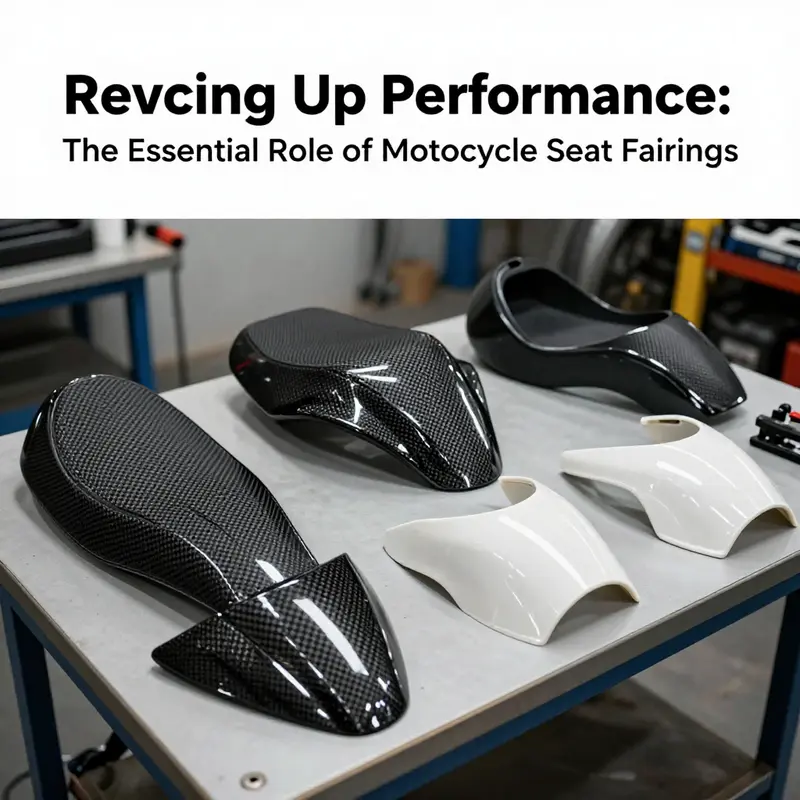
Material choices determine how a motorcycle looks, feels, and performs. Seat fairings sit at the junction of function and style. They shape airflow, protect the rider and seat, and contribute to the bike’s mass and balance. Recent advances in materials science and manufacturing have transformed seat fairings from simple protective shells into engineered components. These developments reduce weight, improve durability, and add new capabilities such as self-repair and sensor integration. The narrative that follows weaves material performance, rider benefits, manufacturing realities, and future directions into a single discussion.
Carbon fiber reinforced polymers changed the expectations for performance bodywork. Their high strength-to-weight ratio allows designers to trim mass without sacrificing stiffness. Reduced mass means improved acceleration and handling, and lower overall fuel use. Compared with older fiberglass constructions, carbon fiber offers superior fatigue resistance and a refined surface finish that requires less secondary work. The visual impact is also significant: exposed weave patterns or clear-coated finishes create a high-performance aesthetic that many riders seek. But carbon fiber has trade-offs. It remains expensive and labor intensive to produce at scale. Repairing damaged carbon parts often requires specialized shop work. Those costs and maintenance needs shape buyer decisions.
Thermoplastic composites and advanced polymer blends answer different priorities. They are tougher against impacts and cheaper to manufacture. Injection molding or thermoforming lets makers produce consistent parts quickly. Modern thermoplastics incorporate reinforcing fibers or layered structures to regain stiffness lost when compared to carbon fiber. Their ability to flex under load reduces brittleness in a crash, which can be an advantage for street use. Recycled polymer blends join performance with environmental intent. By combining post-consumer plastics with engineered additives, manufacturers can hit structural targets while lowering lifecycle emissions. This approach introduces variability challenges, however, requiring tight quality control and clever formulations to ensure uniform fit and finish across production runs.
Beyond base materials, functional surface treatments improve real-world performance. Hydrophobic coatings make water bead and run off quickly, protecting the seat and underlying components from moisture. Anti-static finishes reduce dust attraction and keep the fairing cleaner between washes. These coatings can also preserve aerodynamic efficiency by maintaining a smooth surface. Layered finishes that combine UV inhibitors and scratch-resistant topcoats slow the visual aging process. When coatings are matched to the base substrate, they extend service life without adding substantial weight.
Smart materials bring a new level of capability to a traditionally passive component. Self-healing polymers use a network of microcapsules or reversible chemical bonds. When scratched, these systems can autonomously reseal minor damage at ambient temperatures or with mild heat. For riders, that means maintaining cosmetic integrity over longer periods and fewer trips to a repair shop. Another frontier is materials that change stiffness in response to conditions. Adaptive composites could stiffen under high load for track use, then relax for urban comfort. While still largely experimental, these systems point to fairings that do more than shield: they dynamically assist handling across riding modes.
Manufacturing innovations amplify the material advances. Additive manufacturing, commonly known as 3D printing, unlocks complex internal geometries and honeycomb-like structures. These internal lattices lower weight while preserving rigidity. 3D printing also enables rapid prototyping and short production runs tailored to specific models or rider preferences. That flexibility reduces lead time for custom designs and small-batch aftermarket parts. For larger volumes, hybrid approaches combine 3D-printed inserts with traditional molding to balance cost and capability. The result is seat fairings with integrated channels for wiring, mount points precisely tuned for each frame, and optimized wall thicknesses that would be difficult to achieve with conventional tooling.
Integration of sensors and electronics is an emerging paradigm. Embedding thin-film sensors into a fairing can provide real-time data on temperature, vibration, and stress. That data helps engineers refine designs and lets owners monitor their bikes more closely. For touring riders, sensors can detect overheating, loose fittings, or progressive material fatigue. Embedded electronics must be robust against moisture, UV exposure, and vibration. Encapsulation techniques borrowed from aerospace protect circuitry without compromising form. This trend ties back to materials because the substrate must accept sensor layers without delamination. Engineers now choose resins, adhesives, and coatings with electro-mechanical compatibility in mind.
Sustainability is increasingly central to material selection. Lifecycle thinking evaluates raw material extraction, manufacturing energy, in-service longevity, and end-of-life disposal. Carbon fiber’s energy-intensive production carries a heavier footprint than some thermoplastic alternatives. However, its longevity and potential for weight-related fuel savings can offset initial impacts. Recycled and bio-based polymers offer lower upstream emissions, but they must meet the durability and finish expectations of riders. Designers balance these factors through modularity: fairings designed for easy disassembly simplify repairs and part replacement. A modular approach reduces waste by allowing only damaged sections to be swapped, rather than replacing a whole tail assembly.
Cost remains a deciding factor for many riders and manufacturers. High-performance composites and advanced coatings increase unit cost. But economies of scale and more efficient production methods reduce those premiums over time. Aftermarket providers have filled niches by offering different tiers of materials: lightweight carbon for performance-focused buyers, reinforced thermoplastics for value-minded riders, and hybrid constructions that blend both for balanced outcomes. For riders seeking model-specific replacements, options exist across the spectrum. Enthusiasts often consult specialist suppliers to match materials with intended use. For example, riders looking for high-end finishes and race-level performance might explore specialized pages that group model-specific options, such as those dedicated to certain sportbike families.
Fitment and finish tie all material and manufacturing choices to rider experience. A lighter fairing might improve handling, but poor fit can introduce wind noise and buffeting. Designers must maintain tight tolerances so panels align with fuel tanks and tail subframes. Material selection affects how easily designers hold those tolerances. Thermoplastics may shrink in molding, requiring careful tooling compensation. Carbon parts demand controlled curing to avoid warpage. Quality control protocols such as laser scanning and jig-based inspection are tools manufacturers use to ensure final assemblies meet expectations.
Repairability is a practical consideration that influences material choice. Thermoplastic fairings often snap back into shape and can be reheated for minor reshaping. Carbon fiber repairs require patching with fiber and resin and often a clear coat for aesthetics. Self-healing coatings reduce small marring, but major impacts still need traditional repair methods. Designing fairings with replaceable wear panels or sacrificial edge pieces reduces expensive repairs. This design philosophy borrows from industrial product design, where replaceable components minimize downtime and cost.
Looking ahead, the convergence of materials and manufacturing will continue to push seat fairings forward. Expect more hybrid constructions that use carbon fiber where stiffness matters. Thermoplastic structures will absorb impacts and reduce costs. Smart coatings and embedded sensors will become more common on touring and high-end bikes. Additive manufacturing will democratize customization, letting riders personalize fit and function. At the same time, sustainability pressures will favor recyclable materials, modular designs, and lower-energy production methods. For riders, the net result will be fairings that weigh less, last longer, and offer more utility.
For those researching options or replacement parts, model-specific resources give useful guidance. A focused collection of model-tailored fairings illustrates how different materials and manufacturing choices are applied across bikes, and highlights compatibility considerations. One such resource, which groups parts by manufacturer and model, provides a practical starting point when comparing material options and fitment details: Ducati fairings (https://ultimatemotorx.net/product-category/ducati-fairings/).
For a technical review of the underlying materials and manufacturing techniques, the Journal of Materials Research and Technology provides an in-depth analysis. It examines mechanical properties, production methods, and performance trade-offs across composite systems. That review offers engineers and informed riders a detailed foundation for understanding how current innovations translate into on-bike benefits. https://www.sciencedirect.com/science/article/pii/S026412752300198X
Tailored Lines: How Modern Customization Trends Transform Motorcycle Seat Fairings
Tailored Lines: How Modern Customization Trends Transform Motorcycle Seat Fairings
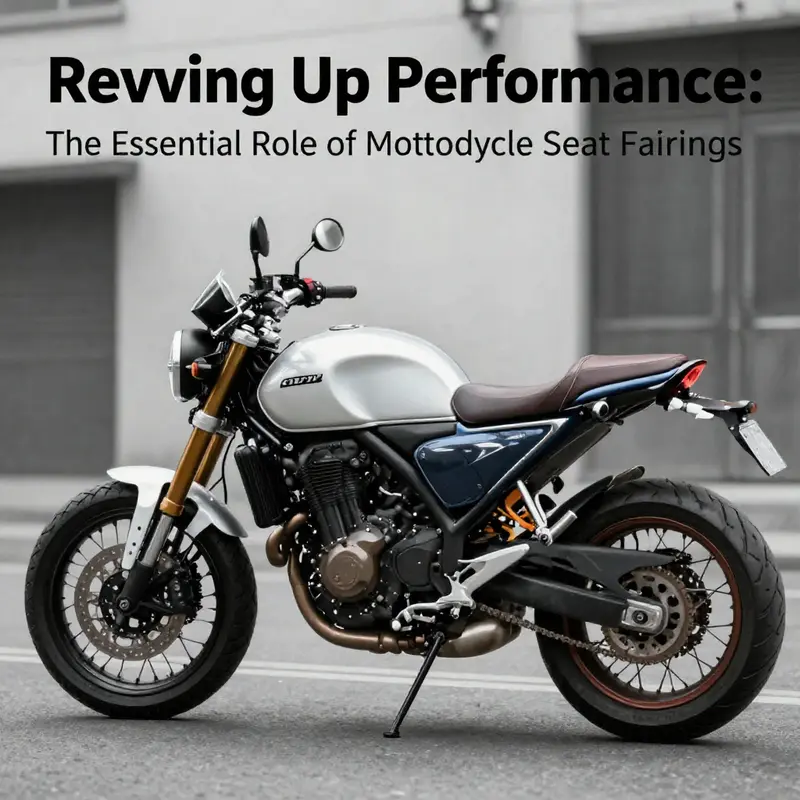
Customization has moved well beyond simple color swaps for motorcycle seat fairings. Riders now expect fairings to deliver a cohesive blend of form, function, and identity. Seat fairings are no longer mere covers; they act as visual punctuation, aerodynamic tools, and functional interfaces that adapt to each rider’s needs. This chapter traces the most influential trends reshaping seat fairing customization and explains how builders and riders can use those advances without sacrificing fit, safety, or rideability.
At the core of recent trends is material innovation. Lightweight composites and carbon fiber dominate discussions because they offer an immediate performance payoff. Carbon fiber brings stiffness and a high-tech aesthetic while shaving grams off the rear end. New polymer blends and thermoplastic composites compete by offering impact resistance and lower cost, plus easier repair. These materials allow makers to push complex shapes that were once expensive to produce. The result is fairings that integrate flowing lines with sharp aero surfaces, yielding both visual cohesion and measurable aerodynamic gains at higher speeds.
Finishes have evolved in lockstep with materials. Riders choose from a palette that goes beyond glossy and matte. Multi-layered paints, pearlescent clear coats, and color-shifting finishes add depth and show up under changing light. Hydrographic transfers and precision vinyl wraps allow complex graphics without permanent alteration. Yet finishing is more than appearance. Certain coatings resist ultraviolet breakdown and repel water and dirt. A UV-resistant clear coat can preserve a custom finish through seasons, while textured paints improve grip for tail-to-seat transitions or passenger mounts. Custom finish work now regularly includes functional treatments, like ceramic coatings that help maintain cleanliness and resist chemical wear.
Lighting integration has turned seat fairings into a stage for subtle or dramatic accents. Thin LED strips embedded along fairing edges create a floating effect at night. Integrated brake and marker lights deliver cleaner rear profiles by consolidating wiring and lighting modules into the fairing itself. Designers increasingly use diffused light channels so that LEDs glow uniformly instead of revealing individual diodes. This technique creates a polished, factory-quality look that complements custom paint and shapes. Importantly, integrated lighting must follow local regulations. Designers balance creativity with compliance, placing light sources where visibility and legality align.
Manufacturing tech innovations underlie many custom trends. 3D printing has emerged as a practical tool for prototyping and small-batch production. It enables bespoke ergonomic adjustments, like raised lumbar contours or unique mounting brackets shaped precisely to a frame. Large-format 3D printers can produce finished fairing parts in composite-ready molds or in high-strength thermoplastic, cutting development time dramatically. This accessibility lets independent builders offer one-off shapes and riders request tailored ergonomics without prohibitive tooling costs.
Modularity is another rising theme. Rather than swapping an entire rear assembly, riders now choose modular tail sections. These permit quick changes to passenger accommodations, luggage mounts, or aerodynamic profiles. A modular system can include removable passenger pads, hidden storage inserts, or interchangeable panels that expose carbon fiber for a race look. Modularity extends to electronics too; plug-and-play harnesses let riders add LED kits, heated seat elements, or USB power with minimal rewiring. This approach reduces long-term cost and increases the bike’s adaptability to different riding scenarios.
Customization also enhances comfort. Seat fairings that extend slightly rearward can deflect wind away from the rider’s lower back, reducing fatigue on long rides. Foam inserts and ergonomic shaping within the cowl improve weight distribution and provide subtle support. Some builders design fairings with integrated pockets for small, weatherproof storage. Others create channels that work with aftermarket seat foam, allowing fine-tuned contour changes. In each case, the custom fairing and the seat must work as a single ergonomic system.
Aerodynamics remains a strong motivation for customizing seat fairings. Subtle surfacing can smooth airflow over the rider and reduce turbulence. Designers use computational fluid dynamics during development to refine tail profiles and reduce drag. Where legal and safe, small aerodynamic fins or scoops can increase stability at speed. The trick is to combine aerodynamic gains with visual balance; a well-executed fairing enhances speed without compromising the motorcycle’s lines.
Sustainability has begun to influence material choices. Recycled composites and bio-based resins are increasingly attractive for riders who want custom looks with a smaller environmental footprint. Reclaimed carbon fiber and recycled thermoplastics now enter small-production runs. While still more costly than conventional materials, these options are improving in availability and performance. Repairability also factors into sustainable decisions. Modular and repair-friendly designs reduce waste by allowing damaged sections to be replaced rather than discarding entire assemblies.
Cost and practicality guide many customization decisions. While custom carbon fiber pieces look impressive, they can be expensive and require careful mounting to avoid stress concentrations. High-quality aftermarket components must include precise mounting points or adjustable brackets. Many experienced builders recommend starting with prototype or printed templates to confirm fitment. This approach prevents costly errors when moving to finished materials. For budget-conscious riders, painted ABS or composite fairings provide excellent results at a fraction of the cost and are easier to repair after a tip-over.
Fit and finish are decisive for perceived quality. Gaps, mismatched lines, or inconsistent surface textures undermine even the most striking design. Builders aim for flowing transitions from tank to tail. That continuity often requires careful alignment of mounting tabs, custom brackets, and, sometimes, slight frame or subframe adjustments. When done well, a custom fairing reads like an original part—fluid and factory-integrated. The craftsmanship in seams, fasteners, and hidden supports defines whether a custom fairing looks refined or merely bolted on.
Regulatory and safety factors shape what is feasible. Integrated lighting must meet brightness and placement standards. Materials used near exhausts or heat sources must resist deformation. Designers and installers must ensure that added features do not obscure license plates, reflectors, or required lighting. When LED channels or accent lights are added, wiring must be protected from exposure and vibration. These details often determine whether a customization will pass inspection or the road.
Longevity and maintenance get renewed attention when riders invest in custom fairings. Durable coatings and proper mounting reduce wear at attachment points. Removable panels simplify cleaning and service. Builders increasingly label access points for routine maintenance to prevent damage during battery swaps or wiring checks. A thoughtfully designed custom fairing anticipates the needs of regular upkeep while preserving its visual strengths.
Choosing the right route depends on the rider’s priorities. If weight and performance are primary, carbon and composite solutions excel. If visual drama matters, complex finishes and lighting make a bold statement. For those seeking flexibility, modular designs and 3D-printed adapters offer personalization without permanent commitment. Combining trends yields the best results: a lightweight composite tail with integrated lighting, a durable finish, and modular attachments can cover many bases.
For riders exploring available options, current catalogs and small builders provide insight into trends and fitment choices. Reviewing recent collections helps identify what works for a specific model and what the market currently favors. See the latest fairings collection for 2023 for inspiration and compatibility cues: https://ultimatemotorx.net/product-category/2023new/.
These customization trends are not static. Materials, manufacturing, and rider tastes will continue to evolve. Designers who focus on fit, function, and compliance will keep pushing seat fairings toward cleaner integration and greater personalization. For riders and builders, the key is to balance aesthetics with practical considerations: weight, durability, maintenance, and legal requirements. Done right, a custom seat fairing transforms a motorcycle’s rear into a cohesive statement of intent, improving both form and function. For a glance at current industry perspectives and detailed trend examples, explore this deeper analysis: https://www.bikeexif.com/2024/08/custom-motorcycle-seat-fairings-trends
Fitting and Caring for Seat Fairings: Practical Installation and Maintenance for Every Rider
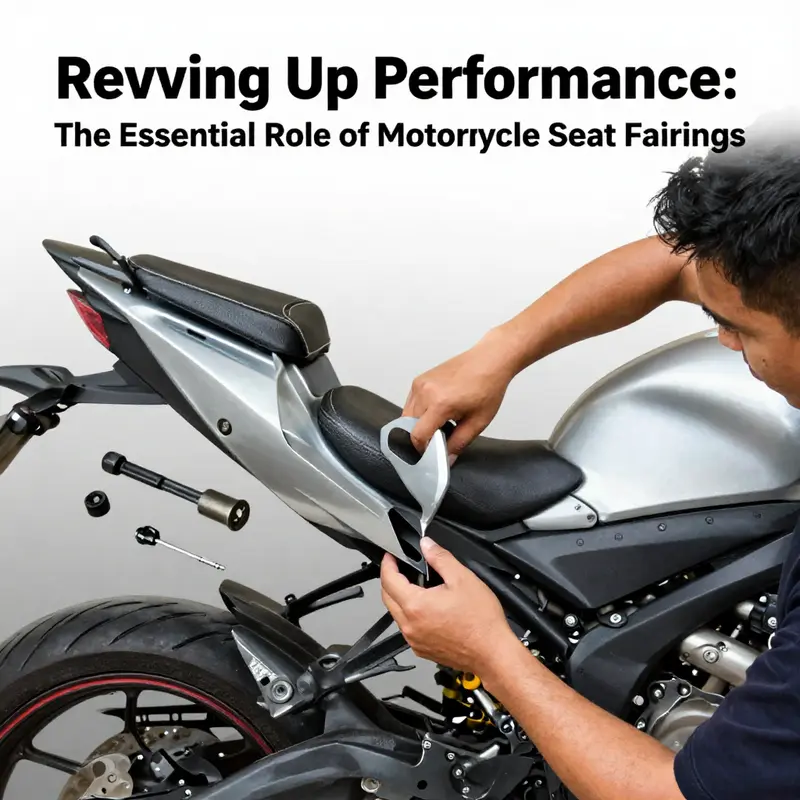
A well-fitted seat fairing does more than refine a motorcycle’s silhouette. It smooths airflow, shields the seat from sun and rain, and ties the tail section into a cohesive whole. Getting the fit right and keeping the fairing in good condition extends that value. This chapter walks through the practical realities of installation, routine care, and common repairs. The advice applies to factory pieces and aftermarket options alike, and it focuses on techniques that protect the fairing and the bike without adding unnecessary complexity.
Before beginning any installation, assess the fairing material and the bike’s mounting points. Common materials include ABS plastic, fiberglass, and carbon fiber. Each behaves differently under stress. ABS is forgiving and resists impact. Fiberglass offers good shape fidelity but can crack. Carbon fiber is light and stiff, but it requires careful handling to avoid delamination. Identify whether the fairing mates to existing brackets, bolts, clips, or tabs. Some aftermarket pieces reuse stock hardware. Others include dedicated brackets or adhesive strips. Read any manufacturer notes and lay out supplied fasteners and brackets. A dry fit without tools helps reveal alignment issues and missing parts.
Gather the right tools and supplies. A basic toolkit should include a torque wrench, a set of metric sockets and Allen keys, a selection of screwdrivers, small pry tools for clips, and a soft microfiber cloth. Add a set of plastic-safe trim tools to avoid scratching surfaces. For hardware upkeep, keep medium-strength threadlocker, anti-seize compound, nylon washers, rubber grommets, and fiber-reinforced double-sided tape on hand. If using adhesives or fiberglass repair compounds, also prepare appropriate respirators and gloves. Work in a shaded, clean area to limit dust and UV exposure during assembly.
Start the installation with a methodical sequence rather than brute force. Remove the seat and any panels that block access to mounting points. Clean the mounting surfaces so bolts and brackets seat correctly. When mounting the fairing, align it visually at multiple points before tightening. Insert fasteners finger-tight and verify gaps along the tank-to-tail transition. Gaps that are uneven often mean a clip or tab is misaligned. Once alignment looks consistent, tighten fasteners in a crisscross or progressive pattern. This reduces stress and prevents warping. Use the manufacturer’s torque specs whenever they exist. If specs are not available, snug bolts to a secure feel and avoid over-tightening plastic bosses. Over-torqueing will strip threads or crack the fairing.
Protect key contact points with rubber grommets and nylon washers. These components dampen vibration and stop metal pressing directly into plastic. Use medium-strength threadlocker on metal-to-metal fasteners that are prone to vibrate loose. Avoid threadlocker on bolts that must be removed frequently. For stainless or aluminum bolts on carbon fiber fairings, a light coating of anti-seize prevents galling and makes future removal easier. When a fairing mounts with clips rather than bolts, confirm clip condition before reusing them. A brittle clip will fail on the road. Replace damaged clips with OEM or aftermarket equivalents sized correctly.
When adhesives are part of the installation, match adhesives to both the fairing material and the bike surface. For ABS and many plastics, specialized plastic adhesives or high-strength tape systems work well. Fiberglass repairs or permanent bonds often require epoxy or polyester resin. Expect cured adhesives to be rigid and difficult to remove. Position panels precisely before the adhesive sets. If a fairing includes bracketry that bolts into chassis points, avoid relying solely on adhesive for structural attachment. Adhesive can supplement but rarely replaces mechanical fastening when loads or vibrations are present.
After installing a seat fairing, a staged test is essential. Reinstall the seat and any wiring near the tail. Start with low-speed maneuvers in a controlled area and listen for rattles or flex. Check fastener torque after the first short ride and again after the first longer ride. Vibrations will reveal loose hardware or interference points not apparent when stationary. Inspect for rubbing or chafing against wiring and hoses. If noise appears, trace it to its source and add padding or reposition clips. Securing small items with zip ties and soft sleeves prevents slow abrasion damage.
Cleaning and regular care preserve both appearance and fit. Wash fairings with mild soap and water. Rinse thoroughly and dry with a soft microfiber towel. Avoid household degreasers and solvent-based cleaners, which can strip paint or damage polymer surfaces. For painted fairings, use automotive-safe cleaners and non-abrasive polishes. For raw carbon fiber or gelcoat finishes, select products that protect UV-exposed surfaces. Routine waxing or a UV-resistant coating slows sun damage and keeps clear coats from hazing. Clean mounting flanges and tabs during washing to remove trapped road grit. Dirt in these areas can lead to premature wear or improper seating.
Addressing scratches and minor damage is manageable if you act quickly. Use a plastic-friendly scratch remover on shallow marks. For deeper gouges in ABS, plastic repair kits provide filler and primer that bond well. Fiberglass cracks often require sanding, filling, and re-spraying. Carbon fiber impact damage can look superficial while fiber layers delaminate. When you see soft spots, creaks, or visible fiber separation, consult someone experienced in composite repair. Small cracks at bolt holes signal overstress. Reinforce or replace the fairing instead of repeatedly patching a failing mount.
Inspect fasteners and mounting bushes periodically. Heat cycles and vibration loosen bolts over time. Look for signs of stress around screw bosses and rivet lines. Warping or new gaps indicate the fairing shifted. If mounting holes have enlarged, do not force larger fasteners as that can split the surrounding material. Instead, use a repair insert or reinforce the area with composite patches before refitting. Replace worn rubber grommets. They cushion vibrations and keep the fairing from moving on hard chassis points.
When customizing or upgrading, compatibility checks are critical. Aftermarket fairings vary in fit precision. Verify hole locations, clearance for exhaust and subframe parts, and seat latch engagement before final finishing work. Some modifications affect weight distribution or rider ergonomics. A heavier or forward-shifted tail section can influence handling at speed. For significant cosmetic or structural changes, consider professional installation. A trained technician can align tabs, match paint, and ensure brackets do not interfere with the frame or suspension components.
Storage and long-term care matter during winter or long periods off-road. Store loose fairings indoors, flat or on soft supports, to avoid warping. If leaving the motorcycle parked for months, block the seat to avoid pressure points and apply a breathable cover to the fairing. Avoid plastic tarps that trap moisture. For corrosion-prone fasteners, remove and treat them before reinstallation if the bike will sit unused. Periodically cycle bolts and clean contact surfaces to slow corrosion and keep parts from seizing.
Finally, pay attention to safety details during every step. Confirm that tail lights, indicators, and license plate mounts remain visible and securely attached. Wiring that runs under the seat should not be pinched between fairing panels. After any repair or installation, take a careful test ride and recheck everything once the bike cools. If anything feels loose or unsettled, stop and address it before continuing.
For riders who prefer model-specific parts, many suppliers list seat fairings by make and model. If you need a direct reference for a particular platform, consider exploring options like Honda fairings for compatible shapes and mounting patterns. For official technical guidance and standards related to fairing installation and maintenance, consult industry resources such as the Motorcycle Council’s technical guidance on fairing installation and maintenance: https://www.motorcyclecouncil.org.uk/technical-guidance/fairing-installation-and-maintenance
By combining careful fitting, the right hardware, and regular inspections, a seat fairing will retain both form and function. Small preventive steps save time and money later. They also keep the bike looking integrated and performing as intended, ride after ride.
Final thoughts
Understanding the intricacies of motorcycle seat fairings is crucial for business owners in the motorcycle industry. The aerodynamic benefits not only enhance performance but also improve rider safety and comfort. Advanced materials provide durability while keeping weight down, and customization trends allow businesses to appeal to diverse customer preferences. Proper installation and maintenance further enhance performance and longevity, ensuring that businesses can meet the growing demands of motorcycle enthusiasts. Emphasizing these aspects can position your business as a leader in the motorcycle accessory market.