
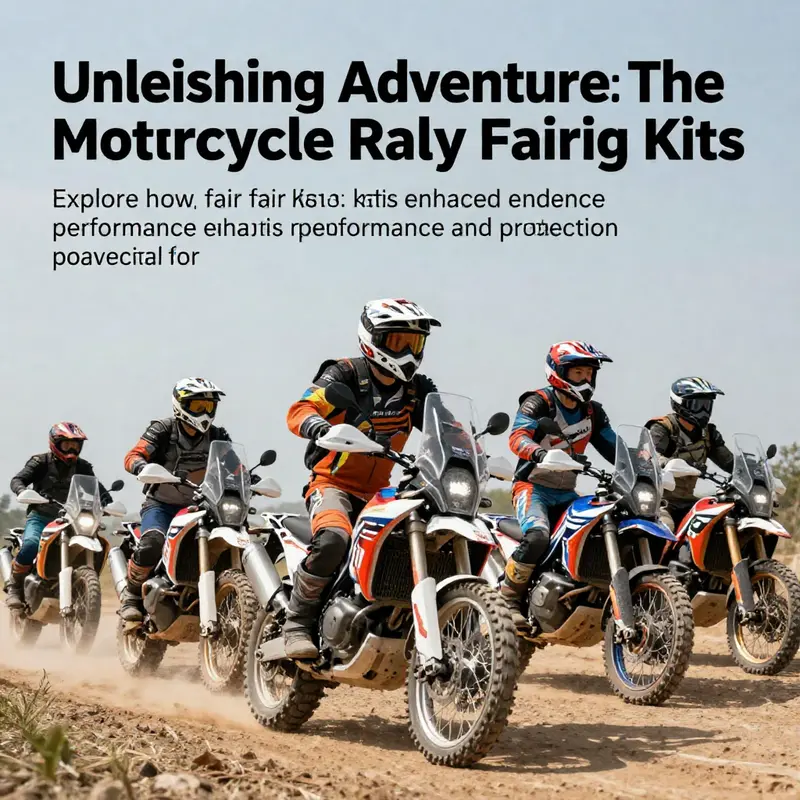
Motorcycle rally fairing kits represent a crucial innovation in the realm of off-road and dual-sport biking, offering both functional enhancements and aesthetic appeal for riders. As business owners in the motorcycle industry, understanding these kits is essential for catering to an increasingly enthusiastic market of adventure riding aficionados. This article provides an in-depth look at the design and functionality, materials used, installation and customization steps, the performance impact on riding comfort, and the evolving market trends that define the world of motorcycle rally fairing kits. Through this exploration, business owners can gain insights that will not only enhance their product offerings but also enrich the overall experience for their customers.
Rugged Aerodynamics: How Rally Fairing Kits Protect, Perform, and Proudly Adapt
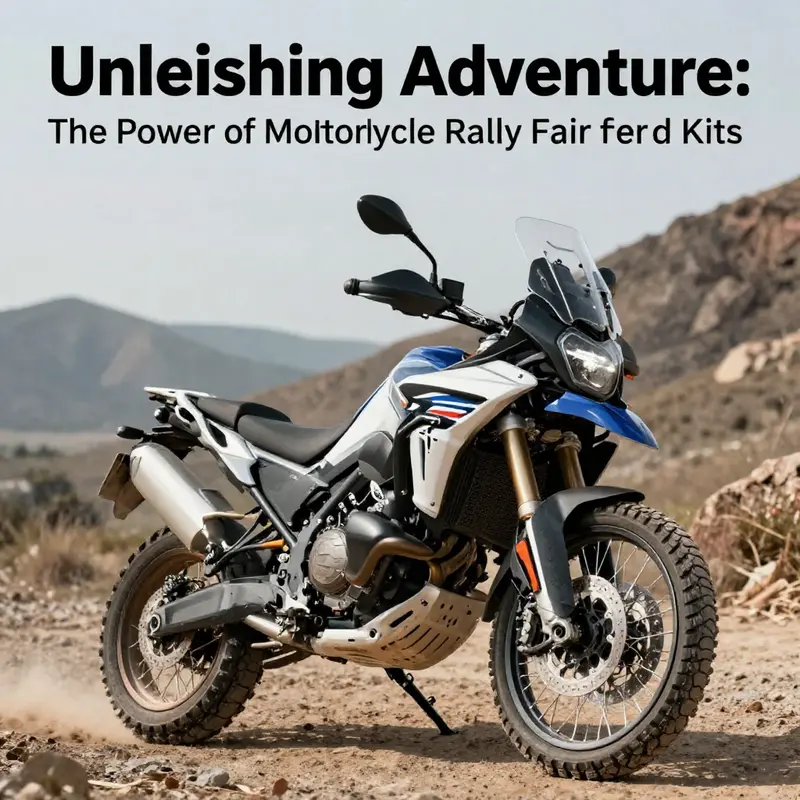
Rally environments demand more than speed; they test a rider’s endurance, the machine’s resilience, and the accessibility of every control and system. A motorcycle rally fairing kit sits at the intersection of rugged protection and practical aerodynamics, engineered not for showroom polish but for real-world challenges. In off-road and dual-sport contexts, these kits are built to shrug off flying gravel, brush, water spray, and sudden impacts, while still allowing the rider to breathe through the ride without wrestling with heat, turbulence, or bulky silhouettes. Durability begins with material choice. High-impact ABS plastics and reinforced composites resist cracking when a bike flicks against a rock face or slides across a muddy trail. The goal is not to appear impenetrable, but to create a shell that absorbs and redirects energy, minimizes vibration transfer to the rider, and preserves the integrity of critical components beneath the bodywork. The result is a design language that favors strength over sinuous lines, though it does not abandon a modern aesthetic. The fairing’s silhouette is still streamlined, yet it embraces practical geometry: generous coverage around the upper body of the bike, robust mounting points, and thoughtful cutouts that ease maintenance while offering protection against spray and moisture.
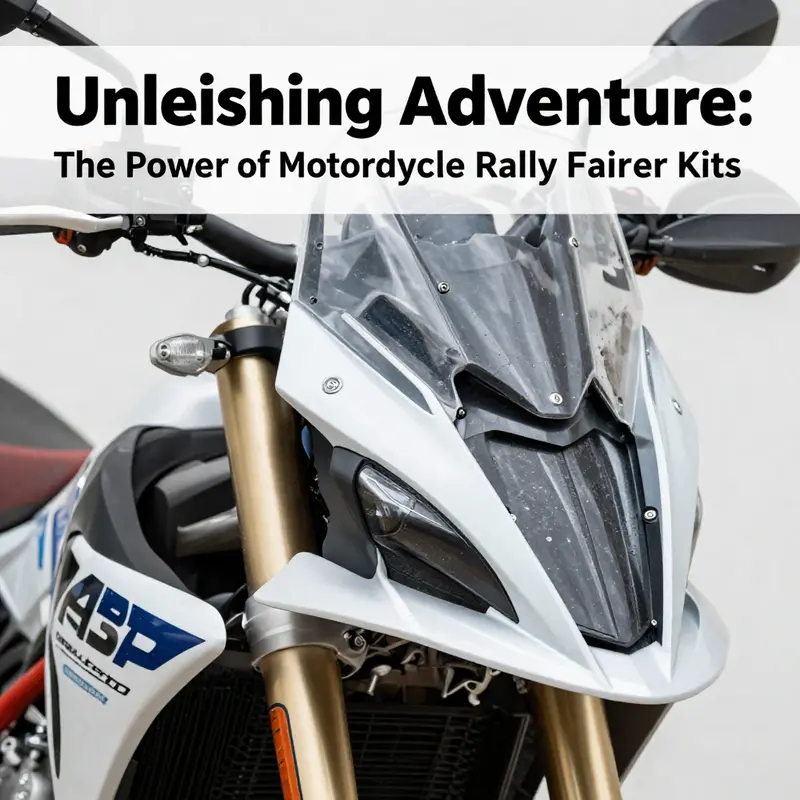
The most recognizable feature of rally fairing kits is their approach to coverage. Full fairings can wrap the upper portions of the machine, including the headlight and instrument cluster, creating a shield that keeps dust out of the display and keeps rider eyes focused on the horizon. Half fairings, meanwhile, provide a lighter package that protects essential areas while leaving the lower engine and chassis exposed for cooling and access. This balance matters, because heat management is not a luxury in harsh environments. Engines in rugged conditions generate more heat, especially during extended climbs or slow, technical sections where ambient air is limited. A well-designed rally fairing must allow adequate airflow to the radiator or oil cooler and avoid trapping heat near the rider’s knees or the electronics bay. The geometry of the intake paths matters as much as the outer appearance; a kit should minimize turbulent flow around the rider’s torso and maximize a smooth stream of air that deflects debris rather than channeling it toward the rider’s chest.
Rally-specific performance is also about modularity and adaptability. A kit built for endurance racing or expedition travel should offer modular components that can be swapped in and out as conditions demand. Integrated mounting points for auxiliary lighting, GPS, or other electronics are common, turning the fairing from a passive shield into an active cockpit organizer. The ability to add or remove sections without a full teardown saves time on the trail and ensures that a rider can tune the aerodynamics and protection to the day’s plan. In addition to hardware, the interface between the fairing and the bike’s frame matters. The mounting system must be robust, with fasteners that resist loosening under vibration, mud, and impact. Some kits pair quick-release mechanisms with secure bolts so adjustments can be made on the fly, a feature that serious rally riders value when they swap routes or weather conditions during a single expedition.
Material choices influence more than durability. The environmental exposure in rallying—dust, mud, rain, and cold mornings—puts a premium on rigidity without brittleness. Composite materials, often engineered with reinforced plies and protective coatings, can offer strength-to-weight advantages that traditional plastics cannot. The outer surface finishes are typically matte or satin to reduce glare and to hide possible scuffs after rough trail encounters. Yet the finish isn’t merely cosmetic; it’s an indicator of coating resistance to UV exposure and abrasion. The right finish helps protect underlying fibers, preserves color continuity across a long rally, and makes maintenance routines straightforward. Practically, a rally fairing absorbs water and mud in ways that a street-oriented piece would not, so the interior surfaces are often treated to resist hydrolysis and to shed mud more easily when rinsed after a long day on the road.
Designing around protection also means considering how a kit interacts with other critical components. For instance, the headlights are frequently protected by a lightweight, impact-resistant surround rather than a full glass shield. This approach shields the bulb and electronics from debris while preserving a broad field of illumination. An integrated approach to instrumentation is equally important. Mounting points for navigation gear or telemetry help keep cables tidy and reduce the risk of snagging on brush or rocks. A smart rally fairing is not just a protective envelope; it is a modular system that supports the rider’s evolving needs on a multi-day event. Interfaces for electronic accessories must be weather-sealed, and the harness routing should keep the electrical system reliable in rain and dew.
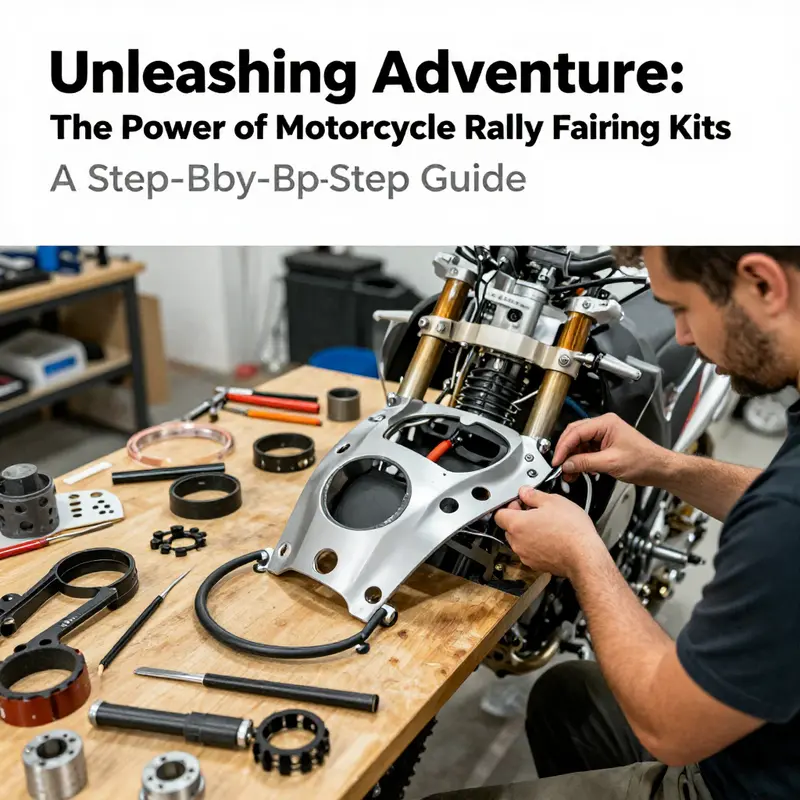
The adaptability of rally fairings extends into their compatibility story. These kits often come in two broad flavors: model-specific kits that align tightly with a particular motorcycle’s frame dimensions and mounting geometry, and universal or semi-universal designs that aim to fit a wider range of makes with adjustable fasteners and flexible attachment points. For riders contemplating a retrofit or upgrade, the fitment process becomes a critical moment. The practice of confirming compatibility with the motorcycle’s make, model, and year is not merely bureaucratic; it is a safety and performance imperative. Even when a kit is marketed as universal, a careful review of fitment charts or manufacturer guidance is essential. The reality is that no two bikes are exactly alike in the way fairings mount, how wiring runs, or how close the fairing edges come to the fuel tank, radiator, or handlebars. A well-chosen rally fairing kit considers these realities and provides clear, model-specific information on how to achieve a secure, safe fitment without compromising serviceability.
In practice, the process of choosing the right rally fairing kit blends risk assessment with practical planning. Riders evaluate the conditions they expect to encounter—dust, mud, spray, brush—and weigh how much protection versus weight they are willing to carry. They think about maintenance downtime on the rally route, the ease of replacing a damaged panel, and how the kit will ride at different speeds and terrains. A kit designed for endurance events often emphasizes fewer fasteners, easier strip-down procedures, and a more forgiving mounting system, while a kit meant for high-speed rallying may push for a stiffer, more aerodynamically aggressive geometry that stands up to wind shear at speed. The balance is not static; it shifts with the rider’s goals, the bike’s baseline weight, and the terrain plan. This is why, while aesthetics can be a part of the equation, the heart of a rally fairing kit lies in its functional marriage of protection, airflow management, and practical serviceability.
For riders who want to visualize the model-to-kit relationship, model-specific fitment data becomes a practical compass. The notion of universal fitment can be appealing, but it often requires compromises in alignment of mounting points, gaps, and edge contours. A careful buyer will consult a fitment guide or manufacturer specifications to ensure the panels align with engine covers, radiator shrouds, and frame rails. In many professional setups, the choice extends beyond the fairing shells themselves to the supporting hardware and reinforcement options that tie the whole assembly to the chassis. Some guides emphasize checking the availability of replacement panels and the ease with which a damaged piece can be swapped in the field. A robust rally kit anticipates that damage can occur, and it provides a clear path to repair rather than forcing a rider into a costly delay.
As riders weigh these considerations, they also recognize the value of leveraging community and vendor resources that document practical experiences with different makes and models. For instance, a specific page dedicated to BMW fairings demonstrates how aftermarket pieces can align with the bike’s particular frame geometry and bracket locations. This kind of resource helps riders move past guesswork and toward a confident installation. See more on model-specific options here: BMW fairings category.
Beyond the mechanics, rally fairing kits influence the rider’s daily experience. Even when used in urban or mixed-terrain settings, these designs preserve the rugged look that embodies the rally spirit while delivering street-legal practicality. The added protection can translate into longer rides with less fatigue, especially on cold mornings when wind chill and spray can bite. The integrated functionality—light mounting, navigation gear, and protective shields—transforms the fairing from a cosmetic modifier into a reliable ally in the rider’s toolkit. In short, a rally fairing kit is a modular philosophy: tough enough for the trail, adaptable enough for the daily commute, and crafted to support the rider’s evolving needs without forcing a single, monolithic solution.
In the end, the process of selecting a rally fairing kit is about aligning the bike’s design language with the rider’s mission. It means acknowledging that off-road endurance, weather resistance, heat management, and maintenance access are the core criteria. It means choosing materials that endure, not merely look good. It means understanding that fitment is not a one-time checkbox but a living dimension of the riding experience. And it means recognizing that the best kit is one that respects the vehicle’s structure while expanding its capabilities, allowing a rider to press on through dust, mud, rain, and wind with confidence. For those who want a deeper dive into the design and functionality that underpin rally fairing kits, the external resource linked below provides technical context and practical insights that complement the hands-on decisions riders must make when planning a rally or adventure ride.
External resource for further context: https://www.motocyclefairings.com/rally-fairing-kits-design-functionality
null
null
null
null
Winds, Wheels, and Endurance: How Rally Fairing Kits Redefine Performance and Rider Comfort
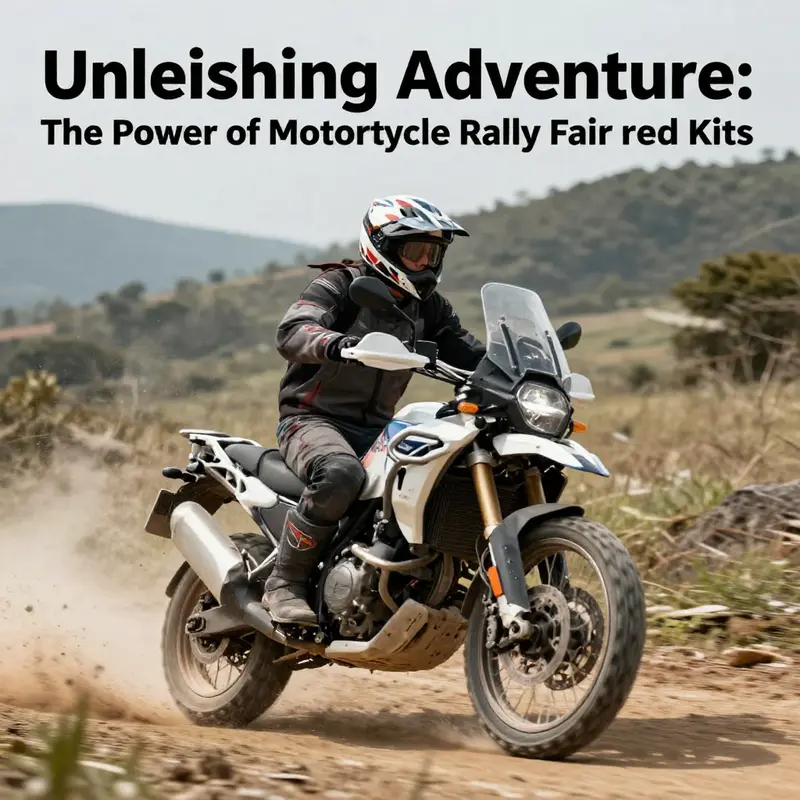
A rally fairing kit does more than cloak a motorcycle with plastic or composite panels. It is a carefully engineered system that reshapes the air around the bike, directs wind where it needs to go, and shields the rider from the unpredictable forces of long-distance travel, rough terrain, and varying weather. When a rider leans into a canyon road or climbs toward a distant rally checkpoint, the work of the fairing becomes almost invisible yet deeply consequential. It reduces drag, stabilizes the machine at speed, and preserves energy for the rider’s body as well as the engine’s breath. This is where aerodynamics, heat management, and ergonomic design converge into a single, practical package that can determine the success of a ride as much as the bike’s engine or the rider’s preparation. The fundamental idea is straightforward: by shaping the bike’s upper profile, fairings part the air in a way that minimizes resistance while still offering protection from debris, spray, and the weather. In the most efficient designs, wind hits the windscreen and fairing surfaces at favorable angles, slips smoothly past the sides, and leaves the rider with a calmer, more controllable breathing space. This is not a fantasy of wind tunnel theory. It translates into real benefits on the road or trail, where every additional mile per hour of top speed or every extra kilometer per liter of fuel efficiency matters. Based on wind tunnel testing and field feedback, well-made rally fairings can cut wind resistance by a meaningful margin—often cited as up to thirty percent in optimal matches between bike shape and fairing geometry. The reference point of about a 22 percent reduction seen with certain adjustables in road-focused testing helps ground expectations, but the real-world payoff depends on fitment and the rider’s own stance. A properly designed kit uses this principle not as a blunt force but as a precise shaping tool. A strong, clean profile reduces the wake behind the bike, which in turn lowers the pressure fluctuations that travel up the rider’s chest and arms. The result is less fatigue after hours in the saddle and a more comfortable posture, with the rider experiencing less wind-induced shed force that would otherwise transfer through the shoulders, neck, and lower back. The rider becomes able to maintain a steadier line, and that steadiness translates into better control over the handlebars, especially when a dust storm or a sudden gust demands a calm, deliberate response. Yet the same attention to aerodynamic efficiency also introduces a set of design compromises. The most immediate danger is overconstraining airflow or creating turbulence because of misaligned surface angles or gaps around mounting points and fasteners. Poorly matched fairings can disrupt cooling airflow to the radiator and engine components, a serious problem in endurance events or high-load sections where heat builds quickly under a heavy throttle. Even modest misfits can increase drag instead of reducing it, and that paradox can erase any initial performance gains. This is why fitment guides and model-specific compatibility become more than a checklist; they are the hinge on which the kit’s success turns. A rally fairing kit must respect the motorcycle’s fundamental geometry while providing room for essential components such as radiators, fans, and air intakes. It should also preserve access for routine maintenance and service. In practice, that means a kit often leaves the lower portion of the engine exposed. The exposed section is not a weakness but a deliberate design choice: it facilitates cooling, reduces weight where possible, and allows straightforward inspection of critical components after a ride through mud, water, or rain. The upper portion, by contrast, is where the benefits accumulate. A well-considered full or half fairing shields the rider from wind, rain, and debris while shaping the airflow to manage lift and downforce around the front wheel. In this sense, the fairing becomes a balance instrument. It seeks to minimize drag without compromising protection and heat dissipation. This balancing act extends beyond raw aerodynamics into the realm of rider comfort. When windblast is controlled, the rider’s arms require less muscular effort to hold a steady posture. The spine remains in a natural alignment, and the neck no longer fights a constant gust. The result is a rider who can sustain a strong, focused view of the path ahead with less fatigue. The sense of stability also contributes to smoother handling, because reducing wind-induced vibration at the hands reduces the micro-adjustments a rider must make to stay on course. The cumulative effect is one of improved stamina, especially on long, rugged routes where every ounce of energy matters. And there is a direct link between comfort and safety. A rider who experiences less fatigue is more alert, has a keener reaction time, and can react to changing terrain with fewer compensatory movements. The fairing also integrates practical features that help riders adapt to the realities of rallying. Many kits include modular mounting points for auxiliary lights, GPS devices, or electronic accessories that are essential in expedition riding. The capacity to run additional lighting, for example, improves visibility in unlit stretches and late-evening sections of a course. The same modular approach supports easy customization—riders can adapt their setup to weather, terrain, or the specific rally’s demands without starting from scratch. Of course, this practical sophistication must be matched to a solid base in materials and construction. Rally fairing kits are typically drafted from durable ABS plastic or reinforced composites. These materials resist impact, abrasion, and weather while keeping weight in check. A material choice that prioritizes impact resistance and heat tolerance will generally fare better in the rough conditions of rally routes. The surface finish can also influence performance; smoother surfaces help reduce turbulent eddies along the edges, while a robust finish can resist impacts from branches and stones hurled by the bike’s own wheels and the environment. All of this underscores a truth that becomes obvious to anyone who has fitted or tested a rally fairing kit: the value of the kit is highly dependent on the quality of engineering and fitment. A kit designed for a broad, generic fit might seem attractive on the surface but can fail to harmonize with a specific motorcycle’s geometry, leaving gaps, misalignments, and poor airflow. Conversely, a premium, model-specific solution—crafted with precise cutouts to accommodate radiators, vents, and mounting hardware—tends to deliver predictable results in both aerodynamics and cooling. For riders evaluating their options, this is where the choice should hinge: not simply on how sleek the panels look, but on how well they integrate with the bike’s core systems and how accurately they align with the riding conditions they expect to encounter. The practical decision-making process includes assessing heat management, protection level, weight implications, and the ease of installation. A complete solution is often preferred for those who value reliability under pressure—riders who are chasing endurance targets or who navigate long, unforgiving stretches where a single nuisance can become a distraction. The question of compatibility remains central. Rally fairing kits should be selected with attention to the bike’s make and model and validated through fitment guides or manufacturer specifications. When in doubt, the rider should seek out documentation that confirms the kit’s alignment with fairing mounting points, windscreen geometry, and the dimensions of the instrument cluster area. Achieving that harmony means less airflow disturbance, fewer aftermarket fasteners, and a more predictable ride. In the spirit of continuous improvement, riders and builders alike often look to the newest iterations in kit development. For those curious about the latest designs, a practical reference point is the collection of 2023 new fairings, which demonstrates how materials, edge geometry, and modular integration have evolved over a season. This category, accessible through the catalog, illustrates how the sport continues to refine its approach to rider protection and comfort in response to real-world feedback. 2023 new fairings is a useful starting point for understanding contemporary trends without getting mired in brand names or niche models. In the end, the value of a rally fairing kit lies in its ability to create a more efficient, less tiring ride without compromising safety or access to the bike’s mechanical heart. A well-implemented kit makes wind a manageable element, rather than an adversary. It supports longer, more comfortable stints in the saddle, reduces the cognitive load of steering through gusts or debris, and respects the rider’s need to check fluids, adjust settings, or perform quick maintenance without fighting with the bodywork. The synergy between aerodynamic efficiency, heat management, and ergonomic design is what transforms a kit from a cosmetic upgrade into a practical partner on the trail or at the rally. For riders who want to deepen their understanding of the underlying science, there is a robust body of research on motorcycle aerodynamics and the interplay between fairing design and rider comfort. The Rider Magazine piece on motorcycle aerodynamics offers validated insights into how wind, drag, and stability interact in real-world conditions, reinforcing the idea that the best fairing kits are those that marry theory with field-tested performance. External resource: https://www.ridermagazine.com/motorcycle-aerodynamics-fairings-performance/
null
null
Final thoughts
In summary, motorcycle rally fairing kits are integral to enhancing both the performance and aesthetics of adventure motorcycles. For business owners, understanding these kits not only positions them to meet customer demands but also to educate and inform riders about the profound benefits of integrating these accessories into their biking experience. By investing in quality products and informed marketing strategies, businesses can capitalize on this growing sector within the motorcycle community, fostering loyal clientele who seek unparalleled adventure on their rides.