
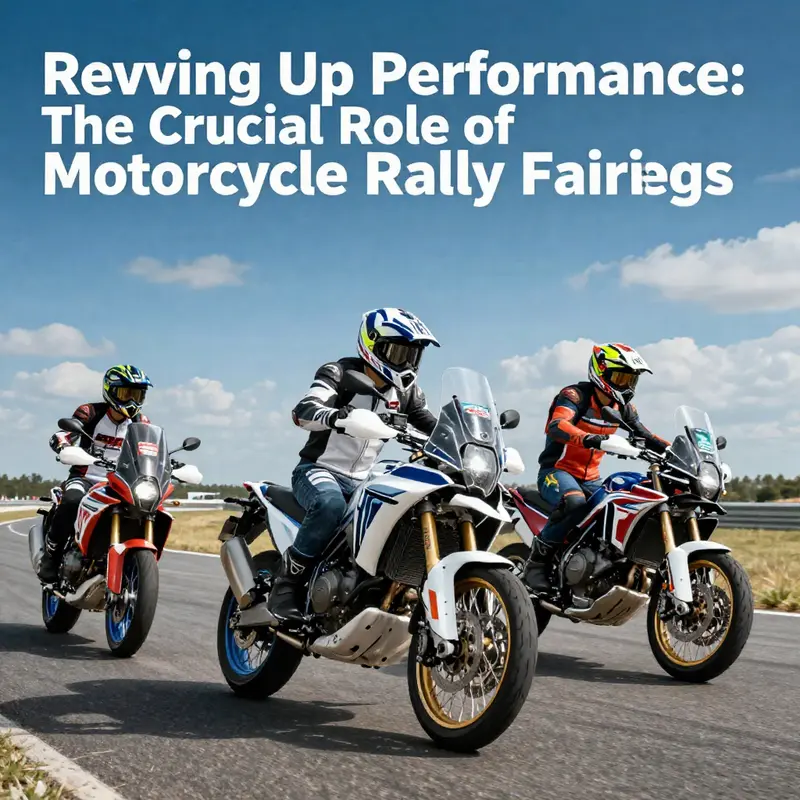
Motorcycle rally fairings are specialized bodywork designed to enhance performance in competitive racing and long-distance events. By improving aerodynamics, reducing wind resistance, and offering protection against harsh weather and road conditions, these fairings become essential for both rider safety and comfort. This comprehensive overview delves into four critical aspects of motorcycle rally fairings. The first chapter examines how aerodynamics significantly influences motorcycle performance. Chapter two explores the durable materials that ensure these fairings are lightweight yet resilient. Chapter three highlights the cutting-edge technological innovations that further enhance rally fairings for competitive racing. Finally, the fourth chapter discusses the broader economic implications of rally fairing development in the motorsports industry. Together, these insights reveal the holistic importance of motorcycle rally fairings in both performance and business success.
Rally Fairings: Aerodynamics, Endurance, and the Rider’s Shield
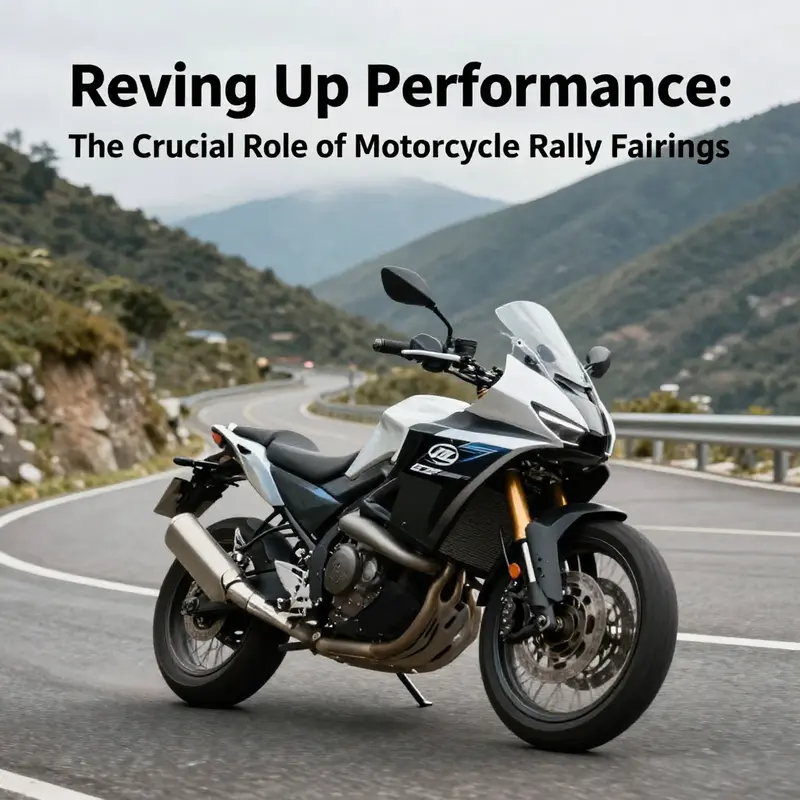
Rally racing and long-distance endurance riding hinge on how a motorcycle interacts with the air. The fairing, far from a cosmetic shell, is an integrated system that reduces drag, stabilizes airflow around the rider, and protects against weather, debris, and fatigue. By shaping the leading edge and channeling air along the bike’s silhouette, designers seek a smooth, laminar slipstream that lowers buffeting and lightens the rider’s load over hours in the saddle. Materials such as ABS plastics and carbon fiber provide a balance of impact resistance, stiffness, and weight, while junctions, ribs, and fasteners are engineered for field durability and repairability. The inclusion of integrated windshields, lighting mounts, and instrument housings aims to preserve aerodynamic integrity while enabling practical racing needs.
In endurance contexts, the fairing design prioritizes consistent cooling pathways and efficient air management to keep engine temperatures steady and fuel consumption predictable. There is a continuum between full-bodied fairings for maximum protection and more open configurations that improve cockpit access and maintenance during multi-stage events. The optimal solution often blends modularity with careful attachment points so that teams can reconfigure between stages without compromise. In this sense, the rally fairing becomes a performance partner that supports rider comfort, steering stability, and reliable cooling under varied weather and road conditions.
For readers seeking broader context, the topic sits at the intersection of aerodynamics, mechanical resilience, and human endurance—where every contour, opening, and fastener contributes to a single, coordinated effort: to keep the rider focused on the road ahead, with less wind fatigue and more confidence in the machine.
The Light Armor of Endurance: Material Science and the Durability–Weight Balance of Rally Fairings
Rally riding is a demand dance between exposure and velocity, where the rider’s safety and uninterrupted progress hinge on more than raw engine power or navigational savvy. The fairing, that sculpted shield surrounding the rider, embodies a quiet mastery of material science. It must resist the onslaught of debris kicked up by rough terrain, shrug off temperature swings that would make a station wagon shudder, and yet remain light enough to preserve agility, steering precision, and fatigue resistance over hundreds, sometimes thousands, of kilometers. Engineers who design rally fairings do not chase aesthetics alone; they choreograph a balance between durability and weight, a balance that translates directly into handling, acceleration, braking efficiency, and rider comfort. The materials chosen and how they are engineered into the surface of the bike become a rider’s unseen partner in endurance, a partner that must perform consistently from the first corner to the last checkpoint, regardless of weather, dust, or the unpredictable terrain that defines rally routes.
Durability and weight are inseparable cousins in this domain. A fairing must survive collisions with rocks and branches, yet its mass must not demand extra energy from the motorcycle or compromise control when the rider is negotiating a treacherous turn at high speed. The beauty of modern rally fairings lies in how material science translates those broad desiderata into real-world performance. ABS plastic has become a mainstay because it offers a remarkable blend of impact resistance, rigidity, and a favorable weight profile. It can absorb and distribute energy from a strike without shattering, while its formability allows complex, aerodynamically efficient shapes to emerge from relatively economical manufacturing processes. This makes ABS a dependable canvas for endurance designs, where every gram matters and every gust of wind interacts with the rider’s body position. Yet ABS is not a one-size-fits-all solution; certain zones of a fairing are subjected to greater stress and potential abrasion, inviting other materials into the mix when the scenario calls for additional armor.
Fiberglass steps into that role with a measured confidence. It offers superior strength and stiffness compared to base plastics, and its layered construction can be tuned to resist particular loading patterns that rally routes tend to produce. In practice, engineers use fiberglass to reinforce impact-prone sections where a thin shell must endure repeated strikes or high-pressure airflow without yielding. The resulting panels can be shaped to preserve aerodynamics while offering a robust fail-safe layer that protects rider, wiring, and instrumentation from damage in rough environments. In the context of rally, where the surface environment can be punishing, fiberglass provides a durability boost without a sharp jump in mass, especially when compared with heavier metals or more brute-force approaches.
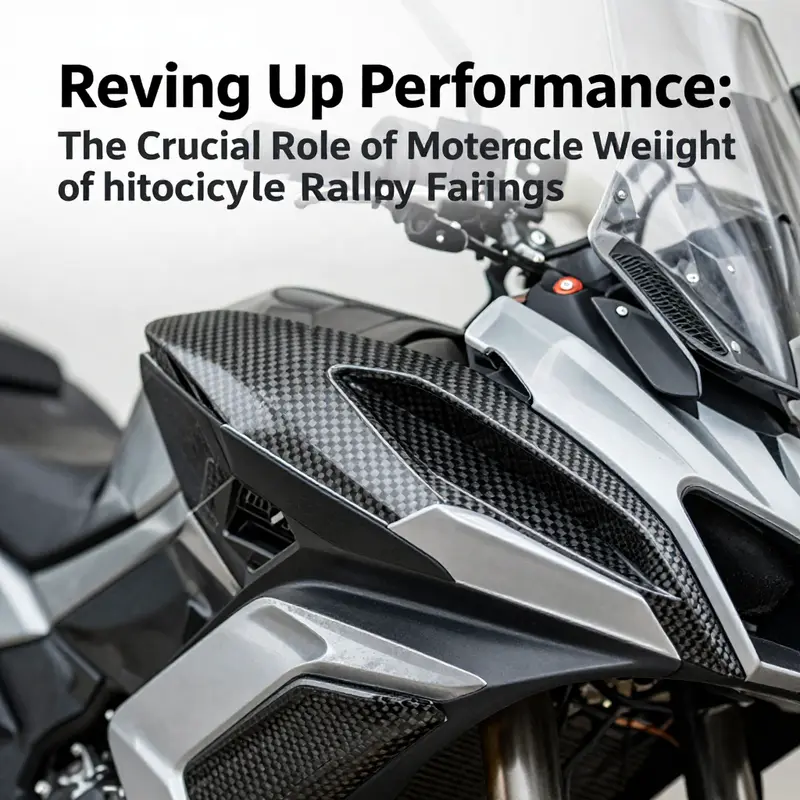
Carbon fiber represents the apex of the weight–strength equation, a material that can dramatically lower the mass of a fairing while increasing stiffness and fatigue resistance. The gains are real: a carbon-fiber shell can reduce inertial loading during maneuvers and decrease aerodynamic turbulence caused by the rider’s body and the bike’s profile. In long-distance rallies, where rider fatigue compounds the effect of every mechanical drag, the reduced mass translates into less muscular energy spent holding a steady line and maintaining speed. The downside, of course, is cost and repair complexity. Carbon fiber requires precise layup, careful resin selection, and meticulous quality control to avoid delamination or impact-induced microcracks that can propagate under temperature swings and vibration. When performance demands are highest, carbon fiber becomes a strategic layer in the fairing, often concentrated where the most benefit accrues, such as the upper wind-facing surfaces and reinforcements around critical attachment points. The picture is rarely about choosing a single material; it is about orchestrating a hybrid approach that leverages the strengths of each material while mitigating their weaknesses.
A thoughtful rally fairing also recognizes the reality that material properties do not exist in a vacuum. The harsh climate of rally routes—sun-baked heat in desert stretches, sudden rain squalls that turn armor into slick surfaces, and mud that clings like a second skin—demands resins, coatings, and joining methods that preserve performance across a broad spectrum of conditions. UV exposure can degrade surface clarity and embrittle certain polymers if not properly stabilized, while moisture can alter resin systems and lead to microcracking over time. Temperature fluctuations influence not only the mechanical behavior of the shell but also the interface between the fairing and its fasteners, seals, and mounted accessories. In this light, durability is not merely about the shell’s resistance to an impact but also about the long game: how a fairing ages, resists environmental degradation, and remains serviceable after repeated heat cycles and impromptu repair sessions along a rally route.
This is where the concept of a hybrid construction gains traction. A modern rally fairing commonly uses high-grade ABS for its outer shell, given its balance of toughness, form stability, and cost efficiency. In the critical zones, engineers may incorporate fiberglass reinforcements, applying them in layers where impact energy is expected to peak. Where weight savings deliver the most tangible performance benefits, carbon fiber or carbon-fiber-reinforced composites can be introduced, often as lightweight panels integrated into the upper fairing or around air channels that must endure both aerodynamic loads and debris impact. The objective is not to create a single super-material but to match the right material to the right task, preserving structural integrity and controlled deformation in a way that minimizes rider disruption while maximizing the bike’s ability to cling to a high-speed line through varying weather and terrain. The result is a fairing that feels almost tailor-made for endurance—the resilience of a shield with the agility of a lighter, more responsive machine.
From a manufacturing perspective, the pursuit of this balance is also about process choices. ABS panels are well-suited to efficient thermoforming and mass production, but even within ABS there are formulations and additives that tailor resilience to heat and abrasion. Fiberglass panels often rely on resin systems and layup techniques that determine how well the shell can absorb impact and resist moisture ingress, while carbon fiber assemblies benefit from precision layups and quality control that guard against delamination under load. The knowledge required to optimize these choices spans materials science, mechanical engineering, and practical field testing. In the hands of a skilled designer, these disciplines converge to deliver a shell that not only looks purposeful but also behaves predictably when pushed to the limit by throttle, wind, and grit.
Rally fairings do not exist in isolation from the rest of the bike’s ecosystem. Integrated windshields or visors, mounting points for lights and navigation units, and the access panels needed for maintenance all rely on material compatibility and joint design that respect the soldiering pace of endurance riding. The interfaces—where the fairing attaches to the steering head, the frame, and the substructures—must be secure yet serviceable, resisting loosening, cracking, or gasket failures in rain or dust. These interfaces often become the critical failure points if the wrong combination of materials or adhesives is selected. Thus, material science is as much about the canopy as it is about the seams that hold it together, ensuring that the entire assembly behaves as a cohesive, protective, and aerodynamic system under the stress of sustained rally performance.
The conversation about material choice is also informed by global manufacturing realities. A broad cross-section of producers around the world brings diverse capabilities to bear on rally fairing design. Some manufacturers emphasize cost efficiency through optimized ABS blends and simplified layups, while others invest in advanced composites and controlled resin systems that push the durability envelope. In this landscape, the design task is to calibrate cost against performance, ensuring that riders across different budgets can access fairings that meet the most demanding endurance standards. For riders who are curious about the breadth of fairing ecosystems and how material choices ripple through compatibility with various bike archetypes, a practical anchor point is the range of fairing categories available for different platforms. For instance, explore the broader spectrum of Honda fairings category to see how non-metal shells are organized and how designers map material decisions to specific frame geometries and rider ergonomics. This is not a nostalgia for a particular style but a recognition that material science must harmonize with the geometry, balance, and contact points that define every rally machine.
In the end, the durability–weight equation is not a fixed rule but a dynamic set of trade-offs that shift with the rally’s mood. On a dry fast stage, a lighter, carbon-rich skin might tip the scales toward sharper handling and reduced rider fatigue. On a rocky, rain-lashed day, a tougher ABS-based skin with strategic fiberglass reinforcements may save the rider from a costly crash and keep vital systems shielded from splatter and impact. Across these conditions, the material science of rally fairings remains a continuous negotiation—between protecting the rider and preserving control, between resisting the brutalities of nature and enabling the bike to respond with the immediacy riders demand. It is this nuanced, iterative process that turns a shell into a reliable partner on the road to endurance victory.
For readers who want a deeper dive into the chemistry and mechanics behind fairing plastics, the conversation often returns to the core properties that govern performance: impact resistance, stiffness, thermal stability, and environmental resilience. The field moves forward as engineers explore new formulations, test them in real-world rally conditions, and refine the balance between weight and durability. The practical takeaway is clear. A rally fairing is more than a cover; it is a carefully engineered system where material science translates into safer, faster, and more sustainable endurance riding. The right combination of ABS, fiberglass, and carbon fiber—with the right resin systems, layups, and bonding methods—can define how a bike behaves when the road shouts back at speed. It is a collaboration among material science, mechanical design, and the rider’s instinct for pace and precision, all converging to make the difficult art of rally navigation a little safer, a little faster, and a lot more enduring.
External reading can broaden this understanding beyond the schematic. For a broader perspective on the science behind motorcycle fairing plastics and how they are selected for strength, flexibility, and weather resistance, consult industry-focused literature and materials case studies. https://www.alibaba.com/product-detail/The-Science-Behind-Motorcycle-Fairing-Plastic-Parts_1600743295389.html
Silhouettes of Speed: Technological Innovations in Motorcycle Rally Fairings That Drive Competitive Racing
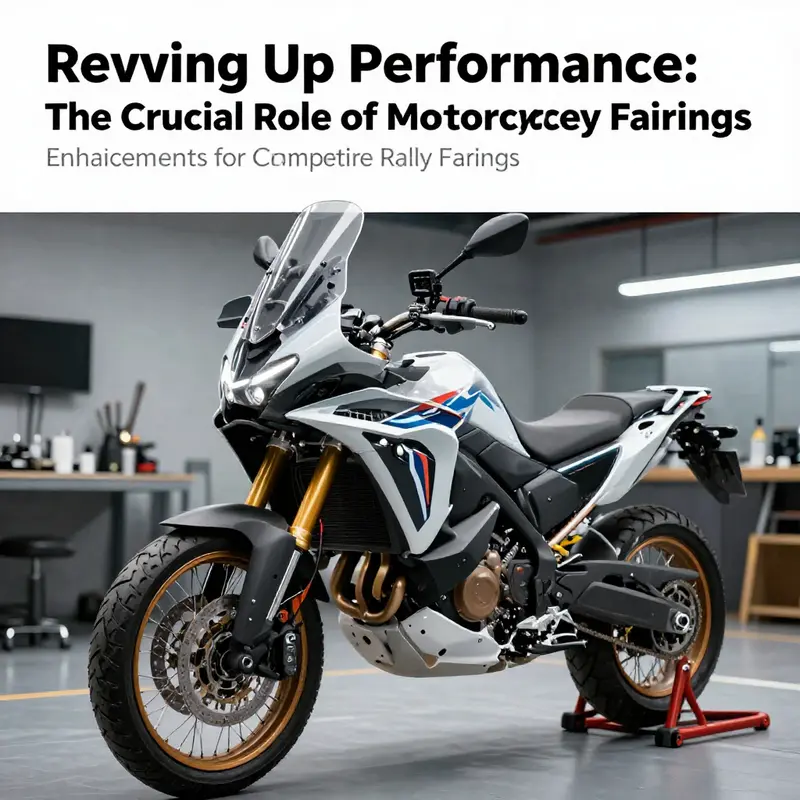
Rally fairings are more than shells that cover a bike; they are active partners in the fight for speed, endurance, and rider comfort. In the harsh calculus of rally racing, where distance, weather, and terrain conspire to tax both machine and rider, the fairing becomes a deliberate tool for shaping the air nearly as much as it shapes the rider’s experience. The core purpose remains consistent: to manage the boundary layer around the motorcycle, smooth the flow of air over complex lines, and direct it away from the rider and critical components. The result is not just a sleeker look, but a coherent system that reduces drag, stabilizes yaw and roll tendencies, and suppresses buffeting at the high speeds required by demanding stages. Hidden within the fairing’s curves is a narrative of engineering that blends strength with lightness, resilience with flexibility, and concealment with accessibility, all aimed at keeping the rider oriented, focused, and in command when conditions turn against them.
Materials have advanced in tandem with aerodynamics. Modern rally fairings increasingly rely on lightweight composites such as carbon fiber and advanced polymers, chosen for their exceptional stiffness-to-weight ratios and their ability to withstand repeated flexing without fatigue. These materials deliver meaningful gains in acceleration and handling because every gram saved in the fairing translates into less inertia and crisper responses in quick direction changes. They also contribute to fuel efficiency by enabling more precise control of the wake generated by the bike, reducing energy losses that propagate into the chassis and rider. The manufacturing approach matters as well. Techniques that favor controlled resin transfer and strategic layups produce shells that resist impact from debris and reduce micro-cracking under temperature swings. In the field, where a single, well-placed impact can bend a panel or crack a joint, the integrity of a carbon or composite fairing can be the difference between continuing the stage or a forced retirement.
Aerodynamic design today is less about chasing a single best shape and more about tuning a family of interdependent forms. Engineers test and refine curves, edges, and housings to coax beneficial flow patterns while avoiding unnecessary turbulence near the rider’s helmet, shoulders, and chest. Features such as carefully contoured side panels, sculpted belly sections, and tapered tail radii work together to sweep air along the bike’s length, ensuring a stable, predictable wake at high speed and through sweeping fast corners. In high-speed sectors, even small improvements in drag can compound into seconds per lap or per stage, while in endurance phases the same refinements translate into reduced rider fatigue as the body contends with steadier, less erratic air pressures on the torso and arms. For riders who routinely push toward the limits of stability, the feel of the bike becomes a direct external readout of the fairing’s effectiveness, a tactile sign that the airflow is cooperating rather than fighting against it.
The integration of electronics within the fairing marks a notable shift from passive protection to active performance. Modern designs accommodate a spectrum of sensors, lighting arrays, and navigation aids while maintaining sealed enclosures and protected routing for cables and connectors. This electronics integration is paired with thermal management strategies designed to keep sensitive devices within operating temperatures across desert heat, dusty rains, and sudden temperature drops. Air channels and heat sinks embedded in the inner skins can guide heat away from controllers, cameras, and communication modules, reducing the risk of thermal throttling mid-stage. The result is a ride whose technological footprint feels nearly seamless: panels flow into one another with minimal gaps, yet every electronic line remains accessible enough to be repaired in a remote bivouac if needed. As teams push toward longer rallies where stages stretch into multi-day formats, the reliability of these integrated systems ceases to be a luxury and becomes a baseline expectation. A fairing that can protect sensors from dust and water and still keep them cool enough to function is not merely convenient; it is essential.
Modularity has become a practical philosophy as much as an aesthetic one. Rally routes demand rapid adaptation to weather shifts, lighting regimes, and tactical needs. A modular fairing allows crews to swap or adjust sections in a few hours rather than dismantling the entire bodywork. This flexibility extends to the mounting points for accessories—lights for night stages, extra mirrors for rearward awareness on treacherous sections, and GPS or communication units that rely on stable, vibration-free housings. The goal is to keep the rider’s cockpit uncluttered while still permitting a rider-centric customization that matches the terrain and the stage’s demands. The modular approach also supports field repairs after a rough stretch, when a damaged panel can be replaced without a full disassembly, preserving the more delicate aero surfaces and the embedded electronics.
The real-world impact of these innovations is evident in the way riders report confidence under pressure. When a fairing reduces drag, the engine can hold a steady rhythm longer, and the bike’s stability through a late apex can feel nearly manufactured, as if the air itself is being guided toward a favorable path. In endurance phases, the relief from chronic wind fatigue translates into clearer focus, steadier breathing, and better control inputs after hours in the saddle. Such outcomes, while measurable in lap times and sector times, also reveal themselves in rider physiology: lower heart rates at the same speed, reduced shoulder strain, and a more consistent posture from the cockpit. In a sport where tenths of a second separate the podium from the pack, these subtle but cumulative advantages are the difference between a mere finish and a stage that advances a team’s overall contention.
The broad landscape of manufacturers supports this evolving picture of the rally fairing as a performance system rather than a single-purpose shell. From a design standpoint, the emphasis is on delivering a balanced blend of aerodynamics, protection, and serviceability. The fairing must shield not only the rider but also a constellation of sensors and navigation devices that keep the team in steady contact with the course and with one another. It must also survive the omnipresent hazards of rally roads: dust, water, gravel, and the occasional encounter with debris that can threaten visibility and control. The engineering response is to craft shapes that push clean air away from the rider, to create interior channels that manage temperature gradients, and to configure attachment systems that allow rapid changes without compromising integrity.
Within this framework, one can glimpse the strategic advantage offered by a well-designed fairing. Aerodynamic refinements that reduce drag at high speeds directly affect the motorcycle’s top-end stability, making it easier for a rider to sustain speed through long straights and into fast corners. A smoother wake reduces rear-wheel steering quirks and improves front-end feel, enabling more precise throttle modulation in the critical transition zones. When coupled with robust wind protection, fairings contribute to rider endurance by mitigating weather-induced fatigue and keeping visibility clear. Visibility is a core concern; many contemporary designs integrate adjustable windshields and visors that align with a rider’s posture and line of sight, allowing quick adaptations to changing light or rain without forcing the rider to compromise posture or field of view.
A note on the broader ecosystem: the fairing’s evolution does not occur in isolation. It is informed by computational fluid dynamics studies, wind tunnel testing, and the empirical data gathered from teams that push components to failure in the harsh environment of rally racing. This research loop—simulation, real-world testing, and field feedback—drives iterative improvements across materials, geometry, and integration strategies. Engineers continually seek to minimize weight while maximizing stiffness and impact resistance, because every gram saved must endure the stress of high-speed travel and sudden debris strikes. They also pay close attention to the fairing’s surface finish and seam quality, recognizing that even micro-defects can become nucleation points for crack growth under the repeated thermal cycles of endurance events.
The discussion of fairings would be incomplete without acknowledging the spectrum of artistic and brand-driven variations that exist across manufacturers. While the underlying physics remains constant, the way a team interprets form, color, and integration points reflects heritage, sponsorship influences, and the constraints of each rally’s rules. The visual language of these fairings—sharp angles that suggest speed, gentle curves that promise protection, and deliberate cutouts that accommodate sensors and cables—speaks to a broader philosophy: the fairing is a statement about capability and resilience. And as new materials and manufacturing methods continue to mature, the fairing’s role in competitive racing is likely to expand further. It will become not only a shield against weather and debris but also a smart, adaptive conduit for the data that governs strategy, setup, and nerve in the cockpit.
For readers curious about how this breadth of capability translates into tangible options on the market, consider the way different manufacturers approach fairings as a catalog of possibilities. The range reflects not only aesthetics but also a philosophy of performance optimization that can align with a rider’s objectives—whether those objectives emphasize aerodynamics, protection, or the integration of technologies that support navigation and telemetry. The modern rally fairing is as much a canvas for engineering experimentation as it is a practical enclosure for the rider; it embodies the idea that speed is produced not solely by the engine, but by how well the bike’s surface geometry and internal systems cooperate under demanding conditions. In this sense, the fairing embodies a forward-looking vision where the chassis, the powertrain, and the rider exist within a single, coordinated system—the machine’s aero-brain, if you will, that shapes behavior through air as much as through torque.
As rally racing continues to evolve, the fairing’s trajectory will increasingly emphasize not only higher efficiency and stronger protection but smarter integration with the rider’s interface and the team’s data ecosystem. The best designs will anticipate how a rider moves and breathes through a stage, how weather morphs from hour to hour, and how the team must respond with on-the-spot adjustments that keep the bike aligned with the course and the rider’s plan. This is where the fairing moves from being a passive shield to becoming a dynamic component of performance—the part that translates physics into confidence, and confidence into consistency across the most punishing kilometers. In that sense, a rally fairing is a story told in curves and channels, a narrative of how form and function converge to carry a rider toward the edge of what is possible on two wheels.
For readers who want to explore a concrete entry point into one of the brand families that contribute to this ongoing dialogue between form and function, the BMW fairings collection offers a glimpse into how a legacy manufacturer translates aerodynamic science and modular design into a living, adaptable exterior. See the BMW fairings category for examples of how the language of speed is sculpted into panels that can be swapped, tuned, and reconfigured to suit a wide range of rally and endurance scenarios. BMW fairings.
External resources provide additional perspectives on how these innovations perform in real-world conditions. For a grounded view of how fairings function under the rigors of actual rally stages, see this overview of real-world uses and performance implications: https://www.motorcycle.com/motorcycle-fairing-in-the-real-world-5-uses-youll-actually-see/.
Rally Skins: Engineering, Economics, and Endurance in Motorcycle Fairing Design
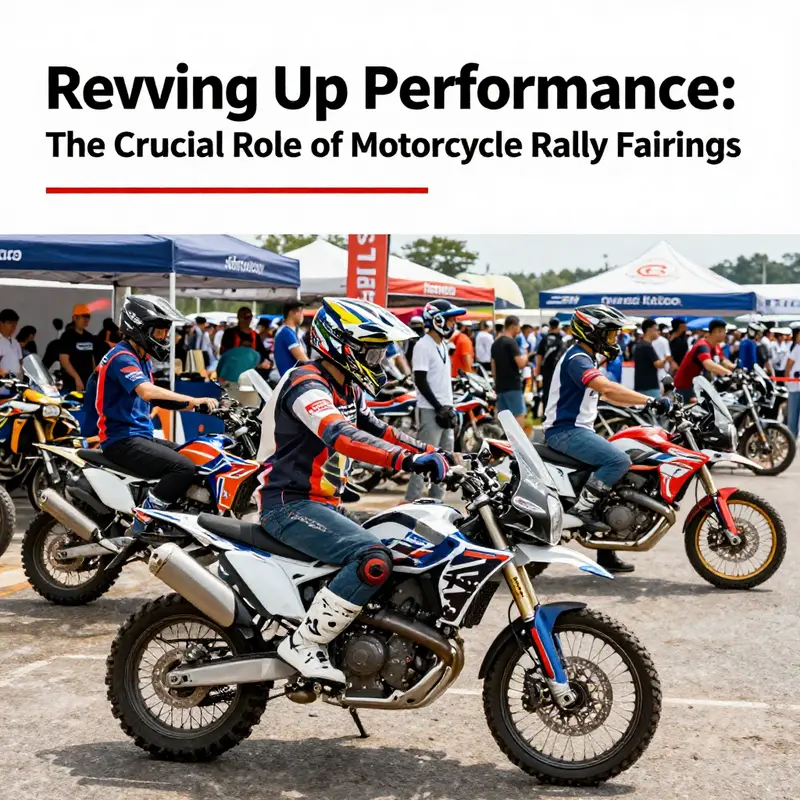
Rally fairings are more than a glossy layer of plastic or carbon fiber arcing over a motorcycle frame. They are strategic interventions in a sport where margins of victory hinge on how clean the rider can slice through air for hours on end, and how well the machine can shield that rider from the elements when fatigue gnaws at concentration. In long distance rallying and endurance events the fairing becomes a focal point where aerodynamics, rider comfort and rugged practicality meet. This convergence shapes not only on track performance but the wider economic architecture of the sport, the surrounding manufacturing ecosystems, and the way innovation circulates from the track into the street. The fairing is pragmatic: to reduce wind resistance, guide airflow with minimal turbulence, and protect the rider from rain, debris, and buffeting that grows louder and more fatiguing the longer a leg of the rally lasts. The sophistication of todays rally fairings rests on the balance of two competing demands: lightness for speed and rigidity for protection, all while maintaining or improving ergonomics so the rider remains efficient and alert with limited physical strain. It is a design problem that unfolds across disciplines fluid dynamics materials science structural engineering and human factors each contributing to a continuum from the workshop to the podium.
Aerodynamic logic behind rally fairings is rooted in the physics of high speed travel through complex irregular environments. In endurance scenarios a bike spends long periods at sustained velocities where even small drag reductions translate into meaningful fuel savings and time advantages. A full fairing envelops more of the bike’s body and chassis and generally delivers superior smoothness in airflow than a partial fairing. But the choice is never purely about drag numbers. It must consider stability at speed the way air flows around the rider’s torso and helmet and how turbulent wakes interact with side winds that are common in open landscapes. Engineers evaluate these factors through wind tunnel testing and increasingly through advanced computational fluid dynamics. The objective is not to create a perfectly laminar flow which is practically unattainable in a rally environment but to shape a forgiving wake that minimizes buffeting around the rider’s head, reduces yaw inducing forces, and preserves predictable steering responses during long stints where seconds matter less than consistency and endurance. The result is a fairing that guides air toward the underside and sides of the bike in a controlled manner while allowing space for necessary components such as lighting, instrumentation, and cooling intakes all without compromising the rider’s access to controls or to tools in the event of a roadside fix or maintenance check.
In the material realm rally fairings occupy a delicate middle ground between stiffness, impact resistance and weight. High impact ABS plastic remains common because it withstands road hazards, absorbs energy from low velocity impacts, and can be formed into complex shapes that optimize airflow. Carbon fiber by contrast offers superior stiffness-to-weight ratios and excellent fatigue resistance, but at a higher cost and with production challenges that can complicate rapid repairs in the field. The trade-off between these materials is a reflection of the broader design philosophy: a fairing must endure the rough-and-tumble realities of rally routes without compromising the rider’s comfort or safety. It must resist weathering from sun and rain, environmental exposure from dust and grit, and the occasional encounter with loose gravel or branches kicked up by other competitors. The longevity of these panels matters because rally teams rely on predictable performance across long durations; a fairing that degrades quickly or sacrificially yields both risk and extra maintenance.
Beyond core aerodynamics and materials, the practical architecture of rally fairings has evolved to accommodate a suite of integrated features that can be adjusted on the fly. Modern designs often include windshields or visors whose tilt and height can be tuned for visibility and protection according to weather conditions or rider preference. They also space for accessories such as auxiliary lighting, navigation devices, and compact communication equipment. In endurance contexts, navigation and information access are essential; therefore, fairings must carry mounting points and routing channels that keep cables and sensors secure and unobtrusive. The ability to swap panels or reconfigure a section of the fairing quickly is a real advantage in rally logistics, where a damaged panel might be replaced with a spare during a scheduled maintenance window rather than a full teardown in a service area. This modularity speaks to a broader design ethos: the fairing is not a single rigid shell but a system whose components are chosen for durability, serviceability, and adaptability to changing race conditions.
The economic implications of this design culture extend well beyond the paddock. A robust fairing program pushes demand for high-performance materials, precision manufacturing, and advanced assembly techniques. As teams push for greater aerodynamic efficiency, they spur innovation in composites, adhesives, and process control, which can cascade into consumer motorcycle production. The connection between racing and industry is reinforced by a feedback loop: racing challenges inspire R&D investments, which in turn yield performance advantages on public road bikes, and that cycle broadens the market for high-tech components. The resulting demand does more than just shape product lines; it helps sustain specialized manufacturing capabilities and skilled labor in engineering, molding, laminating, and assembly.
Global market dynamics surrounding rally fairings are intertwined with the globalization of motorcycle manufacturing. The fairing market as a category benefits from rising motorcycle sales and a heightened focus on vehicle aerodynamics and rider safety. This growth is not merely a reflection of consumer appetite for sport and performance; it is also a consequence of the rally ecosystem’s heavy investment in R&D, sponsorship, and media exposure. As major events attract larger audiences, sponsorships provide critical funding for teams to pursue technical innovations. Media rights and merchandising expand the financial base that supports ongoing development, enabling manufacturers to amortize costly research over multiple product cycles. In this sense rally fairings are a microcosm of how technology, business strategy and sport interlock to create economic value that can ripple outward to suppliers, universities, and regional engineering clusters that specialize in composites, metals, and advanced manufacturing.
External resources offer a broader lens on these dynamics. For a comprehensive industry perspective on the growth and trends shaping the motorcycle fairing market, see MarketsandMarkets analysis of the market growth trends for 2026. This external resource provides a broader market framework that complements the technical and narrative focus of this chapter. https://www.marketsandmarkets.com/Market-Reports/motorcycle-fairing-market-1459.html
Final thoughts
Motorcycle rally fairings play a pivotal role in enhancing performance and safety for riders while significantly impacting the broader motorsport industry. Understanding the intricacies of aerodynamics, materials science, technological advancements, and economic implications will equip business owners with insights into the value of investing in high-quality fairings. As the demand for competitive racing and endurance events continues to grow, so will the opportunity for innovation and success in this dynamic sector. Investing in cutting-edge rally fairings is not merely a technical enhancement; it is a strategic business decision that can lead to improved performance, increased rider safety, and substantial economic returns.